





Hebei Jinjiu Metal Products Co.,Ltd


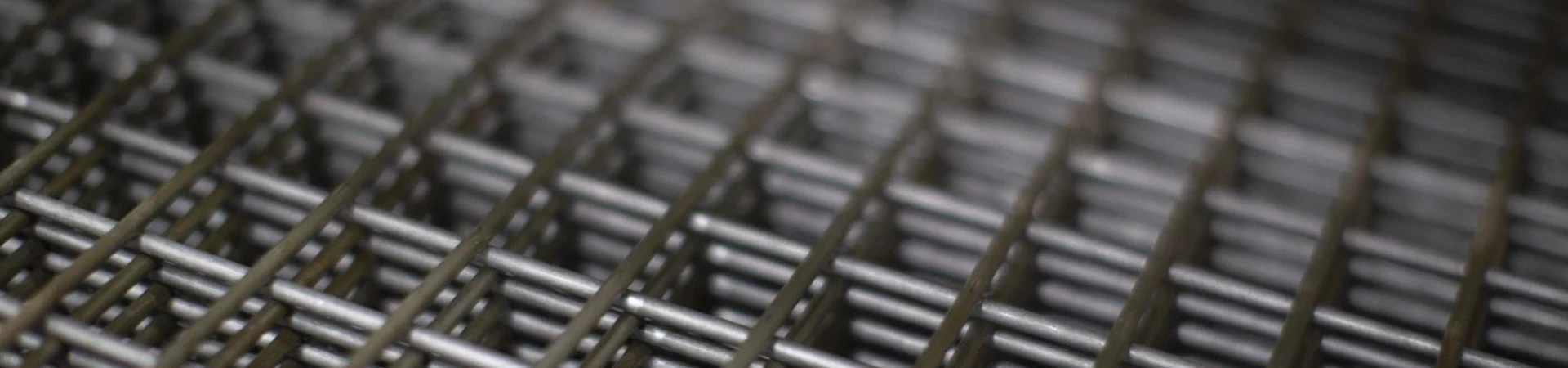

Anti Tank Track Mesh: The Hidden Guardian of Security & Infrastructure
Dec . 01, 2025 07:35
What’s All the Fuss About Anti Tank Track Mesh?
So, what exactly is this “anti tank track mesh” thing, and why should anyone care beyond the defense sector? At first blush, it sounds like something out of a World War II documentary — kind of a medieval barrier against tanks and heavy vehicles. But in reality, anti tank track mesh is a modern engineering marvel that goes beyond military applications. It’s engineered wire mesh designed to withstand the crushing force and relentless pressure of heavy armored vehicle tracks — effectively preventing unauthorized vehicle access or protecting critical infrastructure.
Globally, the need to secure strategic areas like borders, military bases, and even sensitive industrial sites is ever-increasing due to geopolitical tensions and infrastructure vulnerabilities. Plus, these meshes have found a niche in industrial zones and disaster-hit areas where heavy machinery needs to be controlled or restricted on soft ground surfaces.
Mini takeaway: Anti tank track mesh is not just a barrier; it’s a tailored solution meeting diverse global challenges from security to environmental protection.
The Global Context: Why Anti Tank Track Mesh Matters
With global military spending estimated at over $2 trillion annually (SIPRI, 2023), and infrastructure investments increasingly focusing on resilience and security, anti tank track mesh plays a subtle but vital role. According to UN reports on peace and security measures, physical deterrents such as robust fences combined with anti tank track meshes dramatically reduce unauthorized incursions and damage from heavy equipment.
But here’s an interesting angle: beyond military use, industries like mining, oil & gas, and even humanitarian organizations require heavy vehicle controls to prevent costly accidents and environmental damage. For example, in post-conflict zones where landmines and unstable grounds are common, anti tank track mesh serves as a critical safety measure for aid delivery vehicles.
Challenges such as harsh climates, corrosive environments, and evolving tactical threats demand that these meshes be not only durable but adaptive.
Mini takeaway: The mesh’s global relevance isn't just in defense — it’s part of broader infrastructure security and disaster management strategies.
Defining Anti Tank Track Mesh: A Closer Look
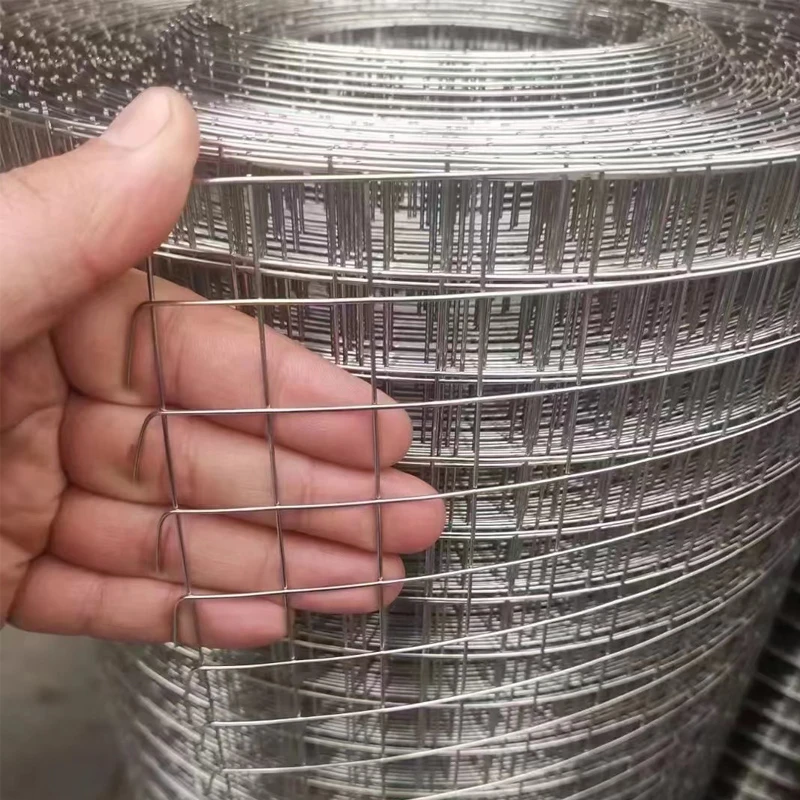
In simple terms, anti tank track mesh is a high-strength, heavy-duty wire mesh designed to withstand the enormous pressure exerted by tank tracks and other armored vehicles. Unlike standard fencing or barricades, this mesh uses thick steel wires woven into a tight grid, engineered to prevent deformation and penetration.
Basically, think of it as a heavyweight champion in the barriers category — flexible enough to be deployed quickly, yet strong enough to stop or slow down tracked vehicles in their tracks. This kind of mesh finds itself attached to ground surfaces or combined with other high-security barriers to create multi-layered defenses.
Modern industries beyond defense see its connection to issues like environmental protection, infrastructure preservation, and even safe crowd control during large events.
Mini takeaway: Anti tank track mesh bridges hardcore military-grade protection with practical industrial applications.
What Makes Anti Tank Track Mesh Tick? Key Factors Explained
1. Durability & Material Strength
Most anti tank meshes are crafted from galvanized steel or stainless steel to resist rust, corrosion, and constant mechanical stress. Engineers often specify tensile strengths upwards of 600 MPa, ensuring that the mesh won’t bend or snap under a tank’s weight — which can exceed 50 tons.
2. Scalability & Customization
Depending on the threat or site size, mesh panels come in various dimensions and thicknesses. Manufacturers offer modular units for easy transportation and installation. Oddly enough, this flexibility makes it a choice material not only for permanent installations but also for temporary field operations.
3. Cost Efficiency Over Time
Sure, the upfront investment can look steep compared to ordinary fencing, but considering lifespan (often 15-20 years with proper maintenance) and the avoided costs of damage or unauthorized access, it plays out as very economical. Lifecycle analyses often favor investing in the right mesh initially rather than constant repairs or replacements.
4. Quick Deployment & Installation Ease
Many designers have integrated innovations like bolt-on connectors and pre-assembled panels. In situations demanding rapid security set-up (think UN peacekeeping missions), anti tank track mesh can be deployed with remarkably little fuss.
5. Environmental Adaptability
Whether sandy deserts, torrential rain zones, or freezing mountain passes, these meshes are treated or coated to withstand local extremes without losing structural integrity.
Mini takeaway: Durability, flexibility, and cost-efficiency form the backbone of effective anti tank track mesh solutions.
Where Does Anti Tank Track Mesh Really Come Into Its Own?
- Military Bases & Border Security: Multiple countries deploy these meshes as first-line physical deterrents to slow or stop unauthorized armored vehicles.
- Critical Infrastructure Protection: Airports, power plants, and communication hubs use it to prevent vehicular breaches potentially causing catastrophic disruptions.
- Industrial Zones: Mines and extraction sites often use it to guide or restrict heavy machinery movement, reducing accidents on soft or hazardous grounds.
- Post-Disaster Relief Areas: In regions recovering from natural calamities, this mesh helps protect fragile infrastructure from heavy machinery that might cause further damage.
- Crowd and Vehicle Control at Large Events: Stadiums and mass gatherings sometimes leverage modular anti tank track mesh as enhanced vehicle barriers.
Mini takeaway: Its real-world applications cut across defense, industry, and humanitarian arenas — showing impressive versatility.
Understanding the Advantages & Long-Term Value of Anti Tank Track Mesh
Tangibly, the main benefits include physical robustness, longevity, and reduced upkeep. The protection it offers leads to lower risk premiums for insurance and less downtime from repairs — a clear win for industrial operators.
On the emotional side, it provides peace of mind. Security personnel feel less vulnerable, and communities near protected sites get reassurance, knowing armored vehicles can’t freely enter sensitive zones.
Innovation here isn’t just metal and mesh—it’s about building trust between operators, governments, and citizens, which, frankly, is priceless.
Product Specification Table
| Specification | Detail |
|---|---|
| Material | Galvanized Steel / Stainless Steel |
| Wire Diameter | 8–12 mm |
| Panel Dimension | 2m x 3m (standard); customizable |
| Tensile Strength | 600+ MPa |
| Surface Treatment | Hot-dip Galvanized, PVC Coating |
| Expected Lifespan | 15–20 years |
Comparing Leading Suppliers of Anti Tank Track Mesh
| Vendor | Material Quality | Customization Options | Pricing Range (USD) |
|---|---|---|---|
| Jinjiu Wire Mesh | High-grade galvanized steel | Tailored dimensions & finishes | $$$ (Premium) |
| Global Mesh Co. | Standard galvanized steel | Limited options | $$ |
| Fortress Fabrics | Stainless steel specialty | Moderate customization | $$$$ |
Peeking into the Future: Trends & Innovations
The future? It’s oddly thrilling. Materials science is pushing anti tank track mesh into lighter, stronger composites that might incorporate carbon fiber or smart sensors to detect attempts at breach or damage. Think of meshes that can self-report integrity status in real time.
On a sustainability note, manufacturers are exploring recycled steel and eco-friendly coatings to reduce environmental impact during and after deployment.
Digital transformation means integration with surveillance systems, transforming the simple mesh into part of a wider “smart” perimeter.
Mini takeaway: Innovation is not just about strength — it’s about intelligence, sustainability, and integration.
Typical Challenges & How Experts Address Them
Despite all advantages, anti tank track mesh does have challenges:
- Weight & Handling: Panels can be heavy, requiring special equipment for deployment.
- Corrosion in Extreme Environments: Salt spray or chemicals can degrade untreated mesh.
- Vandalism & Sabotage: Determined attackers might try to breach or cut the mesh.
To counteract these, experts recommend:
- Using modular, lighter panel designs combined with heavy-duty anchors.
- Advanced anti-corrosion coatings and regular maintenance cycles.
- Embedding mesh within multi-layered barriers and integrating sensor tech for early alerts.
Top FAQs About Anti Tank Track Mesh
Q1: How thick should an anti tank track mesh be to stop a 50-ton tank?
A thickness of 8–12 mm wire diameter with high tensile galvanized steel is typically effective to withstand the enormous pressure exerted by heavy tanks. The mesh’s grid pattern and mounting method also play critical roles.
Q2: Can anti tank track mesh be reused after deployment?
Yes, panels are often designed for modular assembly and disassembly, allowing them to be redeployed if undamaged, though careful handling is essential to maintain structural integrity.
Q3: Is the mesh resistant to corrosion in coastal environments?
Standard galvanized mesh offers some protection, but in coastal or highly corrosive environments, specialized PVC coatings or stainless steel alternatives are recommended.
Q4: How fast can anti tank track mesh barriers be installed in emergency situations?
With modular panels and bolt-on fittings, experienced crews can deploy barriers in a matter of hours, much faster than traditional concrete or earth berms.
Q5: Are there international standards covering anti tank track mesh?
Yes, standards from ISO and national military specifications guide the materials, durability, and testing protocols for these security meshes, ensuring reliability and interoperability.
Bringing It All Together: Why Anti Tank Track Mesh is a Long-Term Investment
Ultimately, investing in high-quality anti tank track mesh is about safeguarding infrastructure, people, and organizations. It’s the quiet hero preventing disruption, damage, or worse. Whether for military, industrial, or humanitarian uses, its robust design and adaptability deliver unmatched value over time.
If you’re intrigued by how this specialized mesh can secure your operations or projects, don’t hesitate — explore more about anti tank track mesh and find solutions tailored to your needs.

Related Products


Related News


2026-03-16 14:21:07
Discover durable farming solutions and flexible animal containment with hinge-knot field fence. Combining impact-resistant design and customizable options, Hebei Jinjiu ensures quality for agricultural applications. Explore now: https://www.jinjiuwiremesh.com/field-fencefarm-fence.html
2026-03-16 14:21:07
Discover durable farming solutions and flexible animal containment with hinge-knot field fence. Combining impact-resistant design and customizable options, Hebei Jinjiu ensures quality for agricultural applications. Explore now: https://www.jinjiuwiremesh.com/field-fencefarm-fence.html
2027-04-14 00:00:00
Discover durable farming solutions and flexible animal containment with hinge-knot field fence. Combining impact-resistant design and customizable options, Hebei Jinjiu ensures quality for agricultural applications. Explore now: https://www.jinjiuwiremesh.com/field-fencefarm-fence.html
2026-02-25 15:31:06
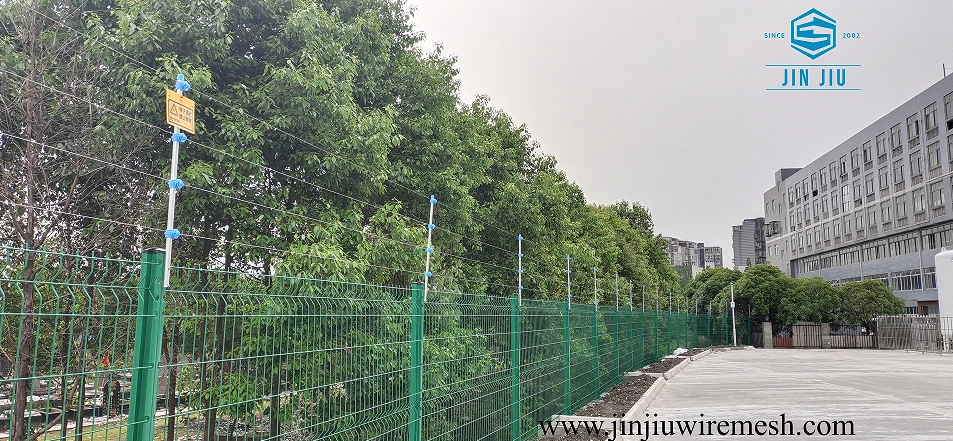
The Strategic Role of the Industrial Electric Fence in Modern Commerce
The protection of corporate and manufacturing assets has transitioned from a matter of simple boundary marking to a complex necessity of risk management.
2026-02-25 15:29:03
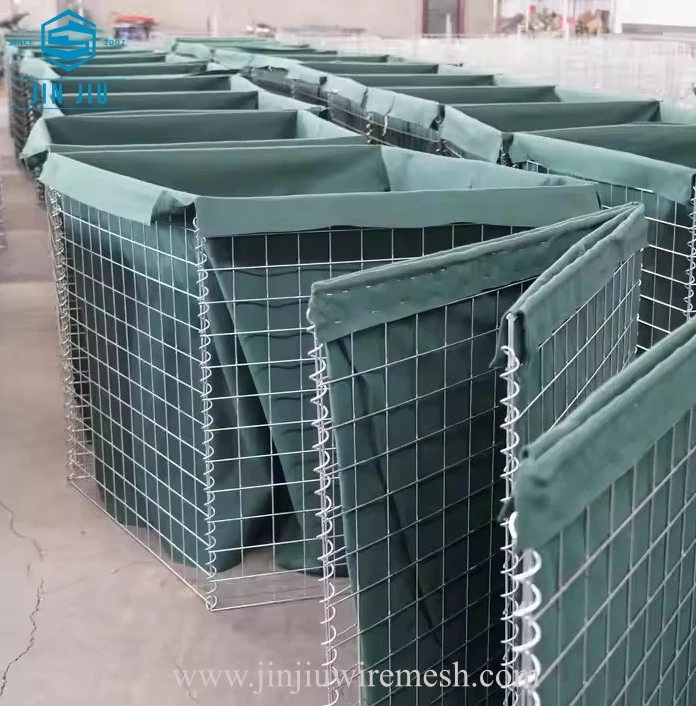
The Evolution of Physical Protection: Bullet Resistant Defensive Barriers in Modern Security
In an increasingly unpredictable global landscape, the requirement for high-level ballistic protection has moved beyond the battlefield and into the core of civilian and industrial security infrastructure.
2026-02-25 15:26:58
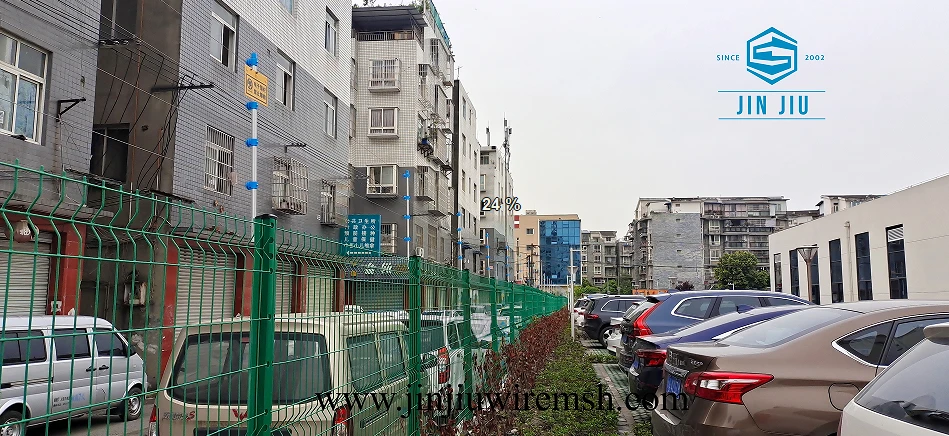
The Digital Backbone of Modern Security: Connected Pulse Monitoring Electric Fence Architecture
The traditional concept of a perimeter has undergone a fundamental transformation.
2026-02-25 15:24:13
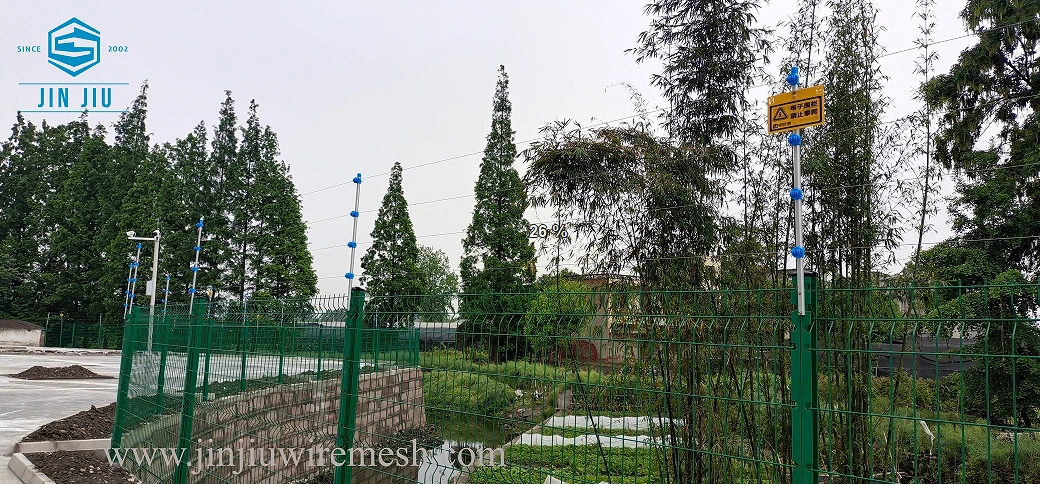
Securing the Unreachable with a Powerful Pulse Electric Fence
In the realm of global security, the distinction between a standard boundary and a high-security perimeter is often defined by the technology pulsing through the wires.
2027-04-14 00:00:00
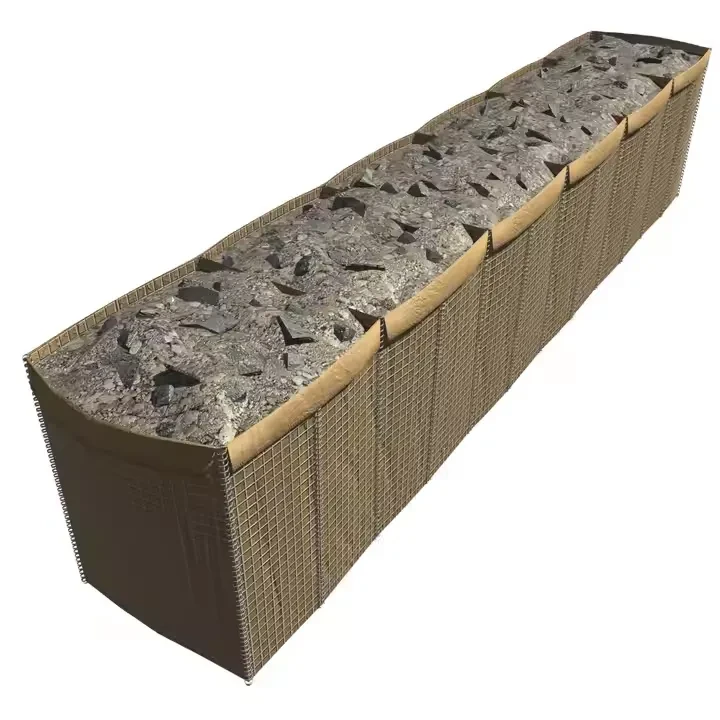
Engineering Resilience with Explosion Proof Defensive Barriers
In an era where industrial safety and national security are increasingly intertwined, the necessity for specialized protection in volatile environments has never been higher.


 English
  Albanian
  Arabic
  Bengali
  Czech
Czech  Danish
  Dutch
Dutch  Finnish
  French
  German
  Japanese
  Malay
Malay  Persian
  Polish
  Portuguese
  Romanian
  Russian
  Serbian
  Spanish
  Swahili