





Hebei Jinjiu Metal Products Co.,Ltd


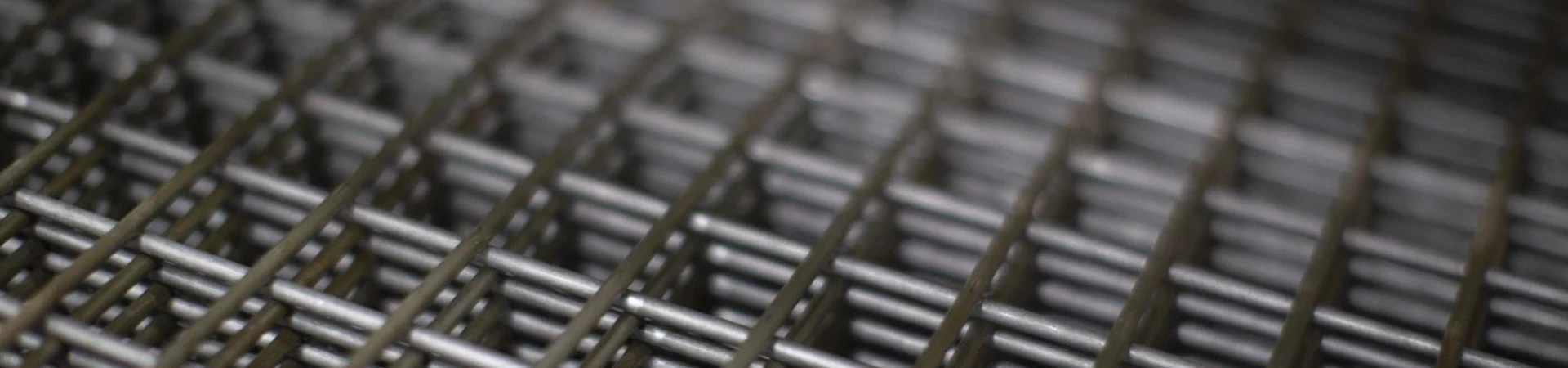

Inconspicuous Security Obstacle Wire – Subtle Yet Strong Perimeter Protection
Dec . 01, 2025 06:00
Understanding Inconspicuous Security Obstacle Wire and Its Global Impact
If you haven’t encountered the term inconspicuous security obstacle wire before, you’re in for a little surprise. This isn’t your run-of-the-mill security fencing; it’s a modern solution designed to protect spaces without screaming “security” at every glance. Globally, the need for subtle yet effective protective barriers has grown dramatically. From urban centers fighting rising crime rates to wildlife preserves preventing poachers, these wires offer a key balance between safety and aesthetics — or at least, low visibility.
Mostly used where security is crucial but overt barriers would cause issues—think diplomatic compounds, historic sites, or sensitive industrial zones—they hide in plain sight. The benefits are clear if you consider not just security but also community acceptance, lower maintenance costs, and even environmental impact. So understanding how this specialized wire plays a role unlocks new ways to think about security beyond traditional fences.
Why Inconspicuous Security Obstacle Wire Matters on a Global Scale
Worldwide, security concerns keep evolving. The United Nations notes that urban violence has been rising steadily, and industries require safer perimeters without disrupting daily life or heritage sites. According to ISO standards, materials used in security infrastructure must meet durability and safety benchmarks, which this wire complies with.
The challenge? Traditional fencing is often intrusive and easily spotted, sometimes without blending well into the environment. That’s where inconspicuous security obstacle wire steps in — serving as a discreet yet formidable barricade that’s difficult to breach or even detect at a glance.
Mini takeaway: Security needs vary globally, and invisible (or less visible) wiring solutions bring a welcome, flexible approach to sensitive areas.
What Exactly Is Inconspicuous Security Obstacle Wire?
Put simply, this is a type of wire or wire mesh installed to prevent unauthorized access, but cleverly designed or placed so it’s nearly unnoticeable. It’s usually coated with colors matching surroundings, made from thin strands under tension, and can be integrated into existing structures or natural landscapes.
In essence, it’s a marriage of security engineering and subtlety — important for places valuing both protection and appearance, such as museums, corporate campuses, or conservation areas. Sometimes it’s even called “stealth wire” or “low-visibility barrier,” narrowing the focus on its secrecy and deterrence function.
Key Features You Should Know About
1. Durability and Strength
Most inconspicuous security wires are made from galvanized steel or stainless steel, often with anti-corrosion coatings. This ensures they can withstand harsh weather — UV exposure, rain, even salt air — without sagging or rusting.
2. Low Visual Profile
The wires are thin and typically colored to blend with their environment—greens, browns, or grays—making them difficult to spot unless you’re looking closely.
3. Scalability and Customization
Whether you need to secure a small garden or a full perimeter of an industrial plant, these wires scale well. They can be adjusted in length, tension, and layering to suit the security level needed.
4. Cost Efficiency
The upfront cost is often lower than heavy fencing or electronic gates, and maintenance is minimal — usually just periodic inspections and minor tightening over years.
5. Environmental Friendliness
Because they don’t involve bulky barriers, wildlife can often pass around or under them if designed thoughtfully, reducing disruption to local fauna and flora.
Mini takeaway: These core features reflect why this kind of wire often outperforms more obvious security methods in versatility and acceptance.
Where Is Inconspicuous Security Obstacle Wire Being Used Today?
This wire is no longer niche. You’ll find it:
- In diplomatic and governmental compounds, where security must be strong but arenas need a dignified look.
- At airports and transportation hubs, to quietly mark boundaries without alarming visitors.
- Across conservation areas in Africa and Asia, helping protect endangered wildlife reserves with minimal habitat disturbance.
- In remote industrial zones, including oil rigs or mining sites, often exposed to harsh environments where sturdiness and low maintenance are critical.
- Urban parks and historic landmarks, where visible fences would spoil visual appeal or breach preservation rules.
For example, in post-disaster relief operations, temporary installation of these wires helps maintain order and protect donated supplies. Their ease of deployment and minimal visual footprint prove invaluable where rebuilding coexist with urgency.
Advantages and Long-Term Value
When you think about security, the first impulse might be “more visible, the better.” But inconspicuous wires challenge that notion by creating value on multiple levels:
- Safety without stigmatization: Rather than intimidating or isolating, these barriers feel less like prisons and more like subtle guardians.
- Cost savings: Reduced material and installation time means budgets stretch further — and fewer repairs over time.
- Environmental benefits: As mentioned, fewer disruptions to ecosystems and less resource-intensive manufacturing.
- Trust via innovation: Organizations adopting these systems highlight an emphasis on both technology and social responsibility, bolstering public confidence.
Mini takeaway: The true value lies not just in stopping intruders, but in promoting coexistence — you know, protect without harming.
Modern Trends and Innovations Shaping This Wire’s Future
In real terms, the field is moving fast. Innovations include:
- Smart wire integration: Sensors that detect cutting or pressure changes and send alerts.
- Eco-conscious materials: Recycled metals and biodegradable coatings to reduce environmental impact.
- Automated tension adjustment: Wires that self-correct sagging to maintain optimal security without manual checks.
- Digital mapping combined with physical wire: Creating multi-layered digital-physical security perimeters.
Futuristically, it feels like the invisible fence might become an active defender, reacting almost as if it had a brain, rather than just a passive barrier.
Challenges and How Experts Recommend Overcoming Them
That said, nothing is perfect. Common challenges include:
- Installation expertise: Requires skilled technicians to ensure proper tension and anchoring.
- Limited deterrence against heavily equipped intruders: Wire alone won’t stop all attempts, so integrating with cameras or patrols helps.
- Potential wildlife entanglement: If poorly designed, animals can get trapped, which some conservation projects actively avoid.
Experts suggest combining these wires with other measures, such as alarm systems or visual deterrents, and always customizing design to the site. Training local staff also reduces human error and improves ongoing maintenance.
Product Specification Table for a Typical Inconspicuous Security Obstacle Wire
| Specification | Details |
|---|---|
| Material | Galvanized steel wire (Grade 316 stainless steel available) |
| Diameter | 1.2 mm – 2.5 mm |
| Coating | Polymer polymer coating; color options to match environment |
| Tensile Strength | Up to 1770 MPa |
| Maximum Span Between Posts | Up to 5 meters |
| Typical Lifetime | 15–20 years (with proper maintenance) |
| Weight | Approx. 0.1 kg/meter |
Comparing Top Vendors of Inconspicuous Security Obstacle Wire
| Vendor | Material Quality | Customization Options | Price Range | Lead Time |
|---|---|---|---|---|
| Jinjiu Wire Mesh Co. | High-grade galvanized/stainless steel | Custom coatings, sizes, smart integration | $$$ (mid-range) | 3-4 weeks |
| SecureWire Solutions | Standard galvanized steel | Limited colors, standard sizes | $$ (budget) | 2 weeks |
| EcoBarrier Technologies | Recycled steel with biodegradable coatings | Eco-focused customization | $$$ (premium) | 4-6 weeks |
Frequently Asked Questions About Inconspicuous Security Obstacle Wire
Q1: How discreet can these security wires actually be?
A1: When installed correctly—using color coatings matching the surroundings and narrow diameters—these wires appear almost invisible from a distance. They achieve this by blending into natural or architectural backgrounds without drawing attention, meeting strict aesthetic requirements in sensitive locations.
Q2: Is inconspicuous security wire effective against determined intruders?
A2: While highly resistant due to strong materials and proper tensioning, this wire is best when combined with alarms, cameras, or patrols. It acts as a significant physical barrier and deterrent, but also as part of a layered security strategy rather than a single solution.
Q3: Can these wires be installed temporarily, for events or emergencies?
A3: Yes, they’re favored for their quick deployment capabilities, especially when securing temporary perimeters such as post-disaster zones or large public events needing subtle security that doesn’t disrupt aesthetics profoundly.
Q4: How do I maintain the wire for longevity?
A4: Maintenance mainly entails periodic inspections for tension and minor corrosion. Cleaning might be necessary in dusty or salty environments, but due to corrosion-resistant coatings, major interventions are rare.
Q5: Are there environmental benefits compared to traditional fencing?
A5: Absolutely. The minimalistic design reduces materials used, lessens visual pollution, and when combined with careful layout, it minimizes wildlife disruption—a key advantage recognized by conservation groups.
Final Thoughts: Why Inconspicuous Security Obstacle Wire Is a Smart Choice
Stepping back, it’s clear that inconspicuous security obstacle wire offers a fresh take on perimeter security: one that can be tough and reliable, yet barely noticed. For many industries and environments, this balance is crucial. If you want effective protection that doesn’t shout “danger,” it’s worth considering this option seriously.
A neat bonus? More and more innovations are making these wires smarter and greener — perfect for the future.
If you’re intrigued, or looking to upgrade your security setup with something less bulky, go explore what inconspicuous security obstacle wire solutions can offer. Seriously, the difference might be just how little you notice while feeling a whole lot safer.
References & Further Reading

Related Products

Related News


2026-03-16 14:21:07
Discover durable farming solutions and flexible animal containment with hinge-knot field fence. Combining impact-resistant design and customizable options, Hebei Jinjiu ensures quality for agricultural applications. Explore now: https://www.jinjiuwiremesh.com/field-fencefarm-fence.html
2026-03-16 14:21:07
Discover durable farming solutions and flexible animal containment with hinge-knot field fence. Combining impact-resistant design and customizable options, Hebei Jinjiu ensures quality for agricultural applications. Explore now: https://www.jinjiuwiremesh.com/field-fencefarm-fence.html
2027-04-14 00:00:00
Discover durable farming solutions and flexible animal containment with hinge-knot field fence. Combining impact-resistant design and customizable options, Hebei Jinjiu ensures quality for agricultural applications. Explore now: https://www.jinjiuwiremesh.com/field-fencefarm-fence.html
2026-02-25 15:31:06
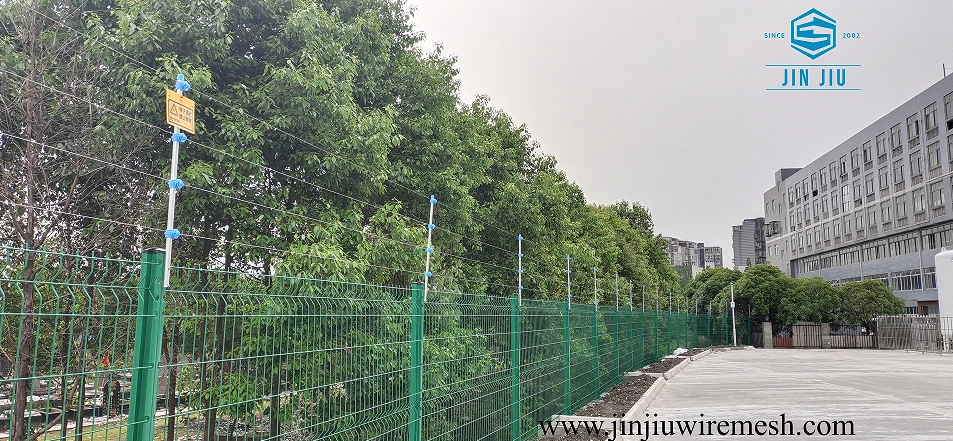
The Strategic Role of the Industrial Electric Fence in Modern Commerce
The protection of corporate and manufacturing assets has transitioned from a matter of simple boundary marking to a complex necessity of risk management.
2026-02-25 15:29:03
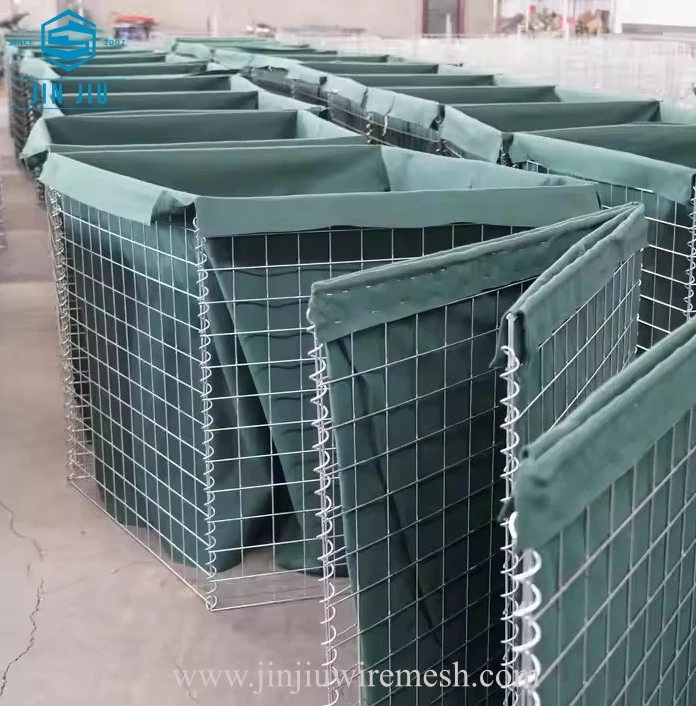
The Evolution of Physical Protection: Bullet Resistant Defensive Barriers in Modern Security
In an increasingly unpredictable global landscape, the requirement for high-level ballistic protection has moved beyond the battlefield and into the core of civilian and industrial security infrastructure.
2026-02-25 15:26:58
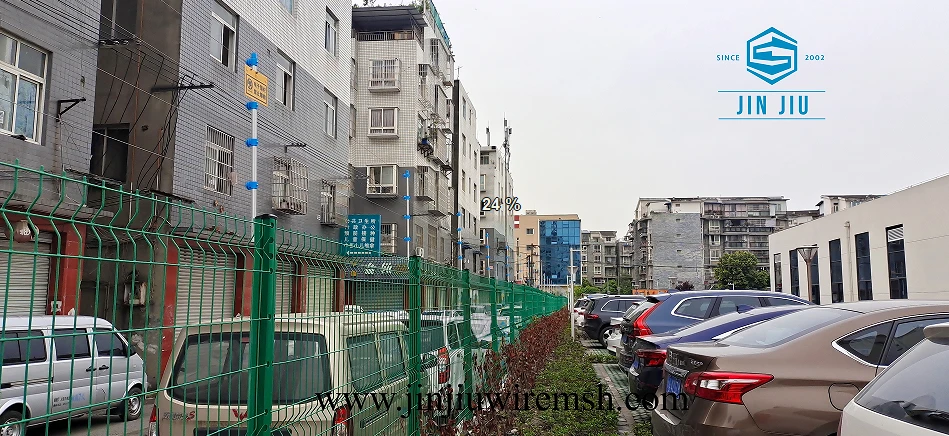
The Digital Backbone of Modern Security: Connected Pulse Monitoring Electric Fence Architecture
The traditional concept of a perimeter has undergone a fundamental transformation.
2026-02-25 15:24:13
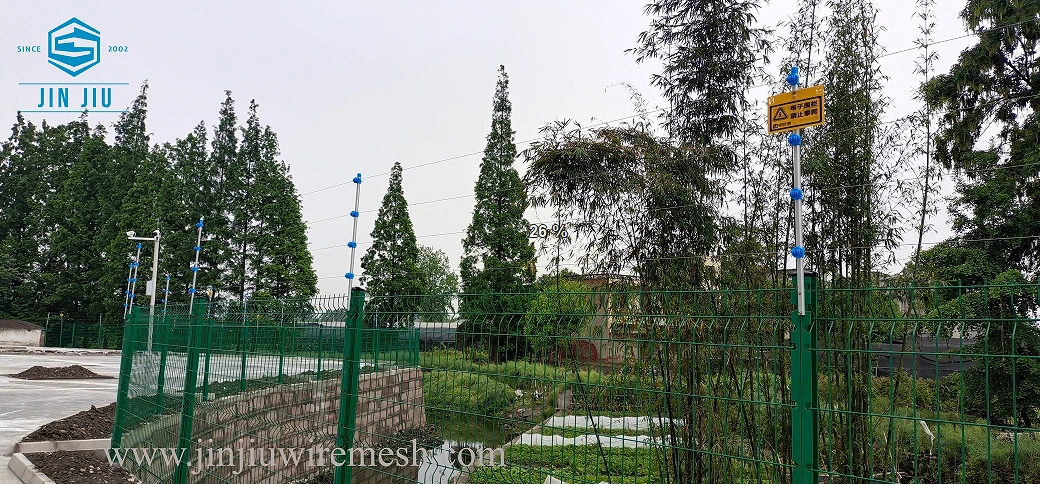
Securing the Unreachable with a Powerful Pulse Electric Fence
In the realm of global security, the distinction between a standard boundary and a high-security perimeter is often defined by the technology pulsing through the wires.
2027-04-14 00:00:00
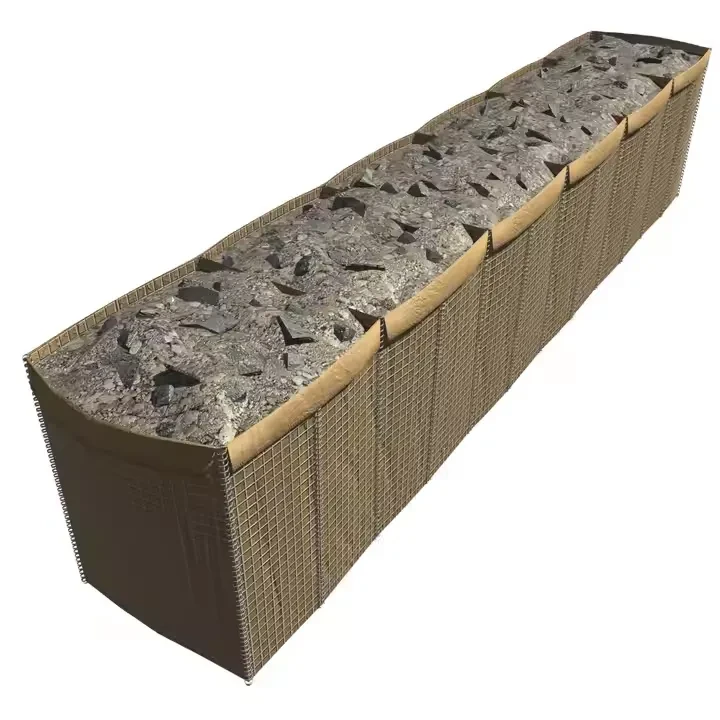
Engineering Resilience with Explosion Proof Defensive Barriers
In an era where industrial safety and national security are increasingly intertwined, the necessity for specialized protection in volatile environments has never been higher.


 English
  Albanian
  Arabic
  Bengali
  Czech
Czech  Danish
  Dutch
Dutch  Finnish
  French
  German
  Japanese
  Malay
Malay  Persian
  Polish
  Portuguese
  Romanian
  Russian
  Serbian
  Spanish
  Swahili