





Hebei Jinjiu Metal Products Co.,Ltd


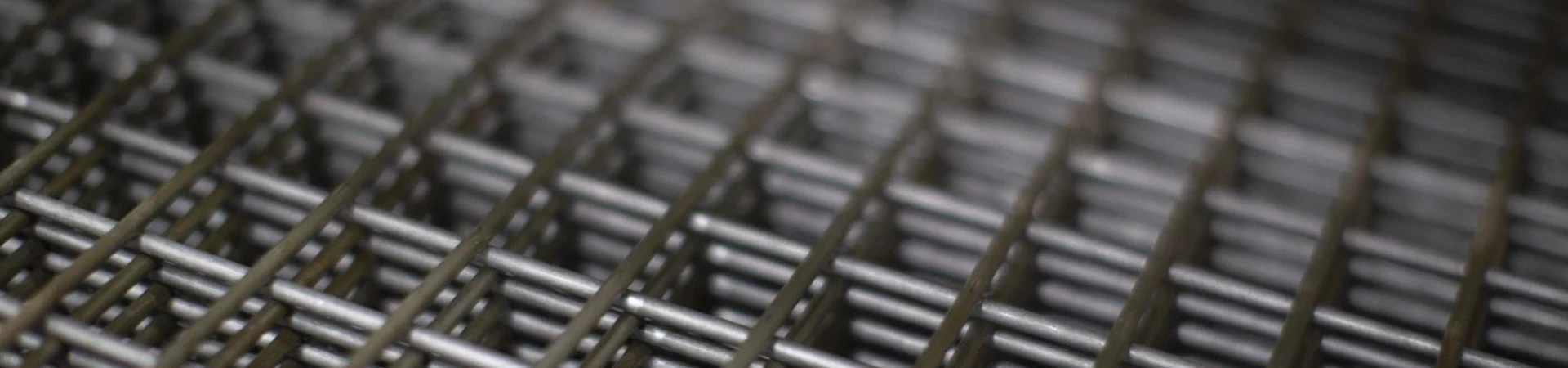

Tank Track Wrapping Obstacle Wire Mesh: Durable Barriers for Global Defense and Security
Dec . 01, 2025 04:25
Understanding Tank Track Wrapping Obstacle Wire Mesh and Its Global Impact
At first glance, "tank track wrapping obstacle wire mesh" might sound like a mouthful reserved only for military engineers or defense tech geeks. But this concept is much more approachable—and important—than you might think. Essentially, it’s a type of wire mesh designed to disrupt or impede tracked vehicles like tanks by wrapping around or obstructing their treads. Globally, it matters immensely not just for defense but also for safeguarding vulnerable zones, protecting critical infrastructure, and even aiding humanitarian efforts in conflict or disaster-affected areas.
The key benefits of understanding and deploying such obstacle wire meshes are multifold: they allow cost-effective perimeter defense, adapt to various environments, and can reduce outright conflicts by creating physical but non-lethal barriers. In today’s increasingly complex global landscape, having reliable, efficient means to manage armored threats or control movement is an indispensable part of both military strategy and civilian protection.
The Global Context: Why Tank Track Wrapping Obstacle Wire Mesh Matters Today
When you zoom out, the demand for advanced obstacle management systems like tank track wrapping wire mesh is growing worldwide. According to recent reports by the UN and the Stockholm International Peace Research Institute (SIPRI), global military spending hits nearly $2 trillion annually, with a substantial chunk for land defense.
But beyond hard numbers, consider zones of conflict or peacekeeping missions: traditional barriers can be costly, non-reusable, or damaging to terrain and civilians. That’s where specialty wire mesh comes in - it offers a flexible, effective solution. Plus, as urban warfare and border security challenges intensify, such meshes help control movement while preserving humanitarian corridors. It’s a delicate balance that global forces and NGOs wrestle with every year.
This rising need highlights key problems: how to deploy barriers rapidly, ensure they are durable against heavy machinery, and maintain cost efficiency over time without compromising safety. Solving these challenges is exactly where innovations in tank track wrapping obstacle wire mesh shine.
Breaking It Down: What Exactly Is Tank Track Wrapping Obstacle Wire Mesh?
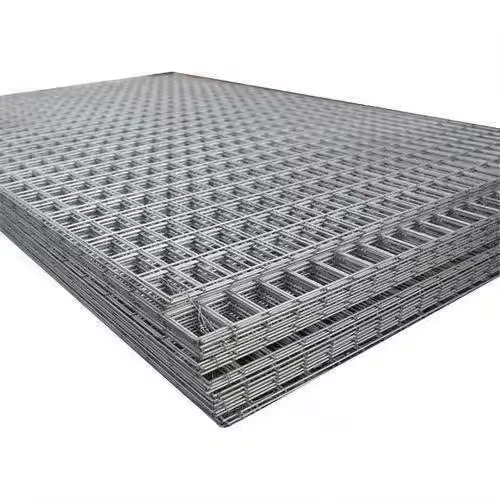
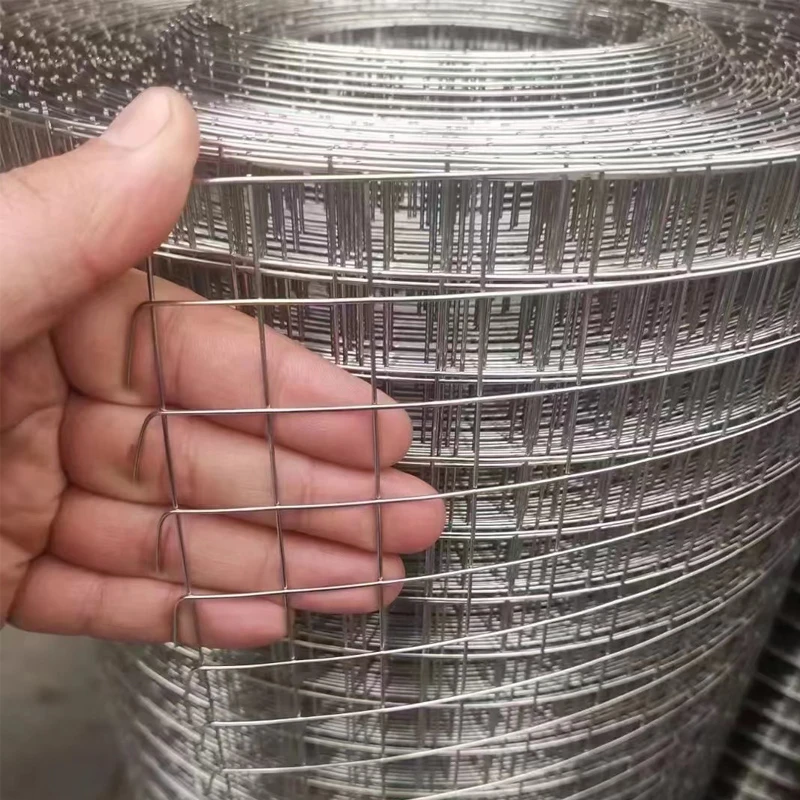
Put simply, tank track wrapping obstacle wire mesh is a specialized woven or welded wire product engineered to interfere with the continuous tracks of armored vehicles. Unlike ordinary wire fences or barriers, this mesh is constructed with reinforced steel wires, often galvanized or PVC-coated, allowing it to withstand extreme force.
The design is intended for rapid deployment around strategic perimeters to "wrap" or tangle tank tracks, reducing their mobility or preventing entry altogether. It plays a crucial role on battlefields, but also in protecting sensitive zones like military bases or energy installations. Oddly enough, versions of this mesh find use in humanitarian scenarios, too — such as preventing looting or unauthorized vehicle entry during disaster relief.
Core Aspects of Tank Track Wrapping Obstacle Wire Mesh
Durability: Built to Withstand Heavy Impact
This mesh isn’t your garden fence. The steel wires are high tensile, often intertwined tightly with cross wires to strengthen the integrity. They resist corrosion with galvanized coatings, meaning they can survive years outdoors — sometimes in the harshest climates without failing.
Scalability: From Small Zones to Large Perimeters
Whether securing a remote outpost or a sprawling compound, these meshes come in customizable sizes. They can be linked together or shaped to follow uneven terrain, making them extremely versatile. Engineers appreciate how this scalability helps in adapting to real-world conditions quickly.
Cost Efficiency: A Long-Term Investment
Compared to concrete barriers or mobile armored units, wire mesh barriers represent a fraction of the upfront and maintenance costs. They don’t require heavy machinery to install and can be reused or relocated. For organizations juggling tight budgets, it’s a compelling option.
Deployment Speed: Rapid Installation Matters
Many engineers I’ve talked to highlight the advantage of quick setup time — especially in emergency or sudden defense situations. These meshes can be rolled out, anchored, and secured within hours rather than days.
Environmental Compatibility: Minimizing Terrain Damage
Because wire mesh is lighter and more flexible than massive barricades, it typically causes less disruption to the underlying ground or vegetation. This feature helps maintain ecosystem balance and aids in faster post-use restoration, especially important in sensitive ecological zones.
Global Applications & Real-World Use Cases
It's one thing to talk about specs, but real life paints a richer picture. In Eastern Europe, notably within peacekeeping operations, tank track wrapping obstacle wire mesh has been pivotal in securing temporary zones while avoiding permanent scarring of the landscape. Meanwhile, in parts of the Middle East, defense forces use these meshes to protect command centers and energy facilities from armored threats.
In post-disaster relief scenarios, such as after flooding or earthquakes, customized wire mesh barriers have also been deployed to restrict unauthorized vehicle access to fragile infrastructure, protecting both rescue teams and local populations. In remote industrial zones, where heavy machinery movement requires controlled routes, this mesh offers an inexpensive yet strong solution.
Interestingly, NGOs appreciate these meshes for their dual-use — physically protective but less intimidating than heavy barricades to local communities.
Advantages & Long-Term Value of Wire Mesh Barriers
- Cost-Effectiveness: Reduces overhead in both installation and maintenance.
- Sustainability: Reusable and causes minimal environmental damage.
- Reliability: Withstands heavy machinery and harsh weather.
- Safety & Dignity: Provides security without the harshness of concrete or solid walls.
- Innovation: Primes defense strategies towards adaptable, modular solutions.
It’s not just about the wire and steel, but the emotional reassurance these barriers provide communities under pressure. That blend of innovation with empathy — it feels quite vital when you think about stability both physically and socially.
What the Future Holds: Innovations Around Obstacle Wire Mesh
Looking ahead, there are promising trends in materials science — including ultra-high-strength alloys and corrosion-resistant composites — pushing the performance of these meshes further, all while reducing weight. Add to that digital transformation: sensor-embedded meshes can now detect breaches, alert forces, and even monitor condition remotely.
Green energy integration also comes up occasionally: imagine solar-powered lighting or miniature energy harvesters integrated into perimeter fences to power security systems. Automation will keep improving deployment techniques via drones or robots — handy in dangerous zones.
Challenges and How Experts Are Solving Them
Not everything’s perfect yet though. Some challenges include ensuring rapid mass manufacturing without compromising quality, managing logistics in remote areas, and balancing robustness with portability.
Some vendors now use modular interlocking designs for easier transport. Others have combined high-tensile wires with smart nanocoatings for extra wear resistance. There’s also increasing cooperation with local communities to design culturally sensitive deployment methods, which frankly is a refreshing shift.
Frequently Asked Questions About Tank Track Wrapping Obstacle Wire Mesh
- How quickly can tank track wrapping obstacle wire mesh be deployed in emergency situations?
- These meshes are designed for rapid deployment—experienced crews can install critical sections within a few hours, making them suitable for sudden defense needs or disaster response zones.
- What materials are typically used in manufacturing this wire mesh?
- Most commonly, galvanized steel wire is used for its strength and corrosion resistance. Some advanced products incorporate PVC coatings or stainless steel for enhanced durability.
- Can this mesh be reused after removal?
- Yes, one of the major benefits is their reusability. Properly maintained wire meshes can be relocated multiple times, balancing cost efficiency and sustainability.
- Are there environmental concerns with deploying such obstacle meshes?
- Compared with rigid concrete or permanent barricades, wire mesh is less invasive to terrain and ecosystems. Still, environmental impact must be assessed case by case.
- How customizable are these wire meshes for different terrains?
- Highly customizable. Suppliers often tailor mesh size, wire thickness, and panel shapes to accommodate uneven sites, slopes, or strategic deployment requirements.
Product Specification Table
| Specification | Details |
|---|---|
| Material | Galvanized High-Tensile Steel Wire |
| Wire Diameter | 4.0–6.0 mm |
| Mesh Opening Size | 50 mm × 50 mm |
| Panel Size | 2 m × 3 m (customizable) |
| Coating | Hot-dip Galvanized & Optional PVC Coating |
| Tensile Strength | ≥ 500 MPa |
Vendor Comparison Table
| Vendor | Material Quality | Customization Options | Delivery Speed | Price Range |
|---|---|---|---|---|
| Jinjiu Wire Mesh | High-grade galvanized steel | Fully customizable mesh size & coating | 2–3 weeks | Mid-range |
| Global Fence Supplies | Standard galvanized wire | Limited customization | 4–5 weeks | Lower-end |
| SteelMesh Solutions | Premium alloy wires | Custom shapes & sensor integration | 3–4 weeks | Premium |
Final Thoughts
To wrap things up—no pun intended—tank track wrapping obstacle wire mesh may not be front-page news, but it’s an unsung hero of modern defense and security. Its blend of innovation, durability, and adaptability neatly addresses complex global challenges. The field itself feels like it’s only starting to unlock its potential with advances in materials and technology. Curious? Check out tank track wrapping obstacle wire mesh for trusted, customizable solutions that keep the world a bit safer, one wire loop at a time.
References

Related Products

Related News


2026-03-16 14:21:07
Discover durable farming solutions and flexible animal containment with hinge-knot field fence. Combining impact-resistant design and customizable options, Hebei Jinjiu ensures quality for agricultural applications. Explore now: https://www.jinjiuwiremesh.com/field-fencefarm-fence.html
2026-03-16 14:21:07
Discover durable farming solutions and flexible animal containment with hinge-knot field fence. Combining impact-resistant design and customizable options, Hebei Jinjiu ensures quality for agricultural applications. Explore now: https://www.jinjiuwiremesh.com/field-fencefarm-fence.html
2027-04-14 00:00:00
Discover durable farming solutions and flexible animal containment with hinge-knot field fence. Combining impact-resistant design and customizable options, Hebei Jinjiu ensures quality for agricultural applications. Explore now: https://www.jinjiuwiremesh.com/field-fencefarm-fence.html
2026-02-25 15:31:06
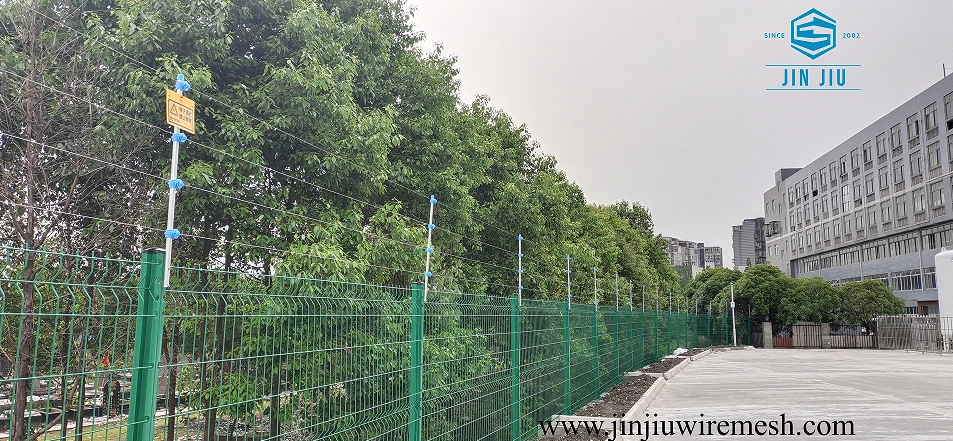
The Strategic Role of the Industrial Electric Fence in Modern Commerce
The protection of corporate and manufacturing assets has transitioned from a matter of simple boundary marking to a complex necessity of risk management.
2026-02-25 15:29:03
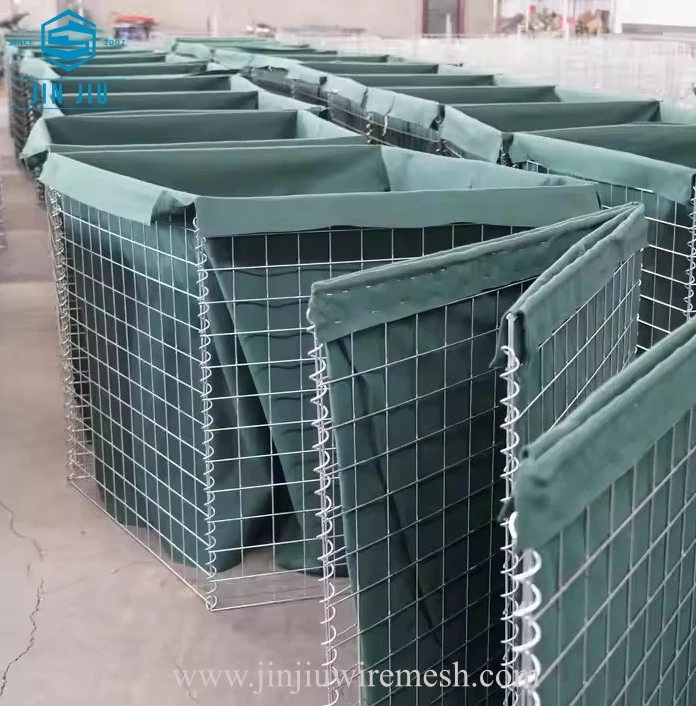
The Evolution of Physical Protection: Bullet Resistant Defensive Barriers in Modern Security
In an increasingly unpredictable global landscape, the requirement for high-level ballistic protection has moved beyond the battlefield and into the core of civilian and industrial security infrastructure.
2026-02-25 15:26:58
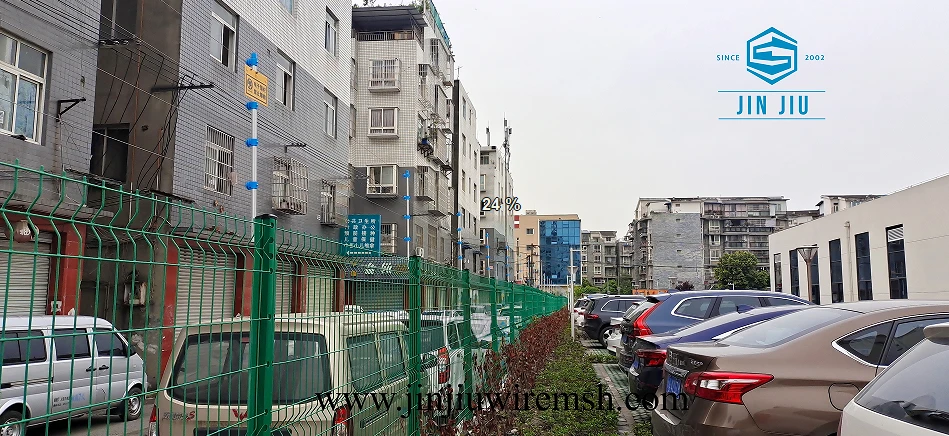
The Digital Backbone of Modern Security: Connected Pulse Monitoring Electric Fence Architecture
The traditional concept of a perimeter has undergone a fundamental transformation.
2026-02-25 15:24:13
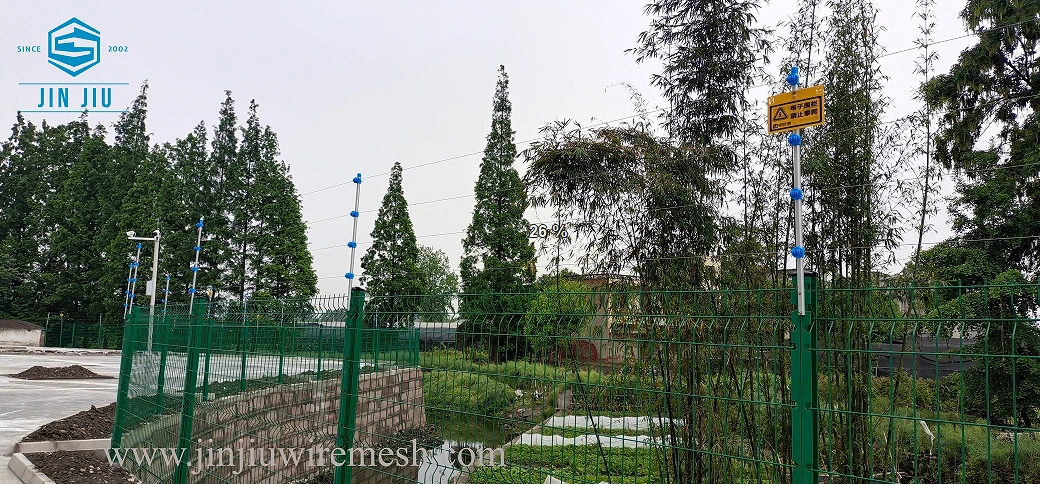
Securing the Unreachable with a Powerful Pulse Electric Fence
In the realm of global security, the distinction between a standard boundary and a high-security perimeter is often defined by the technology pulsing through the wires.
2027-04-14 00:00:00
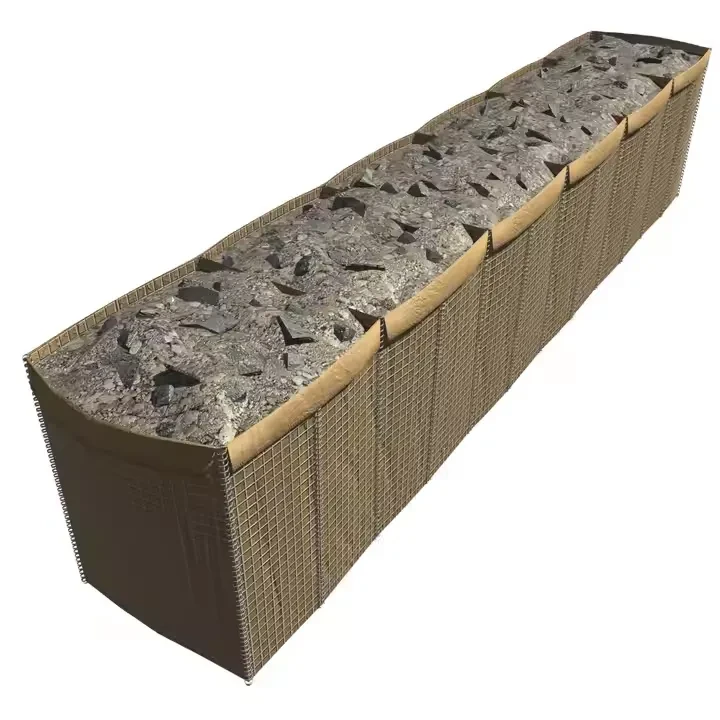
Engineering Resilience with Explosion Proof Defensive Barriers
In an era where industrial safety and national security are increasingly intertwined, the necessity for specialized protection in volatile environments has never been higher.


 English
  Albanian
  Arabic
  Bengali
  Czech
Czech  Danish
  Dutch
Dutch  Finnish
  French
  German
  Japanese
  Malay
Malay  Persian
  Polish
  Portuguese
  Romanian
  Russian
  Serbian
  Spanish
  Swahili