





Hebei Jinjiu Metal Products Co.,Ltd


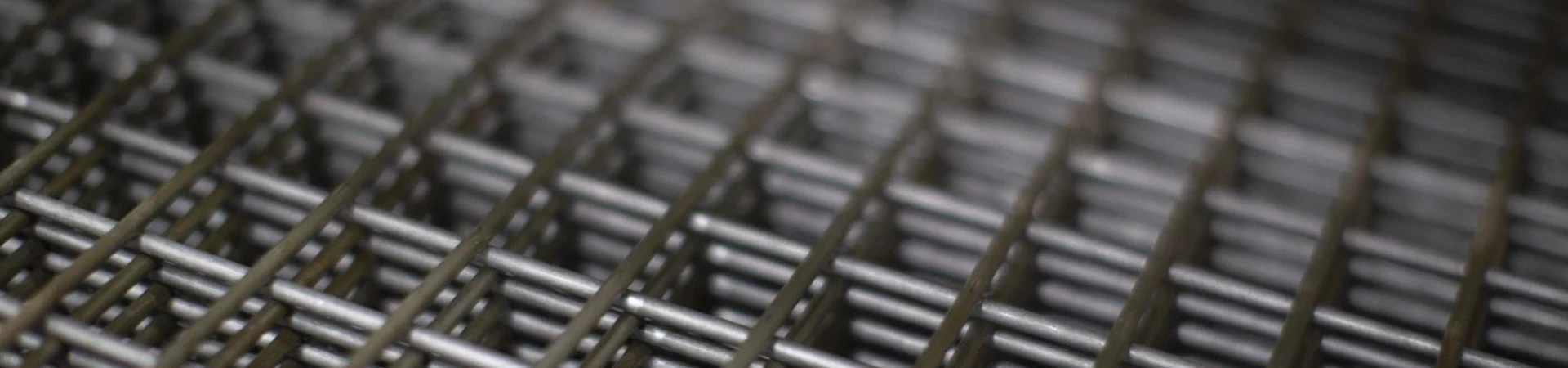

Anti-Tank Track Wire Mesh Barrier: Durable Security Solutions for Defense & Industry
Dec . 11, 2025 09:14
The Rising Importance of Anti-Tank Track Wire Mesh Barriers
In a world where security, infrastructure resilience, and strategic defense intersect in surprisingly complex ways, the anti-tank track wire mesh barrier emerges as an unsung hero. It’s a tactical solution that offers critical protection while balancing cost, flexibility, and deployability. Understanding this technology means appreciating a tool that has global relevance — from military frontlines to humanitarian crisis zones and industrial perimeters.
Whether you’re involved in civil defense, infrastructure protection, or disaster response, grasping how these wire mesh barriers work, and why they’re vital, opens doors to better decision-making and innovation.
Global Context: Why Are Anti-Tank Track Wire Mesh Barriers So Relevant?
Security challenges globally continue evolving. According to the United Nations Security Council, armed conflicts still impact over 60 countries worldwide, generating a critical need for infrastructure protection that is robust and rapidly deployable.
The industrial and humanitarian sectors also find these barriers crucial. For example, protecting remote industrial sites against sabotage or unauthorized access while maintaining supply chain integrity has boosted demand. In fact, the global security fencing market size was recently valued at over $11 billion by Market Research Future, with anti-tank track wire mesh barriers playing a key role in military-focused segments.
Challenges include the need for quick assembly, durability in harsh environments, and cost-efficiency. Here, these barriers offer a tangible solution, bridging gaps that traditional concrete defenses or electronic surveillance often cannot fill on their own.
Defining the Anti-Tank Track Wire Mesh Barrier
At its core, an anti-tank track wire mesh barrier is a heavy-duty barricade system primarily designed to stop or slow down tanks and other armored vehicles from advancing into restricted zones.
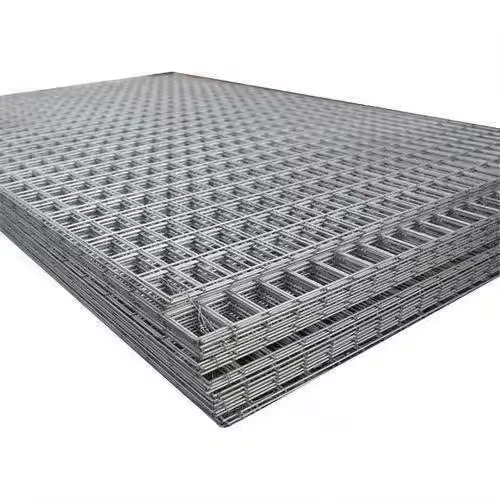
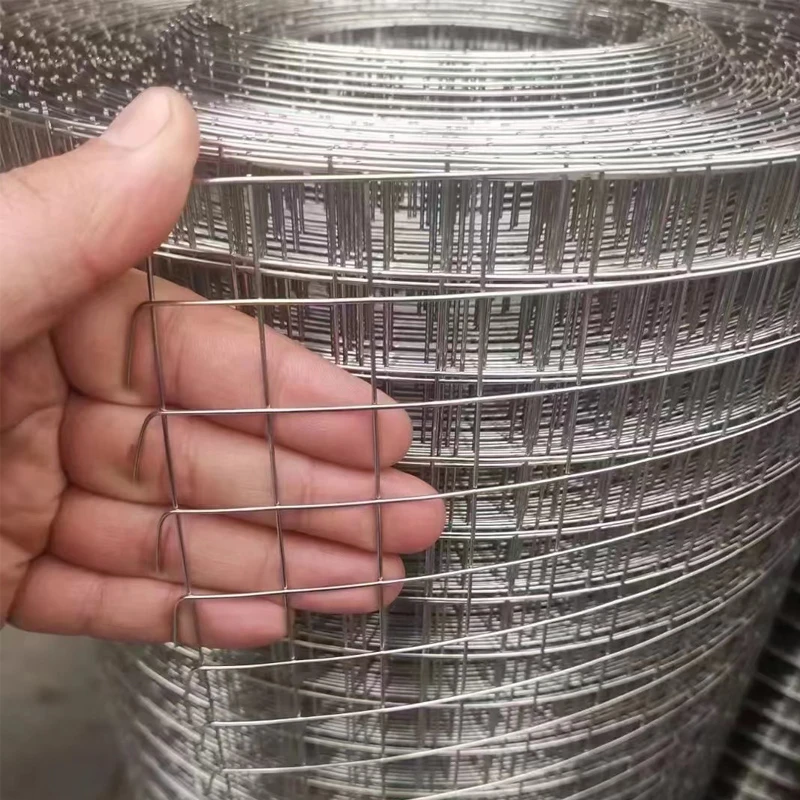
It consists of thick, interwoven steel wires welded into mesh panels, often combined with a supporting framework that can be quickly deployed in tactical or industrial environments. But it’s not just “a fence” — it’s engineered specifically to absorb and deflect mechanical forces from heavy vehicles.
In a humanitarian context, these barriers can also demarcate secure perimeters during peacekeeping and disaster relief operations, protecting vulnerable zones while allowing controlled access.
Core Components & Key Factors that Define Its Effectiveness
1. Durability & Material Strength
The mesh typically uses galvanized or stainless steel wire, often with a coating to resist rust and corrosion under extreme weather. Durability is paramount since physical impacts and environmental stressors are everyday risks. The wire gauge commonly ranges from 8mm to 12mm, providing substantial resistance without excessive weight.
2. Scalability & Modular Design
One of the real strengths is how these barriers can be scaled in length and height to fit nearly any perimeter. Modular panels can be moved and connected quickly, making repairs or expansions straightforward. This flexibility proves especially useful in unpredictable conflict zones or rapidly changing industrial settings.
3. Cost Efficiency
Compared to traditional concrete or earth berms, wire mesh solutions significantly cut down on installation time and labor costs. They’re also reusable, which means long-term savings through repeated redeployments.
4. Ease of Deployment
Typically, these systems are designed for fast assembly, often requiring minimal tools or heavy machinery. This speed can be the difference between securing an area quickly or leaving it exposed during critical time windows.
5. Compatibility with Technology
Modern barriers often integrate with surveillance systems including cameras and sensors, enabling a hybrid physical-digital security approach.
Real-World Uses & Global Applications
Across continents, the anti-tank track wire mesh barrier serves an eclectic set of needs:
- Military Installations: From NATO bases in Europe to US forward operating bases, they’re a frontline component for vehicle denial.
- Critical Infrastructure: Power plants, warehouses, and border terminations employ them to prevent damage or sabotage.
- Disaster Response Zones: NGOs and UN peacekeepers use them to protect camps and distribution centers during volatile periods.
- Industrial Parks: Mining and oil sectors in Africa and South America leverage them to protect sensitive equipment in remote areas.
For instance, during peace monitoring missions in West Africa, anti-tank track wire mesh barrier setups helped secure zones while allowing friendly passage — a vital balance of protection and humanitarian access.
Advantages & Long-Term Value of Implementing These Barriers
- Safety & Reliability: They physically stop vehicles — the central requirement for many security operations.
- Cost-Savings: Faster setup reduces man-hours. Reusability means less waste and replacement expense.
- Sustainability: Resistant to weather and wear, which means a smaller environmental footprint over time compared to concrete.
- Dignity & Trust: In peacekeeping zones, these barriers contribute to a sense of safety without appearing overly aggressive or imprisoning.
- Innovation & Future Proofing: Their adaptability makes it easier to integrate sensors, lighting, or even automated deterrents as technology advances.
This combination of emotional comfort — for personnel and civilians alike — alongside the logical benefits of durability and cost matters more than you might initially guess.
Product Specification Table: Typical Anti-Tank Track Wire Mesh Barrier
| Attribute | Specification |
|---|---|
| Wire Diameter | 8mm - 12mm galvanized steel |
| Panel Size | 2m (Height) x 3m (Length) modular units |
| Finish | Hot-dip galvanization & optional powder coating |
| Weight | Approx. 50-60 kg / panel |
| Installation Time | 15-30 minutes per panel (with team) |
| Max Vehicle Resistance | Up to 60 tons armored vehicles |
Vendor Comparison: Popular Providers of Anti-Tank Track Wire Mesh Barriers
| Vendor | Product Range | Deployment Time | Customization | Price Range |
|---|---|---|---|---|
| Jinjiu Wire Mesh | Anti-tank barriers, fence panels, modular systems | 15-30 mins per panel | Yes, various coatings and sizes | $$ - Moderate |
| Fortify Security Ltd. | High-end tactical barriers, sensor-integrated | 30-40 mins per panel | Limited | $$$ - Premium |
| SafeGuard Mesh | Standard heavy-duty meshes, emergency deployment | 10-20 mins per panel | Basic | $ - Budget |
Looking Ahead: Future Trends and Innovation in Wire Mesh Barriers
The future is likely to see these barriers growing smarter and greener. Imagine wire mesh barriers with embedded low-power sensors powered by solar arrays that not only detect intrusion attempts but also analyze environmental conditions to inform emergency response teams.
Research into new high-strength composite wires and coatings that reduce weight by up to 25% without sacrificing durability is underway. Such advances could make deployment even faster and easier.
Policies emphasizing sustainable materials and supply chain transparency are also transforming how companies source steel and manufacture barriers, aligning with global environmental standards like ISO 14001.
Common Challenges & How Experts Solve Them
Despite the obvious benefits, some challenges persist:
- Weight and Transport: Panels are heavy, making transport to remote locations tricky. Innovations include collapsible frames and lighter materials.
- Corrosion in Humid Environments: Even galvanized steel can rust over long exposures. Applying advanced polymer coatings and regular maintenance extend lifespan.
- Cost Concerns: Initial investment can be steep for some NGOs or local governments. Bulk orders and partnerships with suppliers like Jinjiu Wire Mesh enable discounts and financing.
Engineers often combine barriers with electronic surveillance and community engagement — because sometimes technology alone isn’t enough. It’s about building layered resilience.
FAQ: Frequently Asked Questions About Anti-Tank Track Wire Mesh Barriers
- How quickly can an anti-tank wire mesh barrier be deployed?
- Typically, a trained team can install each panel within 15 to 30 minutes, depending on terrain and panel size. Modular designs help speed this up considerably.
- Are these barriers reusable after removal?
- Yes, one of their advantages is reusability. Panels can be dismantled, transported, and reassembled multiple times with minimal wear if properly maintained.
- Can these barriers stop all types of armored vehicles?
- While very effective against most standard armored vehicles (up to roughly 60 tons), extremely heavy or specialized vehicles may require additional fortifications or complementary defenses.
- Is customization available for different environments?
- Absolutely. Manufacturers like Jinjiu Wire Mesh offer options for coatings, wire diameters, and panel sizes to suit deserts, coastal areas, or urban zones.
- How do these barriers contribute to humanitarian missions?
- They help secure camps and safe zones quickly, providing controlled access that protects both displaced populations and aid workers from armed threats or vehicle intrusions.
Conclusion: Why the Anti-Tank Track Wire Mesh Barrier Matters for the Long Haul
In all honesty, this technology might seem niche, but its impact is anything but. By providing a balance of protection, adaptability, and cost-efficiency, anti-tank track wire mesh barriers play a quiet but vital role in defense, industry, and humanitarian realms worldwide. Their continued development and integration into modern security strategies signal a future where physical defense meshes closely with tech innovation for safer, more resilient environments.
If you want to dive deeper, explore options, or customize your own barrier systems, visit our website — we’re here to help you find solutions that suit your specific needs.
References

Related Products

Related News


2026-03-16 14:21:07
Discover durable farming solutions and flexible animal containment with hinge-knot field fence. Combining impact-resistant design and customizable options, Hebei Jinjiu ensures quality for agricultural applications. Explore now: https://www.jinjiuwiremesh.com/field-fencefarm-fence.html
2026-03-16 14:21:07
Discover durable farming solutions and flexible animal containment with hinge-knot field fence. Combining impact-resistant design and customizable options, Hebei Jinjiu ensures quality for agricultural applications. Explore now: https://www.jinjiuwiremesh.com/field-fencefarm-fence.html
2027-04-14 00:00:00
Discover durable farming solutions and flexible animal containment with hinge-knot field fence. Combining impact-resistant design and customizable options, Hebei Jinjiu ensures quality for agricultural applications. Explore now: https://www.jinjiuwiremesh.com/field-fencefarm-fence.html
2026-02-25 15:31:06
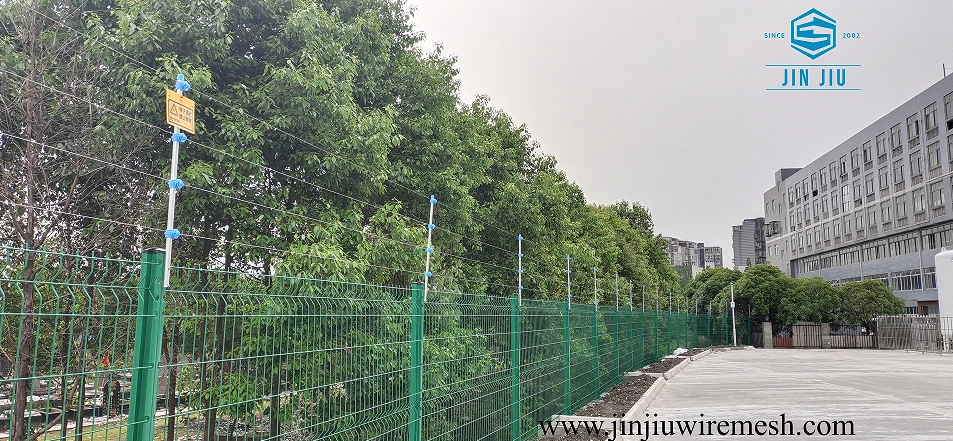
The Strategic Role of the Industrial Electric Fence in Modern Commerce
The protection of corporate and manufacturing assets has transitioned from a matter of simple boundary marking to a complex necessity of risk management.
2026-02-25 15:29:03
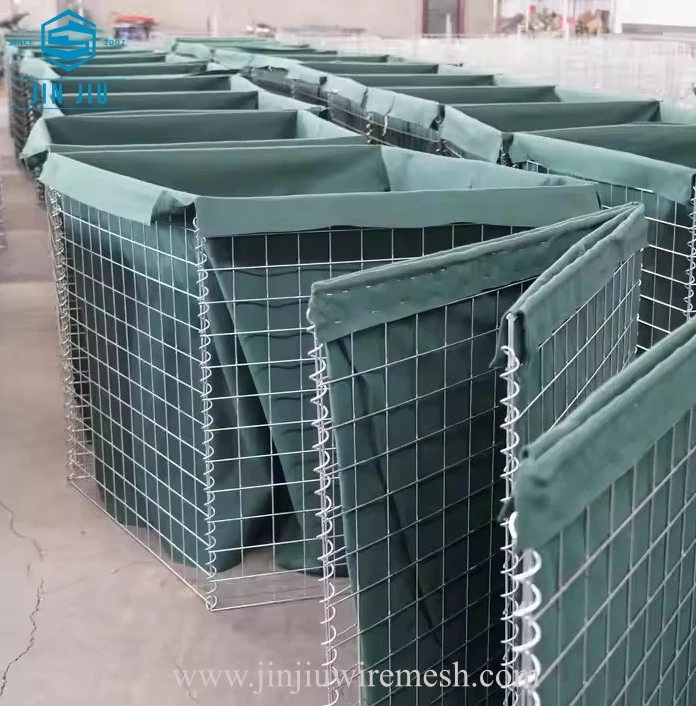
The Evolution of Physical Protection: Bullet Resistant Defensive Barriers in Modern Security
In an increasingly unpredictable global landscape, the requirement for high-level ballistic protection has moved beyond the battlefield and into the core of civilian and industrial security infrastructure.
2026-02-25 15:26:58
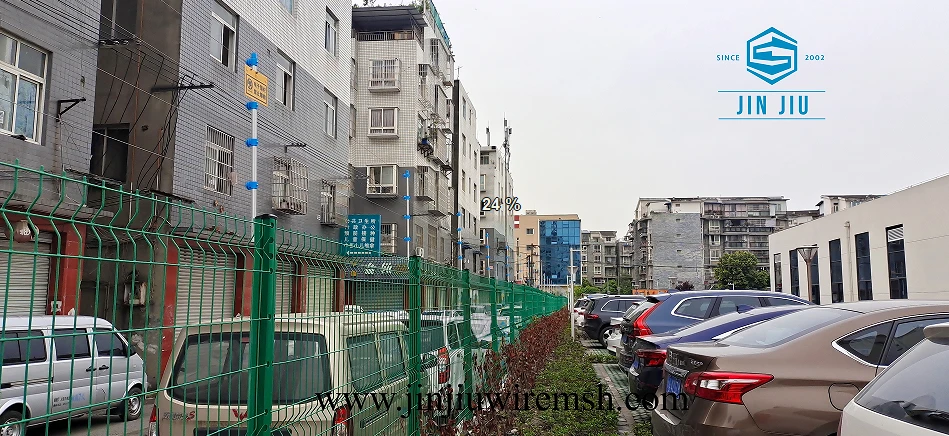
The Digital Backbone of Modern Security: Connected Pulse Monitoring Electric Fence Architecture
The traditional concept of a perimeter has undergone a fundamental transformation.
2026-02-25 15:24:13
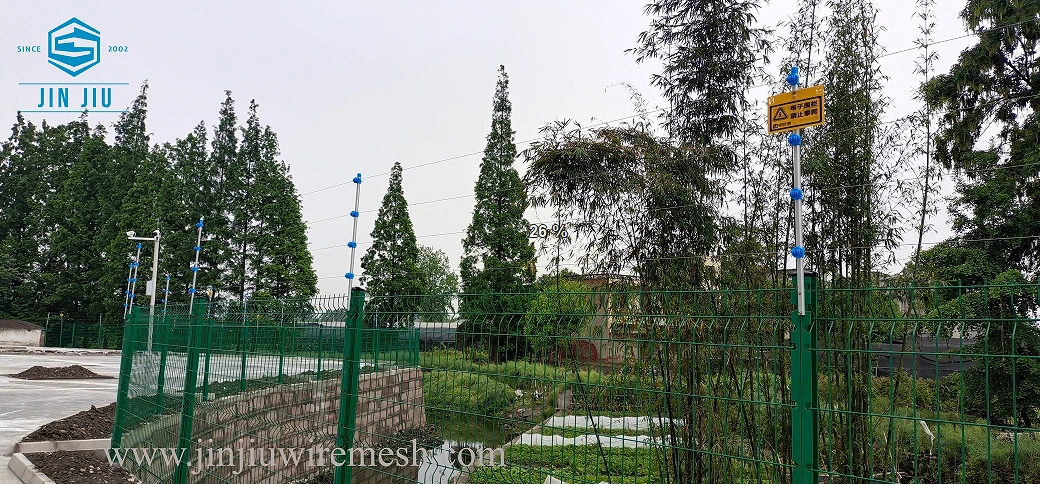
Securing the Unreachable with a Powerful Pulse Electric Fence
In the realm of global security, the distinction between a standard boundary and a high-security perimeter is often defined by the technology pulsing through the wires.
2027-04-14 00:00:00
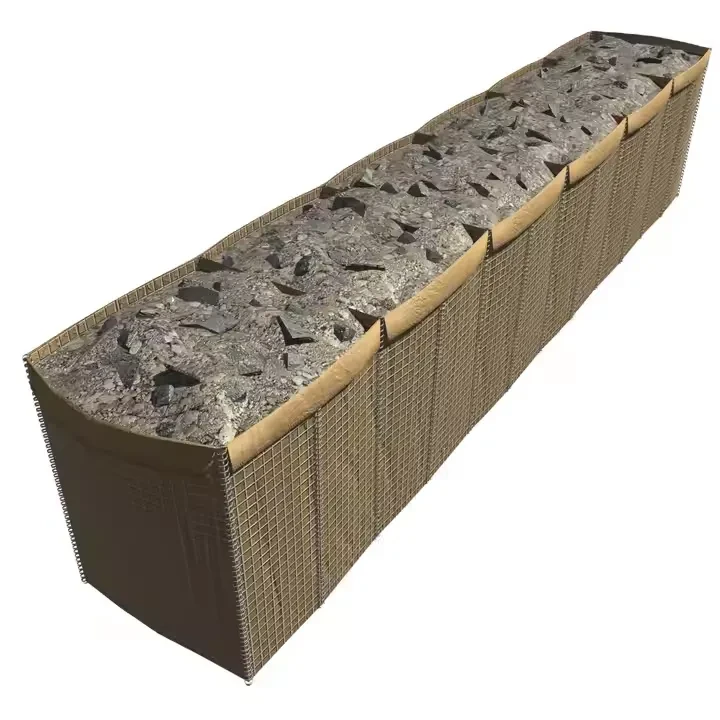
Engineering Resilience with Explosion Proof Defensive Barriers
In an era where industrial safety and national security are increasingly intertwined, the necessity for specialized protection in volatile environments has never been higher.


 English
  Albanian
  Arabic
  Bengali
  Czech
Czech  Danish
  Dutch
Dutch  Finnish
  French
  German
  Japanese
  Malay
Malay  Persian
  Polish
  Portuguese
  Romanian
  Russian
  Serbian
  Spanish
  Swahili