





Hebei Jinjiu Metal Products Co.,Ltd


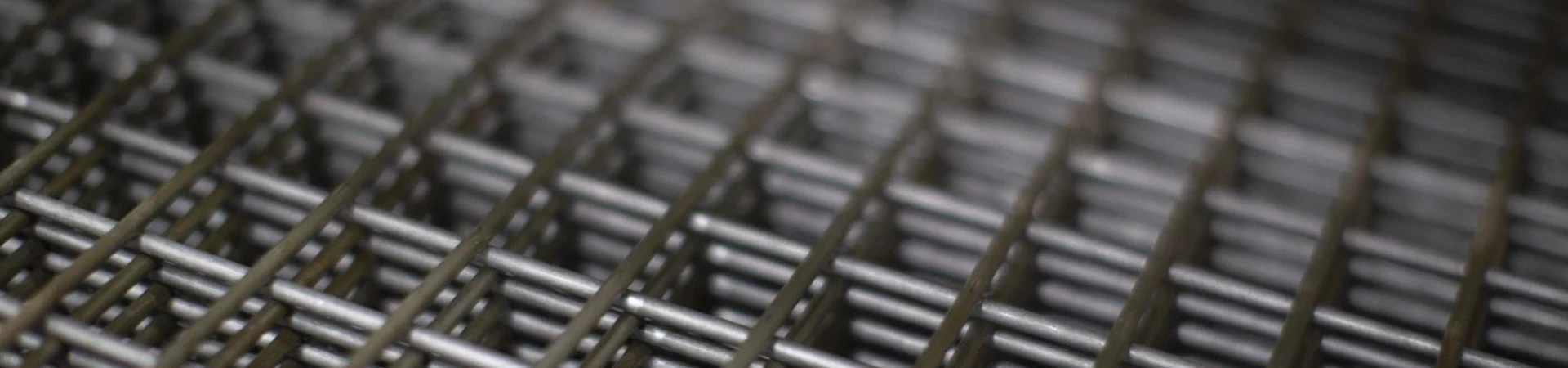

Durable Tank Track Wrapping Obstacle Wire Mesh | Flexible Security Barriers
Dec . 11, 2025 09:14
Understanding tank track wrapping obstacle wire mesh: Why it matters worldwide
When you first hear the phrase tank track wrapping obstacle wire mesh, it might sound like something out of a military engineering manual or a high-tech defensive gadget. But in reality, this relatively niche material plays a surprisingly broad and critical role, not just in defense but in infrastructure safeguarding, environmental applications, and even humanitarian efforts. Especially at a time when global security concerns, environmental challenges, and rapid industrial expansion intersect, understanding what this wire mesh does – and why it’s gaining traction worldwide – is more relevant than ever.
From protecting sensitive zones to acting as a physical deterrent against heavy tracked vehicles, these mesh barriers offer a blend of durability and flexibility few other materials can match. As we dive into what this technology is about, you’ll see how it’s less about brute force and more about strategic defense and adaptability.
The global stage: Why tank track wrapping obstacle wire mesh is gaining ground
Let’s put it into perspective: according to the United Nations’ reports on conflict zones and infrastructure protection, physical barrier systems experienced a 25% increase in demand over the last decade, largely due to rising geopolitical tensions and expanding infrastructure projects near sensitive facilities (1). But it’s not just about military or security fencing anymore. World Bank data also highlights a surge in demand from industries aiming to shield sites from heavy vehicle intrusions, minimizing damage and operational disruption (2).
The reality is that in many regions—whether post-conflict zones in the Middle East or developing industrial hubs in Southeast Asia and Africa—there’s a pressing need to control and limit tank or tracked vehicle access without resorting to permanent concrete structures. This is precisely where tank track wrapping obstacle wire mesh fits the bill: a semi-permanent, robust, and cost-effective barrier solution that can be deployed quickly, then adjusted or removed as situations evolve.
Mini takeaway:
This mesh system is more than just a deterrent; it’s a flexible piece in the global patchwork of security and infrastructure management.
What exactly is tank track wrapping obstacle wire mesh?
Simply put, tank track wrapping obstacle wire mesh is a specially designed wire fencing or mesh barrier engineered to resist the crushing force exerted by tank tracks or other tracked vehicles. Unlike typical fencing, which might be torn apart or pushed aside by such heavy equipment, this mesh has reinforced strength and flexibility that allows it to absorb significant impact without total failure.
Think of it as a robust “skin” wrapped around vulnerable sites that won't easily collapse, redirecting or fully stopping potential intrusions by tracked vehicles. Its connection to modern industry goes beyond defense lines—it finds utility in construction sites, petrochemical plants, and anywhere large tracked vehicle movement must be monitored or limited.
Mini takeaway:
It’s not just about keeping tanks out; it’s about safeguarding valuable sites from any heavy tracked intrusion with smart materials.
Core components that make this mesh special
1. Durability and Material Strength
One key factor is the use of heat-treated high tensile steel wires woven tightly to resist tearing and crushing. Many manufacturers also apply galvanization or PVC coatings to ensure longevity against corrosion, especially in harsh environments.
2. Flexibility and Impact Absorption
The mesh isn’t rigid — it flexes slightly under pressure, which helps disperse the force of tank tracks rolling over it, rather than breaking outright.
3. Scalability and Customization
Depending on site needs, this mesh can be scaled in size, mesh aperture, and thickness. Some clients want stronger barriers; others need lightweight but effective options for rapid deployment.
4. Cost Efficiency over Alternatives
Compared to concrete obstacles or permanent steel barricades, this mesh delivers comparable protection for a fraction of the cost and deployment time.
5. Environmental Compatibility
Because it’s often removable and recyclable, this mesh solution tends to have less environmental impact, important for projects near protected or sensitive natural areas.
Mini takeaway:
It’s that mix of strength and adaptability — plus eco-awareness — that keeps this mesh competitive.
Product Specification Table: Sample tank track wrapping obstacle wire mesh
| Feature | Specification |
|---|---|
| Material | High tensile galvanized steel wire |
| Wire Diameter | 4.0 mm |
| Mesh Aperture (Opening Size) | 50 mm x 50 mm |
| Coating | PVC Coating (optional) |
| Standard Panel Size | 2 m x 3 m |
| Tensile Strength | ≥ 500 N/mm² |
Real-world applications that make all the difference
Across the board, from active military bases in Eastern Europe to peacekeeping outposts in Africa, these meshes prevent unwarranted tank or tracked vehicle movement. But it’s not all about conflict zones.
- Infrastructure protection: Pipelines, power substations, and bridges often use this mesh to prevent heavy machinery from inadvertently damaging delicate structures.
- Disaster relief sites: In post-disaster relief operations, rapid deployment of such barriers can secure zones from heavy equipment inadvertently entering unsafe areas.
- Mining and logging sites: Vehicles with tracks are common, and protecting environmental buffer zones is a priority.
Intriguingly, some NGOs use this mesh in areas recovering from conflict, minimizing unauthorized military vehicle movement without permanent scarring of the land.
Mini takeaway:
This mesh technology serves a surprisingly broad array of industries, all seeking balance between security, flexibility, and environmental responsibility.
Why investing in tank track wrapping obstacle wire mesh pays off in the long run
Aside from the obvious benefit of physical protection, the long-term value of these meshes comes down to:
- Lower lifecycle costs: Thanks to corrosion-resistant coatings and durable materials.
- Sustainability: Reusability means fewer resources consumed over time.
- Safety and dignity: Protecting communities from accidental tank or tracked vehicle harm preserves lives and livelihoods.
- Innovation trust: Using advanced mesh reflects an organization's commitment to cutting-edge, reliable solutions.
It’s fair to say that some engineers I spoke with pointed out how the material’s adaptability also reduces downtime during site reconfiguration—something many industrial operations value highly.
Looking ahead: Innovations shaping the mesh landscape
What’s next for this technology? Emerging materials like composite fibers and nanocoatings promise lighter weight meshes with equivalent strength. Digital integration, such as embedding sensors in the mesh to detect breaches or stress, is on some vendors' roadmaps.
Moreover, with global calls for greener infrastructure, biodegradable coatings and low-carbon manufacturing processes are starting to penetrate the market. Automated deployment from drones or robotic units—maybe not tomorrow but soon—could redefine how fast and smart we protect critical zones.
Challenges on the road and how to tackle them
No solution is perfect. Some challenges persist: heavy tracked vehicles can sometimes overcome even the toughest meshes if the barrier is insufficiently anchored, or if terrain complexity works against optimal deployment.
Innovative approaches include combining the mesh with earthworks, integrating modular reinforcement posts, and tailoring mesh tension based on vehicle profiles. Experts recommend pre-planning site layouts and involving multidisciplinary teams for maximum efficiency.
Vendor Comparison Table: Top Supplier Features
| Supplier | Material Quality | Customization Options | Delivery Time | Eco-Friendly Coatings |
|---|---|---|---|---|
| Jinjiu Wire Mesh | High tensile galvanized steel | Full scale, tensile & coating custom | 3-4 weeks | Yes, PVC & eco-friendly options |
| SteelMesh Pro | Standard galvanized wire | Limited mesh sizes | 5-6 weeks | No |
| Global Defence Mesh | Composite-layered wire tech | High-end specialist orders only | 6-8 weeks | Partial |
FAQ: All your tank track wrapping obstacle wire mesh questions answered
Q1: How quickly can tank track wrapping obstacle wire mesh be deployed on-site?
A: Depending on panel size and site conditions, deployment can take from a few days to under two weeks, making it considerably faster than concrete barriers. Many vendors offer ready-to-assemble kits to speed this up.
Q2: Is this mesh reusable once a project ends?
A: Absolutely. One of its key advantages is modularity—panels can be disassembled, transported, and redeployed elsewhere, drastically reducing waste and cost over multiple projects.
Q3: Can this mesh withstand harsh outdoor climates?
A: Yes, if galvanized and coated appropriately. For example, PVC coatings protect against salty marine air and acidic rain, extending service life beyond 10 years under typical conditions.
Q4: What industries benefit most from tank track wrapping obstacle wire mesh?
A: Beyond defense and security, mining, petrochemical, disaster relief, and infrastructure maintenance sectors find it valuable for controlling tracked vehicle access efficiently and sustainably.
Q5: How does this mesh compare cost-wise to traditional anti-tank obstacles?
A: It’s generally more cost-effective in both materials and installation, especially factoring in speed and removability. Concrete is heavier to install, permanent, and often more expensive to maintain.
Conclusion: Why tank track wrapping obstacle wire mesh deserves your attention
In an uncertain world where security, flexibility, and environmental concerns increasingly overlap, choosing the right physical barrier solution is critical. Tank track wrapping obstacle wire mesh ticks many boxes—durability, cost efficiency, adaptiveness, and environmental respect—it’s no surprise this solution is climbing in importance across industries globally.
If you’re exploring next-level perimeter protection or sensitive site safeguarding, consider these innovative meshes. For more technical details, customization choices, and purchase inquiries, visit Jinjiu Wire Mesh. It’s occasionally the small, clever technologies like this that quietly keep the gears of safety and progress turning.
Final thoughts:
A barrier that can flex but not fail, adapt but hold firm—that’s the promise of tank track wrapping obstacle wire mesh. An elegant answer to a tough industrial challenge.
References

Related Products

Related News


2026-03-16 14:21:07
Discover durable farming solutions and flexible animal containment with hinge-knot field fence. Combining impact-resistant design and customizable options, Hebei Jinjiu ensures quality for agricultural applications. Explore now: https://www.jinjiuwiremesh.com/field-fencefarm-fence.html
2026-03-16 14:21:07
Discover durable farming solutions and flexible animal containment with hinge-knot field fence. Combining impact-resistant design and customizable options, Hebei Jinjiu ensures quality for agricultural applications. Explore now: https://www.jinjiuwiremesh.com/field-fencefarm-fence.html
2027-04-14 00:00:00
Discover durable farming solutions and flexible animal containment with hinge-knot field fence. Combining impact-resistant design and customizable options, Hebei Jinjiu ensures quality for agricultural applications. Explore now: https://www.jinjiuwiremesh.com/field-fencefarm-fence.html
2026-02-25 15:31:06
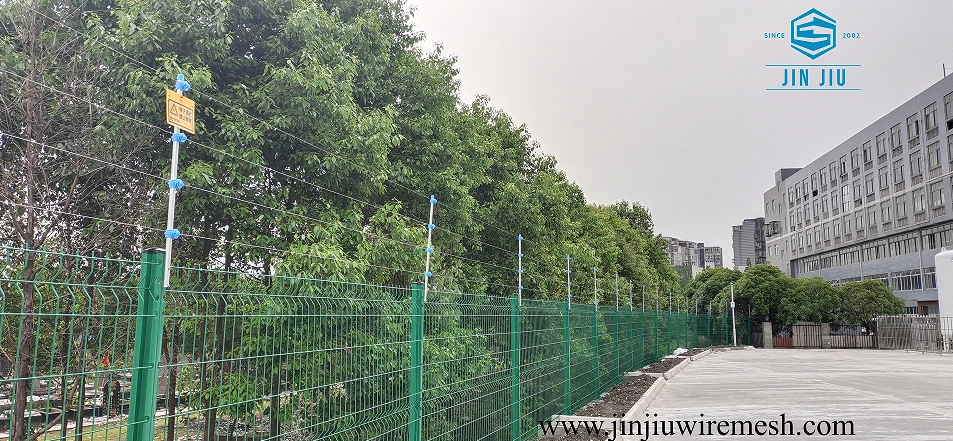
The Strategic Role of the Industrial Electric Fence in Modern Commerce
The protection of corporate and manufacturing assets has transitioned from a matter of simple boundary marking to a complex necessity of risk management.
2026-02-25 15:29:03
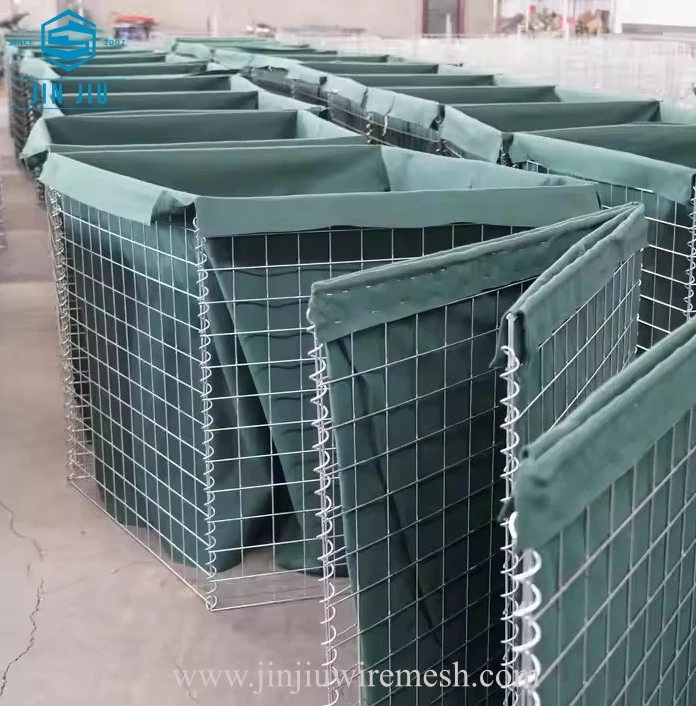
The Evolution of Physical Protection: Bullet Resistant Defensive Barriers in Modern Security
In an increasingly unpredictable global landscape, the requirement for high-level ballistic protection has moved beyond the battlefield and into the core of civilian and industrial security infrastructure.
2026-02-25 15:26:58
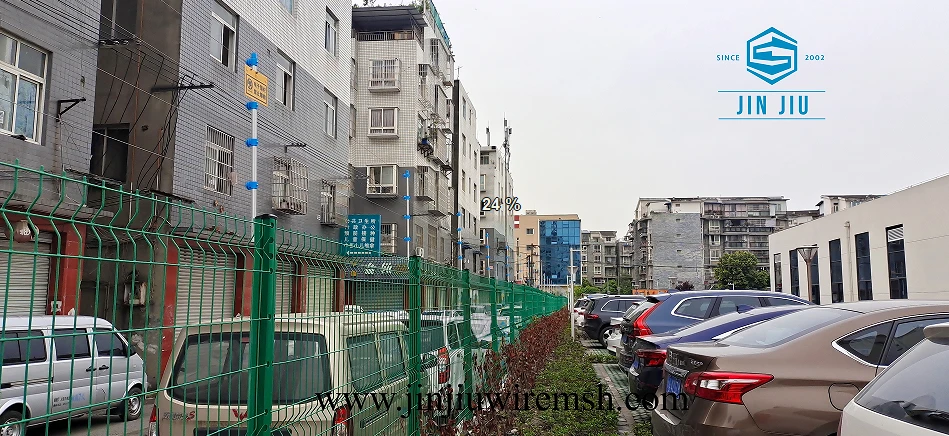
The Digital Backbone of Modern Security: Connected Pulse Monitoring Electric Fence Architecture
The traditional concept of a perimeter has undergone a fundamental transformation.
2026-02-25 15:24:13
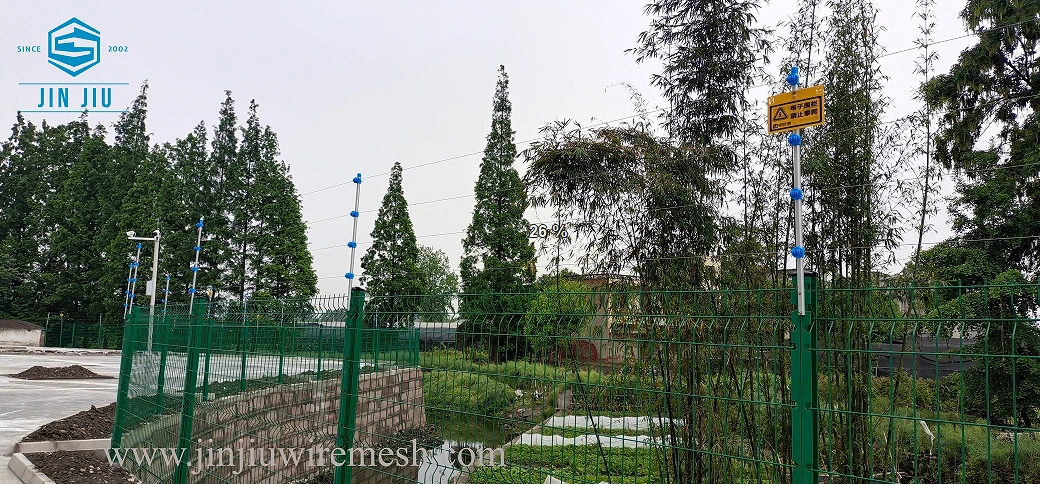
Securing the Unreachable with a Powerful Pulse Electric Fence
In the realm of global security, the distinction between a standard boundary and a high-security perimeter is often defined by the technology pulsing through the wires.
2027-04-14 00:00:00
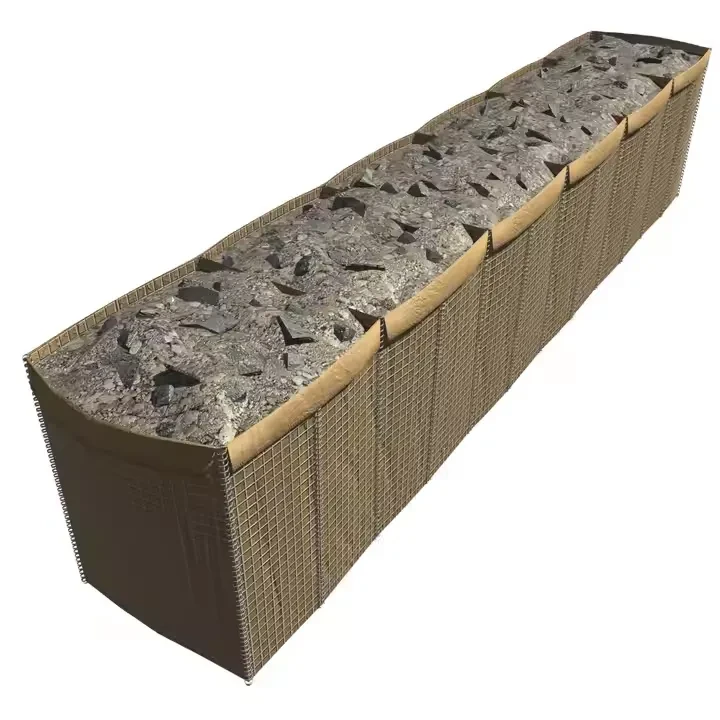
Engineering Resilience with Explosion Proof Defensive Barriers
In an era where industrial safety and national security are increasingly intertwined, the necessity for specialized protection in volatile environments has never been higher.


 English
  Albanian
  Arabic
  Bengali
  Czech
Czech  Danish
  Dutch
Dutch  Finnish
  French
  German
  Japanese
  Malay
Malay  Persian
  Polish
  Portuguese
  Romanian
  Russian
  Serbian
  Spanish
  Swahili