





Hebei Jinjiu Metal Products Co.,Ltd



Comprehensive Guide to Anti Tank Barrier Metal Mesh Solutions & Applications
Nov . 30, 2025 20:10
Understanding Anti Tank Barrier Metal Mesh: A Vital Shield in Modern Security
If you’re reading this, you’ve probably come across the term anti tank barrier metal mesh somewhere, maybe while browsing defense infrastructure solutions or planning industrial security upgrades. But what exactly is it, and why should it matter beyond military borders? Simply put, this specialized metal mesh is designed to stop or restrict the movement of tanks and heavy machinery, serving as an essential component in safeguarding borders, critical infrastructure, and sometimes even humanitarian zones. The increasing global emphasis on security—from conflict zones to industrial complexes—puts this technology front and center, promising not just protection but scalability, cost-efficiency, and adaptability.
Why Anti Tank Barrier Metal Mesh Matters Globally
Look around, and you’ll find the presence of armored threats increasingly common in conflict-prone regions or unstable areas. According to the United Nations’ reports on global conflicts (UN DPKO, 2023), over 30 countries experience intermittent armored vehicle threats yearly. Meanwhile, critical global infrastructure—from power plants to communication hubs—demands robust physical barriers. In real terms, traditional walls are cumbersome, expensive, or simply impractical. That's where anti tank barrier metal mesh bridges a crucial gap. It provides a flexible, reliable physical defense barrier essential for determent or delay. Global defense budgets reflect this, with NATO members collectively investing billions in anti-vehicle perimeter defenses, often involving metal mesh fence systems.
Still, this is not merely about stopping tanks. The design and deployment of anti tank meshes also impact humanitarian efforts—think about refugee camps or disaster relief zones where controlling vehicle movement is vital.
Mini takeaway: The global trend towards smarter, more versatile physical security solutions fuels demand for anti tank barrier metal mesh, beyond just military use cases.
Defining Anti Tank Barrier Metal Mesh: A Simple Explanation
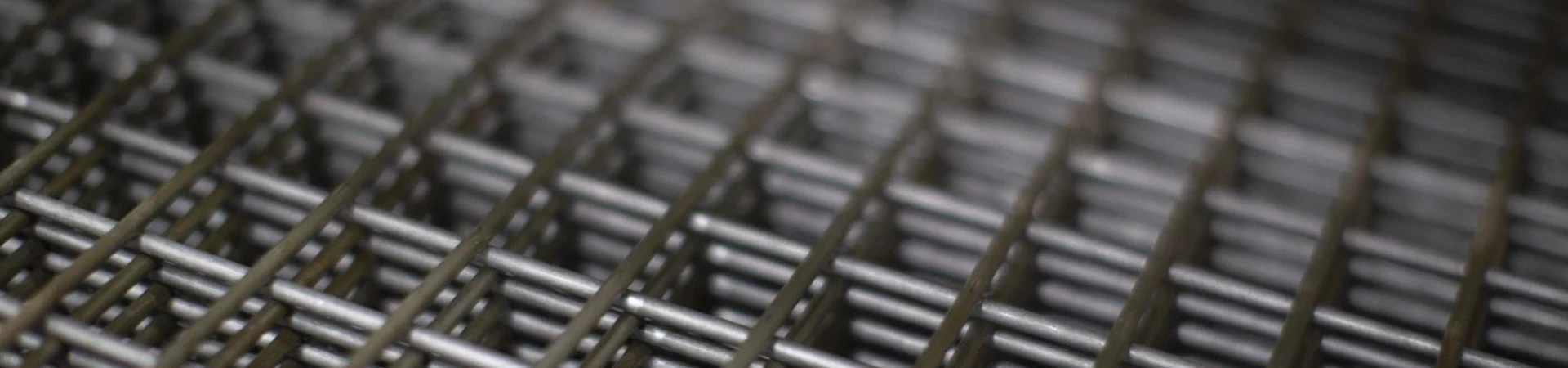
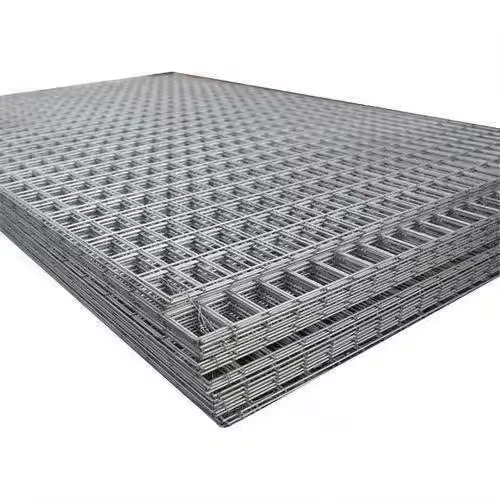
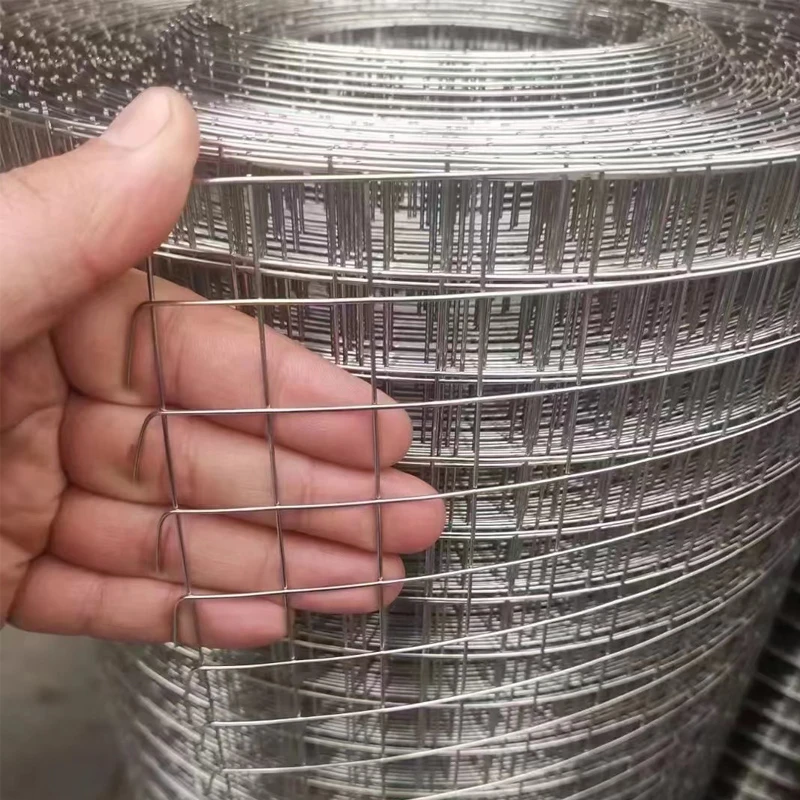
At its core, anti tank barrier metal mesh is a heavy-duty metal grid constructed to withstand and halt the force of armored vehicles. Think of it as a steel fabric, composed of thick wires or rods arranged in a lattice or grid, often welded or tightly woven, and reinforced to resist penetration or deformation. Sometimes the mesh is galvanized for corrosion resistance or even combined with concrete bases or other materials to boost its defensive qualities. The mesh creates a rigid barrier but also maintains some flexibility, facilitating rapid deployment or transportation when necessary.
This product roots itself in industrial manufacturing, steel production, and engineering—yet serves humanitarian protection, military defense, and industrial safety alike.
Key Components Explained
- Durability: The metal wires typically use high-tensile steel, often coated with zinc or galvanized to fight rust in challenging environments.
- Scalability: Sections come in modular sizes, allowing for quick assembly or adaptation depending on perimeter length or terrain.
- Cost Efficiency: Compared to concrete barriers, metal mesh is lighter, quicker to install, and less resource-intensive.
- Visibility: The mesh design allows for line of sight, enabling monitoring across secured areas while maintaining security.
- Customization: Mesh density, wire thickness, and coatings are tailored for specific threat levels or environmental conditions.
Mini takeaway: Each core aspect combines to offer balance between protection, flexibility, and operational practicality.
Global Applications & Real-World Use Cases
Oddly enough, the reach of anti tank barrier metal mesh extends far beyond battlefield fortifications. Here are some vivid examples:
- Military Bases in Europe and the Middle East: Extensive perimeter defenses prevent unauthorized armored access.
- Critical Infrastructure in Asia: Nuclear power plants and airports deploy specially treated metal mesh barriers to hedge against vehicle-borne attacks.
- Humanitarian Zones and Refugee Camps in Africa: Here, anti tank barriers also control heavy vehicle flow, preventing accidents and undesired access.
- Industrial Facilities: Remote mining sites in Australia or heavy manufacturing plants in North America use these meshes as cost-effective security zones.
One fascinating tidbit I learned: In some cases, the mesh system acts as a temporary barrier during the construction of more permanent security walls, proving its modular nature can be a real game changer.
Product Specification Table
| Specification | Typical Values / Options |
|---|---|
| Material | High-Tensile Steel (Galvanized/Coated) |
| Wire Diameter | 6 mm – 12 mm |
| Panel Size | 2 m x 3 m (Modular) |
| Coating | Hot-Dip Galvanized, PVC, or Epoxy |
| Weight per Panel | ~45-70 kg (depending on specification) |
| Installation Time | 2-3 hours per panel (with team) |
Advantages & Long-Term Value of Anti Tank Barrier Mesh
What many operators say (and I tend to agree) is that the real value lies beyond just brute force. The mesh keeps things secure, yes, but it also offers:
- Economic sense: Lower material costs and less labor-intensive installation reduce upfront capital.
- Sustainability: Recyclable materials and fewer heavy foundations reduce environmental impact compared to concrete.
- Social impact: In post-conflict zones, maintaining access control provides security without feeling like a fortress, preserving dignity.
- Reliability: When tested by ISO standards for impact resistance (ISO 16933-1:2016), these meshes hold steady against expected threats.
In essence, the product balances protection with social considerations — a subtle but vital distinction.
Comparing Leading Suppliers of Anti Tank Barrier Metal Mesh
| Vendor | Material Quality | Customization Options | Lead Time | Price (per panel) |
|---|---|---|---|---|
| Jinjiu Wire Mesh | High tensile, galvanized steel | Wire thickness, coatings, size | 2-3 weeks | Competitive |
| SteelGuard Inc. | Military-grade steel | Limited coatings, fixed sizes | 3-4 weeks | Premium |
| FortiMesh Solutions | Standard galvanized steel | Full customization | 4-5 weeks | Mid-range |
Future Trends & Innovations Shaping Anti Tank Barrier Metal Mesh
Take a moment and consider the transformations happening in protective infrastructure. Innovation isn’t static here. We're seeing:
- Smart mesh integration: Sensors embedded into mesh frameworks that instantly detect impacts or breaches.
- Advanced composites: Metal alloys mixed with polymers or carbon fibers for lighter yet stronger meshes.
- Environmentally sustainable coatings: Bio-based or solar-reflective paints to reduce heat absorption and environmental harm.
- Automation in deployment: Modular panels designed for robotic installation, cutting down human risk and time.
And you know what? These newer technologies align perfectly with the global push for green energy and smarter defense systems. It’s a fascinating juncture.
Challenges & Practical Solutions
Of course, no tech is flawless. Common hurdles include:
- Corrosion in extreme environments: Coastal or desert zones wear meshes quickly without proper coatings.
- Deployment speed: Large-scale installations can strain manpower and logistics.
- Cost vs. threat level optimization: Over-engineering can drain budgets, while under-engineering invites risk.
How to address these? Many engineers recommend routine maintenance combined with predictive analytics, enabling early detection of corrosion or damage. Also, training specialized installation teams paired with modular designs fosters faster deployment. Lastly, threat assessments tailored to usage context ensure the right mesh grade for the right scenario.
Frequently Asked Questions About Anti Tank Barrier Metal Mesh
- Q1: How quickly can anti tank barrier metal meshes be installed on-site?
- A1: Installation times vary by panel size and team experience, but typically, a skilled crew can erect a standard 2m x 3m panel within 2-3 hours, including anchoring and assembly.
- Q2: Can these mesh barriers withstand explosives or only physical impact?
- A2: Anti tank metal mesh primarily resists physical impact from heavy vehicles. Explosive resistance depends on mesh thickness and combination with other materials like concrete; standalone meshes aren’t designed as blast barriers.
- Q3: Are these meshes reusable if the security perimeter needs relocating?
- A3: Yes, many designs favor modularity and durability, allowing panels to be dismantled and reinstalled elsewhere, which is ideal for temporary security zones.
- Q4: How does galvanized coating improve the mesh's longevity?
- A4: Hot-dip galvanizing protects steel wires from corrosion by forming a zinc layer, essential in humid, salty, or industrial environments, helping the barrier last years longer.
Wrapping Up: Why Anti Tank Barrier Metal Mesh Makes Sense
From guarding borders to protecting vital assets or enabling safer humanitarian zones, anti tank barrier metal mesh offers a potent blend of protection, adaptability, and cost efficiency. As future iterations integrate smart tech and greener processes, this humble mesh turns into a high-tech sentinel, safeguarding people and property with increasing finesse.
If this sounds like the kind of solution you’ve been seeking, why wait? Visit our website at Jinjiu Wire Mesh to explore models, specs, and tailored support for your next security project.
Reflecting on this, I can’t help but appreciate how mesh barriers — a centuries-old concept, really — continue to evolve and remain relevant. Maybe it’s the perfect mix of simplicity and innovation.
References
- United Nations Department of Peacekeeping Operations (UN DPKO) - Conflict Vehicle Threat Reports, 2023.
- ISO 16933-1:2016 - Protection Against Vehicle Intrusion Standards.
- World Bank Infrastructure Security Analysis Report, 2022.

Related Products

Related News


2026-03-16 14:21:07
Discover durable farming solutions and flexible animal containment with hinge-knot field fence. Combining impact-resistant design and customizable options, Hebei Jinjiu ensures quality for agricultural applications. Explore now: https://www.jinjiuwiremesh.com/field-fencefarm-fence.html
2026-03-16 14:21:07
Discover durable farming solutions and flexible animal containment with hinge-knot field fence. Combining impact-resistant design and customizable options, Hebei Jinjiu ensures quality for agricultural applications. Explore now: https://www.jinjiuwiremesh.com/field-fencefarm-fence.html
2027-04-14 00:00:00
Discover durable farming solutions and flexible animal containment with hinge-knot field fence. Combining impact-resistant design and customizable options, Hebei Jinjiu ensures quality for agricultural applications. Explore now: https://www.jinjiuwiremesh.com/field-fencefarm-fence.html
2026-02-25 15:31:06
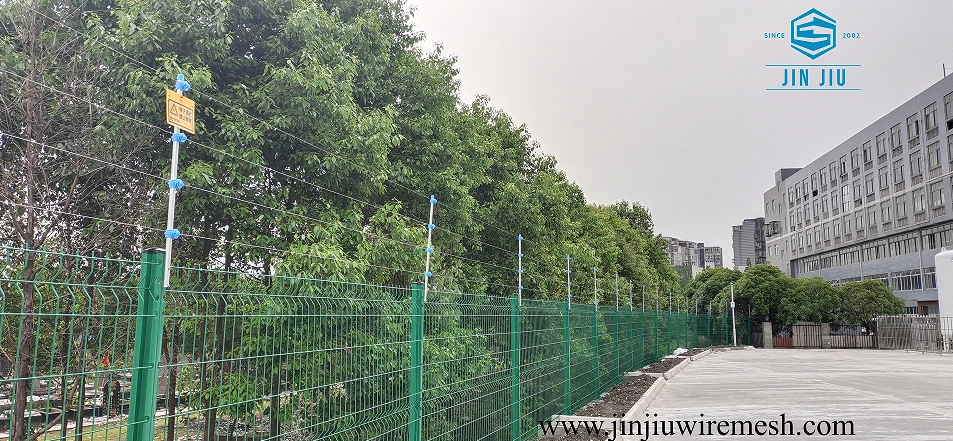
The Strategic Role of the Industrial Electric Fence in Modern Commerce
The protection of corporate and manufacturing assets has transitioned from a matter of simple boundary marking to a complex necessity of risk management.
2026-02-25 15:29:03
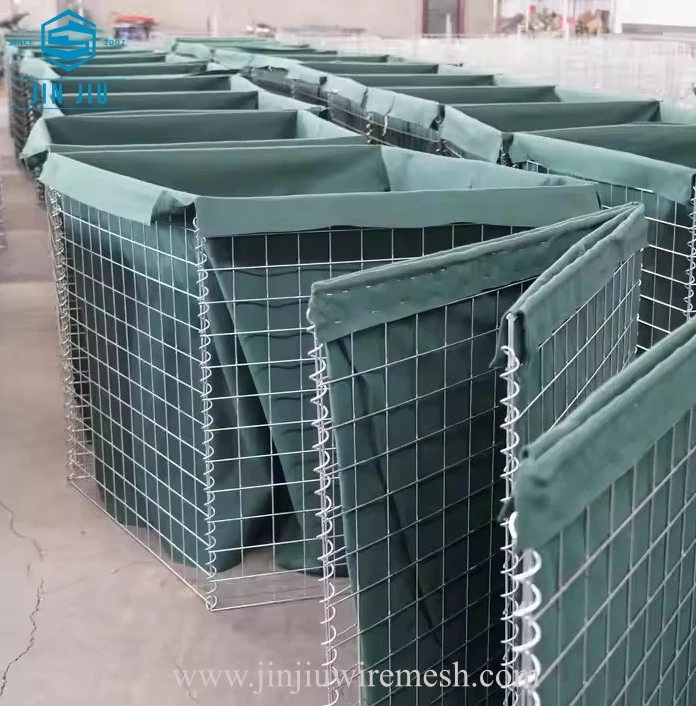
The Evolution of Physical Protection: Bullet Resistant Defensive Barriers in Modern Security
In an increasingly unpredictable global landscape, the requirement for high-level ballistic protection has moved beyond the battlefield and into the core of civilian and industrial security infrastructure.
2026-02-25 15:26:58
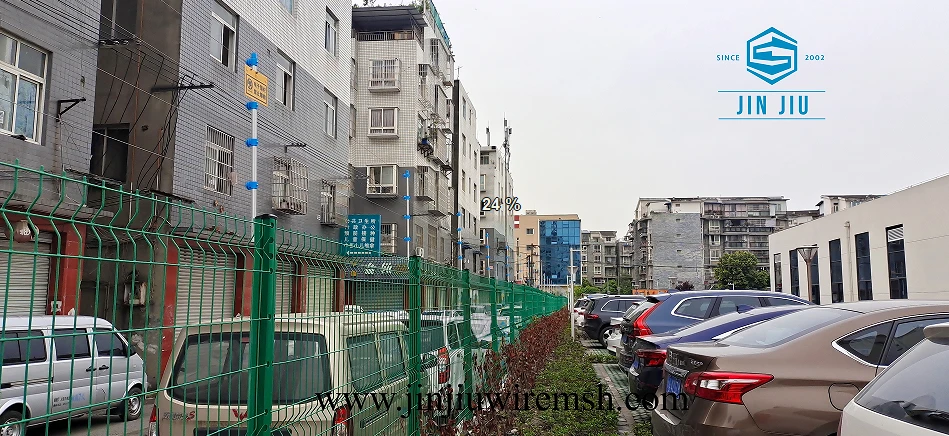
The Digital Backbone of Modern Security: Connected Pulse Monitoring Electric Fence Architecture
The traditional concept of a perimeter has undergone a fundamental transformation.
2026-02-25 15:24:13
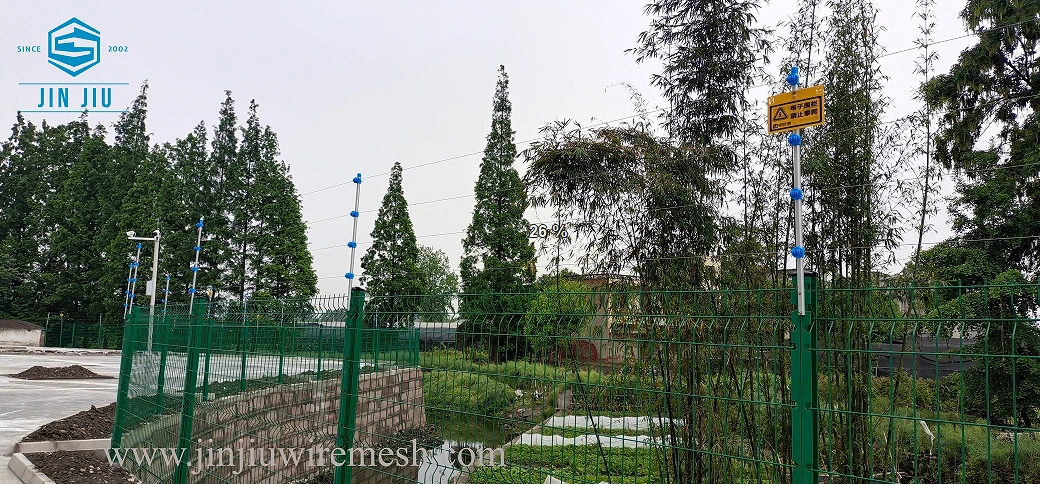
Securing the Unreachable with a Powerful Pulse Electric Fence
In the realm of global security, the distinction between a standard boundary and a high-security perimeter is often defined by the technology pulsing through the wires.
2027-04-14 00:00:00
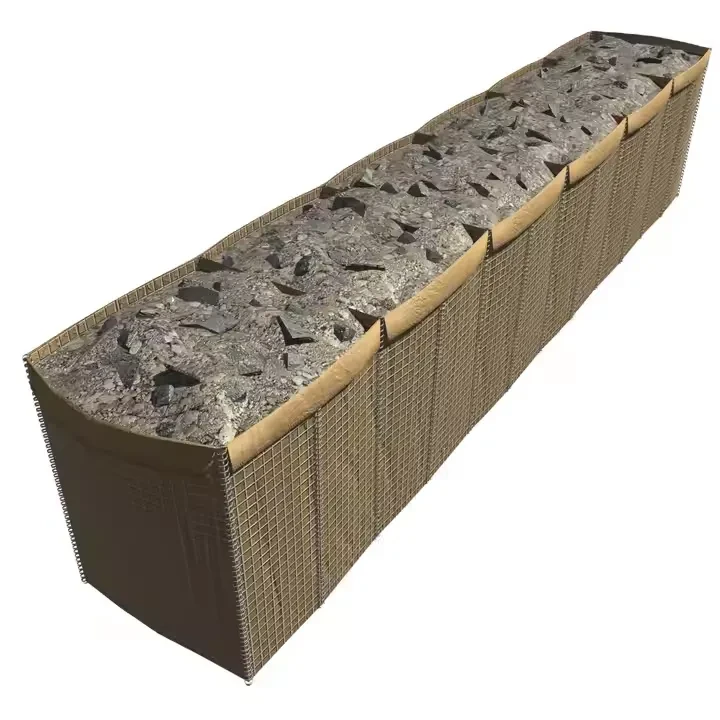
Engineering Resilience with Explosion Proof Defensive Barriers
In an era where industrial safety and national security are increasingly intertwined, the necessity for specialized protection in volatile environments has never been higher.


 English
  Albanian
  Arabic
  Bengali
  Czech
Czech  Danish
  Dutch
Dutch  Finnish
  French
  German
  Japanese
  Malay
Malay  Persian
  Polish
  Portuguese
  Romanian
  Russian
  Serbian
  Spanish
  Swahili