





Hebei Jinjiu Metal Products Co.,Ltd


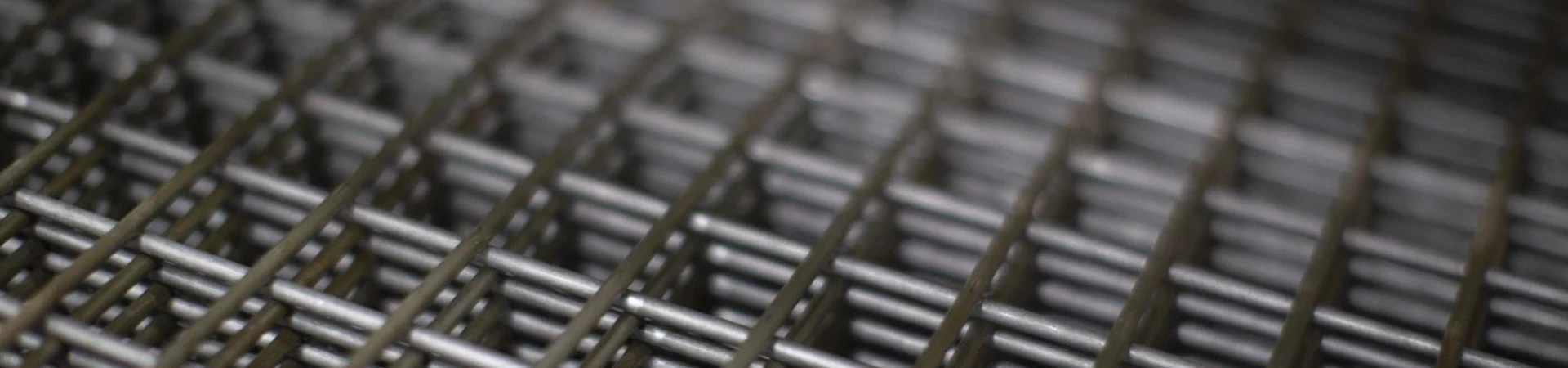

Durable Anti Tank Mesh Barriers for Military & Civil Security | Jinjiu Wire Mesh
Nov . 30, 2025 18:30
Understanding Anti Tank Mesh Barriers: A Critical Global Defense and Security Solution
If you've ever driven near a military installation or noticed robust fencing surrounding a sensitive area, you might have glimpsed what professionals call anti tank mesh barriers. These defensive frameworks aren’t just any barriers; they're an engineered line of defense designed to halt or deter armored vehicles such as tanks from gaining access to protected zones. Worldwide, as geopolitical tensions rise and security demands intensify, grasping the role and advantages of these barriers becomes more than just military jargon — it’s a glimpse into modern security infrastructure.
Why does it matter globally? Consider that conflicts disrupt economies, displace populations, and threaten peace far beyond borders. Anti tank mesh barriers represent one among many tools in preventing escalations, while simultaneously supporting safety in civilian contexts and critical industrial zones. Understanding them sheds light on advancements in protection technology and infrastructure resilience in uncertain times.
The Global Landscape: Why Anti Tank Mesh Barriers Are More Relevant Than Ever
Globally, military expenditures hover near 2.2 trillion USD according to the Stockholm International Peace Research Institute (SIPRI, 2023). Nations invest heavily in layered defenses, with barriers serving as both physical and psychological deterrents. The United Nations has emphasized conflict prevention mechanisms in fragile regions, and products like anti tank mesh barriers support this goal by safeguarding strategic facilities, borders, and humanitarian operations.
However, traditional defenses face challenges: rapid deployment in conflict zones, adaptability to terrain, and cost constraints limit effectiveness. The very nature of modern warfare — mobile, hybrid, and often asymmetrical — demands that barriers not only stop heavy vehicles but also integrate seamlessly with surveillance and deterrence systems. This urgency pushed innovation in anti tank mesh designs and their global adoption.
What Are Anti Tank Mesh Barriers Exactly?
Put simply, anti tank mesh barriers are robust steel structures composed of interlinked wire mesh panels reinforced with heavy-duty framing. They’re engineered to absorb, deflect, or outright prevent the passage of armored military vehicles — usually tanks or personnel carriers — by creating physical and persuasive obstacles. Unlike simple fences, their design incorporates strength, flexibility, and energy dissipation, making them resistant to crash or ramming attempts.
Though primarily military, their applications extend into modern infrastructure security, industrial plants, and border controls strained by smuggling or illegal crossings. The mesh lets light and air through, maintains visibility (helpful for security personnel), and avoids the imposing “concrete wall” feel, which can be socially or politically sensitive.
Key Features That Define Anti Tank Mesh Barriers
1. Durability and Strength
The core of these barriers lies in their high tensile steel wire mesh, often galvanized or coated to prevent corrosion in harsh environments. This toughness is crucial in stopping a 60-ton tank barreling toward it. Many manufacturers tailor specs to resist ramming at speeds upwards of 30 kph.
2. Scalability and Modularity
Another virtue is their modular nature. You can assemble sections to fit varying perimeters, terrain shapes, and urgency levels — from permanent installation around critical infrastructure to temporary setups in conflict zones. This flexibility drastically reduces deployment time.
3. Cost Efficiency Over Time
Yes, the upfront costs are non-trivial. But when weighed against damage from security breaches or tank invasions, plus maintenance costs of alternatives, anti tank mesh barriers often prove economically smarter—especially when coatings extend lifespan beyond 15 years.
4. Ease of Transport and Setup
Engineers I spoke to emphasize how crucial logistics are. Lightweight steel sections fold or nest compactly, making air or ground transportation to remote locations practical — a lifesaver for rapid response forces or humanitarian agencies.
5. Integration with Technology
Increasingly, these barriers incorporate electronic sensors, cameras, and alarms for real-time threat detection. This ensures a combined hard-and-soft barrier, key in contemporary defense doctrine.
Mini takeaway:
In short, what makes anti tank mesh barriers truly valuable is the balance between raw physical defense and adaptable, tech-forward deployment.
Global Applications & How Different Sectors Employ Anti Tank Mesh Barriers
From the Middle East conflict zones to European border areas, anti tank mesh barriers protect not only military installations but also refugee camps, critical energy infrastructure, and industrial sites vulnerable to sabotage. For example:
- Post-conflict reconstruction: NGOs install barriers to secure camps against armored incursions, while allowing aid flow.
- Industrial zones: Oil fields and refineries in volatile regions use these barriers to deter not just theft but violent vehicle-based intrusions.
- Peacekeeping and border control: The UN uses anti tank mesh barriers for peace operations in hotspots, creating buffer zones that are monitored 24/7.
Regions like Eastern Europe, parts of Africa, and Southeast Asia have increasingly incorporated them into broader security architectures. Oddly enough, even some civilian infrastructure — transport hubs or power substations — employs these barriers where risk assessments predict armored threats.
Typical Product Specification Table
| Feature | Specification | Notes |
|---|---|---|
| Material | Galvanized High Tensile Steel | Corrosion-resistant coating |
| Panel Size | 2.4m height × 3m width | Modular and stackable |
| Mesh Opening | 50mm × 50mm | Balancing visibility & strength |
| Ramming Resistance | > 30 km/h by 60-ton tank | Meets NATO standards |
| Weight per Panel | Approx. 280 kg | Optimized for transport |
Top Vendors in the Anti Tank Mesh Barrier Market
| Company | Specialization | Global Reach | Typical Lead Time |
|---|---|---|---|
| Jinjiu Wire Mesh | Anti tank wire meshes, security fences | Asia, Europe, Middle East | 4-6 weeks |
| Fortify Security Systems | Integrated barrier tech & sensors | Global, with special focus on Americas | 6-8 weeks |
| SteelGuard Inc. | Heavy-duty steel barriers with rapid deployment | Europe & Africa | 3-5 weeks |
Why Choose Anti Tank Mesh Barriers? The Long-Term Value
When I first learned about these barriers, what stood out was how they blend physical security with psychological peace of mind. Organizations dealing with fragile infrastructures often emphasize that visible deterrents—especially those capable of stopping heavy vehicles—significantly reduce incidents.
Cost-wise, installing them might seem hefty upfront, but as many defense planners note: replacing damaged equipment or handling security breaches is far pricier and disruptive. Add to that their longevity and low maintenance, and we come to a rational cost-benefit ratio few other solutions offer.
Emotionally, these barriers foster safety, trust, and at times, a needed sense of dignity, especially for displaced communities shielded from conflict escalation. Innovation in materials and design means using fewer resources with greater efficiency — a progressive step aligned with sustainability goals.
Emerging Trends & Innovations in Anti Tank Mesh Barriers
The future, frankly, looks quite promising. Across the security sector, integration with smart surveillance systems is becoming standard. Imagine a mesh barrier embedded with sensors that detect structural stress from impacts, alerting guards or automated drones instantly.
Another trend is toward eco-friendly coatings and recycled steel, aligning with global commitments like ISO 14001 environmental management. Lightweight composites are also tested to replace heavy metal frames, which improves transport logistics while maintaining defensive capabilities.
Digital transformation means barriers can be remotely monitored and even reconfigured in modular ways within hours. Some manufacturers experiment with solar-powered lights or camera mounts to render the barrier useful 24/7 without added infrastructure.
In short, the once “dumb” fences are quickly evolving into smart, sustainable security ecosystems.
Challenges and How the Industry is Responding
One limitation that often comes up is terrain adaptability. Rocky, uneven, or sandy soils can complicate stable installation. To counter this, manufacturers offer foundation solutions, including adjustable ground anchors or temporary ballast blocks, which reduce setup time without compromising security.
Another concern is the barrier’s visibility—it must deter without creating an oppressive feel, especially near civilian zones. Using transparent mesh sizes and anti-corrosion paints in neutral colors helps blend them into environments more naturally.
Cost control remains a moving target; however, better supply chain integration and material innovations continue to bring prices down without sacrificing quality.
FAQ: Frequently Asked Questions About Anti Tank Mesh Barriers
Q1: How quickly can anti tank mesh barriers be deployed in an emergency?
A: With modular design and pre-assembled panels, these barriers can often be erected within 48 to 72 hours depending on site conditions and manpower. Quick transportability is key to rapid deployment.
Q2: Can these barriers be customized for different threat levels?
A: Absolutely. Manufacturers tailor mesh thickness, panel height, and reinforcement depending on expected threats, from light armored vehicles up to heavy main battle tanks.
Q3: Do anti tank mesh barriers require a lot of maintenance?
A: Minimal maintenance is needed if high-quality galvanized steel and coatings are used. Periodic inspections for damage and corrosion are standard, but replacements are infrequent.
Q4: Are they suitable for civilian use areas?
A: Yes, especially where large vehicle access needs controlled but visibility maintained, such as airports, industrial complexes, and sensitive government facilities.
Final Thoughts: Why Anti Tank Mesh Barriers Are More Than Just Wire Fences
In real terms, anti tank mesh barriers combine engineering ingenuity with practical defense needs. They resonate far beyond military applications, supporting humanitarian efforts, industrial security, and more. Their adaptability, durability, and growing smart features ensure they remain relevant for years to come.
Looking to secure your facilities with state-of-the-art protective solutions? Visit anti tank mesh barriers expert Jinjiu Wire Mesh for tailored products and expert support.
References

Related Products


Related News


2026-03-16 14:21:07
Discover durable farming solutions and flexible animal containment with hinge-knot field fence. Combining impact-resistant design and customizable options, Hebei Jinjiu ensures quality for agricultural applications. Explore now: https://www.jinjiuwiremesh.com/field-fencefarm-fence.html
2026-03-16 14:21:07
Discover durable farming solutions and flexible animal containment with hinge-knot field fence. Combining impact-resistant design and customizable options, Hebei Jinjiu ensures quality for agricultural applications. Explore now: https://www.jinjiuwiremesh.com/field-fencefarm-fence.html
2027-04-14 00:00:00
Discover durable farming solutions and flexible animal containment with hinge-knot field fence. Combining impact-resistant design and customizable options, Hebei Jinjiu ensures quality for agricultural applications. Explore now: https://www.jinjiuwiremesh.com/field-fencefarm-fence.html
2026-02-25 15:31:06
The Strategic Role of the Industrial Electric Fence in Modern Commerce
The protection of corporate and manufacturing assets has transitioned from a matter of simple boundary marking to a complex necessity of risk management.
2026-02-25 15:29:03
The Evolution of Physical Protection: Bullet Resistant Defensive Barriers in Modern Security
In an increasingly unpredictable global landscape, the requirement for high-level ballistic protection has moved beyond the battlefield and into the core of civilian and industrial security infrastructure.
2026-02-25 15:26:58
The Digital Backbone of Modern Security: Connected Pulse Monitoring Electric Fence Architecture
The traditional concept of a perimeter has undergone a fundamental transformation.
2026-02-25 15:24:13
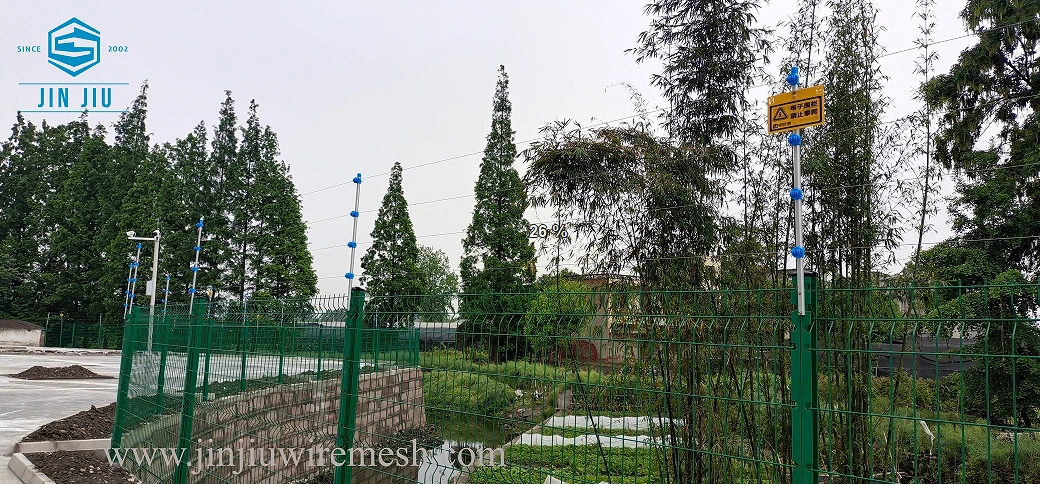
Securing the Unreachable with a Powerful Pulse Electric Fence
In the realm of global security, the distinction between a standard boundary and a high-security perimeter is often defined by the technology pulsing through the wires.
2027-04-14 00:00:00
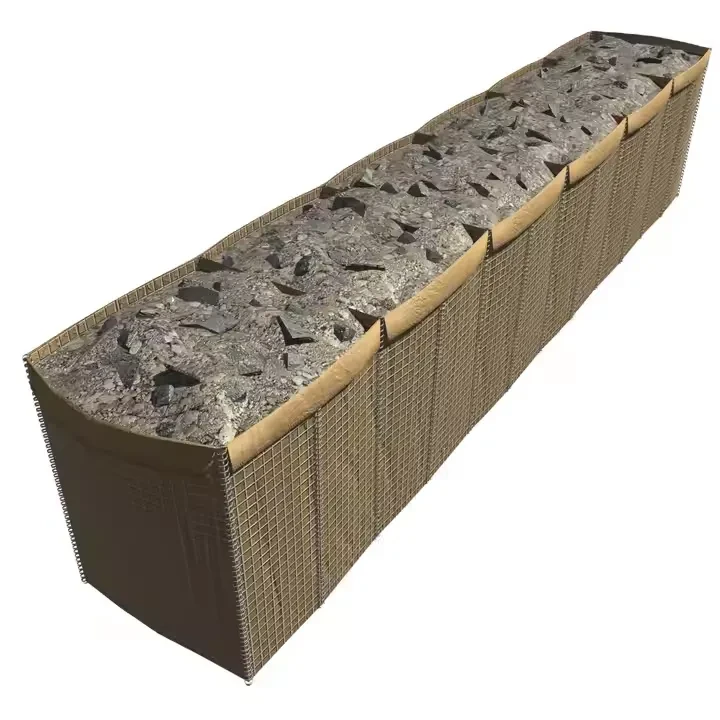
Engineering Resilience with Explosion Proof Defensive Barriers
In an era where industrial safety and national security are increasingly intertwined, the necessity for specialized protection in volatile environments has never been higher.


 English
  Albanian
  Arabic
  Bengali
  Czech
Czech  Danish
  Dutch
Dutch  Finnish
  French
  German
  Japanese
  Malay
Malay  Persian
  Polish
  Portuguese
  Romanian
  Russian
  Serbian
  Spanish
  Swahili