





Hebei Jinjiu Metal Products Co.,Ltd



Comprehensive Guide to Anti Tank Mesh Barriers: Global Use & Benefits
Dec . 02, 2025 08:00
Understanding Anti Tank Mesh Barriers: A Global Perspective
Anti tank mesh barriers — you might picture them as just another piece of military kit, but they’re surprisingly critical on a global scale, serving modern defense efforts and humanitarian operations alike. Fundamentally, these barriers restrain the mobility of heavy armored vehicles, mitigating threats on the battlefield or securing vulnerable zones. Their value goes beyond immediate defense; they speak to larger security concerns, safeguarding infrastructure and populations in zones challenged by conflict or natural disaster. Get a grip on how and why this tech matters, and you can appreciate its role in both military strategy and civil resilience.
Introduction: Global Relevance of Anti Tank Mesh Barriers
It’s easy to underestimate the intricacy behind anti tank mesh barriers. Globally, the defense industry invests billions annually into technologies that can slow or stop advancing armored vehicles. According to the United Nations reports on security containment, effective ground barriers reduce collateral damage and protect critical civilian infrastructure in conflict zones. Roughly 30% of land defense budgets across NATO countries prioritize such barriers as part of layered defense strategies.
On the flip side, these barriers also appear in humanitarian contexts, such as preventing heavy machinery from disrupting sensitive recovery sites after a disaster. So the problem they address — the uncontrolled movement of fortified vehicles — is surprisingly multifaceted, ranging from active conflict zones to controlled industrial or post-disaster areas.
What Are Anti Tank Mesh Barriers?
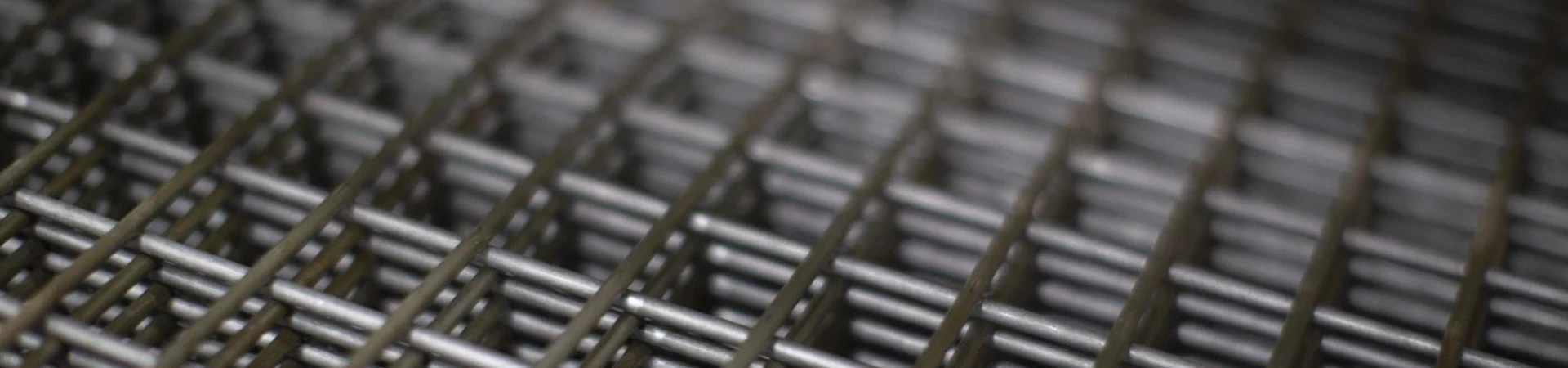
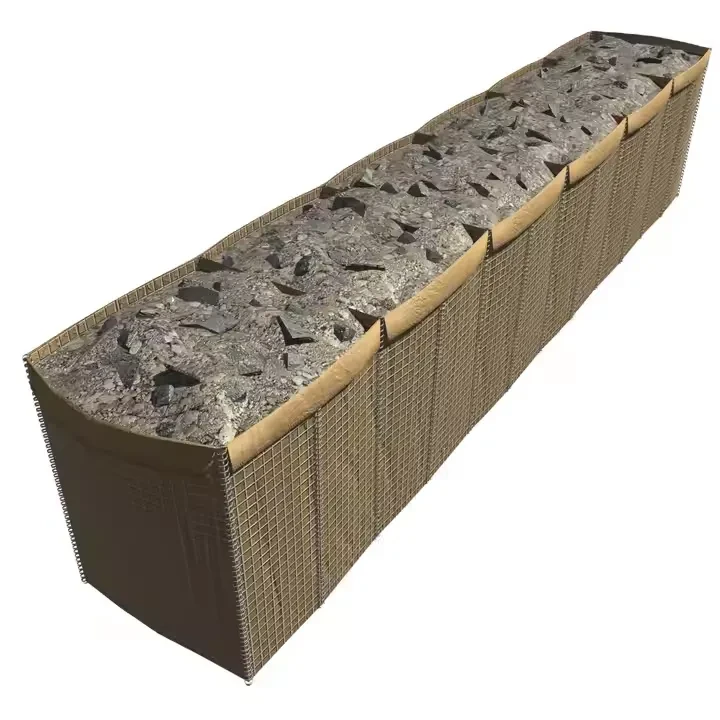
Simply put, anti tank mesh barriers are reinforced steel mesh constructs designed to obstruct, slow, or channelize the movement of armored vehicles like tanks or combat trucks. Rather than solid walls, their lattice structure stops vehicles by entangling tracks or causing traction failure, without wasting tons of concrete or risking complete destruction.
This makes them highly adaptable. You’ll see them employed in modern military bases, border controls, and increasingly in complex humanitarian operations, where protecting infrastructure without permanent fortifications is crucial.
Key Components of Anti Tank Mesh Barriers
Durability
One big factor is that these meshes must endure extreme weather and impact without losing effectiveness. Many are galvanized or coated to prevent corrosion— essential when you consider that some deployments happen in harsh, humid or desert environments.
Scalability
You want modularity here. That’s why manufacturers often design meshes in sections that are easy to transport, assemble, or replace. Whether you need a quick roadside barrier or a sprawling perimeter fence, the mesh approach lets you size your protection on the fly.
Cost Efficiency
Compared to traditional anti vehicle trenching or concrete blocks, anti tank mesh barriers provide a cost-effective solution that combines ease of installation with strong protection. They tend to require less heavy machinery for deployment, which saves both time and money, especially in remote or unstable areas.
Weight & Mobility
Oddly enough, weight matters a lot. Lighter mesh panels can be airlifted or trucked over challenging terrain. This quick deployability gives forces or aid groups a robust defensive option that can move with rapidly changing tactical needs.
Product Specification Table
| Feature | Specification |
|---|---|
| Material | Galvanized Steel Wire Mesh |
| Mesh Size | 50 mm x 50 mm Apertures |
| Panel Dimensions | 2.5m Height x 3m Width |
| Weight | Approximately 40 kg per panel |
| Coating | Hot-Dip Galvanized & PVC-coated options |
Global Applications and Use Cases
Anti tank mesh barriers feature widely across continents and industries, from NATO countries’ NATO bases to UN peacekeeping missions in fragile states. Even outside active war zones, industrial facilities in remote regions use them to ward off unauthorized access by heavy machinery.
For example, in the Middle East, mesh barriers help protect critical oil installations against potential mechanized threats, while in Europe, they are part of layered defense measures against incursions. Oddly enough, in post-disaster relief operations in Asia, authorities have deployed these barriers to protect rehabilitation sites from accidental vehicle damage.
Vendor Comparison Table
| Vendor | Material Quality | Customization | Delivery Time | Typical Price Range |
|---|---|---|---|---|
| Jinjiu Wire Mesh | High-grade galvanized with PVC coating | Panels & sizes tailored to client specs | 4–6 weeks | Competitive, volume discounts |
| Global Defense Supplies | Standard galvanized steel | Limited customization options | 2–3 weeks | Higher-end pricing |
| SecureMesh Ltd. | Industrial-grade stainless steel | Custom coatings & finishes | 6–8 weeks | Premium-priced |
Advantages and Long-Term Value
Cost-wise, these barriers are a savvy blend of strength and affordability. They’re designed for longevity — rust resistance and modular rebuilds mean fewer replacements. Socially, they provide tangible security, preserving safety without resorting to permanent fortifications that disrupt local communities. Many engineers I’ve spoken with highlight how the modular nature fosters trust among users; it feels non-intrusive but effective, a kind of reassurance.
Future Trends & Innovations
Looking ahead, innovations include eco-friendly coatings to reduce environmental impact, and meshes integrated with sensor technologies that alert to pressure or breaches. There’s also a growing push toward quicker, automated deployments using drones or robotic assemblers, especially in rapidly shifting conflict zones.
Challenges and Solutions
Of course, no technology is without limits. Mesh barriers can be vulnerable to heavy explosives or specialized engineering vehicles designed to bypass them. However, combining mesh with layered security measures — trenches, minefields, surveillance — dramatically improves performance. The trick is in integration and ongoing maintenance, rather than relying on any single component.
Frequently Asked Questions About Anti Tank Mesh Barriers
- How quickly can anti tank mesh barriers be deployed?
Deployment speed varies, but modular panels can typically be installed within days to weeks depending on terrain and team size. Quick assembly is one of their strengths. - Are these barriers reusable after conflict ends?
Yes, many barriers are designed for disassembly and redeployment elsewhere. They’re not necessarily permanent, making them flexible assets. - Do anti tank mesh barriers require specialist installation?
Basic installation can be done by trained engineering units with minimal equipment, but optimal performance often depends on proper ground preparation and anchoring. - Can these mesh barriers be customized for different climates?
Absolutely. Coatings and mesh densities are tailored to resist corrosion or heavy impact in various environments, from humid jungles to arid deserts.
Conclusion: Why Anti Tank Mesh Barriers Matter Long-Term
To wrap it up, anti tank mesh barriers aren’t just steel fences — they’re adaptable, cost-effective assets that balance strong defense with community sensitivity and environmental resilience. Whether for a forward military base or a post-disaster relief zone, they offer layers of protection that evolve with needs and terrain. Curious to explore more on how they work or want tailored solutions? Check out anti tank mesh barriers for comprehensive options tailored to your project.
Mini takeaway: Anti tank mesh barriers are quietly vital in modern security and recovery, striking a balance between force and finesse in protecting people and property worldwide.
References
1. United Nations Office for Disarmament Affairs (https://www.un.org/disarmament)
2. NATO Defense Expenditures Reports (https://www.nato.int)
3. ISO Standards on Military Engineering Techniques (https://www.iso.org)

Related Products

Related News


2026-03-16 14:21:07
Discover durable farming solutions and flexible animal containment with hinge-knot field fence. Combining impact-resistant design and customizable options, Hebei Jinjiu ensures quality for agricultural applications. Explore now: https://www.jinjiuwiremesh.com/field-fencefarm-fence.html
2026-03-16 14:21:07
Discover durable farming solutions and flexible animal containment with hinge-knot field fence. Combining impact-resistant design and customizable options, Hebei Jinjiu ensures quality for agricultural applications. Explore now: https://www.jinjiuwiremesh.com/field-fencefarm-fence.html
2027-04-14 00:00:00
Discover durable farming solutions and flexible animal containment with hinge-knot field fence. Combining impact-resistant design and customizable options, Hebei Jinjiu ensures quality for agricultural applications. Explore now: https://www.jinjiuwiremesh.com/field-fencefarm-fence.html
2026-02-25 15:31:06
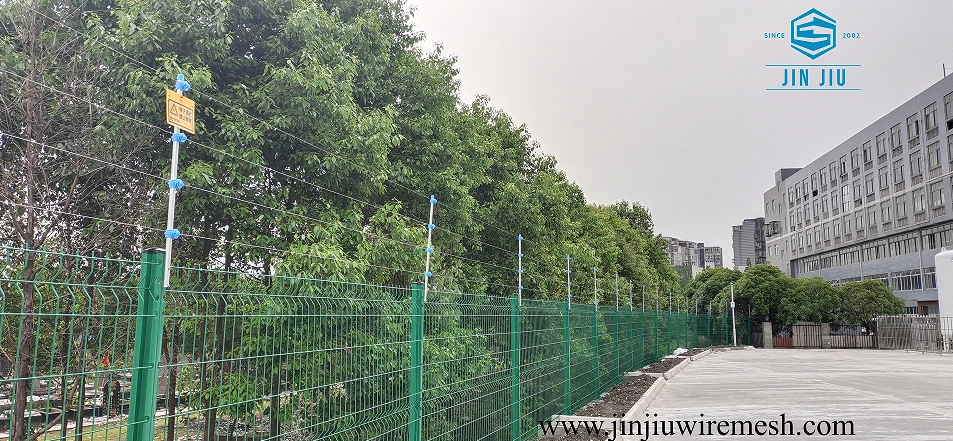
The Strategic Role of the Industrial Electric Fence in Modern Commerce
The protection of corporate and manufacturing assets has transitioned from a matter of simple boundary marking to a complex necessity of risk management.
2026-02-25 15:29:03
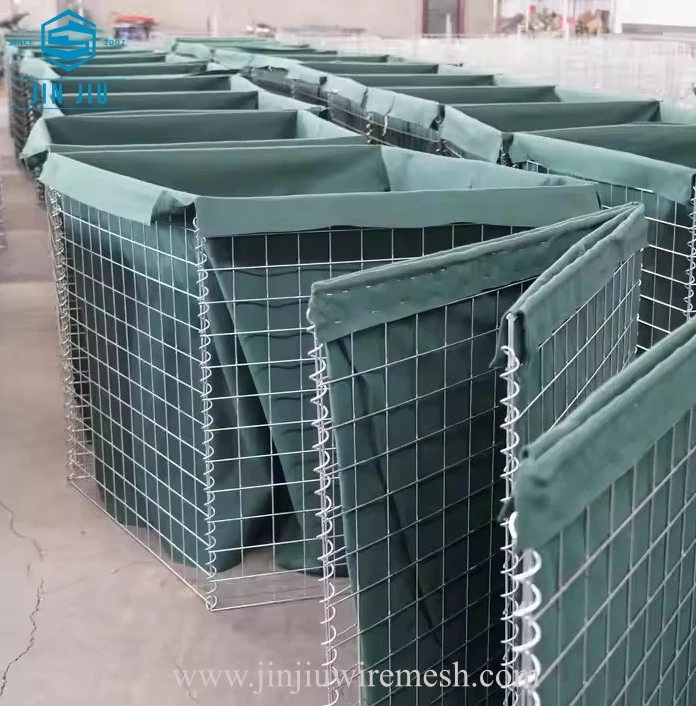
The Evolution of Physical Protection: Bullet Resistant Defensive Barriers in Modern Security
In an increasingly unpredictable global landscape, the requirement for high-level ballistic protection has moved beyond the battlefield and into the core of civilian and industrial security infrastructure.
2026-02-25 15:26:58
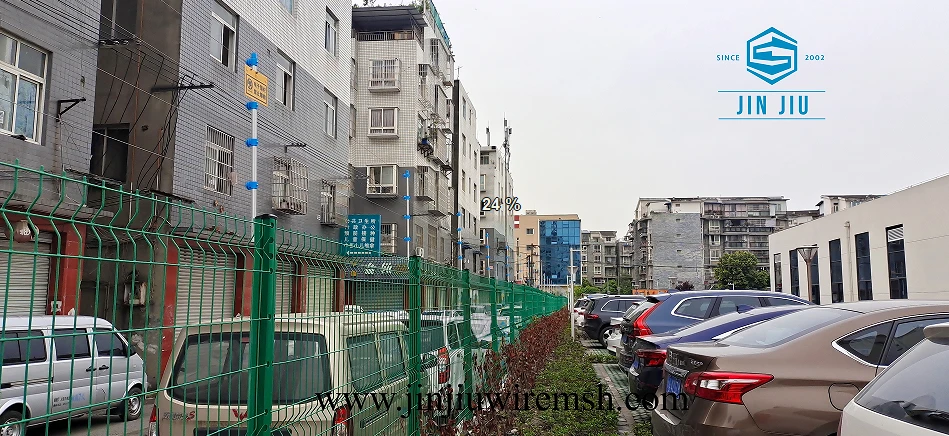
The Digital Backbone of Modern Security: Connected Pulse Monitoring Electric Fence Architecture
The traditional concept of a perimeter has undergone a fundamental transformation.
2026-02-25 15:24:13
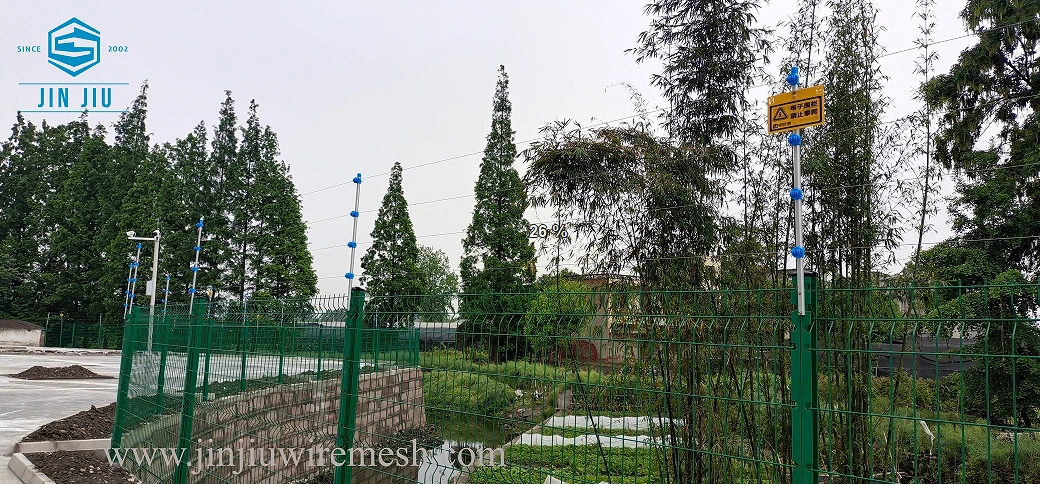
Securing the Unreachable with a Powerful Pulse Electric Fence
In the realm of global security, the distinction between a standard boundary and a high-security perimeter is often defined by the technology pulsing through the wires.
2027-04-14 00:00:00
Engineering Resilience with Explosion Proof Defensive Barriers
In an era where industrial safety and national security are increasingly intertwined, the necessity for specialized protection in volatile environments has never been higher.


 English
  Albanian
  Arabic
  Bengali
  Czech
Czech  Danish
  Dutch
Dutch  Finnish
  French
  German
  Japanese
  Malay
Malay  Persian
  Polish
  Portuguese
  Romanian
  Russian
  Serbian
  Spanish
  Swahili