





Hebei Jinjiu Metal Products Co.,Ltd



Comprehensive Guide to Anti-Tank Track Wire Mesh Barrier – Features, Applications & Future Trends
Dec . 02, 2025 07:25
Understanding the Anti-Tank Track Wire Mesh Barrier: A Vital Defense Solution
If you’re new to military engineering or global defense technology, the term anti-tank track wire mesh barrier might sound a bit cryptic. Simply put, it's a protective barrier designed primarily to impede the movement of armored vehicles, especially tanks, by using a sturdy mesh of wire set along tracks or battlefronts. Its significance spans far beyond just that – it’s an essential safeguard in conflict zones worldwide and is increasingly relevant in security and infrastructure protection projects. Why does this matter globally? Well, maintaining effective frontline defenses can literally shape geopolitical stability and save countless lives. Plus, understanding these barriers offers insight into modern engineering's blend of toughness and adaptiveness.
Global Context: Why Anti-Tank Track Wire Mesh Barriers Matter Now More Than Ever
Across global hotspots and strategic borders, the need for robust physical defenses grows, notably in regions entangled in ongoing conflicts or with high-security interests. According to data from the United Nations Office for Disarmament Affairs (UNODA), armored warfare remains relevant in over a dozen conflicts worldwide, despite the rise of cyber and drone warfare.[1] Challenges such as quick mobilization of enemy tank units press the need for rapid, reliable barriers like the anti-tank track wire mesh. These barriers serve not only as physical blockers but also cost-effective, scalable defenses that can be deployed in diverse environments. Oddly enough, their flexibility means they’re useful beyond military settings, too – more on that shortly.
Defining the Anti-Tank Track Wire Mesh Barrier
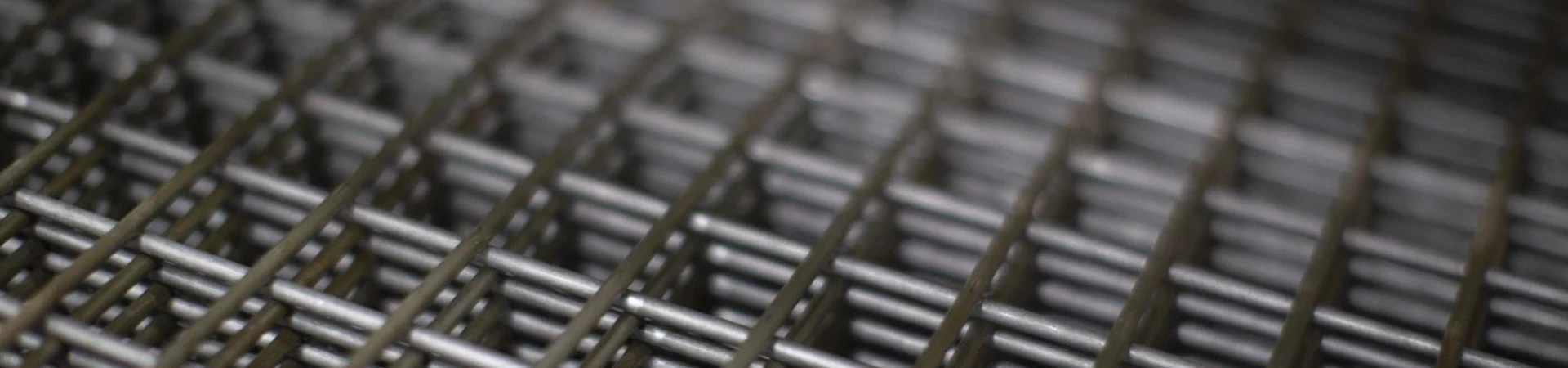
At its core, an anti-tank track wire mesh barrier is a durable, interwoven metallic mesh tethered to the ground, designed to resist brutal force from heavy vehicles. You can imagine it as a sort of “steel net” that disrupts tank treads or wheels, slowing or halting progress altogether. This system is connected to modern engineering efforts to produce fast-assembly defenses that meet the dual needs of strength and portability. Its humanitarian relevance appears in contexts like clearing or securing post-conflict zones and infrastructure protection during disaster relief. Plus, refinements over time have made the mesh lighter and easier to deploy without sacrificing effectiveness.
Key Aspects of the Anti-Tank Track Wire Mesh Barrier
1. Durability
Of course, durability is king here. These meshes typically use galvanized or stainless steel wire, resisting corrosion and retaining tensile strength under extreme conditions. This ensures the barriers last years with minimal maintenance, a must in remote or war-torn areas.
2. Scalability & Portability
Barriers must be adaptable to varied terrains, from deserts to forested areas. The modular design means they can be extended or retracted swiftly, which is crucial when frontline positions shift quickly.
3. Cost Efficiency
Compared to heavy concrete anti-tank walls, wire mesh barriers are far more budget-friendly. Production, transportation, and deployment costs are significantly lower—an important factor for governments and NGOs balancing tight budgets.
4. Installation Time
Rapid deployment matters. Some systems can be installed in a matter of hours by a small team, giving them an edge in volatile environments where speed influences safety.
5. Environmental Impact
Many manufacturers now focus on eco-friendly coatings and materials, aligning with broader sustainable defense initiatives (a real shift from the steel-heavy solutions of the past).
Product Specifications: Typical Anti-Tank Track Wire Mesh Barrier
| Feature | Description |
|---|---|
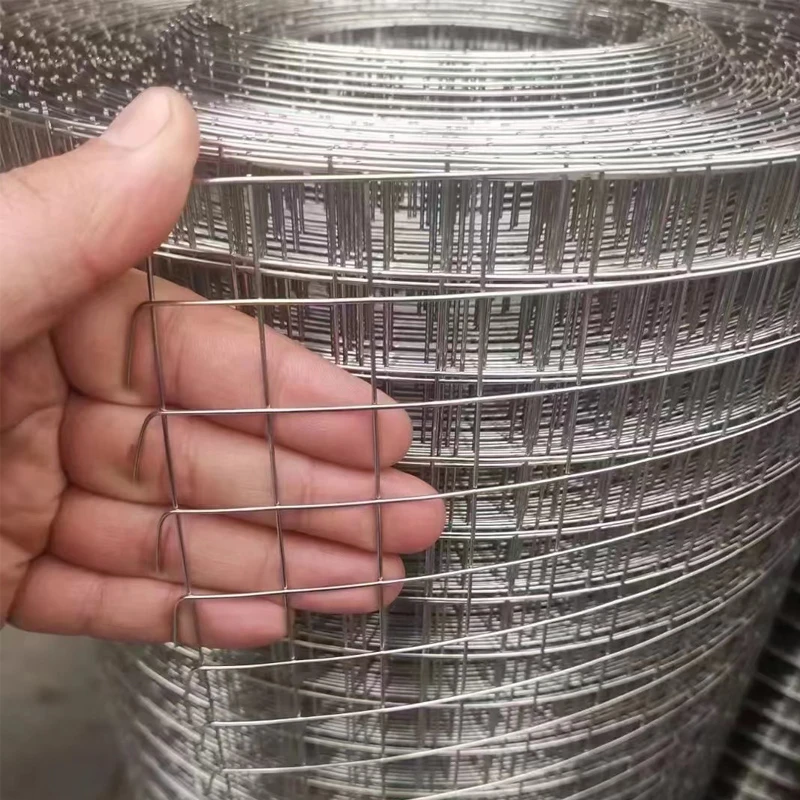
| Material | Galvanized Steel Wire (5-8 mm diameter) |
| Mesh Size | 50 mm x 50 mm grid |
| Weight per roll | Approx. 100 kg (per 10m length) |
| Corrosion Resistance | Galvanized coating (25 microns min thickness) |
| Deployment Time | 2-3 hours (per 50m section with 4-person crew) |
Global Applications & Use Cases
The anti-tank track wire mesh barrier doesn’t sit idle only on battlefields. Countries stretching from Eastern Europe to the Middle East use them to protect valuable infrastructure—power plants, bridges, even critical roads. In fact, during recent peacekeeping missions, UN engineers have relied on these barriers for both quick defensive setups and to channel population movement safely without heavy permanent infrastructure.[2]
In post-disaster relief operations, these mesh barriers act as barriers against unauthorized vehicle access to sensitive zones, ensuring relief efforts proceed unhindered. Oddly enough, some remote mining operations have adopted similar meshes to secure perimeters without adding massive concrete walls, balancing cost and protection.
Vendor Comparison: Leading Anti-Tank Track Wire Mesh Barrier Providers
| Vendor | Material Quality | Deployment Speed | Price Range (per 10m) |
|---|---|---|---|
| Jinjiu Wire Mesh | Galvanized Steel 6mm | ~2 hours (4-person crew) | $300 - $350 |
| ArmorShield Inc. | Stainless Steel 7mm | ~2.5 hours | $400 - $450 |
| Fortress Defense Co. | Galvanized Steel 5mm | ~3 hours | $280 - $320 |
Advantages & Long-Term Value of Anti-Tank Track Wire Mesh Barriers
When you think about it, these barriers are a rare blend of practicality and innovation. They save money upfront but also translate into reliable, long-term protection. On the emotional side, they provide peace of mind, a tangible sign of safety in volatile zones. They reinforce dignity by protecting civilian areas from armored incursion, which frankly makes a huge difference in community resilience. Sustainable usage of materials aligns well with increasing global demands for eco-conscious defense products.
Looking Ahead: Future Trends & Innovations
Innovations keep coming: from composite wire materials to smart, sensor-integrated barriers that can detect and alert about disturbances. Expect future deployments to integrate solar-powered lighting, wireless monitoring, and AI-powered stress detection to anticipate breaches. Green energy use even in military-grade barriers is a hot topic now – cutting carbon footprints while maintaining security standards.
Challenges & Solutions
Deploying these barriers isn’t without challenges. Terrain complications can limit installation, and some mesh types are vulnerable to sabotage or rust in extreme climates. An exciting solution involves hybridizing mesh with biodegradable polymers for added corrosion resistance while retaining strength. Meanwhile, training personnel in rapid deployment is another hurdle but one that many organizations actively address through modular design training kits.
FAQ: Your Top Questions About Anti-Tank Track Wire Mesh Barrier
- Q: How quickly can these barriers be installed in emergency situations?
A: Typically, a small team of four trained personnel can deploy a 50-meter section in around 2 to 3 hours, depending on terrain. This rapid timeframe is critical in fast-moving conflict or disaster zones. - Q: Are anti-tank track mesh barriers reusable?
A: Yes. Most wire mesh barriers can be dismantled and redeployed multiple times without significant loss in integrity, making them cost-effective for prolonged use. - Q: Can these barriers be customized to suit different environments?
A: Absolutely. Sizes, wire thicknesses, and coatings can be adjusted based on climate and tactical needs, ensuring optimal performance in harsh conditions. - Q: How does the anti-tank track wire mesh barrier compare to concrete obstacles?
A: Mesh barriers offer faster deployment, lower cost, and greater portability though concrete walls provide absolute immovability but at higher cost and slower setup times.
Conclusion: Secure Your Frontlines with Trusted Anti-Tank Track Wire Mesh Barriers
Ultimately, understanding the anti-tank track wire mesh barrier reveals how modern defense has balanced strength, speed, and sustainability—a trio not easily achieved, frankly. Whether you’re a defense contractor, infrastructure planner, or policymaker, these mesh barriers stand out for long-term value. They are not just about blocking tanks but about shaping safer futures. Curious to learn more or equip your next project? Visit our website at Jinjiu Wire Mesh to explore complete product details and expert insights.
Quick takeaway: Anti-tank track wire mesh barriers blend innovation, cost efficiency, and sustainability to create versatile defense solutions essential for modern security needs.

Related Products


Related News


2026-03-16 14:21:07
Discover durable farming solutions and flexible animal containment with hinge-knot field fence. Combining impact-resistant design and customizable options, Hebei Jinjiu ensures quality for agricultural applications. Explore now: https://www.jinjiuwiremesh.com/field-fencefarm-fence.html
2026-03-16 14:21:07
Discover durable farming solutions and flexible animal containment with hinge-knot field fence. Combining impact-resistant design and customizable options, Hebei Jinjiu ensures quality for agricultural applications. Explore now: https://www.jinjiuwiremesh.com/field-fencefarm-fence.html
2027-04-14 00:00:00
Discover durable farming solutions and flexible animal containment with hinge-knot field fence. Combining impact-resistant design and customizable options, Hebei Jinjiu ensures quality for agricultural applications. Explore now: https://www.jinjiuwiremesh.com/field-fencefarm-fence.html
2026-02-25 15:31:06
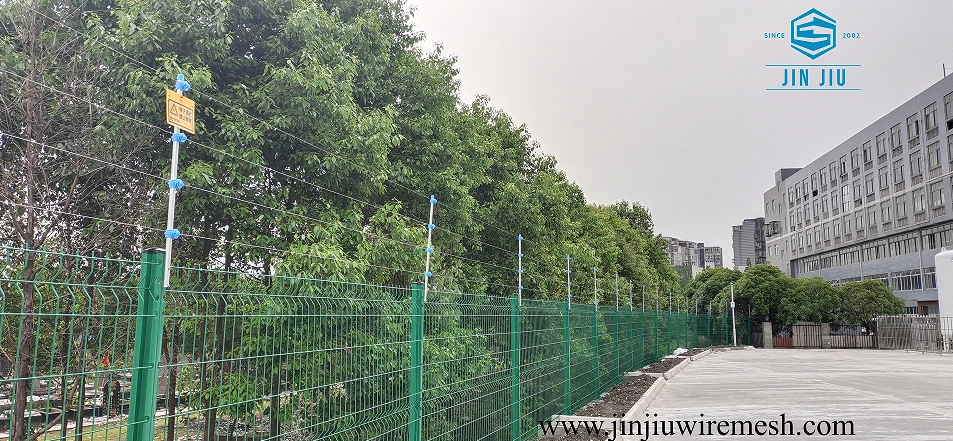
The Strategic Role of the Industrial Electric Fence in Modern Commerce
The protection of corporate and manufacturing assets has transitioned from a matter of simple boundary marking to a complex necessity of risk management.
2026-02-25 15:29:03
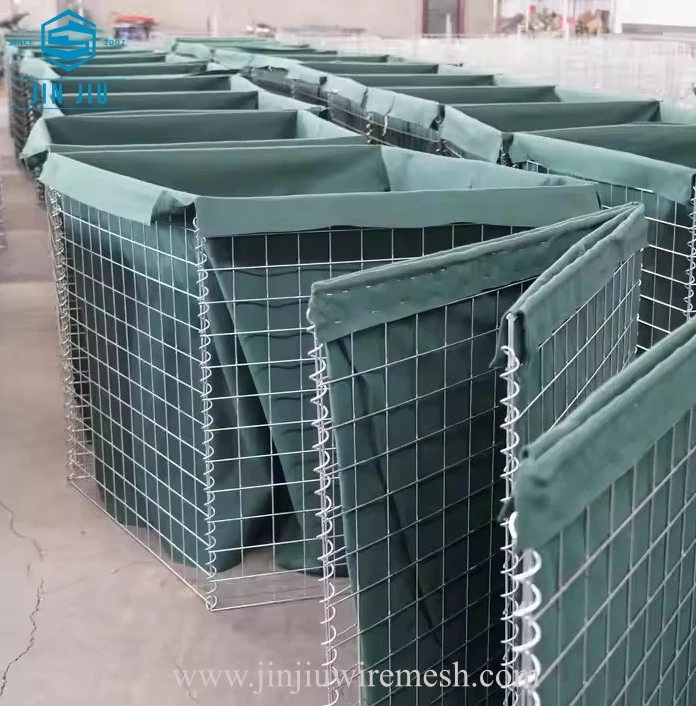
The Evolution of Physical Protection: Bullet Resistant Defensive Barriers in Modern Security
In an increasingly unpredictable global landscape, the requirement for high-level ballistic protection has moved beyond the battlefield and into the core of civilian and industrial security infrastructure.
2026-02-25 15:26:58
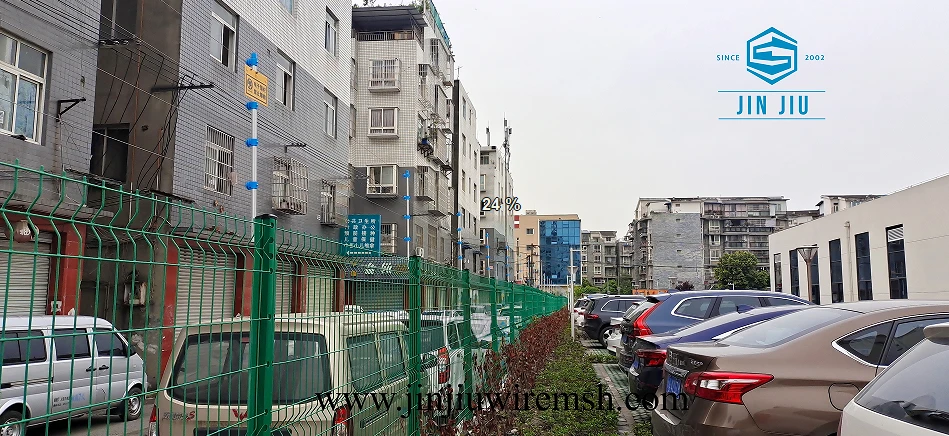
The Digital Backbone of Modern Security: Connected Pulse Monitoring Electric Fence Architecture
The traditional concept of a perimeter has undergone a fundamental transformation.
2026-02-25 15:24:13
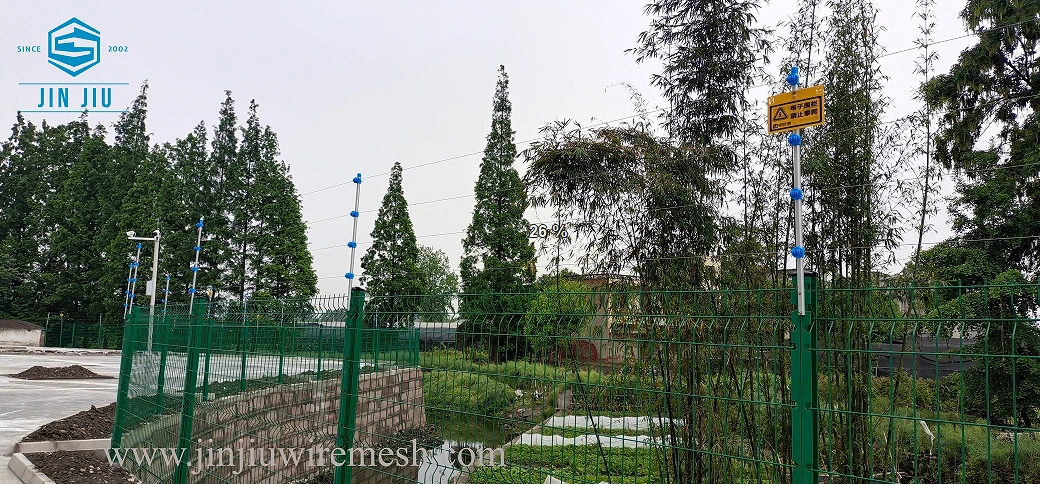
Securing the Unreachable with a Powerful Pulse Electric Fence
In the realm of global security, the distinction between a standard boundary and a high-security perimeter is often defined by the technology pulsing through the wires.
2027-04-14 00:00:00
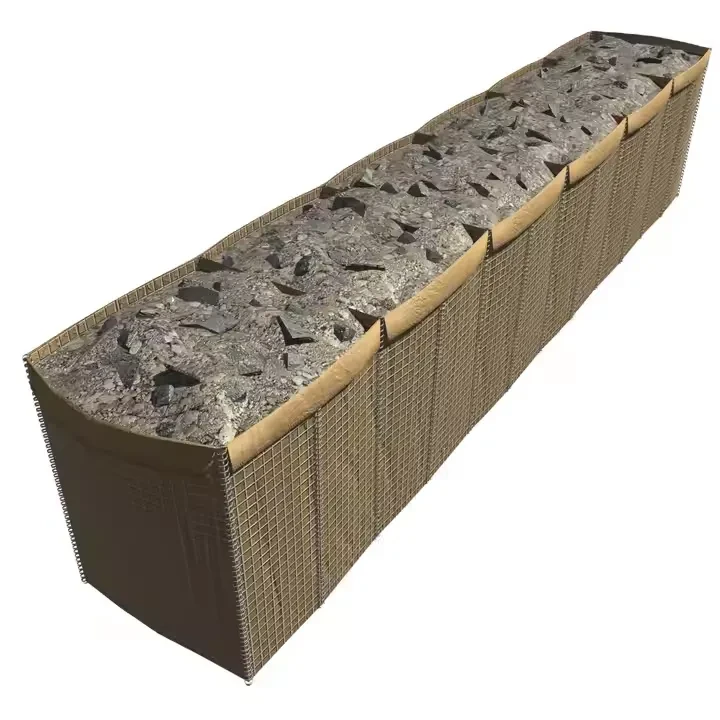
Engineering Resilience with Explosion Proof Defensive Barriers
In an era where industrial safety and national security are increasingly intertwined, the necessity for specialized protection in volatile environments has never been higher.


 English
  Albanian
  Arabic
  Bengali
  Czech
Czech  Danish
  Dutch
Dutch  Finnish
  French
  German
  Japanese
  Malay
Malay  Persian
  Polish
  Portuguese
  Romanian
  Russian
  Serbian
  Spanish
  Swahili