





Hebei Jinjiu Metal Products Co.,Ltd


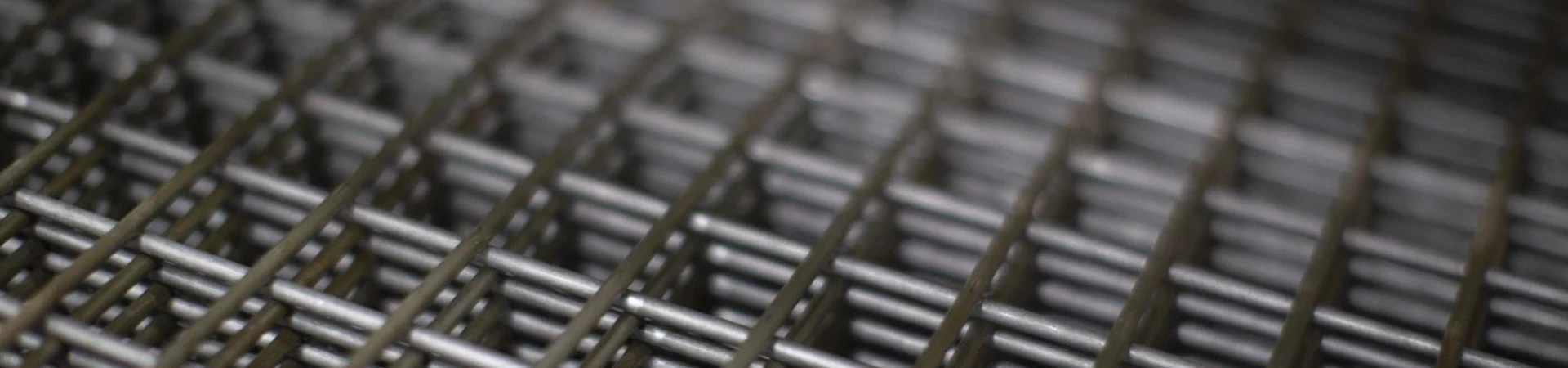

Comprehensive Guide to Tank Track Winding Metal Wire Net: Industrial Uses & Benefits
Dec . 02, 2025 06:50
Understanding Tank Track Winding Metal Wire Net: A Global Industrial Game-Changer
Tank track winding metal wire net might sound like a mouthful, or maybe something you’d only hear discussed among hardcore industrial engineers. But in reality, this material—an intricate, specialized wire mesh designed originally to reinforce tank tracks—is playing a surprisingly vital role across industries worldwide. From military logistics to disaster relief and infrastructure projects, understanding this metal wire net’s purpose and impact can unlock insights into improved durability, cost efficiency, and sustainable design solutions that matter globally.
Why should we care? The increasing demands on infrastructure—combined with unpredictable environments like conflict zones and natural disaster areas—have pushed manufacturers and engineers to seek sturdy, adaptable, and reusable materials. Tank track winding metal wire nets fit right into this niche, offering strength and flexibility where it counts.
Global Context: More Than Just Metal Mesh
Let’s take a step back. Worldwide, global trade demands transportation of heavy equipment through rough terrains, and humanitarian agencies require quick deployment of strong protective shelters or barriers. According to data from the United Nations Office for Disaster Risk Reduction (UNDRR), there’s an escalating need for durable materials that can be rapidly deployed and withstand harsh conditions—areas where the metal wire net really shines.
Oddly enough, the same material that helps armored tank tracks maintain their grip and durability over rugged grounds now supports industries ranging from mining and construction to flood prevention. Yet, the practical challenge remains: how to optimize these winding metal wire nets for wide-scale industrial use while keeping costs reasonable and maintaining high performance standards.
What Exactly Is Tank Track Winding Metal Wire Net?
Simply put, it is a highly durable, tightly wound mesh made from interlocking metal wires. Originally engineered to serve as the tough, flexible "skin" around tank tracks, this mesh provides incredible tensile strength and abrasion resistance. The “winding” refers to how the wires are helically coiled or looped, creating a continuous and flexible netting that can absorb shocks without breaking.
Beyond military applications, modern industry leverages this mesh’s characteristics for protective barriers, erosion control, containment solutions, and infrastructure reinforcement. Humanitarian efforts also turn to these nets for rapid setup in disaster zones, using them to stabilize slopes or reinforce temporary structures, essentially lending safety and reliability during fragile times.
Core Components That Make Tank Track Winding Metal Wire Net Exceptional
Durability & Tensile Strength
These nets withstand significant stresses and impacts while maintaining shape. High-grade steel wire—often galvanized or coated—ensures resistance against corrosion, making them suitable for outdoor environments with exposure to moisture or chemicals.
Flexibility & Adaptability
The winding design allows the net to bend and conform to uneven surfaces, which is essential when securing irregular terrains or objects. It’s not just rigid steel; it moves with the landscape.
Cost Efficiency and Reusability
Though the initial investment might seem steep, the longevity and minimal maintenance of these nets reduce overall project costs. They can be dismantled and reused multiple times without significant wear.
Ease of Deployment
Thanks to the net’s modularity and compactness when rolled, it’s straightforward to transport and set up, even in remote or logistically challenging locations.
Environmental Resistance
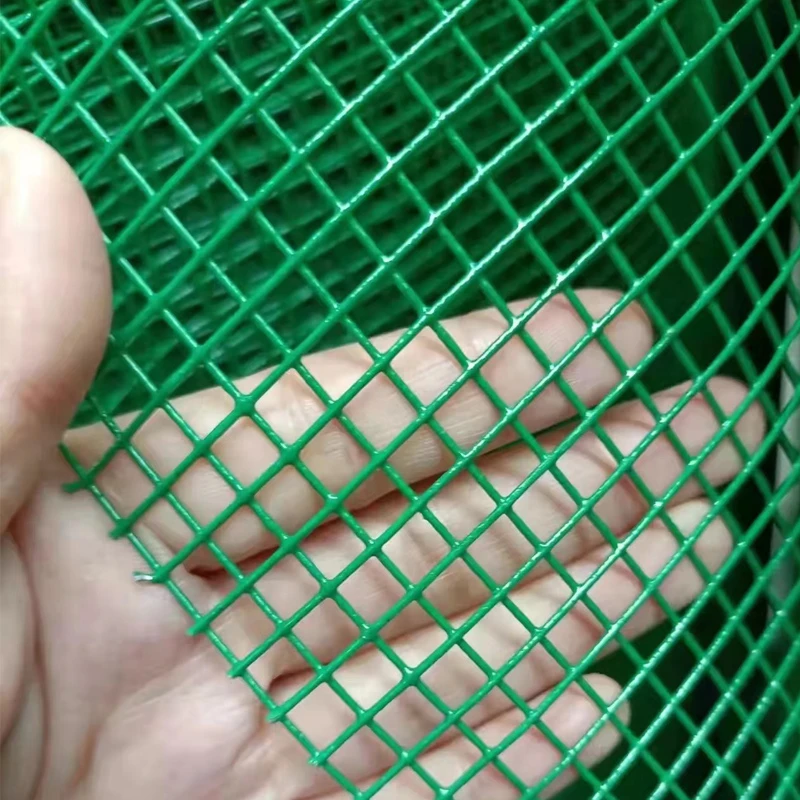
Modern nets often feature galvanization or PVC coatings, increasing their lifespan against rust and environmental wear, supporting sustainability goals by reducing replacements.
Product Specification Table
| Specification | Details |
|---|---|
| Material | High-tensile steel wire, galvanized/PVC coated |
| Wire Diameter | 2.0 mm – 4.5 mm |
| Mesh Opening Size | 50 mm – 100 mm |
| Roll Dimensions | 1.0 m – 2.5 m width, up to 30 m length |
| Tensile Strength | Up to 1500 N/mm² |
Where Tank Track Winding Metal Wire Net Makes a Difference Worldwide
Think of places where nature or conflict imposes severe strain on infrastructure: mountainous regions in Nepal prone to landslides, flood-heavy river deltas in Bangladesh, or remote mine sites in South Africa. This metal wire net works as a reinforcement mesh for slopes, erosion control, and containment, helping prevent catastrophic landslides or debris flow.
Humanitarian agencies also rely on these nets during flood relief operations or to create protective perimeters quickly. For example, in regions hit by cyclones, rapid deployment of this mesh can help shore up levees or sandbags effectively.
Additionally, heavy industries use them for conveyor belts, protective coverings for machinery, or filtration components. In fact, mining companies benefit from the nets’ abrasion resistance and flexibility to secure loads that travel across rocky terrain.
For more specialized uses, check out tank track winding metal wire net options provided by established manufacturers who cater to global industrial demands.
Vendor Comparison Table: Leading Manufacturers
| Vendor | Material Quality | Customization | Lead Time | Global Shipping |
|---|---|---|---|---|
| Jinjiu Wire Mesh | High-tensile steel, galvanized/PVC | Available | 2-3 weeks | Worldwide |
| Global Mesh Co. | Standard galvanized steel | Limited | 4-5 weeks | Europe & Asia |
| IronFlex Supplies | High strength steel, PVC coated | Custom orders | 3 weeks | North America & Europe |
Long-Term Benefits of Tank Track Winding Metal Wire Net
- Cost savings: Low maintenance and multiple reuse cycles reduce expenses.
- Sustainability: Coatings and material choices increase longevity while minimizing environmental impact.
- Reliability: Trusted in demanding industrial and humanitarian use cases.
- Safety and dignity: Used in protective and sheltering structures that help vulnerable communities.
Overall, it’s not just metal; it’s a solution embodying trust and innovation in challenging environments.
Emerging Trends and Innovations
The world of metal wire nets is evolving. Researchers experiment with nano-coatings to improve corrosion resistance further. Automation in winding machines increases precision, and digital design tools tailor nets to exact project specs, cutting waste.
There’s also a clear trend towards integrating recycled metals, aligning with circular economy principles. And in green energy sectors, wire nets support solar panel installations and wind farms where durable, adaptable mesh is essential.
Challenges and Expert Solutions
Despite their strengths, challenges persist. Transportation logistics of bulky rolls can be costly. Also, in extremely corrosive environments like saltwater coasts, even galvanized coatings may fall short over long periods.
Experts suggest combining wire net installation with additional protective barriers or using innovative coatings like polymer composites. Modular design principles allow easier repair and replacement if parts degrade. Collaboration across industries helps identify best practices, which leads to smarter, more effective solutions.
Frequently Asked Questions About Tank Track Winding Metal Wire Net
1. What industries benefit most from tank track winding metal wire net?
Primarily defense manufacturing, mining, construction, and humanitarian relief sectors use these nets. Their flexibility and strength meet demanding operational needs across rugged terrains and challenging environments.
2. How durable is tank track winding metal wire net in extreme weather?
With proper coatings like galvanization or PVC, these nets can resist rust and corrosion in harsh climates for many years. However, maintenance checks are recommended in marine or highly acidic conditions to ensure longevity.
3. Can these wire nets be customized to fit specific project requirements?
Yes, manufacturers often provide customizable wire diameters, mesh sizes, and coatings to suit varied applications, making them versatile for different challenges.
4. How quickly can tank track winding metal wire nets be deployed in emergency situations?
Thanks to their rollable design and modular structure, they can be transported and installed rapidly, often within hours once on-site, making them ideal for urgent deployment.
5. Are there eco-friendly options for these metal wire nets?
Increasingly, suppliers offer nets made from recycled steel and use eco-conscious coatings that minimize environmental impact. This aligns with global sustainability goals.
Conclusion: Why Tank Track Winding Metal Wire Net Matters Long-Term
It might seem specialized, maybe even obscure, but tank track winding metal wire net is quietly shaping solutions for some of the world’s toughest industrial and humanitarian challenges. Its combination of durability, adaptability, and cost-effectiveness resonates with projects that demand more than just cheap materials—they need trust and reliability.
If you’re involved in sectors like construction, mining, or emergency relief, you owe it to your projects to explore the benefits of this versatile material. For a great starting point, explore options at tank track winding metal wire net suppliers dedicated to quality and innovation.
In real terms, investing in this metal wire net feels like investing in resilience itself.
Mini takeaway: Tank track winding metal wire nets combine military-grade robustness with industrial versatility, making them indispensable in sectors requiring strong, flexible, and reusable materials.

Related Products
Related News


2026-03-16 14:21:07
Discover durable farming solutions and flexible animal containment with hinge-knot field fence. Combining impact-resistant design and customizable options, Hebei Jinjiu ensures quality for agricultural applications. Explore now: https://www.jinjiuwiremesh.com/field-fencefarm-fence.html
2026-03-16 14:21:07
Discover durable farming solutions and flexible animal containment with hinge-knot field fence. Combining impact-resistant design and customizable options, Hebei Jinjiu ensures quality for agricultural applications. Explore now: https://www.jinjiuwiremesh.com/field-fencefarm-fence.html
2027-04-14 00:00:00
Discover durable farming solutions and flexible animal containment with hinge-knot field fence. Combining impact-resistant design and customizable options, Hebei Jinjiu ensures quality for agricultural applications. Explore now: https://www.jinjiuwiremesh.com/field-fencefarm-fence.html
2026-02-25 15:31:06
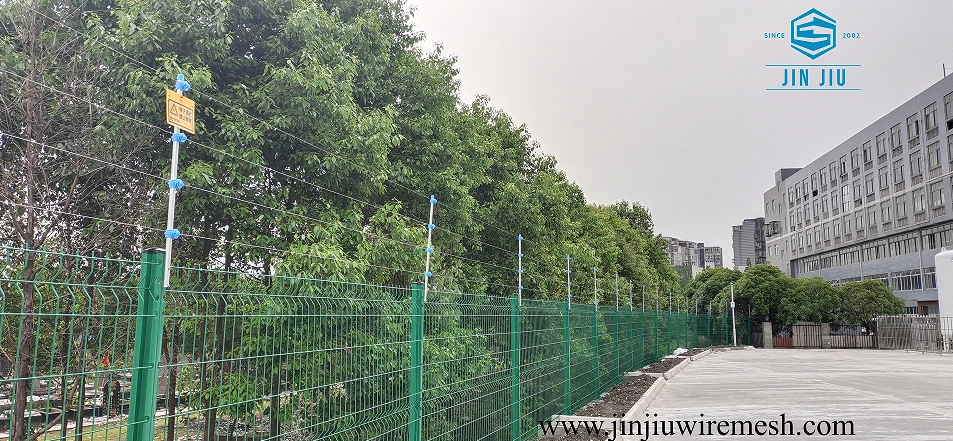
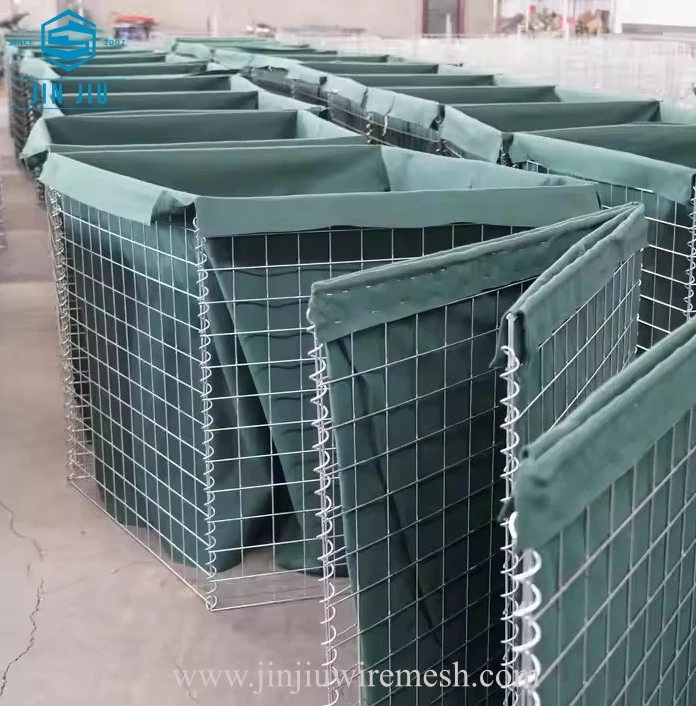
The Strategic Role of the Industrial Electric Fence in Modern Commerce
The protection of corporate and manufacturing assets has transitioned from a matter of simple boundary marking to a complex necessity of risk management.
2026-02-25 15:29:03
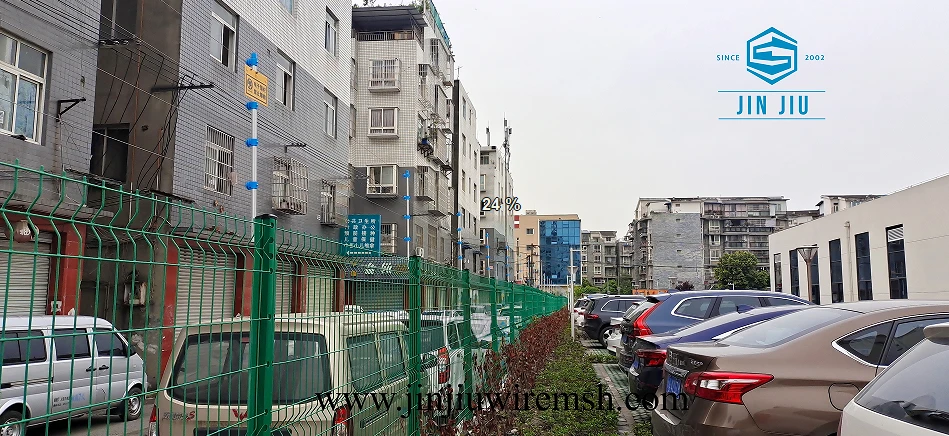
The Evolution of Physical Protection: Bullet Resistant Defensive Barriers in Modern Security
In an increasingly unpredictable global landscape, the requirement for high-level ballistic protection has moved beyond the battlefield and into the core of civilian and industrial security infrastructure.
2026-02-25 15:26:58
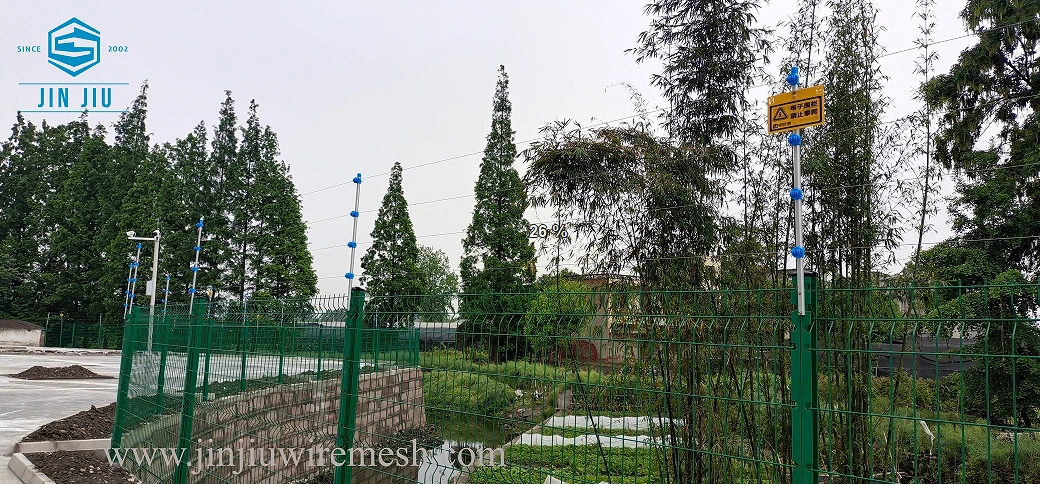
The Digital Backbone of Modern Security: Connected Pulse Monitoring Electric Fence Architecture
The traditional concept of a perimeter has undergone a fundamental transformation.
2026-02-25 15:24:13
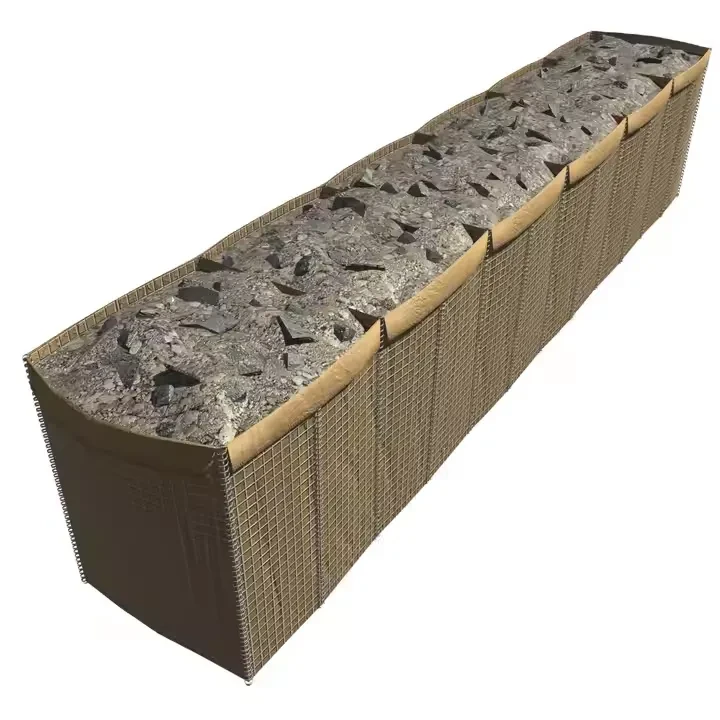
Securing the Unreachable with a Powerful Pulse Electric Fence
In the realm of global security, the distinction between a standard boundary and a high-security perimeter is often defined by the technology pulsing through the wires.
2027-04-14 00:00:00
Engineering Resilience with Explosion Proof Defensive Barriers
In an era where industrial safety and national security are increasingly intertwined, the necessity for specialized protection in volatile environments has never been higher.


 English
  Albanian
  Arabic
  Bengali
  Czech
Czech  Danish
  Dutch
Dutch  Finnish
  French
  German
  Japanese
  Malay
Malay  Persian
  Polish
  Portuguese
  Romanian
  Russian
  Serbian
  Spanish
  Swahili