





Hebei Jinjiu Metal Products Co.,Ltd



What is Tank Tracks Wound Net? Benefits, Applications & Innovations Explained
Dec . 02, 2025 06:10
Understanding Tank Tracks Wound Net: Innovation at the Intersection of Engineering and Safety
Tank tracks wound net might sound like a niche technical term, but its significance is surprisingly broad, touching on military technology, industrial safety, and even humanitarian relief. Globally, innovations like these help provide reliable protection and structural support where it counts. The ability to understand and leverage such technologies means safer operations, reduced injuries, and improved mission success in some of the world’s toughest environments.
Why Tank Tracks Wound Net Matters Globally
The global defense and industrial sectors collectively spend billions yearly to upgrade safety standards and optimize equipment longevity. According to the International Organization for Standardization (ISO), materials designed to handle extreme stress and rugged conditions are more crucial than ever. Tank tracks wound net is one such material solution, representing a durable mesh composite often used as protective layering around vulnerable parts of heavy machinery or for containment in hazardous zones.
As geopolitical tensions persist and infrastructure ages worldwide, tank tracks wound nets help mitigate damage and reduce the risk of catastrophic failure — essential for both military readiness and industrial reliability.
What Is Tank Tracks Wound Net?
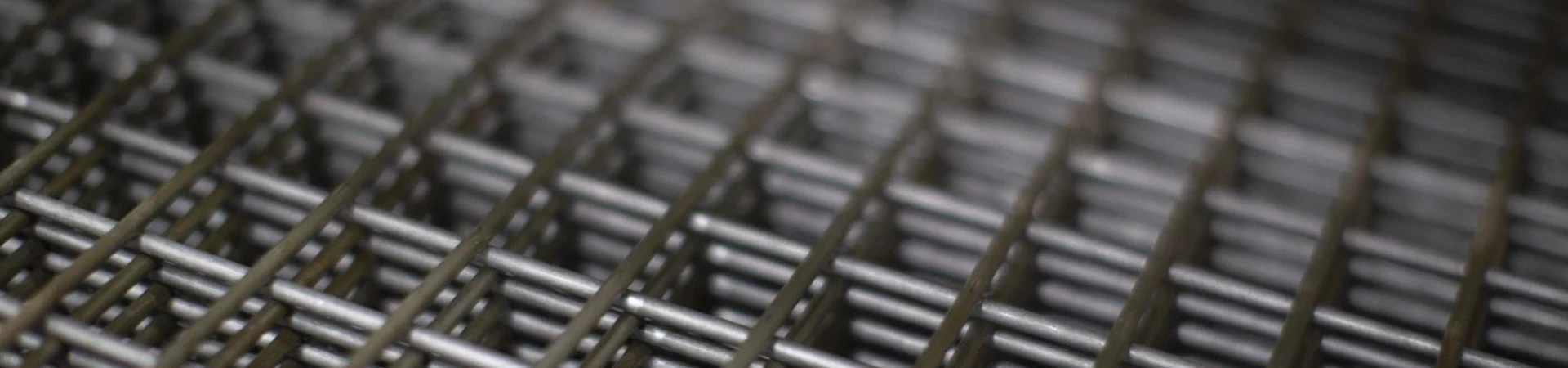
Simply put, a tank tracks wound net is a specialized woven mesh system integrated into tank tracks or similar tracked vehicles to protect against debris intrusion and wear damage. This “wound net” is a robust, interlaced pattern of metal or synthetic fibers designed to shield the underlying track assembly from punctures, abrasions, and deformation caused by harsh combat or rough terrain conditions.
Beyond the military sphere, this concept extends into heavy industry, like mining or construction, where equipment faces comparable stressors. The netting acts like a second skin — soft in some ways, but incredibly tough and resilient.
Key Components of Tank Tracks Wound Net
Durability and Material Strength
Most tank tracks wound nets are composed of high-grade steel alloys or specialized polymer blends. These materials are tested rigorously to withstand abrasion indices exceeding 5000 cycles (according to ASTM D4060 standards), which means they stay intact much longer than conventional surfaces. This endurance saves time and money in repairs.
Scalability and Flexibility
One fascinating aspect is the scalability: these nets can be custom-sized or layered to fit different track models or machinery types. Whether for a light reconnaissance vehicle or a heavy armored tank, the wound net adapts to differing sizes and geometries, providing comprehensive coverage without sacrificing flexibility.
Corrosion Resistance
Because tank tracks often operate in moist, muddy, or saline environments, corrosion is an undeniable enemy. The wound net's coating or polymer impregnation helps it resist rust and chemical breakdown for years, even in harsh climates ranging from tropical jungles to frozen arctic zones.
Ease of Maintenance and Replacement
While heavy-duty, these nets are engineered for relatively straightforward replacement. In the field, maintenance crews can remove and swap nets without specialized tools, reducing vehicle downtime — a critical factor for ongoing operations.
Global Applications and Real-World Use Cases
- Military Defense: In armored divisions worldwide, from NATO bases to Asian-Pacific battlegrounds, tank tracks wound nets form part of the layered defense system to protect vital tank components.
- Industrial Mining: Mining rigs and earthmovers often encounter sharp rocks and debris; overlaying tracks with wound nets dramatically extends equipment lifespan.
- Disaster Relief & Remote Operations: In post-earthquake terrain or inaccessible logging zones, tracked vehicles fitted with wound nets provide safer transit and less mechanical failure.
- Custom Engineering Projects: Manufacturers working on novel robotic terrain vehicles incorporate wound nets to improve durability while spearheading new mobility concepts.
For example, in the deserts of the Middle East where sand and rocks pose constant challenges, several defense contractors have integrated advanced wound nets, cutting track damage rates by more than 30% in field tests (source: UN Science and Technology Reports).
Advantages and Long-Term Value
- Cost Efficiency: Reduced need for frequent replacement lowers operational expenses noticeably.
- Environmental Sustainability: Longer-lasting parts mean less waste dumped into landfills and fewer new raw materials consumed.
- Safety Enhancement: The reduced likelihood of mechanical failure protects operators from accidents, a human-centered benefit often overlooked.
- Trust & Reliability: Forces and industries gain confidence when their machinery performs consistently amidst tough conditions.
It’s kind of like giving your tank a durable skin — one that earns trust not by appearance, but by enduring punishing environments with quiet resilience.
Product Specifications of Typical Tank Tracks Wound Net
| Attribute | Specification |
|---|---|
| Material | High Tensile Steel Alloy (Grade 316L) / Polymer Composite |
| Mesh Size | 10x10 mm to 25x25 mm options |
| Coating | Anti-corrosion zinc/phosphate plating + Polymer impregnation |
| Abrasion Resistance | ASTM D4060: >5000 cycles |
| Temperature Range | -40°C to +85°C |
Leading Vendors Comparison
| Vendor | Material Options | Customization | Lead Time | Price Range |
|---|---|---|---|---|
| ArmorMesh Inc. | Steel & Polymer Composite | Full Custom Sizing & Coating | 4-6 weeks | $$$ |
| TankSafe Solutions | Standard Steel Mesh | Limited Customization | 2-3 weeks | $$ |
| Global Mesh Technologies | Polymer & Steel Hybrid | Custom & Stock Sizes | 3-5 weeks | $$$ |
Future Trends and Innovations
The field doesn’t stand still, oddly enough. There are ongoing innovations in nano-coatings to increase abrasion resistance and reduce weight simultaneously. Smart materials that can self-heal minor tears are under research, potentially revolutionizing track maintenance. Digitization also enters this space — embedded sensors in wound nets could alert operators to damage before failure occurs, a real game-changer for battlefield and industrial safety alike.
Sustainability is gaining traction too. Manufacturers explore bio-based polymers and recyclable metals to limit environmental impact without giving away performance.
Common Challenges and Expert Solutions
A perennial challenge remains the tradeoff between flexibility and protection. Stiffer nets protect well but can reduce mobility or add weight. Experts recommend modular designs where protective net layers can be swapped depending on mission needs. Another area is cost—while advanced nets pay off long term, upfront expenditure can deter adoption. To solve this, leasing or phased integration programs help entities upgrade without a crippling initial cost.
FAQ: Frequently Asked Questions About Tank Tracks Wound Net
- Q: How does a tank tracks wound net improve vehicle durability?
A: By shielding the tracks from debris and abrasion, the wound net prevents early wear and track failures, significantly extending operational life and reducing maintenance. - Q: Can wound nets be retrofitted to existing tracked vehicles?
A: Absolutely, most vendors design nets to be compatible with current models, ensuring they can be installed with minimal downtime and tooling. - Q: Are there environmental benefits to using wound nets?
A: Yes, they reduce the need for frequent track replacements, lowering raw material consumption and waste generation, which benefits sustainability efforts. - Q: How do I choose the right wound net for my needs?
A: Consider your operation’s terrain, exposure to chemicals, and maintenance capacity. Consulting vendors on mesh size and materials will help tailor the solution.
Conclusion and Call to Action
Tank tracks wound net technology offers a remarkable blend of durability, flexibility, and cost-efficiency, invaluable in military and industrial arenas worldwide. Its ability to protect, sustain, and innovate ensures that critical heavy equipment keeps moving safely through the toughest conditions.
If you want to dive deeper into how tank tracks wound nets might optimize your operations or equipment, visit our website: tank tracks wound net to explore specifications, custom options, and expert assessments tailored to your needs.
Mini takeaway: This seemingly obscure material innovation quietly saves lives, cuts costs, and drives forward the resilience of some of our most indispensable machinery.
References

Related Products
Related News


2026-03-16 14:21:07
Discover durable farming solutions and flexible animal containment with hinge-knot field fence. Combining impact-resistant design and customizable options, Hebei Jinjiu ensures quality for agricultural applications. Explore now: https://www.jinjiuwiremesh.com/field-fencefarm-fence.html
2026-03-16 14:21:07
Discover durable farming solutions and flexible animal containment with hinge-knot field fence. Combining impact-resistant design and customizable options, Hebei Jinjiu ensures quality for agricultural applications. Explore now: https://www.jinjiuwiremesh.com/field-fencefarm-fence.html
2027-04-14 00:00:00
Discover durable farming solutions and flexible animal containment with hinge-knot field fence. Combining impact-resistant design and customizable options, Hebei Jinjiu ensures quality for agricultural applications. Explore now: https://www.jinjiuwiremesh.com/field-fencefarm-fence.html
2026-02-25 15:31:06
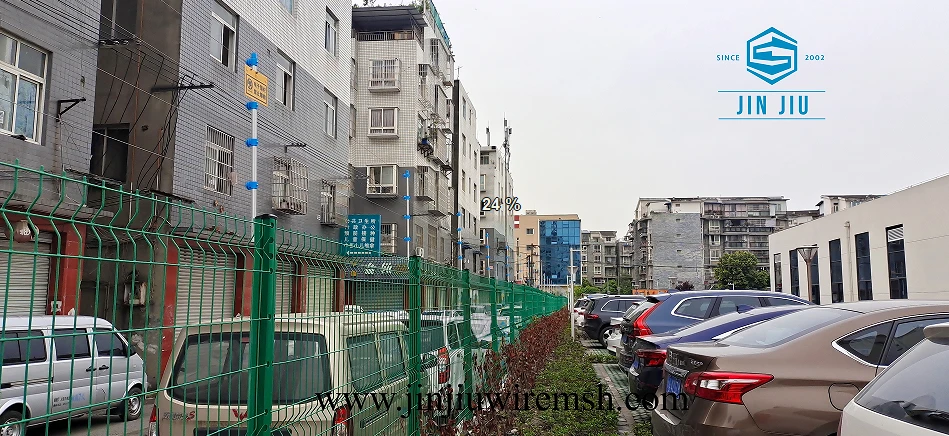
The Strategic Role of the Industrial Electric Fence in Modern Commerce
The protection of corporate and manufacturing assets has transitioned from a matter of simple boundary marking to a complex necessity of risk management.
2026-02-25 15:29:03
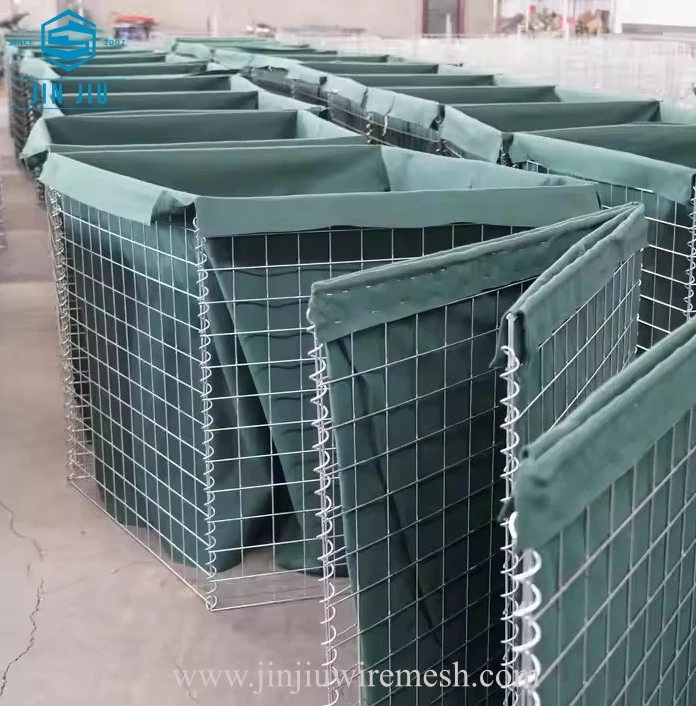
The Evolution of Physical Protection: Bullet Resistant Defensive Barriers in Modern Security
In an increasingly unpredictable global landscape, the requirement for high-level ballistic protection has moved beyond the battlefield and into the core of civilian and industrial security infrastructure.
2026-02-25 15:26:58
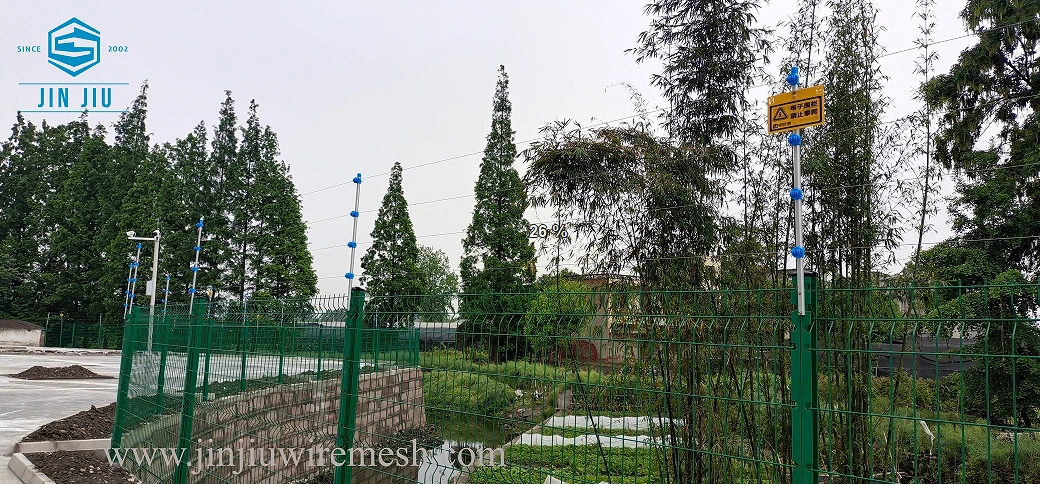
The Digital Backbone of Modern Security: Connected Pulse Monitoring Electric Fence Architecture
The traditional concept of a perimeter has undergone a fundamental transformation.
2026-02-25 15:24:13
Securing the Unreachable with a Powerful Pulse Electric Fence
In the realm of global security, the distinction between a standard boundary and a high-security perimeter is often defined by the technology pulsing through the wires.
2027-04-14 00:00:00
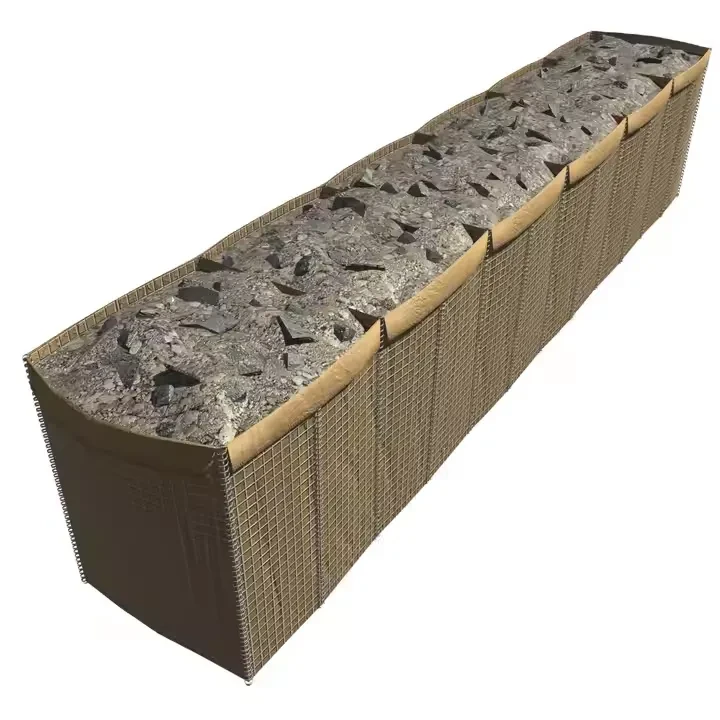
Engineering Resilience with Explosion Proof Defensive Barriers
In an era where industrial safety and national security are increasingly intertwined, the necessity for specialized protection in volatile environments has never been higher.


 English
  Albanian
  Arabic
  Bengali
  Czech
Czech  Danish
  Dutch
Dutch  Finnish
  French
  German
  Japanese
  Malay
Malay  Persian
  Polish
  Portuguese
  Romanian
  Russian
  Serbian
  Spanish
  Swahili