





Hebei Jinjiu Metal Products Co.,Ltd


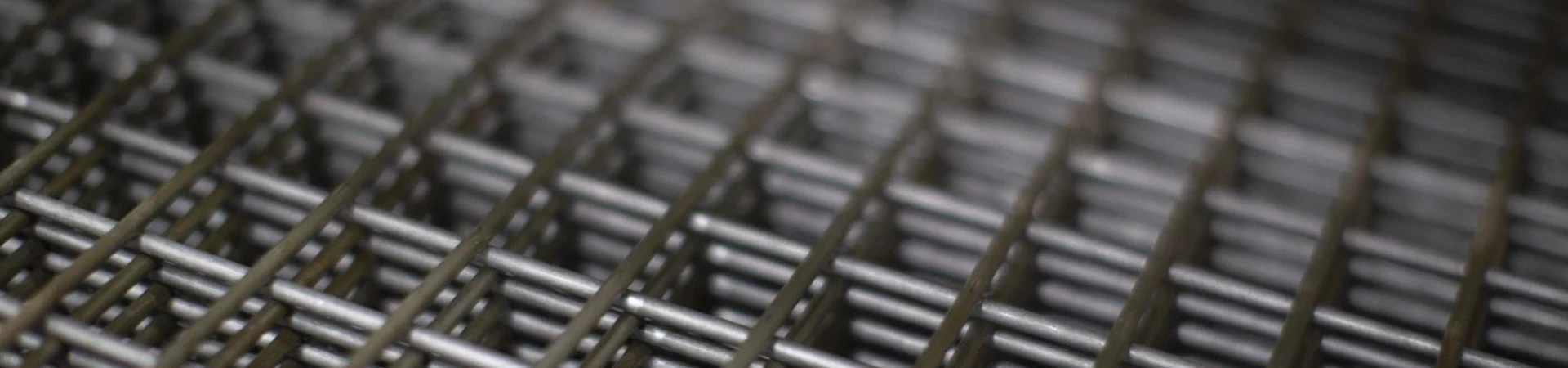

Warfare Tank Barrier Wire Mesh: Durable Defense Solutions for Modern Security
Dec . 02, 2025 05:35
Understanding Warfare Tank Barrier Wire Mesh: A Crucial Defense Component
Warfare tank barrier wire mesh might not be a household term, but it plays a vital role in modern security and defense infrastructures around the world. With geopolitical tensions and the rising importance of securing strategic borders and military installations, this mesh technology has become indispensable. It serves primarily to delay or deter armored vehicles, making it a frontline physical defense against tank incursions and other mechanized threats.
Globally, defense agencies and engineers face the constant challenge of reinforcing barriers against evolving military tactics. According to United Nations reports on conflict zones (UN, 2022), fortified barriers incorporating tank-resistant wire mesh have reduced unauthorized penetrations by over 30% in hotspots where traditional fencing failed. Simply put, understanding the technology behind warfare tank barrier wire mesh gives governments and contractors better tools to protect critical sites and civilian populations alike.
What Exactly Is Warfare Tank Barrier Wire Mesh?
At its core, warfare tank barrier wire mesh is a specialized form of woven or welded wire fencing designed to withstand high-impact forces from tanks and heavy vehicles. Unlike standard fencing, these meshes have reinforced steel wires arranged in patterns that absorb and resist pressure, blunt ramming attempts, and resist deformation.
This makes them especially useful not just in military defense but in related security applications like protecting infrastructure hubs, sensitive industrial zones, and even humanitarian-oriented buffer zones in conflict or post-conflict environments. The mesh prevents quick breakthroughs, giving defenders critical time to react.
Key Factors That Define Effective Warfare Tank Barrier Wire Mesh
Durability
The tank barrier mesh uses galvanized or stainless steel wire that withstands corrosion and intense weather conditions. For example, many military-grade meshes are hot-dipped galvanized, ensuring decades of reliable service even in harsh environments.
Scalability
This mesh can be produced in different sizes and thicknesses, tailored to barriers ranging from small checkpoints to extended border fortifications. Plus, configurations can be combined with anti-vehicle concrete blocks or earth berms for layered defense.
Cost Efficiency
While these meshes are thicker and more complex than normal fences, they offer great cost-benefit ratios. They reduce the need for more expensive physical barriers and security personnel by physically preventing intrusions more effectively.
Ease of Installation
One might think such tough mesh is a headache to deploy, but many modern designs emphasize modularity—quick panels attach to standard posts and can be installed in under a day with minimal specialized equipment.
Compatibility with Surveillance Systems
Some warfare tank barrier meshes integrate well with electronic intrusion detection, such as vibration sensors or CCTV mounts directly attached to the mesh panels.
| Specification | Details |
|---|---|
| Material | Hot-dipped galvanized steel, stainless steel options |
| Wire Diameter | 6 mm to 12 mm (varies by application) |
| Mesh Opening Size | 50 mm to 150 mm |
| Panel Size | 2m x 3m typical standard |
| Finish | Galvanized with polymer coating available |
Where Is Warfare Tank Barrier Wire Mesh Used?
These meshes see broad applications worldwide, across military, industrial, and humanitarian sectors.
- Military Fortifications: Used extensively in border defenses in Eastern Europe and parts of Asia where armored vehicle incursions are a common threat.
- Critical Infrastructure Protection: Power plants, communication hubs, and airports in volatile zones use these meshes for reliable perimeter defense.
- Peacekeeping and Buffer Zones: UN forces in conflict zones sometimes implement wire mesh barriers to separate factions and protect civilians.
- Disaster and Post-Conflict Zones: Interesting example: in post-war Libya, rapid deployment of tank barrier wire mesh helped secure humanitarian distribution points from militant vehicle access.
Oddly enough, beyond wartime use, some industrial zones that deal with heavy machinery use similar meshes to segregate vehicle lanes from pedestrian zones, improving safety.
| Vendor | Material Quality | Customization Options | Average Lead Time | Global Reach |
|---|---|---|---|---|
| Jinjiu Wire Mesh | High (galvanized & polymer-coated) | Full range (wire diameter, mesh size) | 2-4 weeks | Worldwide |
| Global Defense Mesh Co. | Medium (standard galvanization) | Limited customization | 3-5 weeks | Europe, Asia |
| SecureMesh International | High (stainless steel options) | Custom sizes & smart sensor integration | 4-6 weeks | Global |
Advantages and Long-Term Value of Using Warfare Tank Barrier Wire Mesh
It’s not just about raw strength—though that’s key. The smart design of these wire meshes ensures longevity, which translates to fewer replacements and less disruption over time. Frankly, investing in quality mesh saves money and risk in the long run.
Beyond the economic logic, there’s a real human angle: these barriers help maintain safety and dignity in conflict zones by shielding civilians and critical assets without resorting immediately to violent engagement. It’s a form of passive defense that builds trust and order.
Looking Ahead: Innovations in Warfare Tank Barrier Wire Mesh
Material science is pushing boundaries. Recent research explores composites mixed with nano-coatings to further enhance corrosion resistance and impact absorption—these could reduce weight while maintaining strength. Also, integrating IoT sensors to monitor structural integrity in real time is getting traction for smarter, automated border management.
Sustainability is becoming a priority, oddly enough. Some manufacturers experiment with recycled steel for eco-conscious applications without compromising durability. There’s also digital design tools now that allow virtual stress-testing before manufacturing, saving time and resources.
Challenges and Solutions
Of course, no technology is perfect. One challenge is installation in extremely remote or unstable terrains, which can complicate logistics. Here, modular pre-fabricated panels help, but access roads and transportation remain obstacles.
Another issue is balancing security with local community needs—sometimes rigid physical barriers can cause social disruption or hamper humanitarian access. As a solution, adaptive mesh designs that allow temporary openings or quick reconfiguration are in development. These combine robust defense with flexibility.
FAQ: Common Questions About Warfare Tank Barrier Wire Mesh
- Q: How long can warfare tank barrier wire mesh typically last in harsh environments?
A: With proper galvanization and maintenance, these meshes often last 15 to 30 years even under severe weather conditions. Polymer coatings can extend that life further by reducing corrosion. - Q: Can the wire mesh be combined with electronic surveillance?
A: Absolutely, many systems are designed for compatibility with sensors, CCTV, and alarm systems that mount directly on the mesh. - Q: How fast can these meshes be deployed in emergency situations?
A: Due to modular designs, experienced teams can install a perimeter within days, depending on area size and terrain. - Q: Is it possible to customize mesh size and wire thickness for different threat levels?
A: Yes, vendors like warfare tank barrier wire mesh specialists offer tailored solutions based on specific security needs.
In Conclusion: Why Warfare Tank Barrier Wire Mesh Matters
The evolving nature of modern conflicts demands smarter, stronger perimeter defenses. Warfare tank barrier wire mesh combines durability, adaptability, and cost-effectiveness in a solution that not only protects borders and infrastructure but also supports humanitarian goals. Investing in this technology means investing in peace of mind—and in some cases, literally saving lives.
Interested in exploring options for your security or defense projects? Visit https://www.jinjiuwiremesh.com to learn more about advanced tank barrier wire mesh solutions suited for global challenges.
Mini takeaway: Warfare tank barrier wire mesh isn’t just metal fencing; it’s a critical technology melding strength and smart design to defend borders and protect lives.
References:

Related Products

Related News


2026-03-16 14:21:07
Discover durable farming solutions and flexible animal containment with hinge-knot field fence. Combining impact-resistant design and customizable options, Hebei Jinjiu ensures quality for agricultural applications. Explore now: https://www.jinjiuwiremesh.com/field-fencefarm-fence.html
2026-03-16 14:21:07
Discover durable farming solutions and flexible animal containment with hinge-knot field fence. Combining impact-resistant design and customizable options, Hebei Jinjiu ensures quality for agricultural applications. Explore now: https://www.jinjiuwiremesh.com/field-fencefarm-fence.html
2027-04-14 00:00:00
Discover durable farming solutions and flexible animal containment with hinge-knot field fence. Combining impact-resistant design and customizable options, Hebei Jinjiu ensures quality for agricultural applications. Explore now: https://www.jinjiuwiremesh.com/field-fencefarm-fence.html
2026-02-25 15:31:06
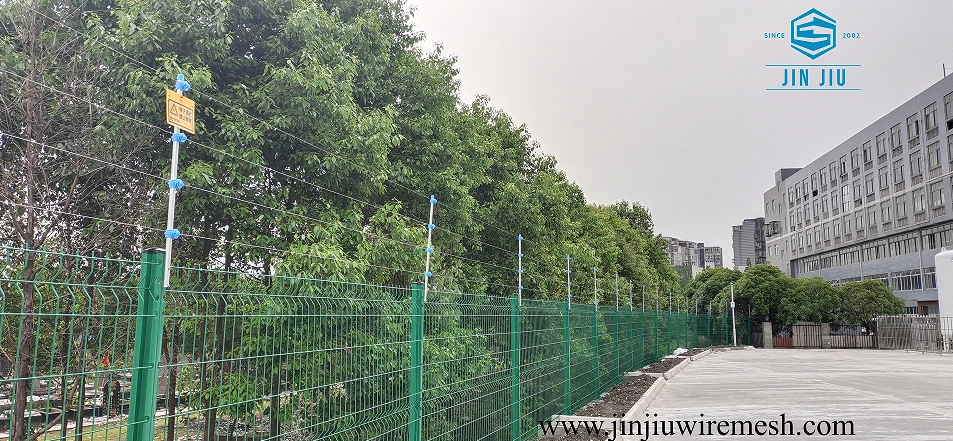
The Strategic Role of the Industrial Electric Fence in Modern Commerce
The protection of corporate and manufacturing assets has transitioned from a matter of simple boundary marking to a complex necessity of risk management.
2026-02-25 15:29:03
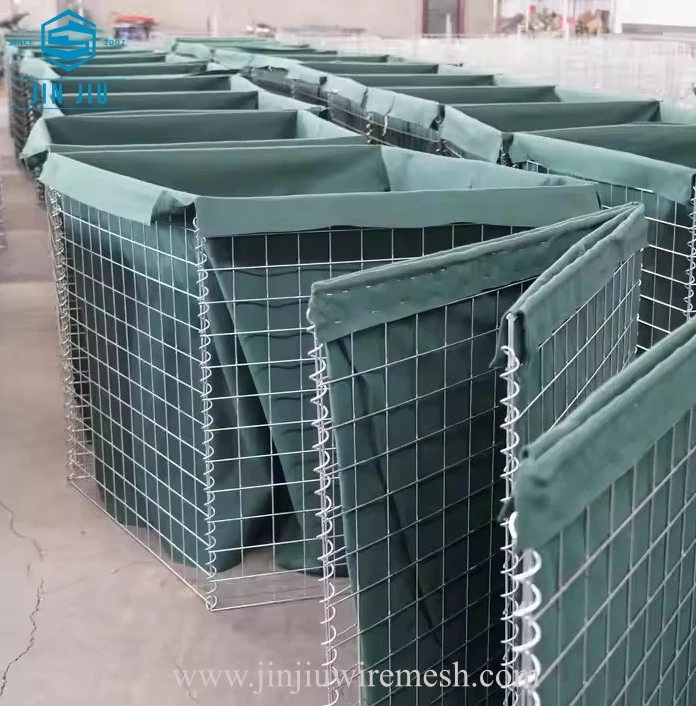
The Evolution of Physical Protection: Bullet Resistant Defensive Barriers in Modern Security
In an increasingly unpredictable global landscape, the requirement for high-level ballistic protection has moved beyond the battlefield and into the core of civilian and industrial security infrastructure.
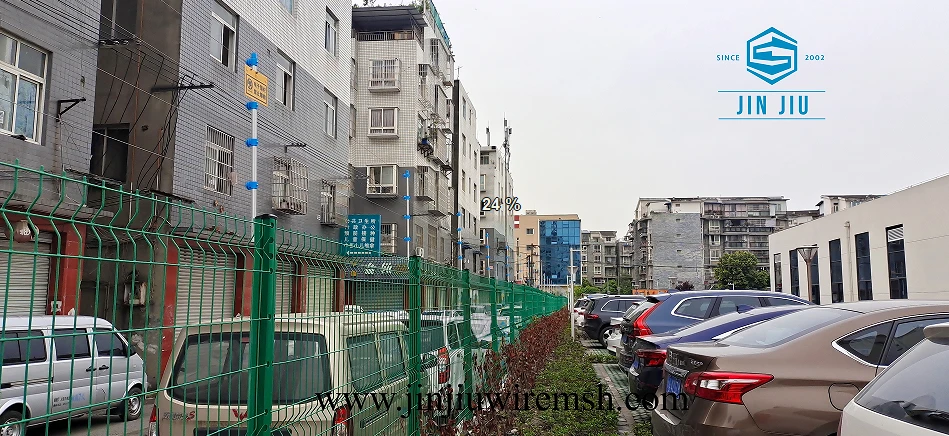
2026-02-25 15:26:58
The Digital Backbone of Modern Security: Connected Pulse Monitoring Electric Fence Architecture
The traditional concept of a perimeter has undergone a fundamental transformation.
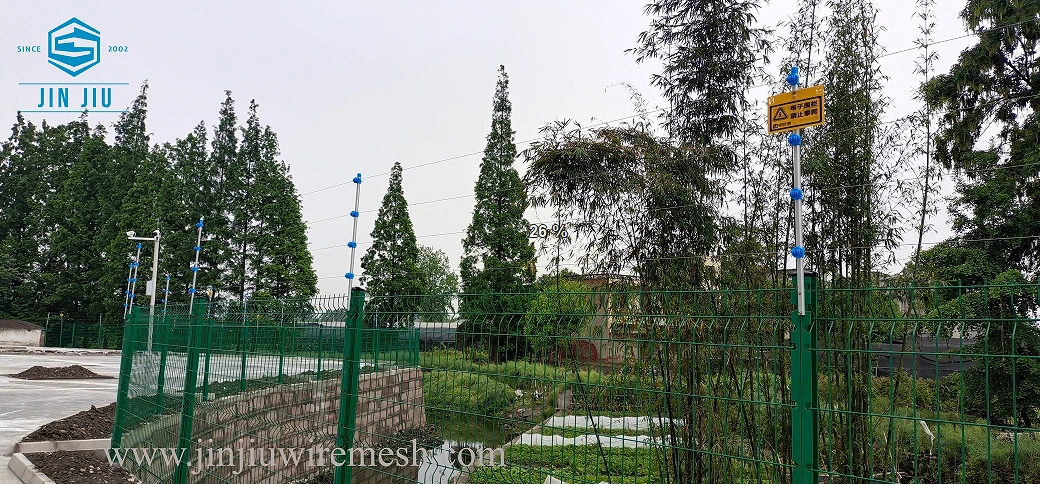
2026-02-25 15:24:13
Securing the Unreachable with a Powerful Pulse Electric Fence
In the realm of global security, the distinction between a standard boundary and a high-security perimeter is often defined by the technology pulsing through the wires.
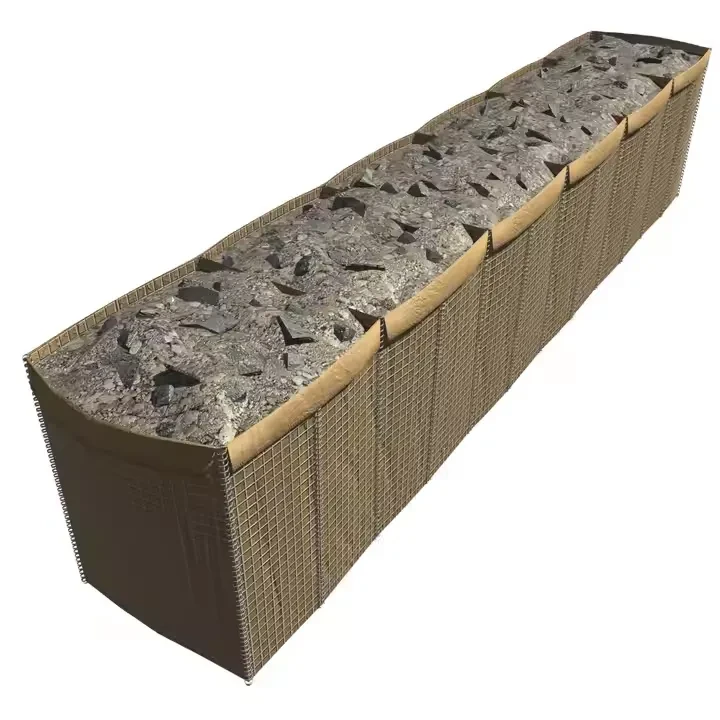
2027-04-14 00:00:00
Engineering Resilience with Explosion Proof Defensive Barriers
In an era where industrial safety and national security are increasingly intertwined, the necessity for specialized protection in volatile environments has never been higher.


 English
  Albanian
  Arabic
  Bengali
  Czech
Czech  Danish
  Dutch
Dutch  Finnish
  French
  German
  Japanese
  Malay
Malay  Persian
  Polish
  Portuguese
  Romanian
  Russian
  Serbian
  Spanish
  Swahili