





Hebei Jinjiu Metal Products Co.,Ltd




Comprehensive Guide to Anti-Tank Security Barriers: Benefits & Innovations
Nov . 28, 2025 22:50
Anti-Tank Security Barriers: What They Are and Why They Matter Globally
In an age where security challenges are getting more complex and mobile warfare keeps evolving, understanding the role of an anti-tank security barrier is more important than ever. These barriers essentially act as robust defensive structures designed to slow down or entirely stop armored vehicles — especially tanks — from advancing in sensitive or strategic locations. Globally, countries and organizations invest heavily in these defenses to protect borders, military installations, and critical infrastructure. The benefits are clear: preserving life, safeguarding assets, and maintaining area control.
But that’s just scratching the surface. With advances in materials science and rapidly changing geopolitical threats, anti-tank barriers are seeing innovations that impact more than just the military. Industries ranging from humanitarian relief to industrial security increasingly rely on these solutions to manage risk and promote safe environments. So, if you've ever been curious about how a steel fence or a concrete block might stop a multi-ton vehicle, stick around—we’ll unpack it all.
Why the Anti-Tank Security Barrier is Crucial in Today’s World
According to recent UN security reports, regional conflicts and border tensions have escalated, forcing nations to revise and upgrade their physical security apparatus.[1] Anti-tank barriers represent a frontline tactic – a blunt but effective method for channeling, delaying, or halting military movements and thus affording defenders precious time.
Here's a refresher of the problem they address: In many regions, traditional border patrols are vulnerable to modern, heavily armored vehicles that can breach fences, walls, or checkpoints with ease. The barriers provide a line of defense that does not solely depend on technology or personnel but on sheer physical presence. It acts as both deterrent and delay mechanism, buying time for response units to mobilize.
Defining Anti-Tank Security Barriers in Simple Terms
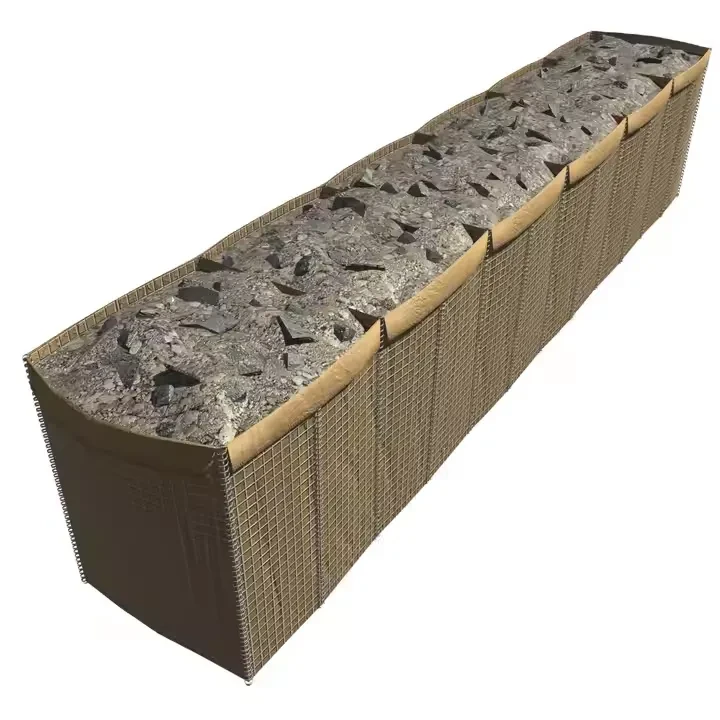
Put simply, an anti-tank security barrier is a structure or object purpose-built to stop or divert armored vehicles, especially tanks. Think heavy concrete blocks, steel wire mesh fences reinforced with sharp elements, or modular, transportable barriers like Czech hedgehogs, all designed to prevent or slow down vehicle access.
Though primarily military, these barriers also have humanitarian and industrial relevance—such as securing disaster-hit zones where heavy machinery might need controlled access, or factories where unauthorized vehicle entry poses a safety risk. It’s a surprisingly versatile tool, bridging the gap between rigid security infrastructure and dynamic operational needs.
Core Components of Effective Anti-Tank Security Barriers
1. Durability
These barriers need to stand up to the raw force of a several-ton tank moving at speed, without significant deformation or failure. This means materials have to be ultra-resistant — from reinforced concrete to specially treated steel alloys. Durability is not just about strength but also environmental resilience; exposure to weather and erosion should not degrade protective performance.
2. Scalability & Modularity
One size rarely fits all. Many security engineers emphasize how scalable barrier solutions ease deployment — you can stack them, link them, or place them individually depending on threat level or terrain. Modular designs also favor rapid shipping and assembly, useful in crisis zones or shifting military fronts.
3. Cost Efficiency
Budget constraints can’t be ignored, especially for government and NGO projects. A cost-effective solution balances material and manufacturing expenses with longevity and maintenance. Often, investing a little more upfront pays off by avoiding frequent replacements or repairs.
4. Ease of Deployment
It’s one thing to have a solid barrier; it’s another to get it in place fast. Some designs prioritize quick setup — especially important in emergencies or active conflict zones where delay can be disastrous. Portable anti-tank barriers with interlocking features or those that can be craned in by trucks are popular for this reason.
5. Adaptability to Terrain
Hilly areas, deserts, urban environments—each presents unique challenges. The best anti-tank barriers come with adaptable anchoring or adjustable foundations to maintain effectiveness regardless of ground conditions.
Summary Takeaway:
- A robust anti-tank security barrier balances strength, flexibility, and cost to meet diverse field requirements.
- Deployment speed and terrain compatibility are often underestimated but critical factors.
Global Applications and Real-World Cases
While it feels very military, anti-tank barriers find surprisingly varied uses worldwide. NATO countries have long invested in advanced perimeter defenses incorporating these barriers. For instance, border zones between India and China use layered anti-tank obstacles integrated with electronic surveillance for maximum deterrence.[2]
Beyond borders, industrial complexes — think remote oil refineries or chemical plants — employ them to prevent unauthorized heavy vehicle access. Post-war reconstruction efforts in regions such as the Middle East show humanitarian agencies using portable anti-tank style barriers to secure refugee camps from accidental vehicle intrusion, thereby preventing harm.
One notable case: In Ukraine, modular steel anti-tank barriers have proven critical for establishing temporary defensive lines in urban combat zones — portable but strong enough to halt mechanized assault vehicles, as reported by frontline engineers.
Product Specifications: A Typical Anti-Tank Security Barrier
| Specification | Details |
|---|---|
| Material | Reinforced Steel & Precast Concrete |
| Weight per unit | Approx. 1500 kg |
| Dimensions (L×W×H) | 2 m × 1.5 m × 1.2 m |
| Modularity | Interlocking Units for Rapid Assembly |
| Environmental Tolerance | -40°C to +50°C, UV and Corrosion Resistant Coating |
| Deployment Time | Approx. 30 minutes per unit (with crew) |
Vendor Comparison: Popular Anti-Tank Barrier Suppliers
| Vendor | Material Quality | Deployment Speed | Customization | Price Range |
|---|---|---|---|---|
| Jinjiu Wire Mesh | High-grade steel mesh & reinforced concrete | Fast (30 mins per unit) | Modular, scalable options | Mid-range |
| Fortress Defence Ltd. | Premium concrete with steel core | Moderate | Limited | High-end |
| SafeGuard Barriers Inc. | Standard steel mesh | Fast | Basic modular sets | Low to Mid |
The Advantages and Long-Term Value of Anti-Tank Security Barriers
Let’s be honest: it’s not glamorous work, building big physical barriers. But the tangible payoff? Huge. Besides the obvious protection from tanks, these systems also foster increased safety for civilians and workers near conflict zones. There’s a psychological effect, too—bolstering trust that a secure perimeter can mean fewer casualties and damage.
From a cost perspective, investing in durable, modular barriers often saves money long term. They need less frequent replacement and reduce the risk of costly breaches. Plus, modern eco-friendly coatings and materials reflect wider sustainability trends. Friendly to the earth and tough on threats—that dual promise is becoming a sector must-have.
Emerging Trends and Innovations to Watch
What’s next? Increasingly, anti-tank barriers are integrating technologies like drones and sensors to communicate real-time threat levels. Automation is on the rise, with robotic deployment vehicles tested in remote or hazardous zones.
Materials science is moving as well—lighter composites that match steel strength and 3D-printed components promise faster and cheaper production. On the environmental side, biodegradable or recyclable elements are getting attention, ensuring future barriers don’t become permanent scars on landscapes.
Challenges and How Experts are Overcoming Them
One big challenge? Transport logistics. Heavy barriers can strain supply chains, especially in difficult terrain. Many teams are working on collapsible designs or air-dropped units that limit this problem.
Another issue is adapting to varied threat profiles. Not every scenario requires tank-resistant features, so modularity is key. For example, combining anti-tank security barrier elements with electronic surveillance offers layered defense without overspending.
Frequently Asked Questions About Anti-Tank Security Barriers
Q1: How quickly can anti-tank security barriers be deployed in emergency zones?
A1: Deployment times vary depending on design, but modular units from vendors like Jinjiu Wire Mesh can be set up in about 30 minutes per unit with trained crews, making them viable for rapid response scenarios.
Q2: Are these barriers reusable or single-use after an engagement?
A2: Most anti-tank barriers are designed for reuse. Their durable materials withstand multiple impacts and weathering, but heavy damage may require replacing affected units.
Q3: Can anti-tank security barriers be combined with electronic security systems?
A3: Absolutely. A modern approach often involves pairing physical barriers with cameras, sensors, and alarms for comprehensive area protection.
Q4: Do these barriers work on all terrains?
A4: While most barriers offer solutions adaptable for uneven or hard terrains through adjustable foundations, extremely soft soils or steep inclines can require specialized anchoring systems.
Q5: Are anti-tank barriers environmentally sustainable?
A5: Recent material innovations increasingly focus on sustainability, using recyclable steel and low-impact coatings. However, their primary function remains defense-oriented, so some environmental trade-offs exist.
In Conclusion: Building Safer Futures, One Barrier at a Time
Investing in an anti-tank security barrier isn’t just about walls and blocks; it’s about creating spaces where communities and industries can operate with confidence, even in uncertain times. From military frontlines to humanitarian zones, these barriers provide critical protection and peace of mind. Curious to explore customizable, high-quality options? Visit our website to discover how cutting-edge solutions are redefining security in challenging environments.
References

Related Products


Related News


2026-03-16 14:21:07
Discover durable farming solutions and flexible animal containment with hinge-knot field fence. Combining impact-resistant design and customizable options, Hebei Jinjiu ensures quality for agricultural applications. Explore now: https://www.jinjiuwiremesh.com/field-fencefarm-fence.html
2026-03-16 14:21:07
Discover durable farming solutions and flexible animal containment with hinge-knot field fence. Combining impact-resistant design and customizable options, Hebei Jinjiu ensures quality for agricultural applications. Explore now: https://www.jinjiuwiremesh.com/field-fencefarm-fence.html
2027-04-14 00:00:00
Discover durable farming solutions and flexible animal containment with hinge-knot field fence. Combining impact-resistant design and customizable options, Hebei Jinjiu ensures quality for agricultural applications. Explore now: https://www.jinjiuwiremesh.com/field-fencefarm-fence.html
2026-02-25 15:31:06
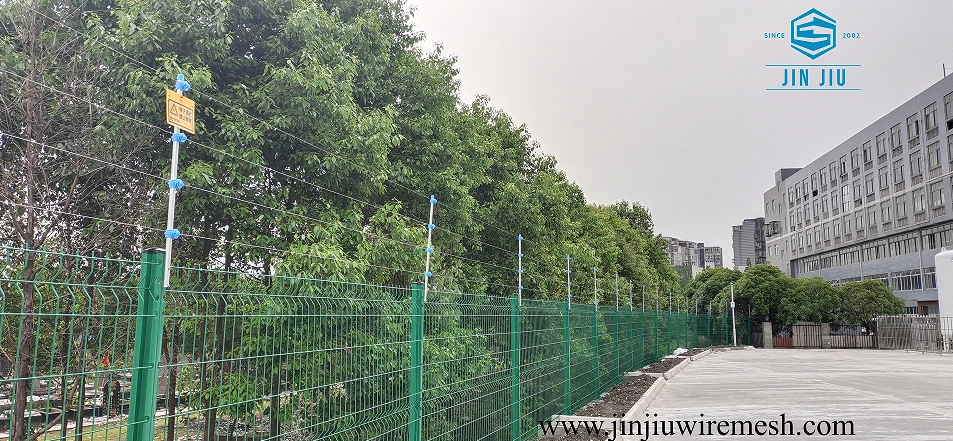
The Strategic Role of the Industrial Electric Fence in Modern Commerce
The protection of corporate and manufacturing assets has transitioned from a matter of simple boundary marking to a complex necessity of risk management.
2026-02-25 15:29:03
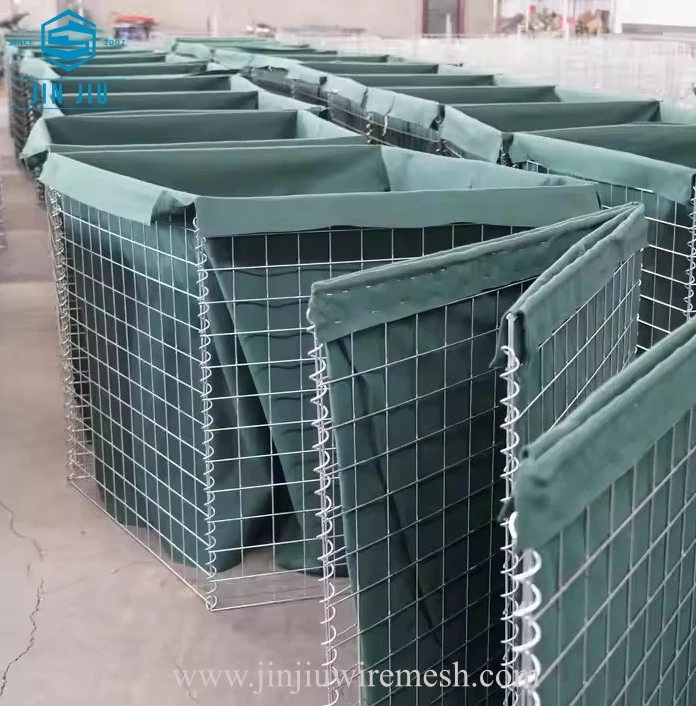
The Evolution of Physical Protection: Bullet Resistant Defensive Barriers in Modern Security
In an increasingly unpredictable global landscape, the requirement for high-level ballistic protection has moved beyond the battlefield and into the core of civilian and industrial security infrastructure.
2026-02-25 15:26:58
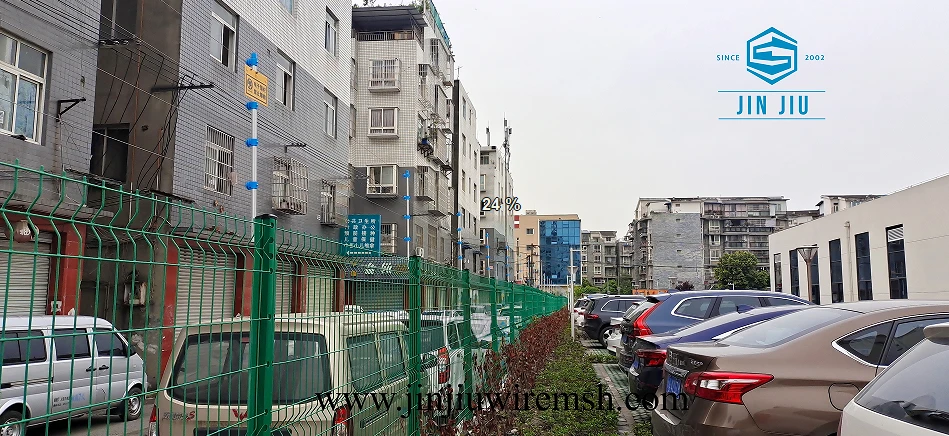
The Digital Backbone of Modern Security: Connected Pulse Monitoring Electric Fence Architecture
The traditional concept of a perimeter has undergone a fundamental transformation.
2026-02-25 15:24:13
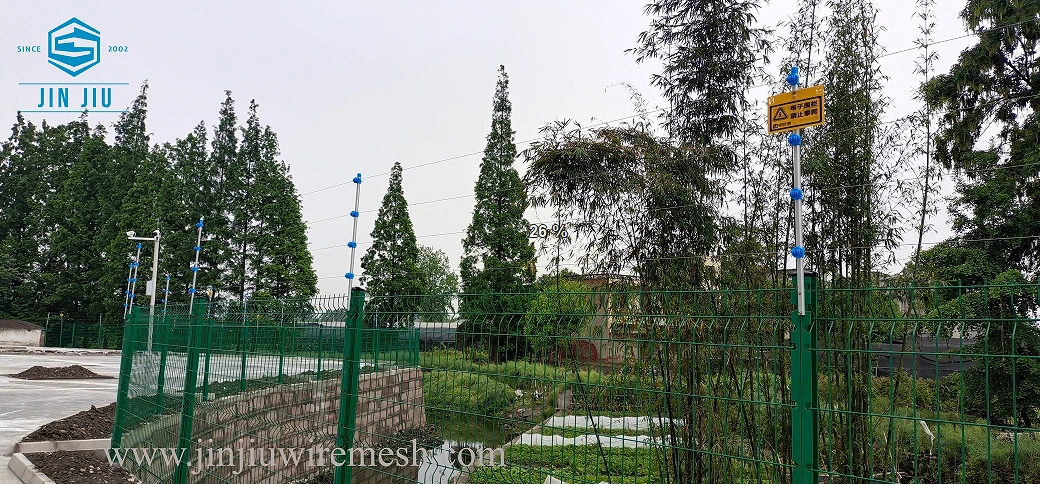
Securing the Unreachable with a Powerful Pulse Electric Fence
In the realm of global security, the distinction between a standard boundary and a high-security perimeter is often defined by the technology pulsing through the wires.
2027-04-14 00:00:00
Engineering Resilience with Explosion Proof Defensive Barriers
In an era where industrial safety and national security are increasingly intertwined, the necessity for specialized protection in volatile environments has never been higher.


 English
  Albanian
  Arabic
  Bengali
  Czech
Czech  Danish
  Dutch
Dutch  Finnish
  French
  German
  Japanese
  Malay
Malay  Persian
  Polish
  Portuguese
  Romanian
  Russian
  Serbian
  Spanish
  Swahili