





Hebei Jinjiu Metal Products Co.,Ltd


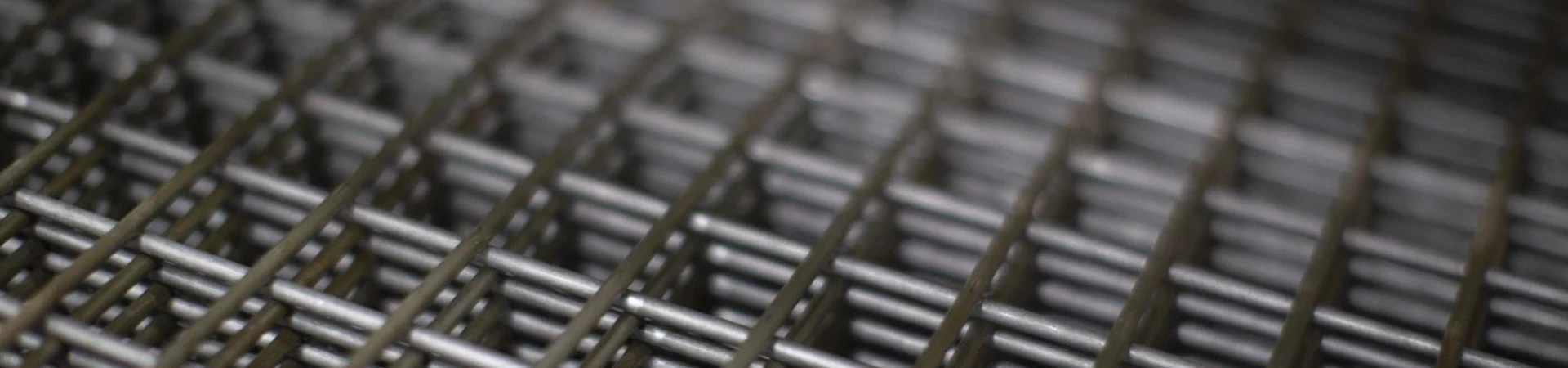

What is Anti Tank Track Mesh? Global Uses, Advantages & Future Trends
Nov . 28, 2025 21:20
Understanding Anti Tank Track Mesh: A Crucial Shield in Modern Defense and Infrastructure
If you've ever wondered how modern military and infrastructure projects protect themselves from the brutal force of heavy vehicles — particularly tanks — then anti tank track mesh is a vital piece of the puzzle. This specialized mesh, designed to disrupt or impair the movement of tracked vehicles, is not just a military novelty but a significant component increasingly valued worldwide.
Why does it matter? Well, beyond traditional warfare, this mesh shows up in industries and humanitarian projects where protection and controlled access are critical. Getting to know it is not only educational— it’s almost a gateway into understanding how modern defense materials evolve alongside infrastructure needs.
Why Anti Tank Track Mesh Matters: A Global Perspective
Today, global geopolitical tensions and the necessity for secure infrastructure push regions to embrace robust solutions against armored threats or heavy equipment abuse. According to data compiled by the United Nations Office for Disarmament Affairs (UNODA), land mines and anti-vehicle barriers remain critical in conflict zones, emphasizing the need for resilient materials like anti tank track meshes.
But it doesn’t stop there. Many industrial zones, especially in regions with uneven terrain or hazardous machinery traffic, face constant infrastructure wear and tear. Anti tank track mesh isn't just for stopping tanks; it protects roads, reinforced barriers, and critical facilities by reinforcing surfaces or limiting tracked vehicle damage. Without such innovations, repair costs skyrocket and safety plummets.
Defining Anti Tank Track Mesh: What Exactly Is It?
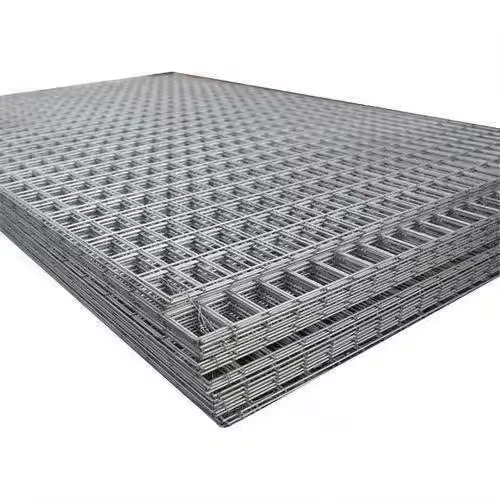
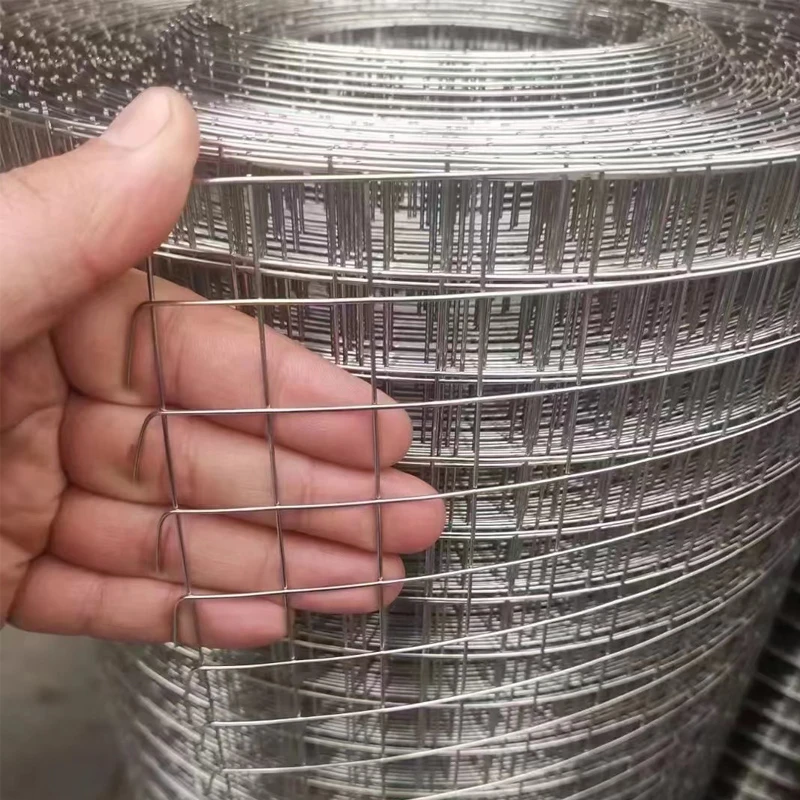
At its core, anti tank track mesh is a heavy-duty, often steel-based woven or welded mesh that is engineered to withstand immense force. Its primary purpose? To either trap, hamper, or damage the tracks of heavy vehicles like tanks or bulldozers — essentially preventing smooth movement. Think of it like the Swiss army knife of defensive fencing.
It can be embedded in barriers, fences, or even deployed as ground mats, depending on the use case. Beyond military fields, this mesh finds relevance in construction sites, disaster-prone zones, and even environmentally sensitive areas where controlled vehicle movement is paramount.
Core Components: What Makes These Meshes Stand Out?
Durability and Strength
You want your mesh to last, withstand cannon fire — okay, rarely happens in civilian use — and resist corrosion. Most anti tank track meshes use galvanized steel or stainless steel alloys. Some industrial iterations are coated for chemical resistance too. Durability means fewer replacements and a longer service life.
Size and Aperture Design
The actual mesh weave or weld pattern isn’t random. Aperture sizes are carefully calculated to stop or snag the tracks of armored vehicles without compromising the structural integrity of the mesh itself. In many ways, this is an art as much as a science.
Weight and Portability
Since deployment is often field-based, the mesh can't be too heavy or cumbersome. Designs balance strength and transportability. Many manufacturers emphasize modular lightweight sections that can be assembled quickly.
Scalability and Customization
Not every situation demands the same mesh. Custom sizes, thicknesses, and metal grades cater to different terrains and vehicle types — from light armored vehicles to main battle tanks. That's why modular and scalable solutions are favored by defense forces worldwide.
Cost Efficiency
Corporate and governmental buyers constantly weigh effectiveness against budgets. Anti tank track mesh options are evolving to offer high performance at more competitive prices, often thanks to manufacturing innovations like robotic welding and coated steel treatments.
Global Applications: Where is Anti Tank Track Mesh Used?
One might assume these meshes only live in military bunkers and borders, but that’s not true. Let me give you a few glimpses:
- Conflict Zones: Military forces use these meshes to fortify defensive lines and restrict tank movements during tactical operations.
- Industrial Sites: In mining or heavy construction, anti tank track mesh forms protective road surfaces preventing damage from tracked vehicles.
- Disaster Relief: In areas recovering from natural disasters, controlled vehicle access via mesh mats can protect fragile terrain.
- Border and Security Facilities: Countries deploying anti-vehicle barriers to prevent unauthorized crossings often use these meshes embedded in fences and barricades.
Regions like Eastern Europe, the Middle East, and parts of Asia have seen increased adoption thanks to evolving security demands. Even remote industrial zones with rough terrain appreciate the mesh’s durability against tracked equipment.
To discover more about specific industrial applications, check out this anti tank track mesh supplier’s site for case studies.
Product Specification Table
| Specification | Typical Value/Range | Notes |
|---|---|---|
| Material | Galvanized steel, stainless steel | Corrosion resistance coatings optional |
| Mesh Aperture | 50–150 mm (varies by model) | Sized to trap tank tracks |
| Wire Diameter | 5–12 mm | Heavier wire = higher resistance |
| Panel Dimensions | 1–3 meters width/height | Modular for transport & assembly |
| Weight per sqm | 15–35 kg | Depends on material and thickness |
| Typical Lifespan | 10–25 years (with maintenance) | Long-lasting with proper care |
Comparing Top Anti Tank Track Mesh Vendors
| Vendor | Material Options | Customization | Lead Time | Price Range |
|---|---|---|---|---|
| Jinjiu Wire Mesh | Galvanized, stainless steel | Highly customizable sizes, coatings | 4–6 weeks | Mid-range |
| ArmourTech Solutions | Stainless steel with advanced coatings | Moderate | 6–8 weeks | Premium pricing |
| DefenMesh Corp | Galvanized steel standard | Standard panels only | 3–5 weeks | Budget-friendly |
Advantages and Long-Term Value of Anti Tank Track Mesh
So, why invest in anti tank track mesh instead of other barriers? The answers lie in a combination of factors:
- Reliability: Built to withstand extreme mechanical stress, often significantly reducing repair and replacement cycles.
- Cost Savings: Though upfront costs can be higher, longevity and modularity lower total cost of ownership.
- Safety and Security: Provides a physical deterrent that slows down or disables unauthorized tracked vehicle movement, critical in high-risk areas.
- Environmental Impact: Durable metal meshes that require minimal chemical treatments and are recyclable.
- Innovation Trust: Governments and corporations trust these solutions for critical infrastructure, reinforcing their strategic preparedness.
Emerging Trends and Innovations
The world’s march towards sustainability and digital integration is influencing even the niche realm of anti tank track mesh. Here are a few trends worth noting:
- Smart Meshes: Embedded sensors detect pressure or deformation, giving realtime alerts on tampering or damage (part of the Industry 4.0 revolution).
- Eco-friendly Coatings: Biodegradable or low-VOC coatings are replacing traditional galvanizing, responding to environmental regulations.
- Material Innovation: New composite meshes incorporating high-tensile fibers like Kevlar enhance protection while shedding weight.
- Rapid Deployment Systems: Modular, foldable designs allow for faster installation in volatile zones or disaster regions.
Challenges in Current Deployments and How to Overcome Them
Despite their strengths, anti tank track meshes aren’t perfect. Scaling production costs, installation complexity, and long-term maintenance remain challenges.
Many experts suggest:
- Advancing manufacturing automation to cut costs and improve consistency.
- Training field personnel on installation best practices to avoid weakening structural integrity.
- Designing hybrid meshes that combine metal with new polymers to simplify upkeep.
It’s a balancing act — one that the industry seems eager to embrace, especially as defense and infrastructure needs expand.
FAQs: Common Questions About Anti Tank Track Mesh
- Q: How does anti tank track mesh prevent vehicle movement exactly?
- A: The mesh’s heavy, spaced-apart wires are designed to snag, trap, or break tracks on heavy armored vehicles, preventing smooth movement or immobilizing the vehicle entirely.
- Q: Can anti tank track mesh be reused after conflict or deployment?
- A: Yes, provided the mesh isn’t heavily damaged, it can be salvaged and redeployed, making it cost-effective in the long run.
- Q: Are there environmental concerns with using metallic meshes?
- A: Modern meshes use corrosion-resistant metals and environmentally safer coatings; plus, they are recyclable which minimizes environmental impact.
- Q: How quickly can anti tank track mesh be deployed in a crisis?
- A: With modular panel designs, trained teams can deploy them in a matter of hours to days, depending on scale and terrain.
- Q: Does anti tank track mesh affect pedestrian or civilian vehicle movement?
- A: Usually, the aperture design allows safe passage for foot traffic or wheeled vehicles while targeting heavy tracked vehicles specifically.
Conclusion: A Lasting Barrier Worth Investing In
Anti tank track mesh stands as a fascinating intersection between military-grade defense and civilian infrastructure protection. Its unique combination of durability, customizable design, and practicality makes it an invaluable asset in a world increasingly concerned with security and resilience.
Whether you’re in defense planning, disaster management, or industrial infrastructure—consider exploring how anti tank track mesh can add long-term value, safety, and peace of mind.
Explore anti tank track mesh solutions today »
References:
- Wikipedia - Anti-tank obstacle
- United Nations Office for Disarmament Affairs
- International Organization for Standardization (ISO) standards

Related Products

Related News


2026-03-16 14:21:07
Discover durable farming solutions and flexible animal containment with hinge-knot field fence. Combining impact-resistant design and customizable options, Hebei Jinjiu ensures quality for agricultural applications. Explore now: https://www.jinjiuwiremesh.com/field-fencefarm-fence.html
2026-03-16 14:21:07
Discover durable farming solutions and flexible animal containment with hinge-knot field fence. Combining impact-resistant design and customizable options, Hebei Jinjiu ensures quality for agricultural applications. Explore now: https://www.jinjiuwiremesh.com/field-fencefarm-fence.html
2027-04-14 00:00:00
Discover durable farming solutions and flexible animal containment with hinge-knot field fence. Combining impact-resistant design and customizable options, Hebei Jinjiu ensures quality for agricultural applications. Explore now: https://www.jinjiuwiremesh.com/field-fencefarm-fence.html
2026-02-25 15:31:06
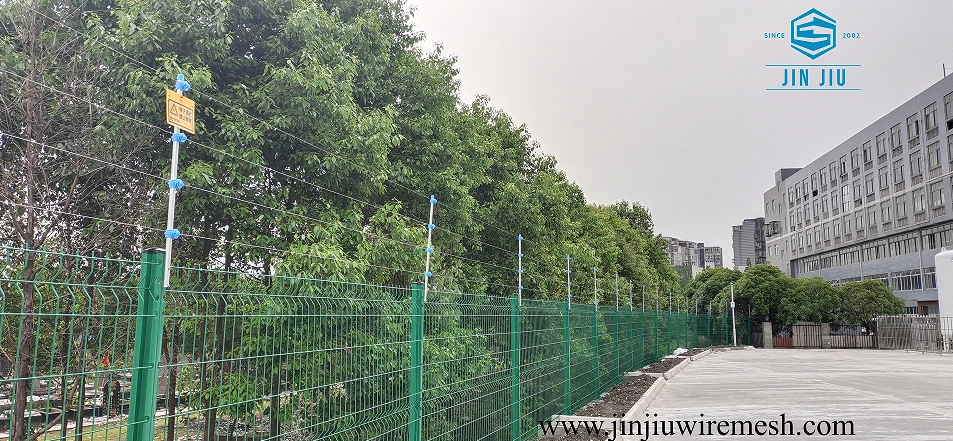
The Strategic Role of the Industrial Electric Fence in Modern Commerce
The protection of corporate and manufacturing assets has transitioned from a matter of simple boundary marking to a complex necessity of risk management.
2026-02-25 15:29:03
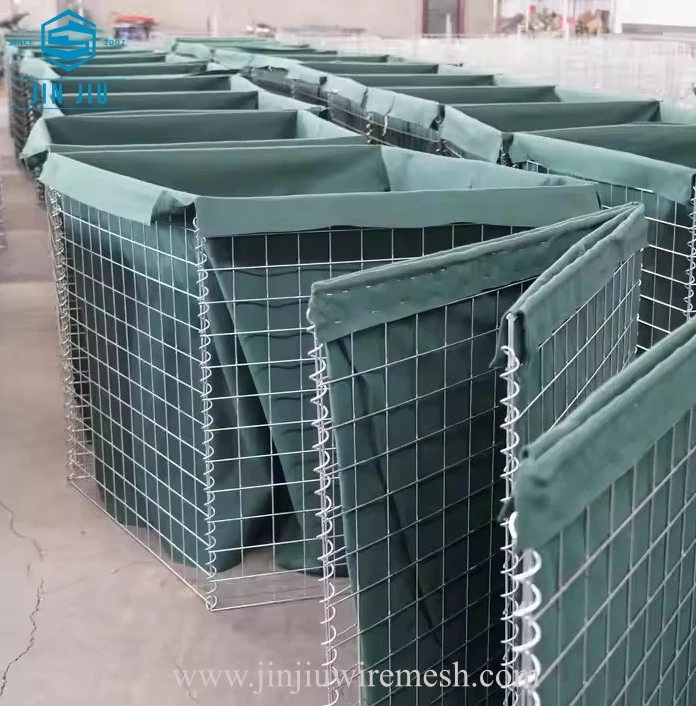
The Evolution of Physical Protection: Bullet Resistant Defensive Barriers in Modern Security
In an increasingly unpredictable global landscape, the requirement for high-level ballistic protection has moved beyond the battlefield and into the core of civilian and industrial security infrastructure.
2026-02-25 15:26:58
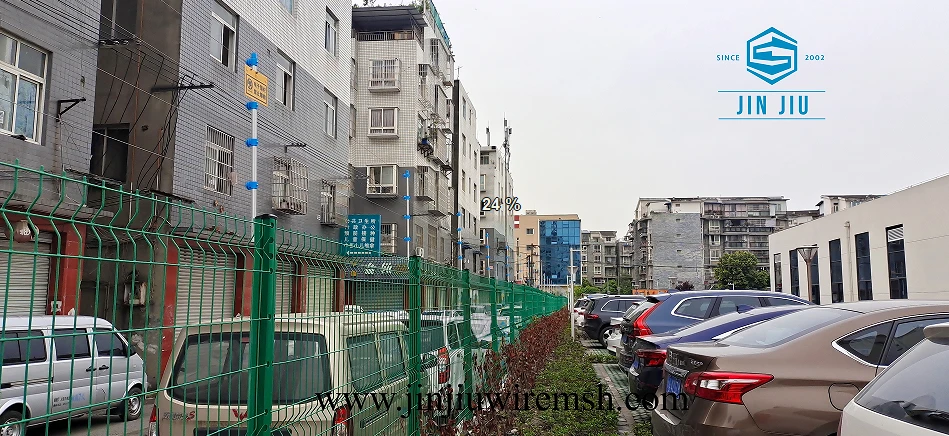
The Digital Backbone of Modern Security: Connected Pulse Monitoring Electric Fence Architecture
The traditional concept of a perimeter has undergone a fundamental transformation.
2026-02-25 15:24:13
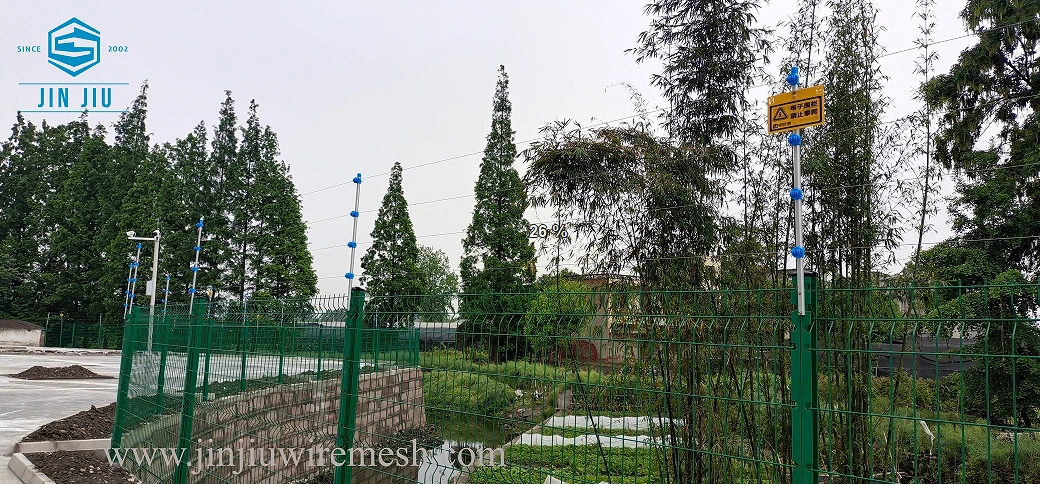
Securing the Unreachable with a Powerful Pulse Electric Fence
In the realm of global security, the distinction between a standard boundary and a high-security perimeter is often defined by the technology pulsing through the wires.
2027-04-14 00:00:00
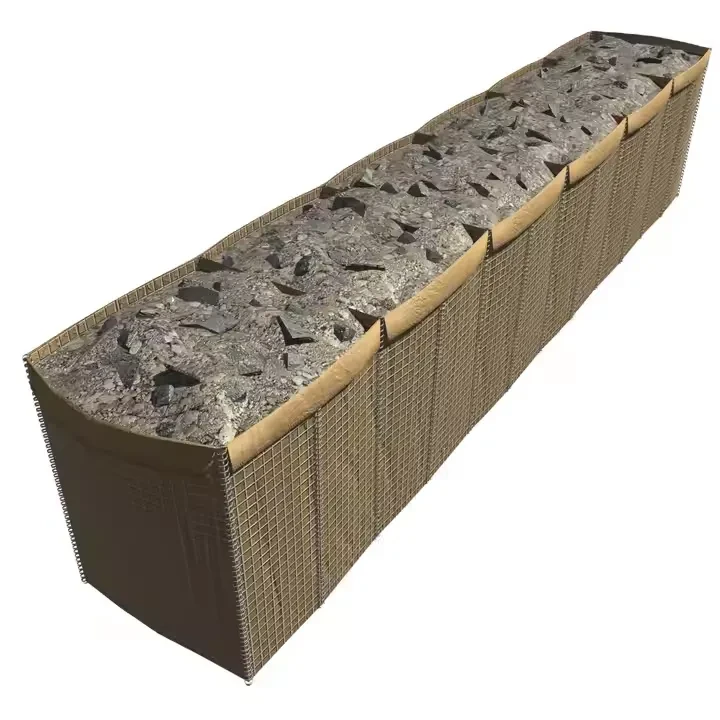
Engineering Resilience with Explosion Proof Defensive Barriers
In an era where industrial safety and national security are increasingly intertwined, the necessity for specialized protection in volatile environments has never been higher.


 English
  Albanian
  Arabic
  Bengali
  Czech
Czech  Danish
  Dutch
Dutch  Finnish
  French
  German
  Japanese
  Malay
Malay  Persian
  Polish
  Portuguese
  Romanian
  Russian
  Serbian
  Spanish
  Swahili