





Hebei Jinjiu Metal Products Co.,Ltd



Comprehensive Guide to Anti-Tank Track Wire Mesh Barrier Solutions
Dec . 01, 2025 20:05
The essential role of anti-tank track wire mesh barriers in modern defense and infrastructure
When you hear “anti-tank track wire mesh barrier,” it might sound like just another piece of military jargon. But here’s the thing — in a world where security, border control, and civil protection are non-negotiable, these barriers play an enormous, somewhat underrated role. They’re steel guardians, bridging fields and borders to stop massive vehicles in their tracks. Understanding these barriers helps governments, engineers, and disaster planners alike shore up vulnerable zones without resorting to permanent structures. Plus, they’re surprisingly versatile — from conflict zones to humanitarian spaces, their benefits ripple globally.
Why anti-tank track wire mesh barriers matter worldwide
According to the United Nations Office for Disarmament Affairs, conflicts involving armored vehicles remain a significant threat in many regions, impacting not only military operations but civilian safety and infrastructure (1). World Bank reports highlight that efficient border security can reduce illegal crossings and smuggling by upwards of 30%, saving millions in national security budgets (2). Enter the anti-tank track wire mesh barrier — a modular, relatively low-cost solution that often strikes a balance between defense, environmental concerns, and rapid deployment.
But the challenge remains: how do you block a tank or heavily armored vehicle without permanently scarring the landscape or causing undue social tension? Traditional concrete walls? Impractical in many zones. Enter these barriers.
What exactly is an anti-tank track wire mesh barrier?
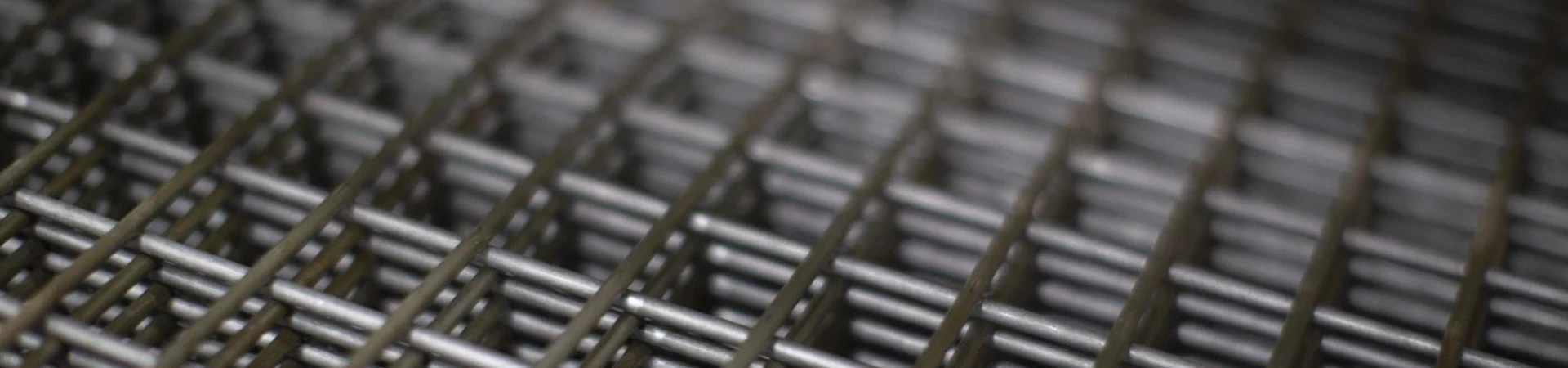
Simply put, an anti-tank track wire mesh barrier is a robust wire mesh fence designed to stop or severely slow down tracked or wheeled armored vehicles. The mesh is heavy-duty yet adaptable, often made from galvanized steel or similarly durable materials. Unlike conventional fences, their mesh pattern and material strength absorb and restrict the movement of heavy machines.
While the term “wire mesh” might evoke images of garden fencing, this is a beast of a different kind. Think of it as a tough web — flexible to a degree but mostly designed to be unyielding under extreme pressure. Their design stems from decades of military engineering but has also found uses in humanitarian efforts and industrial security.
Key components shaping the anti-tank track wire mesh barrier
1. Durability and material strength
These barriers are built to last while exposed to extreme forces and weather conditions. Typical materials include galvanized steel wire with coatings to resist corrosion. This durability ensures the barriers don’t rust away during deployment, whether in desert heat or coastal humidity.
2. Modularity and scalability
One of the smarter design considerations is their modular nature. Engineers love this because it lets security professionals expand or shrink protective zones quickly — no heavy equipment needed, just careful assembly.
3. Deployment speed and logistical ease
Oddly enough, one of their best features is how fast they go up. Construction can happen overnight, a must-have during sudden unrest or impending natural disasters.
4. Cost Efficiency
Compared to concrete or steel plate barricades, these wire mesh barriers represent a more budget-friendly alternative, balancing upfront costs and long-term maintenance.
5. Environmental considerations
The barriers cause minimal footprint compared to permanent walls. They allow some vegetation to grow through or beneath and often avoid fragmenting lands — a feature appreciated in sensitive ecological zones.
Typical specifications for an anti-tank track wire mesh barrier
| Specification | Typical Value |
|---|---|
| Material | Galvanized Steel Wire (4-6 mm diameter) |
| Mesh Opening Size | 50 mm x 50 mm to 100 mm x 100 mm |
| Height | 1.2 m to 1.5 m standard panels |
| Panel Length | 2.5 m typically (customizable) |
| Coating Thickness | 80-120 microns zinc galvanization |
| Weight per Panel | ~25-30 kg |
Where and how are anti-tank track wire mesh barriers actually used?
Beyond their obvious military applications, these barriers have popped up in places you’d least expect, and honestly, that’s kind of fascinating.
- Conflict Zones: As frontline defenses to prevent armored vehicle breaches.
- Refugee Camps and Humanitarian Corridors: To demarcate safe zones while maintaining some permeability for civilians (see anti-tank track wire mesh barrier products).
- Critical Infrastructure: Power plants, airports, and border checkpoints use them to slow vehicular threats without obstructing visual monitoring.
- Remote Industrial Sites: Mining and oil fields deploy these where full-scale barricades would be impractical.
Oddly enough, some countries have adapted these barriers for flood defense, stacking them to reduce water flow. Who knew the mesh could double as a hydrological aid?
The many advantages and long-term value of anti-tank wire mesh barriers
Obviously, the foremost advantage is protection. But it’s also about cost, social impact, and — oddly enough — dignity. The wire mesh barrier stands as a strong, reliable guardian without completely isolating communities or ruining landscapes.
- Cost Savings: Lower installation and maintenance costs compared to heavy concrete or steel barricades.
- Sustainability: Galvanized coatings prolong life and reduce replacements.
- Rapid Deployment: Enables quick responses to emerging threats or environmental disasters.
- Social Acceptability: Allows visibility and some movement, which can reduce tensions among locals.
- Reliability: Multiple tests confirm effectiveness against armored vehicles weighing up to 60 tons.
Looking ahead: trends influencing anti-tank track wire mesh barriers
Engineers and designers are integrating stronger alloys, like stainless steel blends and composite coatings, boosting corrosion resistance. Digital monitoring techs, including pressure sensors woven into mesh panels, offer automated alerts if barriers are tampered with. Sustainability is big, too — bio-based coatings and recycling programs are entering the conversation. Plus, modular designs now accommodate solar panels to power sensor tech, bridging defense with green energy ambitions.
Challenges and practical solutions
There are trade-offs. While these barriers slow large vehicles, determined forces might breach them with heavy machinery. Also, corrosion despite galvanization can appear in salty coastal areas if not maintained. Then, logistics can get tricky in rough terrains without roads. Experts suggest integrating these barriers as part of layered security systems — combining surveillance, patrols, and rapid response forces.
For corrosion, newer polymer coatings are promising — think of this like raincoats for your barriers. And for deployment challenges: preassembled kits reduce onsite labor significantly.
Vendor comparison for popular anti-tank track wire mesh barriers
| Vendor | Material Quality | Customization | Lead Time | Typical Clients |
|---|---|---|---|---|
| Jinjiu Wire Mesh Co. | High-grade galvanized steel | Full custom panel size & mesh options | 3–4 weeks | Military, border security, NGOs |
| Fortify Defense Systems | Standard galvanized steel | Limited customization | 6–8 weeks | Government contracts |
| BarrierPro Solutions | Composite coated wire mesh | Custom design + sensor integration | 4–5 weeks | Critical infrastructure, airports |
FAQs about anti-tank track wire mesh barrier
1. How effective are anti-tank track wire mesh barriers against modern armored vehicles?
They are designed specifically to stop or at least significantly slow down tracked armored vehicles, including tanks weighing up to 60 tons. While not an impenetrable wall, when combined with other security measures, they provide a strong deterrent and physical barrier.
2. What is the typical lifespan of these barriers in harsh environments?
With proper galvanization and occasional maintenance, anti-tank wire mesh barriers can last 10 to 15 years, even in coastal or desert areas. Newer coatings can extend this further, but inspection is key to avoid corrosion weakening their structure.
3. Can these barriers be quickly removed or relocated?
Yes, their modular design allows rapid assembly and disassembly. This makes them ideal for temporary deployment in conflict zones or disaster areas requiring flexible security perimeters.
4. Are these products environmentally friendly?
Compared to permanent concrete or steel structures, wire mesh barriers cause less environmental disruption. Some vendors offer recycled steel options and bio-coatings, making the barriers more sustainable.
5. How can international NGOs source these barriers for relief zones?
Many manufacturers, including anti-tank track wire mesh barrier specialists, offer export services with customizable requirements. NGOs typically work through direct sales or authorized dealers, ensuring compliance with local and international regulations.
Final thoughts: Why every security planner should consider anti-tank track wire mesh barriers
Ultimately, these barriers blend practicality, efficiency, and respect for the environment in a way few other solutions manage. They’re not just about stopping a tank; they’re about creating safer zones quickly, cost-effectively, and without degradation of the land or dignity of nearby communities. For security consultants, military planners, or humanitarian leaders, it feels like an elegant tool in a complex toolbox.
Interested in exploring top-rated options? Visit Jinjiu Wire Mesh for detailed product catalogs and tailored solutions.
References:
- United Nations Office for Disarmament Affairs
- World Bank: Security and Development
- ISO Standards on Security Barriers

Related Products

Related News


2026-03-16 14:21:07
Discover durable farming solutions and flexible animal containment with hinge-knot field fence. Combining impact-resistant design and customizable options, Hebei Jinjiu ensures quality for agricultural applications. Explore now: https://www.jinjiuwiremesh.com/field-fencefarm-fence.html
2026-03-16 14:21:07
Discover durable farming solutions and flexible animal containment with hinge-knot field fence. Combining impact-resistant design and customizable options, Hebei Jinjiu ensures quality for agricultural applications. Explore now: https://www.jinjiuwiremesh.com/field-fencefarm-fence.html
2027-04-14 00:00:00
Discover durable farming solutions and flexible animal containment with hinge-knot field fence. Combining impact-resistant design and customizable options, Hebei Jinjiu ensures quality for agricultural applications. Explore now: https://www.jinjiuwiremesh.com/field-fencefarm-fence.html
2026-02-25 15:31:06
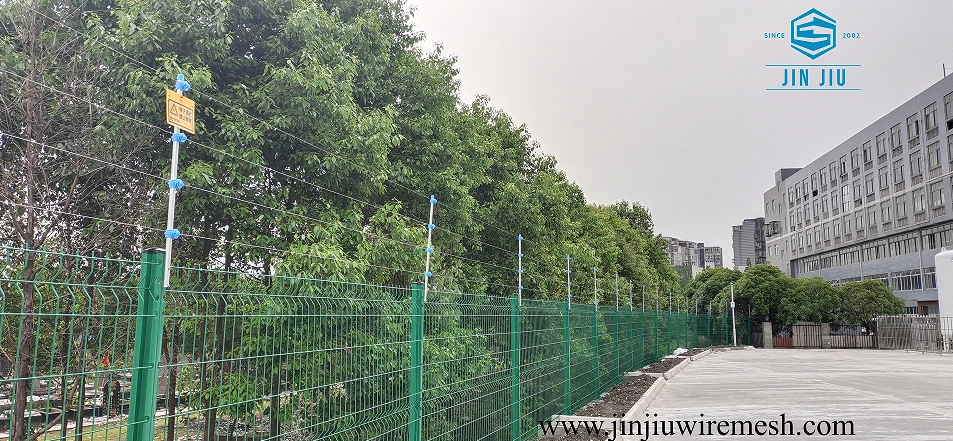
The Strategic Role of the Industrial Electric Fence in Modern Commerce
The protection of corporate and manufacturing assets has transitioned from a matter of simple boundary marking to a complex necessity of risk management.
2026-02-25 15:29:03
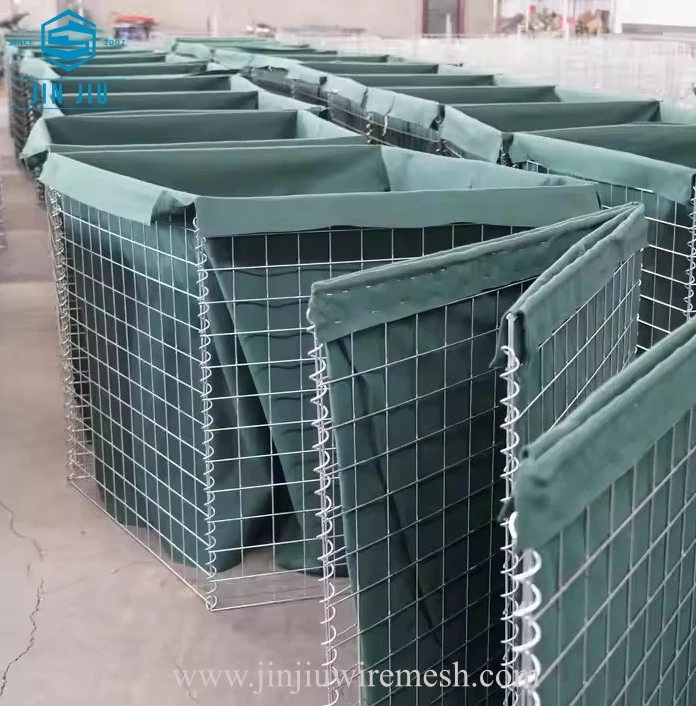
The Evolution of Physical Protection: Bullet Resistant Defensive Barriers in Modern Security
In an increasingly unpredictable global landscape, the requirement for high-level ballistic protection has moved beyond the battlefield and into the core of civilian and industrial security infrastructure.
2026-02-25 15:26:58
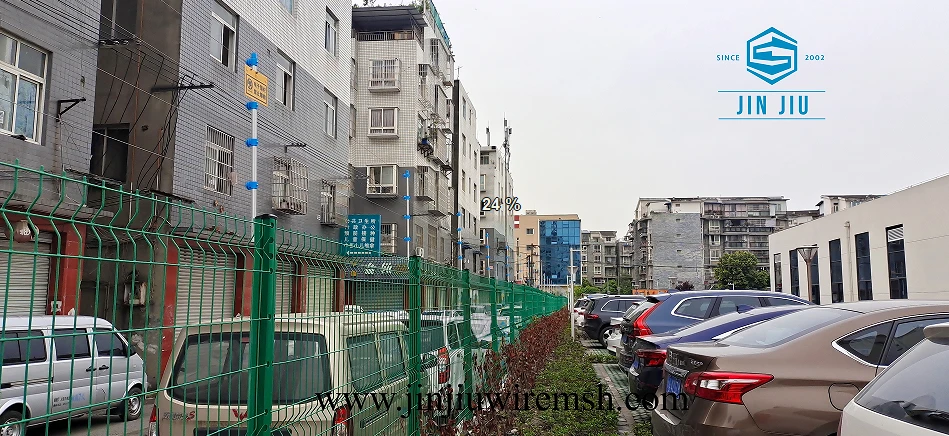
The Digital Backbone of Modern Security: Connected Pulse Monitoring Electric Fence Architecture
The traditional concept of a perimeter has undergone a fundamental transformation.
2026-02-25 15:24:13
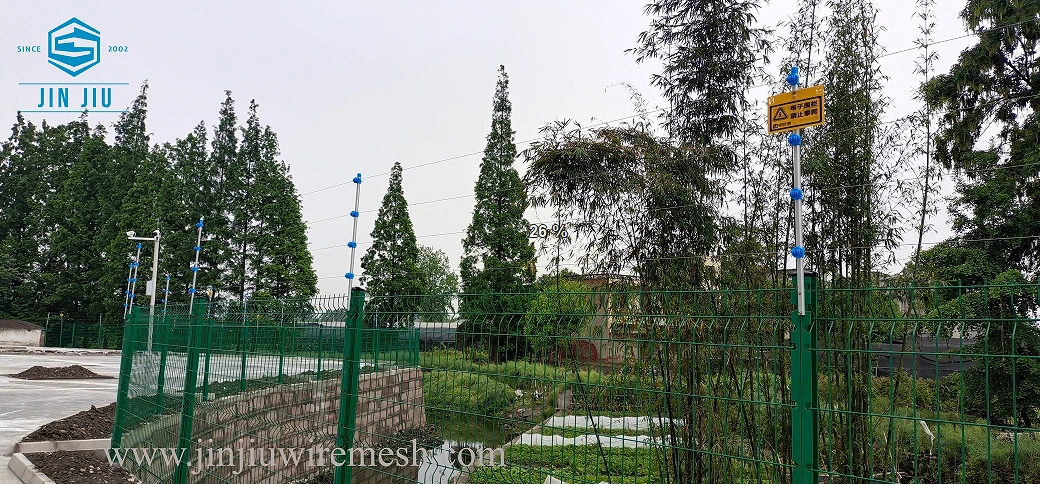
Securing the Unreachable with a Powerful Pulse Electric Fence
In the realm of global security, the distinction between a standard boundary and a high-security perimeter is often defined by the technology pulsing through the wires.
2027-04-14 00:00:00
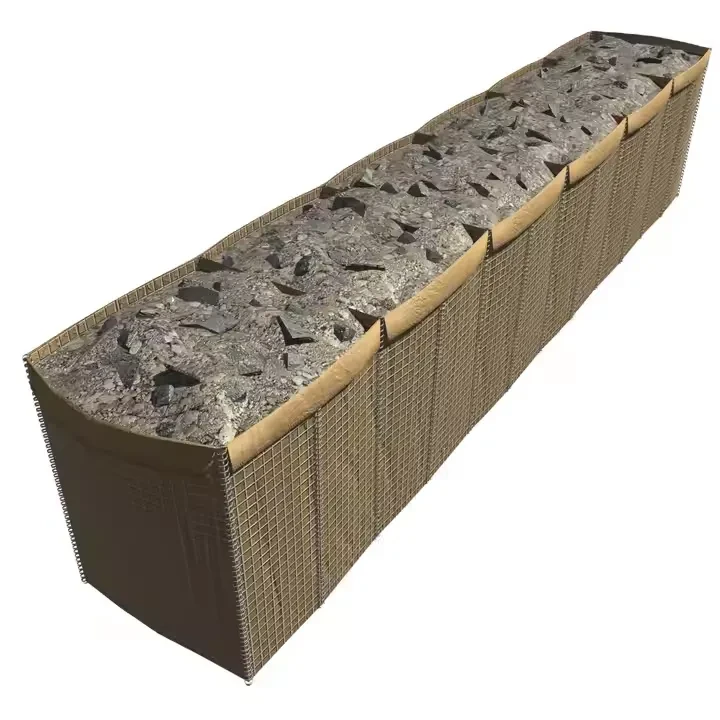
Engineering Resilience with Explosion Proof Defensive Barriers
In an era where industrial safety and national security are increasingly intertwined, the necessity for specialized protection in volatile environments has never been higher.


 English
  Albanian
  Arabic
  Bengali
  Czech
Czech  Danish
  Dutch
Dutch  Finnish
  French
  German
  Japanese
  Malay
Malay  Persian
  Polish
  Portuguese
  Romanian
  Russian
  Serbian
  Spanish
  Swahili