





Hebei Jinjiu Metal Products Co.,Ltd



Durable Anti Tank Mesh Barriers for Global Security and Infrastructure Protection
Dec . 01, 2025 20:45
Why Anti Tank Mesh Barriers Matter Worldwide
In a world where security concerns often overlap with humanitarian and industrial needs, understanding the role of anti tank mesh barriers becomes crucial. These robust protective structures aren’t just about defense; they’re a blend of engineering, strategy, and sometimes, even diplomacy on the ground. With conflicts, border security, and infrastructure protection becoming ever more complex, anti tank mesh barriers offer a flexible, scalable, and cost-effective solution.
Global interest is no surprise when you consider that armored vehicle threats can jeopardize civilian safety, vital installations, or supply routes. These barriers help fill that gap, providing a deterrent and sometimes a physical stop to heavy vehicles without permanently altering the environment.
Setting the Scene: Global Importance and Challenges
The United Nations and various defense agencies estimate that over 30 countries worldwide actively deploy fortified perimeter solutions like anti tank mesh barriers to secure military bases, government facilities, and critical infrastructure. According to recent reports by the International Organization for Standardization (ISO), there’s been a 17% increase over the last decade in demand for portable and reusable security barriers.
Yet, the challenge remains — how to provide a barrier that’s tough enough to stop armored vehicles but still adaptable to diverse terrain, harsh weather, and urgent deployment timelines. This is where anti tank mesh barriers come into their own. They close gaps in traditional fencing options, delivering scalable protection to where it’s needed most, whether in conflict zones or disaster-hit regions trying to prevent unauthorized vehicle access.
What Exactly Are Anti Tank Mesh Barriers?
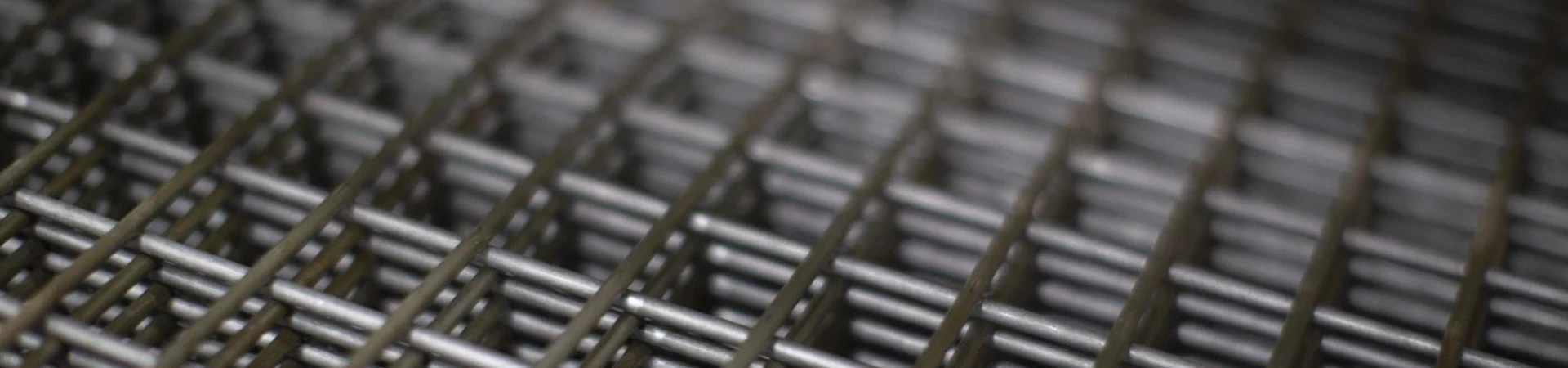
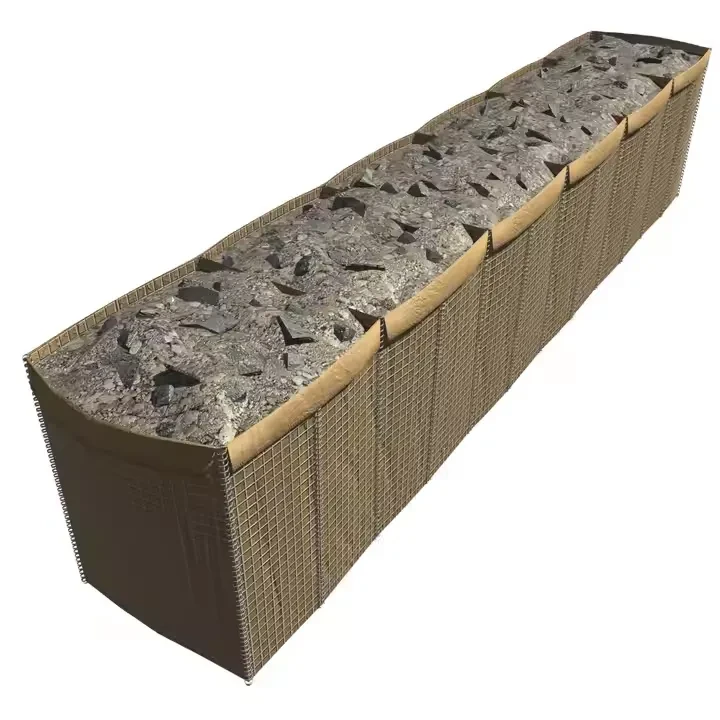
Simplistically put, an anti tank mesh barrier is a heavy-duty metal mesh structure designed to prevent or slow down the movement of tanks and other heavily armored vehicles. Picture a mesh fence, but not just any fence — it’s engineered using hardened steel wires interlinked with a very tight pattern, often with reinforcement rods or support posts, optimized to withstand extreme force.
Beyond military applications, these barriers also meet modern industry needs such as securing remote industrial sites, protecting critical infrastructure from vehicle ramming attacks, or forming temporary roadblocks in post-disaster relief areas to control traffic flows.
Key Features That Make These Barriers Tick
1. Durability
Constructed with galvanized or stainless steel, these barriers resist corrosion and physical impacts alike. Many engineers say the core is “exceptionally resilient,” capable of withstanding not only vehicle pressure but also environmental wear — think extreme temperatures, salty coastal air, or even explosive shocks.
2. Scalability
One of the most overlooked advantages is how these barriers can be configured for short-term, medium, or long-term use. Modular designs allow defense forces and engineers to quickly assemble or disassemble them, adapting to shifting tactical or logistical demands.
3. Cost Efficiency
Though armor plating or concrete barriers might provide substantial defense, they come with huge transport and installation costs. Anti tank mesh barriers save on budget by being lighter and easier to deploy, requiring less heavy machinery but offering solid protective coverage.
4. Versatility
These barriers fit varied geographical settings — from flatlands to rugged hills — unlike rigid concrete blocks. Some models come with adjustable tensioning systems to keep the mesh taut over uneven ground. That’s a subtle yet game-changing detail.
5. Visibility & Monitoring
Unlike solid barriers, the mesh design lets guards monitor activity through or around it, crucial for surveillance without compromising security.
Specifications of a Common Anti Tank Mesh Barrier Model
| Feature | Specification |
|---|---|
| Material | Galvanized steel wire mesh, 6mm thickness |
| Dimensions | 2.5 m height × 3 m width per panel |
| Weight | Approx. 50 kg per panel |
| Max Vehicle Impact Resistance | Up to 70 tons vehicle at 20 kph |
| Deployment Time | Under 30 minutes per 10 panels |
| Corrosion Resistance | ISO 9227 salt spray tested 500+ hours |
How and Where Are Anti Tank Mesh Barriers Used Globally?
These barriers play vital roles from the high deserts of the Middle East to the forested perimeters of Eastern Europe. In recent years, militaries have deployed them along strategic checkpoints to control cross-border movements.
Oddly enough, they’re increasingly valuable for protecting civilian infrastructure too. For instance, in major US cities, some law enforcement agencies utilize them to prevent vehicular terrorist attacks near sensitive venues.
One notable case was during flood relief in Southeast Asia, where temporary roadblocks made of anti tank mesh controlled entry points, aiding humanitarian convoys and preventing unauthorized vehicles from hampering relief efforts.
It’s no accident these barriers are favored by organizations focused on rapid response — they combine speed and strength, something that concrete blocks or bollards can’t quite match.
Comparing Leading Anti Tank Mesh Barrier Vendors
| Vendor | Panel Weight (kg) | Impact Rating | Deployment Time | Standard Warranty |
|---|---|---|---|---|
| Fortress Defense Ltd. | 48 | Up to 70 tons at 20 kph | 25 min / 10 panels | 5 years |
| ShieldMesh Systems | 53 | Up to 80 tons at 18 kph | 30 min / 8 panels | 4 years |
| RapidDefend Corp. | 50 | Up to 65 tons at 22 kph | 20 min / 12 panels | 6 years |
The Advantages and Lasting Value of Anti Tank Mesh Barriers
When we look beyond specs, the value of these barriers shows up in budgets, in operational scenarios, and frankly, in trust. They protect lives by stopping or slowing down dangerous vehicles, which, in conflict zones and vulnerable urban areas, is priceless.
Financially, they cut down deployment and maintenance costs. Socially, they help maintain dignity—keeping communities safe without aggressive walling-off. Environmentally, their modular nature means less permanent damage to terrain, and their reusability means sustainability.
What’s Ahead? Innovations on the Horizon
What I find fascinating is how digital and smart tech are merging with physical barriers. Sensors integrated into mesh panels can now detect vibrations or impact, instantly alerting security teams. Some new models incorporate recycled steel and coatings that boast longer life spans, better resisting rust and UV damage.
We’re also seeing discussions about solar-powered lighting and cameras mounted on these barriers, combining anti tank mesh barriers with green energy and IoT platforms to form intelligent security perimeters.
Challenges and How Experts Tackle Them
One common issue is deployment in very mountainous or densely forested areas, where the terrain complicates setting up panels evenly.
Experts suggest customizing panel shapes and leveraging ground anchors or adjustable frames for new environments — something contractors refine after dozens of site visits. Materials can fail too, especially if budgets push for cheaper options. The solution? Always look for ISO-certified vendors and insist on third-party testing.
FAQ About Anti Tank Mesh Barriers
- How quickly can anti tank mesh barriers be deployed on site?
Most modern systems can be assembled in under 30 minutes per 10 panels, enabling rapid response in emergencies. - Can these barriers be reused or relocated?
Yes, they are modular and designed for repeated assembly and disassembly without significant wear. - Are anti tank mesh barriers environmentally friendly?
Generally, yes. Using recyclable materials and minimizing permanent ground damage makes them a sustainable choice. - What is the typical lifespan of these barriers?
With proper maintenance and quality materials, 5-7 years of reliable service is common. - Can civil agencies use these barriers for non-military purposes?
Absolutely, many police and disaster management agencies use them for crowd control and traffic management.
To Wrap Up
Looking at the big picture, anti tank mesh barriers offer a winning combination of protection, adaptability, and cost savings. Whether you’re securing a military base or managing post-disaster traffic, these barriers play an unsung but invaluable role. If you want to explore robust, tested options for your next project, I recommend checking out trusted suppliers like anti tank mesh barriers — they combine extensive expertise with quality craftsmanship.
Mini takeaway:
Anti tank mesh barriers continue evolving from simple physical fences to smart, flexible security solutions. Their global relevance underscores the importance of blending engineering, sustainability, and real-world practicality.
References:

Related Products

Related News


2026-03-16 14:21:07
Discover durable farming solutions and flexible animal containment with hinge-knot field fence. Combining impact-resistant design and customizable options, Hebei Jinjiu ensures quality for agricultural applications. Explore now: https://www.jinjiuwiremesh.com/field-fencefarm-fence.html
2026-03-16 14:21:07
Discover durable farming solutions and flexible animal containment with hinge-knot field fence. Combining impact-resistant design and customizable options, Hebei Jinjiu ensures quality for agricultural applications. Explore now: https://www.jinjiuwiremesh.com/field-fencefarm-fence.html
2027-04-14 00:00:00
Discover durable farming solutions and flexible animal containment with hinge-knot field fence. Combining impact-resistant design and customizable options, Hebei Jinjiu ensures quality for agricultural applications. Explore now: https://www.jinjiuwiremesh.com/field-fencefarm-fence.html
2026-02-25 15:31:06
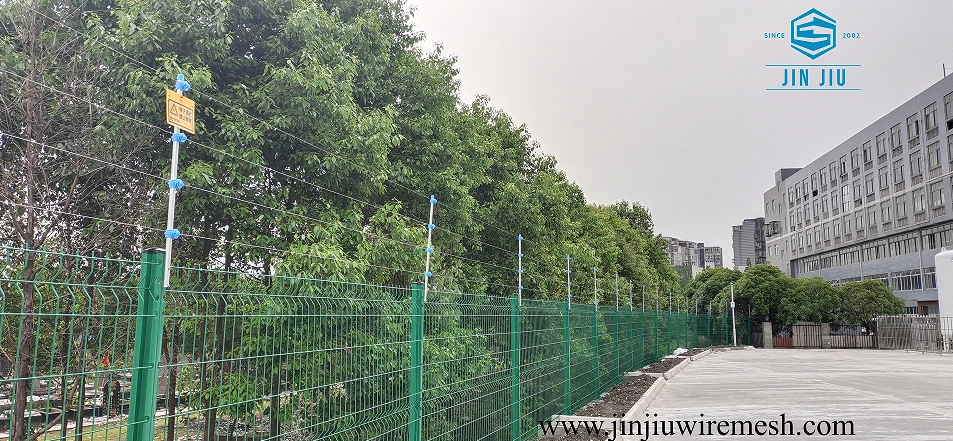
The Strategic Role of the Industrial Electric Fence in Modern Commerce
The protection of corporate and manufacturing assets has transitioned from a matter of simple boundary marking to a complex necessity of risk management.
2026-02-25 15:29:03
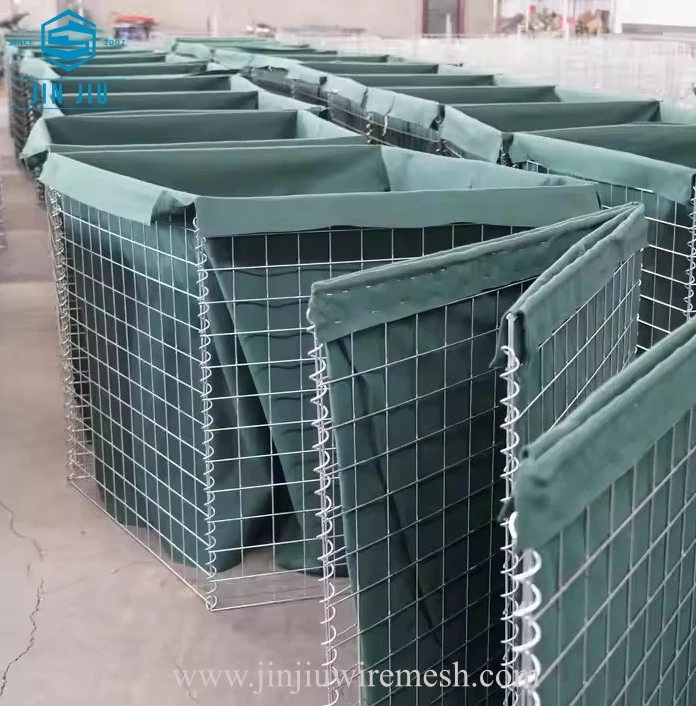
The Evolution of Physical Protection: Bullet Resistant Defensive Barriers in Modern Security
In an increasingly unpredictable global landscape, the requirement for high-level ballistic protection has moved beyond the battlefield and into the core of civilian and industrial security infrastructure.
2026-02-25 15:26:58
The Digital Backbone of Modern Security: Connected Pulse Monitoring Electric Fence Architecture
The traditional concept of a perimeter has undergone a fundamental transformation.
2026-02-25 15:24:13
Securing the Unreachable with a Powerful Pulse Electric Fence
In the realm of global security, the distinction between a standard boundary and a high-security perimeter is often defined by the technology pulsing through the wires.
2027-04-14 00:00:00
Engineering Resilience with Explosion Proof Defensive Barriers
In an era where industrial safety and national security are increasingly intertwined, the necessity for specialized protection in volatile environments has never been higher.


 English
  Albanian
  Arabic
  Bengali
  Czech
Czech  Danish
  Dutch
Dutch  Finnish
  French
  German
  Japanese
  Malay
Malay  Persian
  Polish
  Portuguese
  Romanian
  Russian
  Serbian
  Spanish
  Swahili