





Hebei Jinjiu Metal Products Co.,Ltd



Understanding MZP Low Visibility Barriers: Durable, Discreet Security Solutions
Dec . 01, 2025 22:00
Demystifying MZP Low Visibility Barriers: What They Are and Why They Matter
In a world increasingly demanding security and subtlety, mzp low visibility barriers have carved a unique niche. But what exactly are these barriers, and why should industries and governments globally care? At heart, these are protective solutions designed to provide security and control without screaming "security alert!" They help manage access, protect sensitive areas, and preserve aesthetics, all while keeping their presence minimal.
Understanding these barriers matters especially because our global landscape – be it urban environments, critical infrastructure, or humanitarian zones – demands protection without disruption. Think about sprawling city centers where security can’t clash with architecture, or fragile ecosystems where heavy intrusion would cause permanent damage. Here, the balance between safety and subtlety becomes critical, and that's where mzp low visibility barriers come into play.
The Global Context of MZP Low Visibility Barriers
According to recent ISO safety standards and reports from the UN Office for Disaster Risk Reduction, security infrastructure that blends safety with unobtrusiveness is gaining attention worldwide. The global market for protective barriers is projected to grow steadily – roughly 5-6% annually – largely propelled by urban expansion and increasing awareness of critical infrastructure protection (CIP).
Why does this sector grow? Because traditional, bulky barriers often fall short in places demanding discretion. Airports, hospitals, heritage sites, or even sensitive manufacturing lines require solutions that physically protect but don't overshadow their environment or daily operation. Yet challenges abound: How to combine strength with subtlety? Durability with design? That's the puzzle mzp low visibility barriers attempt to solve.
So, What Exactly Are MZP Low Visibility Barriers?
In plain terms, these barriers are engineered physical security measures that restrict or channel movement yet remain visually unobtrusive. They might use mesh designs, slim profiles, or camouflage materials to blend with surroundings. "MZP" refers to a specific manufacturing or design standard (often proprietary or regional), often synonymous with high-quality mesh and polymer combinations.
What's fascinating is how these barriers address a modern humanitarian and industrial need: the demand for protection that doesn’t alienate or disrupt. Whether in conflict zones, wildlife reserves, or densely populated urban hubs, having 'low visibility' means safety that feels less like a fortress and more like an integrated part of the landscape.
Core Components Making MZP Low Visibility Barriers Effective
1. Durability
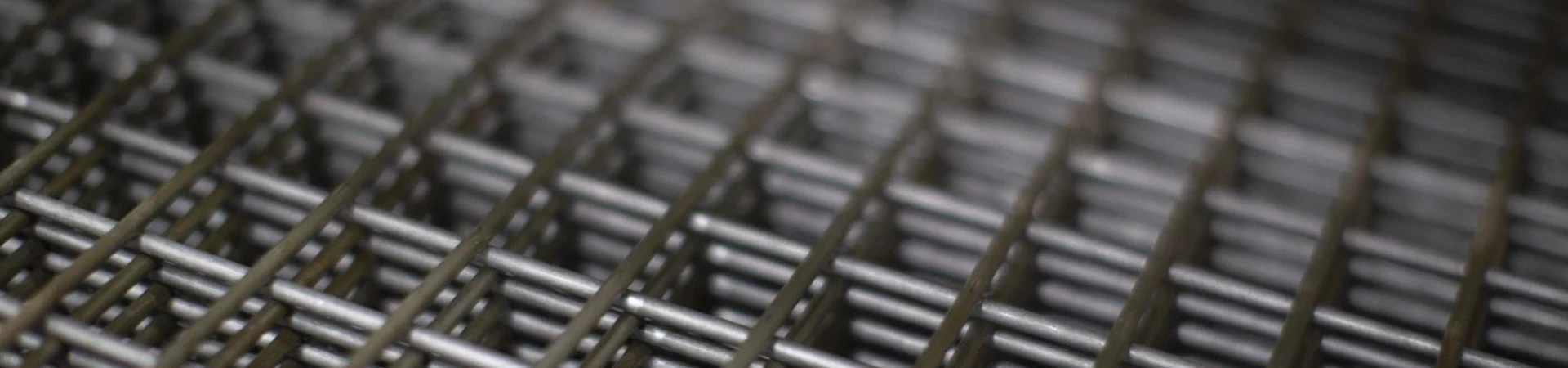
Because barriers often face harsh weather, potential vandalism, and constant human or vehicle interaction, materials are chosen to serve long-term. MZP barriers typically incorporate galvanized steel mesh or advanced polymers resisting corrosion and wear. Many engineers I’ve talked to highlight how this durability is a game changer, reducing maintenance cycles and costs.
2. Design Aesthetics
Here’s where mzp low visibility barriers really shine. They use fine mesh sizes or muted hues that integrate almost invisibly with their setting. Oddly enough, this focus on visual subtlety often demands more upfront design planning but pays off when you don’t disturb architectural harmony or natural views.
3. Scalability and Modularity
In practice, these barriers come in panels or sections that can be quickly deployed or rearranged. This modularity is critical in disaster zones, construction sites, or temporary events where needs shift fast. Many operators prefer systems they can expand or contract as needed without rebuilding from scratch.
4. Cost Efficiency
While not always the cheapest upfront, mzp low visibility barriers balance cost with lifecycle value. Lower installation complexity and minimal upkeep often translate to attractive total cost of ownership. In remote sites, this can mean the difference between feasible protection and none at all.
5. Integration with Technology
Modern mzp barriers often come ready to integrate sensors or cameras discreetly, enhancing security without adding bulky equipment. This is particularly valuable in smart city projects or critical infrastructure settings aiming for next-gen solutions.
Mini Takeaway:
In essence, mzp low visibility barriers are a fascinating blend of engineering and artistry, designed to be protective yet nearly invisible, durable but attractive, and flexible while cost-conscious.
How Are MZP Low Visibility Barriers Used Around the World?
Their versatility means they see widespread application:
- Post-Disaster Relief: In areas hit by floods or earthquakes, temporary protective barriers shield relief sites without hindering access. NGOs appreciate the modularity and subtle footprint.
- Urban Security: In cities like Tokyo or Amsterdam, these barriers protect underground metro entrances or heritage districts, preserving aesthetic integrity.
- Industrial Zones: Remote energy facilities or mining operations in Canada and Australia use them to control human and vehicle access with minimal environmental disturbance.
- Wildlife Conservation: National parks — in Africa or South America — use low visibility barriers to demarcate zones without alarming animals or visitors.
- Military and Government Facilities: They’re deployed around embassies or sensitive sites where overt fortifications may be politically sensitive.
For more examples or vendor details, visit our partner site.
Mini Takeaway:
The global application of these barriers speaks volumes about their adaptability — from sprawling urban centers to fragile ecosystems, mzp low visibility barriers serve silently yet effectively.
Advantages and the Long-Term Value of Choosing MZP Low Visibility Barriers
There’s more here than meets the eye. Some obvious wins are:
- Visual Harmony: They preserve aesthetics, which is invaluable for urban planners and heritage conservators.
- Durability Saves Money: Less maintenance means fewer operational disruptions and budget overruns.
- Safety with Dignity: In humanitarian contexts, they protect spaces without feeling oppressive to locals or refugees.
- Environmental Sensitivity: Reduced footprint and eco-friendly materials align with sustainability goals.
Emotional benefits deserve mention too. Communities often feel less intimidated by these barriers, promoting trust rather than fear. In a way, it’s a modern metaphor: protecting what matters without building walls that divide.
Emerging Trends and Future Innovations
It’s exciting to watch how mzp low visibility barriers evolve. Here’s what’s on the horizon:
- Smart Materials: Self-healing polymers and coatings that resist graffiti or weather damage.
- Integrated Solar Power: Panels with tiny solar cells that feed lighting or sensor networks, creating energy-neutral installations.
- Digital Twin & IoT: Virtual replicas that allow remote monitoring and predictive maintenance.
- Biodegradable Components: For temporary installations in nature reserves, minimizing environmental impact.
Common Challenges and How Experts Overcome Them
Let’s be real — no solution is perfect. Some hurdles include:
- Installation Complexity: Despite modularity, complex sites can delay setup.
- Initial Investment: The upfront cost may be higher than simple fencing.
- Perceived Effectiveness: Some stakeholders doubt 'low visibility' means low security.
Experts suggest:
- Pre-deployment site surveys to optimize placement.
- Robust education campaigns showcasing case studies.
- Layering barriers with technology and active monitoring.
In fact, many organizations have reported success using mzp low visibility barriers coupled with CCTV and access control, which makes the system feel both invisible and ironclad.
Product Specification Table
| Feature | Description | Typical Value |
|---|---|---|
| Material | Galvanized steel mesh with polymer coating | High corrosion resistance |
| Panel Size | Modular, connectable sections | Standard 2m x 1.2m panels |
| Finish | Matte colors tailored to environment | Grey, green, or brown |
| Load Capacity | Withstands moderate impact | Up to 300 kg per panel |
| Installation Time | Quick connect system | Approx. 30 mins per panel |
Vendor Comparison Table
| Vendor | Customization | Lead Times | After Sales Support | Typical Use Cases |
|---|---|---|---|---|
| Jinjui Wire Mesh | High (colors, sizes, coatings) | 2–4 weeks | 24/7 Technical Support | Industrial, urban, conservation |
| SecureLine Barriers | Medium (standard palettes) | 4–6 weeks | Business hours only | Government, transport hubs |
| EcoBarrier Systems | Low (limited options) | 3 weeks | Email only | Temporary, eco projects |
FAQs About MZP Low Visibility Barriers
- Q1: How long do mzp low visibility barriers typically last in harsh environments?
- Thanks to galvanized steel and protective coatings, these barriers can last 10-15 years or more with minimal maintenance, even in coastal or industrial areas prone to corrosion.
- Q2: Are these barriers effective against forced entry compared to traditional fences?
- Yes. While designed to be less conspicuous, their structural integrity is comparable to heavy-duty fencing, often enhanced with integrated technology for surveillance.
- Q3: Can mzp low visibility barriers be customized to fit unique landscape needs?
- Absolutely. Vendors like Jinjui Wire Mesh offer a range of customization from panel size to color and coating, ensuring they blend perfectly with site requirements.
- Q4: Are these barriers suitable for temporary installations?
- Yes, their modular design allows quick assembly and disassembly, making them ideal for disaster zones, events, or construction sites needing flexible security.
- Q5: How do they support environmental sustainability?
- Most mzp barriers use recyclable materials and eco-friendly coatings. Advanced versions incorporate biodegradable parts or solar integrations to reduce carbon footprint.
Wrapping Up: Why MZP Low Visibility Barriers Are the Future of Discreet Security
To sum it up: mzp low visibility barriers represent a thoughtful approach to physical security—one where toughness meets subtlety, and strength meets style. As cities expand and environmental consciousness grows, these solutions will likely become the standard bearers for safe, dignified, and integrated protection.
Whether you’re managing a heritage site, setting up emergency shelter perimeters, or securing remote industrial locations, these barriers offer a smart balance that's hard to beat.
Interested in seeing what they can do for your next project? Visit https://www.jinjiuwiremesh.com for detailed product info, case studies, and consultations.
References

Related Products

Related News


2026-03-16 14:21:07
Discover durable farming solutions and flexible animal containment with hinge-knot field fence. Combining impact-resistant design and customizable options, Hebei Jinjiu ensures quality for agricultural applications. Explore now: https://www.jinjiuwiremesh.com/field-fencefarm-fence.html
2026-03-16 14:21:07
Discover durable farming solutions and flexible animal containment with hinge-knot field fence. Combining impact-resistant design and customizable options, Hebei Jinjiu ensures quality for agricultural applications. Explore now: https://www.jinjiuwiremesh.com/field-fencefarm-fence.html
2027-04-14 00:00:00
Discover durable farming solutions and flexible animal containment with hinge-knot field fence. Combining impact-resistant design and customizable options, Hebei Jinjiu ensures quality for agricultural applications. Explore now: https://www.jinjiuwiremesh.com/field-fencefarm-fence.html
2026-02-25 15:31:06
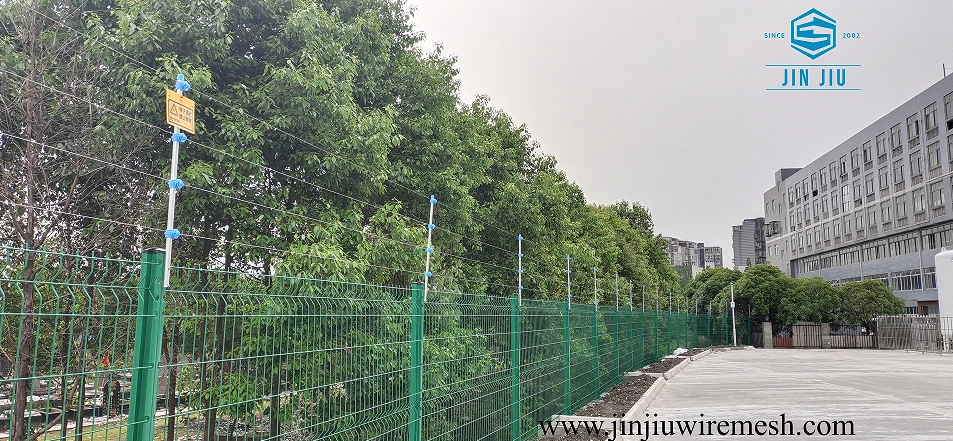
The Strategic Role of the Industrial Electric Fence in Modern Commerce
The protection of corporate and manufacturing assets has transitioned from a matter of simple boundary marking to a complex necessity of risk management.
2026-02-25 15:29:03
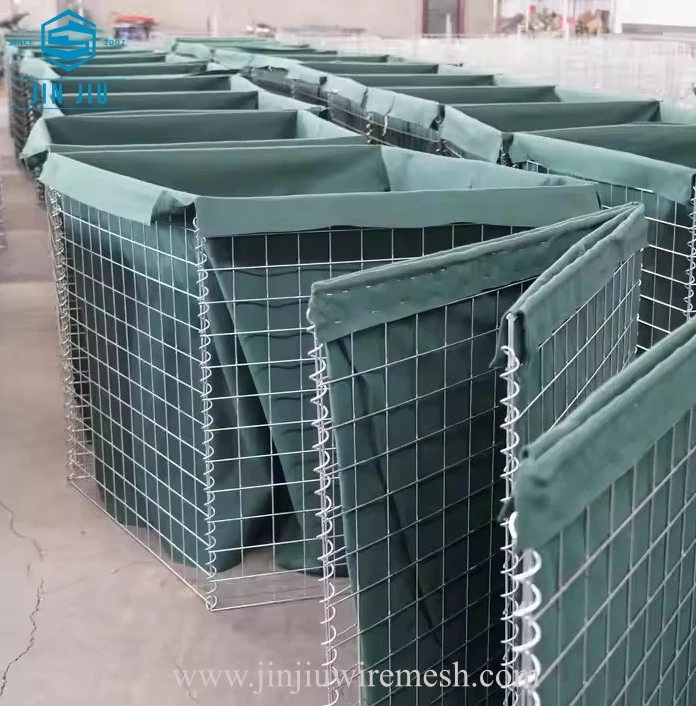
The Evolution of Physical Protection: Bullet Resistant Defensive Barriers in Modern Security
In an increasingly unpredictable global landscape, the requirement for high-level ballistic protection has moved beyond the battlefield and into the core of civilian and industrial security infrastructure.
2026-02-25 15:26:58
The Digital Backbone of Modern Security: Connected Pulse Monitoring Electric Fence Architecture
The traditional concept of a perimeter has undergone a fundamental transformation.
2026-02-25 15:24:13
Securing the Unreachable with a Powerful Pulse Electric Fence
In the realm of global security, the distinction between a standard boundary and a high-security perimeter is often defined by the technology pulsing through the wires.
2027-04-14 00:00:00
Engineering Resilience with Explosion Proof Defensive Barriers
In an era where industrial safety and national security are increasingly intertwined, the necessity for specialized protection in volatile environments has never been higher.


 English
  Albanian
  Arabic
  Bengali
  Czech
Czech  Danish
  Dutch
Dutch  Finnish
  French
  German
  Japanese
  Malay
Malay  Persian
  Polish
  Portuguese
  Romanian
  Russian
  Serbian
  Spanish
  Swahili