





Hebei Jinjiu Metal Products Co.,Ltd



Comprehensive Guide to Anti-Tank Track Wire Mesh Barrier: Uses, Benefits & Innovations
Nov . 27, 2025 20:10
Understanding the Anti-Tank Track Wire Mesh Barrier: A Global Perspective
It's easy to overlook something like an anti-tank track wire mesh barrier until you realize just how much strategic, humanitarian, and infrastructural weight it carries worldwide. This seldom-discussed technology actually plays a crucial role in military defense, border security, and even disaster relief logistics, impacting millions globally. At its core, this barrier system is about controlling movement—blocking the unexpected, reinforcing safety, and stabilizing vulnerable zones. Getting a handle on these barriers isn’t just technical curiosity; it’s about grasping how many sectors intertwine security with sustainability on a global scale.
Why This Matters Worldwide
According to recent UN reports, conflicts and territorial disputes still account for significant humanitarian challenges, with infrastructure damage and civilian displacement on the rise. Technologies that manage or block access—like anti-tank track wire mesh barriers—help stabilize these areas by deterring heavy vehicles and unauthorized movement, allowing time for peacekeeping and reconstruction. The World Bank cites that regions deploying efficient border barriers have reduced conflict spillover risks by roughly 30%, creating safer zones for civilians and aid workers alike.
Mini takeaway: While it might sound niche, the role of these barriers extends from military fronts to disaster relief corridors worldwide.
What Exactly Is an Anti-Tank Track Wire Mesh Barrier?
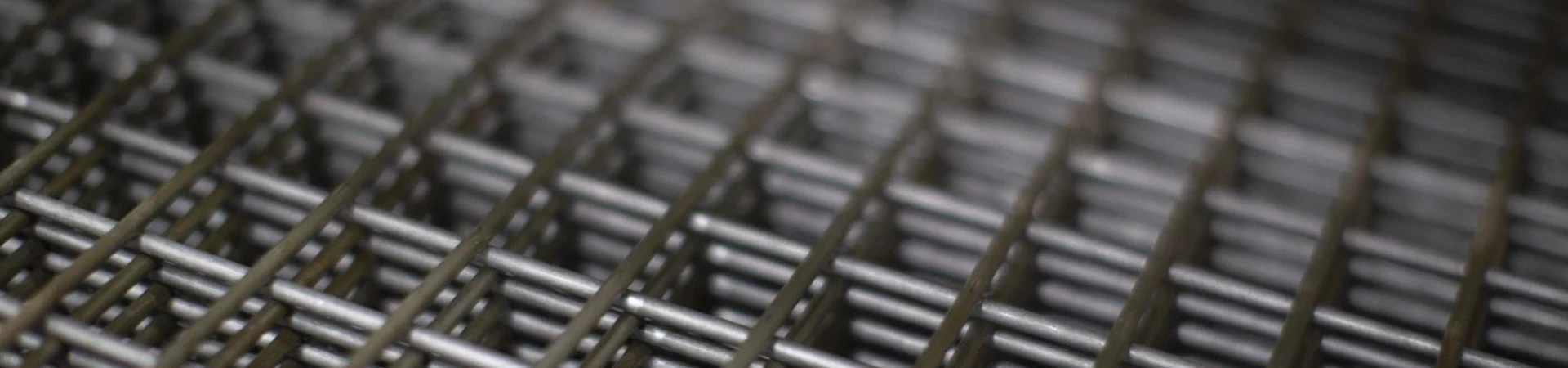
Simply put, an anti-tank track wire mesh barrier is a robust, flexible, and strategically designed wire mesh system intended to stop or slow down tracked vehicles—usually tanks and other armored military transport. It’s crafted from heavy-duty wire woven into tight mesh patterns, designed to withstand physical assault and environmental exposure. Beyond defense, these barriers also serve in logistics and safety roles in modern industries, from protecting critical infrastructure to facilitating humanitarian missions.
Think of it as a sophisticated, scalable fence—not just a wall, but a tactical instrument shaped by decades of engineering expertise and battlefield experience.
The Human and Industrial Link
It's not all about conflict. The same technology finds surprising uses in industrial zones, mining sites, and even in post-disaster zones where controlling vehicular access is essential to protect fragile environments and ongoing relief work.
Mini takeaway: The anti-tank track wire mesh barrier is more than a weapon—it's a versatile safety tool applicable far beyond the battlefield.
Core Components That Make These Barriers Tick
1. Durability and Materials
These barriers rely on galvanized steel or high-tensile wire resistant to corrosion, chemicals, and extreme weather conditions. The mesh strands are often coated with PVC or bitumen, which boosts longevity—some lasting 20+ years without major maintenance. It’s quite the feat, especially considering their outdoor, often hostile environments.
2. Scalability and Modular Design
Modular sections come in standard sizes but can be customized to fit terrain contours or specific threat levels. This flexibility enables rapid deployment and adjustment, which is invaluable for military or humanitarian agencies needing swift responses.
3. Cost Efficiency
Compared to concrete or iron plate barriers, wire mesh is lighter, cheaper to manufacture and transport, and easier to install. Operators point out that the total cost of ownership tends to be lower even over decades, thanks to fewer repairs and simpler replacement.
4. Installation and Deployment Speed
These barriers can be erected in a matter of hours or days, depending on scale—much faster than permanent fortifications, which is critical when timing matters most.
5. Environmental and Human Safety Aspects
They minimize environmental damage since they don't require heavy excavation or concrete foundations, and their mesh design allows wildlife movement to some extent—something increasingly valued by NGOs and environmental planners.
Mini takeaway: Behind the simple mesh lies complexity in balancing strength, agility, cost, and ecological concerns.
How Anti-Tank Track Wire Mesh Barriers Serve the World
From the mountainous borders of Central Asia to sensitive industrial compounds in Europe, these barriers form a critical part of layered defense strategies. The UN peacekeeping forces have extensively used modular wire mesh barriers to cordon off volatile zones, easing civilian resettlement efforts.
In mining operations—say, in South America or Australia—these meshes prevent heavy machinery from straying into hazardous areas while still allowing a rapid reconfiguration of the site. Oddly enough, even some wildlife reserves use reinforced wire mesh to contain large animals or protect certain pathways without obstructing the ecosystem.
Example: After the 2018 floods in Southeast Asia, relief agencies used wire mesh barriers to secure emergency convoys and temporary camps, managing traffic and preventing accidental vehicle damage to critical infrastructure.
Mini takeaway: The barrier’s utility spans diverse fields, making it a quiet hero behind the scenes of safety and recovery.
Advantages and Long-Term Value of Using Wire Mesh Barriers
- Reliability: Proven to halt heavy tracked vehicles effectively.
- Cost-effectiveness: Saves money on materials, maintenance, and deployment.
- Environmental compatibility: Less intrusive than permanent walls.
- Social impact: Protects communities by providing security with minimal ecological harm.
- Innovation potential: Adaptable for integration with sensors or digital monitoring.
Beyond the nuts and bolts, these barriers provide peace of mind for military planners and civilian coordinators alike. There’s an emotional security tied to those lines of wire—knowing that infrastructure, people, and ecosystems can be kept safe simultaneously feels like a small triumph amid complex crises.
Product Specification Table
| Specification | Details |
|---|---|
| Material | Galvanized Steel Wire (High Tensile) |
| Mesh Size | 50mm x 50mm typical, customizable |
| Coating | PVC or Bitumen for corrosion protection |
| Panel Dimensions | 2m (height) x 3m (width) modular panels |
| Weight | Approx. 35 kg per panel |
| Expected Lifespan | 15-25 years depending on environment |
| Deployment Time | Few hours for standard setup |
Comparing Leading Vendors of Anti-Tank Track Wire Mesh Barriers
| Vendor | Material Quality | Customization Options | Price Range | Deployment Support |
|---|---|---|---|---|
| Jinjiu Wire Mesh Co. | High tensile galvanized steel | Extensive - mesh sizes, coatings | Moderate | Comprehensive - consultation to on-site |
| SteelGuard Solutions | Standard galvanized wire | Limited customization | Lower | Basic instructions only |
| DefenceMesh Corp. | Premium alloy steel with coatings | Moderate customization | High | Technical team onsite |
Future Trends and Innovations on the Horizon
There is a palpable shift towards integrating smarter, greener technologies, even in fields as traditionally rugged as anti-tank barriers. Advanced composites and nano-coatings could soon replace traditional galvanization, promising even longer lifespan and lower weight. Automation in deployment — using drones or robotic arms — is also moving from sci-fi visions to actual test phases in several countries.
Digital monitoring embedded in mesh panels, linking to sensors for pressure, movement, or damage detection, would provide a real-time picture of barrier integrity and activity, increasing trust and response speed for security personnel.
From a sustainability angle, re-using and recycling materials post-deployment is gaining traction, reducing the environmental footprint of these systems.
Mini takeaway: The anti-tank track wire mesh barrier isn't stuck in the past. It’s evolving fast, driven by tech leaps and global sustainability goals.
Common Challenges and How Experts Overcome Them
One common limitation is vulnerability to specialized engineering attacks, where adversaries try to breach or circumvent wire mesh barriers using innovative tools. To counter this, experts combine wire mesh barriers with sensor arrays and layered defense tactics.
Another challenge is deployment in remote or rough terrains where transport and installation are complicated. Modular, lightweight panel design and collaboration with local teams help speed up these difficult deployments.
Corrosion remains a threat in coastal or chemical-heavy industrial zones. Advances in polymer coatings and periodic maintenance protocols significantly mitigate this risk.
FAQ: Practical Questions About Anti-Tank Track Wire Mesh Barrier
- Q: How quickly can anti-tank wire mesh barriers be deployed in emergency situations?
- A: Typically, standard modular panels can be assembled within a few hours by a trained team, allowing for rapid security zone establishment—even in complex terrains.
- Q: Are these barriers reusable after a conflict or disaster ends?
- A: Yes, most are designed for modular disassembly and reuse, making them cost-effective for repeated operations or relocations.
- Q: Can they be customized to different threat levels or environmental conditions?
- A: Absolutely. Vendors often offer variations in mesh size, wire thickness, and coatings to fit specific security and environmental requirements.
- Q: What maintenance do these barriers require over the years?
- A: Minimal maintenance includes inspecting for corrosion, repairing damaged sections, and reapplying protective coatings when necessary to ensure longevity.
- Q: Is it possible to integrate digital sensors with the barriers to enhance security?
- A: Yes, many modern systems are compatible with sensor technology, allowing real-time monitoring for movement or damage detection.
Wrapping Up
All things considered, the humble anti-tank track wire mesh barrier is a remarkably multi-faceted tool. It’s a silent sentinel with a voice heard worldwide in moments of crisis and calm alike. Whether you’re an engineer, relief coordinator, or decision-maker, understanding these barriers can shape how you protect infrastructure and people. If you’re curious to take a deeper dive or find a reliable supplier, I suggest checking out Jinjiu Wire Mesh — they offer a remarkable blend of quality and service.
It’s fascinating how something as straightforward as wire mesh can carry such global significance and future promise. Oddly empowering, isn’t it?
References

Related Products

Related News


2026-03-16 14:21:07
Discover durable farming solutions and flexible animal containment with hinge-knot field fence. Combining impact-resistant design and customizable options, Hebei Jinjiu ensures quality for agricultural applications. Explore now: https://www.jinjiuwiremesh.com/field-fencefarm-fence.html
2026-03-16 14:21:07
Discover durable farming solutions and flexible animal containment with hinge-knot field fence. Combining impact-resistant design and customizable options, Hebei Jinjiu ensures quality for agricultural applications. Explore now: https://www.jinjiuwiremesh.com/field-fencefarm-fence.html
2027-04-14 00:00:00
Discover durable farming solutions and flexible animal containment with hinge-knot field fence. Combining impact-resistant design and customizable options, Hebei Jinjiu ensures quality for agricultural applications. Explore now: https://www.jinjiuwiremesh.com/field-fencefarm-fence.html
2026-02-25 15:31:06
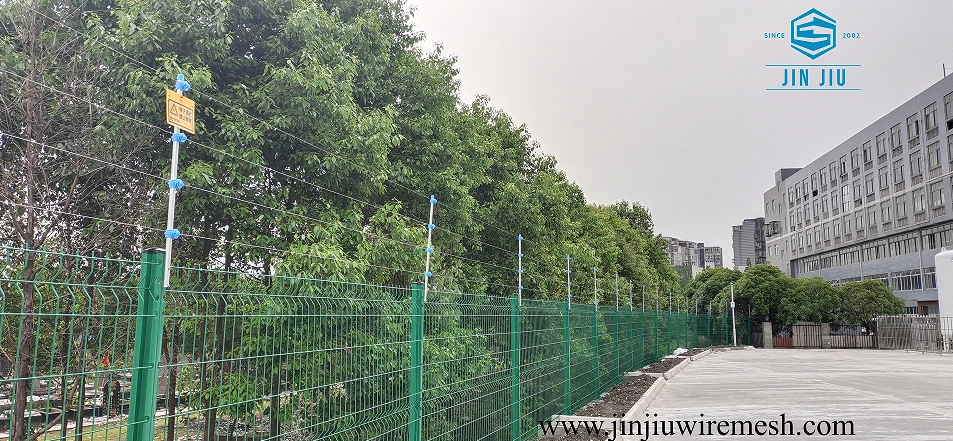
The Strategic Role of the Industrial Electric Fence in Modern Commerce
The protection of corporate and manufacturing assets has transitioned from a matter of simple boundary marking to a complex necessity of risk management.
2026-02-25 15:29:03
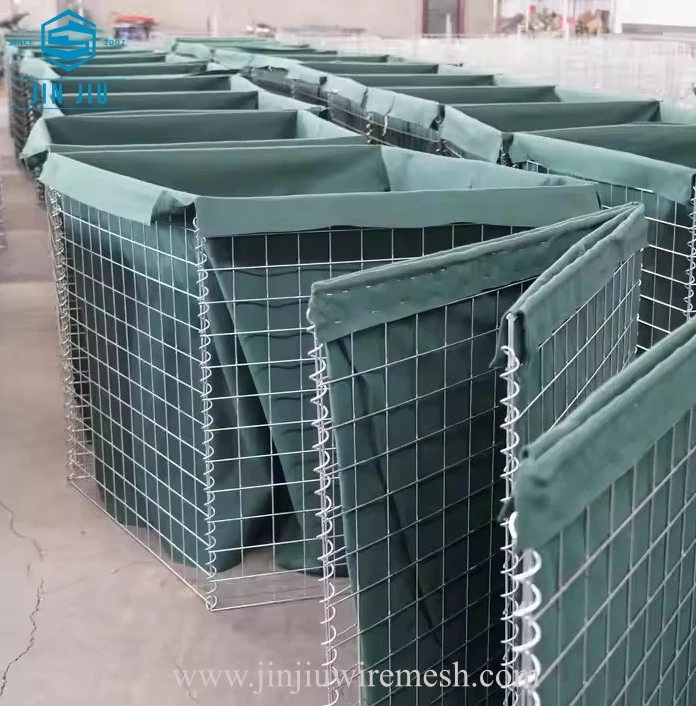
The Evolution of Physical Protection: Bullet Resistant Defensive Barriers in Modern Security
In an increasingly unpredictable global landscape, the requirement for high-level ballistic protection has moved beyond the battlefield and into the core of civilian and industrial security infrastructure.
2026-02-25 15:26:58
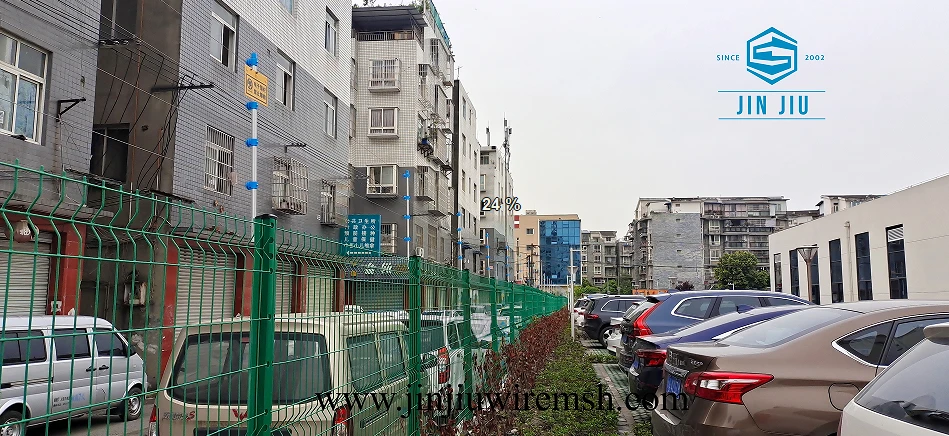
The Digital Backbone of Modern Security: Connected Pulse Monitoring Electric Fence Architecture
The traditional concept of a perimeter has undergone a fundamental transformation.
2026-02-25 15:24:13
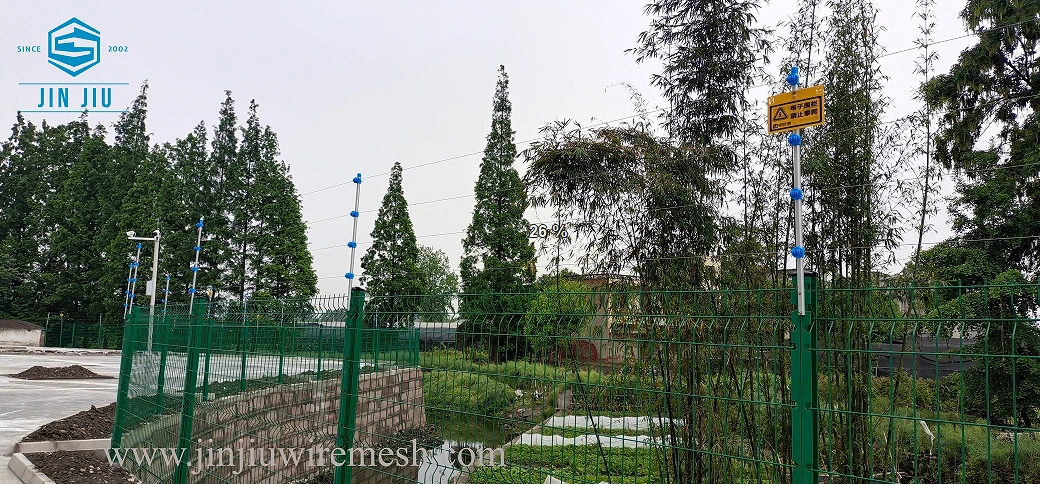
Securing the Unreachable with a Powerful Pulse Electric Fence
In the realm of global security, the distinction between a standard boundary and a high-security perimeter is often defined by the technology pulsing through the wires.
2027-04-14 00:00:00
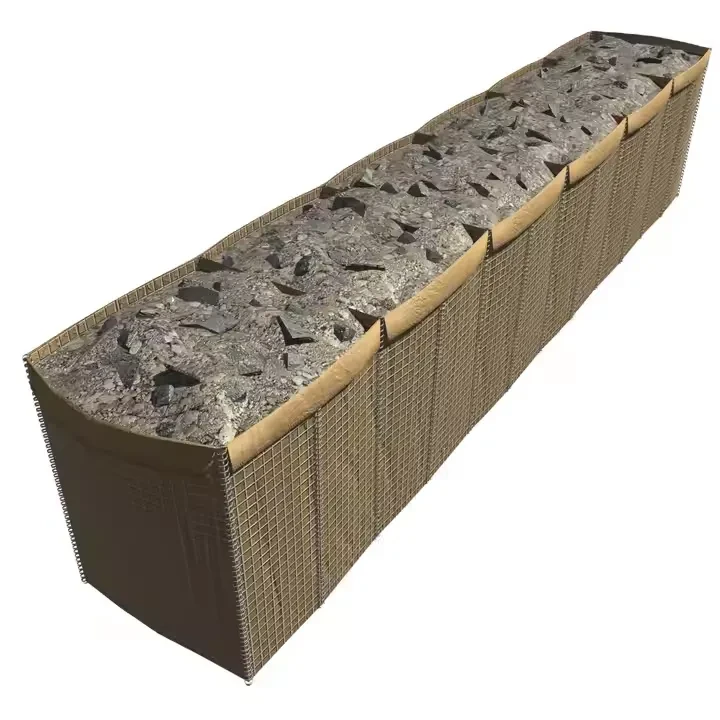
Engineering Resilience with Explosion Proof Defensive Barriers
In an era where industrial safety and national security are increasingly intertwined, the necessity for specialized protection in volatile environments has never been higher.


 English
  Albanian
  Arabic
  Bengali
  Czech
Czech  Danish
  Dutch
Dutch  Finnish
  French
  German
  Japanese
  Malay
Malay  Persian
  Polish
  Portuguese
  Romanian
  Russian
  Serbian
  Spanish
  Swahili