





Hebei Jinjiu Metal Products Co.,Ltd


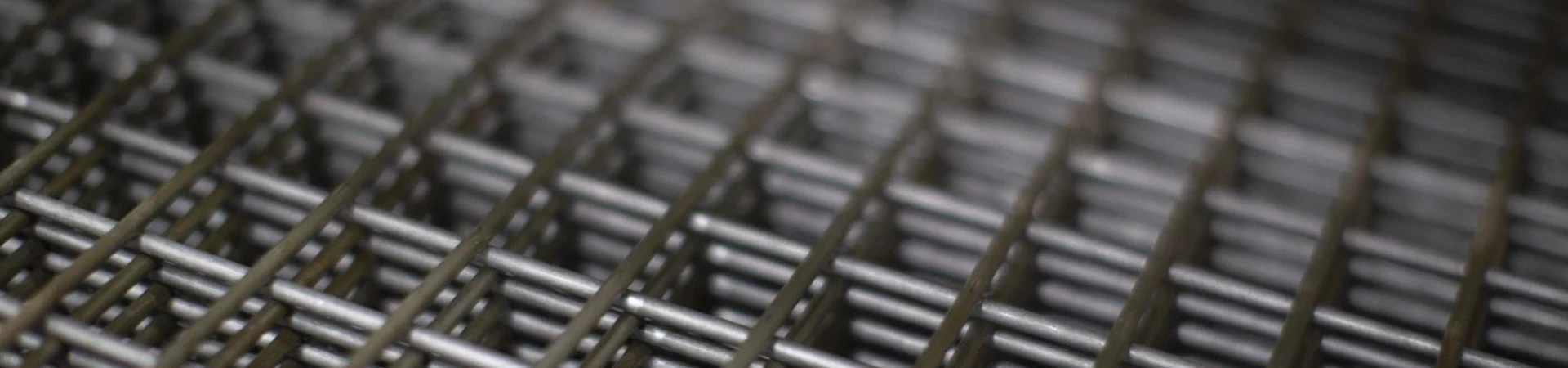

Durable and Versatile Tank Track Winding Metal Wire Net Solutions
Nov . 27, 2025 18:35
Understanding the Tank Track Winding Metal Wire Net: A Modern Industrial Marvel
At first glance, the phrase tank track winding metal wire net might sound like something out of a military scrapyard inventory or a niche engineering manual. But it’s surprisingly central to a slew of industries worldwide, from construction to environmental management. Why should you care? Well, these nets form the backbone of securing, shaping, and protecting materials across the globe — a humble hero in fields where durability and adaptability matter the most.
In this article, we’ll unpack what tank track winding metal wire nets really are, why they’re suddenly so relevant, explore their key features, and look at future innovations you might not expect.
Why the Tank Track Winding Metal Wire Net Matters Globally
Globally, industrial mesh and wire products are booming. According to ISO standards and trade reports, the segment plays a crucial role in everything from infrastructure fortification to disaster relief. In fact, wire mesh demand has risen roughly 4% annually in the last decade, especially in developing regions. But here’s the kicker: the tank track winding metal wire net addresses some deep challenges.
Think about it — securing uneven terrains, stabilizing slopes in mountainous regions prone to landslides, or creating fast-deploy protective barriers. This specialized wire netting technique combines toughness and flexibility uniquely. When rough conditions meet modern needs, you get a product designed almost like nature’s own protective armor, but made from metal wire.
This is why NGOs, construction firms, and military logistics are increasingly adopting it — to withstand the toughest environments while remaining relatively lightweight and easy to deploy.
What Is a Tank Track Winding Metal Wire Net?
Simply put, a tank track winding metal wire net is a woven or interlaced mesh made by winding metal wires, often galvanized steel or stainless steel, onto a track-like framework resembling a tank’s track. This construction provides a resilient, highly durable net that absorbs impacts and adapts to uneven surfaces.
Unlike plain wire mesh, this tank-track style winding increases tension resistance and prevents deformation under heavy stress, making it ideal in applications where stability is paramount.
In humanitarian aid, these nets canvas temporary shelters or secure perimeter fences rapidly. In industrial sectors, they’re brilliant for conveyor belts that must handle abrasive materials without fail.
Core Components That Make These Nets So Effective
Durability: Metal That Withstands the Test of Time
The wire is typically galvanized or coated to prevent corrosion. Many engineers I’ve talked to swear by stainless steel wires for harsh chemical environments. This protection makes the net resistant to weather, abrasion, and chemical exposure.
Scalability: Custom Sizes for Every Job
From tiny mesh sizes just a few centimeters across to multi-meter wide nets, the tank track winding metal wire net can be scaled easily. This is crucial when tackling industrial zones of varying sizes or adapting to unique terrains.
Flexibility & Strength: The Balancing Act
The winding technique provides a net that flexes slightly but doesn’t snap or deform permanently. This combination means it fits around irregular shapes without sacrificing load-bearing capability.
Cost Efficiency: Affordable Yet Reliable
Ironically, these nets, while rugged, often come at competitive prices compared to alternative reinforcements. The balance of quality and economy is why they’re popular in emerging markets.
Easy Installation & Maintenance
Thanks to the winding design, the nets are relatively lightweight for their strength. This reduces manpower and equipment costs, especially when timelines are tight.
Mini takeaway: It’s the metal’s material quality combined with the tank track winding’s design that gives these nets unmatched resistance, flexibility, and value.
Global Applications and Real-World Use Cases
The application spectrum is wide, so let’s touch on some vivid examples:
- Disaster Relief Efforts: In earthquake or flood-prone areas, rapid deployment of wire netting shelters or perimeter protections has saved infrastructure and lives. The nets help create temporary fences or reinforcing walls to stabilize rubble.
- Mining & Industrial Zones: Conveyor belts transporting heavy ores or abrasives use tank track winding metal wire nets to minimize wear and tear. Locations in South America and Australia especially benefit due to rough terrain.
- Environmental Rehabilitation: Wire nets are used to anchor newly planted vegetation on steep slopes in Asia and Europe, reducing landslide risks.
- Military Applications: Fortifications and barriers use these nets to enhance protection with mobility.
Mini takeaway: These nets aren’t just industrial tools — they’re part of solutions tackling real human and environmental challenges worldwide.
Advantages & The Long-Term Value of Tank Track Winding Metal Wire Nets
Let’s face it: industrial products aren’t just about specs. The tank track winding metal wire net offers a solid mix of logic and emotion in its benefits:
- Cost-Effectiveness: Lower operational & maintenance costs over years.
- Safety and Reliability: Because failure isn’t an option in hazardous environments.
- Environmental Sustainability: Many manufacturers now incorporate recycled metals and encourage repurposing.
- Social Impact: Used in humanitarian aid, these nets provide safety and dignity for displaced communities.
- Innovation & Trust: As engineers and project managers increasingly insist on this technology, trust in its performance grows.
Product Specification Table
| Specification | Tank Track Net Type A | Tank Track Net Type B |
|---|---|---|
| Wire Material | Galvanized Steel | Stainless Steel 304 |
| Mesh Size | 25 mm x 25 mm | 50 mm x 50 mm |
| Wire Diameter | 3.0 mm | 4.5 mm |
| Max Load Capacity | 1000 kg/m² | 1500 kg/m² |
| Typical Weight | 12 kg/m² | 18 kg/m² |
Vendor Comparison: Choosing the Right Supplier
| Vendor | Product Range | Price (per m²) | Lead Time | Special Services |
|---|---|---|---|---|
| Jinjiu Wire Mesh | Wide (custom sizes & finishes) | $25 - $35 | 2-4 weeks | Custom fabrication & export assistance |
| SteelNet Global | Selective sizes, bulk orders | $20 - $30 | 3-5 weeks | Volume discounts |
| MetroWire Suppliers | Standard products only | $18 - $28 | 1-3 weeks | Quick shipment |
Future Trends & Innovations in Wire Net Technology
It feels like every year we hear about smarter, greener industrial products, and the tank track winding metal wire net is no exception. Innovations focus on:
- Eco-Friendly Materials: Using recycled metals and environmentally safer coatings is becoming standard.
- Digital Fabrication: Automation and precision CNC machines enable highly customized and consistent mesh designs.
- Smart Nets: Embedded sensors to detect strain, corrosion, or damage in real-time for predictive maintenance.
- Lightweight Alloys: Experimentation with aluminum-zinc coatings or specialty alloys that reduce weight while maintaining strength.
Also, international policy pressure for greener construction materials (ISO 14001, for one) nudges manufacturers towards sustainability without sacrificing performance.
Tackling Challenges: What to Watch Out for and How to Solve Them
Despite their advantages, these nets can face limits like:
- Corrosion in Extreme Environments: Even galvanized wire needs replacement cycles if exposed to saltwater or acids.
- Installation Complexity: In tight or hard-to-reach areas, accurate placement requires trained crews.
- Cost Considerations: High-grade stainless steel nets can stretch budgets.
Experts recommend:
- Using advanced coatings or duplex layers for corrosive sites.
- Training local teams on installation best practices.
- Considering hybrid solutions or phased upgrades.
FAQ: Your Top Questions on Tank Track Winding Metal Wire Net
How durable are tank track winding metal wire nets in coastal areas?
With proper galvanization or stainless steel options, these nets can last over 10 years even in salty, humid conditions. However, periodic inspections and maintenance extend their lifespan significantly.
Can these nets be customized for unusual shapes or sizes?
Absolutely. One of their biggest selling points is scalability and customization — many vendors like tank track winding metal wire net suppliers offer bespoke fabrication to fit project specifics.
Are these wire nets eco-friendly?
Yes, increasingly. Many manufacturers integrate recycled metals and eco-friendly coatings. Plus, their durability means less frequent replacement, limiting waste. It's a logical step toward sustainable industrial solutions.
How quickly can these nets be deployed in emergency scenarios?
Depending on size and access, installation can be rapid — often within hours for small-to-medium projects. Their lightweight yet strong nature speeds transport and setup, critical for disaster relief.
What industries benefit the most from tank track winding metal wire nets?
Mining, construction, environmental management, military fortifications, and humanitarian agencies top the list. Each values their combination of flexibility, strength, and cost-effectiveness.
Conclusion: Why Invest in Tank Track Winding Metal Wire Nets?
Over time, the tank track winding metal wire net proves itself as an industrial cornerstone. From providing safety and stability in disaster zones to improving efficiency in mining operations, these nets bring tangible value — economically and socially.
For project managers, engineers, or NGO coordinators, investing in this technology means embracing durability, adaptability, and future-ready innovation at once.
If you’re curious about next-level wire mesh solutions, check out tank track winding metal wire net options and discover how they can transform your projects.
Reflecting on this, it’s clear how a relatively simple industrial product can play a surprisingly complex role in making the world a bit safer, more efficient, and ever so slightly greener. That’s the beauty of good engineering.
References:

Related Products
Related News


2026-03-16 14:21:07
Discover durable farming solutions and flexible animal containment with hinge-knot field fence. Combining impact-resistant design and customizable options, Hebei Jinjiu ensures quality for agricultural applications. Explore now: https://www.jinjiuwiremesh.com/field-fencefarm-fence.html
2026-03-16 14:21:07
Discover durable farming solutions and flexible animal containment with hinge-knot field fence. Combining impact-resistant design and customizable options, Hebei Jinjiu ensures quality for agricultural applications. Explore now: https://www.jinjiuwiremesh.com/field-fencefarm-fence.html
2027-04-14 00:00:00
Discover durable farming solutions and flexible animal containment with hinge-knot field fence. Combining impact-resistant design and customizable options, Hebei Jinjiu ensures quality for agricultural applications. Explore now: https://www.jinjiuwiremesh.com/field-fencefarm-fence.html
2026-02-25 15:31:06
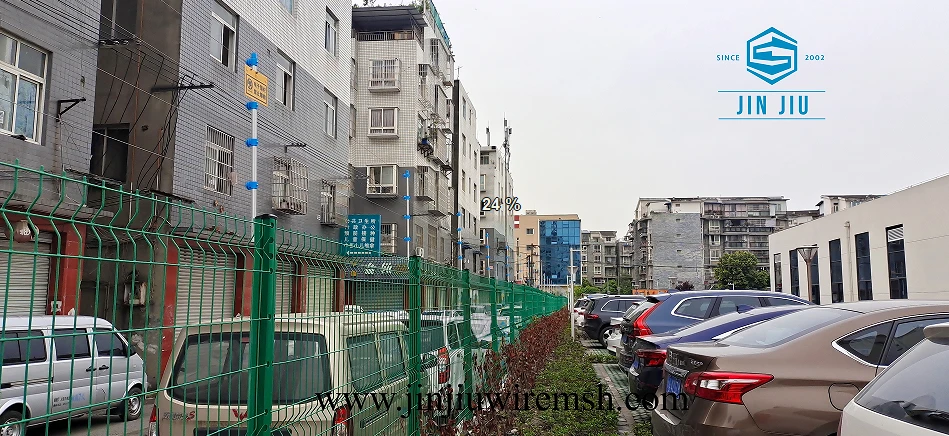
The Strategic Role of the Industrial Electric Fence in Modern Commerce
The protection of corporate and manufacturing assets has transitioned from a matter of simple boundary marking to a complex necessity of risk management.
2026-02-25 15:29:03
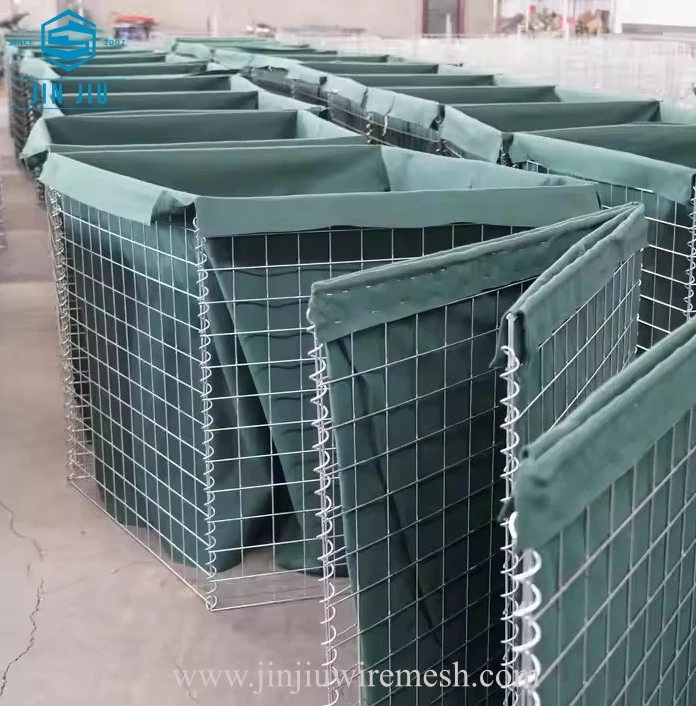
The Evolution of Physical Protection: Bullet Resistant Defensive Barriers in Modern Security
In an increasingly unpredictable global landscape, the requirement for high-level ballistic protection has moved beyond the battlefield and into the core of civilian and industrial security infrastructure.
2026-02-25 15:26:58
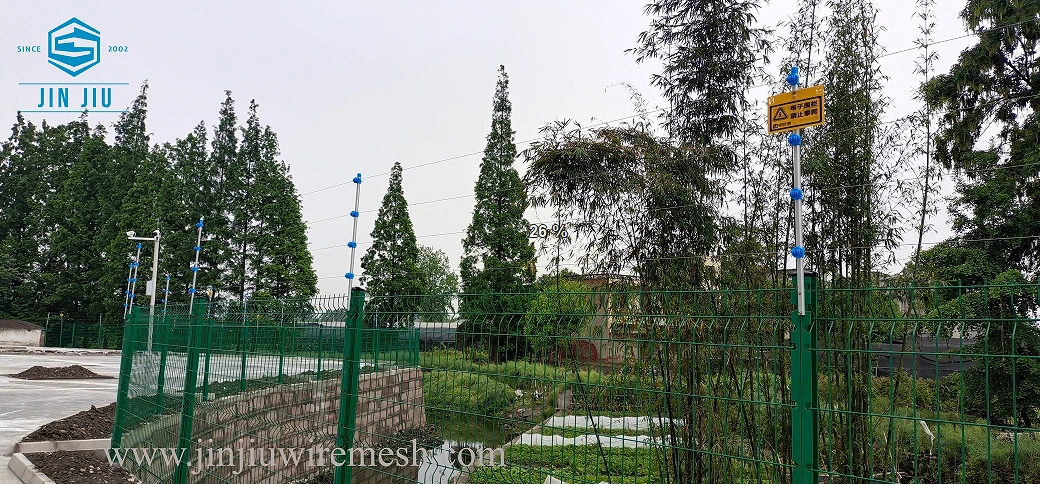
The Digital Backbone of Modern Security: Connected Pulse Monitoring Electric Fence Architecture
The traditional concept of a perimeter has undergone a fundamental transformation.
2026-02-25 15:24:13
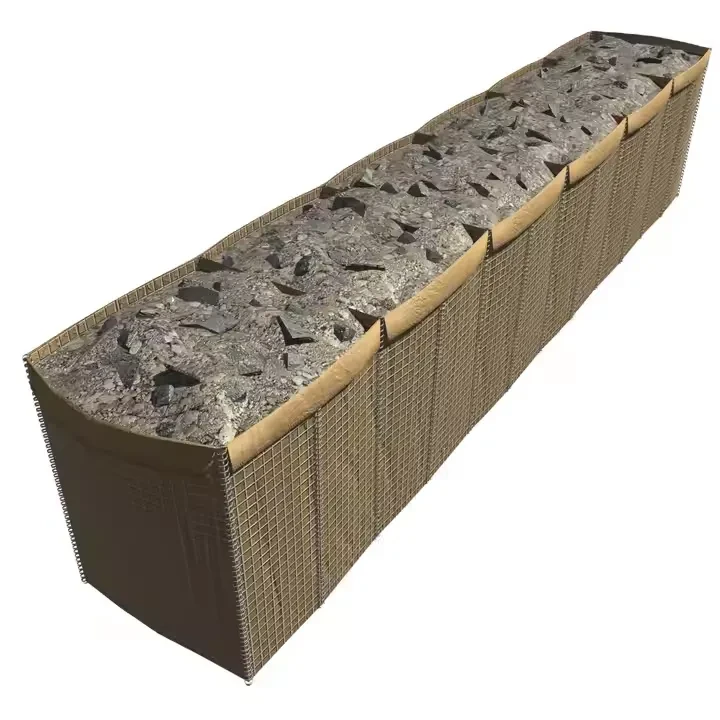
Securing the Unreachable with a Powerful Pulse Electric Fence
In the realm of global security, the distinction between a standard boundary and a high-security perimeter is often defined by the technology pulsing through the wires.
2027-04-14 00:00:00
Engineering Resilience with Explosion Proof Defensive Barriers
In an era where industrial safety and national security are increasingly intertwined, the necessity for specialized protection in volatile environments has never been higher.


 English
  Albanian
  Arabic
  Bengali
  Czech
Czech  Danish
  Dutch
Dutch  Finnish
  French
  German
  Japanese
  Malay
Malay  Persian
  Polish
  Portuguese
  Romanian
  Russian
  Serbian
  Spanish
  Swahili