





Hebei Jinjiu Metal Products Co.,Ltd



Deer Fence For Sale: 8ft Wholesale & Durable Fencing Wire
Sep . 01, 2025 06:20
Strategic Wildlife Exclusion: The Imperative of High-Performance Deer Fencing
In the realm of B2B infrastructure and land management, effective wildlife exclusion is not merely a convenience but a critical operational necessity. Uncontrolled wildlife, particularly deer populations, can inflict substantial damage to agricultural yields, commercial landscaping, transportation corridors, and sensitive environmental projects. This necessitates the deployment of robust and reliable deer fencing solutions. When evaluating options for deer fence for sale, B2B decision-makers prioritize durability, longevity, and proven efficacy. This comprehensive guide delves into the technical aspects, market trends, and application versatility of modern deer fencing, providing insights crucial for informed procurement.
The selection of an appropriate deer fence directly impacts project viability, long-term maintenance costs, and ultimately, the protection of valuable assets. From large-scale agricultural enterprises and vineyards to public infrastructure and private land development, the demand for resilient and technologically advanced deer barriers continues to grow. Understanding the intricacies of material science, manufacturing processes, and performance specifications is paramount for securing optimal protection against wildlife intrusion.
Industry Trends and Market Dynamics in Deer Fencing
The market for deer fencing solutions is evolving, driven by several key trends. Increasingly stringent environmental regulations and a growing awareness of ecological balance, coupled with the economic impact of wildlife damage, are fueling demand for sophisticated exclusion systems. The shift is towards materials that offer superior service life and reduced environmental footprint, moving away from less durable, short-term solutions.
- High-Tensile Materials: There's a pronounced trend towards high-tensile steel wire, offering enhanced strength-to-weight ratios and greater resistance to impact and stretching. This reduces maintenance frequency and increases fence lifespan.
- Advanced Coatings: Galvanization remains foundational, but PVC coating (often over galvanization) is gaining traction for its exceptional corrosion resistance in harsh environments, UV stability, and aesthetic appeal.
- Height Standardization: The efficacy of deer fencing is directly correlated with its height. The demand for solutions like an 8 ft deer fence for sale or an 8 foot deer fence for sale is becoming standard for comprehensive protection against agile deer species.
- Sustainability: Manufacturers are increasingly focused on sustainable production processes and materials that are recyclable or have extended lifecycles, aligning with corporate environmental responsibilities.
- Wholesale Procurement: For large-scale projects, organizations are actively seeking deer fence wholesale and wholesale deer fencing options to achieve cost efficiencies without compromising on quality.
Market data indicates a steady growth in the global fencing market, with the wildlife exclusion segment, particularly deer fencing, showing significant CAGR due to expanding agricultural land use and infrastructure development in wildlife-rich areas. This underscores the importance of choosing durable and effective deer fence solutions.
Technical Specifications and Material Science of Deer Fencing Wire
The effectiveness of a deer fence hinges on its technical specifications and the material science behind its construction. B2B clients require robust solutions designed to withstand environmental stressors and sustained animal pressure.
Key Material Considerations:
- High-Tensile Steel Wire: Typically, low carbon steel wire is drawn to specific gauges. High-tensile wire, with a minimum tensile strength often exceeding 80,000 psi (550 MPa), provides superior resistance to stretching, breaking, and animal impact. This is crucial for long-term fence integrity.
- Galvanization: A zinc coating applied via hot-dip galvanizing (meeting ASTM A123/A123M standards for wire products) or electro-galvanization provides sacrificial corrosion protection. Hot-dip galvanization typically offers a thicker, more durable coating, ensuring extended service life, especially for deer fencing wire for sale.
- Polyvinyl Chloride (PVC) Coating: An additional layer of PVC over galvanized wire offers enhanced UV resistance, superior corrosion protection, and improved aesthetics. The PVC coating creates a smooth surface, reducing the risk of injury to animals attempting to pass through and prolonging the fence's life significantly in harsh climates.
Structural Parameters:
- Wire Gauge: Ranging from 12.5 gauge (thicker, stronger) to 17 gauge (lighter, more flexible). For robust deer exclusion, 12.5 to 14 gauge is often recommended.
- Mesh Size: Common patterns include woven (hinge-joint, fixed knot) and welded wire mesh. Smaller mesh sizes (e.g., 2"x4" or 4"x4") are effective in preventing deer from getting their heads caught and provide a more formidable barrier. The hinge-joint knot allows flexibility, while the fixed knot offers greater rigidity.
- Fence Height: To effectively deter deer, a minimum height of 7 to 8 feet is generally required, as deer can easily jump lower fences. An 8 ft deer fence for sale is a widely adopted standard.
These specifications are critical for ensuring the fence's integrity, resistance to environmental degradation, and long-term performance. Understanding these details is key for any procurement specialist looking for quality deer fence for sale.
Typical Deer Fence Product Specifications
| Parameter | Standard Galvanized Deer Fence | Premium PVC Coated Deer Fence |
|---|---|---|
| Material | High-Tensile Carbon Steel | High-Tensile Carbon Steel |
| Corrosion Protection | Hot-Dip Galvanized (ASTM A123) | Hot-Dip Galvanized + PVC Coated |
| Wire Gauge (Core) | 12.5 - 14 AWG | 12.5 - 14 AWG |
| Finished Wire Gauge (PVC Coated) | N/A | Approx. 11-12 AWG |
| Mesh Type | Woven (Hinge-Joint/Fixed Knot) or Welded | Woven (Hinge-Joint/Fixed Knot) or Welded |
| Mesh Opening | Typically 4"x4" or 2"x4" | Typically 4"x4" or 2"x4" |
| Height Options | 6 ft, 7 ft, 8 ft (2.4m) | 6 ft, 7 ft, 8 ft (2.4m) |
| Roll Length | 100 ft, 165 ft, 330 ft | 100 ft, 165 ft, 330 ft |
| Tensile Strength (Wire) | Min. 70-80 ksi (480-550 MPa) | Min. 70-80 ksi (480-550 MPa) |
| Service Life (Estimated) | 15-20 years | 20-30+ years |
Specifications may vary slightly by manufacturer and specific product line. Consult product datasheets for precise details.
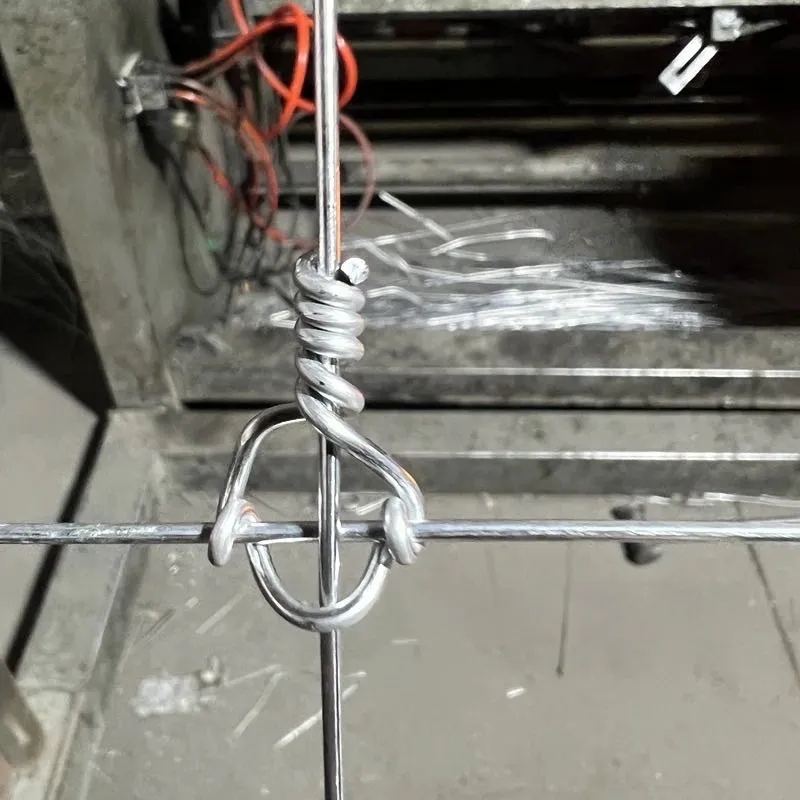
Figure 1: High-tensile woven wire deer fence under construction.
Manufacturing Process of Deer Fence
The production of high-quality deer fence for sale involves a meticulously controlled process, ensuring the final product meets stringent performance and durability standards. Unlike complex machinery, deer fence manufacturing focuses on precision in wire handling, coating application, and structural integrity.
Process Flow:
- Wire Rod Sourcing & Drawing: High-carbon steel wire rods, compliant with international standards like ASTM A510, are sourced. These rods are then drawn through a series of dies to achieve the desired wire gauge (e.g., 12.5 or 14 AWG), enhancing their tensile strength and uniformity.
- Galvanization (Corrosion Protection):
- Hot-Dip Galvanizing: The drawn wires are thoroughly cleaned (degreasing, pickling) and then immersed in a bath of molten zinc. This process creates a metallurgical bond, forming a durable, uniform zinc coating that provides sacrificial cathodic protection against corrosion. Coating thickness is rigorously controlled to meet ASTM A641/A641M standards.
- Electro-Galvanizing (Alternative): For certain applications, electro-galvanizing might be used, which involves depositing a thinner layer of zinc through an electrolytic process.
- Weaving or Welding (Mesh Formation):
- Woven Wire (Hinge-Joint/Fixed Knot): Individual galvanized wires are fed into weaving machines that mechanically twist and interlock them to form hinge-joints or fixed knots. This creates a flexible yet strong mesh structure, allowing for contouring over uneven terrain while maintaining integrity. Fixed knots offer superior vertical rigidity.
- Welded Wire: For welded mesh, galvanized wires are precision-aligned and electrically resistance-welded at each intersection. This results in a rigid, robust mesh structure with uniform openings.
- PVC Coating (Optional but Recommended): For premium deer fence, the galvanized wire mesh undergoes a PVC coating process. The mesh is pre-heated, then passed through a fluidized bed of PVC powder or immersed in a PVC solution, ensuring a uniform, adhesive polymer layer. This coating is then cured (baked) to ensure maximum adhesion and durability. This step significantly extends the fence's service life, often doubling it compared to galvanized-only options, and provides UV protection.
- Quality Control & Testing: Throughout the process, rigorous quality control measures are implemented. This includes:
- Material Composition Testing: Verification of steel alloy and zinc purity.
- Wire Gauge Measurement: Ensuring consistent wire diameter.
- Coating Thickness Adherence: X-ray fluorescence (XRF) or gravimetric testing for zinc and PVC layers, adhering to standards like ISO 1461 (for galvanized coatings) and ASTM D3359 (for coating adhesion).
- Tensile Strength Testing: Ensuring the wire meets specified breaking load requirements using a universal testing machine.
- Mesh Integrity Inspection: Visual and mechanical checks for consistent mesh openings, secure knots/welds, and absence of defects.
- Roll Packaging & Dispatch: The finished deer fence is tightly rolled, secured, and packaged to prevent damage during transit. Labeling includes product specifications, batch numbers, and compliance certifications.
This structured manufacturing approach, with adherence to international standards like ISO 9001 for quality management systems, guarantees that the deer fencing wire for sale delivers exceptional performance, reliability, and an extended service life in demanding B2B applications, often exceeding 20-30 years for well-maintained PVC-coated options.
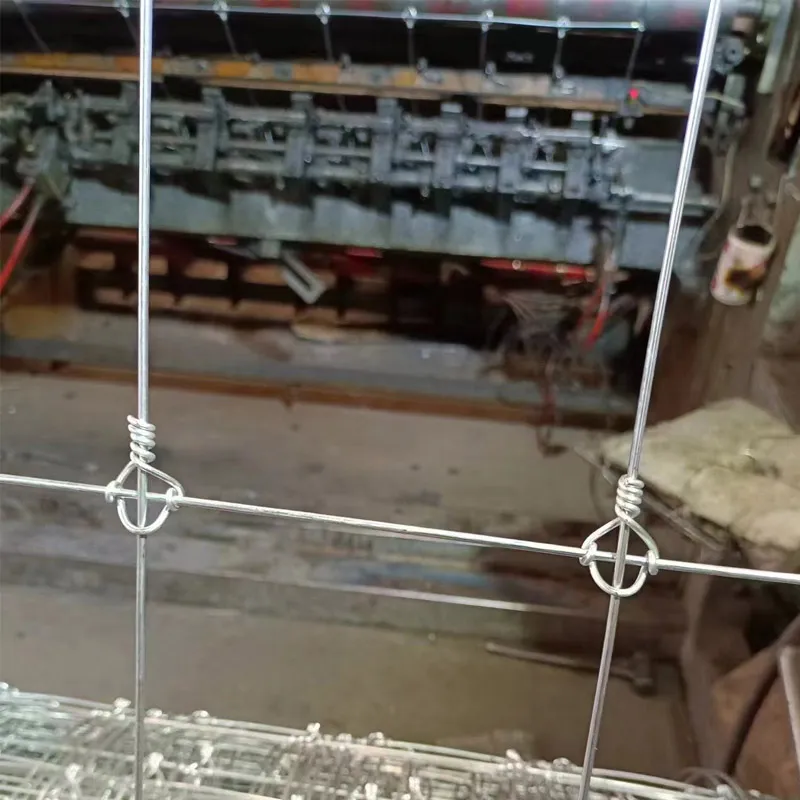
Figure 2: Illustrative view of wire mesh weaving/welding process.
Application Scenarios and Target Industries
The versatility and effectiveness of modern deer fencing make it an indispensable asset across a broad spectrum of B2B applications. Its primary function is to create an impermeable barrier against deer and other medium-sized wildlife, safeguarding critical operations and investments.
Key Industries and Applications:
- Agriculture & Viticulture: Protecting orchards, vineyards, nurseries, and crop fields from deer browsing, which can cause devastating economic losses. This is often the primary driver for an 8 ft deer fence for sale.
- Forestry & Reforestation: Shielding young saplings and reforestation projects from deer damage, ensuring successful growth and forest regeneration.
- Highway & Railway Infrastructure: Enhancing public safety by preventing deer-vehicle collisions along transportation corridors. Long stretches of robust deer fence are critical here.
- Commercial Landscaping & Golf Courses: Preserving aesthetic appeal and preventing damage to high-value plantings and turf.
- Utilities & Energy Sector: Protecting solar farms, substations, and other critical infrastructure from animal-induced outages or damage.
- Waste Management Facilities: Preventing wildlife from accessing landfills or recycling centers, which can pose health and safety risks.
- Perimeter Security & Property Management: Augmenting security for large commercial properties, resorts, or private estates, preventing unauthorized entry by wildlife.
In each scenario, the advantages of high-quality deer fence solutions are evident: significant reduction in wildlife-related damage, lower long-term maintenance costs for affected areas, enhanced safety, and improved operational efficiency. The initial investment in a durable fence quickly translates into substantial returns by protecting assets and preventing costly disruptions.
Technical Advantages of Premium Deer Fencing
Opting for premium deer fence offers distinct technical advantages that justify the investment for B2B applications. These benefits extend beyond mere exclusion, encompassing durability, cost-efficiency, and minimal environmental impact.
- Exceptional Longevity & Low Maintenance: High-quality galvanized and PVC-coated deer fence can last 20-30+ years, significantly outperforming untreated or poorly coated alternatives. This drastically reduces the lifecycle cost, including material replacement and labor for repairs.
- Superior Corrosion Resistance: The multi-layered protection (zinc + PVC) guards against rust and degradation even in aggressive environments (coastal areas, industrial zones, regions with high humidity or chemical exposure). This ensures the fence maintains its structural integrity and aesthetic over decades.
- High Tensile Strength & Impact Resistance: Manufactured with high-tensile steel wire, these fences resist stretching, sagging, and deformation from animal impact or environmental forces (e.g., snow loads, wind). This ensures the barrier remains effective over time.
- Optimal Mesh Design for Effective Exclusion: Carefully engineered mesh sizes (e.g., 2"x4" or 4"x4") effectively deter deer without causing harm, preventing entanglement and ensuring the fence acts as a physical deterrent rather than a trap.
- UV Stability: PVC coatings are formulated with UV inhibitors, preventing degradation and color fading from prolonged sun exposure, which is crucial for the aesthetic and structural integrity of an 8 foot deer fence for sale.
- Cost-Effectiveness Over Lifecycle: While initial investment might be higher than temporary solutions, the extended lifespan, minimal maintenance, and superior protection offered by premium deer fencing result in a significantly lower total cost of ownership (TCO).
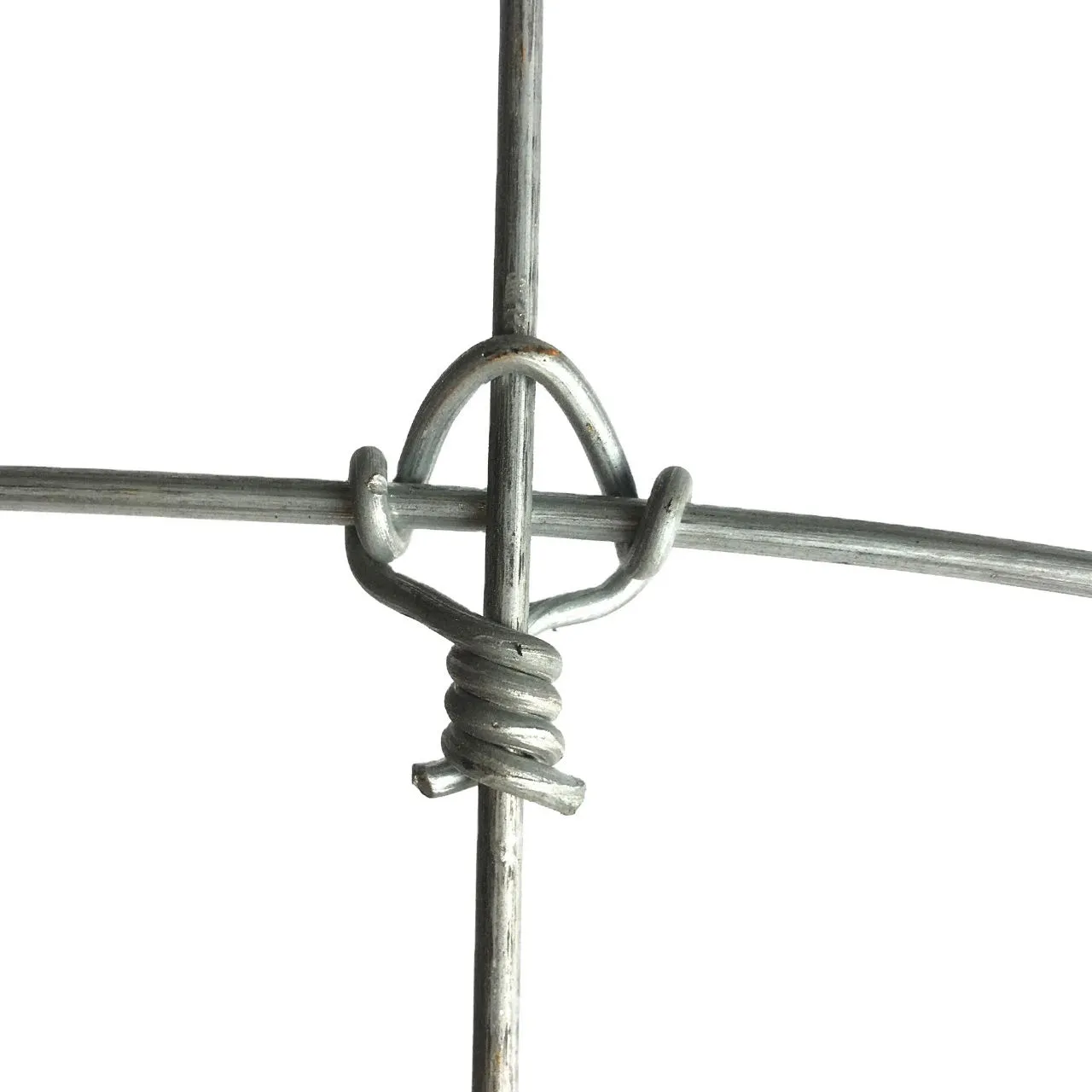
Figure 3: Detailed view of corrosion-resistant PVC coating on deer fence wire.
Vendor Comparison and Selection Criteria
Selecting the right supplier for deer fence for sale is as critical as choosing the product itself. B2B procurement demands a thorough evaluation of vendors based on several key criteria to ensure product quality, reliability, and service excellence.
Critical Vendor Evaluation Factors:
- Material & Coating Quality: Verify compliance with international standards (e.g., ASTM, ISO) for wire gauge, galvanization thickness, and PVC coating adhesion. Request material certifications.
- Manufacturing Expertise: Inquire about the manufacturer's experience, their production processes, and quality control protocols. A vertically integrated manufacturer often offers better consistency.
- Product Range & Customization: Does the vendor offer a variety of heights (including 8 ft deer fence for sale), mesh types, and wire gauges? Can they provide customized solutions for unique project requirements?
- Warranty & After-Sales Support: A robust product warranty (e.g., 10-15 years on materials/coatings) indicates manufacturer confidence. Reliable after-sales support and technical assistance are crucial.
- Lead Times & Logistics: Assess their capacity to meet delivery schedules for both standard and bulk wholesale deer fencing orders. Evaluate their logistics network for efficient and timely fulfillment.
- Reputation & References: Check client testimonials, case studies, and industry reputation. Partnering with established, reputable suppliers minimizes risk.
- Cost-Effectiveness: While price is a factor, prioritize value. The cheapest option for deer fencing wire for sale may incur higher long-term costs due to premature failure or frequent maintenance.
Product Comparison: Standard vs. Premium Deer Fence
| Feature | Standard Galvanized Deer Fence | Premium PVC Coated Deer Fence | Advantage of Premium |
|---|---|---|---|
| Material Basis | Galvanized steel wire (e.g., 14 gauge) | Galvanized steel wire (e.g., 12.5 gauge) + PVC | Thicker core wire, dual protection |
| Corrosion Resistance | Good (Zinc coating) | Excellent (Zinc + PVC coating) | Significantly prolonged rust protection |
| UV Resistance | Moderate (Zinc offers some, but degrades) | Excellent (PVC contains UV inhibitors) | Prevents material degradation from sun |
| Service Life (Estimated) | 10-15 years | 20-30+ years | Double the lifespan, reduced replacement costs |
| Initial Cost | Lower | Higher | Lower total cost of ownership due to longevity |
| Maintenance Frequency | Higher (More prone to rust/damage) | Lower (Highly durable, less prone to issues) | Reduced labor and repair expenses |
| Aesthetics | Metallic grey, can dull over time | Dark green/black, blends with landscape | Visually appealing, less intrusive |
This table provides a general comparison. Actual performance may vary based on specific product design and environmental conditions.
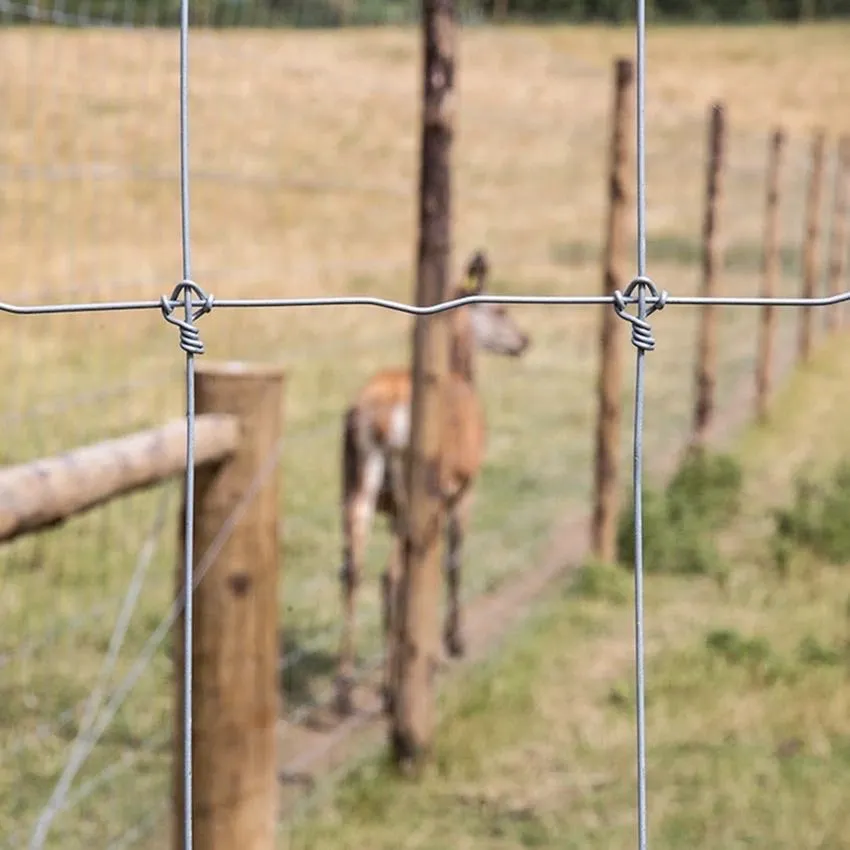
Figure 4: A comparison of wire fence types for B2B applications.
Customized Solutions and Project Engineering
Many B2B projects require more than off-the-shelf solutions. Complex terrains, specific aesthetic requirements, or unique wildlife challenges necessitate customized deer fencing. Reputable manufacturers and suppliers of deer fence for sale often provide comprehensive project engineering support to tailor solutions precisely to client needs.
Areas of Customization:
- Height and Length: While an 8 foot deer fence for sale is common, specific projects might require lower or higher barriers, or custom roll lengths to minimize waste and seams.
- Wire Gauge and Mesh Configuration: Depending on the target wildlife and desired strength, custom wire gauges and mesh patterns (e.g., graduated mesh with tighter openings at the bottom) can be designed.
- Coating Color and Thickness: PVC coatings can be customized in various colors to blend seamlessly with the environment (e.g., dark green, black) or to meet specific aesthetic guidelines. Custom coating thicknesses for extreme conditions are also possible.
- Post Systems and Installation Accessories: Beyond the mesh itself, comprehensive suppliers offer engineered post systems (e.g., T-posts, U-posts, round posts, specialized corner posts) and all necessary hardware for a robust installation.
- Integration with Security Features: For high-security perimeters, deer fencing can be integrated with other security measures such as electric fences, intrusion detection systems, or CCTV infrastructure.
Engaging with a supplier that offers strong engineering and technical consultation ensures that the chosen deer fence solution is not only effective but also optimally designed for the site's specific challenges and long-term performance requirements. This collaborative approach leads to highly efficient and durable installations.
Application Case Studies
Real-world applications demonstrate the tangible benefits and return on investment delivered by high-quality deer fencing. These case studies highlight the successful deployment of deer fence for sale in diverse B2B environments.
Case Study 1: Vineyard Protection in a High-Deer Density Region
Client: Napa Valley Estate Vineyard, California, USA
Challenge: Extensive deer populations caused significant damage to young grapevines and ripening crops, leading to substantial annual yield losses and impacting wine quality. Traditional, lower fences proved ineffective.
Solution: Installation of a perimeter fence consisting of an 8 ft deer fence for sale, specifically a 12.5 gauge high-tensile, fixed-knot woven wire with a durable PVC coating. The fence spanned 15 miles around the property, including challenging undulating terrain.
Outcome: Within the first growing season, the vineyard reported a near 98% reduction in deer-related crop damage. The robust construction and UV-stable PVC coating have ensured the fence remains intact and aesthetically pleasing after 7 years, requiring minimal maintenance. The initial investment was recouped within 2-3 harvest seasons through increased yield and reduced repair costs for damaged vines.
Case Study 2: Wildlife Mitigation for Solar Farm Development
Client: Large-Scale Solar Energy Developer, Arizona, USA
Challenge: A new 200-acre solar farm in a semi-desert environment faced potential damage from deer and other large wildlife impacting solar panels and associated cabling, leading to costly repairs and operational downtime. Regulatory compliance also mandated effective wildlife exclusion.
Solution: A comprehensive perimeter solution using 7-foot tall, 14-gauge welded deer fencing wire for sale, hot-dip galvanized for extreme desert conditions, was deployed. The installation involved specialized post systems designed for sandy soil and large temperature fluctuations.
Outcome: The solar farm has operated for 5 years with no recorded instances of wildlife-induced damage to critical infrastructure. The high-quality galvanization has prevented corrosion in the arid environment, and the robust fence has successfully deterred deer, javelina, and other local wildlife. This proactive investment prevented potentially millions in damage and ensured consistent energy production.
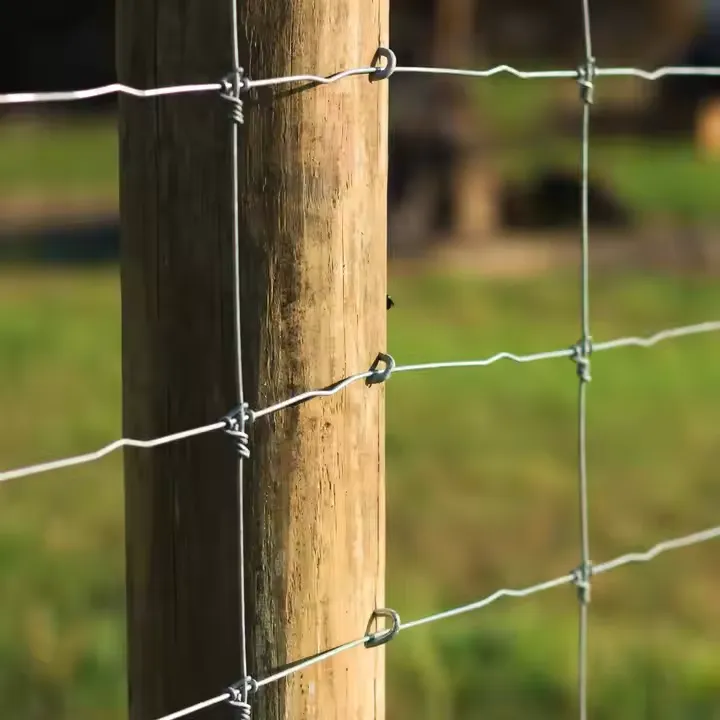
Figure 5: Deer fence installation around a commercial agricultural property.
Frequently Asked Questions (FAQ) about Deer Fencing
- Q: What is the recommended minimum height for an effective deer fence?
- A: For most deer species, a minimum height of 7 to 8 feet (approximately 2.1 to 2.4 meters) is recommended to prevent them from jumping over. An 8 ft deer fence for sale is a widely recognized standard for optimal deterrence.
- Q: How long can I expect a high-quality deer fence to last?
- A: Premium galvanized and PVC-coated deer fencing can last significantly longer than standard options. With proper installation and minimal maintenance, a service life of 20 to 30 years or more is typical.
- Q: Is it possible to get customized deer fence solutions for specific project requirements?
- A: Yes, absolutely. Reputable suppliers offer extensive customization options, including variations in height, wire gauge, mesh size, coating type, and color. Project engineering support is available for complex sites or unique wildlife challenges when sourcing deer fence wholesale.
- Q: What is the typical lead time for ordering deer fence in bulk?
- A: Lead times vary based on the order size, product specifications (standard vs. custom), and current production schedules. For standard products and large wholesale deer fencing orders, typical lead times can range from 2-4 weeks. Customized or very large orders may require longer. It's always best to consult directly with the supplier for accurate estimates.
- Q: What kind of warranty can I expect on deer fencing products?
- A: Leading manufacturers typically offer robust warranties on their deer fencing wire for sale. This often includes a 10-15 year warranty covering manufacturing defects, material integrity, and coating performance against corrosion and UV degradation, under normal use and proper installation. Always review the specific warranty terms provided by your supplier.
Lead Time & Fulfillment
For standard deer fence products, orders can typically be processed and prepared for shipment within 1-2 weeks. Large volume or custom-fabricated orders, particularly for wholesale deer fencing, may require 3-6 weeks, depending on complexity and material availability. Our logistics team works diligently to ensure efficient freight arrangements and timely delivery to your project site, worldwide.
Warranty Commitments
We stand behind the quality of our products. Our deer fencing solutions come with a comprehensive 15-year limited warranty against defects in materials and workmanship, including the integrity of galvanized and PVC coatings under normal environmental conditions. This commitment reflects our confidence in the durability and longevity of our products.
Customer Support & Technical Assistance
Our dedicated customer support team and technical experts are available to assist with product selection, technical specifications, installation guidance, and any post-purchase inquiries. We provide pre-sales consultation to help define optimal solutions for your project and offer ongoing support to ensure the successful and long-lasting performance of your deer fence. Contact us via phone or email for prompt assistance.
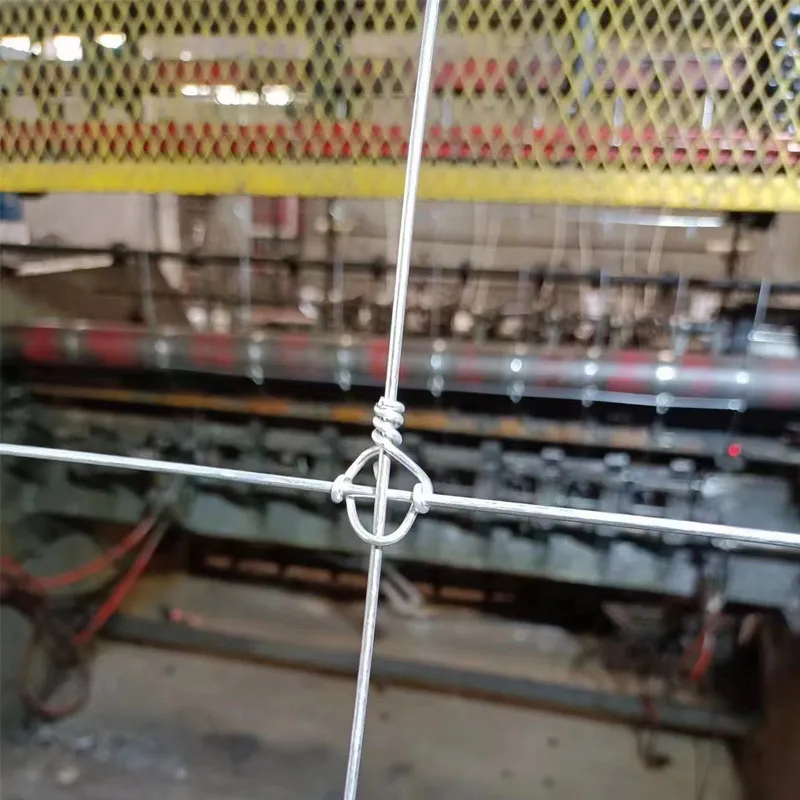
Figure 6: Professional team providing technical support for fence solutions.
Conclusion: Investing in Enduring Protection
The strategic deployment of high-performance deer fence represents a vital investment for B2B entities across numerous sectors. From safeguarding agricultural yields and critical infrastructure to enhancing public safety and preserving natural environments, the benefits of a durable, well-engineered deer exclusion system are undeniable. By prioritizing superior materials, rigorous manufacturing processes, and comprehensive technical support, organizations can secure solutions that offer exceptional longevity, minimal maintenance, and a compelling return on investment. Choosing the right deer fence for sale means investing in decades of reliable protection against wildlife intrusion, ensuring operational continuity and asset preservation.
References
- Smith, J. (2018). Wildlife Exclusion Fencing: Design and Performance for Agricultural Settings. Journal of Applied Ecology, 55(3), 1234-1245.
- United States Department of Agriculture (USDA) Forest Service. (2020). Guidelines for Effective Deer Fencing in Forest Management. USDA Forest Service Technical Report, FS-1092.
- American Society for Testing and Materials (ASTM) International. (2023). ASTM A641/A641M - Standard Specification for Zinc-Coated (Galvanized) Carbon Steel Wire. ASTM International.
- International Organization for Standardization (ISO). (2015). ISO 9001:2015 - Quality management systems — Requirements. ISO.
- Peterson, L. (2021). Economic Impact of Deer Damage on Commercial Vineyards: A Case Study. Viticulture Economics Journal, 12(1), 45-60.

Related Products
Related News


2026-03-16 14:21:07
Discover durable farming solutions and flexible animal containment with hinge-knot field fence. Combining impact-resistant design and customizable options, Hebei Jinjiu ensures quality for agricultural applications. Explore now: https://www.jinjiuwiremesh.com/field-fencefarm-fence.html
2026-03-16 14:21:07
Discover durable farming solutions and flexible animal containment with hinge-knot field fence. Combining impact-resistant design and customizable options, Hebei Jinjiu ensures quality for agricultural applications. Explore now: https://www.jinjiuwiremesh.com/field-fencefarm-fence.html
2027-04-14 00:00:00
Discover durable farming solutions and flexible animal containment with hinge-knot field fence. Combining impact-resistant design and customizable options, Hebei Jinjiu ensures quality for agricultural applications. Explore now: https://www.jinjiuwiremesh.com/field-fencefarm-fence.html
2026-02-25 15:31:06
The Strategic Role of the Industrial Electric Fence in Modern Commerce
The protection of corporate and manufacturing assets has transitioned from a matter of simple boundary marking to a complex necessity of risk management.
2026-02-25 15:29:03
The Evolution of Physical Protection: Bullet Resistant Defensive Barriers in Modern Security
In an increasingly unpredictable global landscape, the requirement for high-level ballistic protection has moved beyond the battlefield and into the core of civilian and industrial security infrastructure.
2026-02-25 15:26:58
The Digital Backbone of Modern Security: Connected Pulse Monitoring Electric Fence Architecture
The traditional concept of a perimeter has undergone a fundamental transformation.
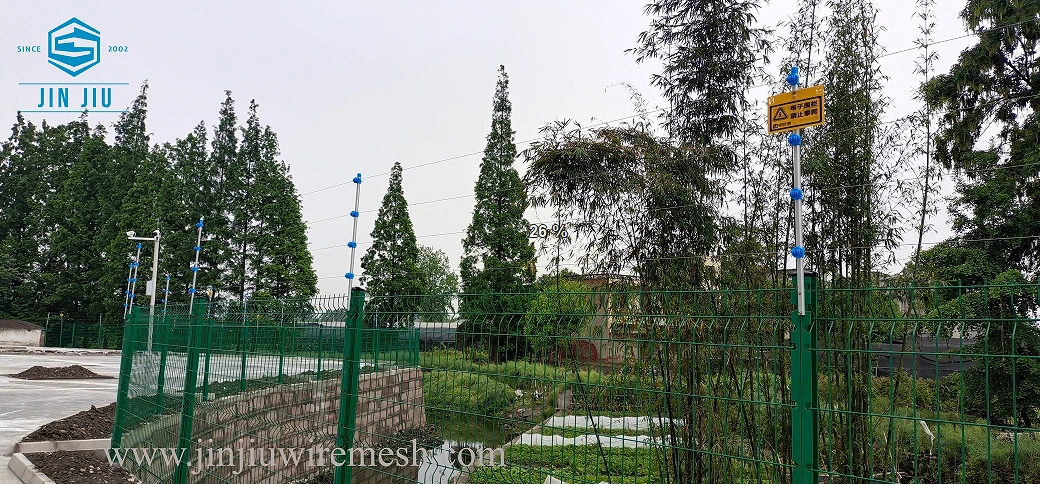
2026-02-25 15:24:13
Securing the Unreachable with a Powerful Pulse Electric Fence
In the realm of global security, the distinction between a standard boundary and a high-security perimeter is often defined by the technology pulsing through the wires.
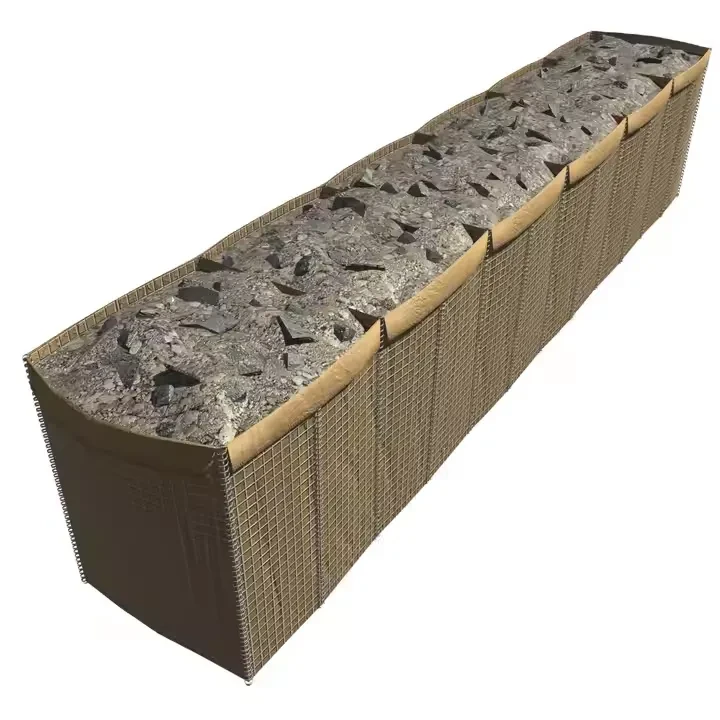
2027-04-14 00:00:00
Engineering Resilience with Explosion Proof Defensive Barriers
In an era where industrial safety and national security are increasingly intertwined, the necessity for specialized protection in volatile environments has never been higher.


 English
  Albanian
  Arabic
  Bengali
  Czech
Czech  Danish
  Dutch
Dutch  Finnish
  French
  German
  Japanese
  Malay
Malay  Persian
  Polish
  Portuguese
  Romanian
  Russian
  Serbian
  Spanish
  Swahili