





Hebei Jinjiu Metal Products Co.,Ltd



Electric Fence System: Ultimate Security & Animal Control
Aug . 31, 2025 06:20
Understanding Advanced electric fence system Technology for B2B Applications
In an era where security and perimeter control are paramount, the evolution of electric fence system technology has reshaped strategies for both containment and deterrence across various sectors. Modern fence systems transcend simple physical barriers, integrating sophisticated electronics to provide robust, real-time security solutions. This comprehensive overview delves into the intricate world of advanced electric fencing, from its core components and manufacturing processes to its diverse applications and significant advantages for B2B stakeholders, including detailed technical specifications and market insights relevant to high-voltage alarm equipment and solar fence security systems.
These systems are engineered not only to deter unauthorized access but also to provide immediate alerts, making them an indispensable asset for property protection, asset security, and wildlife management in commercial, industrial, and agricultural environments.
Industry Trends in Electric Fence Systems
The global market for perimeter security, which includes electric fence system solutions, is experiencing substantial growth, driven by escalating security threats, technological advancements, and the demand for integrated security solutions. Projections indicate the global perimeter security market size is set to reach approximately USD 35-40 billion by 2028, with a Compound Annual Growth Rate (CAGR) of 8-10% from 2023. Key trends shaping this growth include:
- IoT and AI Integration: Increasingly, electric fence system energizers and monitoring units are being integrated with IoT platforms and AI-driven analytics. This allows for real-time remote monitoring, predictive maintenance, and intelligent false alarm reduction through advanced pattern recognition.
- Solar Power Adoption: The demand for sustainable and off-grid solutions has propelled the adoption of solar-powered electric security fence systems. This is particularly beneficial for remote installations in agriculture and large industrial perimeters where conventional power access is limited or costly.
- Enhanced Deterrence and Detection: Systems are evolving beyond simple shock delivery to incorporate multi-layered deterrence (visual, audible alarms) and sophisticated detection capabilities (e.g., zone monitoring, tension sensors, fiber optic cables integrated into the fence line).
- Customization and Scalability: Manufacturers are focusing on modular and scalable solutions that can be tailored to diverse site requirements, from small residential electric fencing system for home applications to extensive industrial and agricultural installations.
- Regulatory Compliance: Growing emphasis on safety standards and certifications (e.g., IEC 60335-2-76 for energizers, CE, RoHS compliance) drives manufacturers to produce safer and more reliable products.
These trends underscore a move towards more intelligent, energy-efficient, and highly integrated perimeter security solutions, offering enhanced control and peace of mind for B2B clients.
Technical Specifications and Core Components
An effective power fencing system comprises several critical components, each meticulously engineered for optimal performance and durability. Understanding these technical specifications is crucial for selecting the right system for specific B2B needs.
Key Components:
- Energizer (Fencer): The heart of the system, converting low-voltage DC (or AC) into high-voltage, low-amperage pulses. Key parameters include:
- Joule Output: Measures the stored energy (joules) and output energy, dictating the shock strength and fence line capacity. Commercial energizers range from 1 to over 50 joules.
- Voltage: Peak output voltage (typically 5,000-10,000 V) and operating voltage under load.
- Pulse Rate: Number of pulses per minute (e.g., 40-60 pulses/minute for security, 20-30 for animal control).
- Power Source: AC (mains), DC (battery), or Solar (integrated panel and battery).
- Smart Features: Zone monitoring, fault detection, remote control via apps or central security systems.
- Fence Line Conductors: Materials designed for optimal conductivity and longevity.
- Galvanized Steel Wire: High tensile strength, excellent conductivity, and corrosion resistance (e.g., 12.5 gauge, 2.5 mm diameter).
- Polywire/Polytapes/Polyropes: Incorporate stainless steel conductors woven into UV-stabilized polyethylene, ideal for temporary fencing or high visibility.
- Braided Wire: Combines multiple strands for increased strength and conductivity.
- Insulators: Critical for preventing voltage leakage from the live wire to the fence posts. Made from UV-resistant high-density polyethylene or ceramic.
- Fence Posts: Provide structural support. Materials include wood, fiberglass, steel, or composite, chosen based on durability, cost, and environmental factors.
- Earthing System: Essential for the fence to deliver an effective shock. Proper grounding involves multiple earth rods connected to the energizer.
- Warning Signs: Required by law in many regions to alert people to the presence of an electric fence.
- Monitoring Systems: Alarm panels, siren, strobe lights, and integration modules for central monitoring.
Product Specification Table: High Voltage Alarm Equipment Solar Fence Security System
Below are typical specifications for a modern solar-powered electric security fence system:
| Feature | Specification | Notes |
|---|---|---|
| Model Name | Solar Fence Security System (e.g., JJ-SFS-50J) | High Voltage Alarm Equipment |
| Energizer Output Energy | 5 - 50 Joules (User Configurable) | Actual output depends on fence load. |
| Peak Output Voltage | 8,000V - 12,000V | For effective deterrence, non-lethal. |
| Pulse Rate | Adjustable, 0.8 - 1.5 seconds per pulse | Compliant with IEC 60335-2-76. |
| Fence Length Capacity | Up to 50 km (multi-strand) | Dependent on wire type and installation. |
| Power Source | Integrated Solar Panel (e.g., 30W-100W) & Rechargeable Battery (e.g., 12V 20Ah-100Ah) | Continuous operation even on cloudy days. |
| Alarm System | Integrated Siren (120dB), Strobe Light, SMS/App Notification (optional GSM/Wi-Fi module) | Instant breach detection. |
| Enclosure Material | UV-resistant ABS/Polycarbonate (IP54/IP65 rated) | Weatherproof for outdoor installation. |
| Operating Temperature | -20°C to +60°C | Broad environmental adaptability. |
| Certifications | CE, RoHS, ISO 9001:2015 | Ensures product quality and safety. |
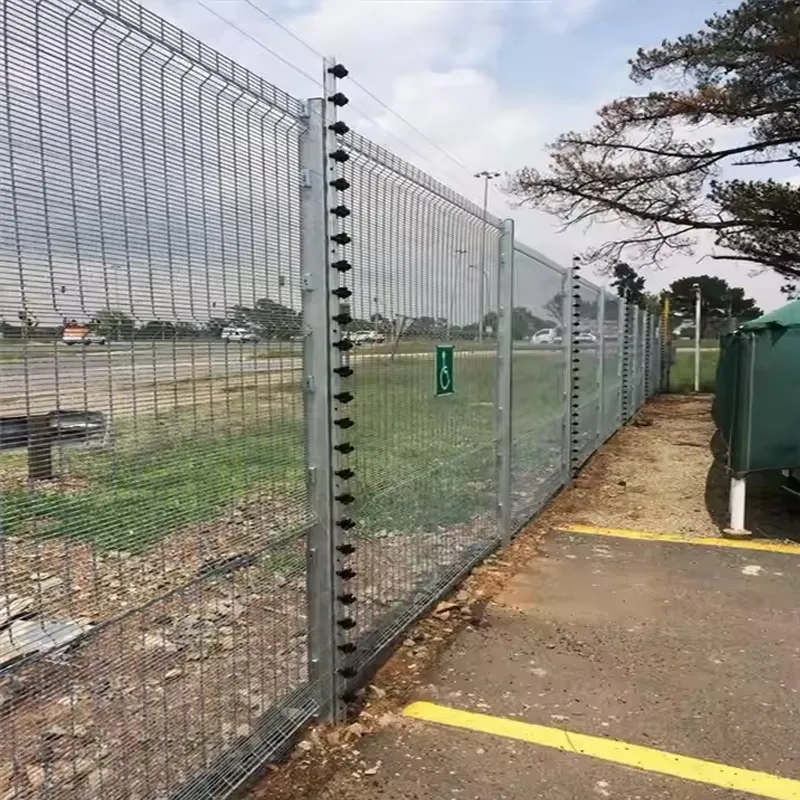
Manufacturing Process Flow of an Electric Fence System
The production of a reliable electric fence system involves a multi-stage manufacturing process, ensuring precision, durability, and compliance with stringent international standards. This process encompasses both the electronic energizer units and the physical fence line components.
1. Energizer Manufacturing (High Voltage Alarm Equipment):
- Component Sourcing & Quality Control: High-quality electronic components (capacitors, resistors, microcontrollers, transformers), solar panels, and durable battery cells are sourced from certified suppliers. Incoming quality control (IQC) ensures compliance with specifications.
- Printed Circuit Board (PCB) Assembly: Automated Surface Mount Technology (SMT) and Through-Hole Technology (THT) lines populate PCBs. Critical components like the high-voltage transformer are carefully integrated.
- Casing Fabrication: Energizer casings are typically manufactured using injection molding from robust, UV-resistant ABS or polycarbonate plastics. This process ensures precise dimensions and weatherproofing (IP54/IP65 ratings).
- Final Assembly: PCBs, power modules (including solar charge controllers), batteries, and alarms are assembled within the casing. Wiring harnesses are meticulously connected to ensure proper electrical pathways and safety.
- Functionality & Performance Testing: Each energizer undergoes rigorous testing:
- Voltage Output Test: Verifying peak voltage and pulse duration against specified parameters.
- Joule Energy Test: Measuring stored and output energy.
- Environmental Stress Testing: Subjection to varying temperatures and humidity to ensure long-term reliability.
- Electromagnetic Compatibility (EMC) Testing: Ensuring minimal interference with other electronic devices.
- Safety Standard Compliance: Verification against IEC 60335-2-76 (Electric Fence Energizers Safety Standard), CE, and RoHS directives.
- Solar Panel Integration & Testing: For solar models, the solar panel's charging efficiency and battery management system are tested under various light conditions.
2. Fence Line Components Manufacturing:
- Wire Production: High-tensile steel wire undergoes galvanization for superior corrosion resistance, crucial for extended outdoor service life (often exceeding 20 years). Polywire involves weaving stainless steel conductors into UV-stabilized polymer fibers.
- Testing Standards: ASTM A641 (galvanized wire), tensile strength per EN 10244.
- Insulator Molding: Insulators are injection-molded from specialized UV-resistant and high-dielectric strength polymers (e.g., HDPE or Nylon 6). This ensures insulation integrity against environmental degradation.
- Testing Standards: Dielectric strength, UV degradation resistance (e.g., ISO 4892-2).
- Post & Accessory Fabrication: Fence posts (steel, fiberglass, or composite) are cut, formed, and treated for corrosion resistance. Components like tensioners and connectors are often stamped or cast from galvanized steel or aluminum.
Target Industries & Advantages:
The manufacturing process ensures components are tailored for challenging environments found in industries such as:
- Petrochemical & Energy: Perimeter security for refineries, power plants, and substations, leveraging corrosion resistance and robust construction.
- Metallurgy & Mining: Protection of valuable assets and control of access in harsh industrial settings.
- Water Supply & Drainage: Securing critical infrastructure like pumping stations and reservoirs from vandalism or unauthorized access.
- Agriculture: Durable solutions for livestock containment and predator control in vast, often remote, areas.
These advantages, including energy saving (especially solar variants), enhanced corrosion resistance, and extended service life (up to 25 years for high-quality components), directly contribute to reduced total cost of ownership (TCO) and superior operational reliability for B2B clients.
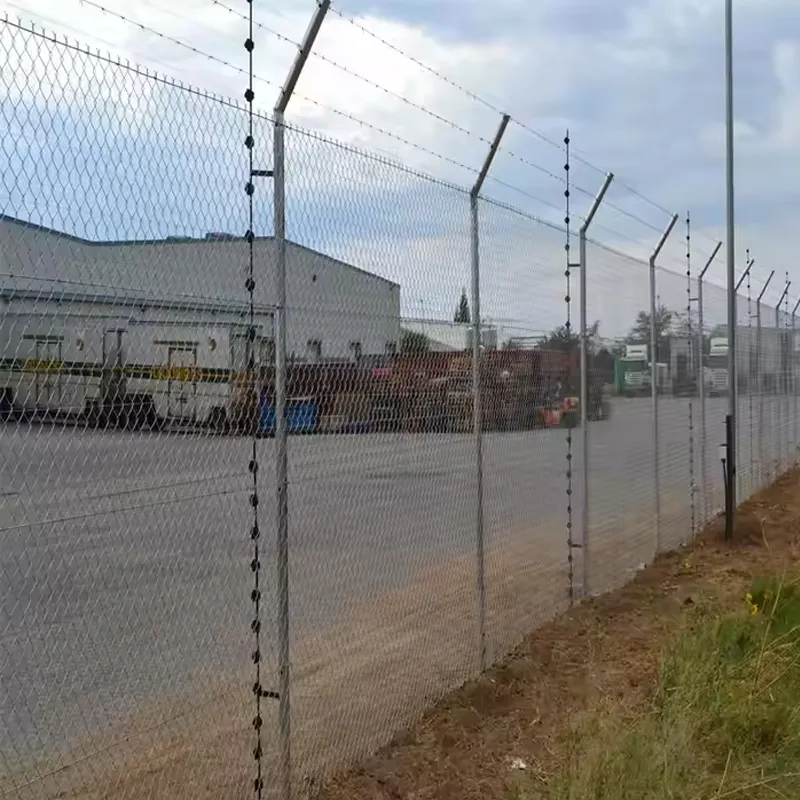
Application Scenarios for Electric Fence Systems
The versatility of an electric fence system makes it suitable for a wide array of applications, catering to distinct B2B needs for security, containment, and management.
1. Residential Security (Garden & Villa Electric Fence):
- Perimeter Protection: An electric fencing system for home provides a formidable first line of defense for villas, sprawling gardens, and gated communities. It actively deters intruders with a non-lethal, high-voltage shock and triggers immediate alarms upon contact or breach attempt.
- Asset Protection: Safeguards luxury vehicles, outdoor equipment, and valuable landscaping.
- Integration: Easily integrates with existing home security systems, CCTV, and smart home automation platforms for centralized monitoring and control.
- Aesthetics: Modern designs often allow for discreet installation, blending with architectural aesthetics without compromising security.
2. Agricultural Containment (Electric Fencing System for Agriculture):
- Livestock Management: Efficiently controls and contains various animals, from cattle and sheep to horses, preventing escapes and managing grazing patterns across large fields. The psychological effect teaches animals to respect the fence.
- Predator Control: Protects livestock from predators such as wolves, coyotes, and wild dogs, significantly reducing losses.
- Crop Protection: Deters wildlife (e.g., deer, wild boar) from entering and damaging crops, especially in remote areas where human patrolling is impractical.
- Rotational Grazing: Facilitates easy and cost-effective establishment of temporary paddocks for optimal pasture management, improving soil health and animal welfare.
3. Industrial and Commercial Perimeter Security:
- Critical Infrastructure: Protects sensitive sites like data centers, telecommunication hubs, power stations, water treatment plants, and government facilities from sabotage, theft, and unauthorized entry.
- Logistics & Warehousing: Secures large depots, storage facilities, and transport hubs where high-value goods are stored, preventing inventory loss and property damage.
- Manufacturing & Factories: Provides robust perimeter defense for industrial complexes, safeguarding machinery, raw materials, and finished products.
- Military & Defense: Used for securing military installations, bases, and restricted areas, offering a crucial layer of detection and deterrence.
- Automotive Dealerships & Construction Sites: Deters theft of vehicles, equipment, and materials, which are often targets for organized crime.
In each scenario, the electric security fence provides not just a physical barrier but an active deterrent that contributes significantly to overall security posture, often at a lower operational cost than traditional manned guarding.
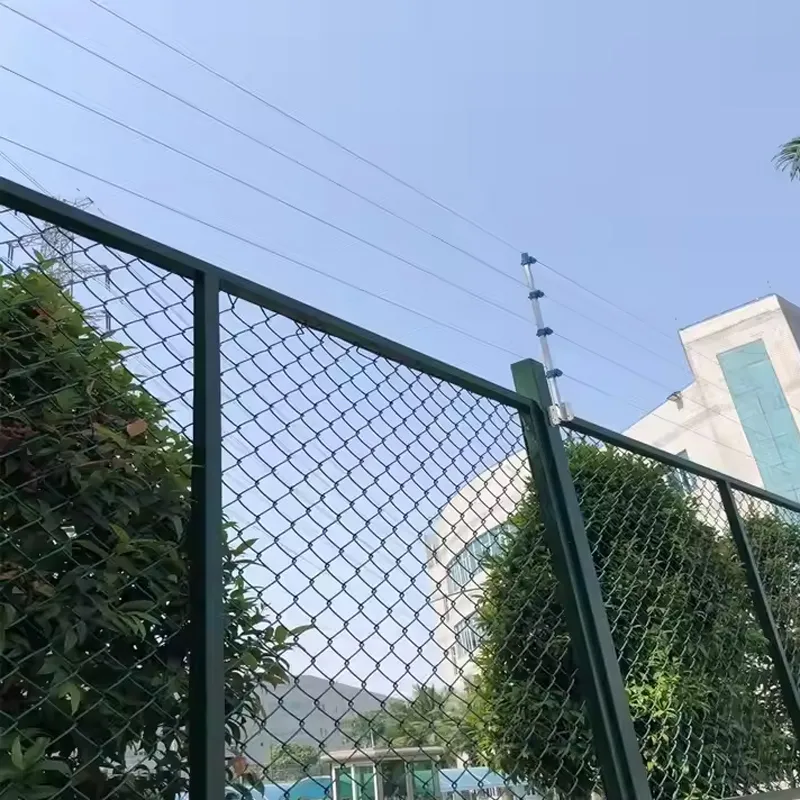
Technical Advantages of Modern Electric Fence Systems
Beyond basic deterrence, contemporary electric fence system solutions offer a suite of technical advantages that make them a superior choice for B2B security and containment challenges:
- Active Deterrence and Non-Lethal Shock: The visual presence of the fence, coupled with clear warning signs, provides a strong psychological deterrent. If breached, the system delivers a short, sharp, non-lethal electrical pulse (typically IEC 60335-2-76 compliant), designed to incapacitate momentarily without causing permanent harm, effectively discouraging intrusion attempts.
- Instant Breach Detection and Alarm Integration: Unlike passive barriers, an electric security fence instantly detects physical contact or attempts to cut/tamper with the fence lines. This triggers integrated alarms (sirens, strobe lights) and sends notifications via SMS, email, or to a central monitoring station, providing an early warning critical for rapid response.
- Cost-Effectiveness and Reduced Operational Expenses: When compared to continuous manned guarding or extensive passive security measures (like high walls with barbed wire requiring constant maintenance), the initial investment in a high-quality electric fence system often results in significantly lower long-term operational costs due to minimal human intervention and reduced maintenance. Solar-powered units further slash electricity bills.
- Scalability and Modularity: Modern systems are designed to be highly scalable, from small garden perimeters to multi-kilometer industrial estates. Components are modular, allowing for easy expansion, repair, and customization to match evolving security requirements and site layouts.
- Environmental Resilience and Durability: Components are manufactured from materials chosen for extreme weather resistance. UV-stabilized plastics, galvanized steel, and robust electronic casings ensure reliable operation in temperatures ranging from -20°C to +60°C and protection against moisture, dust, and corrosive elements.
- Energy Efficiency, Especially Solar Integration: Solar-powered energizers are highly energy-efficient, drawing power from renewable sources. Advanced battery management systems ensure continuous operation, even during extended periods of low sunlight, providing a reliable, eco-friendly solution.
- Reduced False Alarms: Advanced energizers incorporate sophisticated signal processing to differentiate between genuine intrusion attempts and environmental factors (e.g., small animals, falling branches), significantly reducing false alarms and ensuring security personnel focus on real threats.
Vendor Comparison: Evaluating Electric Fence System Providers
Choosing the right vendor for an electric fence system is critical for long-term reliability and effective security. While specific vendor names are not provided, we can compare offerings based on key differentiators important to B2B decision-makers. The market includes various manufacturers, some specializing in agricultural solutions, others in high-security industrial applications, and some offering a broad range like Jinjiu Wire Mesh.
Key Comparison Parameters:
| Feature/Service | Vendor A (e.g., Entry-level focus) | Vendor B (e.g., Advanced Industrial) | Vendor C (e.g., Comprehensive, like Jinjiu) |
|---|---|---|---|
| Product Range | Basic energizers, standard wire. Primarily for small farms/residential. | High-joule energizers, advanced sensors, integration modules. Focus on critical infrastructure. | Diverse range from residential to industrial. Solar, mains, battery options. Custom fence designs. |
| Technology & Innovation | Standard pulse technology. Limited smart features. | IoT-enabled, AI analytics, remote monitoring via cloud platforms. | Integrated solar, GSM/Wi-Fi modules, robust alarm systems, app control. Continuous R&D. |
| Certifications & Compliance | Basic local safety standards. | IEC 60335-2-76, CE, UL, ISO 9001, extensive documentation. | CE, RoHS, ISO 9001:2015. Adherence to international best practices. |
| Customization & Project Support | Limited customization. DIY friendly. | Extensive project design, engineering support, tailored solutions. | Flexible solutions for specific needs, site surveys, technical drawings, installation guidance. |
| Warranty & After-Sales | 1-2 year standard warranty. Basic support. | 3-5 year comprehensive warranty. Dedicated technical support, on-site service options. | 2-5 year component warranty. Responsive customer service, spare parts availability, remote troubleshooting. |
| Target Market | Small agricultural businesses, residential users. | Government, military, large corporations, critical infrastructure. | Residential villas, agriculture, small to medium industrial sites, B2B distributors. |
When evaluating a vendor, B2B clients should prioritize those who demonstrate a deep understanding of their specific industry challenges, offer products with verifiable certifications, and provide robust post-sales support, ensuring the long-term efficacy and reliability of the power fencing system.
Customized Solutions for Diverse Requirements
One of the significant strengths of modern electric fence system technology is its adaptability. B2B clients often face unique site challenges, requiring tailored solutions rather than off-the-shelf products. Manufacturers like Jinjiu Wire Mesh excel in providing highly customized electric fencing solutions.
- Site-Specific Design & Engineering: Customization begins with a detailed site assessment, considering terrain, existing infrastructure, security threats, and aesthetic requirements. This leads to bespoke fence line designs, including varying post heights, wire configurations (e.g., number of live strands, offset wires), and gate integration.
- Energizer & Power Options: Tailoring energizer joule output and power sources (mains, battery, or solar combinations) to the exact fence length and environmental conditions. For remote locations, larger solar arrays and battery banks can be specified to ensure continuous operation.
- Integration with Existing Security Infrastructure: Seamless integration with client's existing CCTV, access control systems, building management systems (BMS), and central alarm monitoring stations. This often involves specific communication protocols (e.g., Modbus, IP-based APIs) and customized alarm outputs.
- Multi-Zone Monitoring: For extensive perimeters, the electric security fence can be divided into multiple independent zones. This allows for precise localization of intrusion attempts, enabling faster and more targeted response by security teams. Each zone can have its own sensitivity settings and alarm parameters.
- Specialized Materials: For corrosive environments (e.g., coastal areas, chemical plants), specialized corrosion-resistant coatings or materials (e.g., marine-grade stainless steel wire) can be utilized for enhanced longevity.
- Compliance & Regulations: Custom solutions can be designed to meet specific local, national, or industry-specific safety and security regulations (e.g., requirements for public-facing fences, agricultural safety standards).
This ability to customize ensures that the installed fence systems are not only highly effective but also perfectly aligned with the client's operational workflow and security protocols, maximizing return on investment.
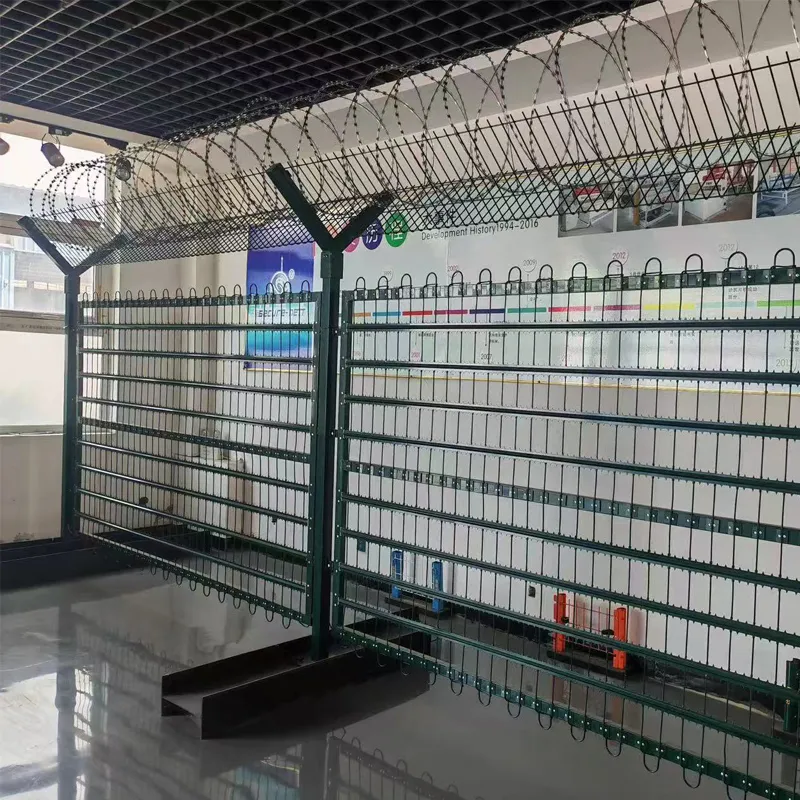
Application Case Studies: Real-World Impact
These case studies illustrate the tangible benefits and effectiveness of a well-implemented electric fence system across different B2B sectors.
Case Study 1: Large-Scale Agricultural Estate Perimeter Security
A large agricultural estate spanning over 1,500 acres, primarily involved in high-value crop cultivation and livestock breeding, faced persistent challenges with wildlife intrusion (deer, wild boar) damaging crops and occasional livestock theft. Traditional fencing was expensive to maintain and offered no immediate intrusion alert. A comprehensive electric fencing system for agriculture was installed along the entire perimeter.
- Solution: A multi-strand galvanized steel electric fence system powered by a robust 50-Joule energizer with integrated solar charging capabilities for remote sections. The system was segmented into 10 distinct zones, each with its own monitoring and alarm output linked to a central security hub via a GSM module.
- Results: Within six months, crop damage from wildlife was reduced by over 90%, and livestock theft incidents ceased entirely. The estate manager reported significant savings in labor previously assigned to fence patrols and repairs. The immediate notification of attempted breaches allowed security personnel to respond quickly and effectively, minimizing potential losses. Customer feedback highlighted the system's reliability and low maintenance requirements, especially the solar component which eliminated power supply concerns.
Case Study 2: High-Security Data Center Perimeter
A tier-3 data center required an uncompromising perimeter security solution to protect critical data infrastructure from unauthorized access and potential sabotage. Existing chain-link fencing provided a minimal deterrent, and continuous human patrols were costly and prone to error.
- Solution: A double-layered electric security fence was installed, consisting of an inner and outer perimeter. Each layer utilized high-tensile braided wire on sturdy steel posts, powered by high-joule energizers. The system was fully integrated with the data center's existing CCTV network and access control system, providing real-time alerts to the security operations center (SOC) upon any physical contact or cutting attempt. Zone mapping allowed precise identification of breach locations.
- Results: The data center achieved a significant enhancement in its perimeter security posture. The dual-layer system provided redundant protection, and the immediate, accurate alerts drastically reduced response times for potential threats. The visible deterrent alone minimized opportunistic attempts. The client noted a strong increase in security team efficiency, moving from reactive patrolling to proactive threat assessment based on system alerts.
Case Study 3: Luxury Villa Estate in a Remote Area
A high-end residential villa estate, situated in a semi-rural area, sought a discreet yet highly effective security solution to protect individual properties and communal areas from intrusion. Traditional walls were deemed too visually intrusive, and conventional alarms lacked a strong deterrent effect for the expansive grounds.
- Solution: An aesthetically integrated electric fencing system for home security was installed around the entire estate. Utilizing slim, dark-colored posts and high-visibility polywire or thin galvanized wire, the system was designed to blend seamlessly with the landscaping. Solar-powered energizers were discreetly placed, providing power to individual property fence lines, with central monitoring for all zones. Each villa had an independent alarm output linked to their smart home system.
- Results: Residents reported a heightened sense of security and peace of mind. The system successfully deterred multiple attempted intrusions, with the instantaneous alarm notifications giving residents and security personnel ample time to react. The non-lethal shock effectively prevented trespassers from gaining entry without causing harm, aligning with the estate's high safety standards. The low visual impact was also highly praised, maintaining the luxurious ambiance.
Frequently Asked Questions (FAQ)
Q1: Is an electric fence system safe?
A1: Yes, modern electric fence systems, when installed correctly and compliant with international standards like IEC 60335-2-76, are designed to be safe and non-lethal. They deliver a short, high-voltage, low-amperage pulse designed to deter, not harm. Warning signs are always required.
Q2: What happens if a small animal touches the electric fence system?
A2: Small animals, due to their lower body mass and different resistance, will receive a less intense shock. While unpleasant, it is generally harmless and teaches them to avoid the fence, making it effective for wildlife management without injury.
Q3: How reliable are solar-powered electric fence systems?
A3: Highly reliable. Modern solar energizers incorporate efficient solar panels and robust battery banks, often capable of powering the fence for several days without sunlight. Advanced charge controllers optimize battery life and performance, making them ideal for remote or off-grid installations.
Q4: Can an electric fence system be integrated with other security systems?
A4: Absolutely. Advanced electric fence systems offer various integration options, including alarm outputs for CCTV, access control, and central monitoring stations. Many feature GSM or Wi-Fi modules for remote monitoring and control via mobile applications.
Q5: What maintenance does an electric fence system require?
A5: Electric fences are generally low maintenance. Regular checks for vegetation growth touching the wires, ensuring proper wire tension, checking insulator integrity, and periodically testing the energizer's output are recommended. Solar panels should be kept clean for optimal charging.
Logistics, Warranty, and Support
Lead Time and Fulfillment:
For standard electric fence system components and off-the-shelf energizers, typical lead times range from 7 to 14 business days, depending on order volume and destination. For customized solutions and large-scale projects, lead times are determined post-design finalization, usually between 3 to 6 weeks. Our robust supply chain and efficient logistics partners ensure timely delivery to your specified location, with options for expedited shipping available upon request.
Warranty Commitments:
We stand by the quality and reliability of our electric fence system products. All energizers and critical electronic components typically come with a 2 to 5-year limited warranty, covering manufacturing defects and material failures under normal operating conditions. Fence line components (wire, insulators) carry a 1 to 3-year warranty against defects. Extended warranty options are available for specific project requirements. Full warranty terms and conditions are provided with each product purchase.
Customer Support:
Our commitment extends beyond product delivery. We offer comprehensive after-sales support to ensure your fence systems operate flawlessly. This includes:
- Technical Assistance: Dedicated support team available via phone and email for installation guidance, troubleshooting, and operational inquiries.
- Spare Parts Availability: A readily available inventory of genuine spare parts to ensure minimal downtime for repairs or replacements.
- Documentation & Resources: Access to detailed user manuals, installation guides, and online resources for self-help and technical reference.
- Remote Diagnostics: For advanced systems, remote diagnostic capabilities can help resolve issues efficiently without on-site visits.
We are committed to building long-term partnerships with our B2B clients, providing expert advice and support throughout the lifecycle of their power fencing system.
Citations
- International Electrotechnical Commission (IEC) Standard 60335-2-76: Safety of household and similar electrical appliances – Part 2-76: Particular requirements for electric fence energizers.
- Transparency Market Research. (2023). Perimeter Security Market - Global Industry Analysis, Size, Share, Growth, Trends, and Forecast 2023 - 2031.
- ASTM International. (Various Standards). A641/A641M-19: Standard Specification for Zinc-Coated (Galvanized) Carbon Steel Wire.
- European Committee for Standardization (CEN) EN 10244-2: Steel wire and wire products - Non-ferrous metallic coatings on steel wire - Part 2: Zinc or zinc alloy coatings.
- ISO 9001:2015 - Quality management systems — Requirements.

Related Products

Related News


2026-03-16 14:21:07
Discover durable farming solutions and flexible animal containment with hinge-knot field fence. Combining impact-resistant design and customizable options, Hebei Jinjiu ensures quality for agricultural applications. Explore now: https://www.jinjiuwiremesh.com/field-fencefarm-fence.html
2026-03-16 14:21:07
Discover durable farming solutions and flexible animal containment with hinge-knot field fence. Combining impact-resistant design and customizable options, Hebei Jinjiu ensures quality for agricultural applications. Explore now: https://www.jinjiuwiremesh.com/field-fencefarm-fence.html
2027-04-14 00:00:00
Discover durable farming solutions and flexible animal containment with hinge-knot field fence. Combining impact-resistant design and customizable options, Hebei Jinjiu ensures quality for agricultural applications. Explore now: https://www.jinjiuwiremesh.com/field-fencefarm-fence.html
2026-02-25 15:31:06
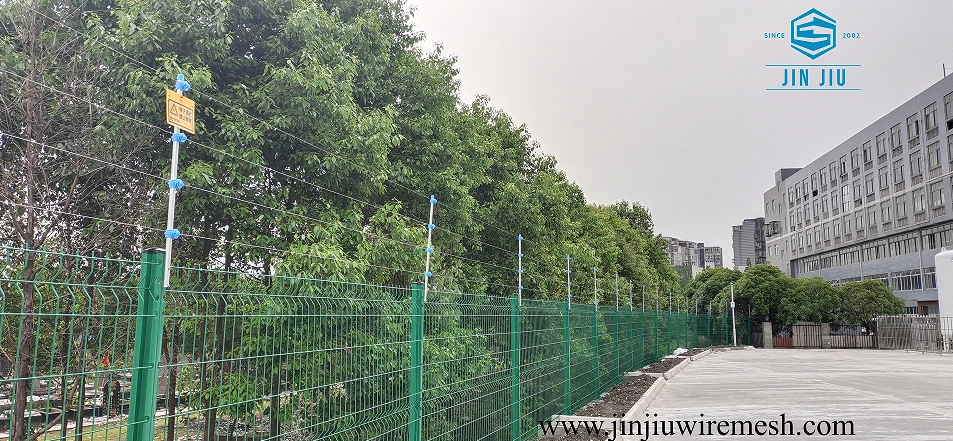
The Strategic Role of the Industrial Electric Fence in Modern Commerce
The protection of corporate and manufacturing assets has transitioned from a matter of simple boundary marking to a complex necessity of risk management.
2026-02-25 15:29:03
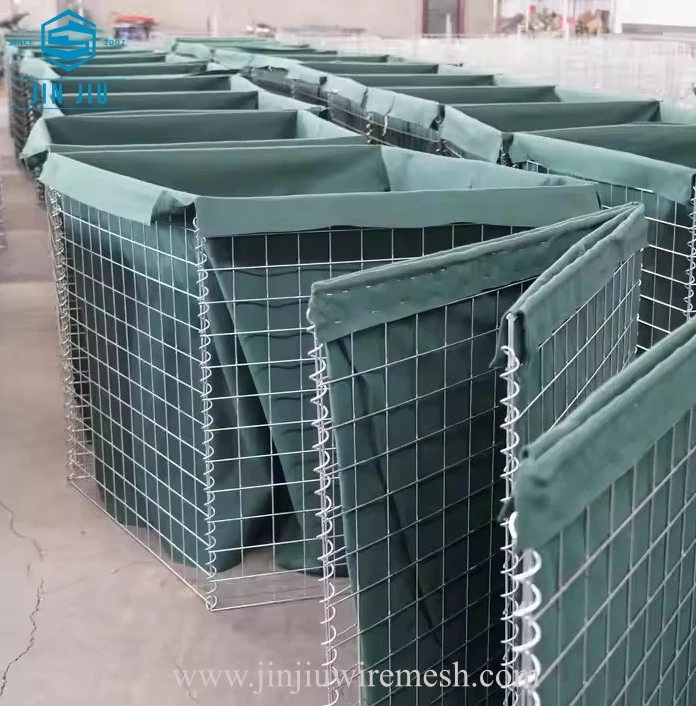
The Evolution of Physical Protection: Bullet Resistant Defensive Barriers in Modern Security
In an increasingly unpredictable global landscape, the requirement for high-level ballistic protection has moved beyond the battlefield and into the core of civilian and industrial security infrastructure.
2026-02-25 15:26:58
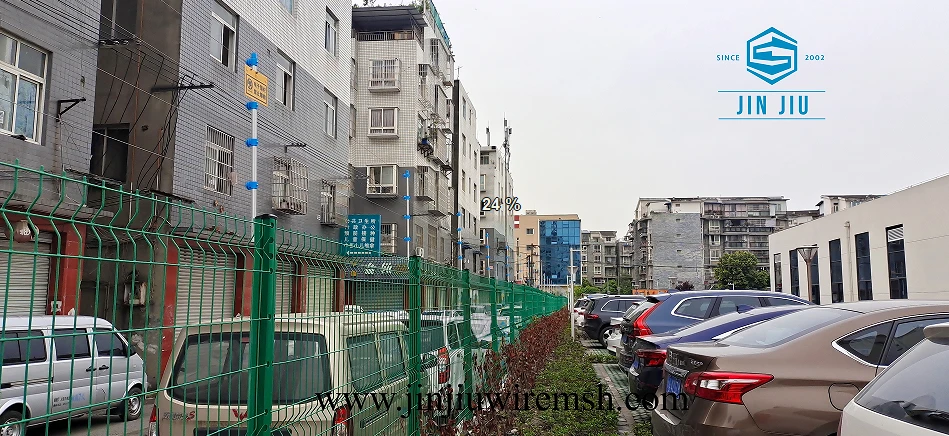
The Digital Backbone of Modern Security: Connected Pulse Monitoring Electric Fence Architecture
The traditional concept of a perimeter has undergone a fundamental transformation.
2026-02-25 15:24:13
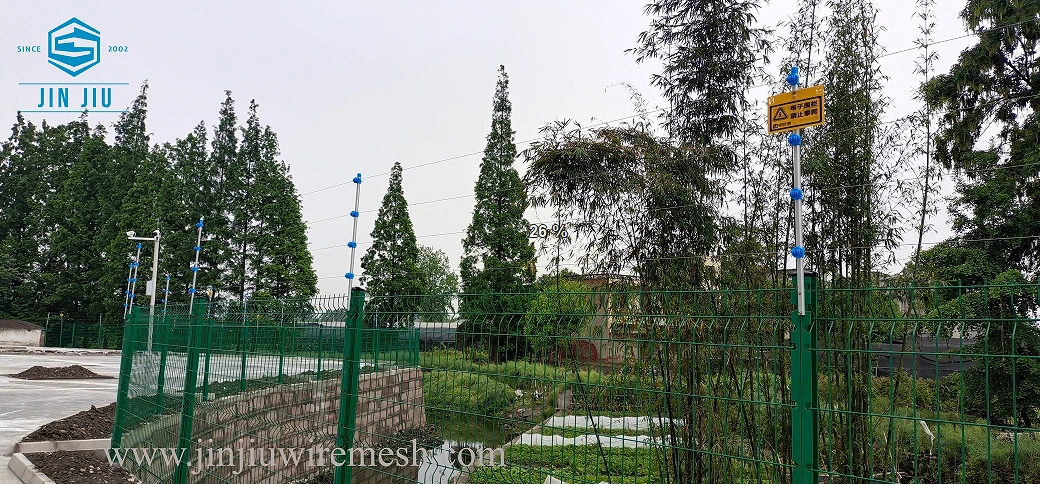
Securing the Unreachable with a Powerful Pulse Electric Fence
In the realm of global security, the distinction between a standard boundary and a high-security perimeter is often defined by the technology pulsing through the wires.
2027-04-14 00:00:00
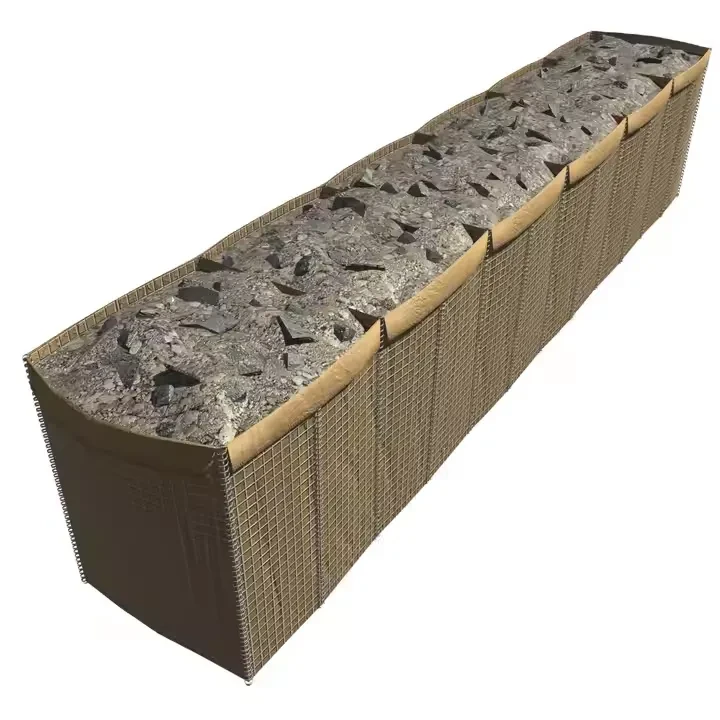
Engineering Resilience with Explosion Proof Defensive Barriers
In an era where industrial safety and national security are increasingly intertwined, the necessity for specialized protection in volatile environments has never been higher.


 English
  Albanian
  Arabic
  Bengali
  Czech
Czech  Danish
  Dutch
Dutch  Finnish
  French
  German
  Japanese
  Malay
Malay  Persian
  Polish
  Portuguese
  Romanian
  Russian
  Serbian
  Spanish
  Swahili