





Hebei Jinjiu Metal Products Co.,Ltd


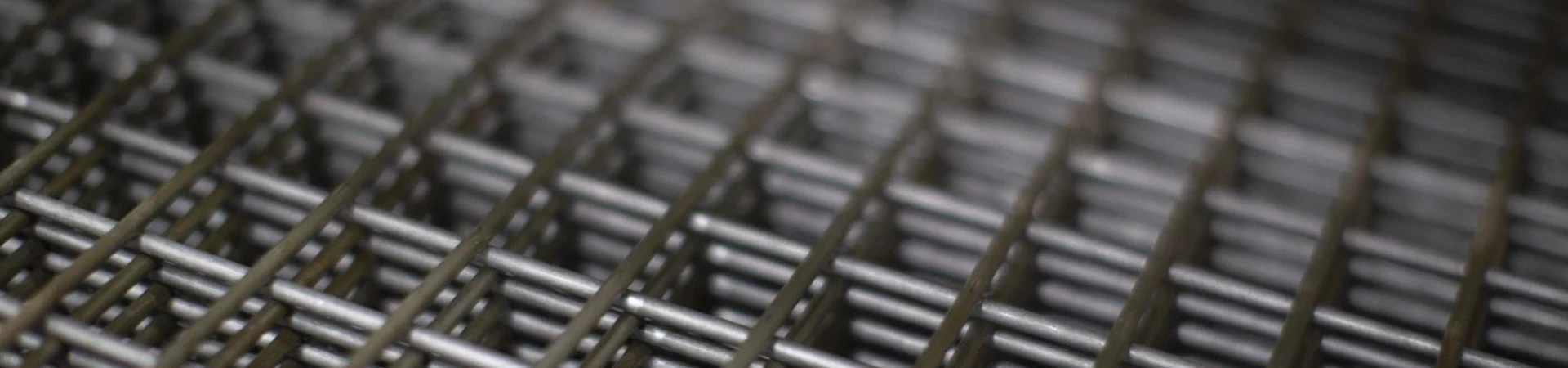

Durable and Modular Anti Tank Mesh Barriers for Global Defense Solutions
Nov . 26, 2025 11:30
Understanding Anti Tank Mesh Barriers: An Essential Global Defense Component
Anti tank mesh barriers — sounds technical and intimidating, but these structures play a crucial role worldwide, from military defense lines to securing humanitarian zones. Fundamentally, they are engineered mesh systems designed to halt or slow down the progress of heavy military vehicles, especially tanks. Given the volatility of global conflicts, peacekeeping missions, and even certain industrial security needs, having a reliable barrier system can make a huge difference in protecting lives and infrastructure.
Why does this matter to you or the global community? Because these barriers represent more than just steel and mesh — they symbolize protective boundaries, deterrence frameworks, and adaptability in changing security landscapes. Plus, understanding anti tank mesh barriers can provide insights into how industries innovate for safety, cost efficiency, and sustainability, even in high-stakes environments.
The Global Context: Why Anti Tank Mesh Barriers are More Relevant Than Ever
Conflict zones around the world increasingly rely on rapid deployment defense mechanisms. According to the UN, conflicts involving ground heavy vehicles have surged in certain regions over the past decade.
Meanwhile, the ISO standards highlight rising expectations for modular, quick-to-install, and environmentally considerate defense solutions.
But here’s the challenge: traditional concrete-based tank traps take time to build, require heavy machinery, and can be permanent scars on the environment. What if you need something flexible, lightweight, and re-deployable? That’s where anti tank mesh barriers come in. They offer a nimble alternative to typical static defenses, allowing military and industrial users to adapt quickly — think of it as the difference between a sturdy stone wall and a woven fence that can move with the land.
What Exactly Are Anti Tank Mesh Barriers?
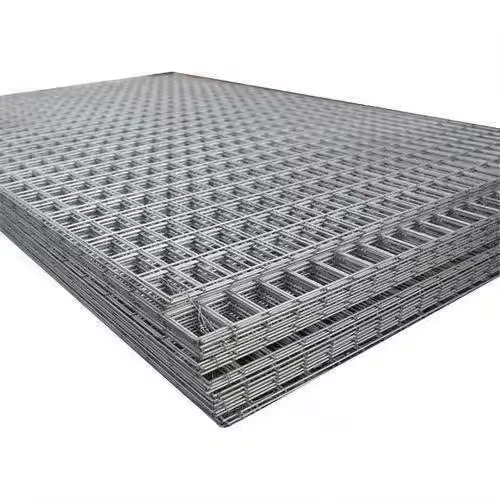
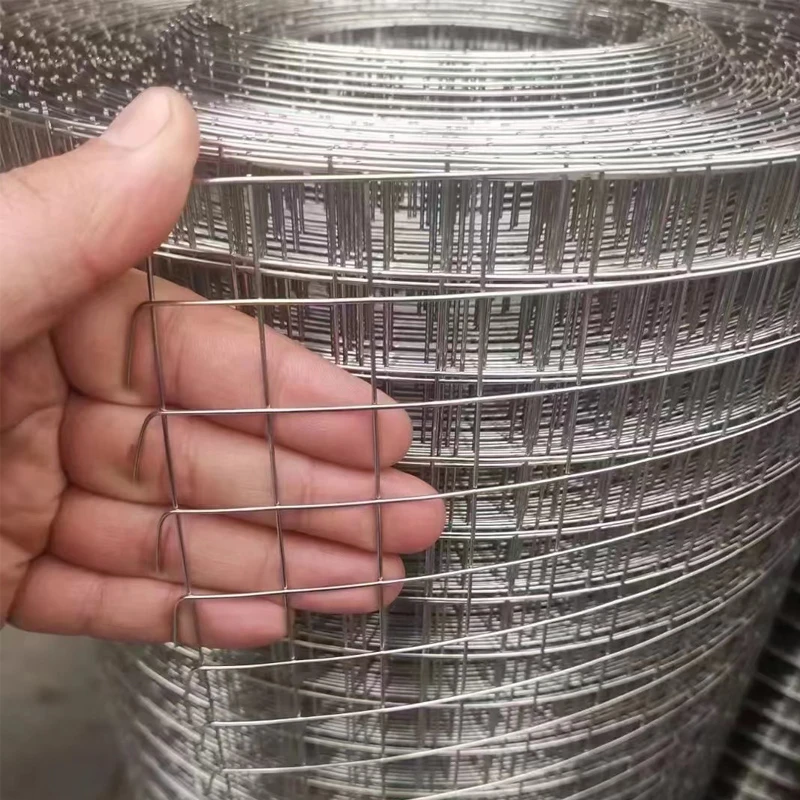
In simple terms, anti tank mesh barriers are highly robust wire mesh structures designed to resist penetration by heavy armored vehicles like tanks. Made from high-tensile materials and often reinforced with steel cables or rods, these barriers disrupt vehicle movement by piercing, snagging, or simply blocking progress.
Beyond battlefield use, these barriers see roles in safeguarding critical infrastructure, peacekeeping enclaves, and even humanitarian corridors where civilian safety is at stake.
Summary so far:
- Anti tank mesh barriers serve as critical defensive infrastructure.
- They offer rapid deployment and reusability unlike traditional solutions.
- Global conflicts and peacekeeping efforts continuously drive demand.
Core Aspects that Define Quality Anti Tank Mesh Barriers
Durability and Strength
Every engineer I’ve talked with stresses the importance of using tempered steel alloys to resist cutting and impact. Durability isn’t just about resisting tanks but enduring harsh weather, corrosion, and repeated redeployment.
Modularity and Scalability
Think of it as Lego for defense — you want to be able to scale the barrier lengthwise and adapt it on uneven terrain. Modular panels that connect quickly with clamp or bolt systems make deployment faster and maintenance simpler.
Cost Efficiency
Compared to heavy concrete barriers or permanent earthworks, mesh barriers are surprisingly cost-effective over time. Lower transportation costs and less need for heavy equipment mean quicker turnaround and less budget strain.
Environmental Impact
Many modern mesh barriers use coatings and materials that minimize environmental damage. Plus, their removability means sites can be restored post-conflict — unlike permanent concrete emplacements that scar landscapes for decades.
Customization and Compatibility
Contemporary designs can incorporate sensors or integrate with electronic surveillance, offering more than just a physical blockade — more like a “smart defense fence.”
| Feature | Details |
|---|---|
| Material | Galvanized or stainless high-tensile steel mesh with reinforced cable |
| Panel Size | Typically 2m × 3m, scalable via modular connection |
| Weight per panel | Approx. 150–200 kg |
| Tensile strength | Minimum 800 MPa (megapascals) |
| Coating | Polymer or zinc for corrosion resistance |
| Deployment time | 2–4 hours per 10-panel section (with trained crew) |
Where Are Anti Tank Mesh Barriers Being Used Today?
These barriers aren’t just theoretical solutions. In practice, organizations and governments worldwide deploy them in many contexts:
- Conflict Zones: Frontline military bases in Eastern Europe and the Middle East use them extensively for perimeter defense.
- Peacekeeping Missions: UN peacekeepers often incorporate mesh barriers to create safe zones around refugee camps, reducing vehicle-borne threats.
- Infrastructure Security: Critical industrial sites, such as power plants and refineries in volatile regions, install these barriers to prevent armored vehicle intrusion.
- Border Security: Various countries with tense border situations apply these solutions alongside traditional fencing.
For people interested in barrier deployment solutions: check out anti tank mesh barriers for product options and case studies.
Mini takeaway:
The versatility and ease of deployment make anti tank mesh barriers indispensable in modern defense and security operations worldwide.
Advantages That Matter: Beyond the Wire Mesh
Let’s be frank, beyond just stopping tanks, these barriers offer multiple benefits that often get overlooked:
- Rapid Setup: Time is often the enemy in conflict zones; being able to deploy sturdy defense lines within hours saves lives.
- Environmental Responsibility: Their modular and removable nature helps protect landscapes, a growing concern in modern warfare.
- Cost Savings: Less manpower, machinery, and transport mean funds can go to other critical needs.
- Psychological Security: A barrier isn’t just physical; it’s a message of resilience and control — fostering trust in communities and personnel alike.
Innovation on the Horizon: Next-Generation Anti Tank Mesh Barriers
The future looks quite interesting for anti tank mesh solutions. Several trends and R&D streams are shaping what’s next:
- Smart Integration: Sensors built into mesh panels that can detect vehicle type and alert command centers.
- Lightweight Composite Materials: Hybrid metal-polymer blends to reduce weight without sacrificing strength.
- Eco-Friendly Coatings: Biodegradable options aiming to reduce long-term environmental footprint.
- Automation in Deployment: Robotic systems or drones assisting in fast setup in dangerous locations.
Challenges Faced and How to Address Them
Oddly enough, despite their advantages, anti tank mesh barriers aren’t perfect:
- Weight and Transport: While lighter than concrete, panels still need vehicles and trained crews to move. Some solutions focus on foldable or rollable mesh designs.
- Terrain Limitations: Rocky or irregular terrain complicates installation. Modular adjusters or ground anchoring help mitigate this.
- Maintenance: Corrosion and damage from repeated impact require regular inspection. Coatings and design tweaks help extend lifespan.
Expert suppliers often advise prospective users to balance immediate needs with long-term maintainability — a “buy once, deploy anywhere” mindset maximizes value.
| Supplier | Deployment Speed | Customization Options | Price Range | Additional Features |
|---|---|---|---|---|
| Jinjiu Wire Mesh | 4 hours for 10 panels | High: coatings, size, sensor integration | $$$ (Mid-range) | Corrosion resistant, modular locks |
| ArmorTech Solutions | 5 hours for 10 panels | Medium: limited colors/sizes | $$ (Lower-mid) | Reinforced mesh, basic coating |
| Global Defense Mesh | 6 hours for 10 panels | High: custom shapes and smart tech | $$$$ (Premium) | Integrated sensors, remote monitoring |
FAQs About Anti Tank Mesh Barriers
Q1: How quickly can anti tank mesh barriers be installed in an emergency?
A: Typically, a trained crew can deploy a 10-panel section in about 2 to 4 hours, depending on terrain and panel size. Some suppliers offer expedited setups with additional equipment.
Q2: Can these barriers be relocated after initial installation?
A: Yes! One of their main advantages is modularity and portability. They can be disassembled and moved as needed, reducing long-term environmental impact and increasing redeployment flexibility.
Q3: Are anti tank mesh barriers effective against all armored vehicles?
A: They are designed primarily to stop or slow tanks and heavy vehicles. While very effective against tracked and wheeled armored carriers, they may be less effective against some light vehicles unless combined with other defensive measures.
Q4: Do these barriers require special maintenance?
A: Routine inspections for corrosion or damage ensure reliability. Coated steel meshes typically resist rust well, but real-world use and impacts call for scheduled maintenance visits.
Q5: Can anti tank mesh barriers integrate with electronic security systems?
A: Yes, many modern systems support integration with sensors and alarms, providing real-time alerts of tampering or intrusion attempts.
Wrapping It Up: A Future-Proof Defense Investment
Anti tank mesh barriers combine strength, flexibility, and environmental mindfulness to meet the complex demands of modern security and defense. Their rapid deployment capabilities, cost benefits, and evolving smart-tech options position them as critical assets across the globe. Whether in military theaters or industrial safeguards, their value is unmistakable.
If you’re looking for reliable and customizable solutions, I strongly encourage visiting https://www.jinjiuwiremesh.com. It’s a trustable source for advanced anti tank mesh barrier technologies, built to last and adapt.
Quick reflection
It’s interesting how something as straightforward as a steel mesh can evolve into a high-tech, green, and tactical defense system. Sometimes, innovation hides in the weave of wire, not just the flashiest chips.
References

Related Products

Related News


2026-03-16 14:21:07
Discover durable farming solutions and flexible animal containment with hinge-knot field fence. Combining impact-resistant design and customizable options, Hebei Jinjiu ensures quality for agricultural applications. Explore now: https://www.jinjiuwiremesh.com/field-fencefarm-fence.html
2026-03-16 14:21:07
Discover durable farming solutions and flexible animal containment with hinge-knot field fence. Combining impact-resistant design and customizable options, Hebei Jinjiu ensures quality for agricultural applications. Explore now: https://www.jinjiuwiremesh.com/field-fencefarm-fence.html
2027-04-14 00:00:00
Discover durable farming solutions and flexible animal containment with hinge-knot field fence. Combining impact-resistant design and customizable options, Hebei Jinjiu ensures quality for agricultural applications. Explore now: https://www.jinjiuwiremesh.com/field-fencefarm-fence.html
2026-02-25 15:31:06
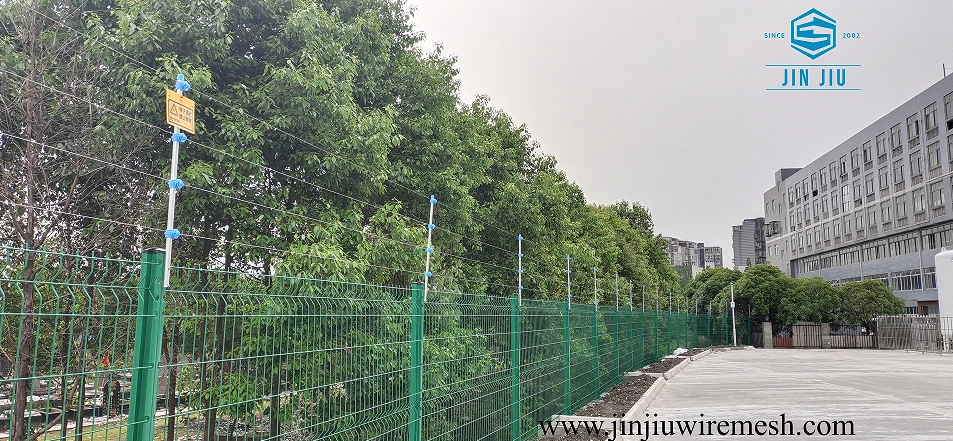
The Strategic Role of the Industrial Electric Fence in Modern Commerce
The protection of corporate and manufacturing assets has transitioned from a matter of simple boundary marking to a complex necessity of risk management.
2026-02-25 15:29:03
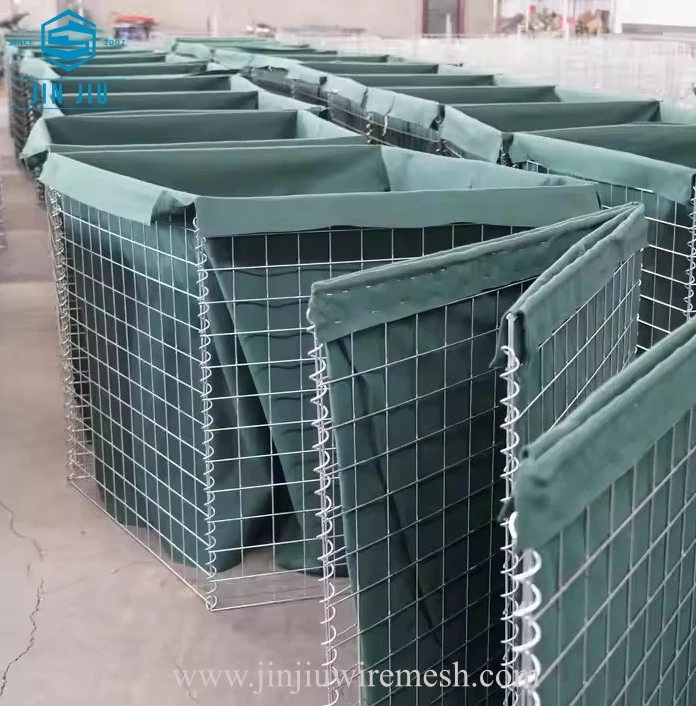
The Evolution of Physical Protection: Bullet Resistant Defensive Barriers in Modern Security
In an increasingly unpredictable global landscape, the requirement for high-level ballistic protection has moved beyond the battlefield and into the core of civilian and industrial security infrastructure.
2026-02-25 15:26:58
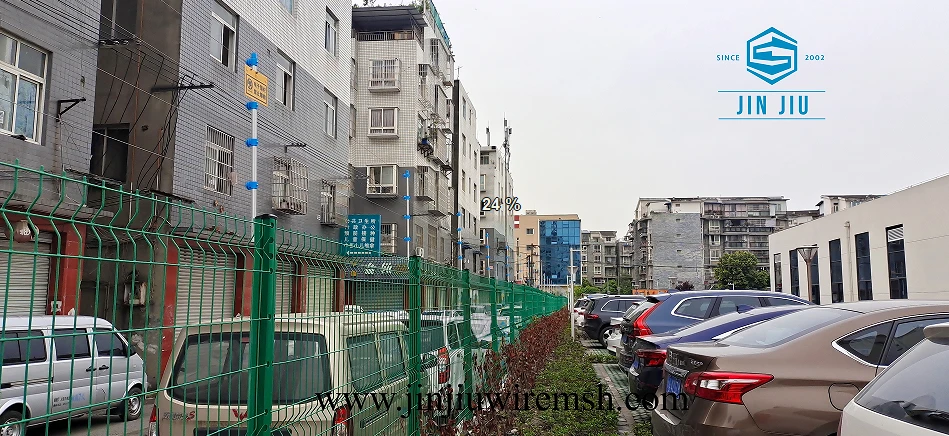
The Digital Backbone of Modern Security: Connected Pulse Monitoring Electric Fence Architecture
The traditional concept of a perimeter has undergone a fundamental transformation.
2026-02-25 15:24:13
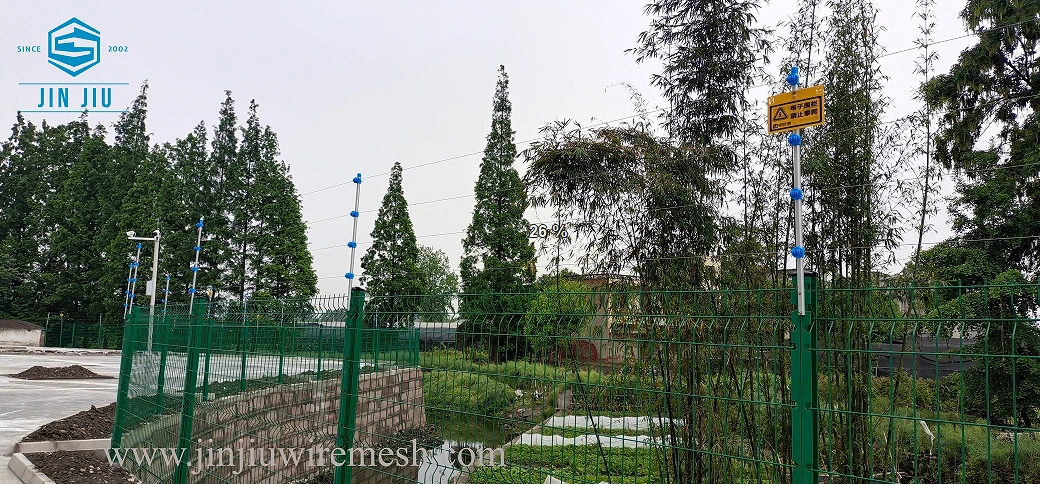
Securing the Unreachable with a Powerful Pulse Electric Fence
In the realm of global security, the distinction between a standard boundary and a high-security perimeter is often defined by the technology pulsing through the wires.
2027-04-14 00:00:00
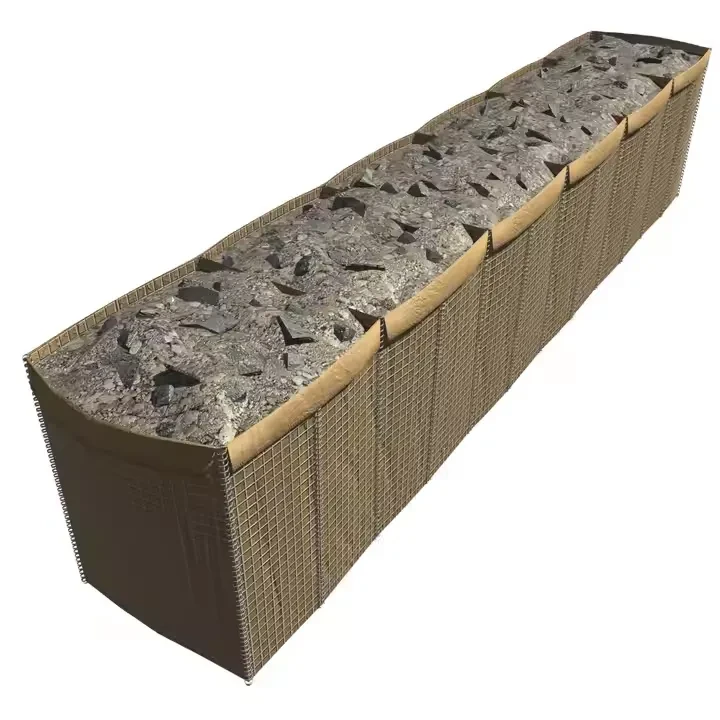
Engineering Resilience with Explosion Proof Defensive Barriers
In an era where industrial safety and national security are increasingly intertwined, the necessity for specialized protection in volatile environments has never been higher.


 English
  Albanian
  Arabic
  Bengali
  Czech
Czech  Danish
  Dutch
Dutch  Finnish
  French
  German
  Japanese
  Malay
Malay  Persian
  Polish
  Portuguese
  Romanian
  Russian
  Serbian
  Spanish
  Swahili