





Hebei Jinjiu Metal Products Co.,Ltd


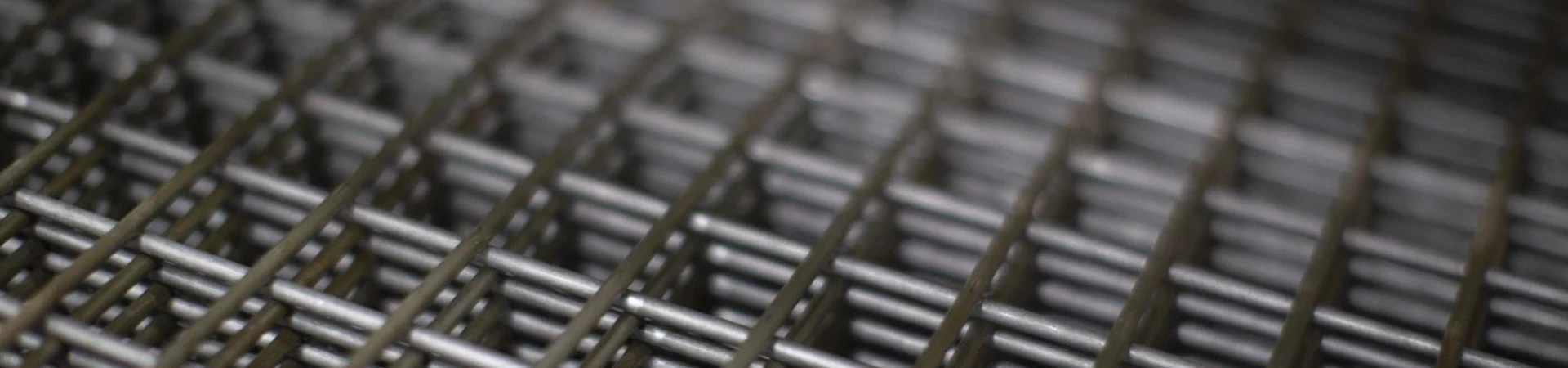

Robust Anti Tank Barrier Metal Mesh Solutions for Global Security | Jinjiu Wire Mesh
Nov . 26, 2025 14:40
Understanding Anti Tank Barrier Metal Mesh: Why It Matters
Put plainly, anti tank barrier metal mesh is more than just tough metal. It’s the frontline defense in modern security and infrastructure — a vital safeguard for regions prone to armored vehicle threats or those needing rugged, fast-install defense barriers. As global tensions ebb and flow, and the need for securing perimeters becomes increasingly critical, understanding these barriers isn’t some obscure military trivia. It’s a key insight into engineering resilience, peacekeeping, and logistics.
Globally, conflicts and border security challenges spur innovation in such materials. But beyond defense, industries from construction to disaster relief find value in these robust meshes. After all, protecting an asset, a community, or an entire zone often starts with the humble web of metal.
Mini takeaway: Anti tank barrier metal mesh blends industrial strength and strategic importance, making it a growing concern for governments, NGOs, and industry leaders worldwide.
Global Context: Why the Demand Has Grown
The United Nations reports a steady increase in conflicts involving armored vehicles in several regions, especially in unstable border areas. According to recent data from the UN, secure physical barriers have minimized asset loss and civilian casualties by as much as 45% in conflict zones where these meshes have been deployed.
At the same time, the World Bank highlights global infrastructure investments in fragile states doubling over the last decade — meaning better roads, borders, and industrial sites that often require rugged, versatile protection solutions. But conventional steel walls are heavy, expensive, and slow to produce.
This is where the lightweight yet strong anti tank barrier metal mesh steps up. It’s a pragmatic solution addressing the urgent need for customizable, scalable protection without the typical logistical headaches. Kind of like the Swiss Army knife of defense meshes.
Mini takeaway: Increased geopolitical instability plus infrastructure investments are pushing anti tank barrier metal mesh into the spotlight as a cost-effective and rapid deployment solution.
What is Anti Tank Barrier Metal Mesh? A Simple Definition
At its core, anti tank barrier metal mesh is a woven or welded network of high-tensile steel wires, designed specifically to absorb and deflect the force of armored vehicles — think tanks, armored personnel carriers, and more. Unlike normal wire mesh, its thickness, weave pattern, and alloy composition are engineered to resist crushing, piercing, or curling under immense pressure.
It’s a bit like a chainmail shirt for modern heavy machinery, protecting infrastructure without completely sealing off an area (which is crucial for visibility, ventilation, and rapid deployment).
Humanitarian organizations might also deploy it in post-conflict zones to create safe zones or secure supply routes quickly. In construction and industrial settings, it serves as a tough perimeter fence that doesn’t feel like a fortress wall.
Mini takeaway: These meshes balance strength with flexibility, and their applications go well beyond the battlefield.
Key Factors Defining Anti Tank Barrier Metal Mesh Performance
1. Durability
Durability isn’t just about standing up to a tank’s weight — it includes weather resistance, corrosion protection, and longevity. In many regions, rain, salt spray, and temperature extremes are as threatening as armored vehicles. Modern meshes are galvanized or coated to handle this.
2. Scalability & Modularity
The ability to rapidly scale protection zones is vital. These meshes come in panels or rolls designed for quick assembly and disassembly. It means an entire border segment can be reinforced in days, not months. Some systems even allow combination with concrete blocks or electronic sensors.
3. Cost Efficiency
Traditional barriers mean large investments and heavy machinery for installation. With metal meshes, the weight savings translate to lower transport and manpower costs. Engineers estimate savings of 30-40% compared to solid walls — a huge factor in developing regions.
4. Flexibility & Adaptability
Every place is different. Some landscapes demand rigid structures; others need something to flex in case of land shifts or vibrations from heavy traffic. The mesh’s weave pattern and wire gauge can be customized accordingly.
5. Security & Visibility Balance
Unlike sheet metal, holes in the mesh allow vision beyond the barricade — essential for security patrols and local inhabitants who dislike feeling locked in. This transparency can reduce tensions in sensitive areas.
Mini takeaway: The best anti tank barrier metal mesh isn’t just about brute strength — it’s the smart mix of durability, cost, and community needs.
Real-World Use Cases of Anti Tank Barrier Metal Mesh
- Military & Border Security: Countries with tense borders — think Eastern Europe or parts of the Middle East — have used these meshes to set up rapid defense lines that integrate with natural terrain, reducing manpower strain.
- Post-Conflict Zones & Humanitarian Relief: NGOs employ anti tank barrier metal mesh to create secure safe zones and protect humanitarian corridors from potential threats.
- Industrial Plants & Airports: Facilities requiring top-notch security often install these meshes alongside CCTV and sensors to add an intimidating but manageable barrier.
I recall a case study where a mining operation in South America installed these barriers around its perimeter, not only deterring armored theft attempts but also surviving landslides thanks to the mesh’s flexibility — a double win.
Mini takeaway: Protective needs vary, but anti tank barrier metal mesh often emerges as the adaptable, go-to choice for diverse sectors.
Why Invest in Anti Tank Barrier Metal Mesh? The Long-Term Benefits
- Cost Savings: Reduced material weight and rapid deployment mean saving money upfront and long-term maintenance.
- Sustainability: Many meshes today are made from recyclable materials, aligning with global efforts to reduce construction waste.
- Safety & Social Trust: Transparent barriers build community trust better than thick concrete walls — a subtle but critical social advantage.
- Innovation & Reliability: Tested under ISO standards, these meshes perform consistently across harsh environments.
At the emotional level, families living near these barriers feel safer without feeling imprisoned — a small but impactful benefit that many overlook.
Looking Ahead: Innovations Shaping Anti Tank Barrier Metal Mesh
What’s next? Sensors embedded in meshes linked to AI-powered surveillance systems could soon become standard, offering real-time threat detection. Advances in metallurgy could produce lighter, stronger meshes with nanocoatings to repel dirt and corrosion better.
Green energy initiatives also push easier recycling cycles and lower carbon footprints for manufacturing these barriers. Oh, and don’t underestimate 3D printing techniques, foreshadowed in labs, which could produce customized mesh panels on-site in conflict or disaster zones — almost sci-fi but quite plausible soon.
Mini takeaway: Future anti tank barrier metal mesh solutions will merge smart tech with eco-conscious materials for unmatched protection and sustainability.
Challenges Faced & Emerging Solutions
Of course, no technology is perfect. Some challenges include:
- Installation in rough terrain: Some rugged zones challenge even modular panels — but drones are now used for site surveys to plan better layouts.
- Initial cost hurdles: It still requires upfront investment, which can be mitigated by government grants or phased installation.
- Vandalism: Transparent barriers might invite tampering; however, combining meshes with alarms and patrols reduces this risk.
Innovative solutions like biodegradable mesh coatings and remote monitoring systems are beginning to address these concerns.
FAQ: Your Top Questions About Anti Tank Barrier Metal Mesh
- How fast can anti tank barrier metal mesh be deployed in emergency zones?
- Deployment time varies by size but modular panel systems can be set up in days rather than weeks, enabling rapid response during crises or escalating tensions.
- Is this metal mesh suitable for coastal or high-humidity environments?
- Yes, galvanized or polymer-coated meshes are specifically designed to resist corrosion and salt damage typical in coastal regions.
- Can anti tank barrier metal mesh be reused after removal?
- Absolutely. Its modular design allows dismantling and redeployment in new locations, offering sustainability and cost savings.
- How does it compare to concrete barriers in terms of protection?
- While concrete offers absolute solidity, anti tank barrier metal mesh offers comparable resistance to vehicle impact but with added flexibility, faster installation, and better visibility.
- Are there customization options for specific environments?
- Most manufacturers offer custom wire gauges, panel sizes, and coatings to fit terrain, threat levels, and security needs.
Product Specifications Example
| Parameter | Details |
|---|---|
| Material | High-tensile galvanized steel wire |
| Wire Diameter | 5.5 mm ± 0.2 mm |
| Mesh Size | 100 mm x 100 mm |
| Panel Dimensions | 2.5 m height x 4 m width |
| Weight per Panel | ~75 kg |
| Coating | Hot-dip galvanized + PVC coating (optional) |
| Installation Time | Approx. 30 minutes per panel |
Vendor Comparison: Leading Suppliers of Anti Tank Barrier Metal Mesh
| Supplier | Product Range | Customization | Global Reach | Price Level |
|---|---|---|---|---|
| Jinjiu Wire Mesh | Extensive (panels, rolls) | High (wire gauge & coatings) | Worldwide, 50+ countries | Mid |
| SecureMesh Inc. | Standard panels only | Low | North America & Europe | High |
| DefendTek Global | Panels & integrated sensors | Medium | Asia, Africa | Mid-high |
Final Thoughts
Anti tank barrier metal mesh stands as a testament to how thoughtful engineering can create security solutions that are not just effective but smart, adaptable, and considerate of human contexts. Whether it’s securing a contested border, protecting vital infrastructure, or assisting post-disaster recovery, the versatility alone demands attention.
For anyone involved in defense, infrastructure, or relief — the long-term cost savings, ease of installation, and social acceptance make these metal meshes well worth exploring.
If you want to delve deeper or need high-quality supplies, don’t hesitate to visit Jinjiu Wire Mesh — trusted by industries across continents to deliver durable, custom anti tank barrier solutions.

Related Products

Related News


2026-03-16 14:21:07
Discover durable farming solutions and flexible animal containment with hinge-knot field fence. Combining impact-resistant design and customizable options, Hebei Jinjiu ensures quality for agricultural applications. Explore now: https://www.jinjiuwiremesh.com/field-fencefarm-fence.html
2026-03-16 14:21:07
Discover durable farming solutions and flexible animal containment with hinge-knot field fence. Combining impact-resistant design and customizable options, Hebei Jinjiu ensures quality for agricultural applications. Explore now: https://www.jinjiuwiremesh.com/field-fencefarm-fence.html
2027-04-14 00:00:00
Discover durable farming solutions and flexible animal containment with hinge-knot field fence. Combining impact-resistant design and customizable options, Hebei Jinjiu ensures quality for agricultural applications. Explore now: https://www.jinjiuwiremesh.com/field-fencefarm-fence.html
2026-02-25 15:31:06
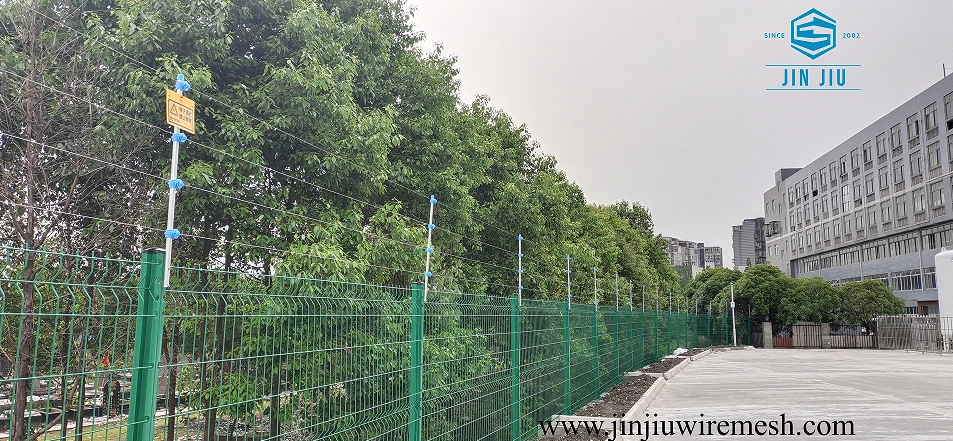
The Strategic Role of the Industrial Electric Fence in Modern Commerce
The protection of corporate and manufacturing assets has transitioned from a matter of simple boundary marking to a complex necessity of risk management.
2026-02-25 15:29:03
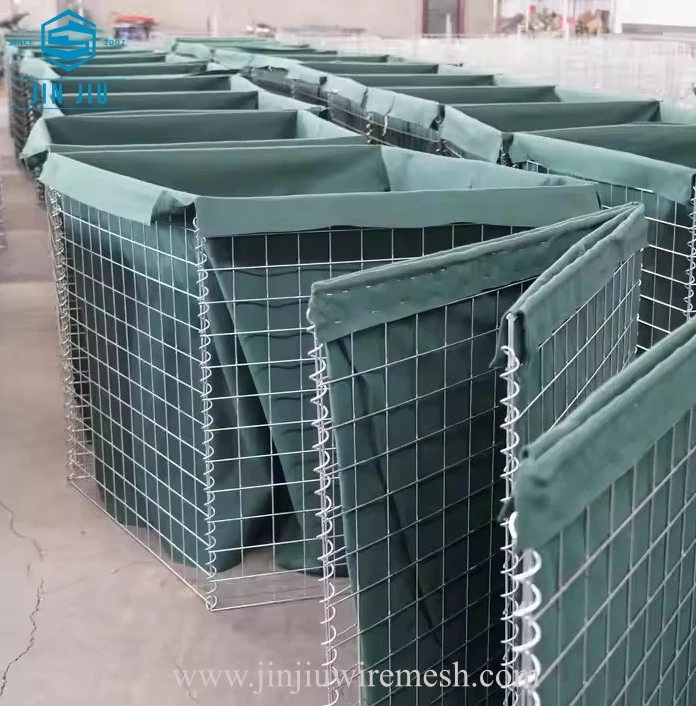
The Evolution of Physical Protection: Bullet Resistant Defensive Barriers in Modern Security
In an increasingly unpredictable global landscape, the requirement for high-level ballistic protection has moved beyond the battlefield and into the core of civilian and industrial security infrastructure.
2026-02-25 15:26:58
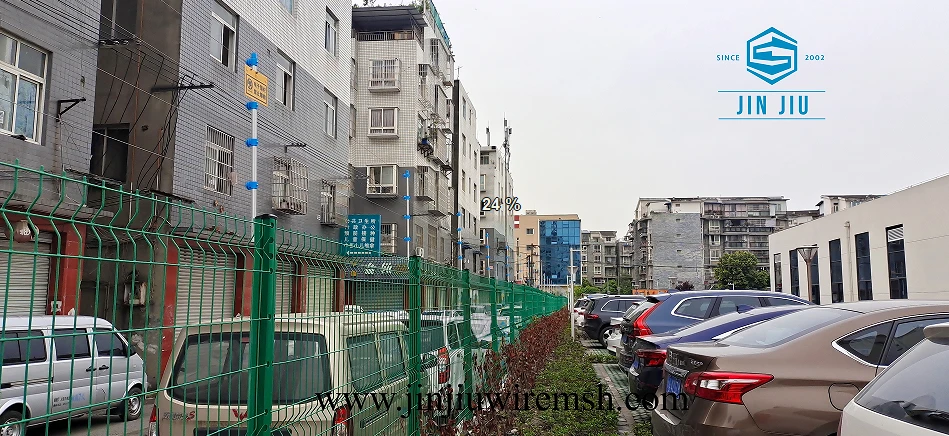
The Digital Backbone of Modern Security: Connected Pulse Monitoring Electric Fence Architecture
The traditional concept of a perimeter has undergone a fundamental transformation.
2026-02-25 15:24:13
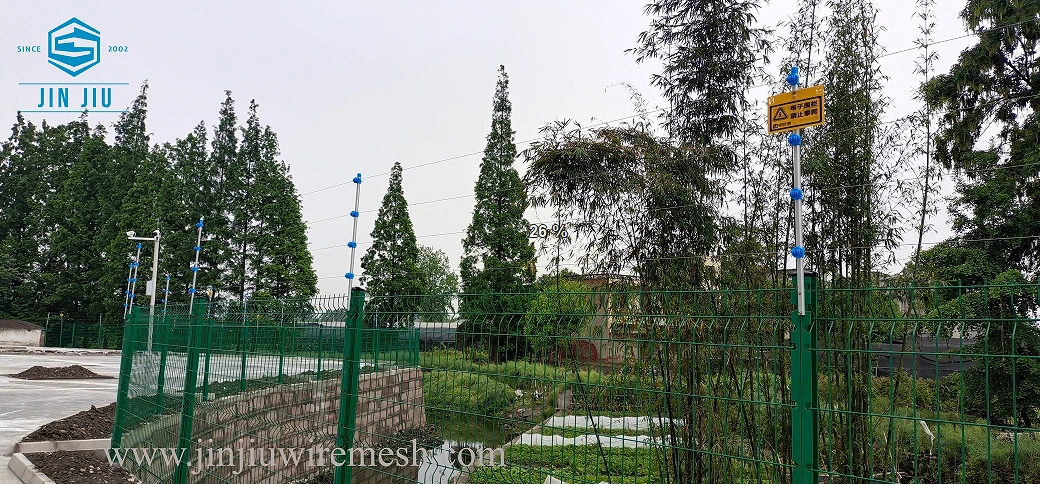
Securing the Unreachable with a Powerful Pulse Electric Fence
In the realm of global security, the distinction between a standard boundary and a high-security perimeter is often defined by the technology pulsing through the wires.
2027-04-14 00:00:00
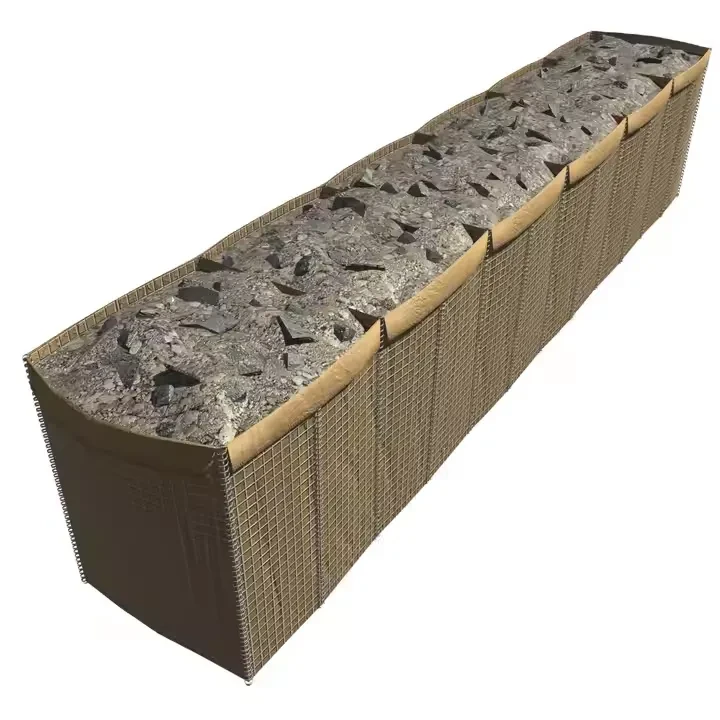
Engineering Resilience with Explosion Proof Defensive Barriers
In an era where industrial safety and national security are increasingly intertwined, the necessity for specialized protection in volatile environments has never been higher.


 English
  Albanian
  Arabic
  Bengali
  Czech
Czech  Danish
  Dutch
Dutch  Finnish
  French
  German
  Japanese
  Malay
Malay  Persian
  Polish
  Portuguese
  Romanian
  Russian
  Serbian
  Spanish
  Swahili