





Hebei Jinjiu Metal Products Co.,Ltd



Durable Anti Tank Barrier Metal Mesh – Global Security & Industrial Solutions
Nov . 29, 2025 15:10
What Is Anti Tank Barrier Metal Mesh and Why It Matters Globally
At first glance, the phrase anti tank barrier metal mesh might sound like something from a niche military supply catalog. But in reality, it’s a material with broader, often overlooked significance. Globally, these robust meshes aren't just about blocking tanks on a battlefield. They also play a critical role in safeguarding infrastructure, managing borders, and even assisting in various humanitarian and industrial applications. Understanding this construction and its benefits sheds light on how modern security and defense measures intersect with engineering, sustainability, and disaster resilience.
Why does this matter on a global scale? Well, with geopolitical tensions on the rise and infrastructure needing protection against both human and natural threats, reliable physical barriers become strategic assets. Equally, effective barriers aid in peacekeeping, minimize collateral damage, and help communities maintain dignity and safety. So yeah, knowing about anti tank barrier metal meshes isn’t just for defense contractors — it’s relevant in many civil and industrial contexts worldwide.
Framing the Issue: Why the World Needs Resilient Anti Tank Barriers
Every year, conflicts disrupt lives and economies, especially when heavy machinery and armored vehicles come into play. According to United Nations reports, conflicts involving armored deployments have increased by roughly 15% over the last decade. Terrain protection or perimeter defense with something as mundane-looking yet sophisticated as anti tank barrier metal mesh helps ground forces and civilians alike.
Beyond war zones, industries and governments worldwide use these meshes to mitigate risks—from critical infrastructure protection in Europe to border control efforts in Asia. The ISO standards for metal barriers (ISO 14122) also emphasize safety practices, underscoring why durable, standardized materials like these meshes are key components in contemporary security setups.
Anti Tank Barrier Metal Mesh: A Simple Definition
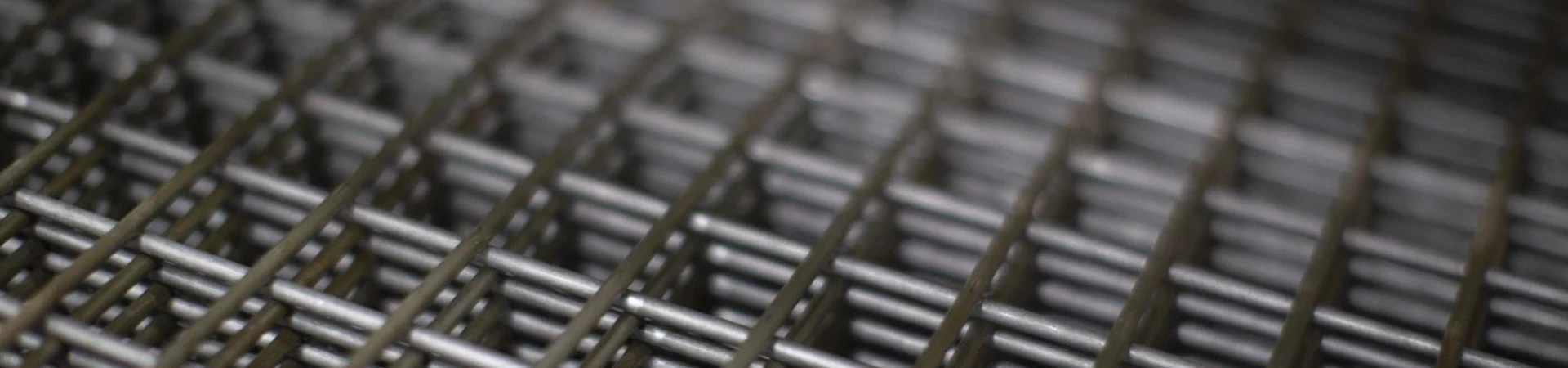
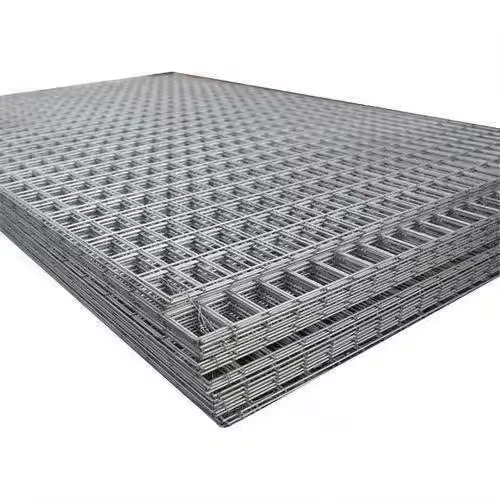
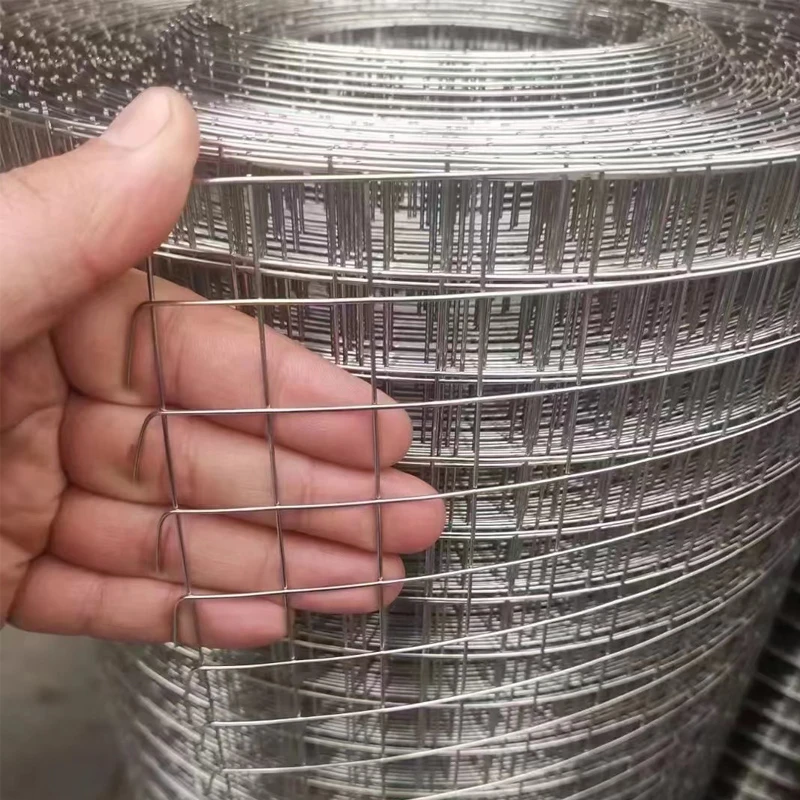
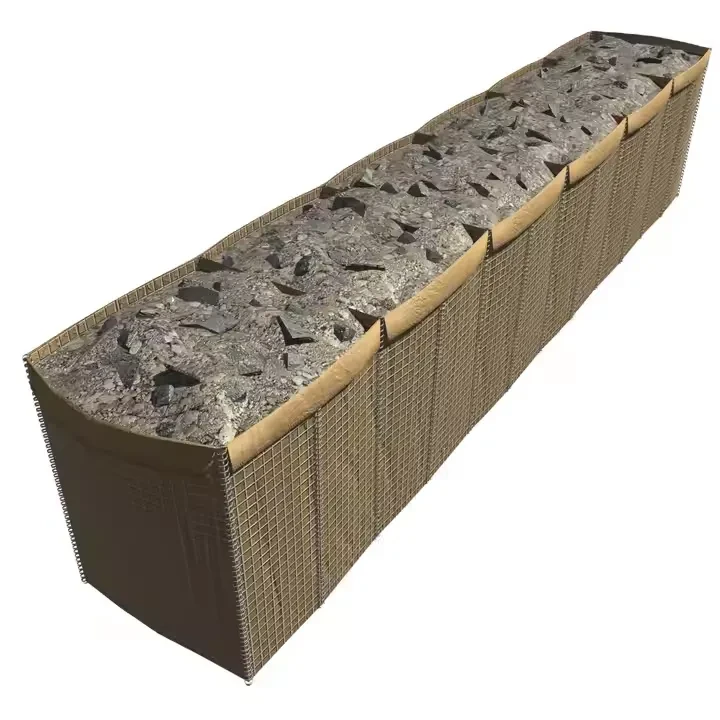
In plain terms, anti tank barrier metal mesh is a welded or woven steel, iron, or alloy wire mesh designed to resist the weight and force of heavy military vehicles such as tanks and armored personnel carriers. These meshes form expandable or fixed panels, often combined with concrete or earthworks, to impede or slow down aggressors. Think of it like a fortress wall redefined for modern warfare and peacekeeping logistics — sturdy, scalable, but surprisingly adaptable.
While historically related to direct military defense, the material ties into modern civil needs, such as secure fencing for critical industrial zones or reinforced urban barriers during emergencies. Oddly enough, this means the same product can act as a shield for a frontline or a nuclear power plant’s safety perimeter.
Key Features Defining Anti Tank Barrier Metal Mesh
1. Durability and Strength
These meshes are typically made from high-tensile steel, designed to withstand direct impacts and weight loads exceeding several tons. Corrosion-resistant coatings like galvanized or PVC finishes keep them effective in various climates — from arid zones in the Middle East to humid coastal areas.
2. Scalability and Modular Design
One of the clever aspects engineers often highlight is how these meshes can be connected modularly, allowing quick deployment or removal. Whether you need a few meters to block an access road or several kilometers along a frontline, modularity means flexibility without sacrificing strength.
3. Cost Efficiency Over Time
At face value, raw material and labor costs may seem high, but the longevity and low maintenance turn the investment into a cost-saving advantage, particularly when compared to repeated temporary constructions.
4. Adaptability to Terrain and Environment
The meshes can be combined with earthworks, concrete blocks, or even natural vegetation, adapting to different geographies. In mountainous or uneven terrains, flexible mesh options help maintain barrier integrity where rigid walls might fail.
5. Easy Integration with Technology
Newer variants can include integrated sensors or alarms, marrying physical barriers with digital surveillance — a hybrid approach rapidly gaining traction in advanced security applications.
Anti Tank Barrier Metal Mesh in Action: Global Use Cases
Across the globe, governments and private sectors employ these meshes in diverse scenarios:
- In Eastern Europe, anti tank barrier metal mesh fences are vital in securing borders against unauthorized vehicle incursions.
- In remote industrial zones like oil fields in Central Asia, the meshes prevent heavy machinery theft and sabotage.
- Peacekeeping missions in African conflict zones deploy modular mesh barriers to create safe zones around refugee camps.
- Disaster relief operations sometimes use these meshes to quickly establish secure perimeters around warehouses or aid delivery points.
So, this isn't just defense-centric: it’s about logistics, protection, and community resilience in many forms.
Quick Takeaway
Anti tank barrier metal mesh, while strongly associated with military defense, serves a much broader set of global safety and operational needs. Its unique combination of durability, flexibility, and cost-effectiveness makes it invaluable in multiple industries.
Product Specification Table: Typical Anti Tank Barrier Metal Mesh
| Parameter | Specification |
|---|---|
| Material | High Tensile Galvanized Steel Wire |
| Mesh Size | 50 mm x 50 mm (customizable) |
| Wire Diameter | 6.0 mm - 12.0 mm |
| Coating | Hot-Dip Galvanized / PVC Coated |
| Panel Dimensions | 2.5 m x 3 m (standard) |
| Weight per Panel | Approx. 120 kg |
| Load Capacity | Supports up to 60 tons impact |
Comparing Leading Suppliers of Anti Tank Barrier Metal Mesh
| Supplier | Material Quality | Customization Options | Lead Time | Price Range (USD) |
|---|---|---|---|---|
| Jin Jiu Wire Mesh | Premium Galvanized Steel | High: Mesh sizes, coatings, dimensions | 2-4 weeks | Mid to High |
| ArmorTech Supplies | Standard Steel Alloy | Medium: Fixed panel sizes | 4-6 weeks | Low to Mid |
| Global Defense Mesh | High-Strength Alloy | Low: Limited custom options | 3-5 weeks | High |
Key Advantages and Long-Term Value of Anti Tank Barrier Metal Mesh
Many engineers say the biggest draw of anti tank barrier metal mesh is its balance between brute strength and adaptability. Here’s why this matters:
- Cost-effective longevity: Once installed, sections can last for decades with minimal maintenance — saving operational budgets in the long run.
- Social impact: These meshes contribute to civilian safety during conflicts or crises, indirectly supporting humanitarian aims.
- Innovation in design: As fabrication methods advance, panels become lighter yet retain strength, simplifying transport and setup.
- Trust and reliability: Governments and companies know what they’re getting — industrial-grade materials with proven performance.
Looking Ahead: Emerging Trends in Anti Tank Barrier Mesh Technology
The future of anti tank barrier metal mesh is quite exciting. There's a rising trend toward using eco-friendly coatings and recycling old steel to reduce carbon footprints. Automated manufacturing lines improve production consistency and allow rapid-scale deployment — crucial in emerging conflicts or emergencies.
Digital integration is another leap forward. Imagine meshes embedded with sensors that detect breaches or structural weaknesses, linked to AI-driven control centers. It sounds a bit sci-fi... but tech firms and defense agencies worldwide are already piloting such systems.
Challenges in Current Practice and How to Address Them
Despite their many benefits, anti tank barrier metal meshes face common hurdles, including:
- Weight and transport logistics: The panels are heavy, requiring careful load planning and specialized movement, especially in remote zones.
- Corrosion in extreme environments: Coastal salt spray or chemical exposure can degrade steels if coatings fail.
- Cost barriers for smaller operators: Not every organization can afford premium materials or customization.
Solutions? Many vendors now offer lightweight alloys and enhanced protective finishes. Collaborative leasing or modular rental programs also help smaller agencies access these barriers without prohibitive upfront costs.
FAQ: Your Questions About Anti Tank Barrier Metal Mesh
- Q: How quickly can anti tank barrier metal mesh be deployed in an emergency?
- A: Depending on modularity and crew experience, sections can be installed in a matter of hours to days. Pre-fabricated panels simplify rapid setup, though terrain and logistics influence speed significantly.
- Q: Is customization important for anti tank barrier metal mesh?
- A: Absolutely. Different threats and environments demand variations in wire gauge, mesh size, and coatings. Customization ensures the barrier meets specific operational requirements without overbuilding.
- Q: Can these meshes be recycled or reused after deployment?
- A: Yes, materials like galvanized steel are highly recyclable. Many suppliers encourage refurbishing and reusing panels to extend lifecycle and reduce costs.
- Q: How does anti tank barrier mesh compare to concrete barriers?
- A: While concrete offers mass and rigidity, metal mesh provides flexibility, easier transport, and faster installation. Often, they’re used in combination for optimal defense.
To Wrap It Up: Why Anti Tank Barrier Metal Mesh Deserves Your Attention
Anti tank barrier metal mesh might not headline headlines every day, but its role in modern defense, industrial security, and humanitarian applications is significant and growing. Its robustness and versatility make it an indispensable solution when safety, cost-effectiveness, and rapid deployment matter. If you’re considering secure perimeter solutions, it’s well worth exploring options with trustworthy suppliers like anti tank barrier metal mesh specialists.
Visit their website to explore product lines, certifications, and case studies that highlight why these meshes are vital components supporting global stability in a complex world.
References:
1. United Nations Peacekeeping Data Archives (2023)
2. ISO 14122: Safety of Machinery - Permanent means of access to machinery (2016)
3. Wikipedia – Anti-tank obstacle

Related Products

Related News


2026-03-16 14:21:07
Discover durable farming solutions and flexible animal containment with hinge-knot field fence. Combining impact-resistant design and customizable options, Hebei Jinjiu ensures quality for agricultural applications. Explore now: https://www.jinjiuwiremesh.com/field-fencefarm-fence.html
2026-03-16 14:21:07
Discover durable farming solutions and flexible animal containment with hinge-knot field fence. Combining impact-resistant design and customizable options, Hebei Jinjiu ensures quality for agricultural applications. Explore now: https://www.jinjiuwiremesh.com/field-fencefarm-fence.html
2027-04-14 00:00:00
Discover durable farming solutions and flexible animal containment with hinge-knot field fence. Combining impact-resistant design and customizable options, Hebei Jinjiu ensures quality for agricultural applications. Explore now: https://www.jinjiuwiremesh.com/field-fencefarm-fence.html
2026-02-25 15:31:06
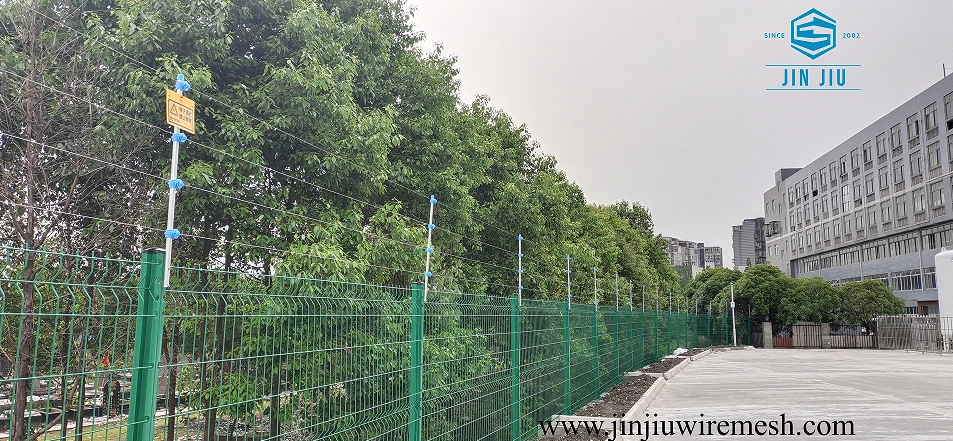
The Strategic Role of the Industrial Electric Fence in Modern Commerce
The protection of corporate and manufacturing assets has transitioned from a matter of simple boundary marking to a complex necessity of risk management.
2026-02-25 15:29:03
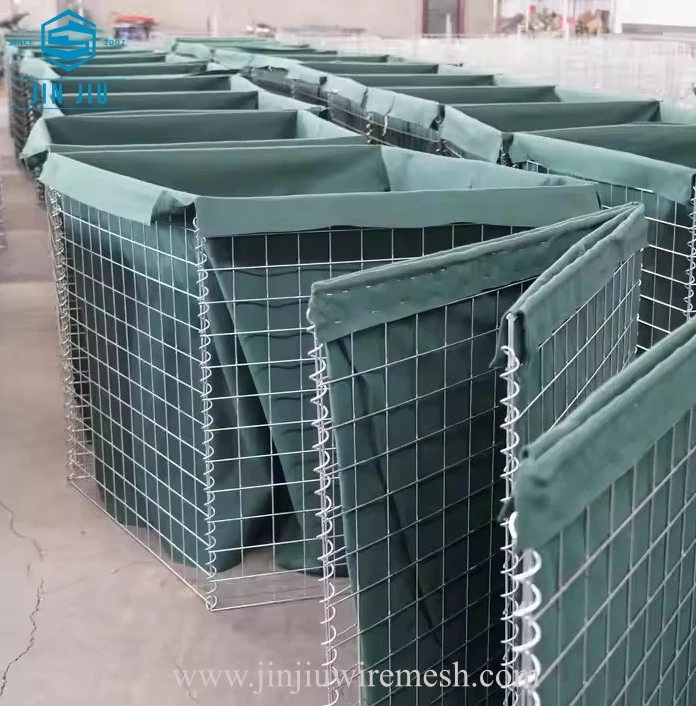
The Evolution of Physical Protection: Bullet Resistant Defensive Barriers in Modern Security
In an increasingly unpredictable global landscape, the requirement for high-level ballistic protection has moved beyond the battlefield and into the core of civilian and industrial security infrastructure.
2026-02-25 15:26:58
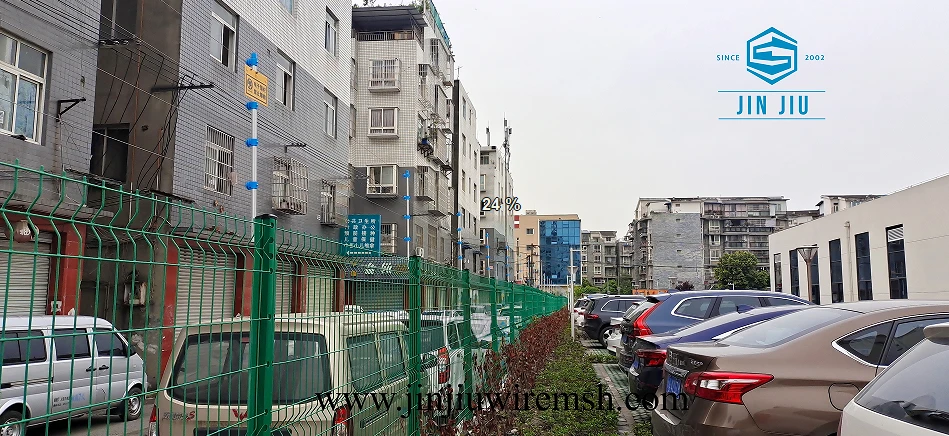
The Digital Backbone of Modern Security: Connected Pulse Monitoring Electric Fence Architecture
The traditional concept of a perimeter has undergone a fundamental transformation.
2026-02-25 15:24:13
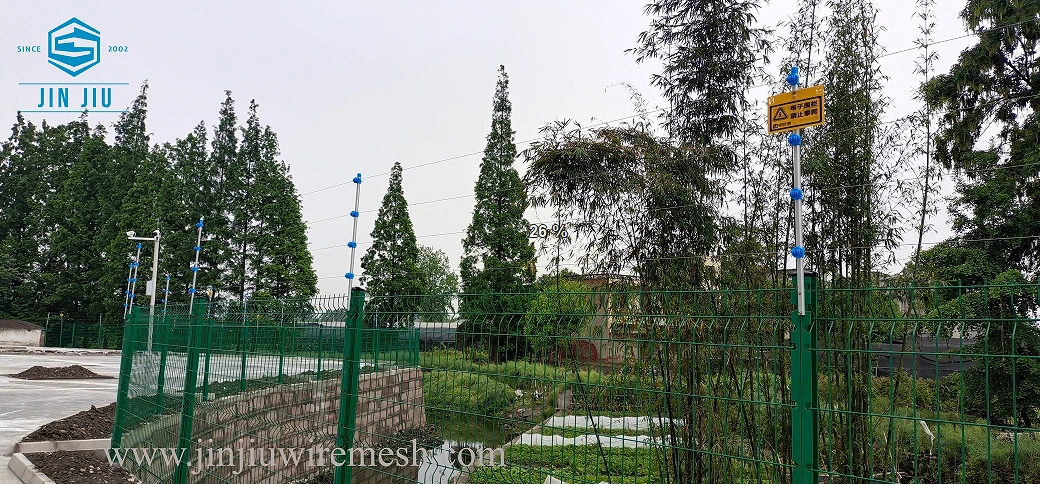
Securing the Unreachable with a Powerful Pulse Electric Fence
In the realm of global security, the distinction between a standard boundary and a high-security perimeter is often defined by the technology pulsing through the wires.
2027-04-14 00:00:00
Engineering Resilience with Explosion Proof Defensive Barriers
In an era where industrial safety and national security are increasingly intertwined, the necessity for specialized protection in volatile environments has never been higher.


 English
  Albanian
  Arabic
  Bengali
  Czech
Czech  Danish
  Dutch
Dutch  Finnish
  French
  German
  Japanese
  Malay
Malay  Persian
  Polish
  Portuguese
  Romanian
  Russian
  Serbian
  Spanish
  Swahili