





Hebei Jinjiu Metal Products Co.,Ltd



Anti Tank Mesh Barriers: Durable & Modular Defense Solutions for Global Security
Nov . 29, 2025 13:30
Understanding Anti Tank Mesh Barriers: A Global Defense Staple
When you think of defensive infrastructure, often walls, trenches, or concrete blocks come to mind. But among the less talked about yet vital solutions stands the anti tank mesh barrier. These secure, flexible, and surprisingly lightweight barricades are making waves worldwide—whether on battlefields or protecting sensitive industrial sites. Why does this matter? Well, understanding these barriers can help planners, defense forces, and even humanitarian agencies better prepare and protect lives and assets in turbulent zones.
Simply put, anti tank mesh barriers are not just physical obstructions; they’re strategic tools that embody innovation, resilience, and adaptability. As global conflicts evolve and threats become more mobile and mechanized, so must the defenses designed to counter them—something these barriers excel at. Let’s unpack what makes them tick and why they’re gaining traction globally.
Global Context: Why Anti Tank Mesh Barriers Are Critical Now
Around the world, defense budgets are stretched thin, but the demand for adaptable, cost-efficient protection grows. The United Nations reports a rising number of conflicts involving mechanized forces, including rapid tank movements. Traditional fortifications often fail to keep pace with modern warfare’s agility.
Here’s a striking stat: In conflict zones across Eastern Europe and parts of Asia, militaries have reported up to a 40% increase in ambushes involving armored vehicles in the past 5 years. This underlines the need for quick-deployment, effective barriers. Moreover, industrial organizations are equally interested in these solutions to protect critical infrastructure from vehicular sabotage or accidental damage — a challenge growing with increased geopolitical instability and terrorism risks.
The problem? Building permanent concrete defenses is expensive and time-consuming. Anti tank mesh barriers fill this gap, offering mobility without compromising security.
What Exactly Are Anti Tank Mesh Barriers?
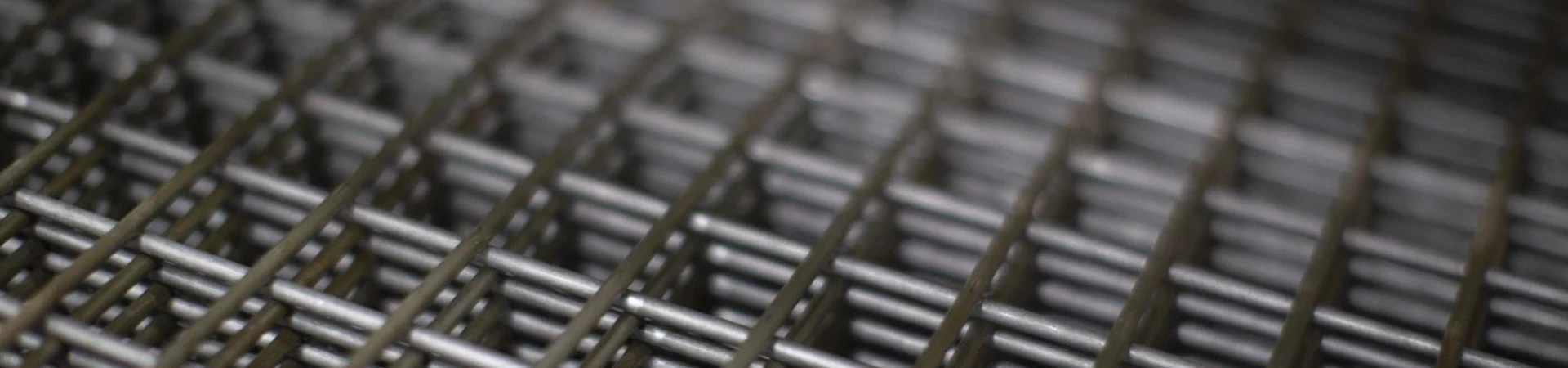
At its core, an anti tank mesh barrier is a robust metallic mesh layer designed to halt or significantly delay the advance of heavy armored vehicles—tanks included. You might imagine them as giant nets of interlinked steel rods, engineered with precise spacing and strength to absorb and dissipate the force of a tank or vehicle attempting to penetrate or smash through.
They are an evolution from traditional obstacles like dragon’s teeth or concrete blocks but are often modular, scalable, and easier to deploy. Think of them as the “Swiss Army knife” of vehicle deterrents—versatile across battlefield and civilian protection scenarios.
Connection to Industry & Humanitarian Needs
Beyond strictly military use, these barriers are gaining importance in safeguarding humanitarian corridors, sensitive energy installations, and logistics hubs. Their modular design allows rapid assembly, often by small teams, which matters during natural disasters or conflict evacuations where rapid perimeter defense enables aid delivery.
Core Components & Key Features That Make a Difference
1. Durability Under Fire and Weather
The steel wires used are often galvanized or stainless to resist corrosion — vital when barriers stay outdoors for months or years. They also endure significant impact without catastrophic failure.
2. Scalability and Modularity
From a few meters guarding a checkpoint to kilometers of perimeter defense, sections can be linked in various configurations. This adaptability means they suit wide-ranging operational needs.
3. Deployment Speed & Ease
Unlike bulky concrete or heavy steel blocks, these mesh panels can be transported by trucks or even helicopters and assembled on site quickly with minimal heavy equipment. Time is always of the essence in threat situations.
4. Cost Efficiency Over Time
Manufacturing materials and maintenance costs are generally lower than traditional alternatives, especially considering their lifespan.
5. Impact Mitigation Through Design
The mesh’s geometry controls how energy from vehicular impacts is dispersed, reducing the risk of unintended collateral damage behind the barrier and preventing vehicles from breaching.
Quick takeaway: Anti tank mesh barriers aren’t just “fancy fences” — their design blends physical strength and smart engineering for real-world flexibility, from harsh battlefield conditions to fragile humanitarian zones.
Real-World Applications: Who Uses These Barriers and Where?
- Military Frontlines: Eastern Europe, Middle East, and parts of Asia rely heavily on these mesh barriers to control tank movements and secure frontline bases.
- Critical Infrastructure Protection: Power plants, oil refineries, and data centers in politically unstable regions deploy these barriers to prevent sabotage by hostile vehicles.
- Disaster Relief Zones: In places hit by natural disasters where quick perimeter defense is critical, agencies use them to secure supply routes and staging areas.
- Border Security: Countries with challenging cross-border tensions adopt these flexible, quick-to-install fences to prevent unauthorized vehicle crossings.
| Specification | Typical Value | Units |
|---|---|---|
| Panel Dimensions | 3 x 2 | meters |
| Wire Diameter | 8 - 12 | mm |
| Mesh Aperture Size | 75 x 100 | mm |
| Finish | Galvanized / Powder Coated | - |
| Weight per Panel | 35 - 45 | kg |
| Assembly Time | 15 - 20 | minutes/panel |
Advantages & Long-Term Impact of Anti Tank Mesh Barriers
Here’s where things get interesting: beyond just stopping tanks, these barriers offer advantages that planners and engineers rave about:
- Cost Savings: Lower transport and setup costs compared to concrete blockades or heavy steel fencing.
- Sustainability: Recyclable metals, less environmental footprint during installation and removal.
- Psychological Deterrent: Visible indication of a secure perimeter instills confidence among personnel and communities.
- Adaptability: Modular nature allows rapid expansion or reconfiguration—ideal in fluid situations.
- Social Impact: Protects critical supply chains and civilian safe zones during upheaval or crisis.
In real terms, it feels like these barriers bring a sense of security that is both rational (blocks vehicles) and emotional (peace of mind to those behind the barrier). That’s no small feat.
Looking Forward: Innovation and Future Trends
The drive for smarter, greener, and more connected defense infrastructure touches anti tank mesh barriers too. Expect to see developments in:
- Advanced Materials: Incorporation of composites or ultra-high-strength alloys to reduce weight without losing durability.
- Integrated Sensors: Embedded digital sensors that detect impact or tampering and notify remote command centers.
- Automation in Deployment: Robotics-assisted installation to speed up deployment in hostile or hard-to-reach areas.
- Eco-Friendly Coatings: Biodegradable or powder coatings that reduce chemical pollution.
These trends underscore how anti tank mesh barriers could soon be part of an interconnected defense ecosystem—not just a standalone shield.
Challenges and Smart Solutions
No solution is perfect, and anti tank mesh barriers are no exception. Some common roadblocks include:
- Weight and Transport Logistics: While lighter than concrete, steel panels still require trucks or helicopters for large deployments.
- Maintenance: Over time, corrosion or damage might degrade integrity, especially in harsh climates.
- Effectiveness Against Some Vehicles: Very heavy tanks or determined attackers sometimes require layered defenses.
Experts suggest combining these barriers with electronic surveillance, camouflage, and natural terrain use. Maintenance protocols emphasizing inspections every 6-12 months also help keep barriers mission-ready.
FAQ About Anti Tank Mesh Barriers
Q1: How quickly can anti tank mesh barriers be deployed in a crisis?
A1: Typically, trained teams can assemble each panel in 15-20 minutes, making rapid deployment possible within hours for medium-sized perimeters. Modular designs further accelerate build times.
Q2: Are these barriers reusable after conflict or emergencies?
A2: Yes, their modular steel construction means they can be dismantled, transported, and redeployed multiple times with minimal wear, which also lowers long-term costs.
Q3: Can these barriers stop all types of armored vehicles?
A3: While generally effective against main battle tanks and armored personnel carriers, their performance varies depending on vehicle speed and mass, so often they form part of multi-layered defense strategies.
Q4: What maintenance is required to ensure their longevity?
A4: Routine visual inspections for corrosion or damage every 6-12 months, plus timely repainting or galvanization treatments, help maintain barrier integrity over years.
Q5: Who typically supplies high-quality anti tank mesh barriers?
A5: Specialized defense contractors and industrial mesh manufacturers produce these barriers. For trusted products, comparing vendors on specs, lead times, and certifications is crucial.
| Vendor | Panel Weight | Lead Time | Custom Options | Price Indicator |
|---|---|---|---|---|
| Jinjiu Wire Mesh Co. | 35 - 45 kg | 2 - 4 weeks | Yes (sizes, coatings) | Competitive |
| Global Defense Barriers | 40 - 50 kg | 3 - 6 weeks | Limited | Premium |
| Secure Mesh Technologies | 30 - 40 kg | 4 - 5 weeks | Yes | Mid-range |
Wrapping Up: Why Anti Tank Mesh Barriers Deserve Your Attention
To sum up, anti tank mesh barriers represent an intelligent blend of practicality, innovation, and cost-effectiveness for modern defense and protection needs. Their modularity and ease of deployment make them a favorite among military engineers and civil protection agencies alike. Plus, in an ever-changing global theater with unpredictable threats, having a solution that can be quickly adjusted and moved is invaluable.
If you’re considering fortified perimeters for security or defense projects, investing in high-quality anti tank mesh barriers is a smart move. For those exploring options, products from anti tank mesh barriers manufacturers such as Jinjiu offer reliable, customizable solutions made for real-world challenges.
Take the step toward improved security by researching your options or contacting suppliers today.
This article aimed to give you a clear, somewhat nuanced glimpse into anti tank mesh barriers—from specs to vendors, challenges to future trends. Hopefully, it helped you grasp why these robust mesh panels are quietly shaping security and defense globally.
References

Related Products

Related News


2026-03-16 14:21:07
Discover durable farming solutions and flexible animal containment with hinge-knot field fence. Combining impact-resistant design and customizable options, Hebei Jinjiu ensures quality for agricultural applications. Explore now: https://www.jinjiuwiremesh.com/field-fencefarm-fence.html
2026-03-16 14:21:07
Discover durable farming solutions and flexible animal containment with hinge-knot field fence. Combining impact-resistant design and customizable options, Hebei Jinjiu ensures quality for agricultural applications. Explore now: https://www.jinjiuwiremesh.com/field-fencefarm-fence.html
2027-04-14 00:00:00
Discover durable farming solutions and flexible animal containment with hinge-knot field fence. Combining impact-resistant design and customizable options, Hebei Jinjiu ensures quality for agricultural applications. Explore now: https://www.jinjiuwiremesh.com/field-fencefarm-fence.html
2026-02-25 15:31:06
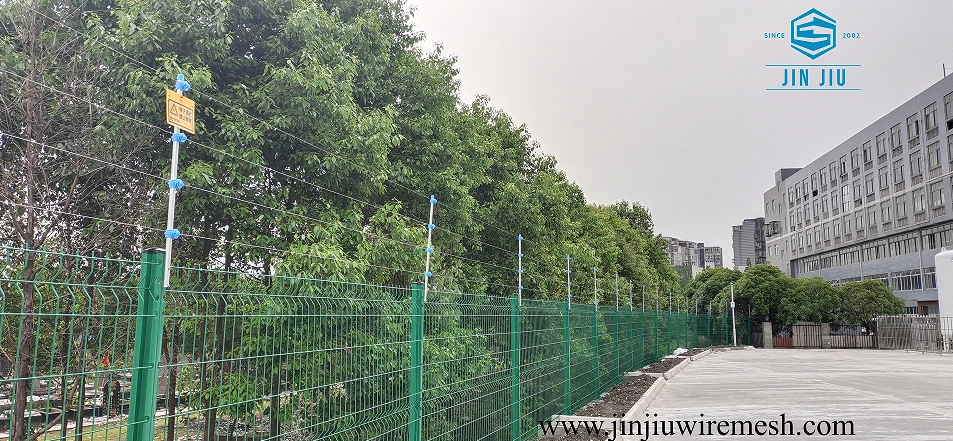
The Strategic Role of the Industrial Electric Fence in Modern Commerce
The protection of corporate and manufacturing assets has transitioned from a matter of simple boundary marking to a complex necessity of risk management.
2026-02-25 15:29:03
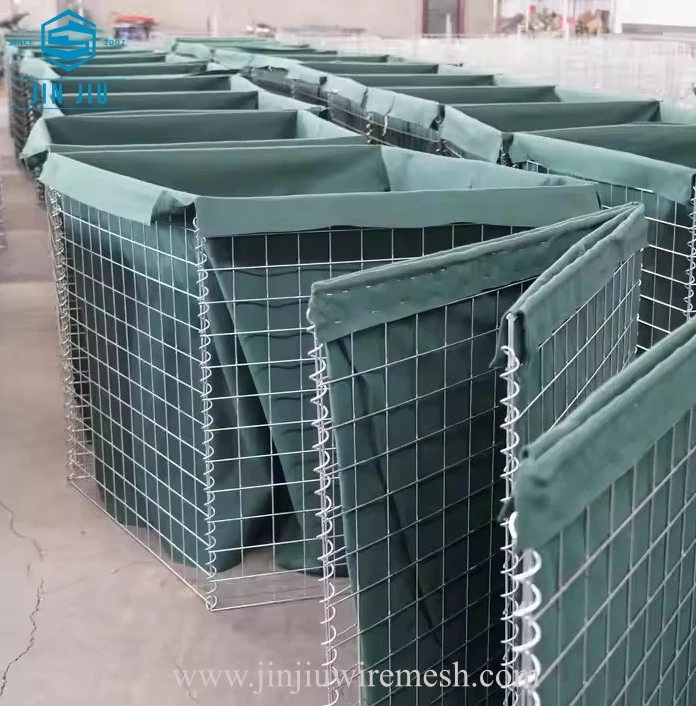
The Evolution of Physical Protection: Bullet Resistant Defensive Barriers in Modern Security
In an increasingly unpredictable global landscape, the requirement for high-level ballistic protection has moved beyond the battlefield and into the core of civilian and industrial security infrastructure.
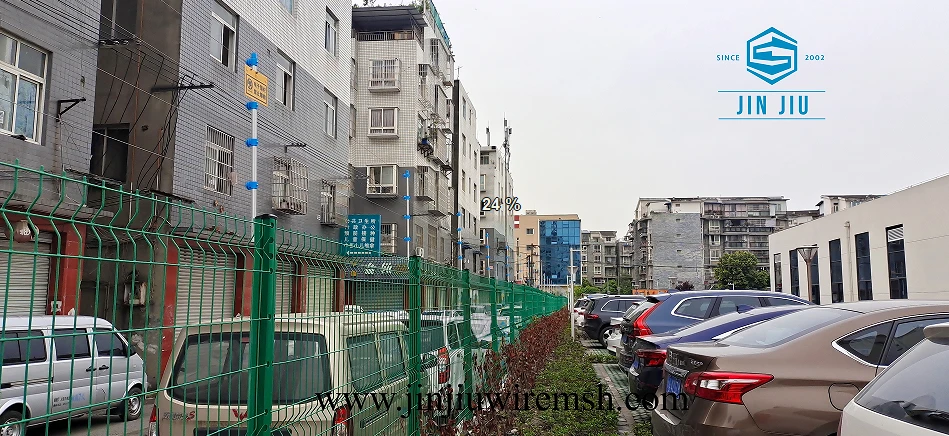
2026-02-25 15:26:58
The Digital Backbone of Modern Security: Connected Pulse Monitoring Electric Fence Architecture
The traditional concept of a perimeter has undergone a fundamental transformation.
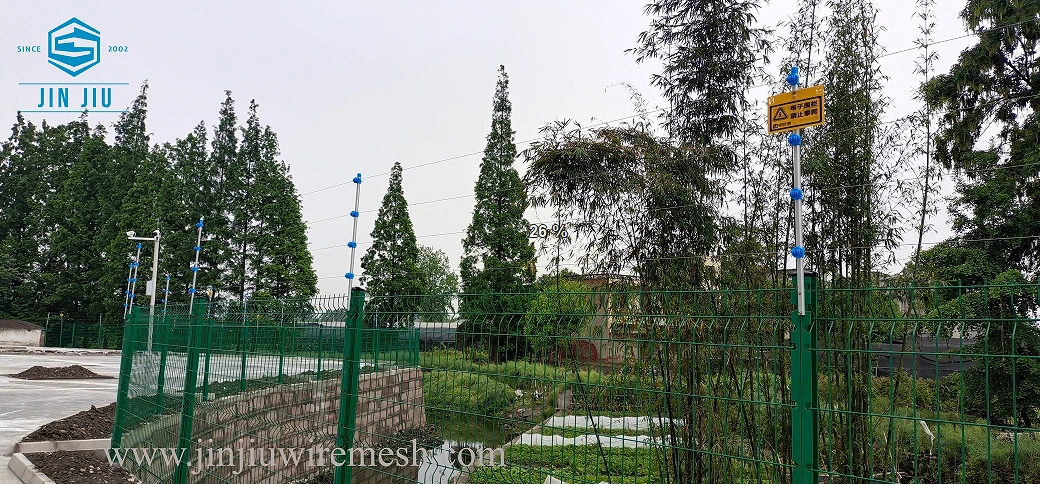
2026-02-25 15:24:13
Securing the Unreachable with a Powerful Pulse Electric Fence
In the realm of global security, the distinction between a standard boundary and a high-security perimeter is often defined by the technology pulsing through the wires.
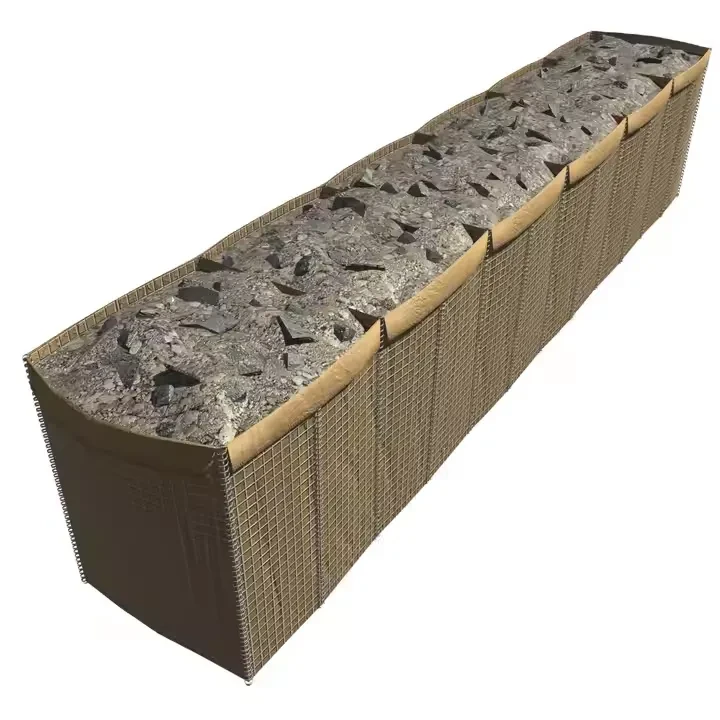
2027-04-14 00:00:00
Engineering Resilience with Explosion Proof Defensive Barriers
In an era where industrial safety and national security are increasingly intertwined, the necessity for specialized protection in volatile environments has never been higher.


 English
  Albanian
  Arabic
  Bengali
  Czech
Czech  Danish
  Dutch
Dutch  Finnish
  French
  German
  Japanese
  Malay
Malay  Persian
  Polish
  Portuguese
  Romanian
  Russian
  Serbian
  Spanish
  Swahili