





Hebei Jinjiu Metal Products Co.,Ltd


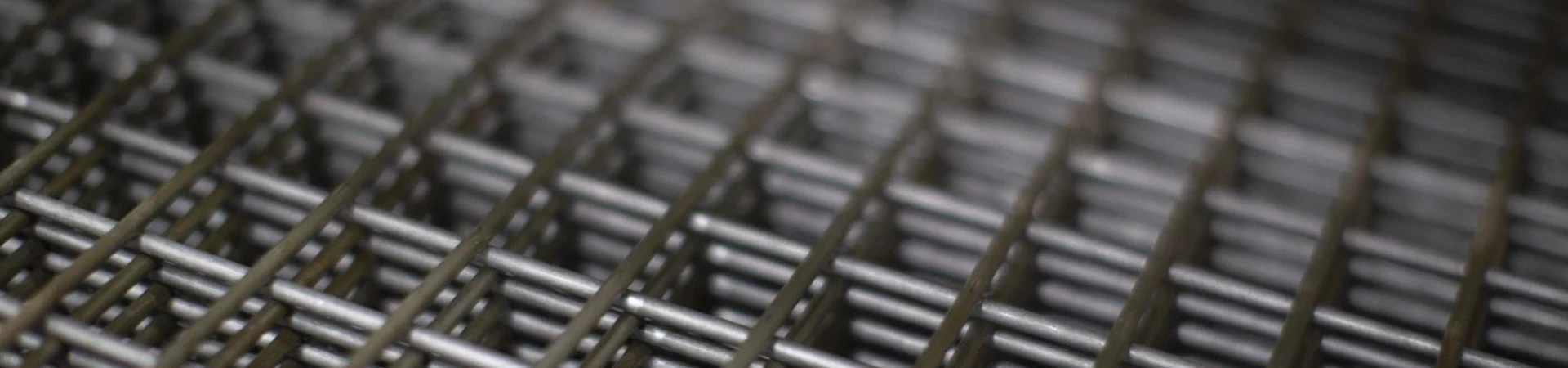

Anti-Tank Track Wire Mesh Barrier – Durable, Adaptable Security Solutions
Nov . 29, 2025 11:55
Understanding the Anti-Tank Track Wire Mesh Barrier: A Vital Defense and Infrastructure Solution
In a world where security concerns are evolving alongside rapid industrial and geopolitical changes, the anti-tank track wire mesh barrier stands as a critical feature in protective infrastructure. Whether used by military forces to halt armored vehicles, or by industries and governments to secure critical zones, understanding this structure’s role globally is more important than ever.
Why does this matter beyond military bases? Because these barriers intersect with humanitarian efforts, border security, disaster relief, and even environmental protection. That's not something often discussed outside specialist circles, but it affects a range of sectors. The benefits of understanding such technology include better readiness, innovative development in construction materials, and more effective deployment strategies.
Global Context: Where and Why Anti-Tank Track Wire Mesh Barriers Matter
Globally, conflicts and security threats persist—but so does the need for resilience in infrastructure. According to recent UN reports, border tensions and territorial disputes have increased by approximately 12% over the past decade, raising demand for protective barriers that can withstand heavy impact. Military analysts note that stationary vehicular threat mitigation systems, such as anti-tank track wire mesh barriers, play a significant role in safeguarding vulnerable points.
Beyond defense, industries with remote operations — from mining to logistics hubs — face challenges like vehicle control and perimeter safety. In these contexts, these barriers help address a fundamental problem: how to create flexible but robust physical boundaries without excessive cost or environmental impact.
In short, the anti-tank track wire mesh barrier isn’t just military jargon. It’s a practical solution to modern-day challenges across continents.
Mini Takeaway:
- Rising global security needs boost the adoption of these barriers.
- They serve both military and civilian industries.
- Understanding them means better long-term planning and safety.
What Exactly Is an Anti-Tank Track Wire Mesh Barrier?
Put simply, an anti-tank track wire mesh barrier is a sturdy fence-like structure composed of interwoven steel wires designed to impede or trap the tracks of heavy armored vehicles, like tanks or bulldozers. The concept hinges on the mesh’s ability to entangle or break the track links, effectively immobilizing the vehicle.
At its core, this technology blends mechanical engineering with material science. It's not just about a wall you see, but a deployable system that integrates wire gauge, mesh aperture, and often additional reinforcements to meet specific threat levels.
Nowadays, with shifting geopolitical and industrial needs, these systems have found renewed relevance. For example, in humanitarian zones, they help secure logistics corridors without heavy permanent fortifications, preserving access while blocking unauthorized vehicle passage.
Key Components and Factors Setting Anti-Tank Track Wire Mesh Barriers Apart
1. Durability and Material Strength
The barrier is only as good as the steel it's made from. Most use galvanized high-tensile wires, often coated with anti-corrosion finishes. This ensures resistance against weathering, rust, and mechanical wear in harsh environments.
2. Mesh Design and Aperture Size
A typical mesh size might range between 50 mm to 200 mm squares. These sizes are carefully engineered to trap tank tracks without letting them slip through or breaking too easily on impact. In fact, many engineers specify mesh apertures based on threat vehicle specifications.
3. Scalability and Modular Deployment
One neat aspect is how modular these barriers can be. Sections can be connected or deployed quickly to adapt to evolving frontlines or changing industrial needs, allowing rapid reconfiguration or expansion.
4. Cost Efficiency
Though material quality is premium, the long service life and relatively easy installation cut costs over time. You’re investing upfront but saving on maintenance and replacements.
5. Environmentally Responsible Design
New iterations often use recycled steel and feature finishes that minimize environmental contamination. That’s becoming an important factor especially in sensitive regions like nature reserves or humanitarian zones.
Mini Takeaway:
- Material choice directly affects durability and performance.
- Mesh size must balance effectiveness with deployment needs.
- Modularity means fast, adaptable setups across scenarios.
- Cost vs. longevity is crucial for sustainable projects.
Product Specifications at a Glance
| Specification | Detail |
|---|---|
| Material | Galvanized High-Tensile Steel Wire |
| Mesh Aperture | 50 mm x 50 mm to 200 mm x 200 mm |
| Wire Diameter | 4 mm to 8 mm |
| Coating | Hot-dip Galvanized (min. 275 g/m²) |
| Panel Size | 2m height x 3m width (customizable) |
| Tensile Strength | ≥ 1100 MPa |
Global Applications and Impactful Use Cases
Interestingly, anti-tank track wire mesh barriers are not just confined to conflict zones. In Asia, several border management authorities have successfully employed them to control unauthorized vehicle crossings without harming local wildlife—a delicate balance indeed.
In Africa, mining companies use these barriers to partition vehicle access around sensitive extraction sites, ensuring safety and theft prevention. I've come across a report where a major South African mine cut vehicle-related incidents by nearly 40% after installing mesh barriers coupled with surveillance.
Post-disaster recovery zones also see these barriers used as temporary vehicle checkpoints, allowing NGOs to coordinate aid convoys while restricting non-essential traffic. For instance, efforts following the 2019 cyclones in Southeast Asia adopted these systems for secure logistics corridors.
And of course, the military remains a major stakeholder worldwide. These barriers integrate into defensive perimeters, slowing or stopping enemy armored advances — a vital component in modern tactical planning.
Mini Takeaway:
- Anti-tank wire mesh barriers suit diverse environments and missions.
- They balance security with ecological, humanitarian, and industrial needs.
- Field success stories underline their adaptability and reliability.
Advantages and Long-Term Value of Using These Barriers
- Cost-effectiveness: Considering lifespan and minimal upkeep.
- Flexibility: Modular panels shift to meet changing terrain or threat scenarios.
- Environmental considerations: Steel reuse and non-invasive installation.
- Emotional reassurance: Communities feel safer; personnel trust reliable defenses.
- Innovation driver: Moves beyond concrete walls to intelligent mechanical solutions.
Frankly, it’s this combination of logical practicality and emotional comfort that makes anti-tank track wire mesh barriers stand out—they aren’t merely fences, but symbols of resilience and safety.
Future Trends and Innovations
Looking ahead, there is buzz about integrating sensors directly into wire meshes for real-time intrusion detection and material stress monitoring. Additionally, eco-friendly coatings derived from bio-based polymers are becoming more common, reducing environmental footprint.
Automation also seems on the horizon: robotic deployment and remote repositioning could cut setup times drastically. And as green energy storage sites grow, such barriers may double as lightning arrestors or grounding systems—a neat multipurpose twist.
Common Challenges and How Experts Tackle Them
A recurring challenge is balancing strength and weight. Heavier mesh panels resist damage better but complicate logistics and installation. To address this, composite reinforcements and lighter alloys find increasing use.
Another issue is corrosion in extreme climates. Solutions include enhanced coatings and predictive maintenance protocols based on IoT sensors that notify operators when degradation begins.
Vendor Comparison Snapshot
| Vendor | Material Quality | Customization | Global Reach | Pricing |
|---|---|---|---|---|
| Jinjiu Wire Mesh | High tensile galvanized steel | Modular, custom mesh size | Strong distribution in Asia & Africa | Competitive |
| SteelGuard Systems | Premium alloy options | Limited customization | Primarily North America | Higher cost |
| FortressMesh International | Standard galvanized steel | Custom panels available | Global (Europe focus) | Moderate |
FAQs About Anti-Tank Track Wire Mesh Barrier
1. How quickly can an anti-tank track wire mesh barrier be deployed in the field?
Deployment speed varies by panel size and crew experience, but modular systems like those from anti-tank track wire mesh barrier suppliers can often be assembled and installed within hours, making them suitable for urgent defensive needs.
2. Are these barriers reusable after a vehicle impact?
Minor impacts usually leave the barrier reusable with minimal repairs, but heavy armored assaults might require panel replacement. Many designs prioritize modularity so that damaged sections can be swapped out quickly.
3. Can anti-tank track wire mesh barriers be used in environmentally sensitive areas?
Yes. When made from galvanized steel with eco-friendly coatings and installed on minimal foundations, these barriers preserve local habitats while maintaining security.
4. What customization options are available for different terrains?
Manufacturers offer varied mesh apertures, wire gauges, and panel sizes to suit terrain challenges — from sandy deserts to rocky hills. Reinforcement options help in uneven ground conditions.
5. How do these barriers compare to concrete anti-tank obstacles?
Wire mesh barriers are usually faster to deploy, lighter, and easier to adapt. Concrete structures offer higher permanence but lack flexibility and come with higher logistical demands.
In Conclusion: Why Anti-Tank Track Wire Mesh Barriers Still Matter
All things considered, the anti-tank track wire mesh barrier remains a surprisingly versatile, cost-effective, and humane solution across multiple industries and geographies. Whether for national defense, resource protection, or humanitarian logistics, the ability to deploy durable but adaptable physical barriers saves both time and lives.
Want to learn more or explore tailored options? Visit our website to check the latest in anti-tank track wire mesh barrier technology and get expert advice.
Final Thought:
It's funny how a simple wire mesh, when engineered thoughtfully, can carry such strategic weight — proving that sometimes the old-fashioned solutions, upgraded with modern materials, stand the test of time.
References
- Wikipedia: Anti-tank obstacle
- United Nations: Peace and Security
- ISO 17663: Steel Wire Mesh - Specifications

Related Products


Related News


2026-03-16 14:21:07
Discover durable farming solutions and flexible animal containment with hinge-knot field fence. Combining impact-resistant design and customizable options, Hebei Jinjiu ensures quality for agricultural applications. Explore now: https://www.jinjiuwiremesh.com/field-fencefarm-fence.html
2026-03-16 14:21:07
Discover durable farming solutions and flexible animal containment with hinge-knot field fence. Combining impact-resistant design and customizable options, Hebei Jinjiu ensures quality for agricultural applications. Explore now: https://www.jinjiuwiremesh.com/field-fencefarm-fence.html
2027-04-14 00:00:00
Discover durable farming solutions and flexible animal containment with hinge-knot field fence. Combining impact-resistant design and customizable options, Hebei Jinjiu ensures quality for agricultural applications. Explore now: https://www.jinjiuwiremesh.com/field-fencefarm-fence.html
2026-02-25 15:31:06
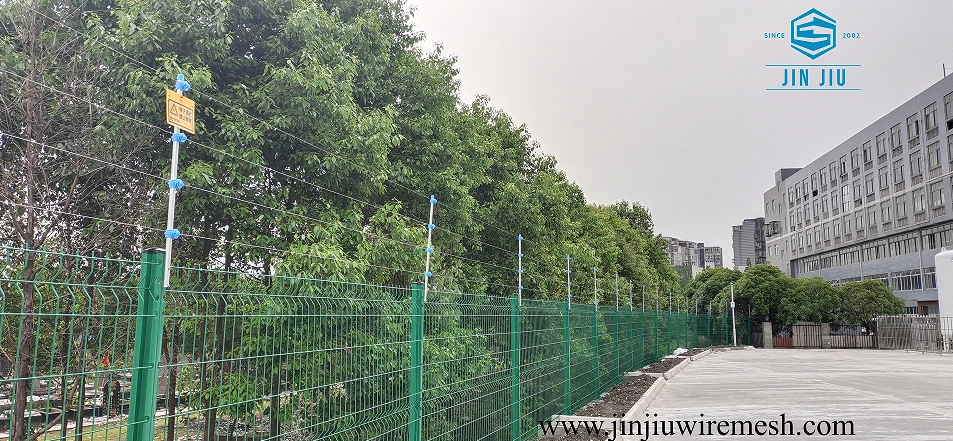
The Strategic Role of the Industrial Electric Fence in Modern Commerce
The protection of corporate and manufacturing assets has transitioned from a matter of simple boundary marking to a complex necessity of risk management.
2026-02-25 15:29:03
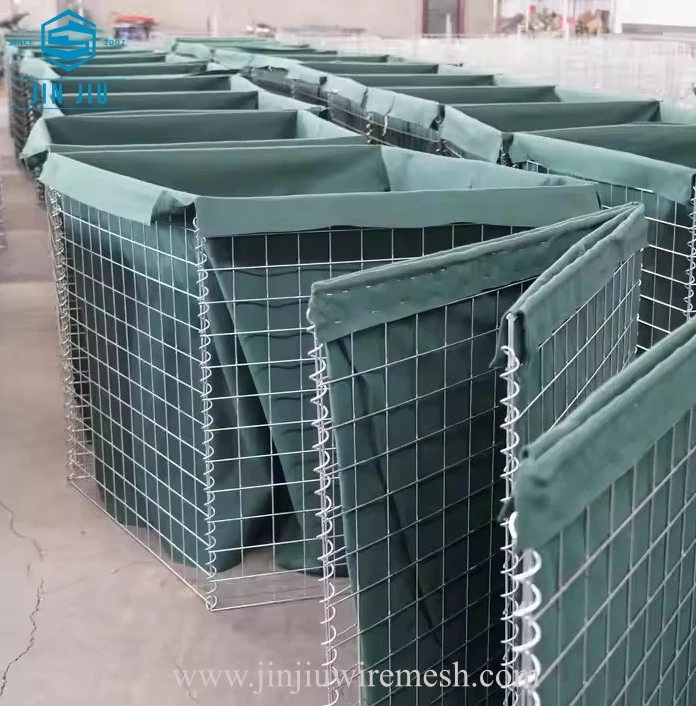
The Evolution of Physical Protection: Bullet Resistant Defensive Barriers in Modern Security
In an increasingly unpredictable global landscape, the requirement for high-level ballistic protection has moved beyond the battlefield and into the core of civilian and industrial security infrastructure.
2026-02-25 15:26:58
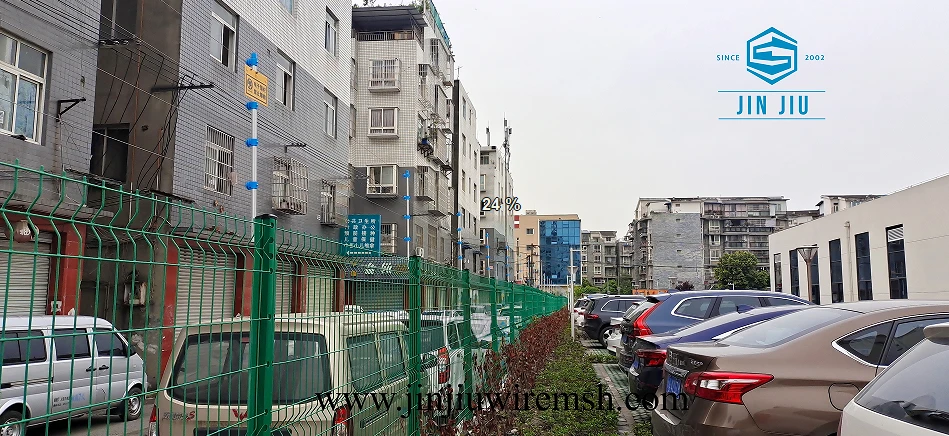
The Digital Backbone of Modern Security: Connected Pulse Monitoring Electric Fence Architecture
The traditional concept of a perimeter has undergone a fundamental transformation.
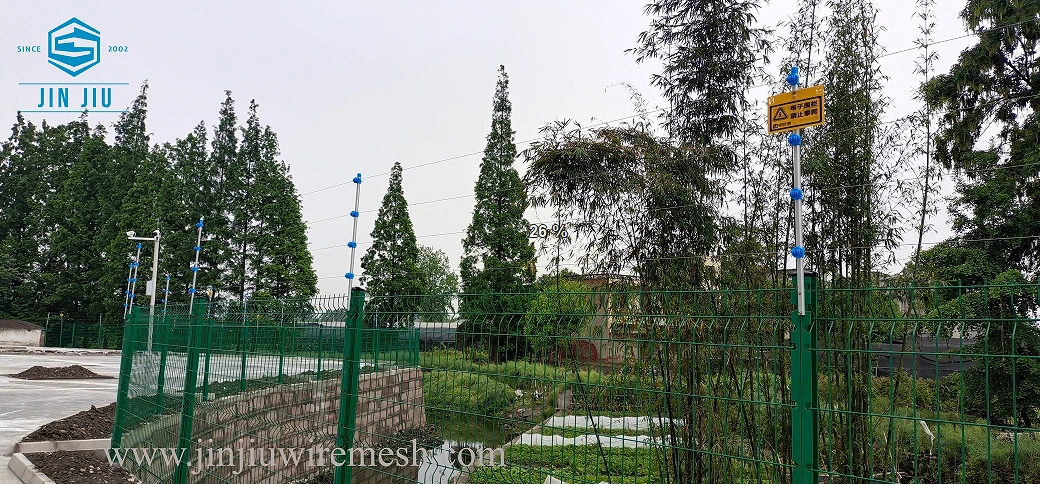
2026-02-25 15:24:13
Securing the Unreachable with a Powerful Pulse Electric Fence
In the realm of global security, the distinction between a standard boundary and a high-security perimeter is often defined by the technology pulsing through the wires.
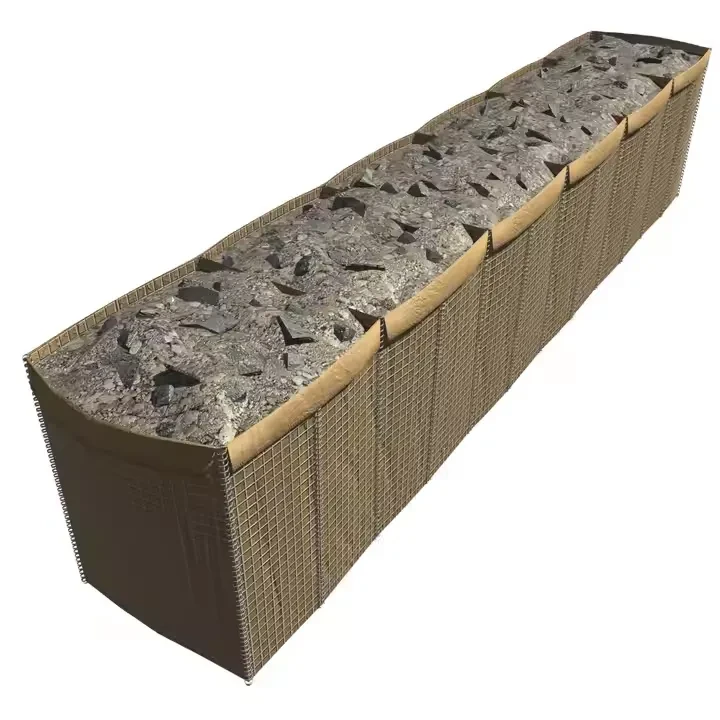
2027-04-14 00:00:00
Engineering Resilience with Explosion Proof Defensive Barriers
In an era where industrial safety and national security are increasingly intertwined, the necessity for specialized protection in volatile environments has never been higher.


 English
  Albanian
  Arabic
  Bengali
  Czech
Czech  Danish
  Dutch
Dutch  Finnish
  French
  German
  Japanese
  Malay
Malay  Persian
  Polish
  Portuguese
  Romanian
  Russian
  Serbian
  Spanish
  Swahili