





Hebei Jinjiu Metal Products Co.,Ltd



Durable & Flexible Tank Track Winding Metal Wire Net – Industrial & Humanitarian Solutions
Nov . 29, 2025 10:20
Understanding Tank Track Winding Metal Wire Net: The Unsung Hero of Industrial and Humanitarian Solutions
If you’ve never really given a second thought to the sturdy metal netting wrapped around tank tracks or industrial gear, you’re not alone. But these tank track winding metal wire nets, though they sound niche, carry significant global importance both in industry and humanitarian fields. At first glance, you might imagine a simple wire mesh, but in reality, it’s a carefully engineered product vital for durability, protection, and flexibility.
Why does understanding this matter? Well, they play a surprisingly big role in everything from construction safety to post-disaster relief efforts worldwide. The benefits of knowing about this product extend into cost savings, sustainability, and operational efficiency. Let’s unravel what makes these metal wire nets tick — literally and figuratively.
The Global Context: Why the Tank Track Winding Metal Wire Net Holds Worldwide Relevance
Globally, industrial sectors are expanding rapidly—Figures from the International Organization for Standardization (ISO) highlight a rise in construction and machinery manufacturing, which drives the demand for specialized components like metal wire nets.
In fragile ecosystems or disaster-prone regions, agencies increasingly rely on versatile, strong, and lightweight materials to stabilize equipment or protect vulnerable zones. The tank track winding metal wire net fits into this puzzle by providing a protective, adaptable solution. Oddly enough, in places like Southeast Asia or Northern Africa, these nets help secure tank treads in rough terrain, ensuring mobility and safety.
Challenges such as equipment wear or environmental damage have forced industries to move beyond traditional chains or rubber belts to something more reliable and cost-efficient — hence, the rise of these metal wire nets.
What Exactly Is a Tank Track Winding Metal Wire Net?
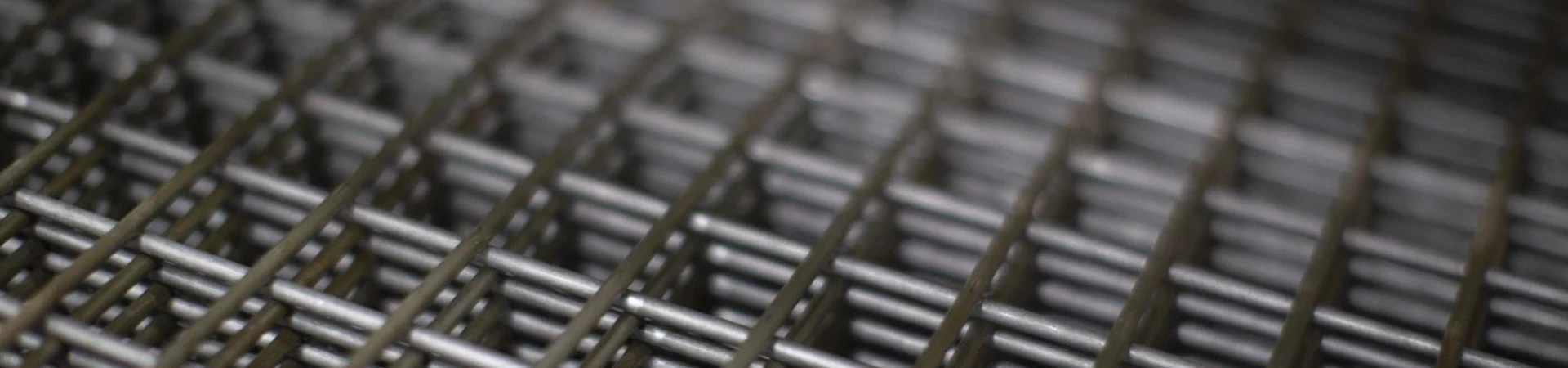
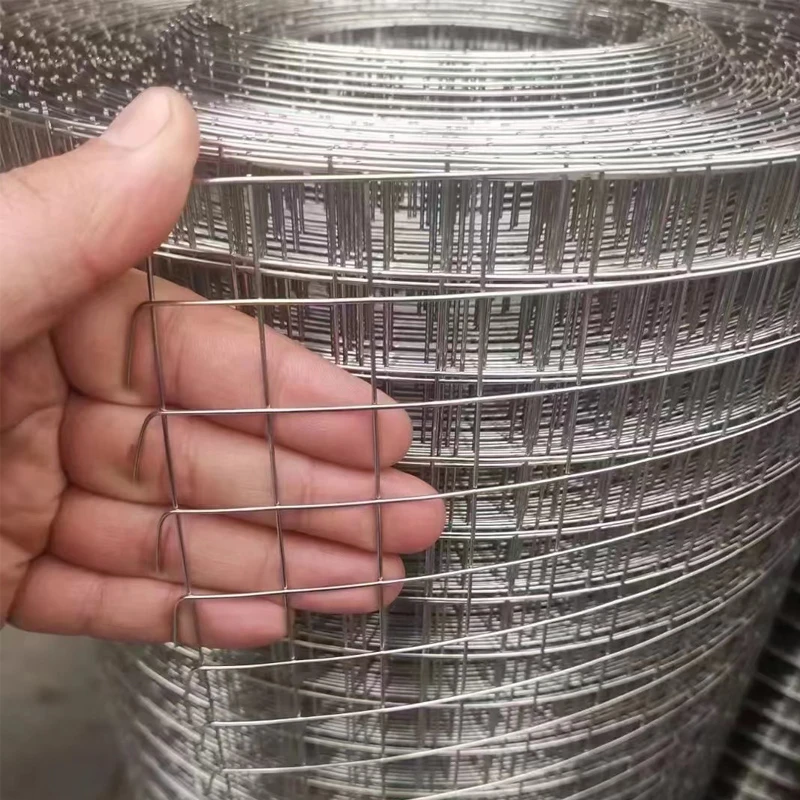
Simply put, a tank track winding metal wire net is a mesh constructed from durable metal wires, specifically designed to wrap tightly and flexibly around tank tracks and similar mechanical parts. This setup protects the tracks against debris, enhances friction on difficult surfaces, and extends overall equipment life.
Think of it as a mesh "armor" that’s both lightweight and strong—engineered to tackle rough surfaces, corrosive environments, and constant abrasion. It’s a clever intersection where metallurgy meets industrial design, ensuring machines keep moving and working efficiently.
Key Components That Make These Metal Wire Nets Tick
Durability
The wires themselves usually consist of galvanised steel or stainless steel, designed to resist rust, corrosion, and mechanical stress. This robustness means less frequent replacements, which is a boon for remote operations.
Flexibility
The winding nature of the metal wire net allows it to conform around complex geometries, such as tank treads, making it perfect for uneven or irregular surfaces.
Weight and Portability
Compared to traditional chains or rubber solutions, these nets are significantly lighter—helping to reduce machinery fuel consumption and increase ease of transportation during deployment.
Cost Efficiency
Though the initial cost might seem higher than standard covers, the lifespan and reduced maintenance make it an excellent long-term investment, especially in rugged environments.
Environmental Resistance
These nets can withstand extreme temperatures and weather conditions, increasing their usability across global climates and terrains.
Customizability
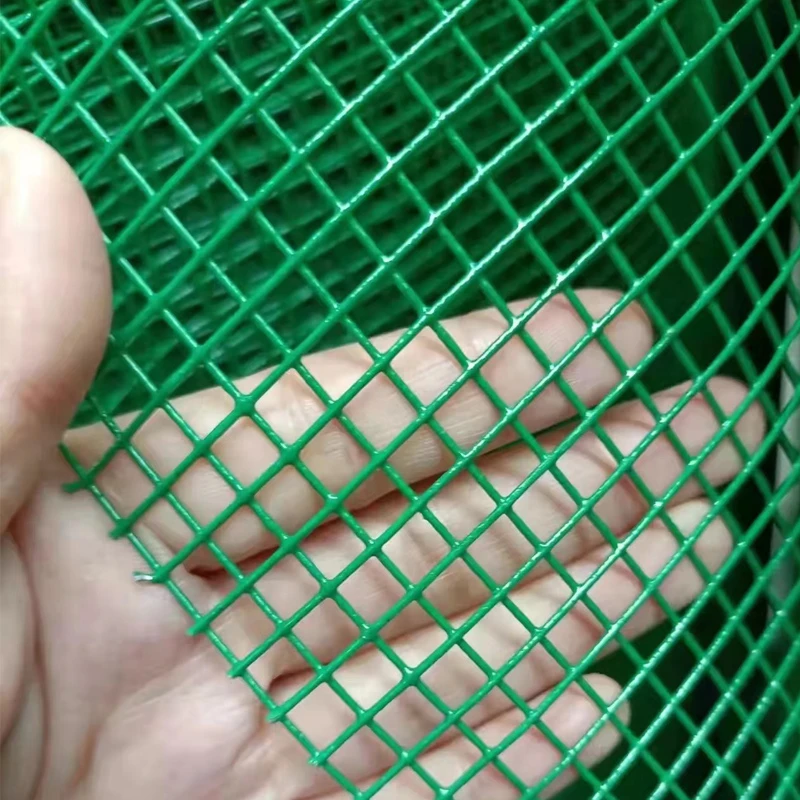
Wire diameter, mesh size, coating types, and overall size can be tailored precisely to fit specific industry needs.
Mini takeaway: If you’re looking for cost-saving, durable, and flexible protection around tank tracks, these metal wire nets tick all the boxes—in fact, many engineers say they’re the unsung champions of tough terrain mobility.
Global Applications: Where and How Tank Track Winding Metal Wire Nets Are Used
From heavy industry hubs in North America and Europe to developing regions battling harsh terrains, the applications are broad and evolving:
- Military and Defense: Protecting armored vehicle tracks against mud, ice, and rocky surfaces.
- Mining: Ensuring stability of heavy-duty mining equipment in rough and abrasive conditions.
- Construction: Offering an affordable alternative to conventional tracks in remote job sites.
- Disaster Relief: Used in makeshift vehicles or equipment to navigate rubble or unstable soils.
For instance, a relief agency in Nepal employed these nets on their tracked vehicles in mountainous rescue operations—allowing safer access where standard tires would fail.
Advantages and Long-Term Benefits of Using These Nets
- Cost Saving Over Time: By reducing the need for frequent repairs and replacements.
- Sustainability: Their recyclable materials and longevity align well with growing environmental standards.
- Safety: Increased grip and track protection help prevent accidental slips and downtime.
- Social Impact: By enhancing equipment reliability, they indirectly support remote communities’ accessibility to services and aid.
And on a more human note, knowing that your equipment won’t fail mid-operation brings peace of mind—something often overlooked but absolutely critical in demanding environments.
Technical Specifications of a Typical Tank Track Winding Metal Wire Net
| Specification | Description |
|---|---|
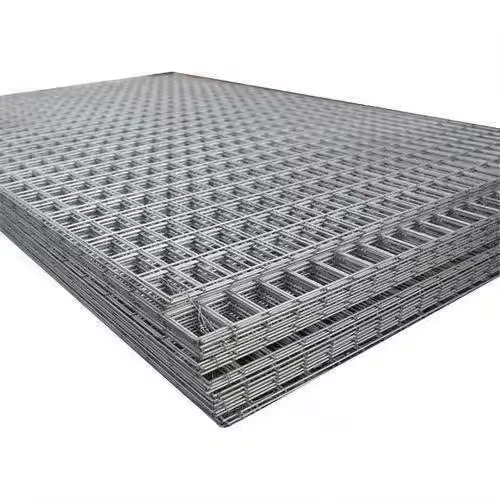
| Material | Galvanized Steel Wire / Stainless Steel |
| Wire Diameter | 2.0 mm – 4.0 mm (customizable) |
| Mesh Size | 20 mm – 50 mm square aperture |
| Coating | Hot-Dip Galvanization / PVC Coated Option |
| Tensile Strength | ≥ 500 MPa |
| Weight | Approx. 4-7 kg/m² |
How Do Vendors Stack Up? A Quick Comparison
| Vendor | Material Quality | Customization Options | Price Range | Lead Time |
|---|---|---|---|---|
| Jinjiu Wire Mesh | High-grade galvanized & stainless steel | Full range of diameters, mesh sizes, coatings | Mid-tier, competitive | 2-3 weeks |
| Global Mesh Co. | Standard galvanized steel | Limited customization | Lower price | 1-2 weeks |
| Industrial Nets Ltd. | Premium stainless steel | Advanced coatings available | Premium pricing | 3-4 weeks |
Emerging Trends and Evolving Innovations
The field isn’t standing still. Future advancements include integration of nanomaterial coatings to magnify corrosion resistance or lightweight carbon steel blends that retain strength but reduce weight even further. Automation in manufacturing now lets vendors provide highly customized metal wire nets at scale with lower costs.
Plus, green energy initiatives encourage recyclable and low-impact production methods here—as environmental standards from bodies like the United Nations Environment Programme drive global manufacturing trends.
Challenges & How the Industry Is Tackling Them
That said, implementing these nets isn’t without bumps:
- Installation Complexity: Sometimes fitting the net precisely around tank tracks demands skilled labor, adding to deployment time.
- Corrosion in Extreme Environments: Despite coatings, harsh chemicals or salty air damage can still pose risks.
- Cost Sensitivity: High upfront prices can deter smaller operators or NGOs from adoption.
Innovations like modular pre-assembled sections, improved protective coatings, and leasing options are helping circumvent these problems. It’s a sort of push-pull between affordability and performance, but solutions keep arriving.
FAQs About Tank Track Winding Metal Wire Net
Q1: How long does a typical tank track winding metal wire net last in rugged conditions?
A1: With proper galvanization or stainless treatment, the lifespan often stretches between 5 to 10 years, though actual durability varies by environment and usage intensity.
Q2: Can these wire nets be customized to fit non-standard tank tracks or machinery?
A2: Absolutely. Many manufacturers, such as tank track winding metal wire net suppliers, offer tailored mesh sizes, wire thicknesses, and shapes to meet unique industrial needs.
Q3: Are these metal wire nets environmentally sustainable?
A3: Yes. The materials are often recyclable, and many producers follow ISO environmental standards to minimize waste and energy consumption during production.
Q4: What are the main maintenance tips to extend its usable life?
A4: Regular inspections for rust spots, debris cleaning, and prompt repairs help prolong service. Application of anti-corrosion sprays in harsh climates is also recommended.
Q5: How quickly can these be sourced for urgent projects?
A5: Lead times can vary, but many reliable vendors provide bulk orders within 2-4 weeks. Rush orders might be possible depending on stock and customization.
Final Thoughts and Call to Action
In the end, the humble tank track winding metal wire net quietly supports massive global operations—from industrial heavy lifting to saving lives in disaster zones. Its blend of durability, flexibility, and environmental resistance makes it a wise investment with clear long-term benefits.
If you’re interested, don’t hesitate to explore trusted suppliers like tank track winding metal wire net vendors to find solutions tailored to your needs. In an ever-demanding world, a reliable metal wire net might just be the unsung ally you need.
References

Related Products
Related News


2026-03-16 14:21:07
Discover durable farming solutions and flexible animal containment with hinge-knot field fence. Combining impact-resistant design and customizable options, Hebei Jinjiu ensures quality for agricultural applications. Explore now: https://www.jinjiuwiremesh.com/field-fencefarm-fence.html
2026-03-16 14:21:07
Discover durable farming solutions and flexible animal containment with hinge-knot field fence. Combining impact-resistant design and customizable options, Hebei Jinjiu ensures quality for agricultural applications. Explore now: https://www.jinjiuwiremesh.com/field-fencefarm-fence.html
2027-04-14 00:00:00
Discover durable farming solutions and flexible animal containment with hinge-knot field fence. Combining impact-resistant design and customizable options, Hebei Jinjiu ensures quality for agricultural applications. Explore now: https://www.jinjiuwiremesh.com/field-fencefarm-fence.html
2026-02-25 15:31:06
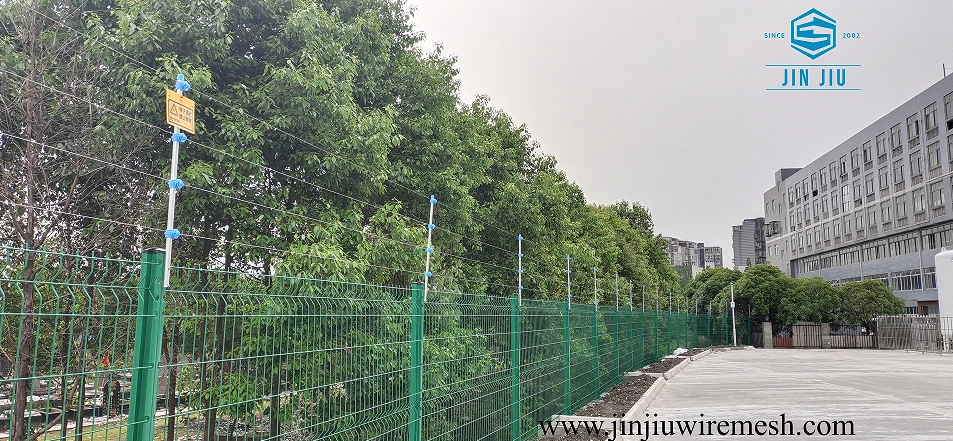
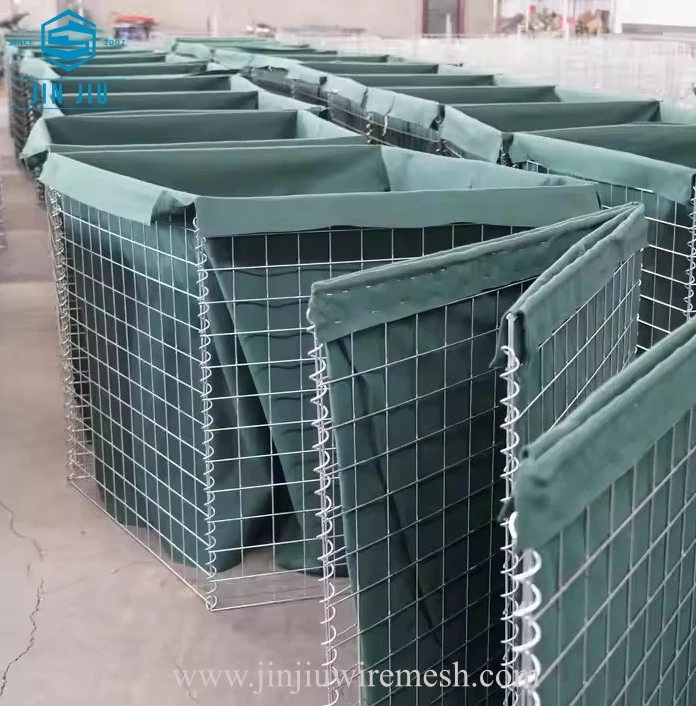
The Strategic Role of the Industrial Electric Fence in Modern Commerce
The protection of corporate and manufacturing assets has transitioned from a matter of simple boundary marking to a complex necessity of risk management.
2026-02-25 15:29:03
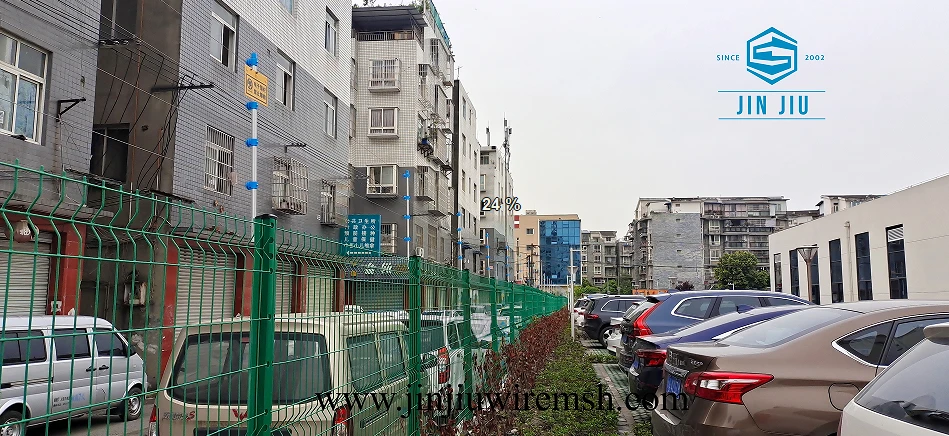
The Evolution of Physical Protection: Bullet Resistant Defensive Barriers in Modern Security
In an increasingly unpredictable global landscape, the requirement for high-level ballistic protection has moved beyond the battlefield and into the core of civilian and industrial security infrastructure.
2026-02-25 15:26:58
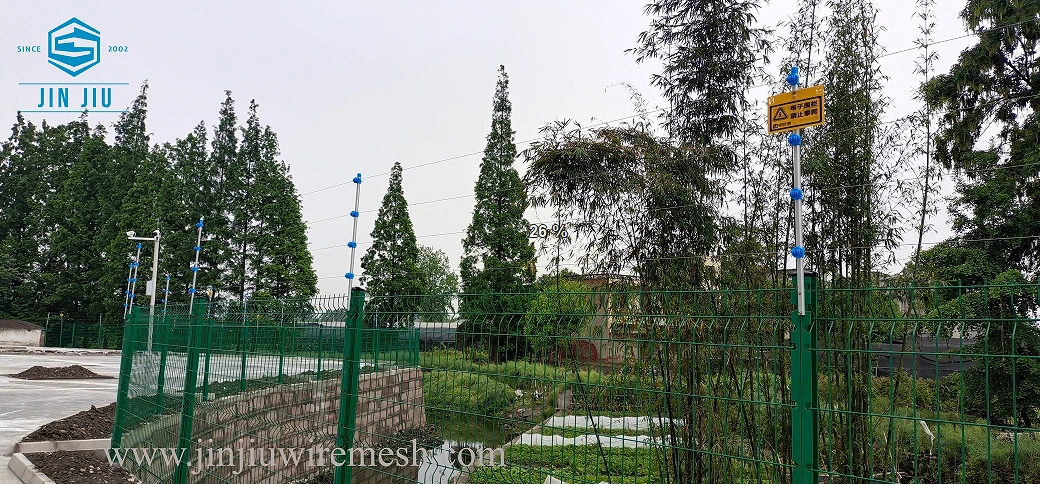
The Digital Backbone of Modern Security: Connected Pulse Monitoring Electric Fence Architecture
The traditional concept of a perimeter has undergone a fundamental transformation.
2026-02-25 15:24:13
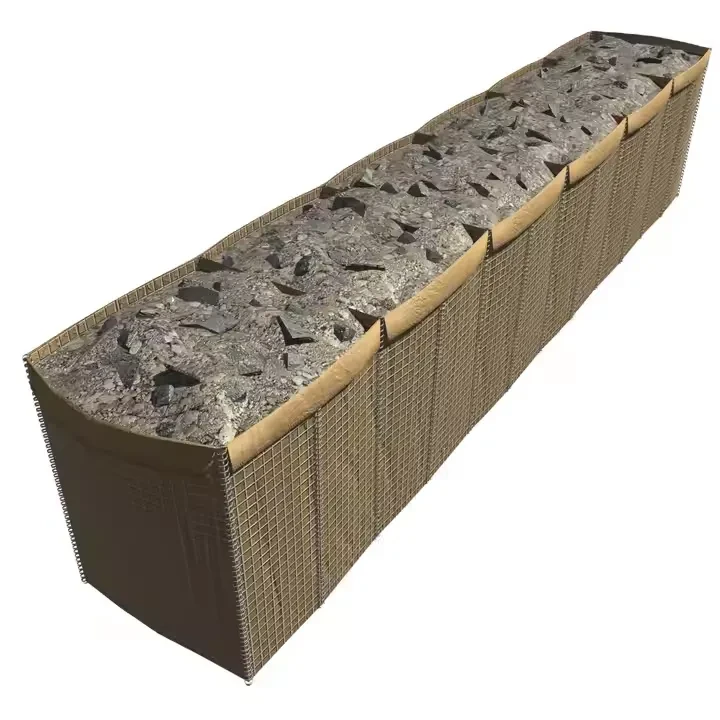
Securing the Unreachable with a Powerful Pulse Electric Fence
In the realm of global security, the distinction between a standard boundary and a high-security perimeter is often defined by the technology pulsing through the wires.
2027-04-14 00:00:00
Engineering Resilience with Explosion Proof Defensive Barriers
In an era where industrial safety and national security are increasingly intertwined, the necessity for specialized protection in volatile environments has never been higher.


 English
  Albanian
  Arabic
  Bengali
  Czech
Czech  Danish
  Dutch
Dutch  Finnish
  French
  German
  Japanese
  Malay
Malay  Persian
  Polish
  Portuguese
  Romanian
  Russian
  Serbian
  Spanish
  Swahili