





Hebei Jinjiu Metal Products Co.,Ltd



Durable Anti Tank Track Mesh Solutions | Jinjiu Wire Mesh
Nov . 27, 2025 04:10
Understanding Anti Tank Track Mesh: Why It’s More Relevant Than Ever
If you've ever wondered how to protect critical infrastructure or secure a battlefield without bulky, permanent barriers, anti tank track mesh is likely a key part of the answer. This niche yet vital technology underpins global security efforts, disaster resilience, and even certain industrial uses — quietly safeguarding assets in ways many overlook. Grasping what anti tank track mesh is and where it fits in can shed light on a surprising combination of military strategy, engineering ingenuity, and humanitarian aid solutions worldwide.
While terms like “anti tank track mesh” might sound purely military, they have much broader implications. Knowing its benefits can unlock smarter, safer infrastructure planning, especially in conflict zones or disaster-prone areas. Plus, its effectiveness is backed by rigorous standards and ongoing innovations—you might find yourself appreciating it more than you thought.
The Global Context: Anti Tank Track Mesh in Today’s World
Globally, nearly 70 armed conflicts or border disputes in the past decade have made efficient defensive measures like anti tank track mesh critical to maintaining territorial sovereignty and protecting civilian lives (UN reports, 2023). Beyond warfare, the rise of asymmetric security threats in urban and remote industrial railways, pipelines, and critical utilities creates a niche demand for rapid-to-deploy, scalable protection.
More than just military applications, industries face similar challenges: securing large areas against vehicle incursions or unauthorized heavy equipment access while preserving landscape integrity. It’s why organizations from peacekeepers to energy firms and disaster relief agencies consider these mesh systems an essential tool.
Consider this: the World Bank estimates infrastructure damage worth billions annually due to sabotage or accidental vehicle damage in volatile regions. Anti tank track mesh helps reduce those risks considerably, which is why governments and NGOs invest in it consistently.
Mini takeaway:
Anti tank track mesh isn’t just for battlefields—its global relevance spans security, industry, and humanitarian efforts dealing with vehicular threats.
What Is Anti Tank Track Mesh, Exactly?
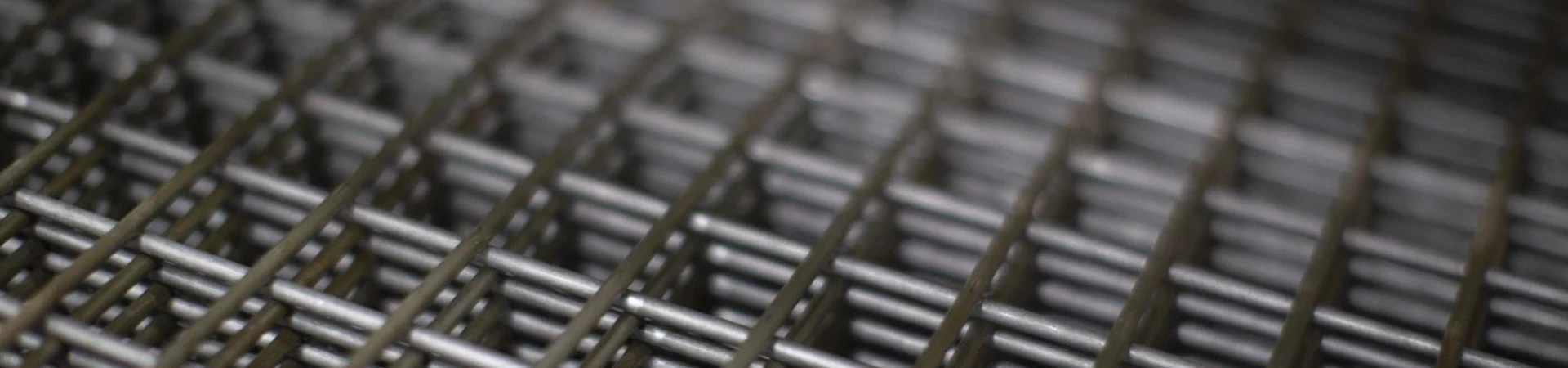
Put simply, anti tank track mesh is a tough, reinforced wire mesh designed to withstand and prevent the passage of heavy tracked vehicles like tanks or bulldozers. Typically made from high-grade steel or alloy fibers, its design focuses on absorbing impact or stopping vehicle progression by creating a physical barrier strong enough to hold ground without requiring excessive bulk.
The mesh often comes in modular panels that can be deployed rapidly over terrain, roads, or perimeters—helpful for military outposts or emergency disaster zones. But oddly enough, these same properties lend themselves to civilian uses: preventing unauthorized heavy equipment access to construction sites or protecting environmental preserves against off-road damage.
Mini takeaway:
Anti tank track mesh blends high-strength materials and smart engineering to provide a versatile physical vehicle barrier suited for both military and civilian contexts.
Core Components and Key Factors of Anti Tank Track Mesh
1. Durability
Durability is paramount. The mesh is typically galvanized or coated to resist corrosion, rust, and wear from harsh elements, meaning it performs reliably in deserts, rainforests, or frozen tundra alike.
2. Scalability
Modularity allows flexible deployment—from temporary setups during peacekeeping missions to permanent civilian infrastructure. Panels can be linked or stacked, depending on threat levels and terrain.
3. Cost Efficiency
Compared to static concrete barriers or costly electronic surveillance, anti tank track mesh offers a relatively low-cost first line of defense. The lightweight nature also lowers transport and installation expenses.
4. Ease of Deployment
Fast assembly is critical in urgent situations. Many meshes come with quick-lock systems, enabling small teams to cover large areas in short timeframes.
5. Environmental Impact
Using recyclable metals and minimizing land disturbance are growing design priorities, ensuring environmental compliance for sensitive areas.
| Specification | Typical Feature | Industry Standard |
|---|---|---|
| Material | Galvanized Steel / Alloy | ISO 1461 (Galvanizing) |
| Mesh Size | 50mm x 50mm typically | - |
| Panel Dimensions | 2m x 3m standard | Custom sizes often made |
| Weight | Approx. 25 kg per panel | - |
| Installation Time | Up to 1 hour per 10 panels by a 3-person team | Field tested |
Where Do We See Anti Tank Track Mesh in Action?
They’re not just flat barriers you see on the news. In fact, anti tank track mesh is deployed in a wide array of environments.
- Military bases and forward operating posts: Rapid deployment can establish perimeter control in unpredictable zones.
- Post-disaster relief efforts: In places where heavy equipment access needs strict regulation—like Afghanistan or parts of Africa—mesh helps direct vehicles while securing fragile environments.
- Critical infrastructure protection: Energy pipelines, rail yards, and border checkpoints use mesh to prevent unauthorized tracked vehicle movement that can damage assets.
- Industrial zones: In remote mining or logging operations, preventing heavy vehicle straying reduces environmental damage.
For example, during recent UN peacekeeping missions in conflict-prone regions, anti tank track mesh has allowed logistics teams to secure supply routes quickly, aiding smoother humanitarian aid delivery without the lengthy wait time of traditional fortification.
Mini takeaway:
The uses of anti tank track mesh are multi-sectoral, enabling rapid, effective security solutions in military, humanitarian, and industrial contexts globally.
Advantages: What Makes Anti Tank Track Mesh Worth Considering?
From a practical standpoint, the benefits are clear:
- Cost savings: Compared to permanent concrete walls or electronic systems, anti tank track mesh is economically sensible.
- Sustainability: Long-lasting materials and recyclability mean lower environmental footprints.
- Emotional security: Knowing your perimeter is reinforced instills confidence among defense personnel or civilians alike.
- Innovation driver: Ongoing R&D ensures this mesh evolves alongside new vehicle types and terrains.
- Reliability: Tough under pressure, resistant to corrosion—it’s built to last and perform.
In real terms, these advantages translate into fewer vehicle breaches, reduced repair costs, and trust among residents or workforce — an intangible but critical factor.
What’s Next? Future Trends and Innovations
We’re seeing several exciting developments on the horizon:
- Smart mesh integration: Embedded sensors can detect impact or tampering in real time, connecting physical defense with digital monitoring networks.
- Advanced alloys: New materials combining lightweight strength with flexibility allow quicker, easier installation.
- Sustainability push: Use of eco-friendly coatings and recycled metals aligns with global green standards (ISO 14001).
- Automation: Drones and robots help deploy or inspect mesh in hazardous or hard-to-reach locations.
Oddly enough, innovation in something so seemingly brute has this subtle, high-tech side — sort of like a Renaissance fighter adopting futuristic tech.
Common Challenges and How Industry Leaders Address Them
Of course, anti tank track mesh isn’t without hurdles:
- Weight and transport logistics: Rough terrain can complicate delivery of heavy panels.
- Installation speed limits: In extreme emergencies, assembling even modular panels consumes valuable time.
- Environmental concerns: Improper disposal or installation in sensitive ecosystems can backfire.
Innovative solutions? Many vendors develop collapsible panels or lighter composite materials to ease transport. Training programs improve installation speed. And environmental assessments guide deployment strategies.
| Vendor | Product Range | Lead Time | Notable Feature |
|---|---|---|---|
| Jinjiu Wire Mesh | Modular anti tank and vehicle barrier meshes | 2-3 weeks | Custom sizing and reinforced coatings |
| SteelGuard Defense | Heavy-duty concrete and mesh combos | 4-6 weeks | Integrated sensor networks |
| EcoBarrier Solutions | Recycled metal lightweight meshes | 3-4 weeks | Eco-certified materials |
FAQ: Your Questions About Anti Tank Track Mesh Answered
Q1: How quickly can anti tank track mesh be deployed in an emergency?
A: Deployment speed depends on team size and panel design, but with modular systems like those from Jinjiu Wire Mesh, trained teams can install roughly 10 panels per hour. This enables rapid perimeter setup within days rather than weeks.
Q2: Can anti tank track mesh prevent all types of vehicle intrusions?
A: It primarily stops heavy tracked vehicles like tanks or bulldozers. While it also deters wheeled vehicles, certain light or specially modified vehicles might cross under specific conditions, so layered defense strategies are advised.
Q3: Is the mesh suitable for environmentally sensitive areas?
A: Yes, especially when eco-friendly coatings and proper installation techniques are used. Many manufacturers tailor products to minimize landscape impact, complying with environmental standards.
Q4: How does the mesh perform in extreme weather?
A: Made from galvanized or alloy steel per ISO standards, anti tank track mesh resists corrosion, heat, and freezing conditions, maintaining structural integrity over years in harsh climates.
Q5: Can NGOs import anti tank track mesh internationally?
A: Absolutely. Vendors like Jinjiu Wire Mesh support international shipping and compliance documentation, easing import processes for humanitarian organizations.
Final Thoughts: Why Anti Tank Track Mesh Remains a Smart Investment
In a world where security, infrastructure protection, and rapid response are more important than ever, anti tank track mesh delivers diverse, proven benefits. Its durability, adaptability, and relative cost-effectiveness make it a wise choice for military, industrial, and humanitarian applications alike.
If you’re looking for trusted quality and a product lineup tailored to your unique needs, consider visiting Jinjiu Wire Mesh’s website for the latest on modular, customized anti tank track mesh solutions.
Let’s keep those vulnerable points secure — quietly, effectively, and sustainably.
References

Related Products

Related News


2026-03-16 14:21:07
Discover durable farming solutions and flexible animal containment with hinge-knot field fence. Combining impact-resistant design and customizable options, Hebei Jinjiu ensures quality for agricultural applications. Explore now: https://www.jinjiuwiremesh.com/field-fencefarm-fence.html
2026-03-16 14:21:07
Discover durable farming solutions and flexible animal containment with hinge-knot field fence. Combining impact-resistant design and customizable options, Hebei Jinjiu ensures quality for agricultural applications. Explore now: https://www.jinjiuwiremesh.com/field-fencefarm-fence.html
2027-04-14 00:00:00
Discover durable farming solutions and flexible animal containment with hinge-knot field fence. Combining impact-resistant design and customizable options, Hebei Jinjiu ensures quality for agricultural applications. Explore now: https://www.jinjiuwiremesh.com/field-fencefarm-fence.html
2026-02-25 15:31:06
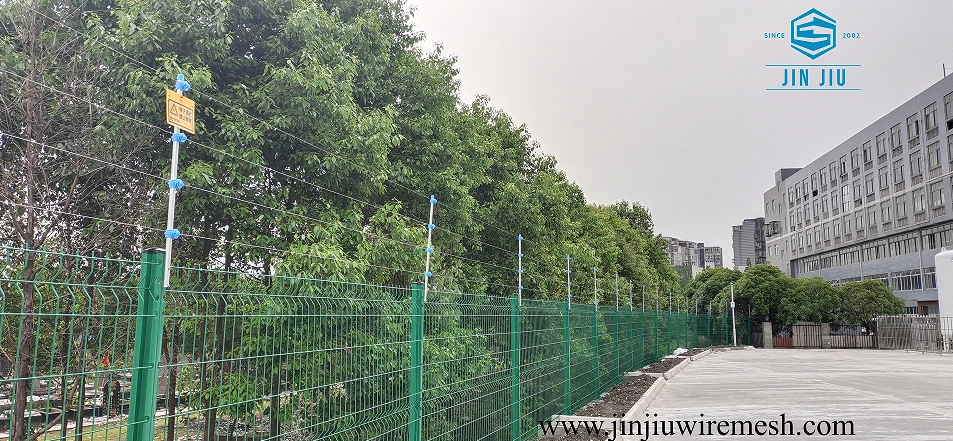
The Strategic Role of the Industrial Electric Fence in Modern Commerce
The protection of corporate and manufacturing assets has transitioned from a matter of simple boundary marking to a complex necessity of risk management.
2026-02-25 15:29:03
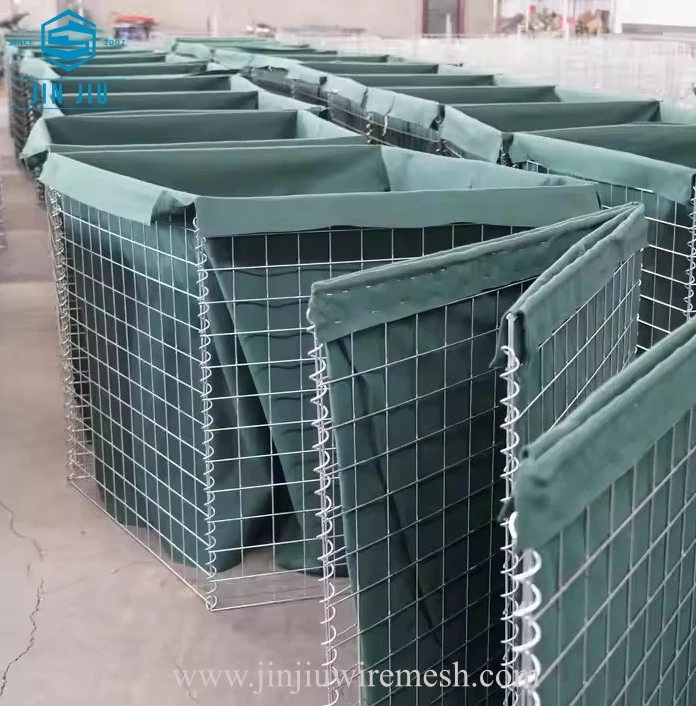
The Evolution of Physical Protection: Bullet Resistant Defensive Barriers in Modern Security
In an increasingly unpredictable global landscape, the requirement for high-level ballistic protection has moved beyond the battlefield and into the core of civilian and industrial security infrastructure.
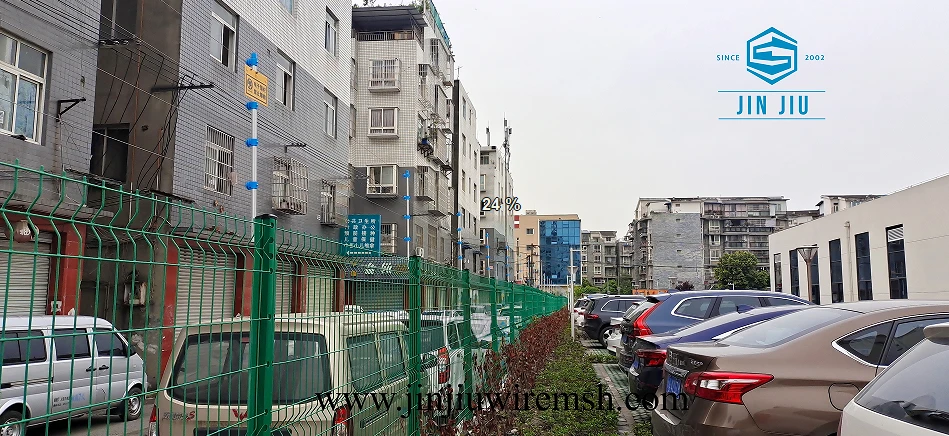
2026-02-25 15:26:58
The Digital Backbone of Modern Security: Connected Pulse Monitoring Electric Fence Architecture
The traditional concept of a perimeter has undergone a fundamental transformation.
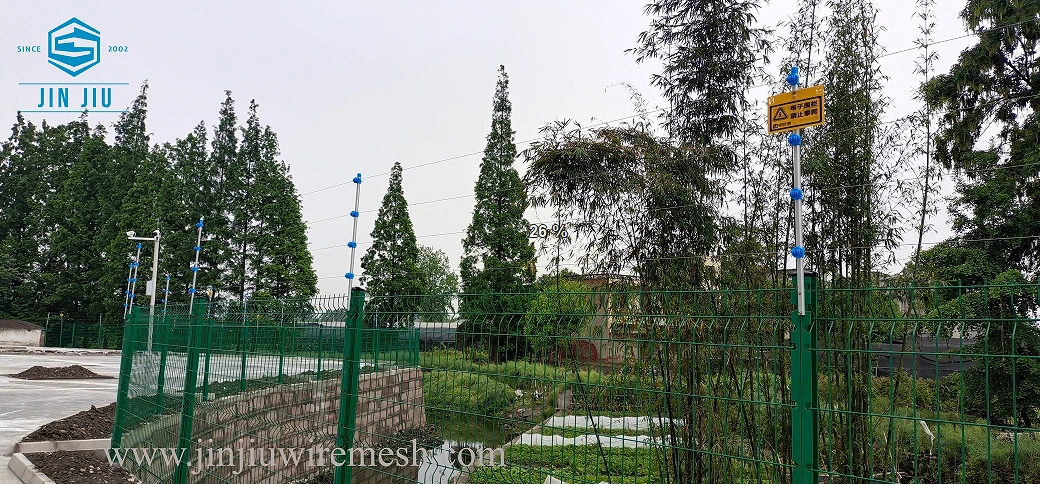
2026-02-25 15:24:13
Securing the Unreachable with a Powerful Pulse Electric Fence
In the realm of global security, the distinction between a standard boundary and a high-security perimeter is often defined by the technology pulsing through the wires.
2027-04-14 00:00:00
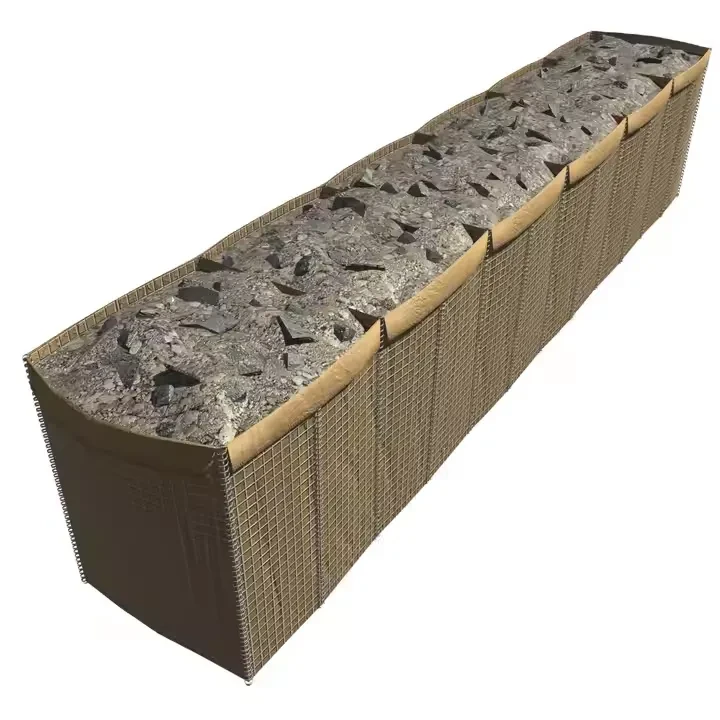
Engineering Resilience with Explosion Proof Defensive Barriers
In an era where industrial safety and national security are increasingly intertwined, the necessity for specialized protection in volatile environments has never been higher.


 English
  Albanian
  Arabic
  Bengali
  Czech
Czech  Danish
  Dutch
Dutch  Finnish
  French
  German
  Japanese
  Malay
Malay  Persian
  Polish
  Portuguese
  Romanian
  Russian
  Serbian
  Spanish
  Swahili