





Hebei Jinjiu Metal Products Co.,Ltd



Understanding Anti-Tank Security Barriers: Global Uses & Innovations
Nov . 27, 2025 06:40
Understanding the Anti-Tank Security Barrier: A Crucial Defense in Modern Times
The term anti-tank security barrier might bring to mind rugged steel fences blocking vast military fronts, but its significance goes beyond mere title. These structures, engineered to impede or stop the advance of tanks and heavy armored vehicles, are vital defensive assets shaping the global security landscape. In an increasingly complex world where territorial tensions, urban conflicts, and border protection demand reliable physical deterrents, understanding the nuances of anti-tank barriers matters — not just for military strategists but also for policymakers and industries involved in infrastructure security.
At its core, an effective anti-tank barrier offers tangible benefits: it prevents hostile advances, enhances perimeter integrity, and can be rapidly deployed when necessary. With global conflicts and security incidents still frequent, investment in these barriers remains a topic of interest worldwide.
The Global Context: Why Anti-Tank Security Barriers Remain Relevant
Security challenges from the UN Security Council reports show an uptick in border skirmishes involving armored vehicles. Countries spend billions annually on defense infrastructure, and while technology trends focus on drones and cyber, physical barriers remain unshakable cornerstones of defense policy. According to a 2022 ISO assessment on military infrastructure standards, integrating physical security barriers contributes at least 35% to perimeter defense efficacy.
Oddly enough, many regions from the tense borders of Eastern Europe to remote industrial zones in Africa rely heavily on these systems. The challenge is clear: armored vehicles can’t be stopped by just a fence, so how do you keep them out effectively? That’s exactly where anti-tank security barriers come in.
What Exactly is an Anti-Tank Security Barrier?
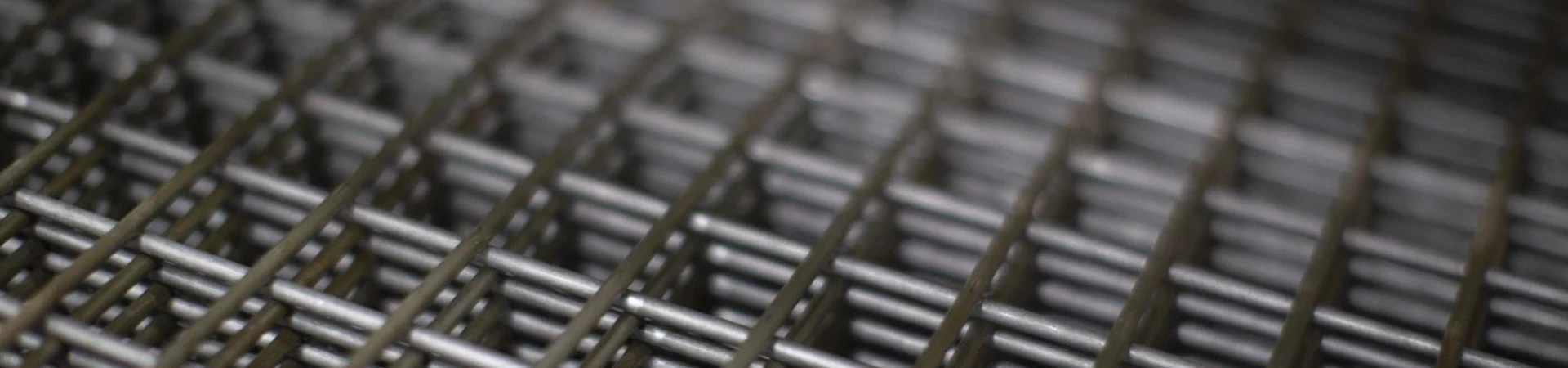
Simply put, an anti-tank security barrier is a construction designed to physically block, slow down, or channelize the movement of heavy armored vehicles like tanks. Typically composed of reinforced materials such as concrete blocks, steel wire meshes, or heavy-duty metal fencing, these barriers protect critical installations, borders, or conflict zones.
In modern industry, beyond military use, they help safeguard infrastructure like power plants, sensitive factories, and even humanitarian supply routes where armored vehicles can pose a threat or uncontrolled access must be limited.
Core Components That Make Anti-Tank Barriers Work
Durability
Most engineers emphasize the importance of high-resistance materials that withstand explosives, weather, and long-term wear. Reinforced concrete and galvanized steel meshes are favorites for their longevity and minimal maintenance.
Modularity and Scalability
Modular barrier systems allow quick assembly and reconfiguration. This flexibility is key during sudden escalations where defensive lines must be adjusted.
Cost Efficiency
Although quality barriers may initially cost more, lifetime durability combined with ease of repair balances initial investments. Budgets in defense and infrastructure projects always scrutinize this.
Ease of Deployment
In some conflict zones or disaster-prone regions, rapid deployment saves lives. Systems designed with lighter components and intuitive locking mechanisms reduce setup times dramatically.
Visibility and Psychological Impact
Barriers don’t just stop tanks physically—they send a strong deterrent message. The visible presence of formidable obstacles can discourage hostile actions before they begin.
Real-World Applications Around the World
From the fortified outskirts of conflict-torn regions in the Middle East to critical industrial facilities in Southeast Asia, these barriers have many faces. For example:
- Eastern European borders: Used to prevent unregulated military advances during geopolitical tensions.
- Remote industrial zones in Africa: Protect large mining operations from potential incursions.
- Humanitarian corridors: In post-conflict relief efforts, barriers help secure supply routes from unwanted vehicle traffic.
- Urban critical infrastructure: Airports, nuclear plants, and government buildings use anti-tank meshes and concrete block systems to deter vehicular attacks.
I came across a project in northern Israel where a layered system of mesh barriers combined with electronic sensors significantly reduced illegal crossings and armored incursions within weeks of installation.
Specification Table: Typical Anti-Tank Security Barrier
| Parameter | Specification | Notes |
|---|---|---|
| Material | Galvanized Steel Mesh & Reinforced Concrete | Corrosion-resistant and strong |
| Height | 1.5 to 2.5 meters | Depending on threat level |
| Modularity | Yes, panel-based | Allows quick assembly & transport |
| Weight per panel | Approx. 50 kg | Manageable by small crews |
| Deployment Time | Less than 30 min per 10m stretch | With trained team |
Advantages and Long-Term Value of Anti-Tank Barriers
The benefits of these security barriers aren’t just about blocking armored vehicles. In real terms, they:
- Save lives by reducing the risk of hostile armored advances near civilian zones.
- Enhance peace of mind: Visible deterrents build trust among local communities and forces.
- Offer sustainability through long-lasting materials that require minimal upkeep.
- Support economies by protecting critical infrastructure from destruction, ensuring business continuity.
On a personal note, many security planners I’ve spoken to say that a well-placed anti-tank barrier is as much a psychological shield as it is physical. Innovation today means these systems integrate with sensors and alarms, creating a comprehensive protection package.
Vendor Comparison Table for Popular Anti-Tank Barrier Manufacturers
| Vendor | Material Quality | Deployment Speed | Customization Options | Price Range |
|---|---|---|---|---|
| SecureMesh Co. | High-grade galvanized steel | Fast (under 30 min) | Yes, modular sizes | $$$ |
| ArmorBlock Ltd. | Reinforced concrete panels | Moderate (45 min+) | Limited | $$ |
| Fortify Defense | Composite metal & polymers | Fast (20-25 min) | High, including sensor integration | $$$$ |
Emerging Trends and Innovations in Security Barriers
The future is exciting. Manufacturers are exploring green energy integration—imagine barriers powered by small solar cells to feed sensors or alarms. Digital transformation is also big: mesh fences now incorporate IoT devices, giving real-time breach alerts. Automation has crept in, with some systems capable of self-deployment via drones or robotic handlers (still a bit sci-fi, but getting real).
Sustainability trends encourage using recycled materials without sacrificing strength, which is both an environmental and economic win.
Common Challenges and Practical Solutions
Deploying anti-tank security barriers isn’t always smooth sailing. Some common hurdles include:
- Transport difficulties in rough terrain — modular lightweight designs help here.
- High initial costs — balanced by long-term durability and modular repair.
- Integration with electronic security systems can be complex but boosts overall effectiveness.
Experts recommend upfront planning, thorough site assessment, and selecting suppliers experienced in mixed material solutions.
FAQ: Your Questions About Anti-Tank Security Barriers Answered
- How quickly can an anti-tank security barrier be set up?
- Depending on design, modular systems can be deployed as fast as 20 to 30 minutes per 10-meter section by trained teams. Pre-planning and site prep are key.
- Are anti-tank barriers reusable?
- Yes, especially modular panels made of steel mesh and concrete blocks can be dismantled and reused, making them cost-effective over multiple deployments.
- Can these barriers be integrated with electronic security systems?
- Absolutely. Many modern anti-tank barriers feature mounts or channels for sensors, cameras, and alarms, providing layered security beyond physical defense.
- Do anti-tank security barriers require lots of maintenance?
- Durable materials like galvanized steel and reinforced concrete minimize maintenance needs. Regular inspections for damage and corrosion are recommended, especially in harsh environments.
- Who typically uses anti-tank security barriers outside military contexts?
- Industrial companies, humanitarian aid organizations (to safeguard supply routes), and governments protecting critical infrastructure often rely on these barriers.
Wrapping Up: Why Investing in Anti-Tank Security Barriers is a Smart Move
In a world that’s never quite settled, anti-tank security barriers perform a crucial role in fortifying defenses, establishing psychological deterrence, and protecting vital assets. Their long lifespan, combined with increasing integration of technology and sustainable materials, ensures they’re not a relic but a living, evolving solution.
For companies and governments seeking reliable, scalable, and effective means to secure their perimeters against armored threats, exploring options like the ones outlined here is more vital than ever. Curious to see what the anti-tank security barrier landscape offers? Visit our website and explore comprehensive solutions tested globally.
References

Related Products


Related News


2026-03-16 14:21:07
Discover durable farming solutions and flexible animal containment with hinge-knot field fence. Combining impact-resistant design and customizable options, Hebei Jinjiu ensures quality for agricultural applications. Explore now: https://www.jinjiuwiremesh.com/field-fencefarm-fence.html
2026-03-16 14:21:07
Discover durable farming solutions and flexible animal containment with hinge-knot field fence. Combining impact-resistant design and customizable options, Hebei Jinjiu ensures quality for agricultural applications. Explore now: https://www.jinjiuwiremesh.com/field-fencefarm-fence.html
2027-04-14 00:00:00
Discover durable farming solutions and flexible animal containment with hinge-knot field fence. Combining impact-resistant design and customizable options, Hebei Jinjiu ensures quality for agricultural applications. Explore now: https://www.jinjiuwiremesh.com/field-fencefarm-fence.html
2026-02-25 15:31:06
The Strategic Role of the Industrial Electric Fence in Modern Commerce
The protection of corporate and manufacturing assets has transitioned from a matter of simple boundary marking to a complex necessity of risk management.
2026-02-25 15:29:03
The Evolution of Physical Protection: Bullet Resistant Defensive Barriers in Modern Security
In an increasingly unpredictable global landscape, the requirement for high-level ballistic protection has moved beyond the battlefield and into the core of civilian and industrial security infrastructure.
2026-02-25 15:26:58
The Digital Backbone of Modern Security: Connected Pulse Monitoring Electric Fence Architecture
The traditional concept of a perimeter has undergone a fundamental transformation.
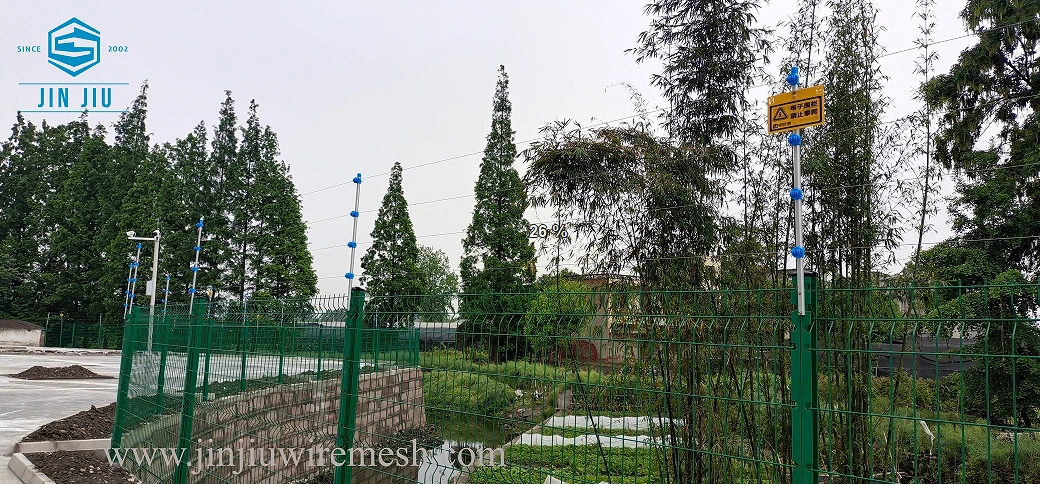
2026-02-25 15:24:13
Securing the Unreachable with a Powerful Pulse Electric Fence
In the realm of global security, the distinction between a standard boundary and a high-security perimeter is often defined by the technology pulsing through the wires.
2027-04-14 00:00:00
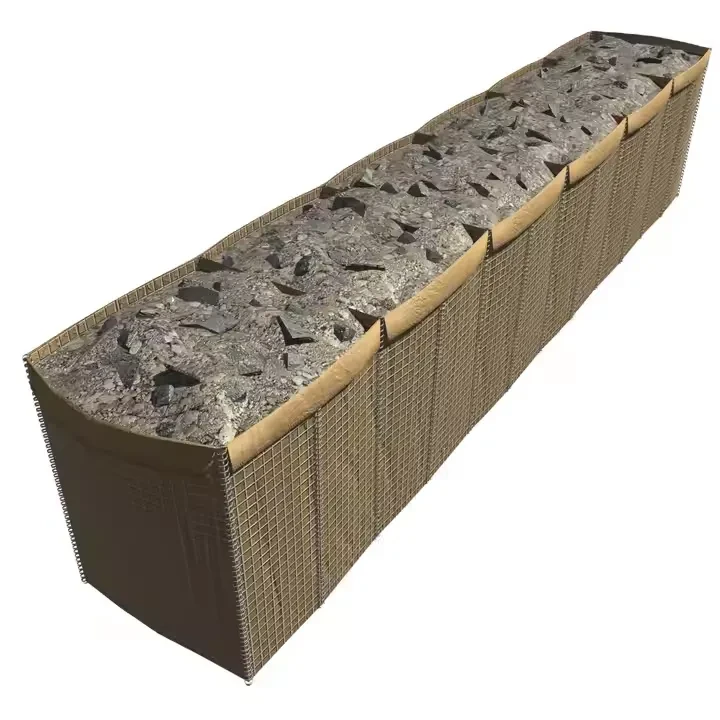
Engineering Resilience with Explosion Proof Defensive Barriers
In an era where industrial safety and national security are increasingly intertwined, the necessity for specialized protection in volatile environments has never been higher.


 English
  Albanian
  Arabic
  Bengali
  Czech
Czech  Danish
  Dutch
Dutch  Finnish
  French
  German
  Japanese
  Malay
Malay  Persian
  Polish
  Portuguese
  Romanian
  Russian
  Serbian
  Spanish
  Swahili