





Hebei Jinjiu Metal Products Co.,Ltd



Durable Anti-Tank Track Wire Mesh Barrier Solutions for Modern Security Needs
Nov . 25, 2025 09:43
What is an Anti-Tank Track Wire Mesh Barrier and Why It Matters?
When talking about modern defense and infrastructure security, the anti-tank track wire mesh barrier is a solution that quietly but effectively guards vulnerable zones against armored threats. While it sounds highly specialized, understanding this barrier type matters globally — not just for military planners but for engineers, urban strategists, and even humanitarian workers. These mesh barriers offer a unique combination of strength, deployability, and versatility, making them a go-to choice in many geographies where security and controlled access are priorities.
Why all the fuss? Because, as global tensions shift and infrastructure evolves, the ability to quickly deploy robust physical deterrents — like these wire mesh barriers — plays a key role in ensuring safety at borders, industrial complexes, and critical transit routes. The benefits ripple outward: they help protect civilian populations, aid disaster relief operations, and support the global push for more sustainable yet effective security solutions.
Global Context: How Anti-Tank Track Wire Mesh Barriers Fit Into Today’s Security Landscape
According to reports by the United Nations and ISO standards governing defensive infrastructure, the demand for modular, easily deployable anti-tank solutions has grown steadily over the past two decades. The barriers are designed to respond to modern conflicts, where speed and adaptability matter just as much as sheer strength. The World Bank highlights rising investments in border and critical infrastructure protection worldwide — and wire mesh barriers often form a backbone of these investments.
The challenge? Conventional concrete or steel blockades can be cumbersome or expensive to install in some terrain or regions. Enter the anti-tank track wire mesh barrier: it can be shipped flat, rapidly deployed, and configured on site to match topography. Plus, its material composition typically offers a better balance between strength and weight compared to older solutions.
Defining the Anti-Tank Track Wire Mesh Barrier
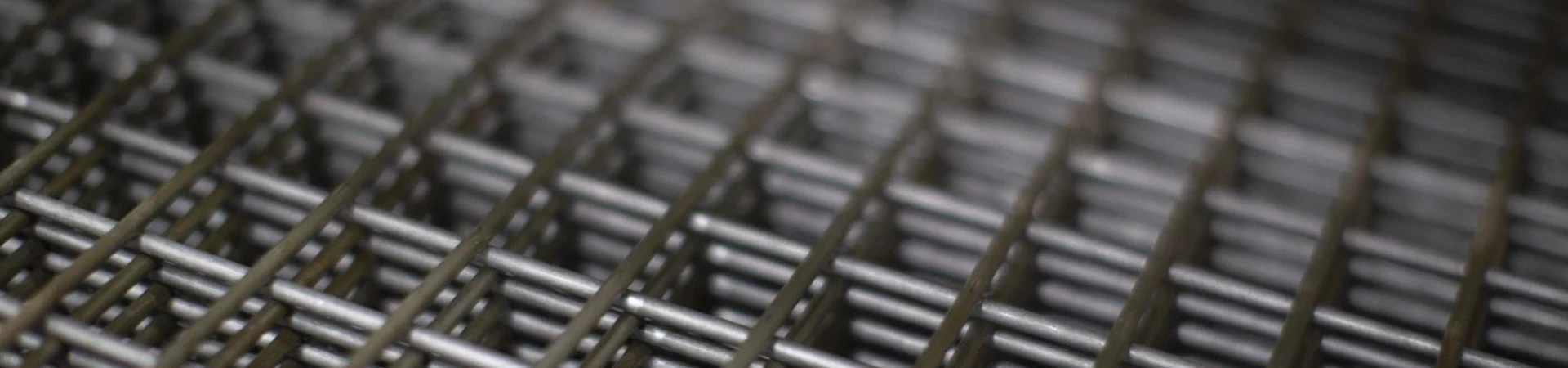
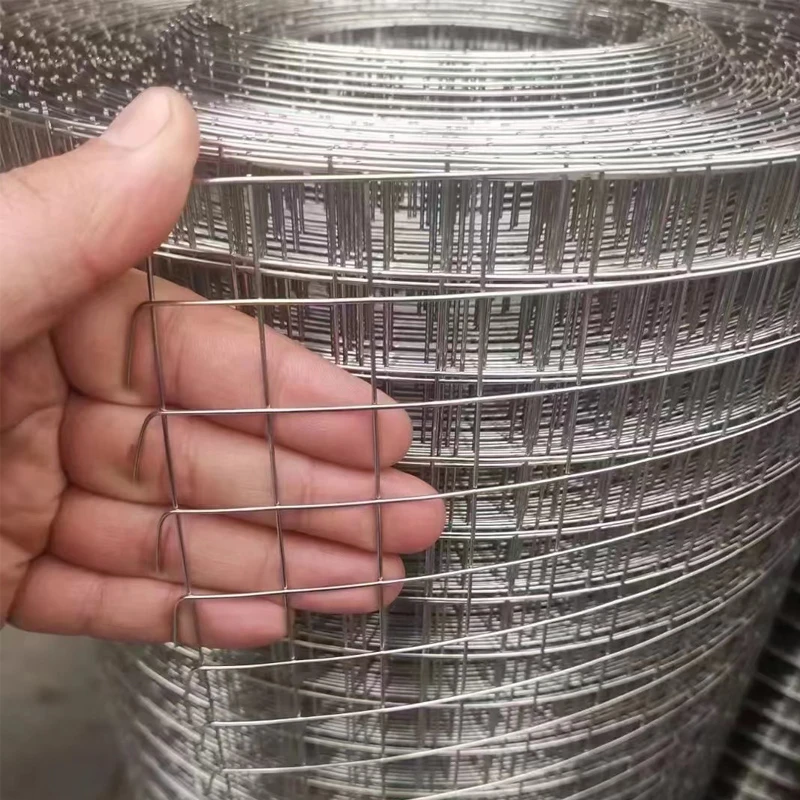
At its core, an anti-tank track wire mesh barrier is a military-grade fencing system engineered to stop or significantly slow down the advance of tanks and other armored vehicles. It's essentially a mesh of high-tensile steel wires welded or woven into sturdy panels, often reinforced with steel rods or track-like bases to increase its holding power against forceful impacts.
While it sounds pretty specialized, these barriers are not just for military use. They have found roles in securing airports, power plants, strategic infrastructure, and even humanitarian zones where controlled access can prevent escalation of local conflicts.
Key Components That Make These Barriers So Effective
Durability and Material Strength
One reason many engineers swear by these wire mesh barriers is their exceptional durability. Typically, the steel wire is galvanized to withstand corrosion, with some models receiving additional powder coatings for UV and weather protection. This makes them practical for harsh climates — from desert heat to coastal humidity.
Scalability and Modularity
No fortress was built in a day, but with modular wire mesh panels, security managers can tailor barrier lengths and heights to the terrain and the specific risk levels at hand. The panels often connect via robust clips or bolts, allowing crews to assemble or dismantle sections on the fly — a real boon for rapidly evolving situations.
Cost Efficiency
Frankly, compared to bulky anti-tank obstacles made of pure concrete or complicated electronic surveillance systems, wire mesh barriers offer a strikingly affordable alternative, especially for large or temporary coverage zones. The lightweight materials also lower shipping and installation costs.
Maintenance and Longevity
Thanks to corrosion-resistant materials, these barriers require minimal upkeep — another practical win. You won’t spend ages repainting or fixing cracks. Instead, routine inspections and occasional tightening of connectors keep them in prime condition, often lasting 10+ years depending on location.
Customizability
Oddly enough, for something so rigid, these barriers often come with customization options — everything from adjustable heights and integrated sensors to different mesh densities. That means they suit both dense urban zones and sprawling rural borders.
Product Specification Table
| Specification | Typical Value | Notes |
|---|---|---|
| Material | Galvanized steel wire (≥4mm diameter) | High-tensile, corrosion resistant |
| Panel Size | 2.5m x 3m (Height x Width) | Modular and scalable |
| Weight | ~35 kg per panel | Relatively lightweight |
| Impact Resistance | Withstands up to 12 tons of pressure | Tests per ISO 12390 standards |
| Coating | Powder-coated/Hot-dipped galvanized | Enhances weather resistance |
Real-World Applications of Anti-Tank Track Wire Mesh Barriers
The real beauty of these barriers is how widely they’ve been adopted in diverse settings. In conflict zones throughout Eastern Europe and the Middle East, they’ve helped shape defensive perimeters that are sturdy yet flexible enough to adapt to fluid battle lines. But beyond pure defense, infrastructure projects in South Asia use them to protect critical railway junctions from accidental vehicle breaches or sabotage.
Relief agencies, oddly enough, sometimes use these barriers during post-disaster rebuilding efforts — setting up secure zones for refugee camps or supply depots, protecting vulnerable populations from secondary threats. Even large industrial complexes, especially in sensitive energy sectors across North America and Europe, employ similar systems for perimeter security.
Mini takeaway:
Essentially, the anti-tank track wire mesh barrier’s flexibility has made it an underestimated hero across military, humanitarian, and civil sectors.
Advantages & Long-Term Value of Installing Wire Mesh Barriers
- Cost-effective protection: Its lightweight, modular nature means less capital outlay compared to traditional barricades.
- Reliable security: Tested rigorously against the standards, it offers dependable defense even under high impact.
- Sustainability: The galvanized steel is recyclable, and long-lasting coatings mean less environmental waste.
- Speed of deployment: Quickly assembled, ideal for emergency or temporary setups.
- Social impact: Offers communities—whether in conflict or peace—a sense of safety and dignity.
In real terms, this means organizations can lean on these barriers knowing they won’t fail unexpectedly — an emotional reassurance that’s often undervalued but vital.
Looking Ahead: Trends and Innovations in Anti-Tank Barriers
Green energy initiatives and smart infrastructure ideas are slowly making inroads here, too. Manufacturers are experimenting with hybrid materials — mixing recycled polymers with steel to lighten panels without sacrificing strength. Sensors integrated into wire mesh can now detect vehicle impacts or tampering attempts, feeding real-time info to security control rooms.
Automation is another frontier, where drones or robotics deploy barriers in hard-to-reach locations, or even self-healing materials that "repair" minor damages overnight... it feels like science fiction but is increasingly credible.
Common Challenges and Practical Solutions
Despite the clear benefits, some challenges linger. For example, the barrier’s effectiveness depends heavily on ground anchoring, which can be tricky in marshy or uneven terrain. Also, while corrosion resistance is good, harsh marine environments are still ruthless over time.
Experts recommend site-specific pre-planning paired with ongoing maintenance contracts. Additionally, innovations like reinforced track bases and modular anchor kits are easing installation pains. Regular training ensures crews can deploy and troubleshoot components swiftly — a step often overlooked in planning.
Vendor Comparison Table
| Vendor | Material Quality | Customization Options | Lead Time | Price Range |
|---|---|---|---|---|
| Jinjiu Wire Mesh | High — galvanized & powder-coated steel | Extensive options, tailored panels | 4-6 weeks | Mid-range, competitive |
| SteelCo Solutions | Medium — galvanized steel only | Standard sizes only | 6-8 weeks | Budget-friendly |
| Fortify Defense Inc. | High — advanced steels & coatings | Custom engineering included | 8-10 weeks | Premium pricing |
Frequently Asked Questions About Anti-Tank Track Wire Mesh Barrier
1. How quickly can an anti-tank track wire mesh barrier be deployed in an emergency?
Deployment speed depends on the team size and terrain but generally, a trained crew can assemble several tens of meters per hour. Thanks to modular panels and simple anchors, barriers can be operational within a day for short perimeters, making them ideal for emergency defense or humanitarian setups.
2. Are these barriers reusable after a conflict or removal?
Yes, the modular design means panels can be dismantled and redeployed elsewhere. The galvanized coating helps preserve the steel during storage, though regular inspections are needed before reuse to ensure structural integrity.
3. What maintenance is required to keep these barriers effective long-term?
Minimal maintenance is required if installed properly. Routine checks focus on tightening connectors, verifying anchoring stability, and inspecting coatings for damage. In salty or humid environments, occasional cleaning and touch-ups prevent rust.
4. Can the mesh density be adjusted to stop smaller vehicles or pedestrians?
Absolutely. Mesh panel designs vary, so finer meshes can prevent unauthorized pedestrian access, while coarser designs prioritize armored vehicle stoppage. Custom solutions can mix both requirements in single installations.
5. Are these barriers environmentally friendly?
They score well on sustainability due to recyclable materials and long lifespans. Some vendors also use eco-friendly coatings and manufacturing processes aligned with ISO 14001 environmental standards.
Conclusion: Durable Security for a Changing World
The anti-tank track wire mesh barrier is more than just a military relic. It’s a versatile, practical, and increasingly sustainable solution addressing complex security issues worldwide. Its modularity, cost-efficiency, and adaptability meet the demands of rapidly changing scenarios — from conflict zones to disaster recovery and critical infrastructure protection.
For those considering robust perimeter security without the clumsiness of heavy concrete or rigid blockades, looking into these barriers is a smart first step. To explore options or get expert consultations, I highly recommend visiting https://www.jinjiuwiremesh.com — they’re industry leaders for a reason.
Mini takeaway: Not all barriers are visible at first glance, but their impact lasts for years.
References:

Related Products


Related News


2026-03-16 14:21:07
Discover durable farming solutions and flexible animal containment with hinge-knot field fence. Combining impact-resistant design and customizable options, Hebei Jinjiu ensures quality for agricultural applications. Explore now: https://www.jinjiuwiremesh.com/field-fencefarm-fence.html
2026-03-16 14:21:07
Discover durable farming solutions and flexible animal containment with hinge-knot field fence. Combining impact-resistant design and customizable options, Hebei Jinjiu ensures quality for agricultural applications. Explore now: https://www.jinjiuwiremesh.com/field-fencefarm-fence.html
2027-04-14 00:00:00
Discover durable farming solutions and flexible animal containment with hinge-knot field fence. Combining impact-resistant design and customizable options, Hebei Jinjiu ensures quality for agricultural applications. Explore now: https://www.jinjiuwiremesh.com/field-fencefarm-fence.html
2026-02-25 15:31:06
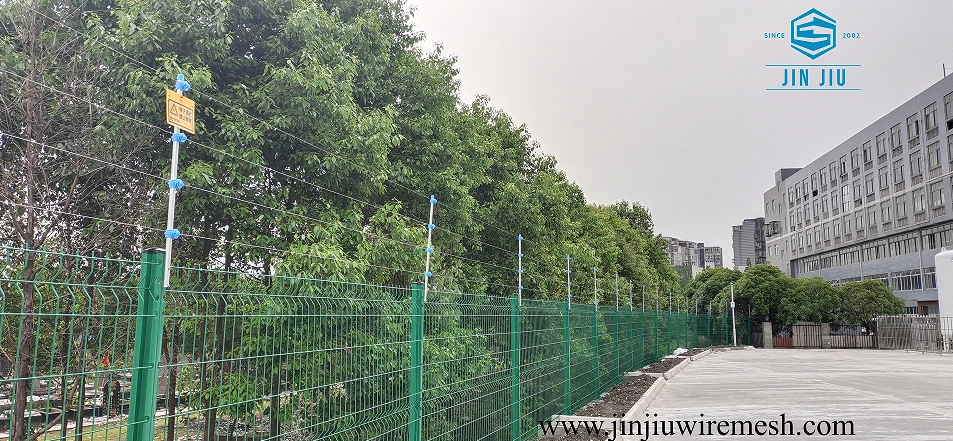
The Strategic Role of the Industrial Electric Fence in Modern Commerce
The protection of corporate and manufacturing assets has transitioned from a matter of simple boundary marking to a complex necessity of risk management.
2026-02-25 15:29:03
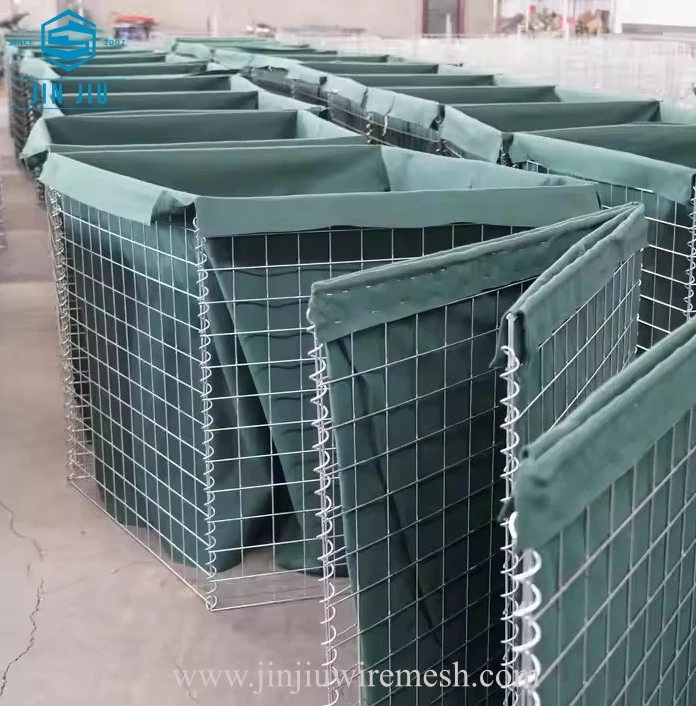
The Evolution of Physical Protection: Bullet Resistant Defensive Barriers in Modern Security
In an increasingly unpredictable global landscape, the requirement for high-level ballistic protection has moved beyond the battlefield and into the core of civilian and industrial security infrastructure.
2026-02-25 15:26:58
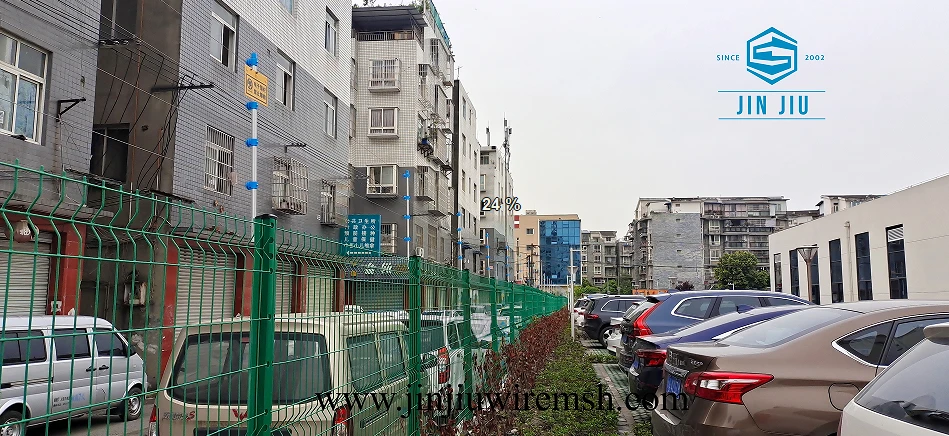
The Digital Backbone of Modern Security: Connected Pulse Monitoring Electric Fence Architecture
The traditional concept of a perimeter has undergone a fundamental transformation.
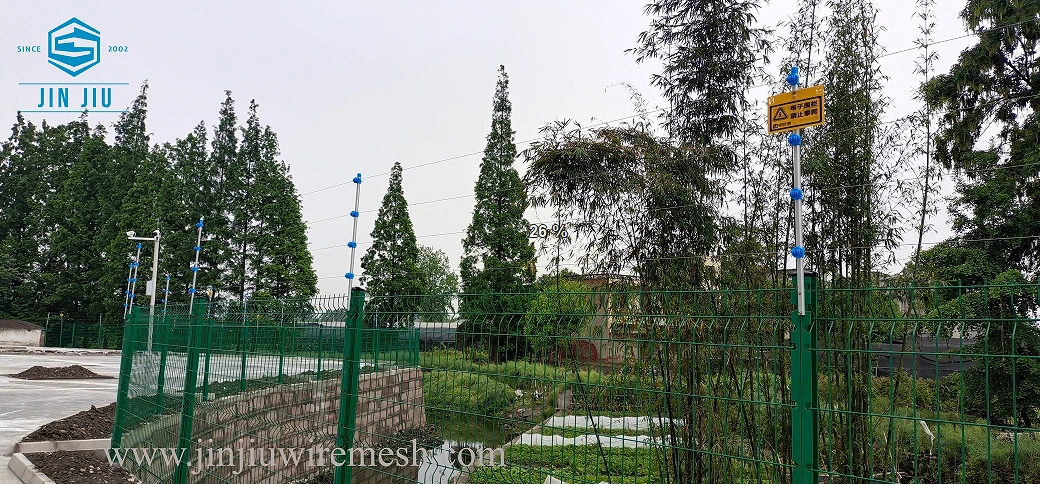
2026-02-25 15:24:13
Securing the Unreachable with a Powerful Pulse Electric Fence
In the realm of global security, the distinction between a standard boundary and a high-security perimeter is often defined by the technology pulsing through the wires.
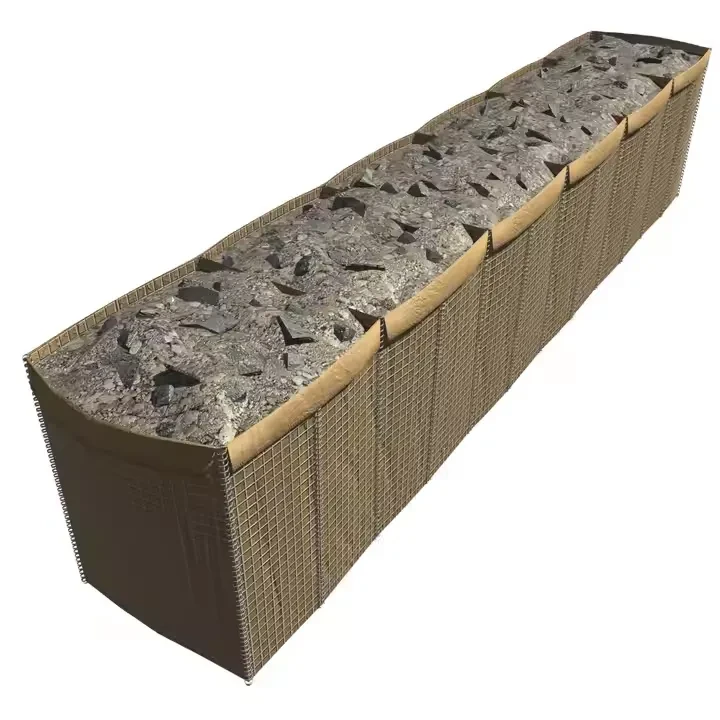
2027-04-14 00:00:00
Engineering Resilience with Explosion Proof Defensive Barriers
In an era where industrial safety and national security are increasingly intertwined, the necessity for specialized protection in volatile environments has never been higher.


 English
  Albanian
  Arabic
  Bengali
  Czech
Czech  Danish
  Dutch
Dutch  Finnish
  French
  German
  Japanese
  Malay
Malay  Persian
  Polish
  Portuguese
  Romanian
  Russian
  Serbian
  Spanish
  Swahili