





Hebei Jinjiu Metal Products Co.,Ltd


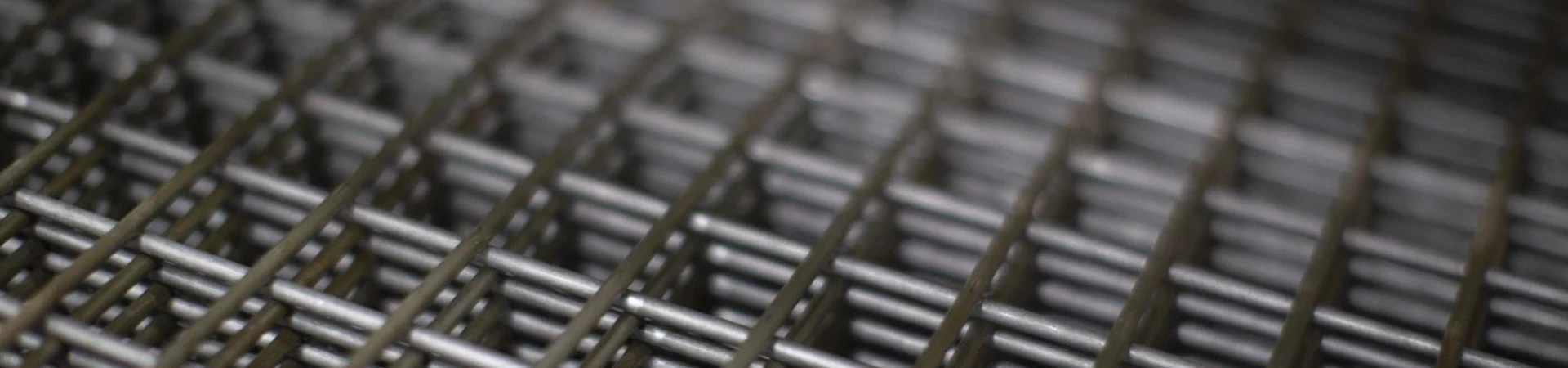

Durable Anti Tank Barrier Metal Mesh for Security & Defense – Jin Jiu Wire Mesh
Nov . 25, 2025 09:43
Understanding Anti Tank Barrier Metal Mesh: Why It Matters Worldwide
If you’ve ever wondered how vast border security systems, military installations, or even critical infrastructure manage to keep the tank-sized threats at bay, anti tank barrier metal mesh is often the unsung hero. Globally, with ongoing geopolitical tensions and the need to protect sensitive sites, understanding this technology is more relevant than ever. Why? Because these metal meshes aren’t just about defense — they blend engineering finesse, durability, and adaptability to solve some of the toughest security puzzles.
And believe it or not, they also offer insights into sustainable design, logistics efficiencies, and even humanitarian safety in conflict-prone zones. Knowing how this mesh works and why it’s the backbone of many perimeter defenses can help governments, contractors, and industries make smarter choices in their projects.
The Global Stage: Why Anti Tank Barrier Metal Mesh is a Critical Asset
According to the United Nations Office for Disarmament Affairs, conflicts involving armored vehicles remain a significant challenge in many regions. Countries spend billions on defense infrastructure annually, with barriers and fences acting as both deterrents and strategic tools. The World Bank reported a steady increase in infrastructure budgets focusing on border and conflict zone security over the past decade.
Here’s the catch: many traditional barriers failed during live conflicts. Concrete blocks and simple fences can be circumvented. The anti tank barrier metal mesh brings a layered solution - combining strength and flexibility. Yet deploying it at scale in remote or hostile areas comes with logistics and material challenges.
That’s where the clever design and manufacturing of these meshes come into play — making them a global game-changer for security professionals.
What Exactly Is Anti Tank Barrier Metal Mesh?
In plain language, anti tank barrier metal mesh is a specially engineered mesh of strong metal wires or rods, arranged and welded to withstand and stop armored vehicle incursions. Unlike regular fencing, it’s designed to absorb harsh impacts — think of it as a metal net built to halt the force of tanks or heavy military vehicles.
But it’s more than just brute force. It’s an evolving product connected deeply with modern-day defense engineering and even humanitarian infrastructure in zones requiring quick, reliable protection.
Mini Takeaway
- Anti tank barrier mesh combines mechanical strength and engineering design to stop large vehicles.
- It’s a product rooted in military and industrial needs but with growing civilian and humanitarian roles.
Core Features Driving the Success of Anti Tank Barrier Metal Mesh
Durability Under Extreme Conditions
One of the first things to note is the material choice: galvanized steel or high-tensile alloys capable of enduring weather, corrosion, and blunt force. Many engineers I’ve talked to highlight how coating is critical — it must withstand salt spray near coasts or desert sandstorms without degradation.
Impact Resistance and Energy Absorption
The mesh isn’t just a rigid grill; it’s a semi-flexible system that dissipates kinetic energy from a tank’s impact. This protects not just the mesh but the ground it’s installed on, preventing collapse or penetration that raw concrete walls sometimes suffer.
Scalability and Modular Design
When you’re securing hundreds or thousands of meters, ease of installation matters a lot. Anti tank barrier mesh often features modular panels — which means it can be quickly erected or replaced after damage. This speaks to its scalable use in dynamic environments like conflict zones or rapidly changing industrial sites.
Cost Efficiency Over Lifecycle
These meshes can be expensive upfront compared to traditional fencing, but their longevity and low maintenance tend to save money in the long run. Installation is also less labor-intensive than pouring concrete barriers or building earthworks.
Customizability for Specific Threat Levels
Depending on the perceived threat, manufacturers offer meshes with different wire thicknesses, mesh sizes, and reinforcements. Trusted security designers often recommend carefully selecting the right specs to optimize budget and safety.
| Specification | Typical Range | Description |
|---|---|---|
| Material | Galvanized steel, High-tensile alloy | Corrosion-resistant metals for longevity |
| Wire Diameter | 6mm to 12mm | Thicker wires for higher impact resistance |
| Mesh Opening | 50mm x 50mm to 150mm x 150mm | Size varies by intended threat and weight |
| Panel Size | 2m x 3m typical | Standardized for easy installation |
| Weight | 30-50 kg per panel | Varies depending on thickness and size |
Mini Takeaway
- Durability and impact resistance are non-negotiable characteristics.
- Modularity and customization allow practical deployment in varied climates and terrains.
- Value lies not in just upfront costs but over years of service.
Where in the World Are These Barriers Used?
Ironically, you’ll find anti tank barrier metal mesh not just along military frontiers but in places you wouldn’t expect — disaster relief zones, critical power plants, and sensitive border crossings in Asia, Europe, and the Middle East primarily. NATO countries, for example, standardize components to streamline field installations during joint exercises or rapid deployments.
In industrial contexts, high-risk mining operations or oil refineries in the Middle East turn to these meshes to prevent vehicle intrusions — accidental or hostile.
Even more interestingly, some humanitarian agencies have utilized versions of these barriers to protect refugee camps in conflict zones without turning them into fortress prisons, because the mesh can be partially see-through, ensuring dignity but providing necessary protection.
Advantages Beyond the Obvious: Why Choose Anti Tank Barrier Metal Mesh?
- Reliable Safety: Prevents costly breaches by vehicles or heavy equipment, saving lives and resources.
- Long-Term Sustainability: Galvanized steels resist corrosion, offering long service life with minimal upkeep.
- Ease of Replacement: Modular sections mean quick repairs and upgrades.
- Emotional Benefits: Provides peace of mind to personnel on the ground and nearby communities.
- Economic Sense: Cuts down on manpower and material waste in comparison to traditional barricades.
Innovation on the Horizon: What’s Next for Anti Tank Barrier Metal Mesh?
We’re not talking sci-fi here, but developments like integrating smart sensors into mesh panels to detect breaches or impacts are underway. Imagine barriers that not only stop tanks but alert security centers instantly. Material-wise, research into composite metals and coatings that reduce environmental footprints is progressing.
Automation in deployment, including robotic assembly of mesh in remote zones, offers promise. And given the global push toward anti tank barrier metal mesh with recyclable and eco-friendly components, the future is greener and smarter.
Challenges and How They’re Being Addressed
Not all challenges are solved, obviously. Transporting heavy panels in conflict areas remains tough. Plus, while metal mesh is strong, it is not invincible — repeated hits or specialized weaponry can breach it. Maintenance in isolated regions can lag, leading to rust or weakening.
Experts suggest pairing metal mesh with electronic monitoring, smarter designs that interlock better, and using drones for rapid inspection to overcome these limits. It’s a balance between raw strength and technological savviness.
Frequently Asked Questions About Anti Tank Barrier Metal Mesh
- Q: How quickly can anti tank barrier metal mesh be deployed in emergency situations?
- A: Thanks to modular panel designs, skilled teams can install basic sections within hours, especially when site groundwork is prepared. This rapid deployment makes them suitable for conflict zones or disaster areas requiring swift security upgrades.
- Q: Is this metal mesh reusable after an impact or attack?
- Generally, minor impacts allow panels to be repaired or reused, but severe damage might require complete replacement. The modular nature simplifies swapping out compromised sections without needing total system overhaul.
- Q: Can these meshes withstand harsh environmental conditions?
- Absolutely; galvanized coatings and high-tensile metals ensure resistance against corrosion, UV exposure, and extreme temperatures commonly found in deserts, coastal zones, or arctic regions.
- Q: Are there standards regulating anti tank barrier metal mesh manufacturing?
- Yes. Many manufacturers adhere to international norms like ISO 1461 for galvanizing and ASTM standards for steel quality, ensuring consistent durability and reliability.
- Q: How can international organizations procure these meshes for peacekeeping missions?
- Most vendors support global shipping and comply with export regulations. It’s recommended to work through established supply chains and coordinate with local authorities and customs to smooth the process.
Comparing Popular Vendors Offering Anti Tank Barrier Metal Mesh
| Vendor | Material Options | Lead Time | Customization | Additional Services |
|---|---|---|---|---|
| Jin Jiu Wire Mesh | Galvanized Steel, Stainless | 2–3 weeks | Yes, per specs | Technical support, Worldwide shipping |
| MetalSecure Co. | High-Tensile Steel | 3–4 weeks | Limited | Installation training |
| Guardian Defense Products | Galvanized & Painted Steel | 1–2 weeks | Moderate | After-sales maintenance |
Conclusion: Why Anti Tank Barrier Metal Mesh Should Be Part of Your Security Strategy
When you think about it, effective defense is never just about “brute force.” Anti tank barrier metal mesh is a perfect example of smart engineering delivering both muscle and finesse. Its global deployment highlights how strategic security and sustainability can walk hand in hand. Whether you’re government, NGO, or industrial operator, investing in this kind of solution offers long-term peace of mind, cost savings, and tactical advantages.
Curious to learn more or explore customized options? Visit our website to connect with specialists who’ll help you build a safer perimeter for tomorrow — today.
Quick Final Thought:
In a world of evolving threats, reliability and adaptability are king. This mesh feels like the quiet sentinel you hope you never fully notice — until you really need it.
References

Related Products

Related News


2026-03-16 14:21:07
Discover durable farming solutions and flexible animal containment with hinge-knot field fence. Combining impact-resistant design and customizable options, Hebei Jinjiu ensures quality for agricultural applications. Explore now: https://www.jinjiuwiremesh.com/field-fencefarm-fence.html
2026-03-16 14:21:07
Discover durable farming solutions and flexible animal containment with hinge-knot field fence. Combining impact-resistant design and customizable options, Hebei Jinjiu ensures quality for agricultural applications. Explore now: https://www.jinjiuwiremesh.com/field-fencefarm-fence.html
2027-04-14 00:00:00
Discover durable farming solutions and flexible animal containment with hinge-knot field fence. Combining impact-resistant design and customizable options, Hebei Jinjiu ensures quality for agricultural applications. Explore now: https://www.jinjiuwiremesh.com/field-fencefarm-fence.html
2026-02-25 15:31:06
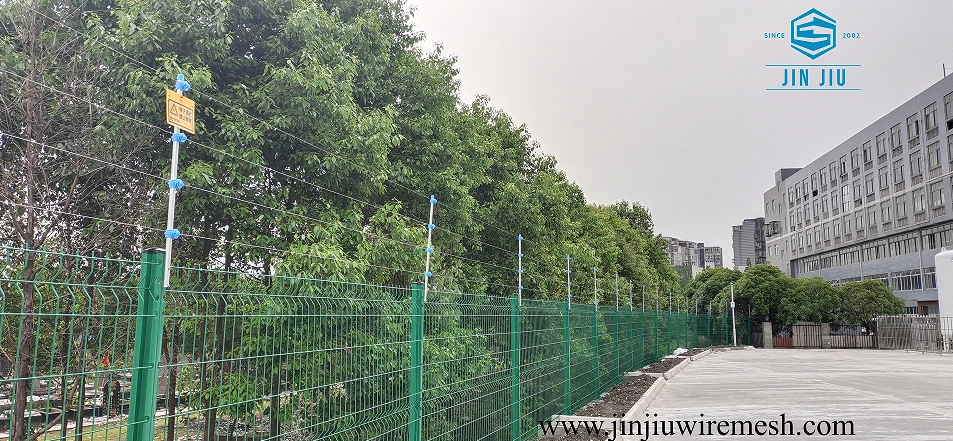
The Strategic Role of the Industrial Electric Fence in Modern Commerce
The protection of corporate and manufacturing assets has transitioned from a matter of simple boundary marking to a complex necessity of risk management.
2026-02-25 15:29:03
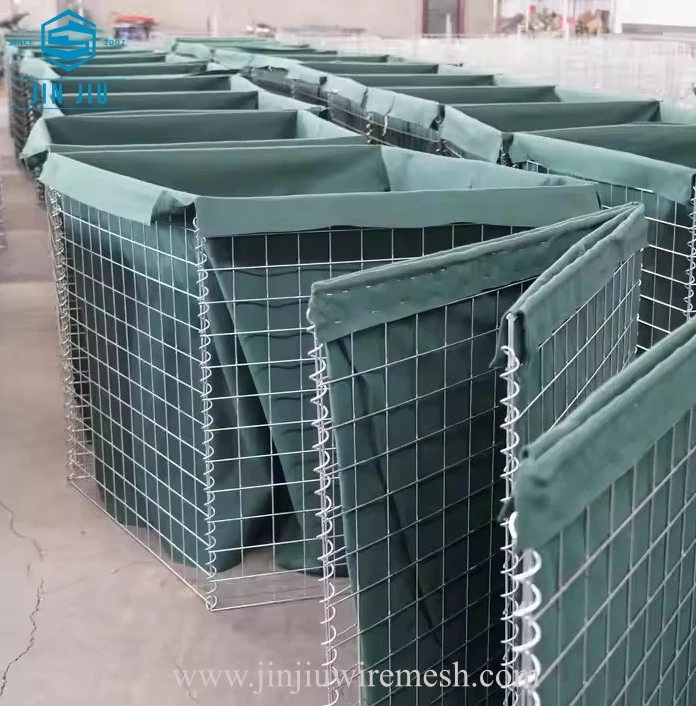
The Evolution of Physical Protection: Bullet Resistant Defensive Barriers in Modern Security
In an increasingly unpredictable global landscape, the requirement for high-level ballistic protection has moved beyond the battlefield and into the core of civilian and industrial security infrastructure.
2026-02-25 15:26:58
The Digital Backbone of Modern Security: Connected Pulse Monitoring Electric Fence Architecture
The traditional concept of a perimeter has undergone a fundamental transformation.
2026-02-25 15:24:13
Securing the Unreachable with a Powerful Pulse Electric Fence
In the realm of global security, the distinction between a standard boundary and a high-security perimeter is often defined by the technology pulsing through the wires.
2027-04-14 00:00:00
Engineering Resilience with Explosion Proof Defensive Barriers
In an era where industrial safety and national security are increasingly intertwined, the necessity for specialized protection in volatile environments has never been higher.


 English
  Albanian
  Arabic
  Bengali
  Czech
Czech  Danish
  Dutch
Dutch  Finnish
  French
  German
  Japanese
  Malay
Malay  Persian
  Polish
  Portuguese
  Romanian
  Russian
  Serbian
  Spanish
  Swahili