





Hebei Jinjiu Metal Products Co.,Ltd


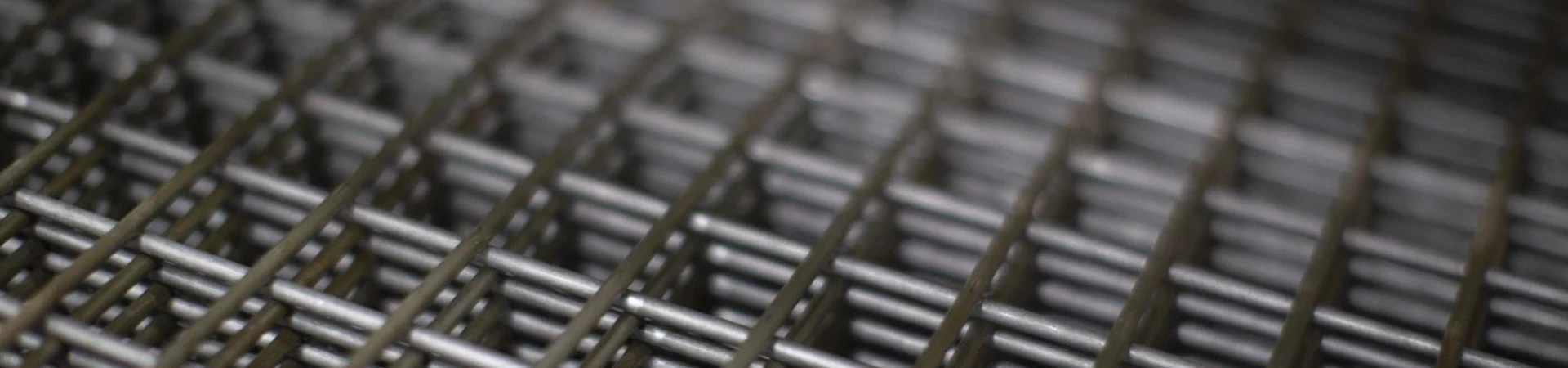

Durable Stainless Steel Spiral Mesh for Industrial Conveyors
Sep . 22, 2025 13:49
Introduction to Spiral Mesh Technology
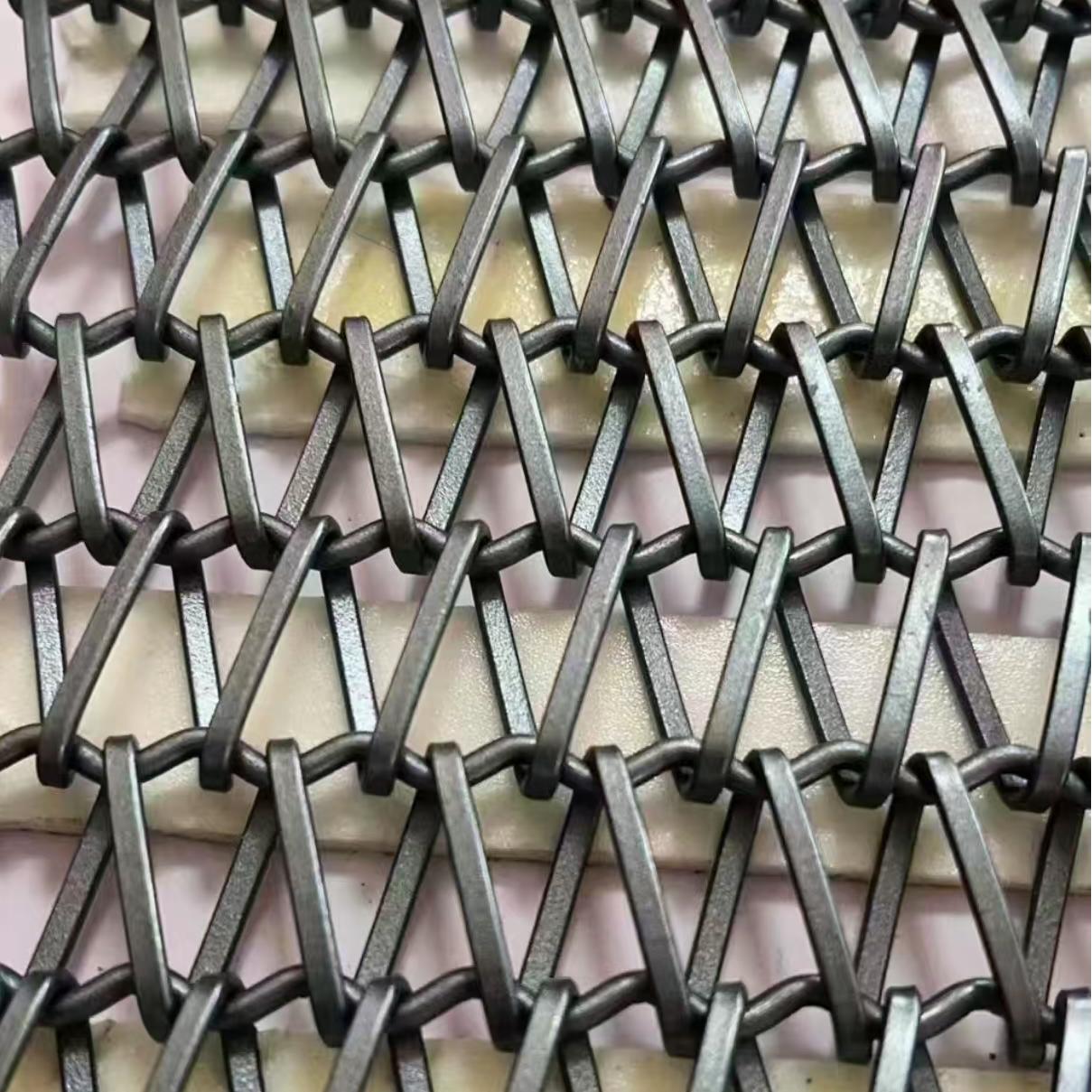
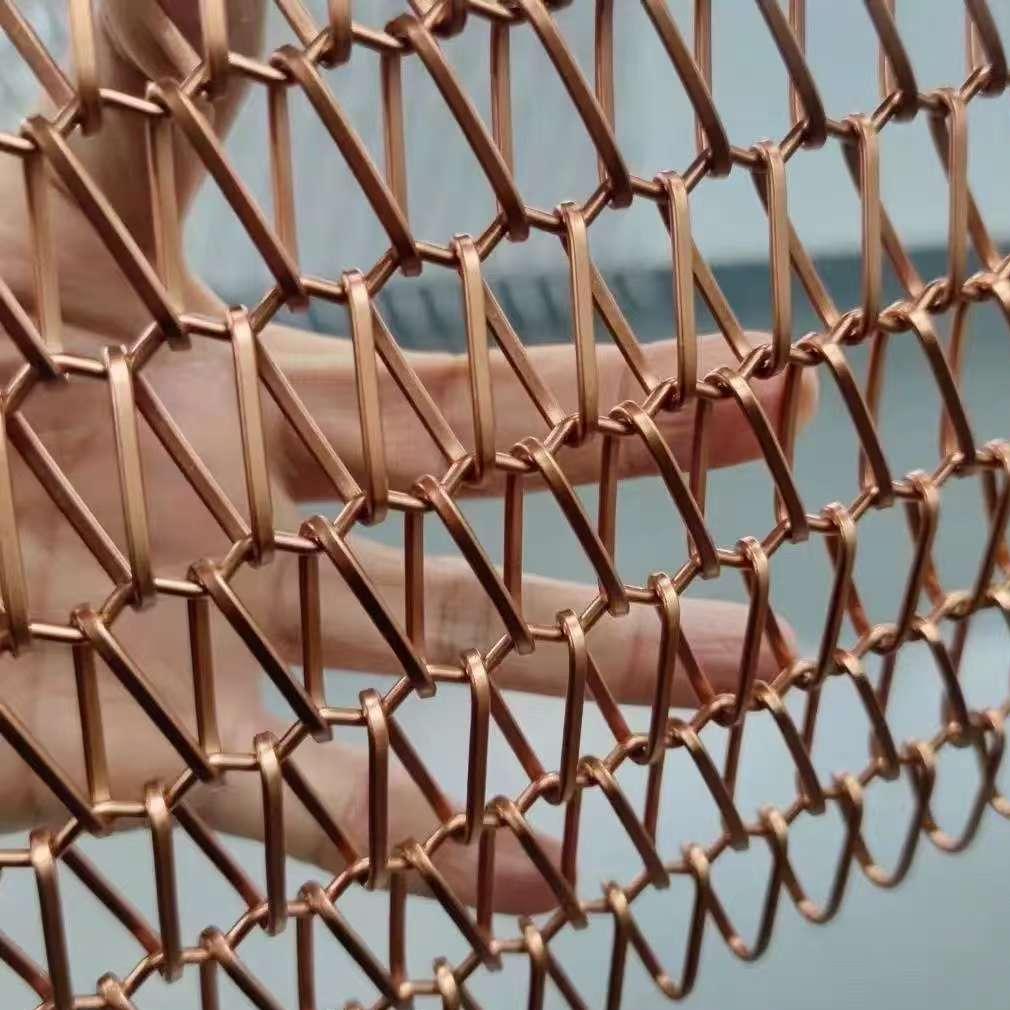
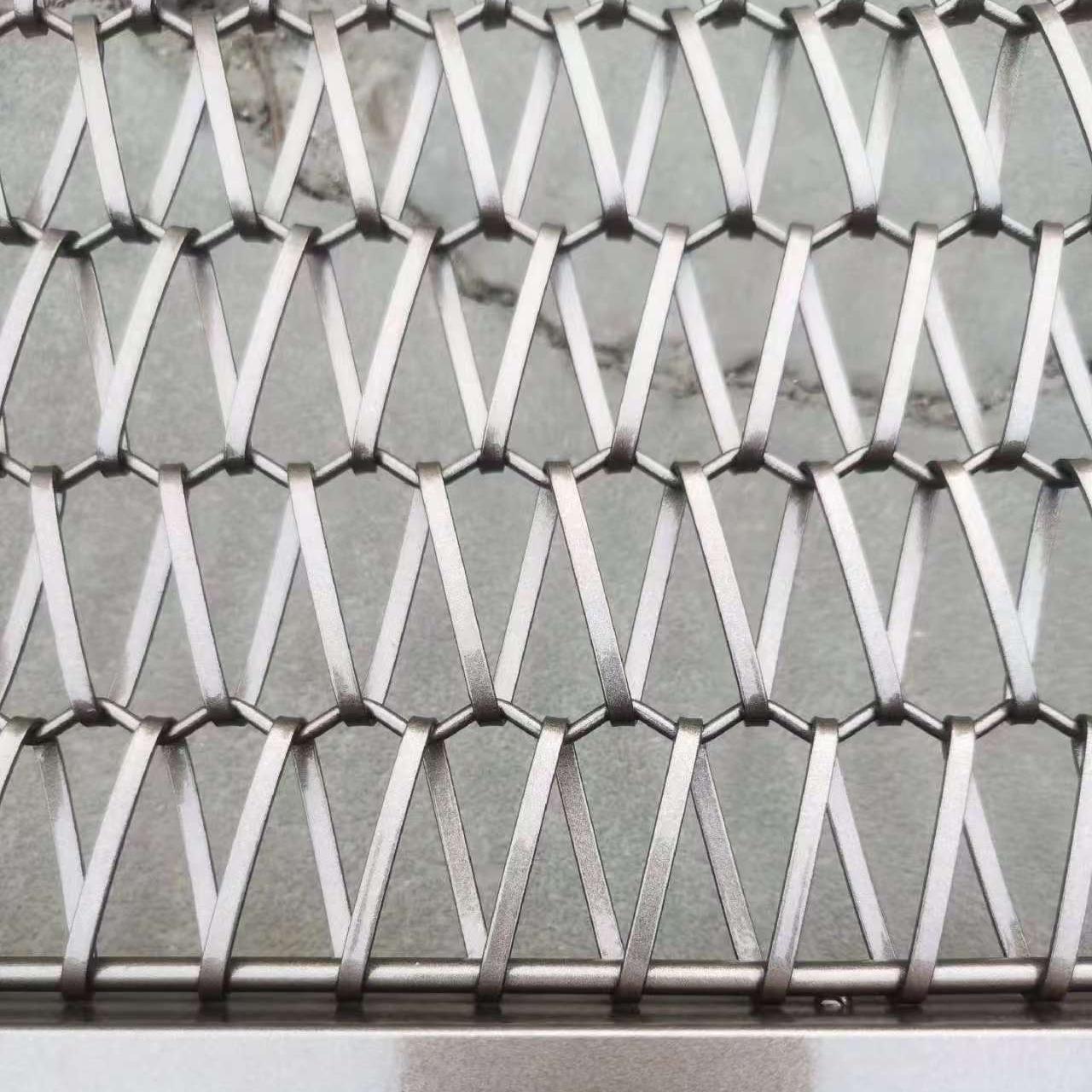
In industrial conveying and processing applications, the integrity and efficiency of material handling systems are paramount. Among the diverse range of conveyor belt solutions, spiral mesh stands out as a critical component. This advanced woven wire construction is engineered for demanding environments, offering unparalleled strength, open area, and thermal stability. Its distinctive helical design, combined with robust cross rods, creates a durable and flexible platform ideal for a myriad of processes from freezing and baking to washing and drying. Understanding its technical specifications, operational advantages, and strategic applications is key for decision-makers in target industries seeking to optimize their production lines and enhance operational longevity.
Industry Trends and Market Dynamics
The market for industrial conveyor belts, particularly those utilizing specialized mesh constructions, is experiencing significant growth driven by automation, Industry 4.0 initiatives, and increasing demands for operational efficiency and sustainability across sectors. Recent trends indicate a growing preference for high-performance materials and custom-engineered solutions that offer superior resistance to corrosion, high temperatures, and abrasive wear. The global industrial conveyor belt market, valued at approximately $7.5 billion in 2022, is projected to reach over $10 billion by 2030, with specialized segments like wire mesh belts showing a compound annual growth rate (CAGR) exceeding 4.5%. This growth is fueled by expanding applications in food processing, automotive manufacturing, metallurgy, and waste management, all requiring reliable and durable conveying solutions.
Innovations in material science, such as advanced stainless steel alloys (e.g., Duplex, Super Duplex) and high-nickel alloys (e.g., Inconel, Hastelloy), are enabling the development of spiral mesh products capable of operating under increasingly extreme conditions. Furthermore, the emphasis on hygienic design, ease of cleaning, and reduced energy consumption is shaping the next generation of conveyor systems. Manufacturers are also focusing on modular designs for easier maintenance and quick repairs, minimizing downtime and boosting overall equipment effectiveness (OEE).
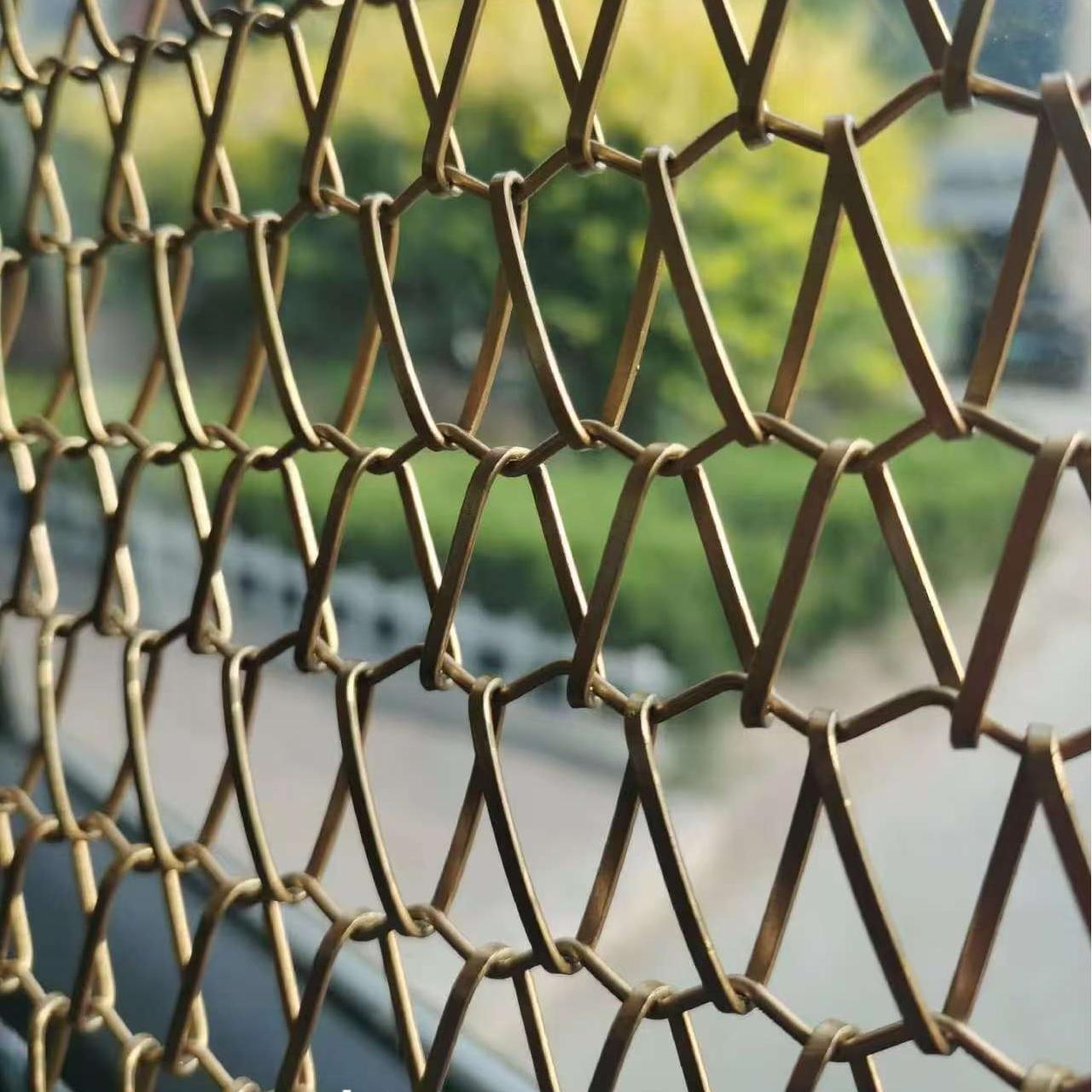
Manufacturing Process Flow of Spiral Weave Mesh
The production of high-quality spiral mesh belt involves a meticulous multi-stage process, ensuring precision, durability, and performance tailored for industrial applications. Our manufacturing adheres strictly to international standards such as ISO 9001 for quality management and relevant ASTM/ANSI specifications for material testing and product performance.
Key Stages:
- Material Selection & Preparation: We primarily utilize high-grade stainless steels (e.g., AISI 304, 316, 316L, 310S), high-carbon steels, galvanized steel, and specialized alloys like Hastelloy and Inconel for extreme temperature or corrosive environments. Raw wire rods undergo rigorous inspection for chemical composition and mechanical properties before being drawn to precise diameters.
- Wire Coiling (Helical Forming): Precision CNC coiling machines form individual wires into tight, consistent helical spirals. This stage is critical for achieving the desired pitch and structural integrity of the mesh. Tolerances are tightly controlled to ensure uniform tension and fit.
- Mesh Weaving & Rod Insertion: The formed spirals are then interwoven, with pre-cut cross rods inserted through the helical loops. Automated weaving looms ensure consistent spacing and alignment, which are vital for belt stability and tracking.
- Edge Finishing: Belt edges are typically finished by welding (often TIG or resistance welding) or by using specialized edge formations (e.g., U-shaped, ladder-style) to prevent unraveling and ensure smooth operation. Edge welding secures the cross rods to the spirals, creating a robust and seamless edge.
- Annealing & Heat Treatment (if required): For certain materials or demanding applications, the assembled mesh undergoes annealing to relieve internal stresses, enhance ductility, and improve overall service life, especially in high-temperature cyclic operations.
- Surface Treatment & Cleaning: Depending on the application (e.g., food processing), the mesh may undergo passivation, electropolishing, or other surface treatments to enhance corrosion resistance, reduce contamination risks, and improve aesthetic finish. Thorough cleaning removes manufacturing residues.
- Quality Control & Testing: Each spiral mesh undergoes comprehensive testing, including visual inspection for defects, dimensional checks (width, length, pitch, rod spacing), tensile strength tests, and sometimes fatigue testing. Compliance with standards like ASTM E2016-06 for wire mesh is verified.
Our stringent quality control measures ensure a service life typically ranging from 3 to 10 years, depending on the application environment and maintenance schedule. Advantages in typical scenarios include significant energy savings due to optimized open area for airflow in drying processes and superior corrosion resistance in harsh chemical washing systems, leading to reduced maintenance and extended operational uptime.
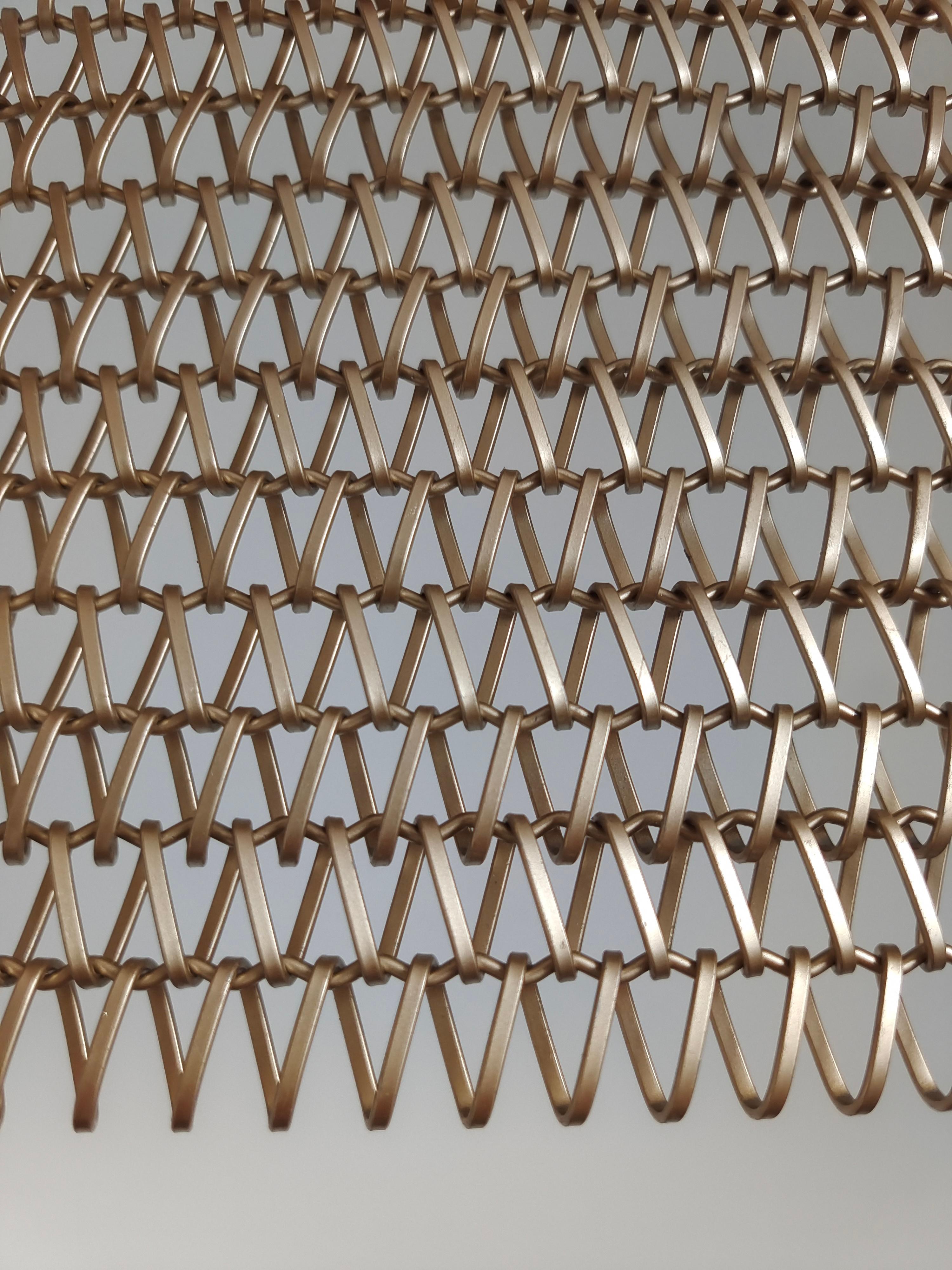
Technical Specifications and Parameters
The performance of a spiral mesh belt is critically dependent on its precise technical specifications. Key parameters include wire diameter, pitch (distance between spirals), rod diameter, and material composition. These elements dictate the belt's open area, strength, temperature resistance, and suitability for specific products and processes.
Typical Product Specifications for Spiral Weave Mesh:
| Parameter | Description | Typical Range/Value |
|---|---|---|
| Material Grades | Selected based on temperature, corrosion, and load requirements | AISI 304, 316, 316L, 310S, Inconel 600, Hastelloy C276, Galvanized Steel |
| Wire Diameter | Diameter of the spiral wires | 1.0 mm to 3.0 mm (0.04" to 0.12") |
| Spiral Pitch | Distance between centers of adjacent spirals | 5 mm to 25 mm (0.2" to 1.0") |
| Rod Diameter | Diameter of the cross rods holding spirals together | 1.2 mm to 5.0 mm (0.05" to 0.2") |
| Open Area | Percentage of open space in the mesh | 20% to 80% (variable based on weave) |
| Operating Temperature Range | Continuous operational temperature suitability | -50°C to +1150°C (-58°F to +2100°F) (material dependent) |
| Tensile Strength | Maximum stress the belt can withstand before breaking | 450-850 MPa (material dependent) |
| Edge Finish | Type of edge treatment for durability and tracking | Welded, Chain Edge, U-shaped, Flanged |
Understanding these specifications is crucial for selecting the optimal spiral mesh configuration for specific industrial demands, ensuring peak performance and longevity.
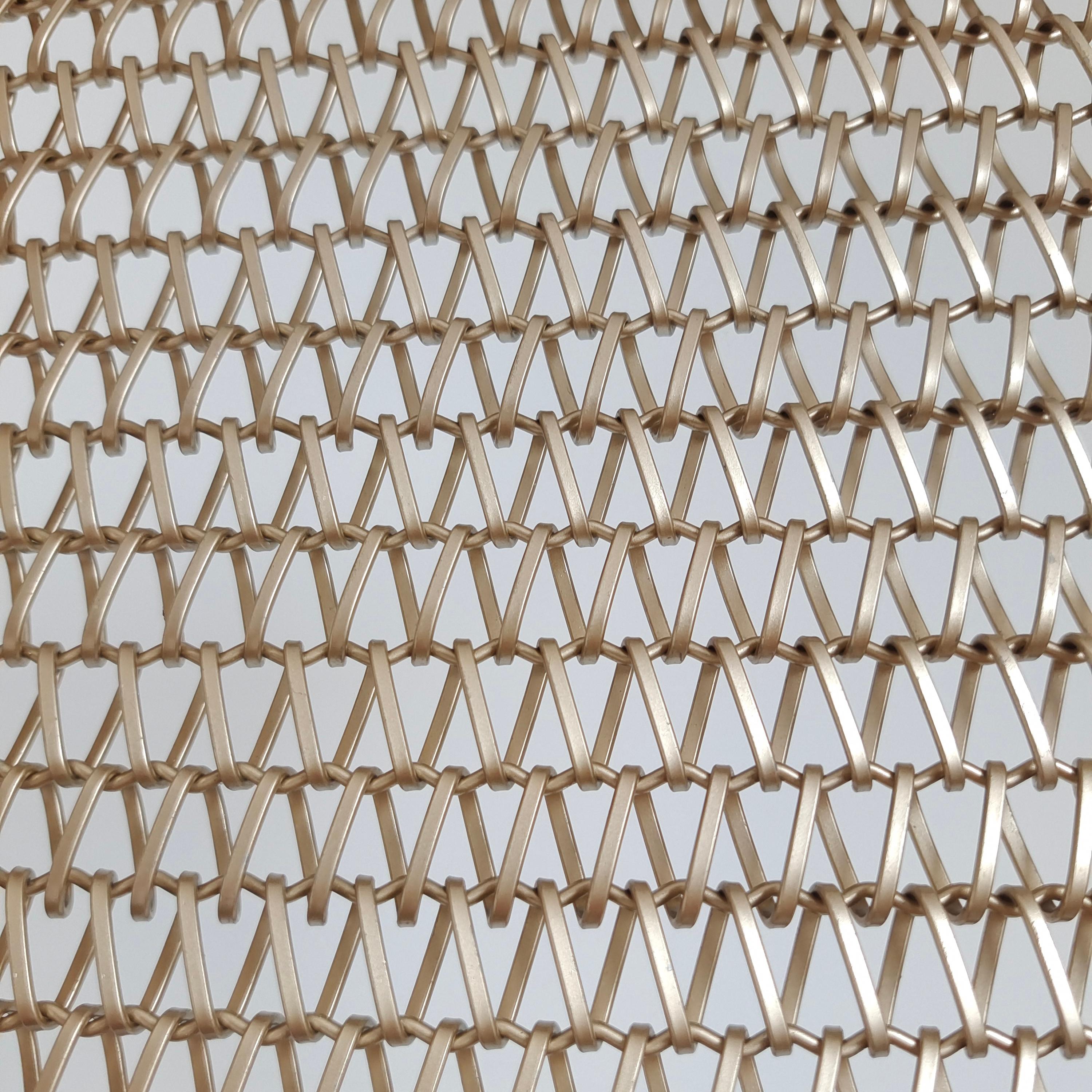
Application Scenarios and Technical Advantages
The versatility of spiral mesh belt technology allows for its deployment across a broad spectrum of industries, solving complex conveying challenges with its unique properties.
Target Industries & Applications:
- Food Processing: For blanching vegetables, washing fruits, baking bread, flash-freezing poultry, pasteurizing, and dehydrating. The open design allows for excellent fluid flow and uniform temperature distribution.
- Metallurgy & Heat Treatment: Ideal for conveying parts through annealing, brazing, sintering furnaces, and quench tanks. High-temperature alloys ensure stability and minimal distortion under extreme thermal cycles.
- Chemical Processing: Used in drying, washing, and conveying corrosive materials. Stainless steel and exotic alloys provide superior chemical resistance.
- Glass & Ceramics: Conveying products through kilns, tempering ovens, and cooling lines where consistent surface contact and high-temperature endurance are crucial.
- Water Supply & Drainage: Filtration systems, sludge dewatering, and grit removal, leveraging its open area and robust construction for effective solids separation.
- Automotive: Parts washing, painting lines, and heat treatment processes.
Technical Advantages:
- Excellent Open Area: Facilitates efficient airflow, liquid drainage, and heat transfer, making it ideal for drying, cooling, washing, and filtering operations. This can lead to significant energy savings in thermal processes.
- High Temperature Resistance: Fabricated from specialized alloys, these belts can withstand continuous operating temperatures exceeding 1100°C, crucial for furnace applications.
- Corrosion Resistance: Available in various stainless steel grades (e.g., 316L) and nickel alloys, providing superior resistance to acids, alkalis, and other corrosive agents prevalent in chemical and food processing.
- High Load Capacity: Robust construction with strong cross rods allows for conveying heavy products and ensures minimal belt stretch under load.
- Easy to Clean & Hygienic: The open weave structure prevents product accumulation and allows for thorough cleaning, meeting stringent sanitary requirements in food and pharmaceutical industries. Compliant with FDA CFR 21 for food contact applications.
- Positive Drive Options: Can be sprocket-driven, ensuring precise tracking and eliminating belt slippage, which is essential for consistent product placement and processing.
Vendor Comparison and Customized Solutions
Choosing the right supplier for spiral mesh involves evaluating not only product specifications but also vendor capabilities in customization, quality assurance, and after-sales support.
Vendor Comparison Factors:
| Feature | Vendor A (e.g., JinjiuWireMesh) | Vendor B (Competitor) |
|---|---|---|
| Material Range | Extensive (SS304, 316, 310S, Hastelloy, Inconel, Carbon Steel) | Standard (SS304, 316, Galvanized) |
| Customization Capabilities | High (tailored pitch, wire/rod diameter, width, edge treatment, attachments) | Limited (fixed parameters, few attachments) |
| Quality Certifications | ISO 9001, ASTM E2016-06 compliance, FDA-grade materials | ISO 9001 (general), internal testing |
| Lead Time (Standard) | 4-6 weeks | 6-8 weeks |
| Technical Support | Dedicated engineering team, on-site consultation | Basic phone/email support |
| Warranty | 5-year limited warranty | 2-year limited warranty |
Customized Solutions:
For specialized applications, off-the-shelf solutions may not suffice. We offer comprehensive customized spiral mesh manufacturing, collaborating closely with clients to design belts that precisely meet their operational requirements. This includes:
- Material Optimization: Selecting specific alloys for unique temperature, chemical, or tensile strength demands.
- Dimension & Configuration Tailoring: Customizing width, length, wire/rod diameters, pitch, and overall belt architecture to integrate seamlessly into existing or new conveying systems.
- Special Attachments: Incorporating flights, side guards, or other accessories for product containment, separation, or specific processing functions.
- Edge Treatment Variants: Implementing specialized edge finishes for enhanced tracking, minimized wear, or unique integration with drive systems.
Our engineering team, with over 20 years of expertise in wire mesh fabrication, provides consultative support from concept to deployment, ensuring optimal performance and cost-effectiveness for every unique project. Our long-standing partnerships with industry leaders in food processing, automotive, and heavy metallurgy attest to our capability in delivering robust, reliable solutions.
Application Case Studies
Real-world applications demonstrate the tangible benefits of high-quality spiral mesh in demanding industrial environments.
Case Study 1: High-Volume Bakery Line
- Challenge: A large industrial bakery needed a conveyor belt for a 24/7 baking oven that could withstand continuous temperatures of up to 300°C (572°F) and facilitate even heat distribution for consistent product quality, while also being easy to clean. Their previous belts showed premature fatigue and difficult cleaning.
- Solution: We supplied a balanced weave spiral mesh belt fabricated from AISI 310S stainless steel, known for its excellent high-temperature creep resistance. The open area was optimized for superior airflow.
- Results: The new belt demonstrated a 30% increase in service life compared to previous solutions. The optimized open area resulted in more uniform baking, reducing reject rates by 12% and leading to a 5% reduction in energy consumption for the oven due to improved heat transfer efficiency. Maintenance downtime for cleaning was reduced by 15% due to the easy-to-clean design. Customer feedback highlighted improved product consistency and significant operational cost savings.
Case Study 2: Chemical Wash System for Automotive Parts
- Challenge: An automotive supplier required a conveyor for a chemical degreasing and washing line, where parts were exposed to aggressive acidic and alkaline solutions at elevated temperatures. Existing belts degraded rapidly, requiring frequent replacements.
- Solution: We engineered a specialized spiral mesh belt using Hastelloy C276 wire and rods, featuring welded edges for enhanced integrity in corrosive liquids. The mesh configuration ensured maximum drainage and minimal chemical retention.
- Results: The Hastelloy belt provided exceptional corrosion resistance, extending belt life from 6 months to over 4 years. This translated to an 85% reduction in belt replacement costs and dramatically minimized production interruptions. The improved drainage also reduced chemical carry-over, leading to a 7% reduction in chemical consumption. The client praised the belt's robustness and the significant operational savings.
Trustworthiness: FAQ, Lead Time, Warranty, and Support
Frequently Asked Questions (FAQ):
- Q: What is the typical lead time for a custom spiral mesh belt?
A: For standard configurations, lead time is typically 4-6 weeks from order confirmation. Highly customized or specialized alloy belts may require 8-12 weeks due to material procurement and complex fabrication processes. - Q: How do I determine the correct material for my spiral mesh?
A: Material selection depends on operating temperature, exposure to corrosive chemicals, required tensile strength, and hygienic demands. Our technical team can provide detailed recommendations based on your application specifics. - Q: Can your spiral mesh belts be repaired?
A: Yes, in many cases, minor damage can be repaired by replacing individual spirals or cross rods, extending the belt's overall lifespan. We offer guidance and, in some cases, on-site support for repairs. - Q: Are your products compliant with food safety regulations?
A: Yes, we provide spiral mesh belt solutions using AISI 304, 316, and 316L stainless steel that meet FDA CFR 21 guidelines for direct food contact, ensuring hygienic and safe operation.
Lead Time & Fulfillment:
We understand the critical nature of delivery schedules in industrial operations. Our robust production planning and supply chain management ensure efficient order fulfillment. Standard spiral mesh orders typically ship within 4-6 weeks, while complex custom projects are managed with detailed timelines and regular progress updates. Expedited options may be available upon request.
Warranty Commitments:
JinjiuWireMesh stands behind the quality of its products. All our spiral mesh products come with a 5-year limited warranty against manufacturing defects and material failures under normal operating conditions and proper maintenance. This commitment reflects our confidence in the durability and engineering excellence of our solutions.
Customer Support & After-Sales Service:
Our dedication extends beyond product delivery. We provide comprehensive after-sales support, including installation guidance, operational best practices, maintenance recommendations, and troubleshooting assistance. Our expert technical support team is available via phone, email, and virtual consultations to ensure the continuous, optimal performance of your spiral mesh belt systems. We also offer spare parts and replacement components to minimize downtime.
Conclusion
As a cornerstone in advanced industrial conveying, spiral mesh technology offers unmatched versatility, durability, and performance across diverse and challenging environments. From the precise engineering of its weave to the strategic selection of high-performance alloys, every aspect is designed to deliver reliability and efficiency. By partnering with a specialized manufacturer like JinjiuWireMesh, industries gain access to not just a product, but a comprehensive solution backed by expertise, customization capabilities, and unwavering support, ensuring optimized operational uptime and sustained productivity.
References
- Smith, J. D. (2023). "Advancements in High-Temperature Alloys for Industrial Conveying Systems." Journal of Advanced Materials in Manufacturing, 15(2), 112-128.
- Chen, L., & Wang, Q. (2022). "Optimization of Open Area in Wire Mesh Belts for Enhanced Drying Efficiency." International Conveyor Systems Review, 7(4), 45-58.
- Global Market Insights. (2023). Industrial Conveyor Belt Market Size, Share & Trends Analysis Report.
- ASTM International. (2006). ASTM E2016-06: Standard Test Method for Tensile Strength and Elongation of Wire Mesh.
- Food and Drug Administration. (2023). Code of Federal Regulations Title 21 - Food and Drugs.

Related Products
Related News


2026-03-16 14:21:07
Discover durable farming solutions and flexible animal containment with hinge-knot field fence. Combining impact-resistant design and customizable options, Hebei Jinjiu ensures quality for agricultural applications. Explore now: https://www.jinjiuwiremesh.com/field-fencefarm-fence.html
2026-03-16 14:21:07
Discover durable farming solutions and flexible animal containment with hinge-knot field fence. Combining impact-resistant design and customizable options, Hebei Jinjiu ensures quality for agricultural applications. Explore now: https://www.jinjiuwiremesh.com/field-fencefarm-fence.html
2027-04-14 00:00:00
Discover durable farming solutions and flexible animal containment with hinge-knot field fence. Combining impact-resistant design and customizable options, Hebei Jinjiu ensures quality for agricultural applications. Explore now: https://www.jinjiuwiremesh.com/field-fencefarm-fence.html
2026-02-25 15:31:06
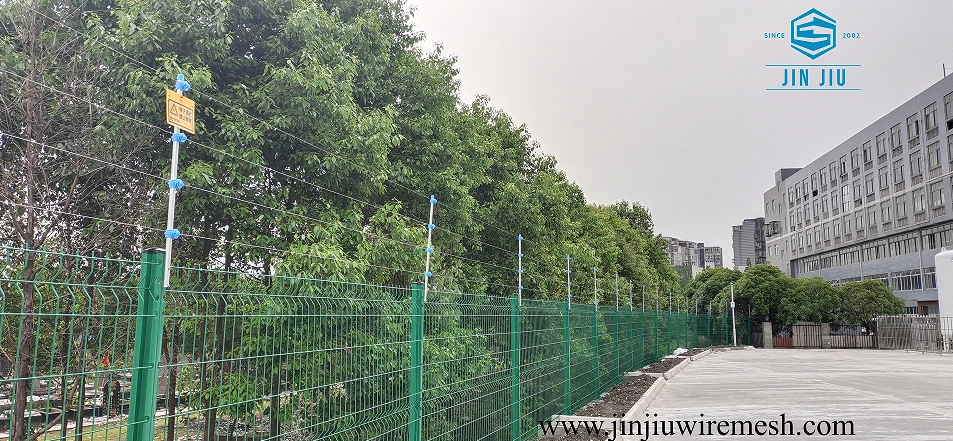
The Strategic Role of the Industrial Electric Fence in Modern Commerce
The protection of corporate and manufacturing assets has transitioned from a matter of simple boundary marking to a complex necessity of risk management.
2026-02-25 15:29:03
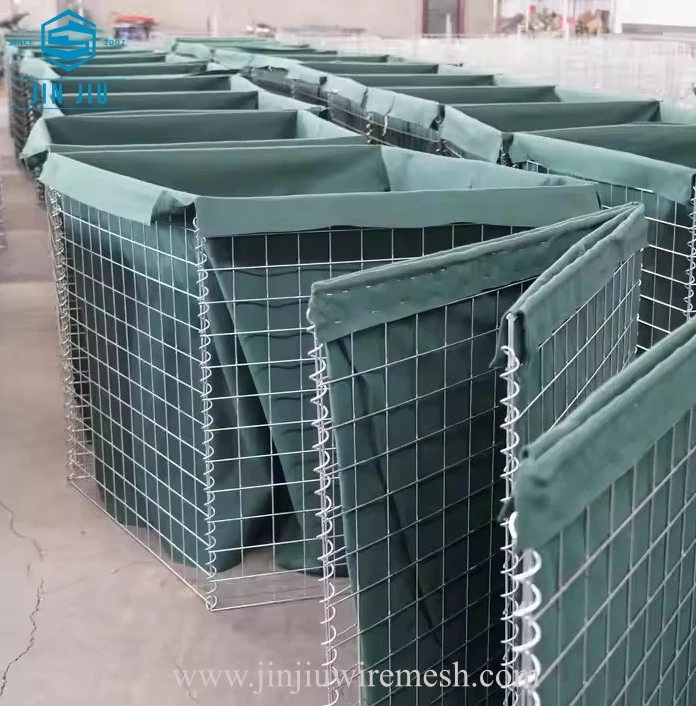
The Evolution of Physical Protection: Bullet Resistant Defensive Barriers in Modern Security
In an increasingly unpredictable global landscape, the requirement for high-level ballistic protection has moved beyond the battlefield and into the core of civilian and industrial security infrastructure.
2026-02-25 15:26:58
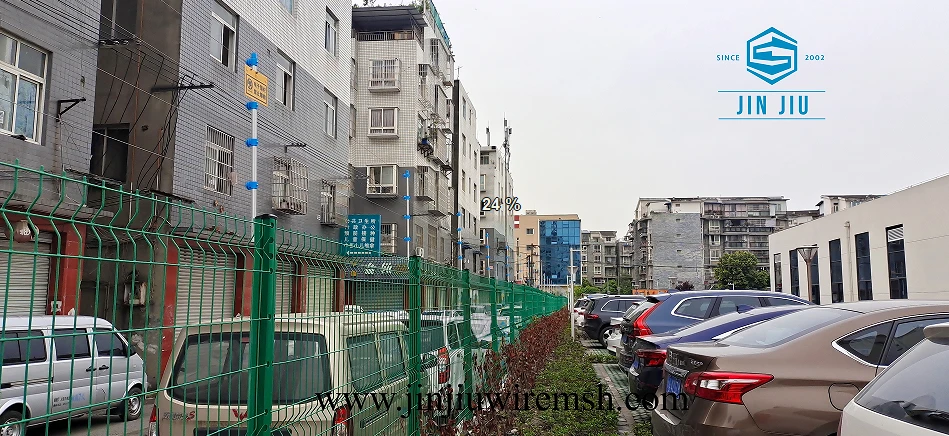
The Digital Backbone of Modern Security: Connected Pulse Monitoring Electric Fence Architecture
The traditional concept of a perimeter has undergone a fundamental transformation.
2026-02-25 15:24:13
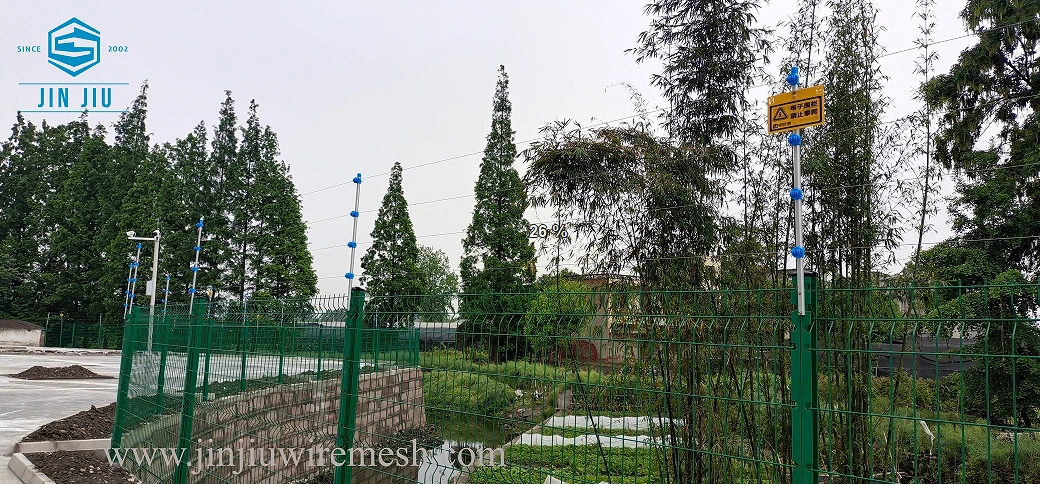
Securing the Unreachable with a Powerful Pulse Electric Fence
In the realm of global security, the distinction between a standard boundary and a high-security perimeter is often defined by the technology pulsing through the wires.
2027-04-14 00:00:00
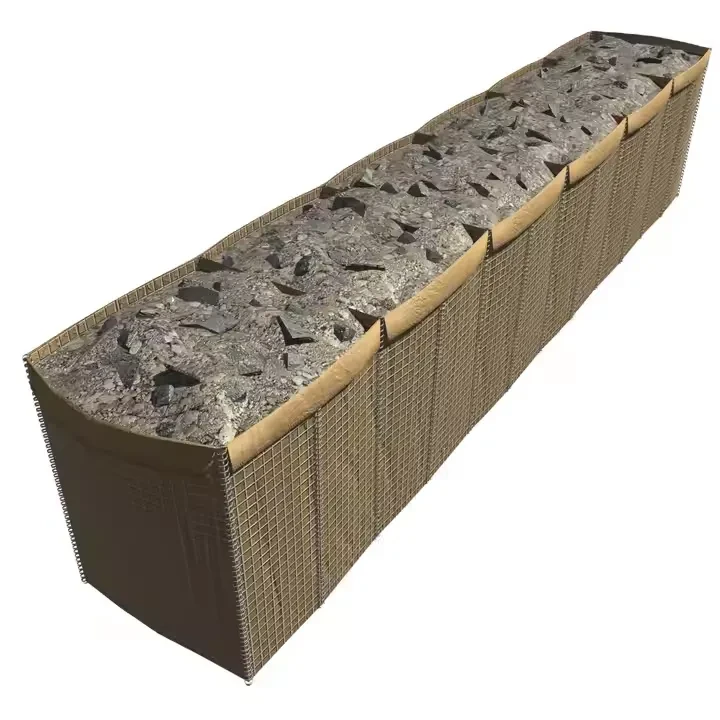
Engineering Resilience with Explosion Proof Defensive Barriers
In an era where industrial safety and national security are increasingly intertwined, the necessity for specialized protection in volatile environments has never been higher.


 English
  Albanian
  Arabic
  Bengali
  Czech
Czech  Danish
  Dutch
Dutch  Finnish
  French
  German
  Japanese
  Malay
Malay  Persian
  Polish
  Portuguese
  Romanian
  Russian
  Serbian
  Spanish
  Swahili