





Hebei Jinjiu Metal Products Co.,Ltd


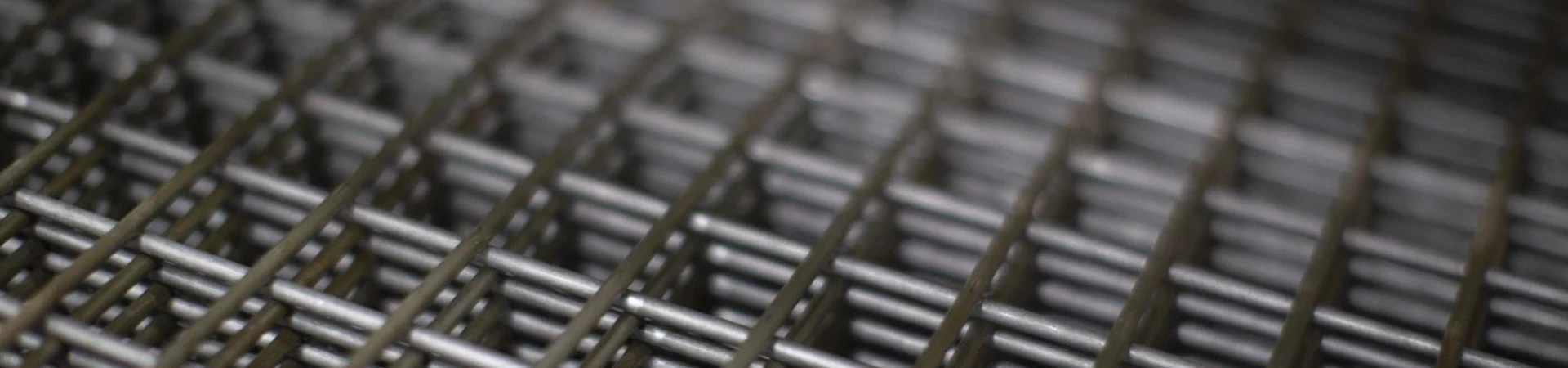

Inconspicuous Security Obstacle Wire: Discreet Protection for Global Security
Dec . 02, 2025 12:20
Understanding Inconspicuous Security Obstacle Wire: A Global Perspective
When you hear the term inconspicuous security obstacle wire, it might conjure images of high-tech fencing blending with the environment — subtle yet formidable. Globally, security concerns are evolving, and the demand for barrier solutions that don’t shout “danger” but quietly protect is more pressing than ever. This wire serves as a discreet safeguard in diverse environments, from humanitarian zones to industrial sites, marrying efficiency with subtlety. Grasping what it is and how it works sheds light on its growing role in secure perimeters worldwide.
Introduction: The Global Context for Inconspicuous Security Obstacle Wire
Security isn’t just a local issue. The United Nations Office on Drugs and Crime (UNODC) emphasizes secure borders and facilities as key to safety and economic stability worldwide. Yet, traditional security barriers often look imposing — sometimes threatening, even counterproductive, especially in civilian or humanitarian settings. Enter the inconspicuous security obstacle wire: engineered to reduce visual impact while enhancing security. The World Bank notes that infrastructure protection is vital for sustainable development, making such solutions increasingly relevant. Practically, these wires address a widening paradox — how to protect assets and people without compromising aesthetics or stirring unrest.
Defining Inconspicuous Security Obstacle Wire
Put simply, it’s a type of security wire mesh or stranded wire designed to blend seamlessly into surroundings — often using slim profiles, natural hues, or rust-resistant coatings. Unlike the traditional razor or concertina wire, this wire prioritizes visual subtlety and reduced noise on contact. It’s a modern take on perimeter security, responding to industries and NGOs that require effective but non-intrusive barrier systems. In humanitarian corridors or ecological reserves, for example, it protects without imposing, respecting human dignity while ensuring safety.
Core Components & Key Factors
Durability
These wires are usually crafted from galvanized or stainless steel, often with polymer coatings for rust resistance. Because they might be installed in harsh climates — think deserts or coastal zones — durability is essential to maintaining long-term security.
Visual Subtlety
The “inconspicuous” factor isn’t superficial. It means wires are thinner, spaced strategically, and colored to match the environment — a practice borrowed from architectural landscaping.
Flexibility & Scalability
Modularity helps adapt the wire to various perimeter sizes. This flexibility accelerates installation — a vital asset in disaster-stricken or rapidly evolving security contexts.
Cost Efficiency
Oddly enough, a less visible wire can also cut costs over time since damage due to environmental impact or vandalism tends to be lower. Maintenance cycles extend, plus it reduces unrest by being less visually aggressive.
Environmental Compatibility
Many versions are made with eco-friendly coatings or recyclable materials, aligning with global sustainability goals, such as those promoted by ISO 14001 standards.
Typical Specifications of Inconspicuous Security Obstacle Wire
| Specification | Typical Value |
|---|---|
| Wire Diameter | 1.2 - 1.8 mm |
| Material | Galvanized Steel / Stainless Steel |
| Coating | Polymer / PVC (Environmental grade) |
| Mesh Type | Stranded / Welded Wire |
| Color Options | Earth Tones, Camouflage |
| Typical Tensile Strength | 1400 - 1600 MPa |
Global Applications & Use Cases
In post-disaster zones: After natural disasters, deploying security quickly is critical. The subtle profile of inconspicuous security obstacle wire helps protect supply caches or makeshift housing areas without creating a fortress feel, which can calm affected populations.
Industrial sectors: Remote mining sites or energy facilities—especially those near ecologically sensitive areas—use this wire to maintain security without disrupting the landscape or wildlife migration paths.
Conservation and humanitarian zones: NGOs use it to safeguard fields or shelters. It is compliant with international humanitarian law, as it avoids aggressive appearance that could frighten or stigmatize refugees or locals.
inconspicuous security obstacle wire is often preferred in Europe, parts of Asia, and Africa where visual and environmental impact regulations are strict.
Vendor Comparison: Leading Inconspicuous Security Obstacle Wire Providers
| Vendor | Material Quality | Customization | Environmental Certifications | Typical Lead Time |
|---|---|---|---|---|
| Jinjiu Wire Mesh | Stainless Steel 316L | High - Color & Size Options | ISO 14001, REACH | 2-4 Weeks |
| SafeGuard Solutions | Galvanized Steel | Medium - Standard Sizes | None | 3-5 Weeks |
| EcoBarrier International | Polymer Coated Steel | High - Eco-Friendly Focus | ISO 14001, FSC | 4-6 Weeks |
Advantages & Long-Term Value
- Lower social friction: It’s less intrusive visually and socially, which helps preserve community trust.
- Cost savings: Reduced maintenance and longer lifespan mean better return on investment.
- Environmental stewardship: Eco-friendly coatings and recyclable materials meet growing sustainability demands.
- Reliable protection: High tensile strength and customizable configurations give durable security solutions.
Frankly, the emotional value can’t be underestimated. It feels less like a prison and more like responsible protection.
Future Trends & Innovations
The future looks promising. Innovations include embedding sensors within the wires for real-time intrusion detection, integration with drone surveillance, and using biodegradable polymers to reduce environmental footprints. Digital transformation — AI-enabled perimeter monitoring linked to these wires — is already piloted in several industrial zones. Plus, green manufacturing processes mean the ecological impact is steadily falling.
Challenges & Solutions
Of course, no solution is perfect. One challenge is balancing inconspicuousness with visible deterrence — too subtle, and it may invite attempts to breach. To offset this, combining obstacle wire with discreet cameras and smart alarm systems is effective. Weather extremes can also degrade materials, but new coatings and alloys extend durability significantly. Expert installation tailored to local conditions often makes the difference.
Frequently Asked Questions About Inconspicuous Security Obstacle Wire
- How does inconspicuous security obstacle wire differ from traditional razor wire?
- Unlike traditional razor wire, inconspicuous security obstacle wire is designed to be less visually aggressive, blending with surroundings using thinner wires and earth-tone colors—while still providing a physical barrier to intrusion. This makes it more suitable for sensitive sites.
- Is this type of wire effective for temporary setups, like disaster relief?
- Absolutely. Its modular design enables quick installation and removal, ideal for temporary security in relief operations where minimizing disruption and visual impact is crucial.
- Can this wire be customized for various climates?
- Yes, manufacturers like Jinjiu Wire Mesh offer coatings and material grades tailored to corrosive coastal areas or UV-intensive deserts, improving lifespan significantly.
- Are there environmental certifications available for these materials?
- Certainly. Leading products come with ISO 14001 certification and comply with international regulations like REACH to ensure they meet stringent environmental standards.
- What industries benefit most from this security wire?
- Besides humanitarian aid sectors, industries such as renewable energy facilities, wildlife conservation reserves, and high-end residential projects employ it to blend security needs with aesthetics.
Conclusion: Why Inconspicuous Security Obstacle Wire Matters
In essence, inconspicuous security obstacle wire offers a smart, modern evolution of perimeter protection — balancing effective security with respect for people and the environment. Its long-term benefits echo beyond fences: fostering trust, reducing costs, and supporting global sustainability efforts. If you’re searching for a reliable, discreet security solution, explore our offerings today and see how invisible protection can make visible peace of mind.
Quick takeaway: Security need not be harsh or obtrusive — sometimes the best defense is the one you barely notice.
References

Related Products

Related News


2026-03-16 14:21:07
Discover durable farming solutions and flexible animal containment with hinge-knot field fence. Combining impact-resistant design and customizable options, Hebei Jinjiu ensures quality for agricultural applications. Explore now: https://www.jinjiuwiremesh.com/field-fencefarm-fence.html
2026-03-16 14:21:07
Discover durable farming solutions and flexible animal containment with hinge-knot field fence. Combining impact-resistant design and customizable options, Hebei Jinjiu ensures quality for agricultural applications. Explore now: https://www.jinjiuwiremesh.com/field-fencefarm-fence.html
2027-04-14 00:00:00
Discover durable farming solutions and flexible animal containment with hinge-knot field fence. Combining impact-resistant design and customizable options, Hebei Jinjiu ensures quality for agricultural applications. Explore now: https://www.jinjiuwiremesh.com/field-fencefarm-fence.html
2026-02-25 15:31:06
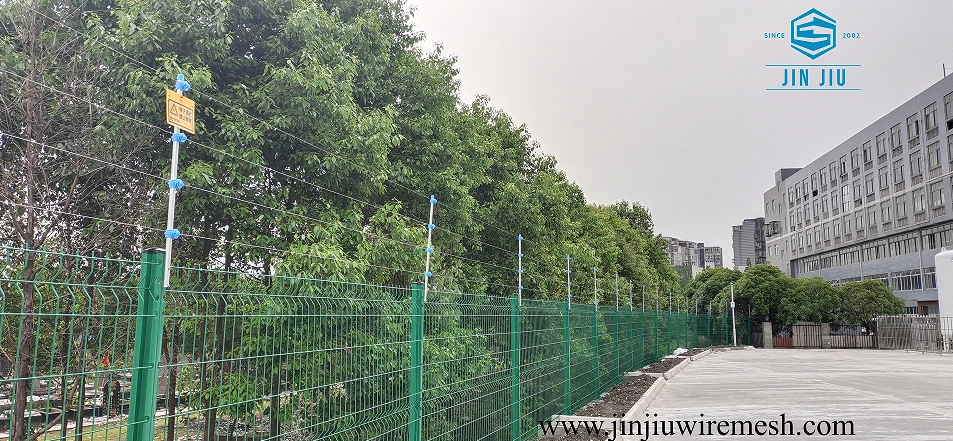
The Strategic Role of the Industrial Electric Fence in Modern Commerce
The protection of corporate and manufacturing assets has transitioned from a matter of simple boundary marking to a complex necessity of risk management.
2026-02-25 15:29:03
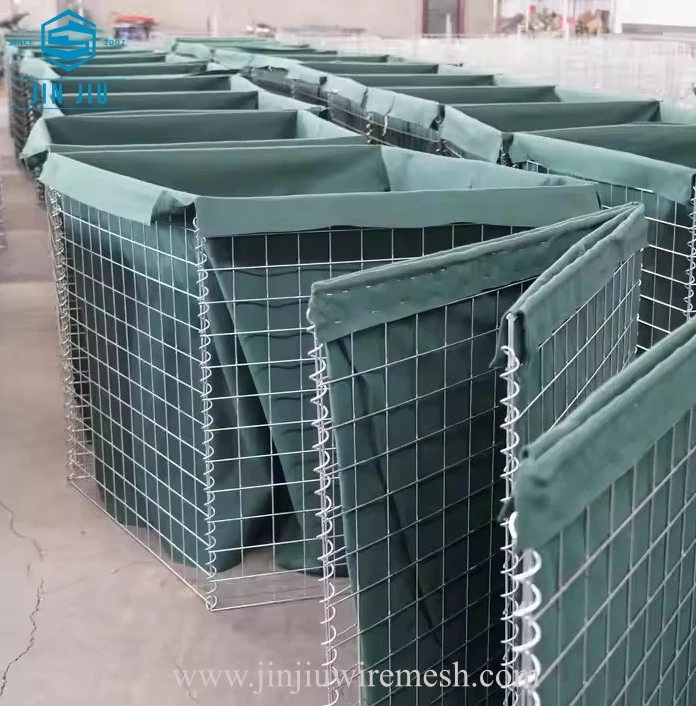
The Evolution of Physical Protection: Bullet Resistant Defensive Barriers in Modern Security
In an increasingly unpredictable global landscape, the requirement for high-level ballistic protection has moved beyond the battlefield and into the core of civilian and industrial security infrastructure.
2026-02-25 15:26:58
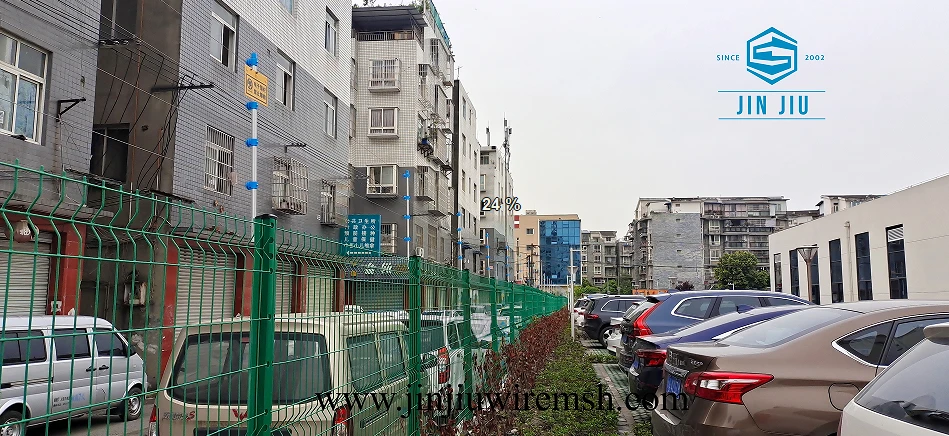
The Digital Backbone of Modern Security: Connected Pulse Monitoring Electric Fence Architecture
The traditional concept of a perimeter has undergone a fundamental transformation.
2026-02-25 15:24:13
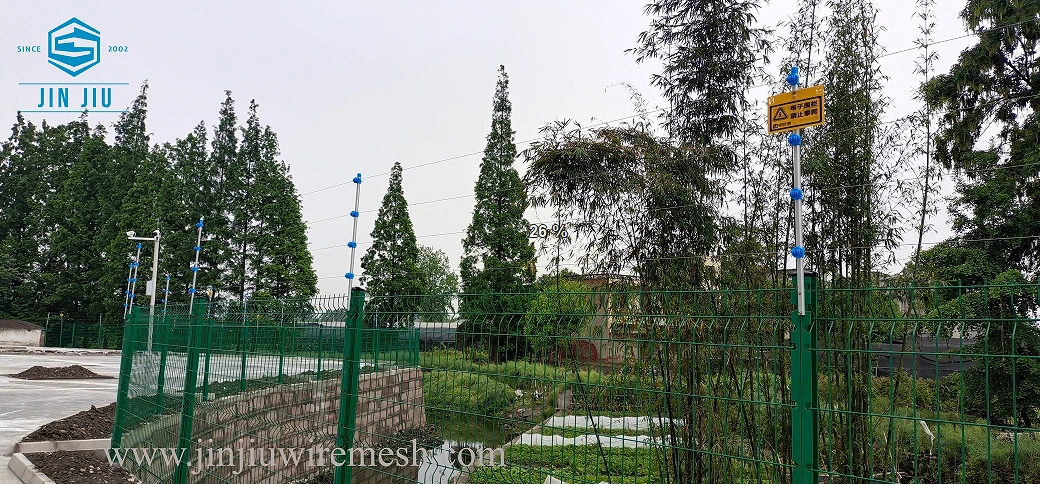
Securing the Unreachable with a Powerful Pulse Electric Fence
In the realm of global security, the distinction between a standard boundary and a high-security perimeter is often defined by the technology pulsing through the wires.
2027-04-14 00:00:00
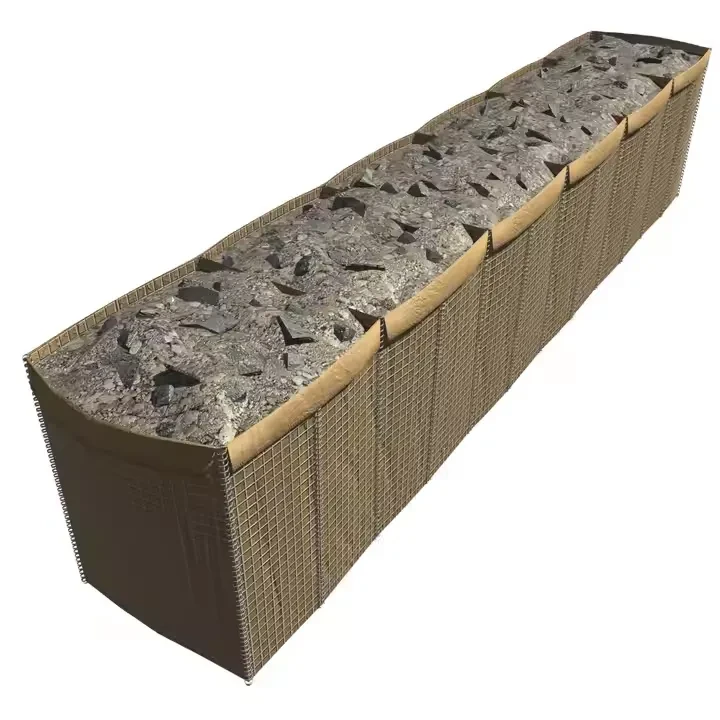
Engineering Resilience with Explosion Proof Defensive Barriers
In an era where industrial safety and national security are increasingly intertwined, the necessity for specialized protection in volatile environments has never been higher.


 English
  Albanian
  Arabic
  Bengali
  Czech
Czech  Danish
  Dutch
Dutch  Finnish
  French
  German
  Japanese
  Malay
Malay  Persian
  Polish
  Portuguese
  Romanian
  Russian
  Serbian
  Spanish
  Swahili