





Hebei Jinjiu Metal Products Co.,Ltd


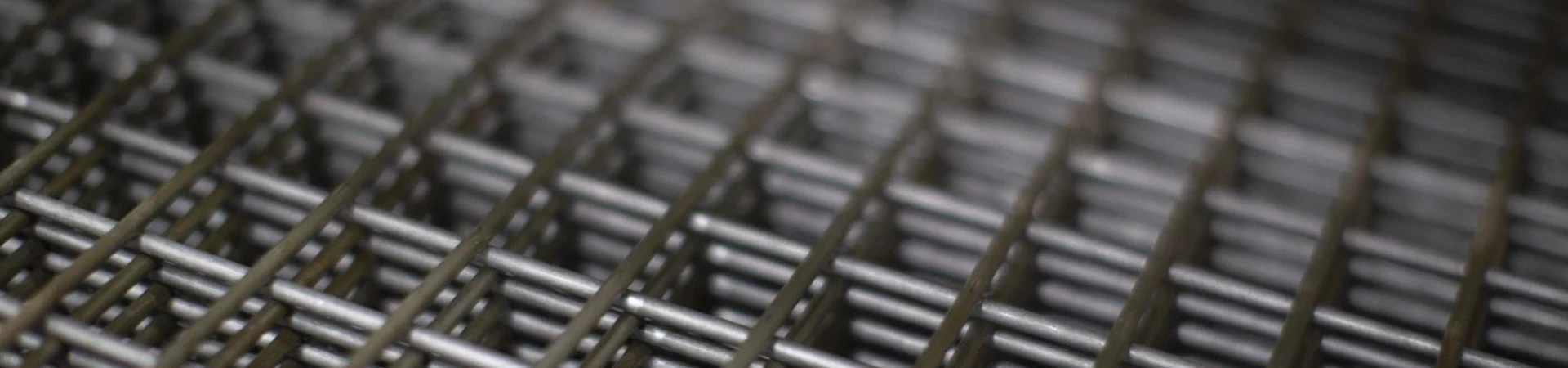

Tank Track Wrapping Obstacle Wire Mesh: Durable Defense Solutions Explained
Dec . 02, 2025 11:40
Understanding Tank Track Wrapping Obstacle Wire Mesh: A Critical Barrier Solution
Tank track wrapping obstacle wire mesh might sound like a mouthful, but it’s actually a fascinating and vital component in modern defense, infrastructure protection, and even humanitarian scenarios. Globally, as conflicts persist and security concerns intensify, understanding how these wire meshes function—and why they matter—is more important than ever. Often overlooked outside professional circles, this type of obstacle mesh brings key benefits like enhanced protection, rapid deployment, and cost-effective durability.
Introduction: The Global Importance of Tank Track Wrapping Obstacle Wire Mesh
In conflict zones, peacekeeping operations, and secure facilities, preventing or delaying the movement of armored vehicles is crucial. According to UN data, more than 70 ongoing conflicts worldwide create persistent needs for effective anti-tank barriers. This is where tank track wrapping obstacle wire mesh has become a lifesaver, literally and figuratively. It functions as a defensive barrier that can stop or slow tanks and heavy vehicles by entangling their tracks, limiting their mobility.
But its relevance stretches beyond military uses. From protecting critical infrastructure to humanitarian organizations setting up secure zones for displaced persons, these meshes serve various roles that respond to real-world challenges.
What Is Tank Track Wrapping Obstacle Wire Mesh?
In simple terms, this obstacle mesh is a specially designed wire netting that wraps around the tracks of heavy vehicles, making it extremely difficult for them to move forward. Usually constructed from hardened steel wire woven into large meshes, it’s deployed as a passive defense system on roads, airfields, or borders.
Its connection to modern industry and humanitarian efforts lies in its versatility. For example, it helps in tank track wrapping obstacle wire mesh solutions that shield sensitive zones without expensive construction or permanent fixtures. What’s clever is that while it aims at stopping tanks, it minimally impacts pedestrian or lighter vehicle movement—reflecting an effective balance.
Key Components and Features
1. Durability and Material Strength
Typically made from galvanized or stainless steel wire, the mesh resists corrosion and mechanical stress for years. This quality ensures consistent performance, even in harsh weather or combat conditions.
2. Scalability and Modularity
The mesh panels come in various sizes to customize obstacle length or coverage, offering scalability from small checkpoints to entire perimeter defenses.
3. Ease of Deployment
Unlike concrete barriers, these wire meshes are relatively lightweight and flexible, allowing rapid installation and removal—essential in dynamic conflict or disaster zones.
4. Cost Efficiency
They offer a budget-friendly option compared to permanent fortifications. In fact, their reusability often leads to long-term savings.
5. Compatibility with Other Security Systems
Can be integrated with sensors, surveillance cameras, or spike strips to create layered defense exactly where it matters most.
Product Specification Table
| Specification | Details |
|---|---|
| Material | Galvanized Steel Wire (4–6 mm diameter) |
| Mesh Size | 100 mm x 100 mm (square pattern) |
| Panel Dimensions | 2 m height x 3 m width (modular) |
| Weight per Panel | Approximately 40 kg |
| Corrosion Resistance | Up to 10 years outdoor |
| Deployment Time | Under 1 hour for a 100-meter stretch |
Global Applications and Use Cases
- Conflict Zones: Armies deploy these mesh systems to fortify checkpoints and urban defense lines without extensive fortifications.
- Disaster Relief Operations: NGOs use them to establish safe perimeters around camps or logistics hubs.
- Critical Infrastructure Security: Airports, power plants, and government buildings install wire mesh barriers to complement fences and surveillance systems.
- Remote Industrial Sites: Mines and oil fields benefit from quick, adjustable anti-vehicle obstacles to protect against theft or sabotage.
For instance, after the 2019 floods in Southeast Asia, temporary barriers made from tank track wrapping obstacle wire mesh helped secure aid distribution points and protect vulnerable roadways.
Vendor Comparison Table
| Vendor | Material Quality | Lead Time | Custom Options | Price Range |
|---|---|---|---|---|
| Jinjiu Wire Mesh | Premium galvanized steel | 2-3 weeks | Yes - sizes & coatings | $$$ |
| Global Mesh Solutions | Standard galvanized | 4 weeks | Limited | $$ |
| SecureTech Industries | Heat-treated steel | 3 weeks | Yes - mesh pattern variants | $$$$ |
Why Choose Tank Track Wrapping Obstacle Wire Mesh? Advantages and Long-Term Value
Aside from the obvious physical barrier, these meshes embody cost efficiency, sustainability, and social safety in one package. Logically, they reduce installation time and money compared to concrete or steel plate obstacles. Emotionally, they represent a trusted shield for communities living amid insecurity, offering dignity and protection.
Oddly enough, many field engineers I've talked to say the ease with which you can repair, relocate, and reuse wire meshes makes them indispensable during chaotic operations. Plus, their compatibility with sensor systems turns them into smart defenses — which frankly, is the future.
Looking Ahead: Innovations and Trends
The next decade promises integration of advanced materials like graphene coatings to further improve durability and reduce weight. Digital innovations are enabling smart mesh sensors that detect vehicle movement or tampering in real-time, feeding data into control centers. Environmentally, manufacturers are exploring recycled steel and lower-carbon production methods. You can see these trends reflecting wider sustainability goals endorsed by ISO and UN initiatives on conflict prevention and infrastructure resilience.
Challenges and Solutions
Of course, nothing’s perfect. Current challenges include ensuring long-term corrosion resistance in tropical climates and balancing mesh strength with deployability. Some operators struggle with improper installation reducing effectiveness. But experience shows that training, customized designs, and ongoing quality checks help overcome these hurdles. Collaboration between manufacturers like tank track wrapping obstacle wire mesh suppliers and end-users is key.
FAQ: Frequently Asked Questions About Tank Track Wrapping Obstacle Wire Mesh
- How quickly can tank track wrapping obstacle wire mesh be deployed in emergency situations?
- Deployment speed varies by size, but modular panels allow setups of up to 100 meters in under an hour with a trained crew, making it ideal for fast-response environments.
- Is this mesh reusable after a conflict or event?
- Yes, the wire mesh is designed for reuse. Damaged sections can be repaired or replaced, and panels can be relocated, offering cost-effective longevity.
- Can the mesh be customized for specific terrains or threats?
- Absolutely. Vendors offer custom dimensions, coating options, and reinforced designs tailored to different environments and vehicle types.
- What maintenance is required for long-term usability?
- Routine inspection for corrosion or physical damage suffices. Occasional cleaning and touch-ups on coatings prolong lifespan, especially in humid or coastal areas.
Conclusion and Call to Action
In real terms, tank track wrapping obstacle wire mesh strikes a smart balance between protection, adaptability, and cost. It’s a quiet guardian enabling safer zones, whether on borders or relief camps. If you’re interested in securing your project with proven mesh solutions, I encourage you to visit Jinjiu Wire Mesh for expert advice and custom options suited to your needs.
Thanks for sticking through this overview. I suppose the takeaway is clear: investing in quality obstacle mesh today means safer, more resilient environments tomorrow.
References

Related Products

Related News


2026-03-16 14:21:07
Discover durable farming solutions and flexible animal containment with hinge-knot field fence. Combining impact-resistant design and customizable options, Hebei Jinjiu ensures quality for agricultural applications. Explore now: https://www.jinjiuwiremesh.com/field-fencefarm-fence.html
2026-03-16 14:21:07
Discover durable farming solutions and flexible animal containment with hinge-knot field fence. Combining impact-resistant design and customizable options, Hebei Jinjiu ensures quality for agricultural applications. Explore now: https://www.jinjiuwiremesh.com/field-fencefarm-fence.html
2027-04-14 00:00:00
Discover durable farming solutions and flexible animal containment with hinge-knot field fence. Combining impact-resistant design and customizable options, Hebei Jinjiu ensures quality for agricultural applications. Explore now: https://www.jinjiuwiremesh.com/field-fencefarm-fence.html
2026-02-25 15:31:06
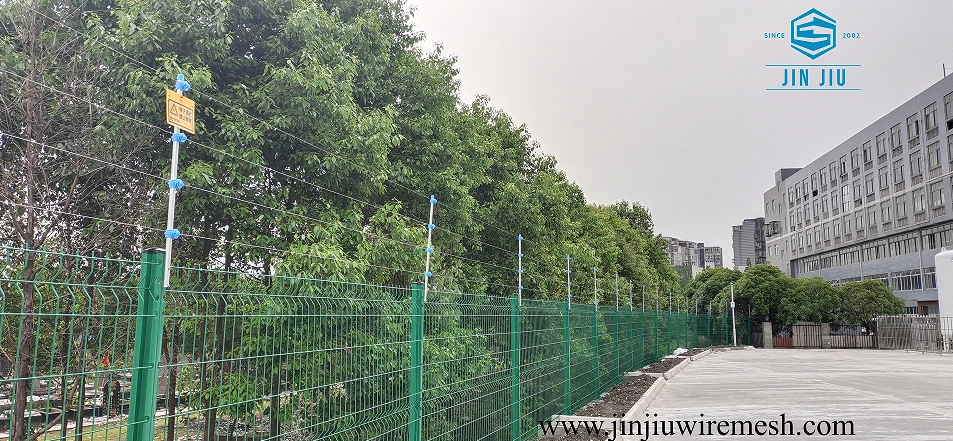
The Strategic Role of the Industrial Electric Fence in Modern Commerce
The protection of corporate and manufacturing assets has transitioned from a matter of simple boundary marking to a complex necessity of risk management.
2026-02-25 15:29:03
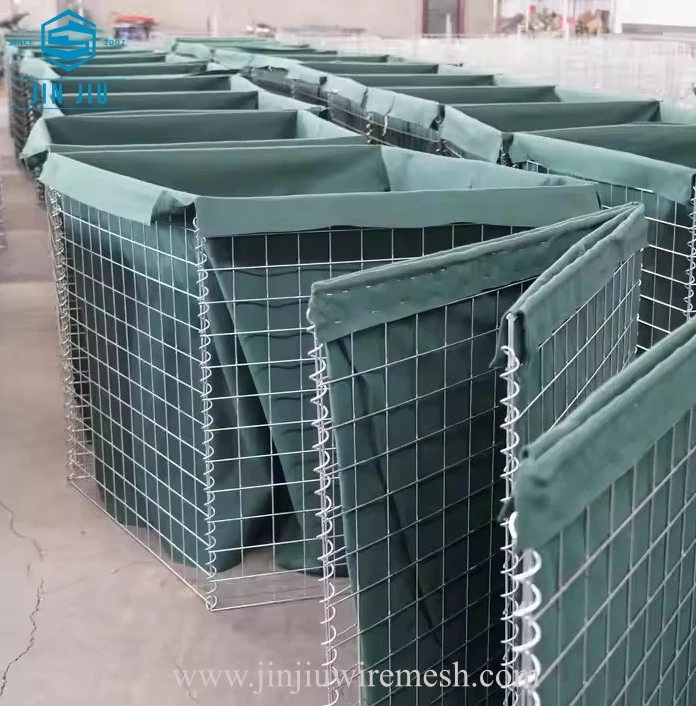
The Evolution of Physical Protection: Bullet Resistant Defensive Barriers in Modern Security
In an increasingly unpredictable global landscape, the requirement for high-level ballistic protection has moved beyond the battlefield and into the core of civilian and industrial security infrastructure.
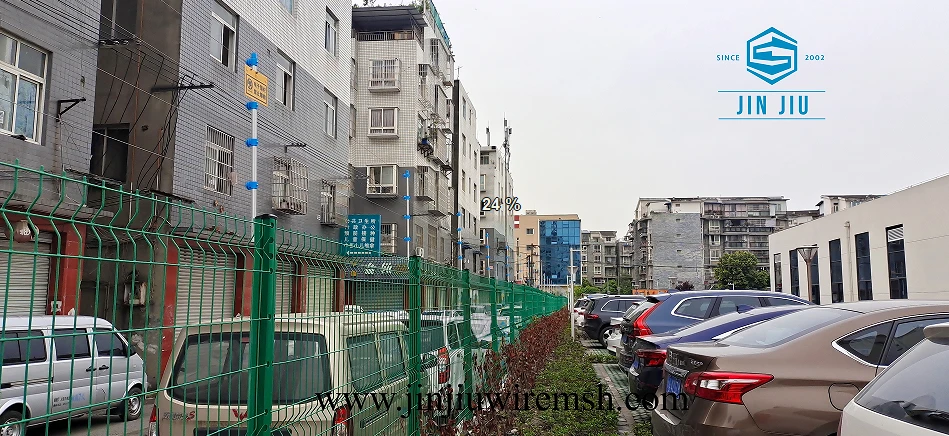
2026-02-25 15:26:58
The Digital Backbone of Modern Security: Connected Pulse Monitoring Electric Fence Architecture
The traditional concept of a perimeter has undergone a fundamental transformation.
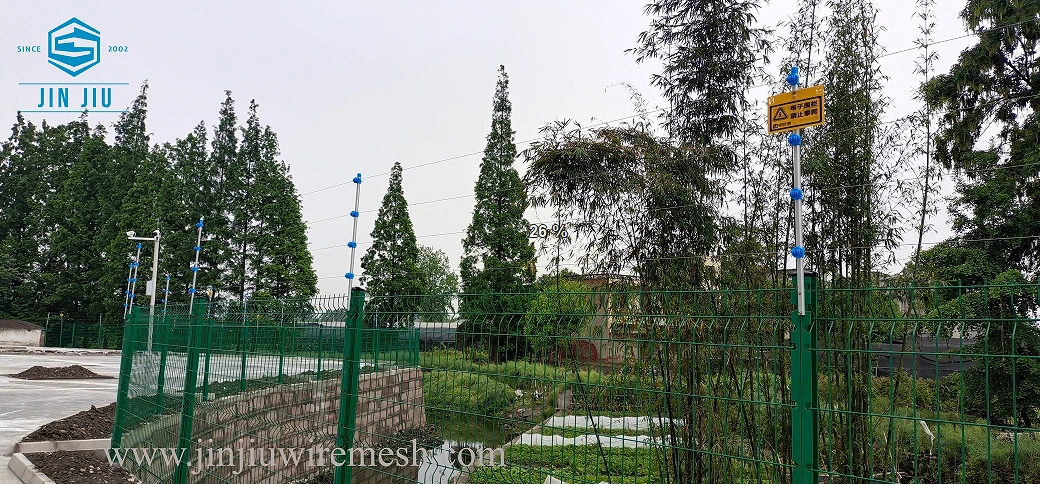
2026-02-25 15:24:13
Securing the Unreachable with a Powerful Pulse Electric Fence
In the realm of global security, the distinction between a standard boundary and a high-security perimeter is often defined by the technology pulsing through the wires.
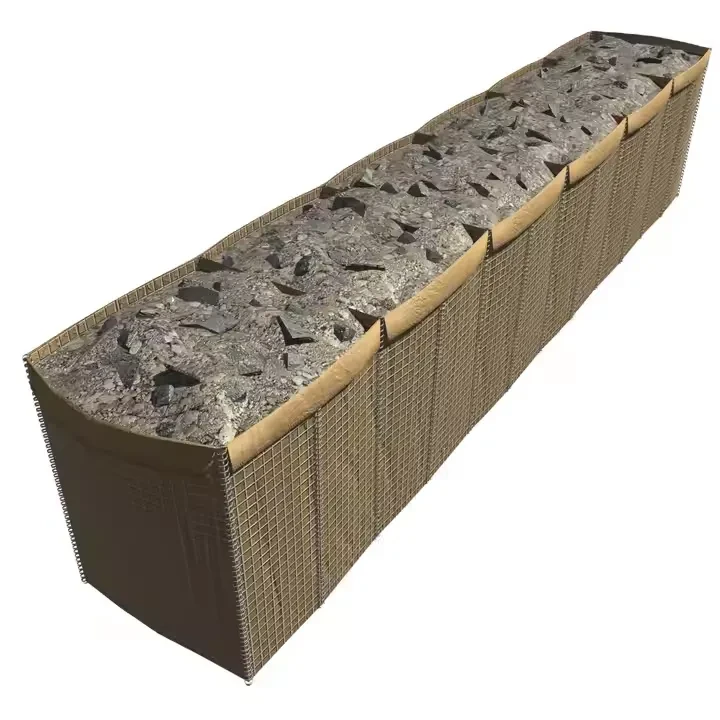
2027-04-14 00:00:00
Engineering Resilience with Explosion Proof Defensive Barriers
In an era where industrial safety and national security are increasingly intertwined, the necessity for specialized protection in volatile environments has never been higher.


 English
  Albanian
  Arabic
  Bengali
  Czech
Czech  Danish
  Dutch
Dutch  Finnish
  French
  German
  Japanese
  Malay
Malay  Persian
  Polish
  Portuguese
  Romanian
  Russian
  Serbian
  Spanish
  Swahili