





Hebei Jinjiu Metal Products Co.,Ltd



Innovative Materials For Highway Sound Absorbing Panels
Jan . 16, 2026 10:42
The relentless growth of transportation networks brings with it the pervasive challenge of noise pollution, affecting the tranquility and quality of life in adjacent communities. Addressing this issue requires more than just simple structures; it demands intelligent, engineered solutions. At the forefront of this effort are modern highway noise barriers, sophisticated systems designed to mitigate unwanted sound. Central to their effectiveness are advanced sound absorbing panels, which utilize innovative materials and designs to dissipate acoustic energy. This article explores the critical role these components play, the technology behind them, and the expertise required to bring such solutions to life, highlighting the dedicated work of specialized manufacturers in this vital field of environmental acoustics.
Understanding the Critical Role of Highway Noise Barriers --H2
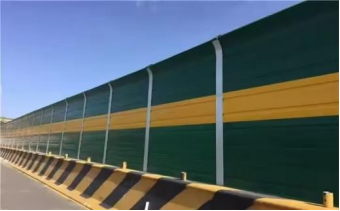
Highway noise barriers serve as a first line of defense against traffic noise, a complex mix of sounds generated by engines, tires, and aerodynamic turbulence. Their primary function is to create a physical shield that interrupts the path of sound waves traveling from the road to sensitive receivers like homes, schools, and parks. The effectiveness of noise barriers is governed by fundamental principles of acoustics. Key factors include its height, which must break the direct line of sight between the noise source and the receiver, and its mass, which helps block sound transmission. However, contemporary solutions extend beyond mere blocking. Modern highway noise barriers increasingly incorporate sound absorbing panels to enhance performance. While a solid, reflective barrier can simply redirect noise, absorptive panels actively reduce sound energy, lowering overall noise levels on both sides of the barrier and preventing issues like reverberation. This makes them an indispensable tool for sustainable urban planning and environmental protection.
The Engineering Behind Effective Sound Absorbing Panels --H2
The core of a high-performance noise barriers lies in its sound absorbing panels. These are not simple slabs of material but carefully engineered products designed to convert acoustic energy into minimal heat through friction and viscous damping within their structure. Common panel styles include metallic options like steel panels and transparent materials such as PC boards. Steel panels are valued for their robustness and are often perforated with specific hole styles, like blind holes or small holes. This perforation allows sound waves to penetrate the panel surface and enter a dense core of absorptive material, such as mineral wool or fiberglass, where the sound energy is trapped and dissipated. The choice of core material and its density are calibrated to target specific noise frequencies prevalent in highway traffic. Material selection and finishing are equally crucial for performance and longevity. Galvanized coatings provide a sacrificial layer that fights corrosion, a critical feature for infrastructure exposed to the elements. A subsequent powder coated finish adds further protective durability and offers a palette of colors for environmental blending or visual branding. The panel thickness, a key variable, directly influences the absorption spectrum; greater thickness generally improves performance, particularly for the challenging low-frequency rumble from heavy trucks. This intricate engineering ensures that sound absorbing panels deliver reliable and sustained acoustic performance.
Design, Installation, and Expert Fabrication of Highway Noise Barriers --H2
The ighway noise barriers are a system where every component must work in harmony to ensure durability and lasting performance. The design begins with a robust support structure, typically utilizing strong H steel posts. These posts are engineered to provide a secure foundation, capable of anchoring the entire system and withstanding significant wind loads and physical stresses over decades. The sound absorbing panels are then integrated into this framework. Produced in modular dimensions, these panels allow for flexible installation that can adapt to curves, elevation changes, and other specific challenges along any highway corridor. This approach highlights the customizable nature of modern acoustic solutions. Every aspect, from the choice of base material—such as a steel or aluminum barrier—to the specific panel style, hole style, and surface treatment, can be tailored to meet precise project requirements.
The reliability of such a system hinges on specialized manufacturing expertise. This is where the experience of a company like Hebei Jinjiu Metal Products Co., Ltd. becomes invaluable. With a foundation dating back to 2003 and deep experience in metal fabrication, their core competencies in areas such as surface treatment service and frame design and installation system translate directly into the production of high-quality highway noise barriers. They ensure that steel panels are accurately perforated, protective galvanized and powder coated finishes are consistently applied, and structural components like H steel posts are fabricated for optimal strength. This end-to-end expertise, from precision manufacturing to professional installation by dedicated teams, guarantees that the final noise barriers operate as a cohesive, durable, and effective system, delivering the long-term acoustic performance that communities require.
FAQs About Highway Noise Barriers --H2
What are the key benefits of using sound absorbing panels? --H3
Sound absorbing panels provide the dual advantage of reducing noise levels while minimizing sound reflection. Unlike purely reflective barriers, they actively dissipate acoustic energy, leading to lower overall noise for both protected communities and, often, for drivers on the road itself. This results in a more effective and neighbor-friendly highway noise barriers solution.
How durable are your highway noise barriers? --H3
Our highway noise barriers are engineered for long-term durability. The use of high-quality steel or aluminum barrier materials, combined with a galvanized undercoat and a robust powder coated top finish, provides exceptional resistance to corrosion, UV radiation, and weathering. This ensures the barrier maintains its structural integrity and acoustic performance for many years.
What design flexibility do you offer for noise barriers? --H3
We offer extensive customization for our noise barrier systems. Clients can choose from standard panel widths, specify panel thickness for targeted acoustic performance, select between steel panels or PC boards, and decide on hole styles. Furthermore, the powder coated finish is available in various colors to meet aesthetic or environmental blending requirements.
How are your highway noise barriers designed for wind pressure? --H3
The wind resistance design is integral to our highway noise barriers. The system's stability is ensured by using robust H steel posts as the primary support structure, which are engineered to provide a secure foundation. The entire assembly, including the connection of the sound absorbing panels, is designed with structural integrity to meet necessary wind pressure value standards, ensuring reliability under various climatic conditions.
What is your experience with large-scale noise barrier projects? --H3
With over two decades of specialization in metal fabrication and installation, our team possesses rich experience in delivering large-scale highway noise barriers projects. We manage the complete process, from technical design and material fabrication to efficient on-site installation by our professional teams, ensuring timely and successful project completion.

Related Products

Related News


2026-03-16 14:21:07
Discover durable farming solutions and flexible animal containment with hinge-knot field fence. Combining impact-resistant design and customizable options, Hebei Jinjiu ensures quality for agricultural applications. Explore now: https://www.jinjiuwiremesh.com/field-fencefarm-fence.html
2026-03-16 14:21:07
Discover durable farming solutions and flexible animal containment with hinge-knot field fence. Combining impact-resistant design and customizable options, Hebei Jinjiu ensures quality for agricultural applications. Explore now: https://www.jinjiuwiremesh.com/field-fencefarm-fence.html
2027-04-14 00:00:00
Discover durable farming solutions and flexible animal containment with hinge-knot field fence. Combining impact-resistant design and customizable options, Hebei Jinjiu ensures quality for agricultural applications. Explore now: https://www.jinjiuwiremesh.com/field-fencefarm-fence.html
2026-02-25 15:31:06
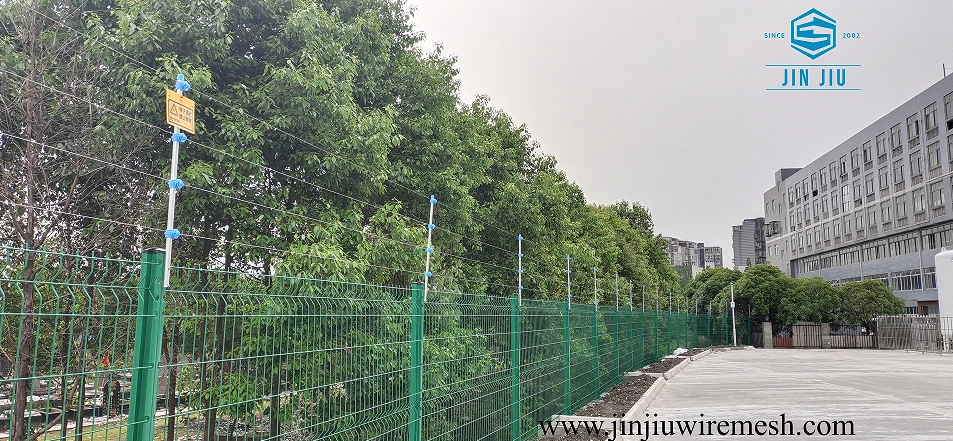
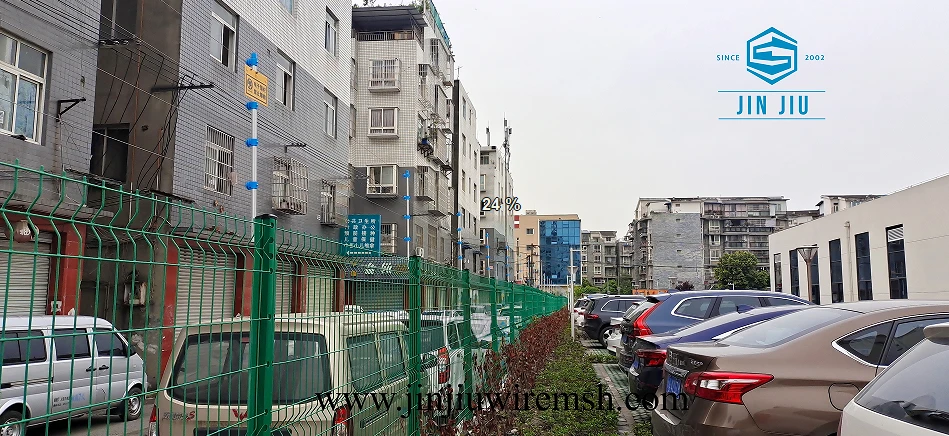
The Strategic Role of the Industrial Electric Fence in Modern Commerce
The protection of corporate and manufacturing assets has transitioned from a matter of simple boundary marking to a complex necessity of risk management.
2026-02-25 15:29:03
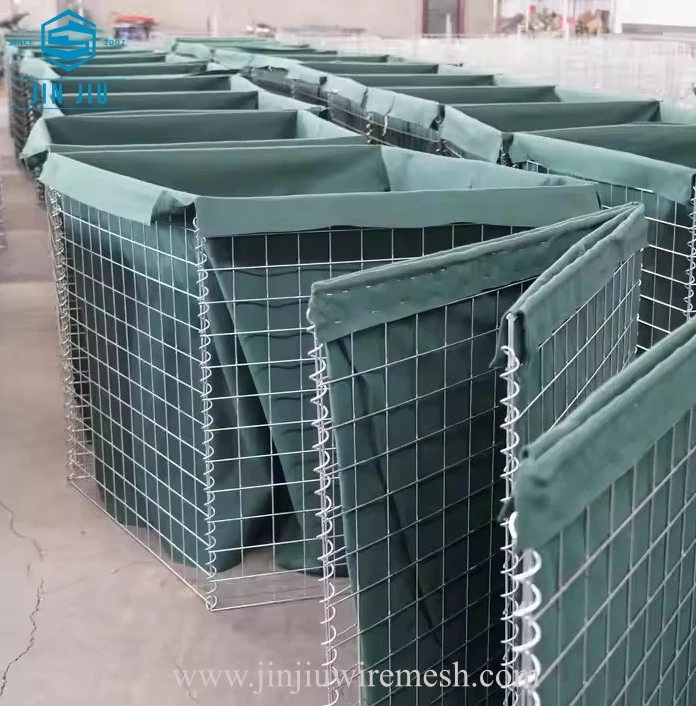
The Evolution of Physical Protection: Bullet Resistant Defensive Barriers in Modern Security
In an increasingly unpredictable global landscape, the requirement for high-level ballistic protection has moved beyond the battlefield and into the core of civilian and industrial security infrastructure.
2026-02-25 15:26:58
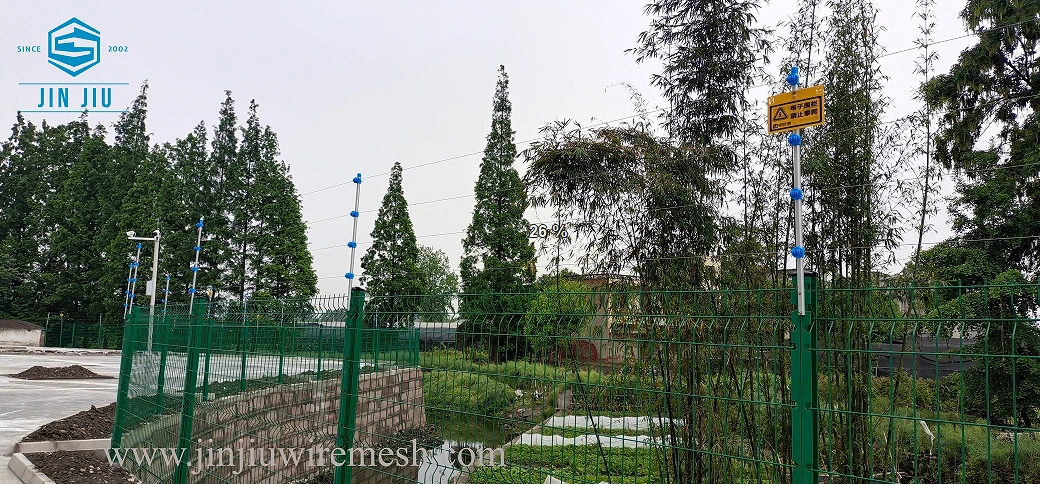
The Digital Backbone of Modern Security: Connected Pulse Monitoring Electric Fence Architecture
The traditional concept of a perimeter has undergone a fundamental transformation.
2026-02-25 15:24:13
Securing the Unreachable with a Powerful Pulse Electric Fence
In the realm of global security, the distinction between a standard boundary and a high-security perimeter is often defined by the technology pulsing through the wires.
2027-04-14 00:00:00
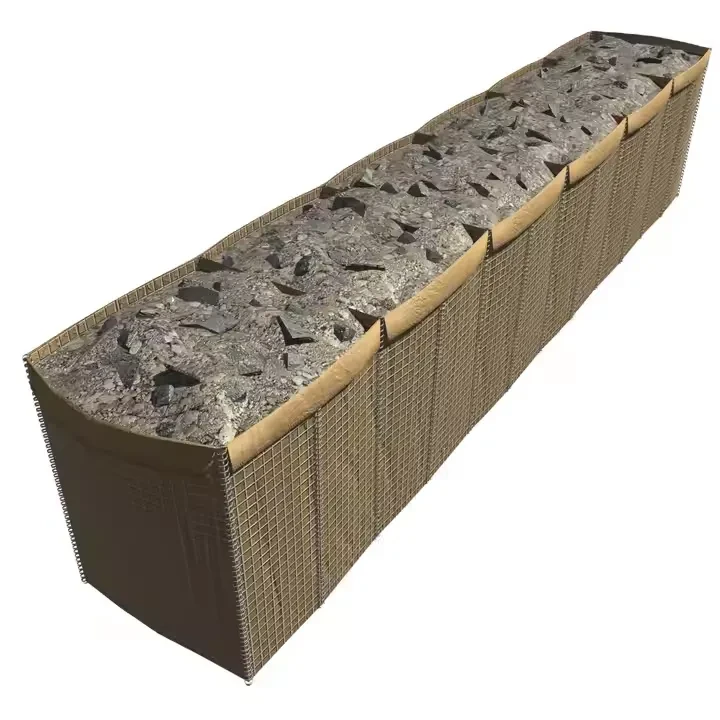
Engineering Resilience with Explosion Proof Defensive Barriers
In an era where industrial safety and national security are increasingly intertwined, the necessity for specialized protection in volatile environments has never been higher.


 English
  Albanian
  Arabic
  Bengali
  Czech
Czech  Danish
  Dutch
Dutch  Finnish
  French
  German
  Japanese
  Malay
Malay  Persian
  Polish
  Portuguese
  Romanian
  Russian
  Serbian
  Spanish
  Swahili