





Hebei Jinjiu Metal Products Co.,Ltd


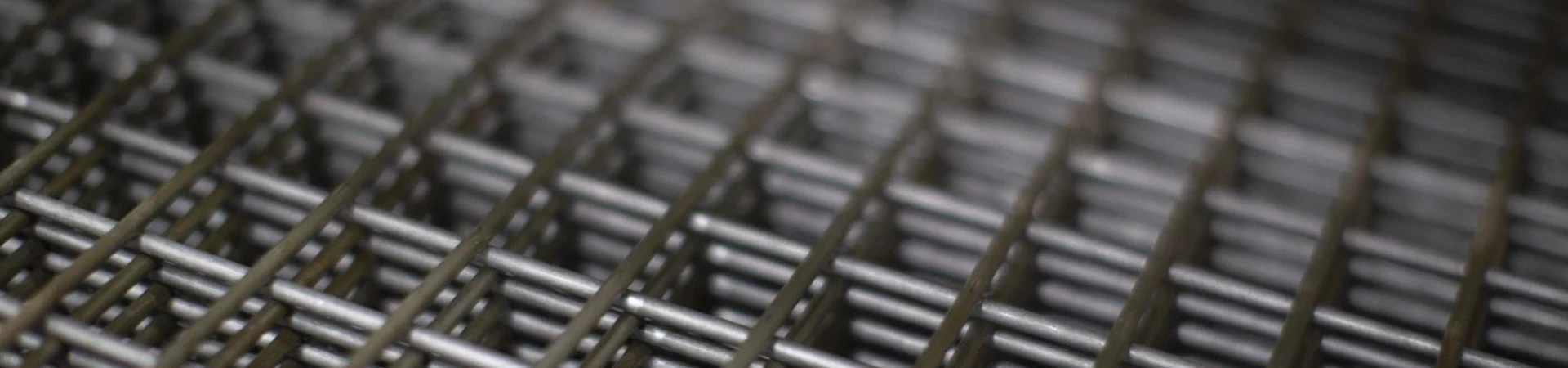

Spiral Mesh & Spiral Mesh Belt - Durable, Heat-Resistant
Nov . 10, 2025 17:26
Spiral Mesh is a key solution in the manufacturing industry, specifically within Fabricated metal products and Manufacturing of metal mesh, metal wire rope and their products. This article explores how Hebei Jinjiu Metal Products Co.,Ltd supports professionals with durable, high-performance products, and explains why this product is an ideal choice for businesses in these sectors.
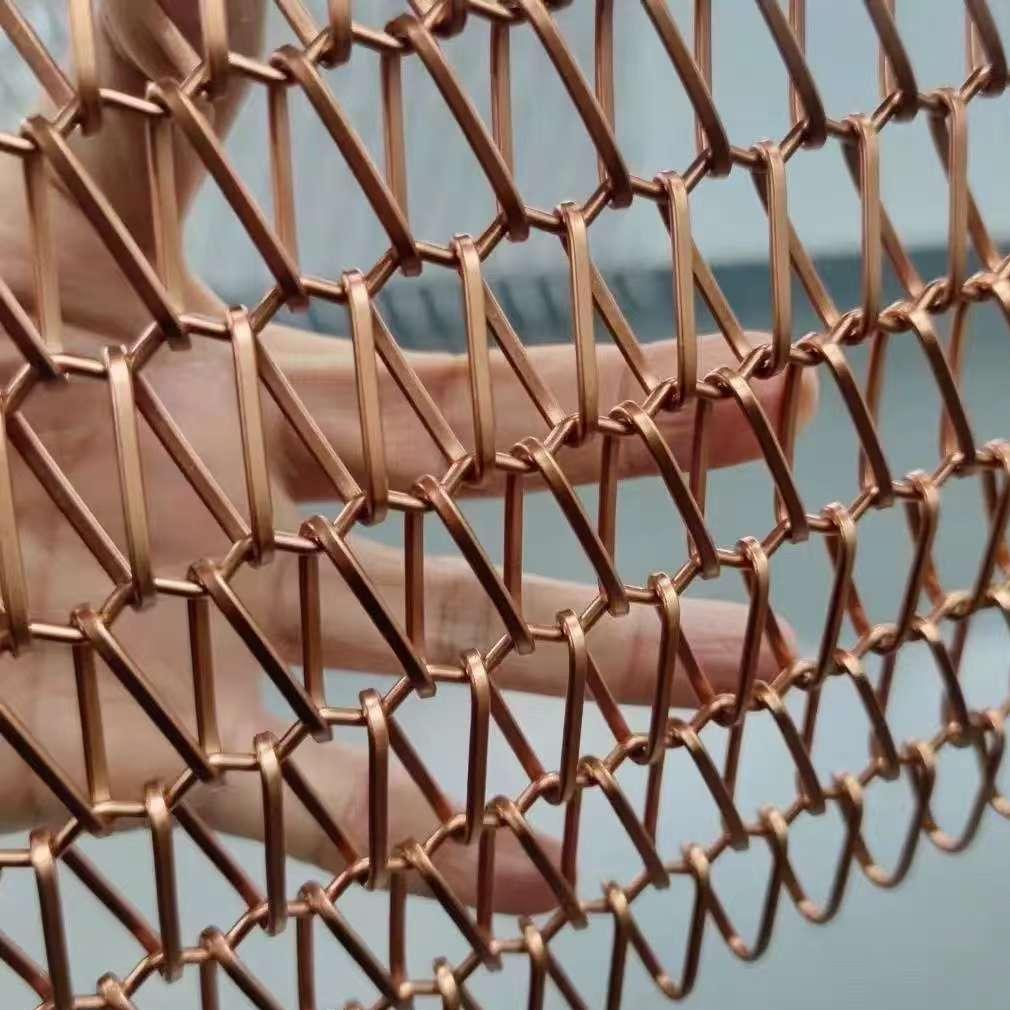
Table of Contents
- Spiral Mesh Overview
- Benefits & Use Cases of Spiral Mesh in Manufacturing of metal mesh, metal wire rope and their products
- Cost, Maintenance & User Experience
- Sustainability & Market Trends in manufacturing
- Conclusion on Spiral Mesh from Hebei Jinjiu Metal Products Co.,Ltd
Spiral Mesh Overview
Engineered for strength, stability, and airflow, spiral mesh—also known as spiral weave mesh—interlocks helical wires with straight or crimped cross rods to form a robust, flexible sheet. In the Fabricated metal products sector, it is a go-to choice for conveying, shielding, architectural screening, and thermal process lines. The architecture of the weave distributes loads evenly, resists tracking issues, and maintains consistent open area, making it ideal for both mechanical handling and aesthetic applications.
- Common materials include stainless steel (304/316/316L), carbon steel, and specialty alloys for high-temperature or corrosive environments. Aperture, wire diameter, pitch, and open area can be tailored to process requirements—from fine screens to heavy-duty conveyor grades.
- Typical build options include balanced and compound balanced weaves, welded or looped edges, and pin or hook joining for fast installation. Precision fabrication controls flatness, tensile strength, and edge integrity—critical for long runs and automated handling.
- Hebei Jinjiu Metal Products Co.,Ltd manufactures spiral mesh with strict dimensional tolerances, clean surface finishes, and documented quality checks—giving B2B buyers predictable performance and reliable supply at scale.
Benefits & Use Cases of Spiral Mesh in Manufacturing of metal mesh, metal wire rope and their products
Across metal processing lines, spiral mesh and spiral mesh belt formats underpin critical operations. They convey parts through ovens and washers, allow uniform heating and cooling, and provide drainage or airflow where needed. In architectural metalwork, spiral weave mesh offers transparency, shading, and impact resistance for facades, partitions, and safety screens—without sacrificing design flexibility.
- Applications: heat-treatment conveyors, quenching and drying belts, food processing lines, glass/ceramic kilns, degreasing/wash tunnels, guarding and machine enclosures, and interior/exterior architectural cladding.
- Advantages: high temperature tolerance, excellent strength-to-weight ratio, stable tracking, customizable open area for airflow/liquid drainage, corrosion resistance (with 316/316L), and simple splicing that reduces downtime. The weave geometry also distributes load effectively, minimizing stretch under continuous duty.
- Hebei Jinjiu Metal Products Co.,Ltd supports OEM and MRO buyers with engineered specifications, drawings, and edge treatments (welded, ladder, or U-channel). Experienced production teams deliver consistent panel widths and belt straightness for predictable integration into automated systems.
Cost, Maintenance & User Experience
Total cost of ownership for spiral mesh is driven by material selection, weave density, edge finishing, and operating environment. While premium alloys may increase upfront cost, they typically deliver longer service intervals in corrosive or high-heat applications—reducing changeovers and unplanned downtime. The low mass and open design can also lower energy consumption in thermal processes by enabling faster heat transfer and shorter cycle times.
- Maintenance: periodic inspection of edges and joints, routine cleaning (CIP, steam, or alkaline wash depending on process), and timely replacement of pins or joining links. Proper belt tracking and tension further extend lifespan.
- User feedback in the Fabricated metal products sector highlights stable belt tracking, easier sanitation, and quicker splices versus solid belts or slat chains. Buyers note improved uptime in washer and oven lines due to the mesh’s consistent flatness and robust edge construction from Hebei Jinjiu Metal Products Co.,Ltd.
Sustainability & Market Trends in manufacturing
Sustainability priorities in manufacturing are accelerating demand for materials that are durable, energy-efficient, and recyclable. Spiral mesh supports these goals with long service life, lower thermal mass than solid conveyance alternatives, and full recyclability of ferrous alloys at end-of-life. Open-area designs enhance airflow and heat transfer, often enabling reduced energy usage in ovens, dryers, and kilns—aligning with corporate decarbonization targets.
- Market trends: increased automation, predictive maintenance, and hygienic design requirements in food, automotive, and building materials; a rise in architectural metal mesh specifying for shading and safety; and a focus on traceable, responsibly sourced metals.
- Hebei Jinjiu Metal Products Co.,Ltd is investing in precision weaving, surface finishing, and quality documentation to support OEM sustainability and compliance objectives. Optimized packaging, material utilization, and lifecycle support help customers minimize waste and maximize asset efficiency.
Conclusion on Spiral Mesh from Hebei Jinjiu Metal Products Co.,Ltd
From high-temperature conveyor lines to architectural screening, Spiral Mesh delivers the durability, precision, and airflow that B2B decision makers expect in Fabricated metal products and in the Manufacturing of metal mesh, metal wire rope and their products. Hebei Jinjiu Metal Products Co.,Ltd combines engineering expertise with consistent production quality to help operations run safer, cleaner, and more efficiently. Ready to specify your next spiral mesh or spiral mesh belt project? Contact us: email: bella@jinjiufence.com. Visit our website: https://www.jinjiuwiremesh.com

Related Products
Related News


2026-03-16 14:21:07
Discover durable farming solutions and flexible animal containment with hinge-knot field fence. Combining impact-resistant design and customizable options, Hebei Jinjiu ensures quality for agricultural applications. Explore now: https://www.jinjiuwiremesh.com/field-fencefarm-fence.html
2026-03-16 14:21:07
Discover durable farming solutions and flexible animal containment with hinge-knot field fence. Combining impact-resistant design and customizable options, Hebei Jinjiu ensures quality for agricultural applications. Explore now: https://www.jinjiuwiremesh.com/field-fencefarm-fence.html
2027-04-14 00:00:00
Discover durable farming solutions and flexible animal containment with hinge-knot field fence. Combining impact-resistant design and customizable options, Hebei Jinjiu ensures quality for agricultural applications. Explore now: https://www.jinjiuwiremesh.com/field-fencefarm-fence.html
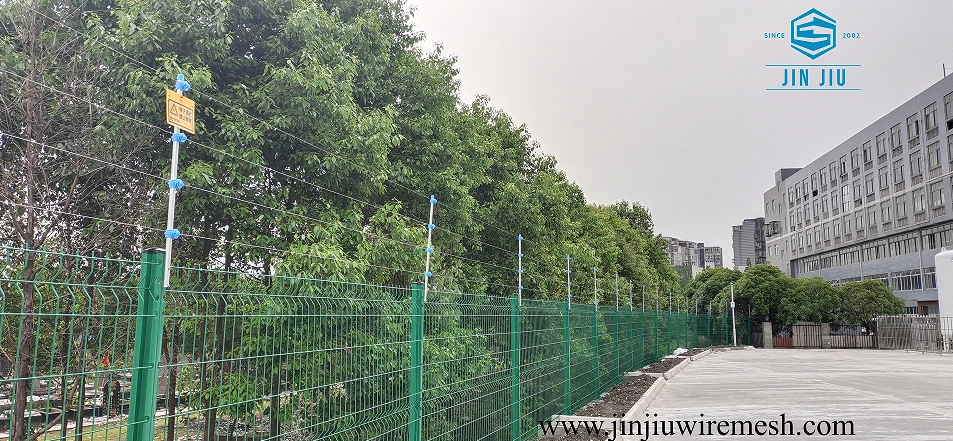
2026-02-25 15:31:06
The Strategic Role of the Industrial Electric Fence in Modern Commerce
The protection of corporate and manufacturing assets has transitioned from a matter of simple boundary marking to a complex necessity of risk management.
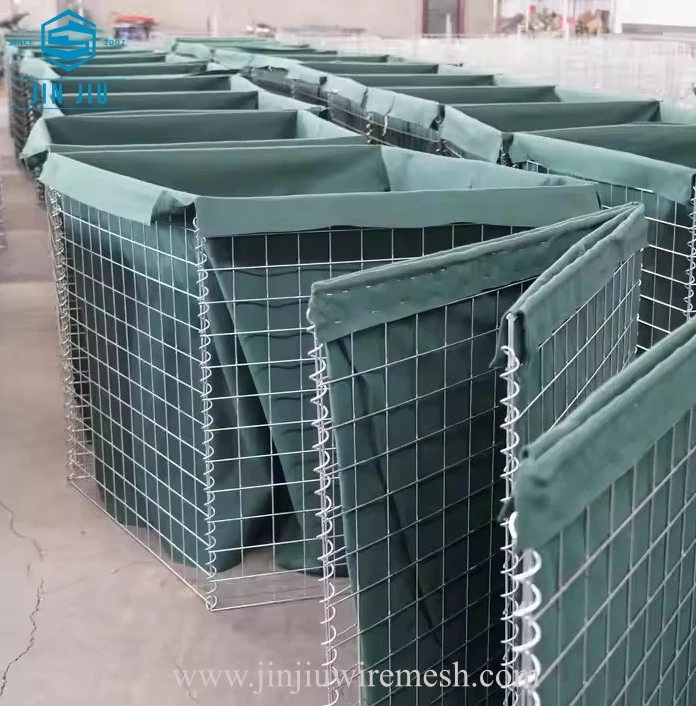
2026-02-25 15:29:03
The Evolution of Physical Protection: Bullet Resistant Defensive Barriers in Modern Security
In an increasingly unpredictable global landscape, the requirement for high-level ballistic protection has moved beyond the battlefield and into the core of civilian and industrial security infrastructure.
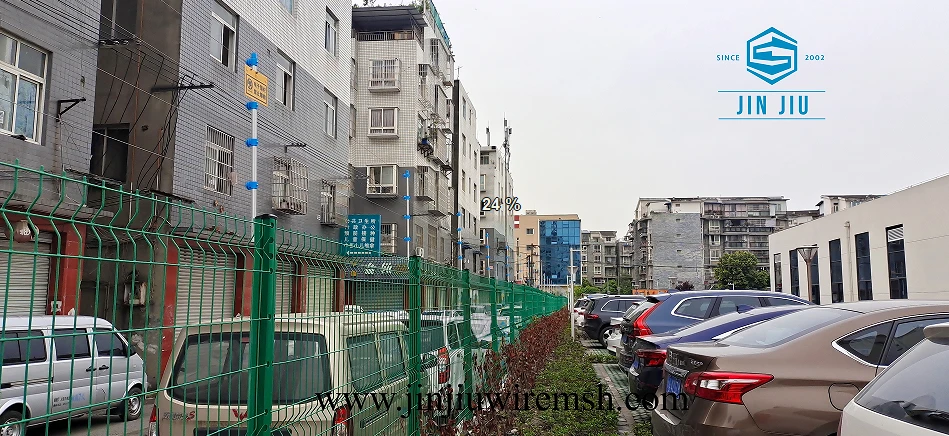
2026-02-25 15:26:58
The Digital Backbone of Modern Security: Connected Pulse Monitoring Electric Fence Architecture
The traditional concept of a perimeter has undergone a fundamental transformation.
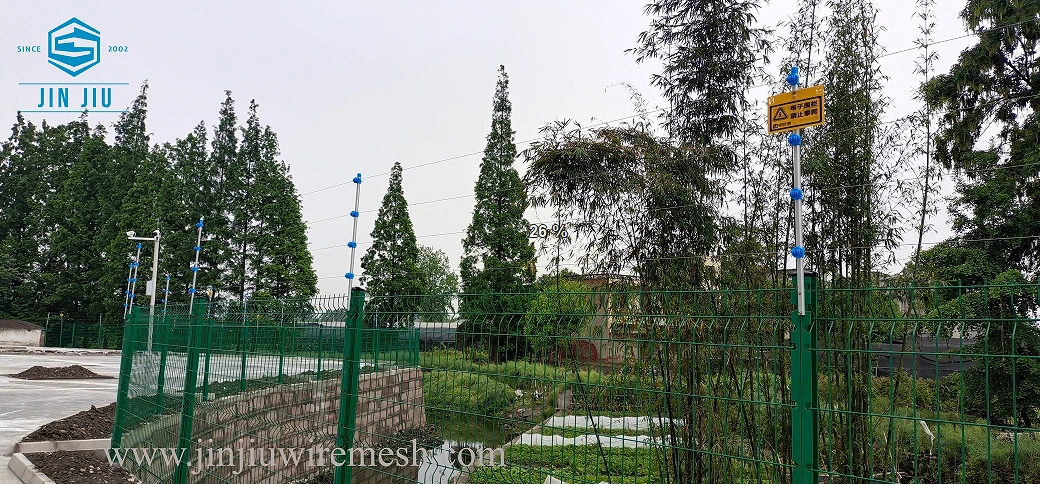
2026-02-25 15:24:13
Securing the Unreachable with a Powerful Pulse Electric Fence
In the realm of global security, the distinction between a standard boundary and a high-security perimeter is often defined by the technology pulsing through the wires.
2027-04-14 00:00:00
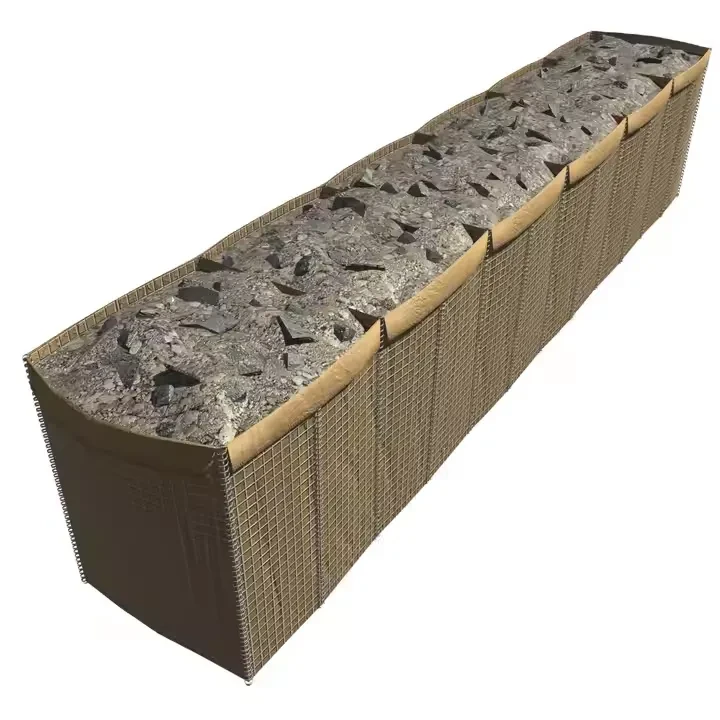
Engineering Resilience with Explosion Proof Defensive Barriers
In an era where industrial safety and national security are increasingly intertwined, the necessity for specialized protection in volatile environments has never been higher.


 English
  Albanian
  Arabic
  Bengali
  Czech
Czech  Danish
  Dutch
Dutch  Finnish
  French
  German
  Japanese
  Malay
Malay  Persian
  Polish
  Portuguese
  Romanian
  Russian
  Serbian
  Spanish
  Swahili