





Hebei Jinjiu Metal Products Co.,Ltd



Stainless Steel Wire For Sale - Durable 304 & 316 MIG Wires
Sep . 08, 2025 14:30
In the demanding landscape of modern industrial applications, the availability of high-quality stainless steel wire for sale is paramount. Stainless steel wire, known for its exceptional corrosion resistance, strength, and aesthetic appeal, serves as a critical component across diverse sectors, from advanced manufacturing to precision engineering. This comprehensive guide delves into the technical intricacies, market dynamics, and application versatility of this essential material, covering common grades such as 304 and 316, and specific types like 304 stainless steel MIG welding wire and 1.2 mm stainless steel wire.
The Manufacturing Process of Stainless Steel Wire
The production of high-quality stainless steel wire is a meticulously controlled multi-stage process, ensuring the final product meets stringent performance and dimensional specifications. This intricate process starts with raw materials and progresses through several transformation phases, each critical to the wire's ultimate properties.
Materials and Initial Preparation
The foundation of quality stainless steel wire lies in its raw materials. High-purity stainless steel ingots, composed of iron alloyed with chromium (typically 10.5% or more), nickel, molybdenum, and other elements, are selected based on the desired grade (e.g., 304, 316). These ingots undergo melting in electric arc furnaces, followed by refining to control chemical composition precisely.
Detailed Process Flow:
Raw materials melted and cast into billets or slabs.
Billets are hot rolled into rods of smaller diameter.
Heat treatment to soften, followed by acid cleaning to remove scale.
Rods drawn through dies to achieve final diameter and enhance strength.
Lubrication application or specialized coatings for specific uses.
Dimensional, mechanical, and chemical testing, then coiling for delivery.
Testing Standards and Service Life
Rigorous quality control is maintained throughout the process, adhering to international standards such as ISO 9001, ASTM (e.g., A580/A580M for general purpose wire), and EN (e.g., EN 10088 for stainless steels). These standards ensure consistent material properties, including tensile strength, yield strength, elongation, and surface finish. Depending on the application and environmental conditions, stainless steel wire can boast a service life spanning decades, minimizing replacement costs and operational downtime due to its inherent corrosion resistance and durability. For critical applications like 304 stainless steel MIG welding wire, compliance with AWS (American Welding Society) specifications is also paramount.
Target Industries and Advantages
Stainless steel wire finds extensive application in target industries such as petrochemicals, metallurgy, water supply & drainage, automotive, construction, and medical device manufacturing. Its key advantages include superior corrosion resistance, particularly in harsh chemical environments, excellent heat resistance, high tensile strength, and hygienic properties suitable for food and medical applications. In scenarios like water filtration or architectural mesh, its long service life contributes significantly to energy saving through reduced maintenance and replacement cycles.
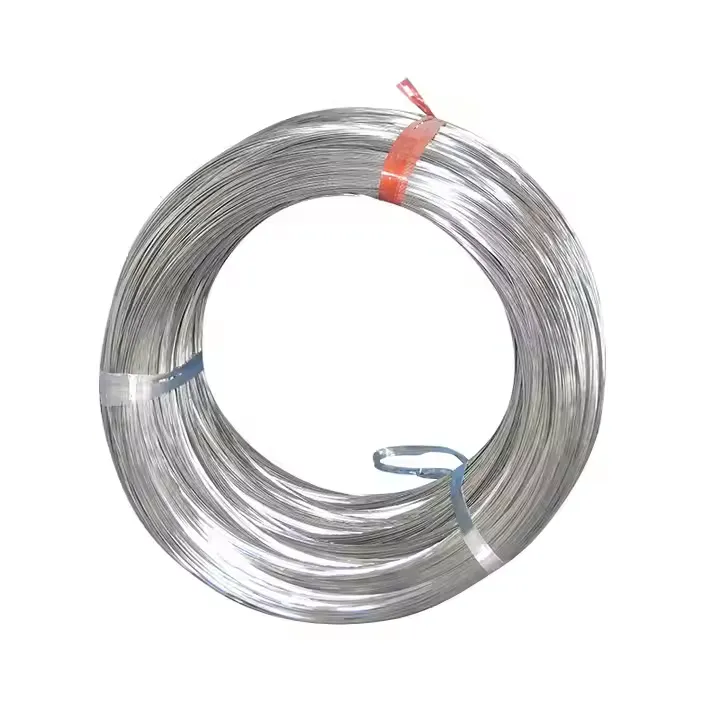
Figure 1: Illustration of Stainless Steel Wire Manufacturing Stages.
Industry Trends and Market Dynamics for Stainless Steel Wire
The global market for stainless steel wire is characterized by steady growth, driven by increasing industrialization, infrastructure development, and technological advancements. Key trends indicate a rising demand for specialized grades and precise dimensions, catering to evolving application requirements.
Growth Drivers and Market Segments
- Construction & Infrastructure: Increased use in architectural applications, rebar, and structural components due to superior longevity and low maintenance.
- Automotive Sector: Growing adoption for components in exhaust systems, seat frames, and specialized fasteners, particularly for vehicles requiring enhanced corrosion resistance.
- Energy Sector: Critical for nuclear power plants, oil & gas exploration (e.g., control lines, umbilicals), and renewable energy infrastructure.
- Medical & Food Processing: Hygienic properties of grades like 304 and 316 make them indispensable for surgical instruments, implants, and food handling equipment.
- Welding Applications: Sustained demand for specific products such as 304 stainless steel MIG welding wire and 316 stainless steel wire for joining stainless steel components in various industries.
Technological Advancements and Future Outlook
Innovations in manufacturing processes are leading to the development of wires with enhanced properties, such as higher strength-to-weight ratios, improved fatigue resistance, and specialized surface finishes. The push for sustainability also drives demand for recycled content in stainless steel production. According to a report by Grand View Research, the global stainless steel market size was valued at USD 127.3 billion in 2022 and is expected to grow at a compound annual growth rate (CAGR) of 6.2% from 2023 to 2030, with wire products forming a significant segment of this expansion. The increasing sophistication of engineering projects globally ensures a robust and expanding market for high-performance stainless steel wire.
Technical Specifications and Common Grades
Understanding the technical specifications of stainless steel wire is crucial for selecting the appropriate material for specific B2B applications. Different grades offer varying chemical compositions and mechanical properties, directly impacting performance in diverse environments.
Key Grades and Their Properties
- 304 Stainless Steel Wire: The most common austenitic stainless steel, comprising approximately 18% chromium and 8% nickel. It offers excellent corrosion resistance in ordinary atmospheres, good formability, and weldability. It is widely used for general purposes, including weaving, mesh, and particularly as 304 stainless steel MIG wire for welding applications.
- 316 Stainless Steel Wire: An austenitic stainless steel containing 16-18% chromium, 10-14% nickel, and crucially, 2-3% molybdenum. The addition of molybdenum significantly enhances its resistance to pitting and crevice corrosion, especially in chloride-rich environments like marine or chemical processing settings. This makes 316 stainless steel wire ideal for harsher conditions.
- Other Grades: Other grades like 201 (lower nickel, good strength), 430 (ferritic, good corrosion in mild environments), and specialized duplex stainless steels (high strength and corrosion resistance) are available for specific requirements.
Detailed Product Specification Table: Stainless Steel Wire (Common Grades)
Below is a typical specification table outlining key parameters for common stainless steel wire grades, including the versatile 1.2 mm stainless steel wire, a popular dimension for many applications.
| Characteristic | Unit | Grade 304 | Grade 316 |
|---|---|---|---|
| Tensile Strength (Min) | MPa | 515 | 515 |
| Yield Strength (0.2% Offset, Min) | MPa | 205 | 205 |
| Elongation (Min) | % | 40 | 40 |
| Hardness (Max) | HRB / HB | 92 / 192 | 95 / 217 |
| Density | g/cm³ | 8.0 | 8.0 |
| Melting Point | °C | 1400-1450 | 1370-1400 |
Note: Actual values may vary based on specific manufacturing processes, heat treatment, and applicable industry standards (e.g., ASTM A580, EN 10088-3).
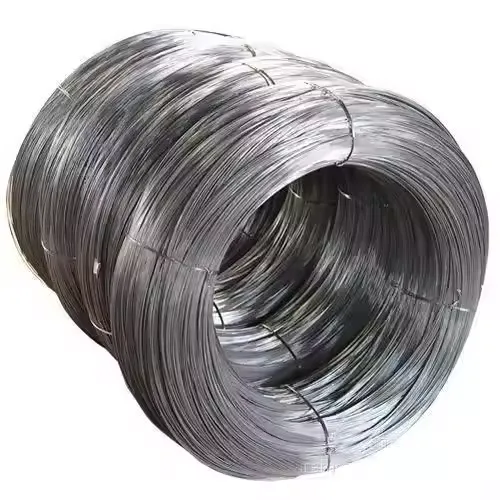
Figure 2: Precision-wound spools of stainless steel wire, ready for industrial use.
Application Scenarios and Technical Advantages
The versatility of stainless steel wire translates into a myriad of application scenarios, each leveraging its unique technical advantages to enhance performance, durability, and cost-effectiveness.
Diverse Application Scenarios
- Petrochemical Industry: Used in distillation columns, heat exchangers, and filter screens where resistance to aggressive chemicals and high temperatures is critical. The robust corrosion resistance prevents premature failure and contamination.
- Metallurgy & Mining: Employed in conveyor belts, sieves, and separation equipment due to its wear resistance and ability to withstand abrasive environments.
- Water Supply & Drainage: Essential for water treatment filters, screens, and components in wastewater management systems, offering excellent resistance to water-borne corrosion and biological fouling.
- Automotive & Aerospace: Utilized in flexible shafts, control cables, springs, and braking systems, where high tensile strength, fatigue resistance, and corrosion resistance are non-negotiable for safety and reliability.
- Construction & Architecture: Integral to cable railing systems, decorative meshes, concrete reinforcement, and tensile structures, providing both structural integrity and aesthetic appeal without requiring constant maintenance.
- Medical & Pharmaceutical: For surgical instruments, stents, orthodontic wires, and pharmaceutical processing equipment, due to its biocompatibility, sterility, and resistance to cleaning agents.
- Consumer Goods: Appliance components, kitchenware, and even musical instrument strings benefit from its durability and finish.
Technical Advantages
The inherent properties of stainless steel wire offer a suite of technical advantages that make it a preferred material for discerning B2B clients:
- Exceptional Corrosion Resistance: The chromium oxide layer provides self-healing passivation, protecting against rust and chemical degradation. This leads to extended component life and reduced replacement costs.
- High Strength-to-Weight Ratio: Offers robust performance without excessive bulk, crucial for weight-sensitive applications in aerospace and automotive.
- Heat Resistance: Certain grades maintain mechanical properties at elevated temperatures, suitable for high-temperature processing or exhaust systems.
- Hygiene and Sterility: Non-porous surface is easy to clean and sanitize, vital for food, beverage, and medical environments, preventing bacterial growth.
- Aesthetics and Finish: Available in various finishes, from bright annealed to matte, providing options for both functional and decorative applications.
- Environmental Benefits: Fully recyclable, contributing to sustainable industrial practices and reduced environmental impact.
These advantages collectively contribute to significant long-term savings through reduced maintenance, extended operational life, and enhanced product integrity, making stainless steel wire a strategic choice for critical applications.
Vendor Comparison and Selection Criteria for Stainless Steel Wire
When sourcing stainless steel wire for sale, B2B decision-makers must evaluate vendors based on a comprehensive set of criteria that go beyond mere pricing. A strategic partnership with a reliable supplier ensures consistent quality, optimized supply chains, and superior technical support.
Key Vendor Selection Criteria
- Quality Certifications: Look for ISO 9001, ASTM, DIN, JIS, and other relevant industry certifications. These indicate adherence to international quality management systems and product standards.
- Technical Expertise & Experience: A vendor with a proven track record and deep understanding of metallurgy, wire drawing processes, and application challenges can offer invaluable guidance. Years of service and client testimonials are strong indicators of experience.
- Customization Capabilities: The ability to provide bespoke wire specifications (e.g., specific tensile strengths, diameters, finishes, or specialized coatings) is critical for unique project requirements.
- Lead Time & Fulfillment: Efficient production capacity, robust logistics, and reliable delivery schedules are essential for maintaining project timelines and operational continuity.
- Pricing & Value Proposition: While competitive pricing is important, it should be weighed against overall value, including product quality, service, and long-term reliability.
- After-Sales Support: Access to technical support, troubleshooting, and responsive customer service ensures smooth operations post-purchase.
Comparative Analysis of Stainless Steel Wire Types
A comparison between common types highlights the importance of matching product to application.
| Feature | 304 Stainless Steel Wire | 316 Stainless Steel Wire | High Carbon Steel Wire (for comparison) |
|---|---|---|---|
| Primary Alloying Elements | Cr (18%), Ni (8%) | Cr (16-18%), Ni (10-14%), Mo (2-3%) | Carbon, Manganese |
| Corrosion Resistance | Excellent (general purpose) | Superior (pitting, crevice in chlorides) | Poor (requires coating) |
| Heat Resistance | Good | Very Good | Moderate |
| Weldability | Excellent (e.g., 304 stainless steel MIG wire) | Very Good (post-weld heat treatment may be needed) | Good (but can be brittle) |
| Typical Applications | Kitchenware, General Engineering, Architectural | Marine, Chemical, Medical, Pharmaceutical | Springs, Ropes (often galvanized) |
Table 2: Comparative properties of different wire materials.
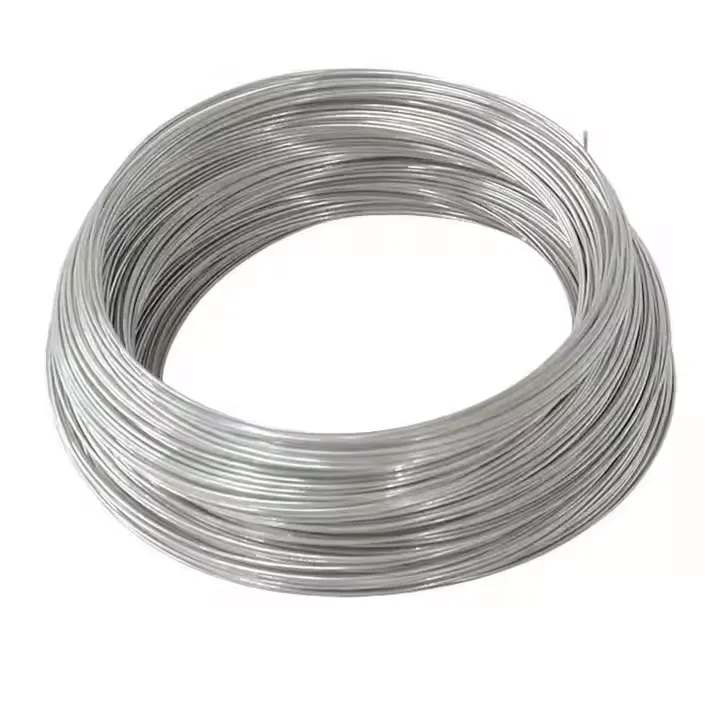
Figure 3: Close-up of stainless steel wire, showcasing surface finish and quality.
Customized Solutions and Services
Recognizing that off-the-shelf solutions may not always meet specific industrial demands, leading suppliers of stainless steel wire offer comprehensive customization options. These tailored solutions ensure optimal performance and integration into complex engineering projects.
Tailored Specifications
- Diameter & Tolerance: Wires can be produced to exact diameters, including precision dimensions like 1.2 mm stainless steel wire, with tight tolerances for applications requiring high precision.
- Tensile Strength: Custom-engineered tensile strengths to meet specific load-bearing or forming requirements. This often involves precise control over cold drawing and annealing cycles.
- Surface Finish: Options include bright annealed, matte, soap-coated, or polished finishes, depending on aesthetic, lubricity, or bonding needs.
- Packaging: Custom spool sizes, coil weights, and specialized packaging (e.g., environmental protection, automated feeding systems) to integrate seamlessly with client operations.
- Special Alloys & Coatings: Development of bespoke alloy compositions or application of specialized coatings for enhanced properties like reduced friction, electrical conductivity, or even greater corrosion resistance in unique environments.
Engineering Support and Consultation
Beyond manufacturing, a strong vendor offers expert engineering support, assisting clients in material selection, design optimization, and process integration. This consultative approach minimizes risks, optimizes costs, and ensures the selected stainless steel wire solution is perfectly aligned with project objectives. Engaging with a supplier who understands the nuances of various applications, such as the specific requirements for 304 stainless steel MIG welding wire in automated production lines, can significantly enhance project success.
Application Case Studies: Stainless Steel Wire in Action
Real-world applications demonstrate the tangible benefits and superior performance of stainless steel wire for sale in demanding industrial settings. These case studies highlight effective problem-solving and long-term value.
Case Study 1: Advanced Water Filtration Systems
A major municipal water treatment plant required durable and corrosion-resistant filtration media for its large-scale reverse osmosis (RO) systems. Traditional materials suffered from rapid degradation due to constant exposure to chlorinated water and various particulates, leading to frequent and costly replacements. By implementing custom-woven mesh using 316 stainless steel wire, the plant achieved significantly extended service life for their filter elements, reducing maintenance cycles by 70% and improving overall water purification efficiency. The superior crevice corrosion resistance of 316 grade was crucial in this chloride-rich environment.
Case Study 2: Automotive Exhaust System Components
An automotive manufacturer sought a reliable material for high-temperature springs and fasteners within exhaust systems, where components are exposed to extreme heat, corrosive gases, and vibration. After experiencing failures with conventional spring steel, they transitioned to using specially tempered 304 stainless steel wire for these critical parts. The 304 grade offered excellent oxidation resistance at elevated temperatures (up to 870°C intermittently, 925°C continuously) and sufficient mechanical strength to withstand dynamic stresses, leading to a 5-year extension in warranty period for these components and a significant reduction in recall incidents.
Case Study 3: Precision Welding for Medical Devices
A medical device company specializing in surgical implants needed to weld miniature stainless steel components with absolute precision and integrity. The key challenge was to achieve clean, strong welds without introducing contamination or compromising the material's biocompatibility. They adopted 1.2 mm stainless steel wire of grade 304, specifically formulated as 304 stainless steel MIG welding wire, for their automated welding processes. The wire's consistent diameter, controlled chemical composition, and superior arc stability resulted in extremely precise and defect-free welds, meeting stringent FDA requirements for medical implants and improving production yield by 15%.
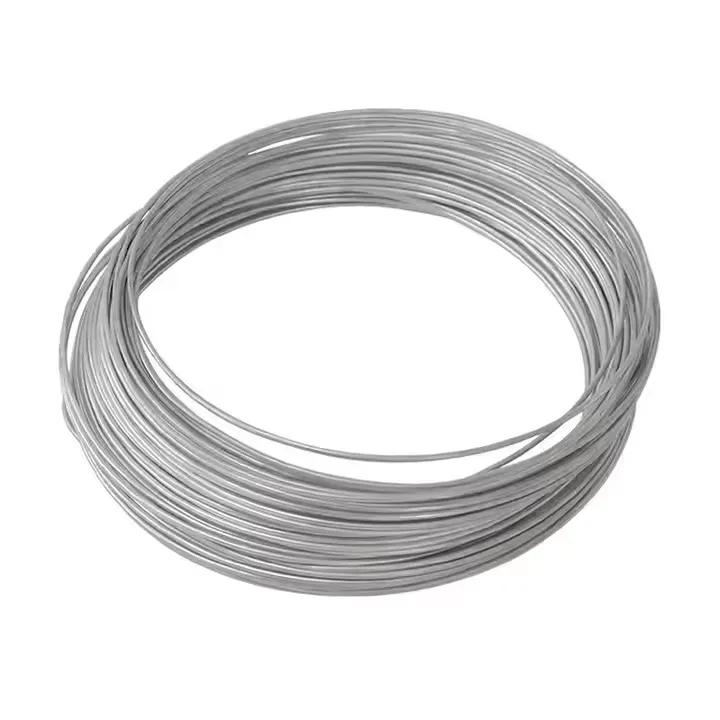
Figure 4: Stainless steel wire being used in a precision manufacturing process.
Ensuring Trustworthiness and Support
For B2B buyers, trustworthiness and robust support are as critical as product specifications. A reputable supplier demonstrates these through transparent practices, comprehensive guarantees, and accessible customer service.
Frequently Asked Questions (FAQ)
A1: Lead times vary based on complexity, quantity, and current production schedules. Standard orders typically range from 2-4 weeks, while highly customized or large-volume orders may require 6-10 weeks. Expedited options are available upon request.
A2: We offer a comprehensive material and manufacturing defect warranty for [e.g., 1-5 years, depending on product type], ensuring our stainless steel wire for sale meets published specifications and industry standards upon delivery. Full warranty details are provided with each quotation.
A3: Absolutely. All shipments are accompanied by comprehensive Mill Test Certificates (MTCs) and Certificates of Conformance. We comply with international standards such as ISO 9001, ASTM, and EN, and can provide specific regulatory compliance documentation (e.g., RoHS, REACH) as required.
A4: Our commitment extends beyond delivery. We provide dedicated technical support, troubleshooting assistance, and expert consultation to ensure optimal performance of our products in your applications. Our customer service team is available via phone and email during business hours.
Our Commitment to Authoritativeness and Trust
With over [e.g., 20] years of specialized experience in stainless steel wire manufacturing, our operations are ISO 9001 certified, reflecting our unwavering commitment to quality. We regularly partner with leading enterprises in the petrochemical, automotive, and construction sectors, and our products undergo rigorous third-party testing to validate their compliance with international benchmarks. Our adherence to authoritative standards ensures that every batch of stainless steel wire meets the highest levels of performance and reliability.
The strategic selection of stainless steel wire for sale is a critical decision for any B2B operation. By understanding the intricate manufacturing processes, leveraging detailed technical specifications, and partnering with a vendor committed to quality, customization, and comprehensive support, businesses can unlock significant value. The versatility, durability, and performance characteristics of stainless steel wire, particularly grades like 304 and 316, ensure its continued indispensable role in advancing industrial applications worldwide.
References
- ASM International. (2001). ASM Handbook, Volume 1: Properties and Selection: Irons, Steels, and High-Performance Alloys. ASM International.
- American Society for Testing and Materials (ASTM). (Current Edition). ASTM A580/A580M - Standard Specification for Stainless Steel Wire. ASTM International.
- European Committee for Standardization (CEN). (Current Edition). EN 10088-3 - Stainless steels - Part 3: Technical delivery conditions for semi-finished products, bars, rods, wire, sections and bright products of corrosion resisting steels for general purposes. CEN.
- Grand View Research. (2023). Stainless Steel Market Size, Share & Trends Analysis Report By Product (Long, Flat), By Application (Building & Construction, Automotive & Transportation), By Region, And Segment Forecasts, 2023 - 2030. Grand View Research, Inc.
- International Organization for Standardization (ISO). (Current Edition). ISO 9001 - Quality management systems - Requirements. ISO.

Related Products

Related News


2026-03-16 14:21:07
Discover durable farming solutions and flexible animal containment with hinge-knot field fence. Combining impact-resistant design and customizable options, Hebei Jinjiu ensures quality for agricultural applications. Explore now: https://www.jinjiuwiremesh.com/field-fencefarm-fence.html
2026-03-16 14:21:07
Discover durable farming solutions and flexible animal containment with hinge-knot field fence. Combining impact-resistant design and customizable options, Hebei Jinjiu ensures quality for agricultural applications. Explore now: https://www.jinjiuwiremesh.com/field-fencefarm-fence.html
2027-04-14 00:00:00
Discover durable farming solutions and flexible animal containment with hinge-knot field fence. Combining impact-resistant design and customizable options, Hebei Jinjiu ensures quality for agricultural applications. Explore now: https://www.jinjiuwiremesh.com/field-fencefarm-fence.html
2026-02-25 15:31:06
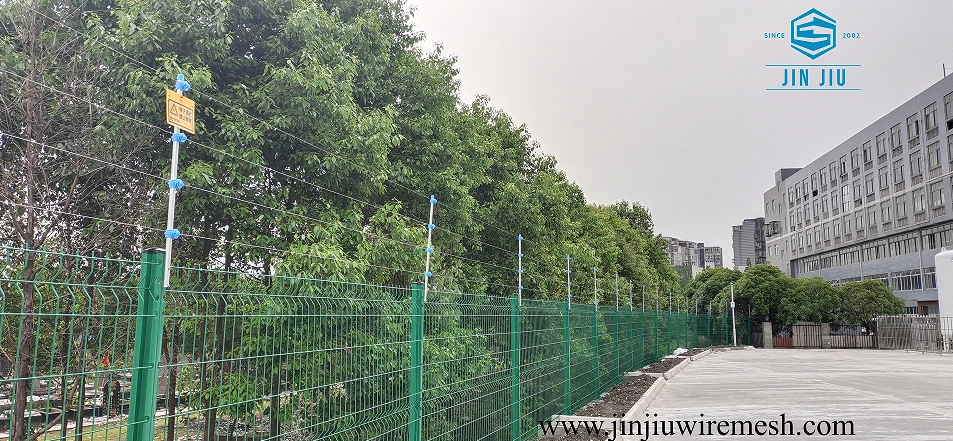
The Strategic Role of the Industrial Electric Fence in Modern Commerce
The protection of corporate and manufacturing assets has transitioned from a matter of simple boundary marking to a complex necessity of risk management.
2026-02-25 15:29:03
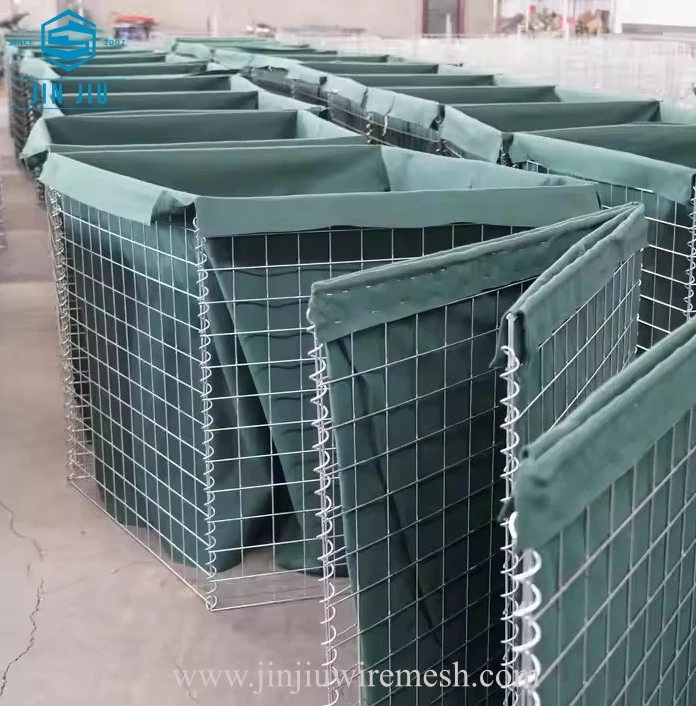
The Evolution of Physical Protection: Bullet Resistant Defensive Barriers in Modern Security
In an increasingly unpredictable global landscape, the requirement for high-level ballistic protection has moved beyond the battlefield and into the core of civilian and industrial security infrastructure.
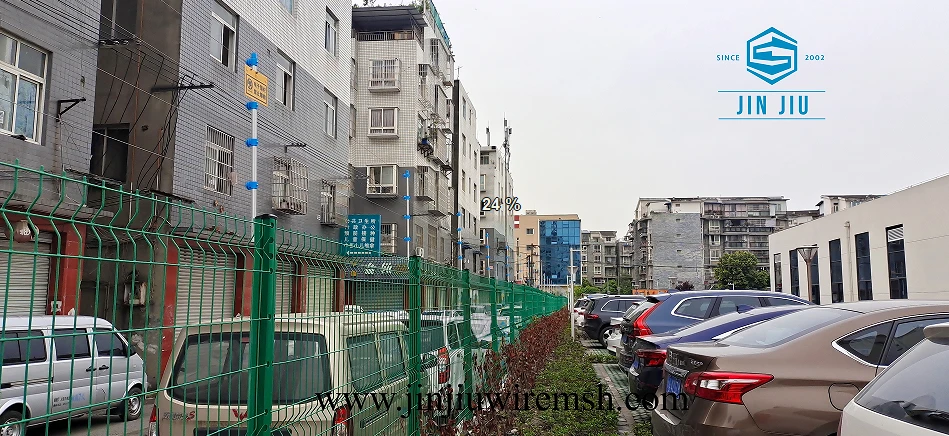
2026-02-25 15:26:58
The Digital Backbone of Modern Security: Connected Pulse Monitoring Electric Fence Architecture
The traditional concept of a perimeter has undergone a fundamental transformation.
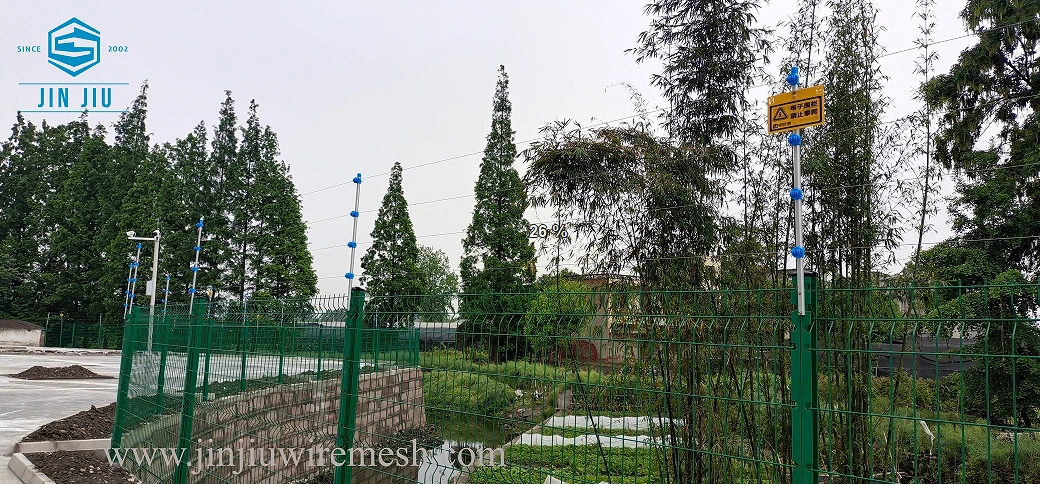
2026-02-25 15:24:13
Securing the Unreachable with a Powerful Pulse Electric Fence
In the realm of global security, the distinction between a standard boundary and a high-security perimeter is often defined by the technology pulsing through the wires.
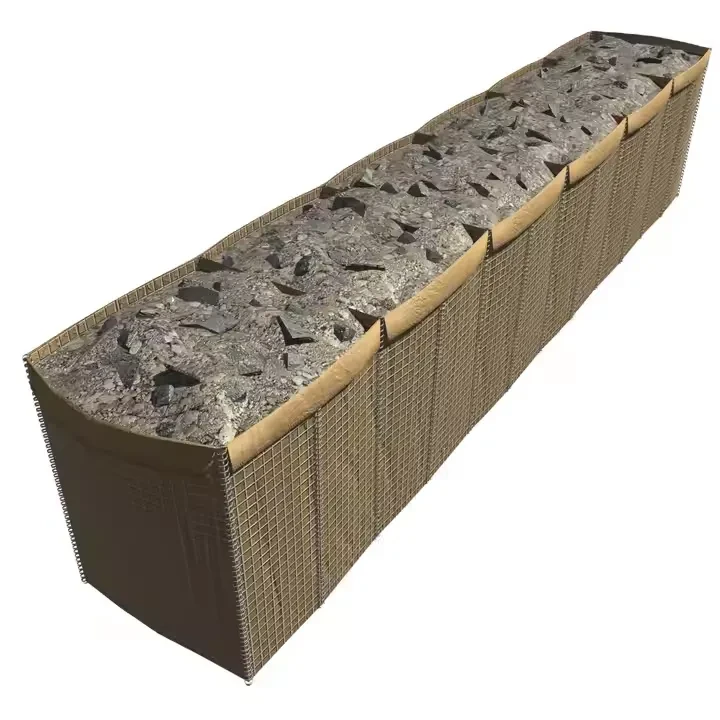
2027-04-14 00:00:00
Engineering Resilience with Explosion Proof Defensive Barriers
In an era where industrial safety and national security are increasingly intertwined, the necessity for specialized protection in volatile environments has never been higher.


 English
  Albanian
  Arabic
  Bengali
  Czech
Czech  Danish
  Dutch
Dutch  Finnish
  French
  German
  Japanese
  Malay
Malay  Persian
  Polish
  Portuguese
  Romanian
  Russian
  Serbian
  Spanish
  Swahili