





Hebei Jinjiu Metal Products Co.,Ltd



Strengthening the Core: Blast Resistant Barriers for Critical Infrastructure Protection
Feb . 13, 2026 09:32
In an age of increasing global volatility, the protection of critical infrastructure—power grids, water treatment facilities, telecommunications hubs, and government headquarters—has become a cornerstone of national resilience. These assets are the lifeblood of modern society, and their failure can have catastrophic cascading effects. Hebei Jinjiu Metal Products Co., Ltd., with over two decades of specialized experience in architectural wire mesh and structural security, recognizes that standard fencing is no longer sufficient for these high-stakes environments. The integration of blast resistant fencing and advanced structural walls is required to counter the threat of accidental industrial explosions or intentional acts of sabotage. By merging metallurgical precision with kinetic energy management, Jinjiu provides a definitive shield for the world's most vital systems.
The Engineering Philosophy of Blast Resistant Fencing
Traditional security fencing is designed to prevent climbing or cutting, but blast resistant fencing must perform an entirely different physical task: the management of shockwaves. When an explosion occurs, it releases a rapid expansion of gases that create a high-pressure front. A standard fence would simply be swept away or turned into secondary fragmentation. However, blast-rated systems are engineered with a specific degree of porosity and structural elasticity. These fences utilize high-tensile, cold-drawn steel wires that can deform slightly under pressure without snapping, effectively absorbing a portion of the blast energy. This design philosophy ensures that the perimeter remains a barrier even after a significant impact, protecting the sensitive equipment housed within the facility.
Redefining Perimeters with Advanced Blast Barriers
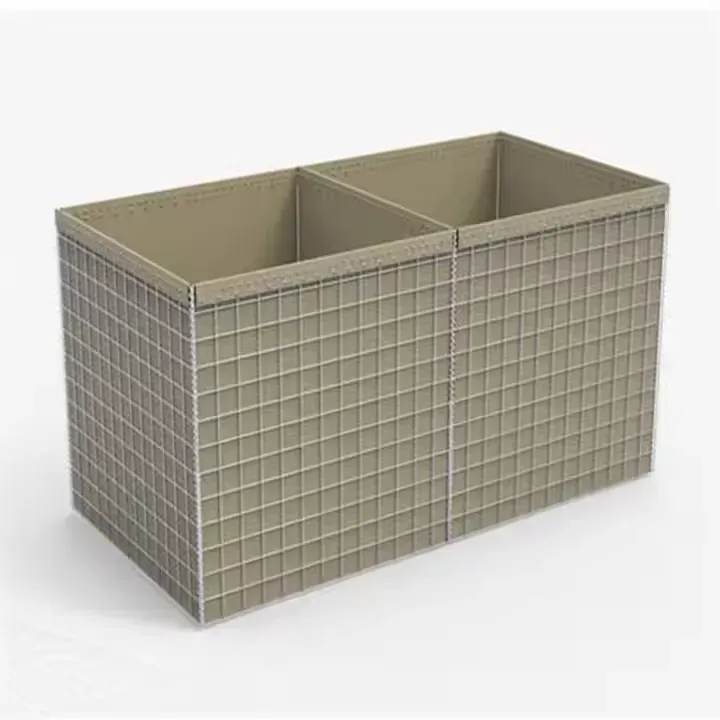
The deployment of blast barriers represents a transition from "thin-line" defense to "deep-mass" protection. In critical infrastructure sites where the risk of high-velocity impact is present, these barriers act as a physical buffer. Unlike static concrete walls which can crack and fail under seismic or explosive stress, modern blast barriers often utilize a modular, cellular design. These units consist of heavy-duty, hot-dip galvanized welded wire mesh cages that are interconnected to form a continuous wall. When filled with local aggregate such as sand or earth, they create a high-density mass that can withstand extreme overpressure. Hebei Jinjiu’s commitment to high-quality surface treatment ensures that these barriers remain structurally sound in the most corrosive industrial environments, maintaining their protective capacity for decades.
Structural Integrity through the Barrier Blast Wall
A barrier blast wall is often the final line of defense between a potential explosion source and a control room or a primary transformer. The effectiveness of such a wall depends on its ability to dissipate energy both horizontally and vertically. By using specialized mesh patterns and reinforced frame designs, Hebei Jinjiu creates structures that redirect blast loads. The cellular nature of these walls allows them to be built to significant heights and thicknesses without the need for deep, permanent foundations, making them ideal for retrofitting existing critical infrastructure sites. This flexibility in installation is a hallmark of Jinjiu’s customer service, allowing for a customized security profile that meets the exact specifications of the site's vulnerability assessment.
Resisting Force with High-Performance Impact Resistant Barriers
While blast overpressure is the primary threat, the physical impact of debris—shrapnel, vehicle-borne objects, or collapsed structures—is equally dangerous. Impact resistant barriers are designed to stop these high-velocity projectiles in their tracks. The wire mesh used in these systems is manufactured to have high yield strength, ensuring that the "skin" of the barrier does not rupture upon contact with flying debris. This is particularly crucial for data centers and power plants where a single piece of shrapnel can cause millions of dollars in damage and widespread service outages. Hebei Jinjiu Metal Products focuses its research and development on the mesh-to-frame connection points, ensuring that the entire system moves as a single, cohesive unit when struck, rather than failing at the joints.
The Strategic Necessity of Blast Containment Barriers
In many industrial settings, the goal is not just to keep the blast out, but to keep it in. Blast containment barriers are used to surround high-risk equipment, such as high-pressure boilers or chemical reactors. By creating a controlled environment around these assets, the facility can ensure that any accidental failure is contained within a designated "sacrifice zone." This prevents the blast from reaching oxygen tanks, fuel lines, or personnel walkways. Hebei Jinjiu’s technical staff works closely with industrial safety officers to design containment systems that allow for regular maintenance access while maintaining a continuous protective envelope. This proactive approach to safety is why the company has earned an international reputation for excellence across the USA, Russia, Australia, and the Mid-East.
Future-Proofing Infrastructure with Resilient Barrier Systems
As the nature of threats continues to evolve, the materials we use to protect our infrastructure must adapt. The future of the barrier blast wall involves the integration of smart sensors that can monitor structural health and detect unauthorized tampering in real time. Hebei Jinjiu is at the forefront of this research, exploring how wire mesh products can be combined with electronic monitoring to provide a truly intelligent perimeter. By investing in impact resistant barriers today, facility managers are not just installing a fence; they are building a resilient foundation that will protect their assets against the uncertainties of tomorrow. This long-term vision of safety and service is what keeps clients returning to Jinjiu for all their architectural and security needs.

Related Products

Related News


2026-03-16 14:21:07
Discover durable farming solutions and flexible animal containment with hinge-knot field fence. Combining impact-resistant design and customizable options, Hebei Jinjiu ensures quality for agricultural applications. Explore now: https://www.jinjiuwiremesh.com/field-fencefarm-fence.html
2026-03-16 14:21:07
Discover durable farming solutions and flexible animal containment with hinge-knot field fence. Combining impact-resistant design and customizable options, Hebei Jinjiu ensures quality for agricultural applications. Explore now: https://www.jinjiuwiremesh.com/field-fencefarm-fence.html
2027-04-14 00:00:00
Discover durable farming solutions and flexible animal containment with hinge-knot field fence. Combining impact-resistant design and customizable options, Hebei Jinjiu ensures quality for agricultural applications. Explore now: https://www.jinjiuwiremesh.com/field-fencefarm-fence.html
2026-02-25 15:31:06
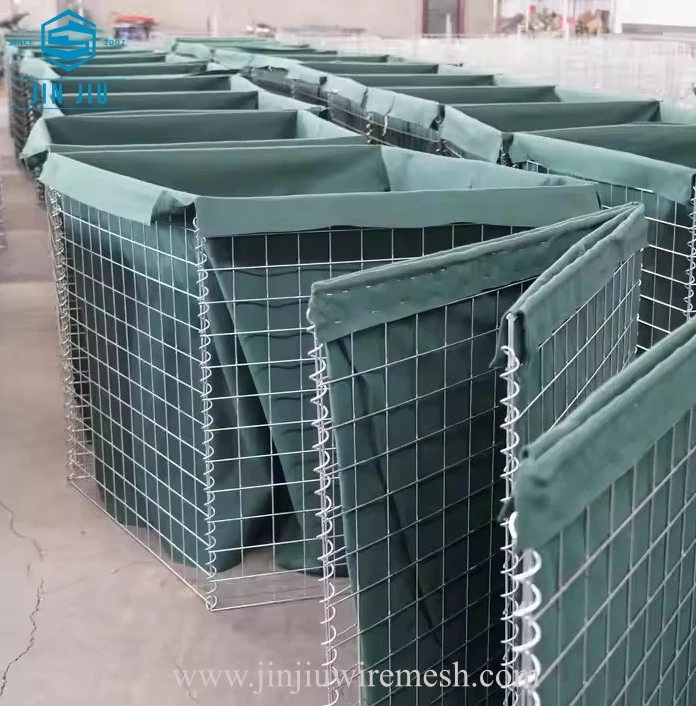
The Strategic Role of the Industrial Electric Fence in Modern Commerce
The protection of corporate and manufacturing assets has transitioned from a matter of simple boundary marking to a complex necessity of risk management.
2026-02-25 15:29:03
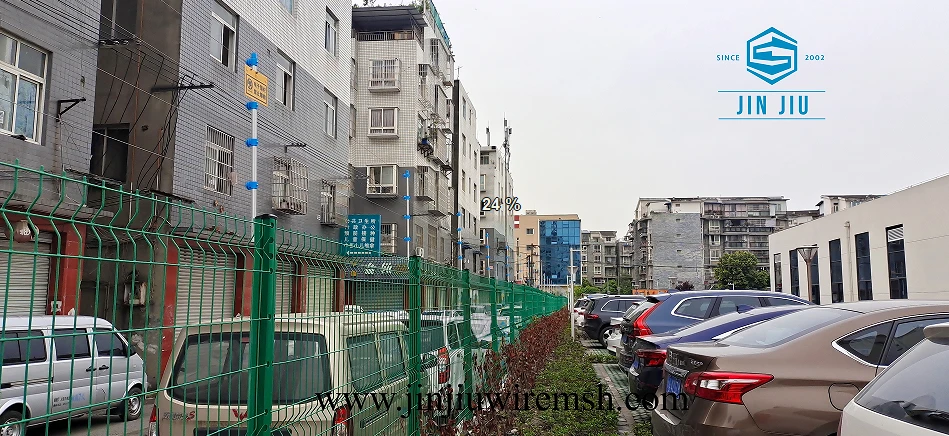
The Evolution of Physical Protection: Bullet Resistant Defensive Barriers in Modern Security
In an increasingly unpredictable global landscape, the requirement for high-level ballistic protection has moved beyond the battlefield and into the core of civilian and industrial security infrastructure.
2026-02-25 15:26:58
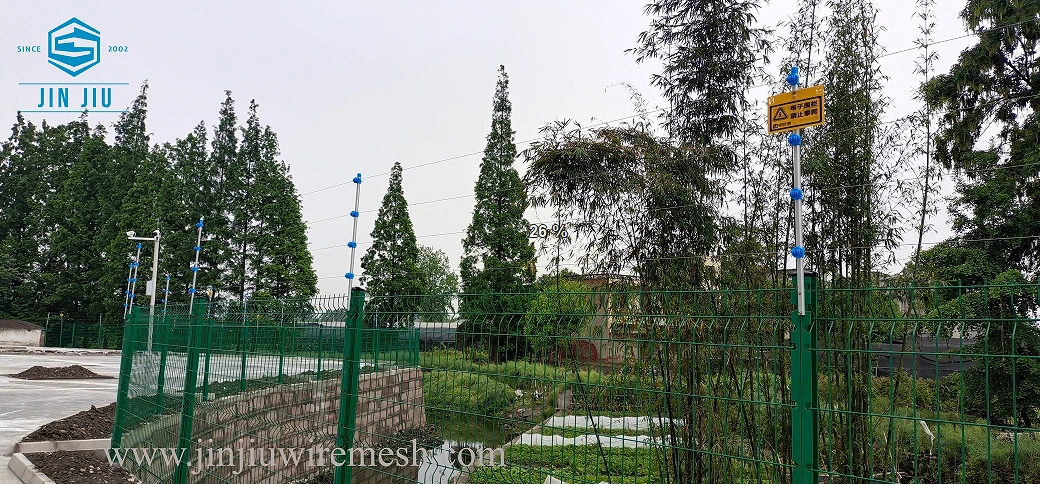
The Digital Backbone of Modern Security: Connected Pulse Monitoring Electric Fence Architecture
The traditional concept of a perimeter has undergone a fundamental transformation.
2026-02-25 15:24:13
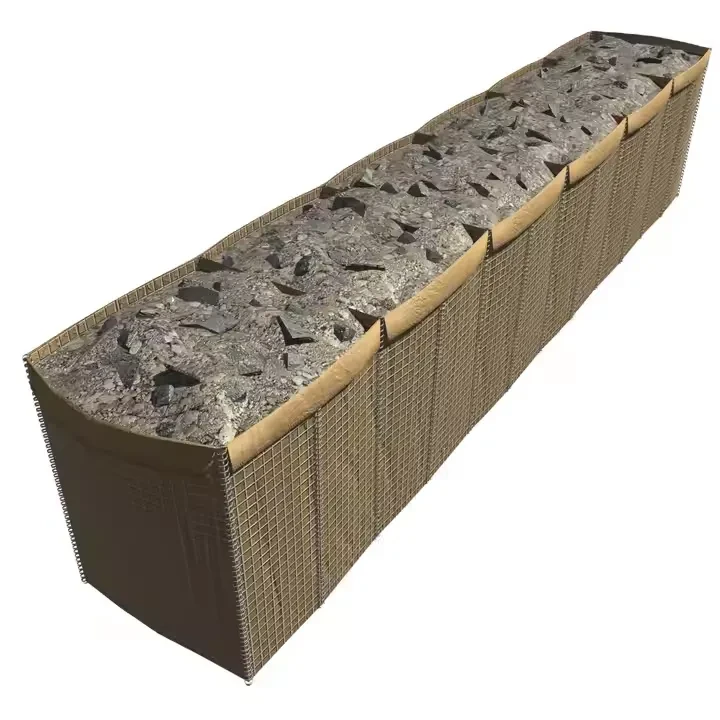
Securing the Unreachable with a Powerful Pulse Electric Fence
In the realm of global security, the distinction between a standard boundary and a high-security perimeter is often defined by the technology pulsing through the wires.
2027-04-14 00:00:00
Engineering Resilience with Explosion Proof Defensive Barriers
In an era where industrial safety and national security are increasingly intertwined, the necessity for specialized protection in volatile environments has never been higher.


 English
  Albanian
  Arabic
  Bengali
  Czech
Czech  Danish
  Dutch
Dutch  Finnish
  French
  German
  Japanese
  Malay
Malay  Persian
  Polish
  Portuguese
  Romanian
  Russian
  Serbian
  Spanish
  Swahili