





Hebei Jinjiu Metal Products Co.,Ltd



The Wholesale Guide to Heavy-Duty Steel Cable Tensioner Selection
Sep . 09, 2025 15:20
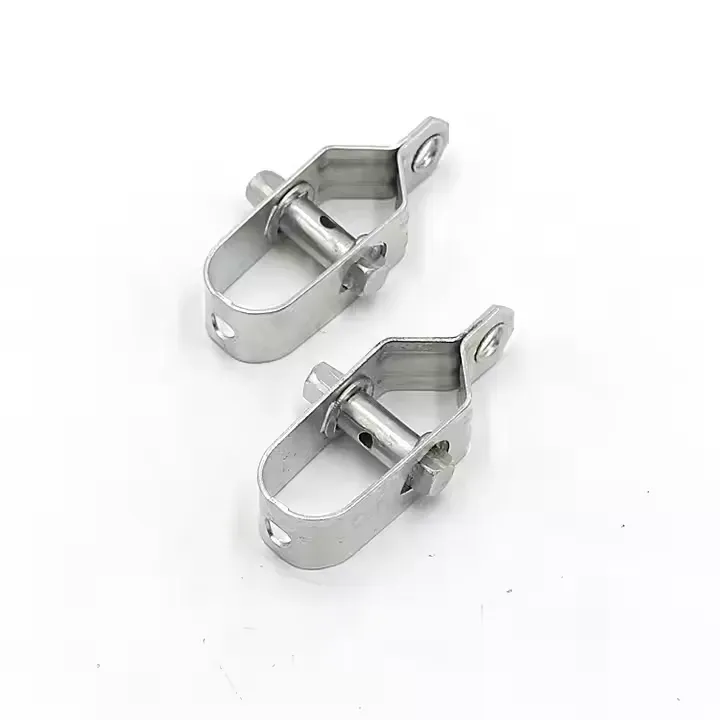
For contractors and wholesalers handling bridges, cranes, or industrial rigging, selecting the right steel cable tensioner is non-negotiable for structural safety. A poorly chosen wire rope tensioner risks catastrophic failure under heavy loads, leading to costly downtime, liability, and reputational damage. Hebei Jinjiu Metal Products Co., Ltd leverages its 20+ years of architectural wire mesh expertise to engineer robust wire tensioners that prioritize integrity. Their focus on material science, load testing, and corrosion protection ensures wholesale partners receive systems capable of sustaining extreme forces safely and reliably across large-scale projects.
Understanding Critical Load Ratings for Steel Cable Tensioners
Wire rope tensioners must exceed operational demands with significant safety margins. Key considerations include:
- Working Load Limit (WLL): The maximum force a steel cable tensioner should routinelybear. Never select tensioners where the WLL merely matches the expected load.
- Safety Factor (SF): Industry standards mandate SF ratios .
- Dynamic Loads: Account forshock loads, vibration, or acceleration forces that multiply static weights. Wholesale buyers must specify tensioners rated for dynamic environments.
Hebei Jinjiu rigorously tests its wire rope tensionersto certified international standards, providing clear WLL/SF documentation essential for bulk procurement.
Material and Corrosion Wire Tensioner Resistance for Long-Term Integrity
The environment dictates wire tensioner material choice to prevent degradation:
- Hot-Dip Galvanized Steel: Economical choice for general construction steel cable tensioners; resists rust in moderate conditions. Ideal for bulk stock.
- Stainless Steel (304/316): Mandatory for marine, chemical, or coastal exposure. 316 offers superior chloride resistance for critical infrastructure.
- Surface Treatment Integrity: Ensure coatings don’t crack under tension or during installation. Hebei Jinjiu’s advanced galvanizing/passivation ensures wire rope tensionersmaintain protection even at high-stress points.
Wholesalers servicing diverse regions should stock both types to cover all project environments.
Matching Tensioner Design to Steel Cable Tensioner and Application
Not all wire tensioners fit all cables or functions:
- Cable Diameter Tolerance: A steel cable tensionermust grip the exact diameter range securely without slippage or crushing. Tolerance under is critical.
- Thread Type & Engagement: Coarse threads allow faster adjustment; fine threads offer precision. Full-thread engagement under load prevents stripping.
- Termination Compatibility: Confirm the wire rope tensionerintegrates with required end fittings (swage sockets, forks, eye nuts).
- Adjustment Range: Ensure sufficient travel length for initial tensioning and future re-tensioning. Bulk kits should include tensioners with standardized ranges for project consistency.
Installation and Inspection Protocols for Maximum Wire Rope Tensioner Safety
Proper handling preserves wire rope tensioner performance:
- Torque Control: Over-tightening damages threads; under-tightening causes slippage. Use calibrated tools and follow manufacturer torque specs.
- Alignment: Misaligned steel cable tensionersinduce bending stress, reducing fatigue life. Use alignment pins or jigs during installation.
- Pre-Use Inspection: Check for thread damage, cracks, or corrosion before deployment – especially critical for reused tensioners in rental fleets.
- Periodic Re-Tensioning: Schedule checks for cable creep/settling. Document tension values for audit trails in structural applications.
Wholesalers should provide installation guides and inspection checklists with bulk orders to ensure correct field use.
FAQ: Heavy-Load Steel Cable Tensioner Selection
How is the safety factor determined for a wire rope tensioner?
The safety factor is calculated by dividing the tensioner's minimum breaking strength by its Working Load Limit. Standards define minimum based on application risk.
Can galvanized steel cable tensioners be used in saltwater environments?
Hot-dip galvanized tensioners offer moderate protection but are less ideal for prolonged saltwater exposure. 316 stainless steel wire tensioners are the recommended wholesale solution for marine applications.
What causes a steel cable tensioner to fail unexpectedly?
Common causes include exceeding, improper cable size match, corrosion fatigue, thread damage from impact tools, or sideloading due to misalignment.
How often should wire tensioners on critical structures be inspected?
Initial inspection post-installation, then quarterly for the first year, and annually thereafter is typical. Follow specific engineering assessments or regulatory requirements for high-risk structures.
Are there wire tensioners suitable for both structural cabling and lifting?
While some designs overlap, lifting applications demand tensioners certified to specific lifting gear standards with higher safety factors. Never use non-certified tensioners for overhead lifting.
Selecting the optimal steel cable tensioner for heavy loads demands a meticulous approach to load ratings, materials, design compatibility, and installation rigor. For wholesalers, supplying high-integrity wire rope tensioners isn't just about moving product; it's about enabling client success in high-stakes environments. Hebei Jinjiu Metal Products Co., Ltd.’s decades of expertise in wire systems and surface engineering translate into reliable, certified wire tensioners built for industrial demands. By prioritizing structural integrity in bulk procurement, wholesalers become trusted partners, minimizing project risk and maximizing the lifespan of critical cable systems – the foundation of repeat business and enduring reputation.

Related Products
Related News


2026-03-16 14:21:07
Discover durable farming solutions and flexible animal containment with hinge-knot field fence. Combining impact-resistant design and customizable options, Hebei Jinjiu ensures quality for agricultural applications. Explore now: https://www.jinjiuwiremesh.com/field-fencefarm-fence.html
2026-03-16 14:21:07
Discover durable farming solutions and flexible animal containment with hinge-knot field fence. Combining impact-resistant design and customizable options, Hebei Jinjiu ensures quality for agricultural applications. Explore now: https://www.jinjiuwiremesh.com/field-fencefarm-fence.html
2027-04-14 00:00:00
Discover durable farming solutions and flexible animal containment with hinge-knot field fence. Combining impact-resistant design and customizable options, Hebei Jinjiu ensures quality for agricultural applications. Explore now: https://www.jinjiuwiremesh.com/field-fencefarm-fence.html
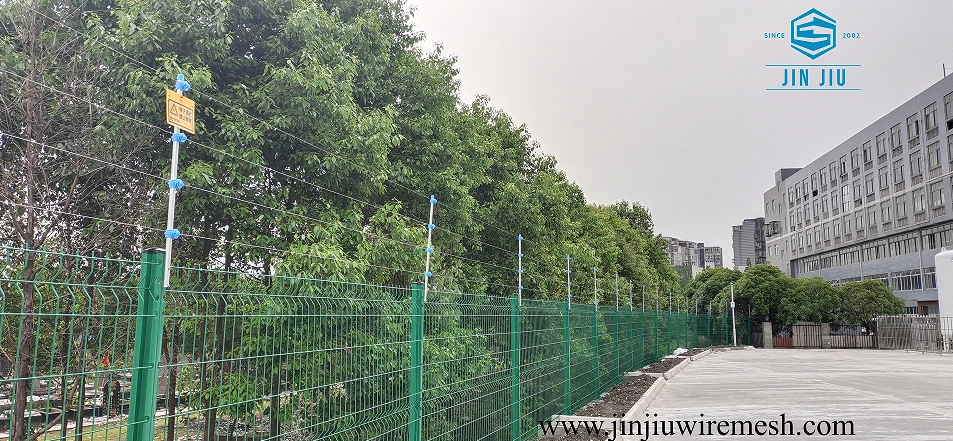
2026-02-25 15:31:06
The Strategic Role of the Industrial Electric Fence in Modern Commerce
The protection of corporate and manufacturing assets has transitioned from a matter of simple boundary marking to a complex necessity of risk management.
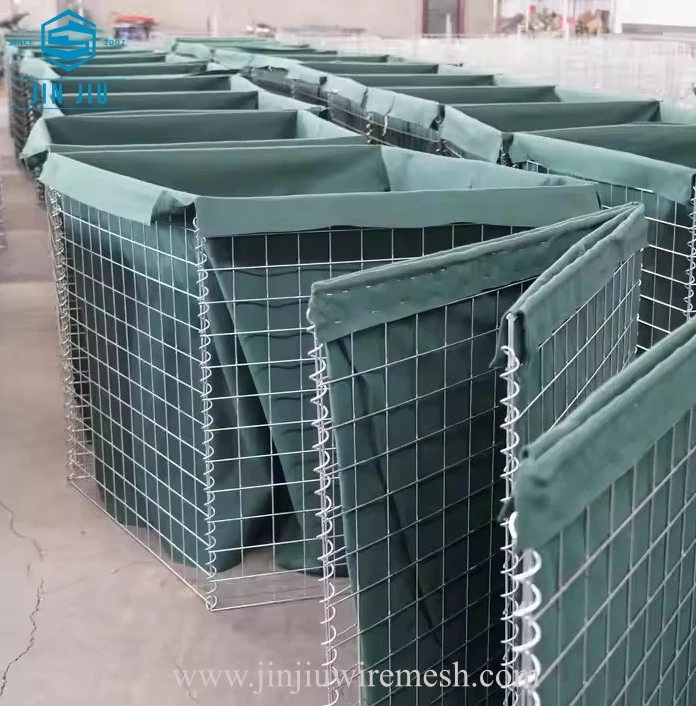
2026-02-25 15:29:03
The Evolution of Physical Protection: Bullet Resistant Defensive Barriers in Modern Security
In an increasingly unpredictable global landscape, the requirement for high-level ballistic protection has moved beyond the battlefield and into the core of civilian and industrial security infrastructure.
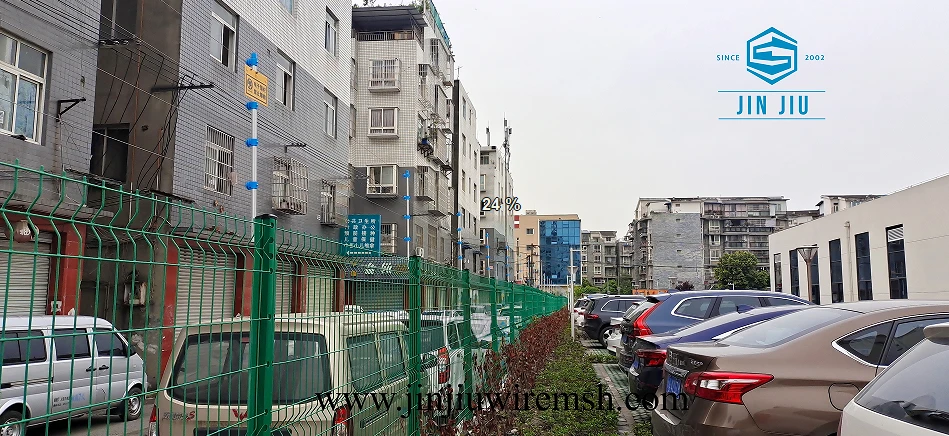
2026-02-25 15:26:58
The Digital Backbone of Modern Security: Connected Pulse Monitoring Electric Fence Architecture
The traditional concept of a perimeter has undergone a fundamental transformation.
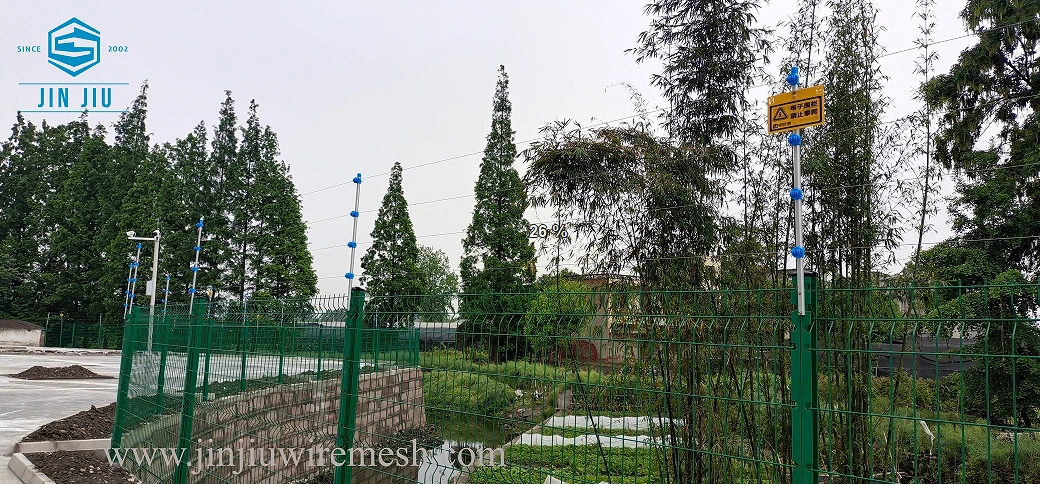
2026-02-25 15:24:13
Securing the Unreachable with a Powerful Pulse Electric Fence
In the realm of global security, the distinction between a standard boundary and a high-security perimeter is often defined by the technology pulsing through the wires.
2027-04-14 00:00:00
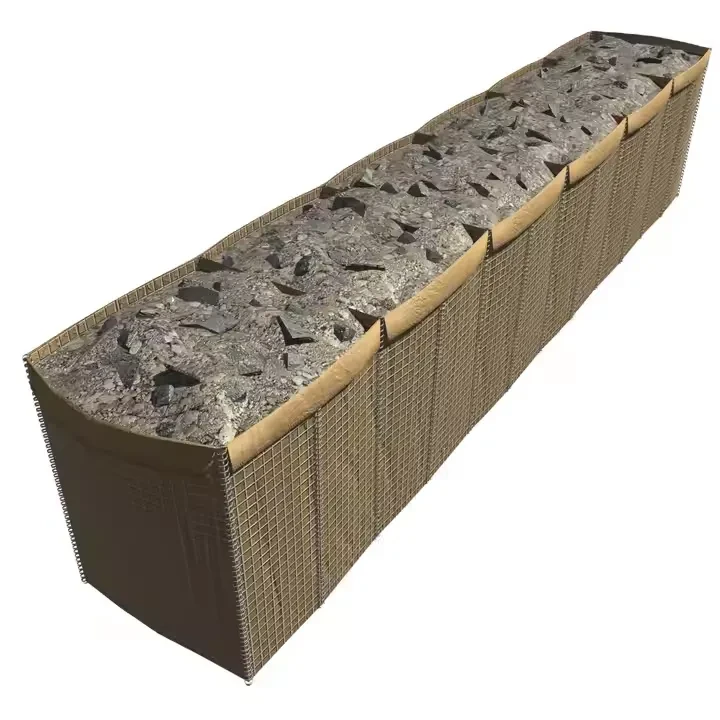
Engineering Resilience with Explosion Proof Defensive Barriers
In an era where industrial safety and national security are increasingly intertwined, the necessity for specialized protection in volatile environments has never been higher.


 English
  Albanian
  Arabic
  Bengali
  Czech
Czech  Danish
  Dutch
Dutch  Finnish
  French
  German
  Japanese
  Malay
Malay  Persian
  Polish
  Portuguese
  Romanian
  Russian
  Serbian
  Spanish
  Swahili