





Hebei Jinjiu Metal Products Co.,Ltd



Comprehensive Guide to Warfare Tank Barrier Wire Mesh for B2B Decision Makers
Dec . 03, 2025 11:22
Warfare Tank Barrier Wire Mesh is a key solution in the industry, specifically within defense and heavy infrastructure sectors. This article explores how https://www.jinjiuwiremesh.com supports professionals with durable, high-performance products, and explains why this product is an ideal choice for businesses in these sectors.
Table of Contents
- Warfare Tank Barrier Wire Mesh Overview
- Benefits & Use Cases of Warfare Tank Barrier Wire Mesh
- Cost, Maintenance & User Experience
- Sustainability & Market Trends
- Frequently Asked Questions
- Conclusion on Warfare Tank Barrier Wire Mesh from China
Warfare Tank Barrier Wire Mesh Overview
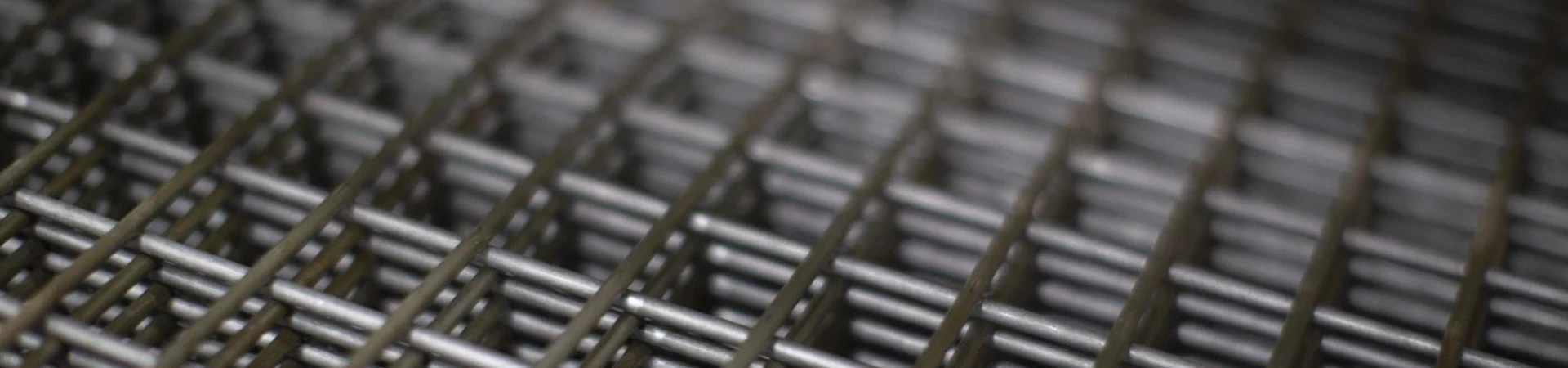
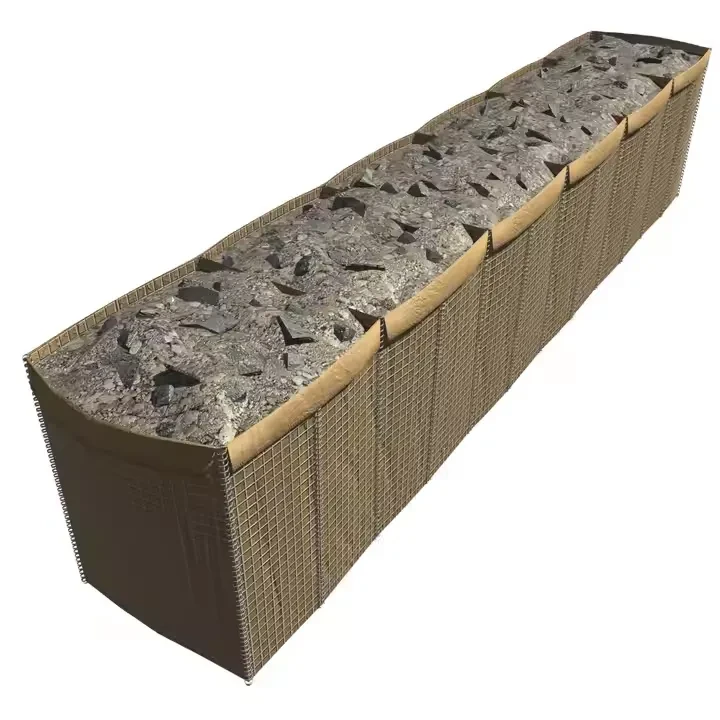
In real terms, Warfare Tank Barrier Wire Mesh is a heavy-duty wire mesh designed to serve as a physical obstacle against armored vehicles such as tanks. Think of it as a robust barrier system, engineered to slow down or prevent advances on strategic zones. Usually constructed of galvanized steel or similarly resilient alloys, this mesh combines high tensile strength with corrosion resistance—qualities that are indispensable in harsh battlefield or industrial environments.
Its design is quite specialized: meshes are tightly woven to optimize strength while allowing for configuration flexibility on-site. Specifications vary, but typical wire diameters range from 5 to 10 mm with mesh hole sizes adjusted for tactical needs. A notable case example comes from a recent defense project where Jinjiu Wire Mesh products were tested extensively for impact resistance under heavy loads, and the results were, frankly, impressive. The wire retained integrity after multiple tank passes, showing little sign of deformation or failure.
| Specification | Details |
|---|---|
| Material | Galvanized Steel / Stainless Steel |
| Wire Diameter | 5 - 10 mm |
| Mesh Opening | 50 - 150 mm |
| Surface Treatment | Hot-dip Galvanized or PVC Coated |
| Standards | ISO 9001 & Military Grade ASTM |
Benefits & Use Cases of Warfare Tank Barrier Wire Mesh
The thing about Warfare Tank Barrier Wire Mesh is it offers a multi-layered defense in both military and industrial applications. It's not just about brute strength; it's also about strategic deployment. For example, military bases use these meshes to protect perimeters against armored incursions, while certain industrial sites, like heavy machinery yards or chemical plants, employ them to guard sensitive equipment from unauthorized vehicle access.
One of the standout features is its adaptability. Given the modular nature and corrosion-resistant coatings, the mesh suits varied climates from dusty deserts to high-humidity coastal zones. Plus, at Jinjiu Wire Mesh, customization is key—panels can be dimensioned precisely to fit irregular terrains or layered for added effect. From what I've gathered through discussions with structural engineers, this combination of durability and customization often outperforms traditional options like concrete barriers, which can be costly and time-consuming to install.
Cost, Maintenance & User Experience
When decision makers evaluate Warfare Tank Barrier Wire Mesh, cost-efficiency is naturally a priority. Honestly, while the upfront price might seem higher than simple chain-link fences or concrete blocks, the total cost of ownership tips heavily in favor of wire mesh. Reason being — it requires minimal maintenance, and its durability means fewer replacements. Field reports confirm that with routine inspections and occasional cleaning, the product's lifespan reaches well beyond 15 years.
Customer feedback, particularly from defense contractors, often highlights the ease of installation and the product’s light weight relative to its strength — factors that significantly reduce labor costs. One logistics supervisor I spoke to mentioned how having modular panels sped up deployment times drastically during a recent upgrade. It's quite telling when users emphasize not just product quality, but their operational experience and ROI, which frankly speaks volumes.
Sustainability & Market Trends
Oddly enough, heavy-duty defense infrastructure products like Warfare Tank Barrier Wire Mesh are increasingly being reimagined through the lens of sustainability. While it might not be the first thing people think about, industry regulations and client demands are pushing for eco-conscious materials and recycling protocols. Jinjiu Wire Mesh, for instance, incorporates galvanized steel that is not only durable but also highly recyclable, minimizing environmental footprint.
Market trends point to a gradual shift toward hybrid barriers combining mesh and other sustainable components, aiming to improve lifecycle impact assessments without compromising safety. Furthermore, numerous governments have tightened regulations around materials sourcing and disposal — all of which bode well for established vendors who can demonstrate compliance and transparency.
| Vendor | Material Quality | Customization Options | Sustainability Practices | Price Range |
|---|---|---|---|---|
| Jinjiu Wire Mesh | Military-grade galvanized steel | High (custom panel sizes, coatings) | ISO-certified recycling & materials | Mid to high |
| Competitor A | Standard galvanized steel | Moderate (limited sizes) | Basic waste management | Low to mid |
| Competitor B | Stainless steel | Low (few options) | Uncertain | High |
Frequently Asked Questions about Warfare Tank Barrier Wire Mesh
- What is Warfare Tank Barrier Wire Mesh and how does it work?
- It's a specially engineered wire mesh barrier designed to slow or halt advance of armored vehicles, mainly tanks. The mesh’s strength and strategic placement make it difficult for heavy machinery to cross without damage, thus protecting valuable assets or sensitive locations.
- What are the main benefits of using Warfare Tank Barrier Wire Mesh in industrial applications?
- Key advantages include high durability, corrosion resistance, and a modular design that supports easy deployment and maintenance. Its strength ensures reliable performance against vehicles, and customization allows it to suit different terrain and security needs.
- How does Warfare Tank Barrier Wire Mesh compare to traditional alternatives?
- Compared to concrete blockades or simple fences, this mesh offers superior longevity, lighter weight for easier installation, and adaptable configurations. It also generally requires lower maintenance and matches sustainability goals better when produced with eco-friendly methods.
- What industries can benefit most from Warfare Tank Barrier Wire Mesh implementation?
- Defense, heavy industries, construction zones, and critical infrastructure all gain from deploying these barriers. Usage cases span military perimeter security, industrial equipment protection, and access control in hazardous or sensitive environments.
Conclusion on Warfare Tank Barrier Wire Mesh from china
To wrap things up, Warfare Tank Barrier Wire Mesh clearly stands out as a reliable, adaptable, and cost-effective solution for protecting valuable assets and securing perimeters against armored threats. Its proven durability and user-friendly installation, combined with increasing attention toward sustainable materials, makes it a forward-looking choice for businesses and governments alike.
- Recap the value of Warfare Tank Barrier Wire Mesh.
- - Visit our website: https://www.jinjiuwiremesh.com
A solid tool in a complex defense landscape — the right barrier wire mesh can make all the difference.
- ISO 9001 & ASTM Military Standards Documentation
- Industry Feedback from Defense and Industrial Security Contractors
- Jinjiu Wire Mesh Product Performance Data Sheet

Related Products

Related News


2026-03-16 14:21:07
Discover durable farming solutions and flexible animal containment with hinge-knot field fence. Combining impact-resistant design and customizable options, Hebei Jinjiu ensures quality for agricultural applications. Explore now: https://www.jinjiuwiremesh.com/field-fencefarm-fence.html
2026-03-16 14:21:07
Discover durable farming solutions and flexible animal containment with hinge-knot field fence. Combining impact-resistant design and customizable options, Hebei Jinjiu ensures quality for agricultural applications. Explore now: https://www.jinjiuwiremesh.com/field-fencefarm-fence.html
2027-04-14 00:00:00
Discover durable farming solutions and flexible animal containment with hinge-knot field fence. Combining impact-resistant design and customizable options, Hebei Jinjiu ensures quality for agricultural applications. Explore now: https://www.jinjiuwiremesh.com/field-fencefarm-fence.html
2026-02-25 15:31:06
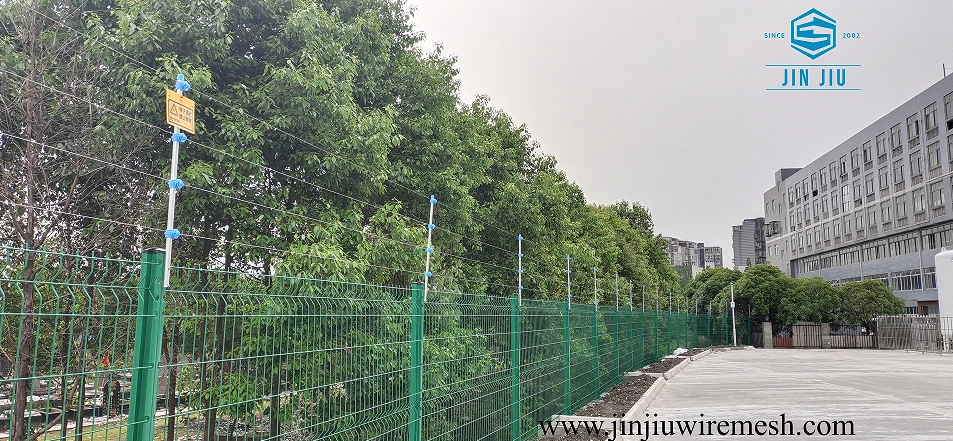
The Strategic Role of the Industrial Electric Fence in Modern Commerce
The protection of corporate and manufacturing assets has transitioned from a matter of simple boundary marking to a complex necessity of risk management.
2026-02-25 15:29:03
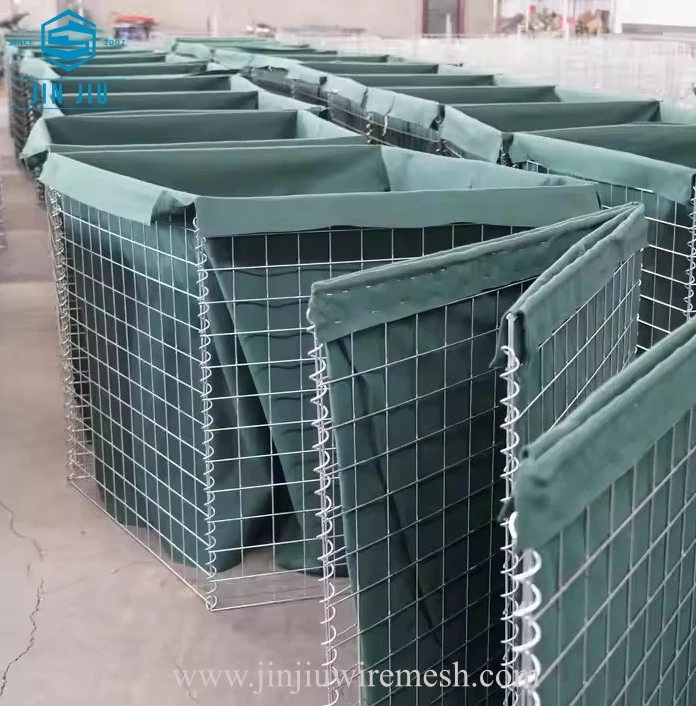
The Evolution of Physical Protection: Bullet Resistant Defensive Barriers in Modern Security
In an increasingly unpredictable global landscape, the requirement for high-level ballistic protection has moved beyond the battlefield and into the core of civilian and industrial security infrastructure.
2026-02-25 15:26:58
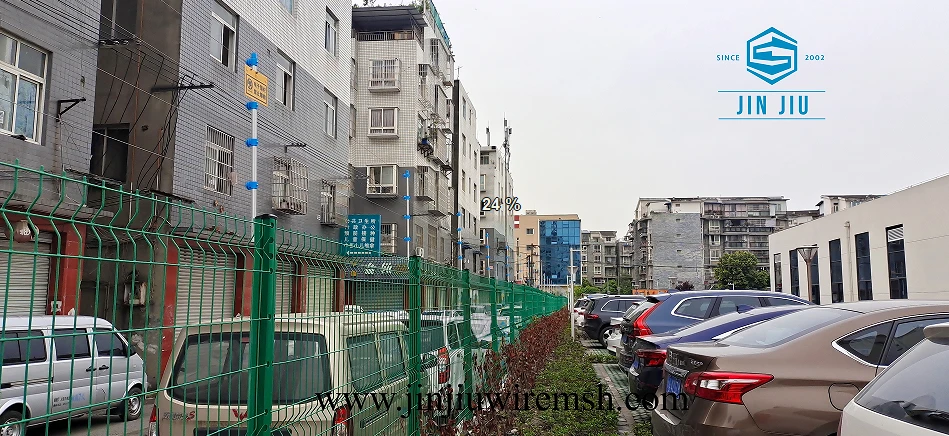
The Digital Backbone of Modern Security: Connected Pulse Monitoring Electric Fence Architecture
The traditional concept of a perimeter has undergone a fundamental transformation.
2026-02-25 15:24:13
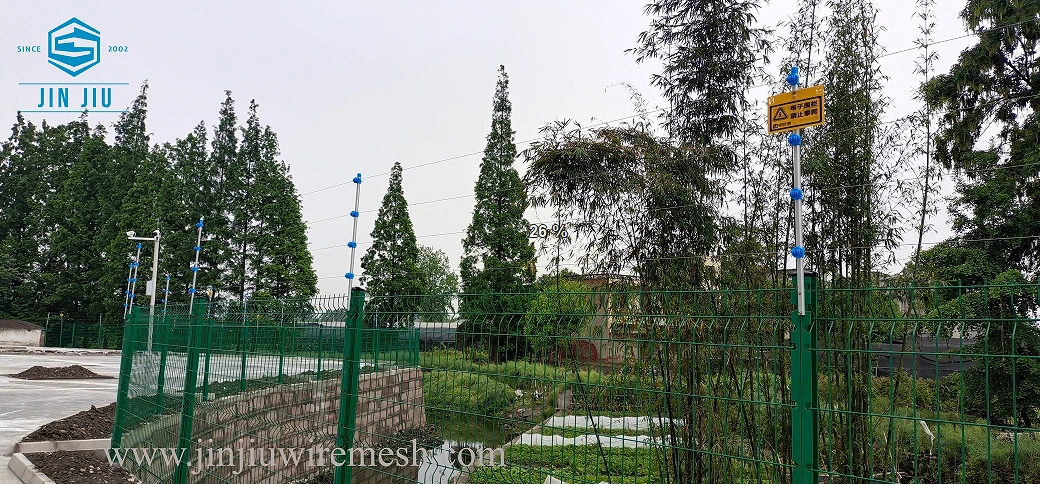
Securing the Unreachable with a Powerful Pulse Electric Fence
In the realm of global security, the distinction between a standard boundary and a high-security perimeter is often defined by the technology pulsing through the wires.
2027-04-14 00:00:00
Engineering Resilience with Explosion Proof Defensive Barriers
In an era where industrial safety and national security are increasingly intertwined, the necessity for specialized protection in volatile environments has never been higher.


 English
  Albanian
  Arabic
  Bengali
  Czech
Czech  Danish
  Dutch
Dutch  Finnish
  French
  German
  Japanese
  Malay
Malay  Persian
  Polish
  Portuguese
  Romanian
  Russian
  Serbian
  Spanish
  Swahili