





Hebei Jinjiu Metal Products Co.,Ltd



Comprehensive Guide to Warfare Tank Barrier Wire Mesh: Global Applications and Innovations
Dec . 05, 2025 10:50
Understanding Warfare Tank Barrier Wire Mesh: A Global Defense Essential
When we talk about modern defense infrastructure, one crucial yet often overlooked component is warfare tank barrier wire mesh. As tensions rise worldwide and defense strategies evolve, understanding this barrier system's purpose, design, and applications becomes essential. Simply put, it’s a powerful physical deterrent designed to impede or channel armored vehicles — especially tanks — at strategic points. Why should this matter beyond military circles? Because its engineering impacts global security, humanitarian safety corridors, and even post-conflict reconstruction efforts. The efficiency and durability of these barriers can mean the difference between fast stabilization or prolonged conflict zones.
Introduction: The Global Context of Warfare Tank Barrier Wire Mesh
Globally, the defense industry faces increasing pressure to deploy smarter, quicker, and more sustainable protection measures. According to United Nations security reports, many conflict zones rely heavily on physical barriers to secure checkpoints and prevent unauthorized armored advances. In fact, the global military barriers market is expected to grow steadily over the next decade, spurred by geopolitical instability and technological innovation (World Bank, 2023 data). But here’s the rub: conventional barriers have limits—they’re often cumbersome, expensive, or vulnerable to wear. That’s where specifically engineered tank barrier wire mesh systems come in, offering flexible, cost-effective, and robust solutions that address these challenges.
Mini takeaway: Warfare tank barrier wire mesh plays a critical role in global security by offering adaptable physical defenses that address evolving threats.
What Exactly Is Warfare Tank Barrier Wire Mesh?
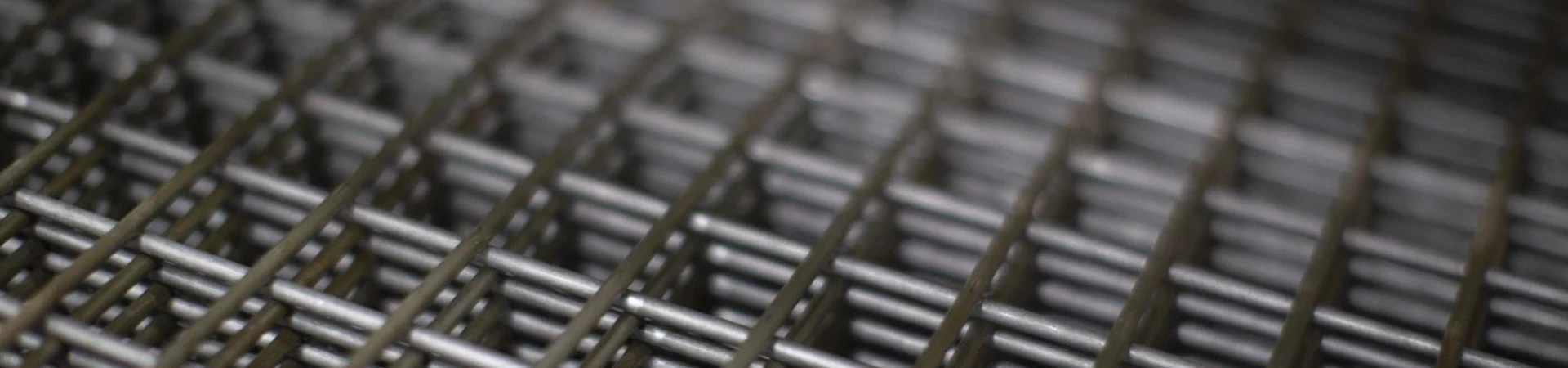
Put simply, warfare tank barrier wire mesh refers to a reinforced meshed fencing system designed explicitly to resist, thwart, or slow down the movement of heavy armored vehicles like tanks. These aren’t your typical fence structures; they combine high-tensile steel wires woven into tightly bonded lattice patterns, sometimes with barbed or razor wire incorporated, to create a formidable physical blockade.
While its most recognized application is military — protecting frontline bases, erecting defensive perimeters, or securing sensitive sites — the wire mesh barriers have also found humanitarian use. For example, in conflict-displaced communities, these barriers can control movement safely to prevent accidental vehicle intrusions and aid relief logistics.
Core Components & Key Factors Behind Effective Warfare Tank Barrier Wire Mesh
Durability and Strength
The backbone of these barriers lies in their material composition — usually galvanized steel or stainless steel to resist corrosion and maintain tensile strength over years of harsh exposure. This durability ensures the mesh doesn't fail under sustained impact or environmental stress.
Modular and Scalable Design
Oddly enough, one advantage is their modular construction. Sections can be rapidly assembled or dismantled, which makes deployment flexible in dynamic battlefield or emergency environments. Scaling the barrier length or height is straightforward, adapting to terrain irregularities.
Cost Efficiency & Low Maintenance
While initial costs might be higher than standard fencing, the longevity and minimal maintenance reduce overall lifecycle expenses. Plus, many military logistics officers note that these barriers’ reusability makes them highly attractive for multiple mission deployments.
Customization for Environment
Depending on the deployment zone, mesh tightness, wire gauge, and additional deterrent features (like electrification or camouflage nets) are tailor-made. This adaptability ensures optimal performance regardless of field conditions.
Product Specification Table
| Feature | Specification |
|---|---|
| Material | Galvanized High-Tensile Steel Wire |
| Wire Diameter | 5 mm - 8 mm |
| Mesh Size | 50 mm x 50 mm to 100 mm x 100 mm |
| Height | 1.5 m to 3 m |
| Additional Features | Optional Barbed Wire, Camouflage Coating |
| Weight per Panel | Approx. 30-50 kg |
Global Applications & Real-World Use Cases
In real terms, warfare tank barrier wire mesh finds its place across continents. NATO forces often deploy these barriers in base defense, with tailored configurations for rapid assembly in newly established forward operating bases in Eastern Europe. Simultaneously, UN peacekeeping missions utilize them to safeguard humanitarian aid distribution centers in volatile regions such as South Sudan or the Democratic Republic of Congo.
Warfare tank barrier wire mesh is also critical in border security, especially in regions where armored smuggling or incursion threatens peace. Industrial zones, particularly those near conflict zones in the Middle East, have realized the importance of these barriers to protect oil infrastructure from armored assault.
For instance, following a major flooding incident in Southeast Asia, temporary armored vehicle obstacles made from wire mesh were installed to direct and slow military-grade rescue vehicles, avoiding damage to fragile embankments.
Mini takeaway: These barriers serve multi-dimensional roles — defense, security, humanitarian aid — making them indispensable worldwide.
Advantages & Long-Term Value of Warfare Tank Barrier Wire Mesh
- Cost-Efficiency: Long lifespan means fewer replacements and less repair work.
- Environmental Sustainability: Materials can be recycled or repurposed; low impact compared to concrete or steel block walls.
- Safety & Trust: Reliable physical protection promotes community and troop confidence.
- Innovation: Customizable for different threat levels and terrain types.
Frankly, it also grants an emotional comfort to operators and civilians in conflict-prone zones — knowing that there’s a robust physical layer of protection against armored attack, which often feels like a very real safeguard for life and property.
Future Trends & Innovations in Warfare Tank Barrier Wire Mesh
Looking ahead, the industry is buzzing with ideas such as integrating sensor arrays into wire mesh barriers to detect and report vehicle impacts or tampering instantly. There's also a push for even lighter, stronger alloys combined with coatings made from sustainable materials to extend life cycles while reducing weight. Some experimental designs incorporate green energy harvesting to power surveillance systems attached to the barriers.
Automation is key, too: robotic deployment and rapid fixings mean barriers can be set up in minutes, an absolute game-changer in situations demanding speed. Digital modeling helps predict optimal placement, making sure resources are used efficiently and effectively.
Challenges & Solutions
One challenge is the balance between barrier strength and portability. The heavier and more durable the wire mesh, the harder it can be to move quickly. However, modular designs and advanced alloy usage are beginning to address this by pushing the strength-to-weight ratio higher than previously possible.
Durability in extreme climates—say, salty seaside zones or desert heat—poses another hurdle. Here, manufacturer innovations like specialized galvanization or powder coatings extend lifespan dramatically.
Vendor Comparison Table
| Vendor | Material Quality | Deployment Speed | Customization | Sustainability |
|---|---|---|---|---|
| Jinjiu Wire Mesh | High Tensile Galvanized Steel | Rapid (Modular Panels) | Highly Customizable | Recyclable Materials |
| DefenceSecure Ltd. | Reinforced Stainless Steel | Moderate | Standard Options | Limited Recycling |
| ArmorShield Co. | Corrosion-Resistant Alloy | Fast | Partial Customization | Eco-Friendly Coatings |
FAQ: Frequently Asked Questions About Warfare Tank Barrier Wire Mesh
- Q1: How quickly can warfare tank barrier wire mesh be deployed in an active conflict?
- A1: Modern modular systems allow deployment within hours depending on the scale. Generally, experienced teams can assemble key sections within 2-4 hours, which is crucial for fast-changing battlefield conditions.
- Q2: Are these barriers reusable after a conflict ends?
- A2: Yes, most wire mesh barriers are designed for multiple uses. Panels can be disassembled, transported, and redeployed with minimal loss of integrity, making them cost-effective over time.
- Q3: Can wire mesh barriers be adapted to uneven terrain?
- A3: Absolutely. The modular design allows flexible arrangement with adjustable post heights and panel angles, making them suitable even for rugged or sloped landscapes.
- Q4: How do these barriers compare environmentally to concrete block defenses?
- A4: Wire mesh barriers usually have a significantly lower environmental footprint. They require less raw material, can often be recycled, and don’t cause permanent terrain alteration like concrete blocks.
- Q5: Is electrification of wire mesh barriers common?
- A5: It’s an optional enhancement primarily for perimeter security in sensitive installations but less common in frontline military defense due to deployment speed priorities.
Conclusion: Why Investing in Warfare Tank Barrier Wire Mesh Makes Sense
Over time, warfare tank barrier wire mesh proves its value not just as a physical obstacle but as a flexible, sustainable, and trusted defense asset. Its adaptability to multiple environments and applications worldwide underlines why military and humanitarian organizations alike invest in it. Given the growing complexity of modern conflict zones, deploying such layered protection and control systems is both a practical and forward-thinking strategy.
If exploring advanced solutions for your security or defense needs sounds relevant, you should definitely visit our website to discover the latest in cutting-edge wire mesh barrier products.
In a world where every meter of defense counts, a strong, versatile tank barrier wire mesh system isn’t just a luxury — it’s fundamental.
References:
1. United Nations Security Council Reports, 2023
2. World Bank: Defense Industry Market Forecasts, 2023
3. ISO Standards on Barrier Materials (ISO 7595:2019)

Related Products

Related News


2026-03-16 14:21:07
Discover durable farming solutions and flexible animal containment with hinge-knot field fence. Combining impact-resistant design and customizable options, Hebei Jinjiu ensures quality for agricultural applications. Explore now: https://www.jinjiuwiremesh.com/field-fencefarm-fence.html
2026-03-16 14:21:07
Discover durable farming solutions and flexible animal containment with hinge-knot field fence. Combining impact-resistant design and customizable options, Hebei Jinjiu ensures quality for agricultural applications. Explore now: https://www.jinjiuwiremesh.com/field-fencefarm-fence.html
2027-04-14 00:00:00
Discover durable farming solutions and flexible animal containment with hinge-knot field fence. Combining impact-resistant design and customizable options, Hebei Jinjiu ensures quality for agricultural applications. Explore now: https://www.jinjiuwiremesh.com/field-fencefarm-fence.html
2026-02-25 15:31:06
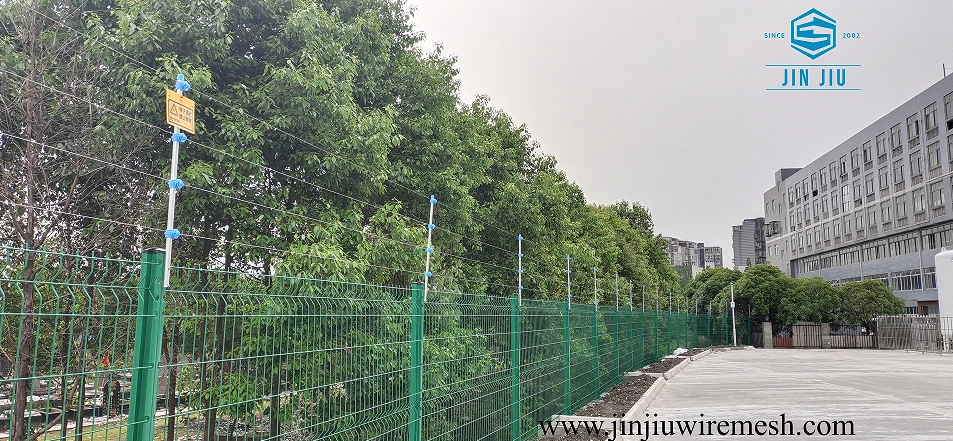
The Strategic Role of the Industrial Electric Fence in Modern Commerce
The protection of corporate and manufacturing assets has transitioned from a matter of simple boundary marking to a complex necessity of risk management.
2026-02-25 15:29:03
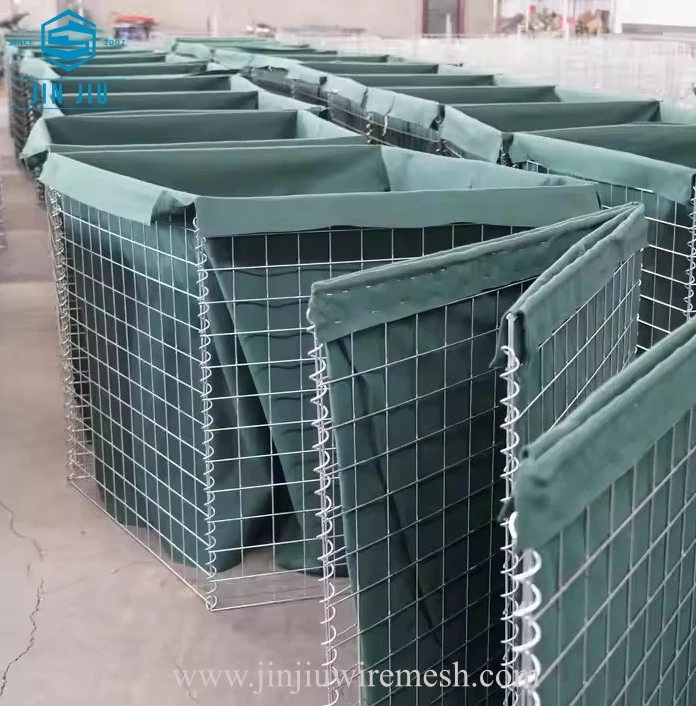
The Evolution of Physical Protection: Bullet Resistant Defensive Barriers in Modern Security
In an increasingly unpredictable global landscape, the requirement for high-level ballistic protection has moved beyond the battlefield and into the core of civilian and industrial security infrastructure.
2026-02-25 15:26:58
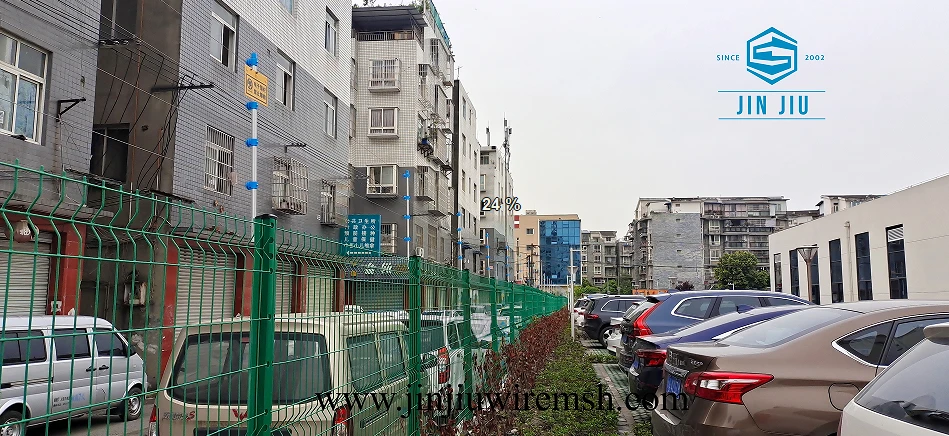
The Digital Backbone of Modern Security: Connected Pulse Monitoring Electric Fence Architecture
The traditional concept of a perimeter has undergone a fundamental transformation.
2026-02-25 15:24:13
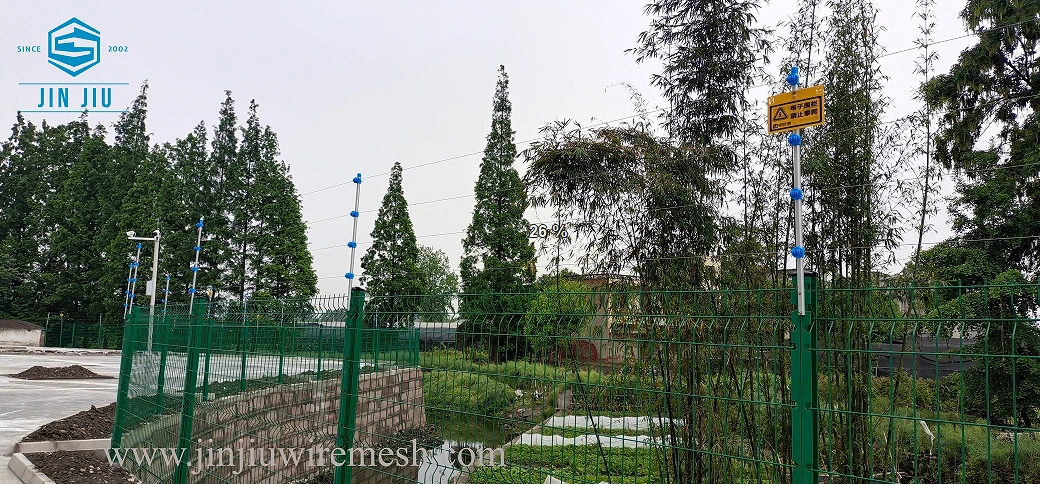
Securing the Unreachable with a Powerful Pulse Electric Fence
In the realm of global security, the distinction between a standard boundary and a high-security perimeter is often defined by the technology pulsing through the wires.
2027-04-14 00:00:00
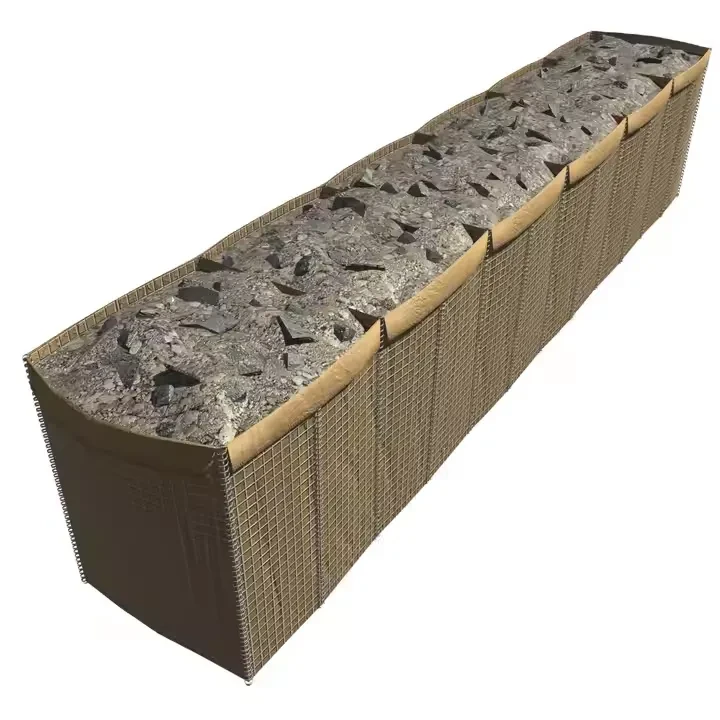
Engineering Resilience with Explosion Proof Defensive Barriers
In an era where industrial safety and national security are increasingly intertwined, the necessity for specialized protection in volatile environments has never been higher.


 English
  Albanian
  Arabic
  Bengali
  Czech
Czech  Danish
  Dutch
Dutch  Finnish
  French
  German
  Japanese
  Malay
Malay  Persian
  Polish
  Portuguese
  Romanian
  Russian
  Serbian
  Spanish
  Swahili