





Hebei Jinjiu Metal Products Co.,Ltd



What Is Anti Tank Barrier Metal Mesh? Global Uses, Benefits, and Future Trends
Dec . 03, 2025 19:00
What is Anti Tank Barrier Metal Mesh and Why It Matters
If you’ve ever wondered how military and peacekeeping forces manage to quickly erect robust protective barriers in conflict zones, anti tank barrier metal mesh is often at the heart of that solution. This specialized metal mesh serves as a tough and flexible defense against large vehicle intrusion. It’s more than just a fence — it’s a strategic component in safeguarding territories, infrastructure, and even humanitarian operations around the world.
Understanding this material and its uses is important globally because armored vehicles and tanks continue to be instrumental in conflicts, while the threats to civilian spaces and critical infrastructure only grow. Countries, international organizations, and defense companies invest heavily in these barriers to provide fast, effective security that balances durability with adaptability.
In this article, we’ll explore what exactly anti tank barrier metal mesh is, how it fits into global security and industry, its core qualities, key applications, and emerging trends. Let’s dive in.
anti tank barrier metal meshGlobal Context: Why Anti Tank Barrier Metal Mesh is a Critical Industry
Conflicts around the world underscore the urgent need for reliable protection against armored threats. According to the Stockholm International Peace Research Institute (SIPRI), there are over 100 countries actively holding or using tanks and armored vehicles in their forces. Securing borders and vital sites is not just a military concern — it also touches on humanitarian efforts where civilian safety depends on effective physical barriers.
Organizations like the United Nations and NATO often deploy peacekeepers equipped with anti tank barrier solutions for conflict de-escalation and protection of safe zones. Moreover, border security agencies across continents, from Africa to Europe to Asia, rely on these metal meshes for scalable, cost-effective defense lines that can be deployed quickly and withstand harsh environments.
The challenge? The balance between strength and mobility. A barrier must stop or slow down an advancing tank, yet be modular and easy to install on uneven terrain. This is where anti tank barrier metal mesh outshines many other options.
Definition: What Exactly is Anti Tank Barrier Metal Mesh?
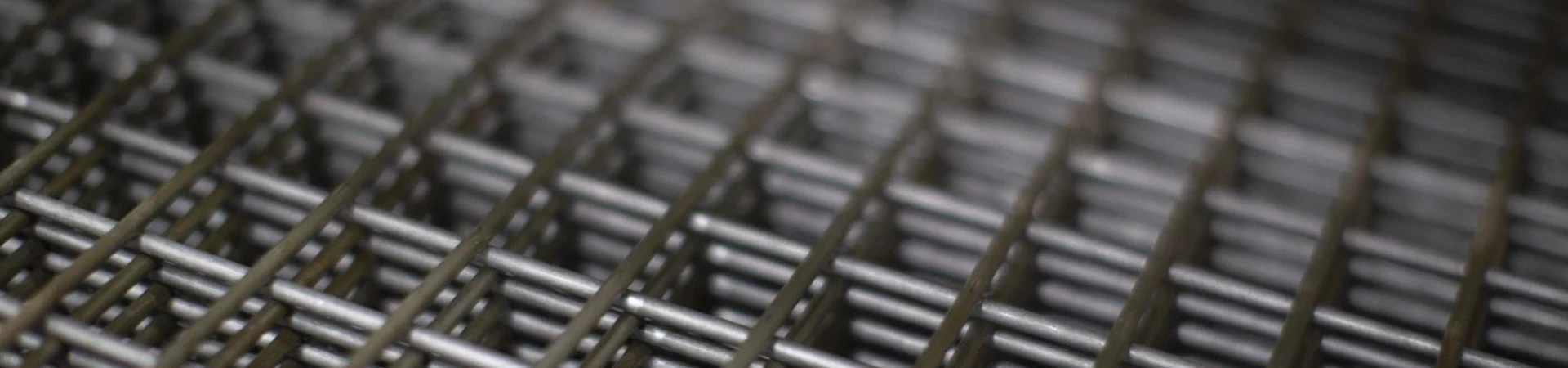
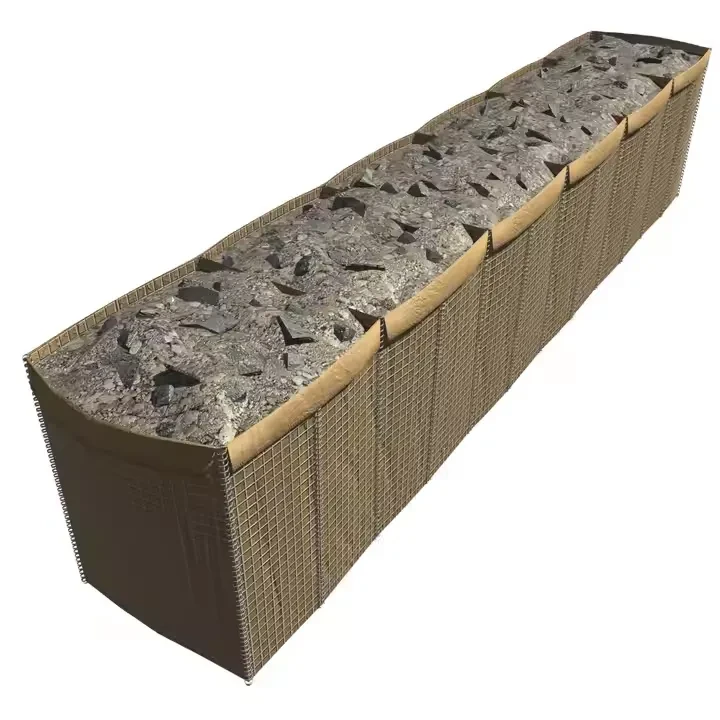
Put simply, anti tank barrier metal mesh is a high-tensile, welded wire mesh crafted into heavy-duty panels designed to block or deter the passage of armored vehicles and tanks. The mesh is typically made from galvanized steel or similarly treated metals to resist corrosion and mechanical wear.
This mesh is meshed or linked into panels, forming mobile or permanent barricades used in military bases, checkpoints, border fences, and emergency relief zones. Its design prioritizes impact resistance and ease of assembly, often combined with earthworks or concrete to enhance stopping power.
Interestingly, this technology also responds to humanitarian needs, offering rapid protection of refugee camps or critical infrastructure during crises — a combination of durability and quick deployment that can save lives.
Core Components and Key Factors
- Durability: Usually made with galvanized or stainless steel wire with thickness ranging from 5mm to 12mm, the mesh resists corrosion, abrasions, and impacts from harsh weather and military-grade attacks.
- Modularity & Scalability: Panels come in standardized widths (typically 2m to 3m) and heights (up to 2.5m or more) to allow quick configuration whether in small checkpoints or large fortified zones.
- Weight & Portability: While heavy enough to stop vehicles, these meshes are designed for transport and quick setup using cranes or manual labor, often linked by hinges or pins for flexibility.
- Cost Efficiency: Compared to concrete or solid steel walls, anti tank barrier metal mesh is far more cost-effective to produce, ship, and install on a large scale. It’s a practical balance of protection and budget.
- Adaptability: Can be combined with earth mounds, concertina wire, or trench systems to create multi-layered defenses tailored to specific terrains and threat levels.
- Compliance & Standards: Often manufactured under ISO 9001 quality guidelines to ensure repeatable performance, with specifications aligned to NATO or local military standards.
Mini Takeaway: This mesh isn’t just wire — it’s a robust, versatile technology built with precision to meet exacting defense needs globally.
Product Specification Table
| Parameter | Typical Value / Range | Notes |
|---|---|---|
| Wire Diameter | 5mm – 12mm | Galvanized steel or stainless |
| Panel Size | 2m – 3m width, 2m – 2.5m height | Modular and connectable |
| Coating | Hot-dip galvanized, optional PVC coating | For corrosion resistance |
| Weight | 50 – 120 kg per panel | Depends on wire gauge and size |
| Tensile Strength | Approx. 500-800 MPa | Ensures resistance to impact |
Global Applications & Real-World Use Cases
These metal barrier meshes are found everywhere—from military defense lines in Europe, border fortifications in Asia, to peacekeeping operations in Africa. For example:
- Military Bases: Airfields and command centers use anti tank barrier metal mesh around perimeters to stop unauthorized vehicle access.
- Border Security: Countries with porous borders like those in the Middle East and Africa deploy these barriers to slow and redirect armored incursions.
- Emergency Relief Zones: NGOs and the UN have used these meshes to quickly set up safe zones near conflict-induced refugee camps, protecting civilians.
- Industrial Sites: High-value assets and critical infrastructure, like power plants and refineries, often employ such barriers as part of their layered security.
Oddly enough, the simplicity of welded wire mesh belies how crucial it is in such diverse, crucial environments. Its utility stretches beyond direct combat — it shapes how we think about safety in fragile zones.
Vendor Comparison Table
| Vendor | Material Quality | Customization Options | Delivery Time | Price Range |
|---|---|---|---|---|
| Jinjiu Wire Mesh | Galvanized & PVC Coated Steel | Panel size, wire gauge, coating | 2-4 weeks | Mid-range |
| SecureMesh Corp. | Stainless Steel Options | Limited customization | 3-5 weeks | High-end |
| Fortress Defense Ltd. | Standard Galvanized Steel | Standard panels only | 1-2 weeks | Budget |
Advantages and Long-Term Value of Anti Tank Barrier Metal Mesh
When considering all the options available for vehicle barriers, anti tank barrier metal mesh stands out for tangible and intangible reasons.
- Cost-Effectiveness: Its affordability enables widespread use without compromising protection, especially crucial for countries with limited defense budgets.
- Durability & Sustainability: With corrosion-resistant coatings, these panels last years with minimal maintenance, reducing lifecycle costs.
- Psychological Impact: The visible deterrent effect alone can dissuade aggressors, enhancing the sense of public safety.
- Quick Deployment & Reusability: The modular nature means communities or forces can rapidly adapt the barriers to shifting threat landscapes.
- Social Responsibility: In humanitarian contexts, protecting displaced populations preserves dignity and hope amid chaos.
On a more emotional note, there is a real peace of mind that comes from knowing these barriers stand strong—in both war zones and fragile peacekeeping locales.
Future Trends & Innovations in Anti Tank Barrier Metal Mesh
The industry is not static—new materials like fiber-reinforced composites or advanced steel alloys are being tested to make barriers lighter yet tougher. Automation in manufacturing allows ultra-precise meshes that improve impact distribution. There’s also a push toward eco-friendly coatings that reduce environmental impact.
Digital transformation enables monitoring integrated into barriers: sensors embedded in the mesh can detect breaches or stress in real time, linking physical security to cyber intelligence. Some future concepts involve repurposable panels that adjust shape or hardness based on threat level. These developments will make anti tank barrier metal mesh smarter and more sustainable.
Common Challenges and Expert Solutions
No solution is perfect. Challenges include:
- Weight and Logistics: Transporting heavy panels to remote or rugged areas can be a bottleneck. Innovation in modular lightweight designs helps here.
- Corrosion in Harsh Environments: Saltwater or acidic soils accelerate wear; high-grade coatings and maintenance protocols help mitigate this.
- Deployment Time vs. Security Level: While rapid, setups may sometimes compromise on ideal placement. Training and pre-fabricated accessories improve the balance.
Industry experts emphasize integrated planning: combining anti tank barrier metal mesh with natural landscape features or multiple security layers maximizes effectiveness.
FAQ: Frequently Asked Questions About Anti Tank Barrier Metal Mesh
Q1: How quickly can anti tank barrier metal mesh be deployed in a new location?
A: Deployment speed varies but typically, a trained team can install standard panels within hours to a few days, depending on terrain and scale. Pre-fabricated modular designs greatly reduce setup time, which is crucial for dynamic conflict zones.
Q2: Is the metal mesh reusable after a deployment?
A: Yes, these meshes are designed for reusability. After removal, they can be inspected, repaired if needed, and redeployed to new sites, offering excellent lifecycle value.
Q3: Can these barriers withstand modern armored vehicles?
A: While primarily intended to delay or channel armored vehicles, when combined with earthworks or additional obstacles, anti tank barrier metal mesh effectively deters or stops most conventional tanks and APCs used worldwide.
Q4: Are there eco-friendly options in manufacturing these meshes?
A: Increasingly, manufacturers use recycled steel and apply non-toxic coatings to reduce environmental footprint, aligning with global sustainability standards like ISO 14001.
Q5: How do I customize mesh panels for unique terrain?
A: Vendors like Jinjiu Wire Mesh offer customization in panel size, wire thickness, and coating, helping clients adapt barriers to uneven or rugged landscapes effectively.
Conclusion + Call to Action
In summary, anti tank barrier metal mesh provides a powerful, adaptable solution for protecting borders, military installations, humanitarian zones, and critical infrastructure worldwide. Its combination of durability, cost-efficiency, and rapid deployment meets urgent global security needs while evolving to embrace sustainability and innovation.
If you’re considering this kind of protective solution for your project or operation, I strongly recommend visiting our website to explore detailed product offerings, customization options, and expert consultation.
After all, when security is on the line, it pays to know your barriers will stand up to the challenge—now and into the future.
Mini Takeaway: Quality anti tank barrier metal mesh not only shields physical spaces but also supports stability and dignity in complex global scenarios.
References:

Related Products

Related News


2026-03-16 14:21:07
Discover durable farming solutions and flexible animal containment with hinge-knot field fence. Combining impact-resistant design and customizable options, Hebei Jinjiu ensures quality for agricultural applications. Explore now: https://www.jinjiuwiremesh.com/field-fencefarm-fence.html
2026-03-16 14:21:07
Discover durable farming solutions and flexible animal containment with hinge-knot field fence. Combining impact-resistant design and customizable options, Hebei Jinjiu ensures quality for agricultural applications. Explore now: https://www.jinjiuwiremesh.com/field-fencefarm-fence.html
2027-04-14 00:00:00
Discover durable farming solutions and flexible animal containment with hinge-knot field fence. Combining impact-resistant design and customizable options, Hebei Jinjiu ensures quality for agricultural applications. Explore now: https://www.jinjiuwiremesh.com/field-fencefarm-fence.html
2026-02-25 15:31:06
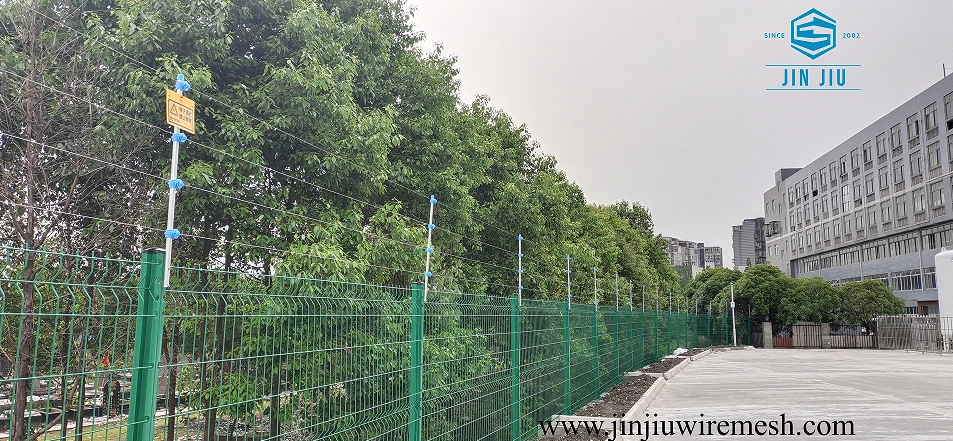
The Strategic Role of the Industrial Electric Fence in Modern Commerce
The protection of corporate and manufacturing assets has transitioned from a matter of simple boundary marking to a complex necessity of risk management.
2026-02-25 15:29:03
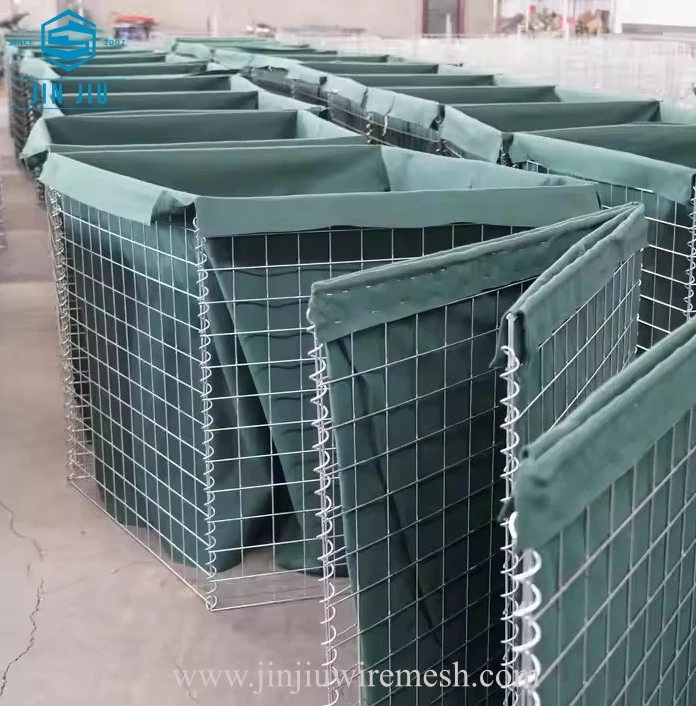
The Evolution of Physical Protection: Bullet Resistant Defensive Barriers in Modern Security
In an increasingly unpredictable global landscape, the requirement for high-level ballistic protection has moved beyond the battlefield and into the core of civilian and industrial security infrastructure.
2026-02-25 15:26:58
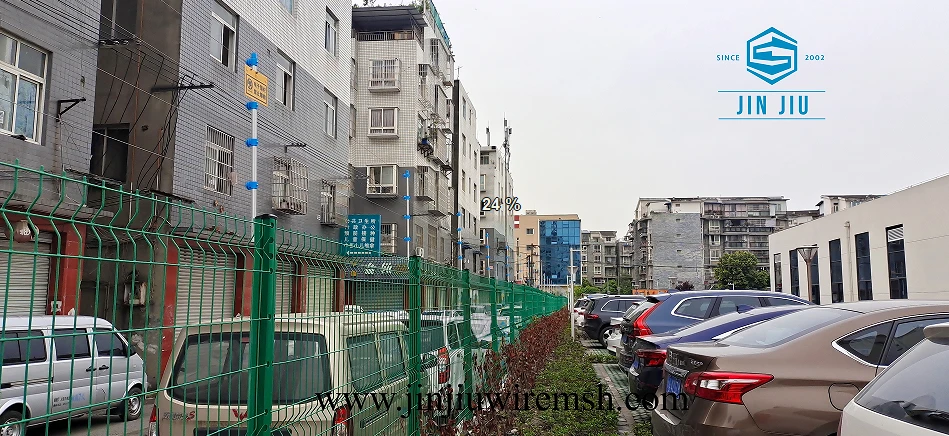
The Digital Backbone of Modern Security: Connected Pulse Monitoring Electric Fence Architecture
The traditional concept of a perimeter has undergone a fundamental transformation.
2026-02-25 15:24:13
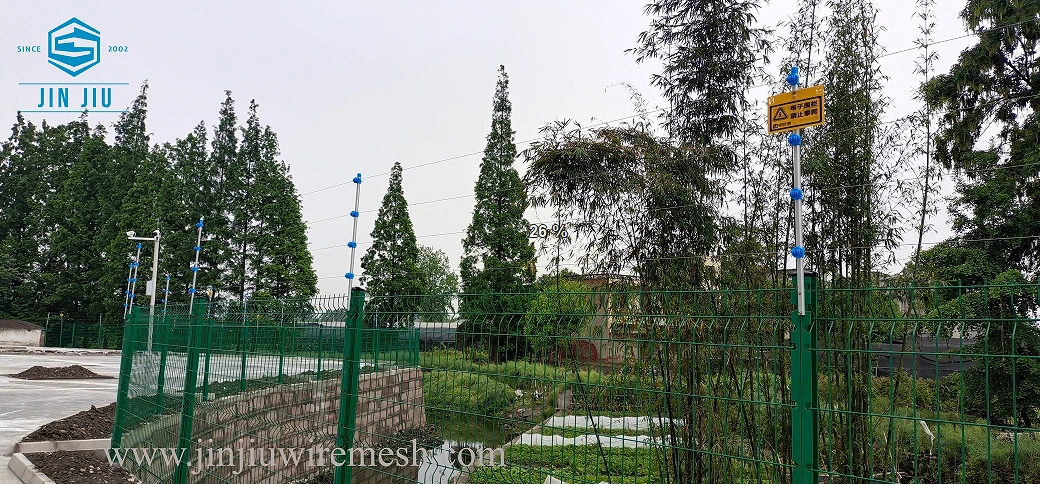
Securing the Unreachable with a Powerful Pulse Electric Fence
In the realm of global security, the distinction between a standard boundary and a high-security perimeter is often defined by the technology pulsing through the wires.
2027-04-14 00:00:00
Engineering Resilience with Explosion Proof Defensive Barriers
In an era where industrial safety and national security are increasingly intertwined, the necessity for specialized protection in volatile environments has never been higher.


 English
  Albanian
  Arabic
  Bengali
  Czech
Czech  Danish
  Dutch
Dutch  Finnish
  French
  German
  Japanese
  Malay
Malay  Persian
  Polish
  Portuguese
  Romanian
  Russian
  Serbian
  Spanish
  Swahili