





Hebei Jinjiu Metal Products Co.,Ltd


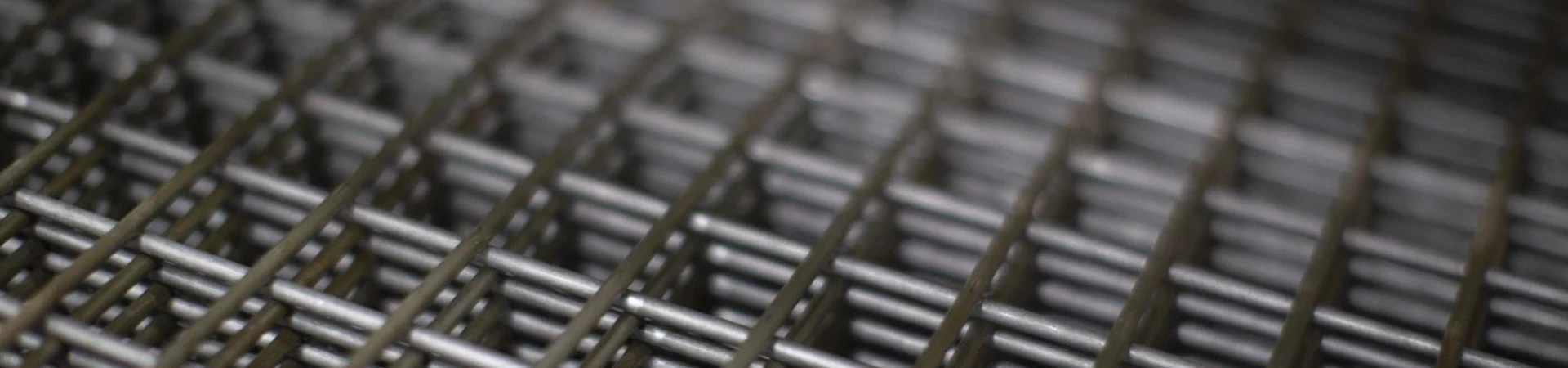

Comprehensive Guide to Anti-Tank Track Wire Mesh Barrier: Applications, Benefits & Innovations
Dec . 02, 2025 16:04
Understanding the Anti-Tank Track Wire Mesh Barrier: A Global Security Asset
If you’ve ever caught a documentary on modern defense infrastructure or post-conflict reconstruction, you might have stumbled across the term anti-tank track wire mesh barrier. But what is it exactly, and why does it matter—not just for the military, but for humanitarian and industrial fields as well? At its core, this barrier system plays an essential role in security and terrain control worldwide, acting as a physical deterrent to heavy armored vehicles, particularly tanks. Understanding this technology means grasping a small yet crucial piece of the complex puzzle of modern conflict prevention, disaster resilience, and infrastructure protection.
Think of it as a mesh fence with muscle—combining flexibility with brute strength. And it’s far from just a barrier; it’s a statement in tactical engineering and global safety.
Why the Anti-Tank Track Wire Mesh Barrier Matters on a Global Scale
Globally, conflicts and tensions still simmer at many borders, and industries operate in remote or sensitive zones with a pressing need to protect assets and people. According to the United Nations Office for Disarmament Affairs, landmines and tank tracks remain one of the most devastating hazards in conflict zones and post-conflict areas. That’s where barriers like these come in.
The World Bank estimates that infrastructure damage from armored vehicle movement costs billions annually, disrupting economic cycles and leaving communities vulnerable. Now, add the challenge of clearing routes for humanitarian aid or securing sensitive sites in conflict-prone zones—the need for reliable physical barriers becomes crystal clear.
Thus, anti-tank track wire mesh barriers have evolved into vital components not only for armed forces but for peacekeepers, disaster response teams, and industrial operators alike.
What Is an Anti-Tank Track Wire Mesh Barrier?
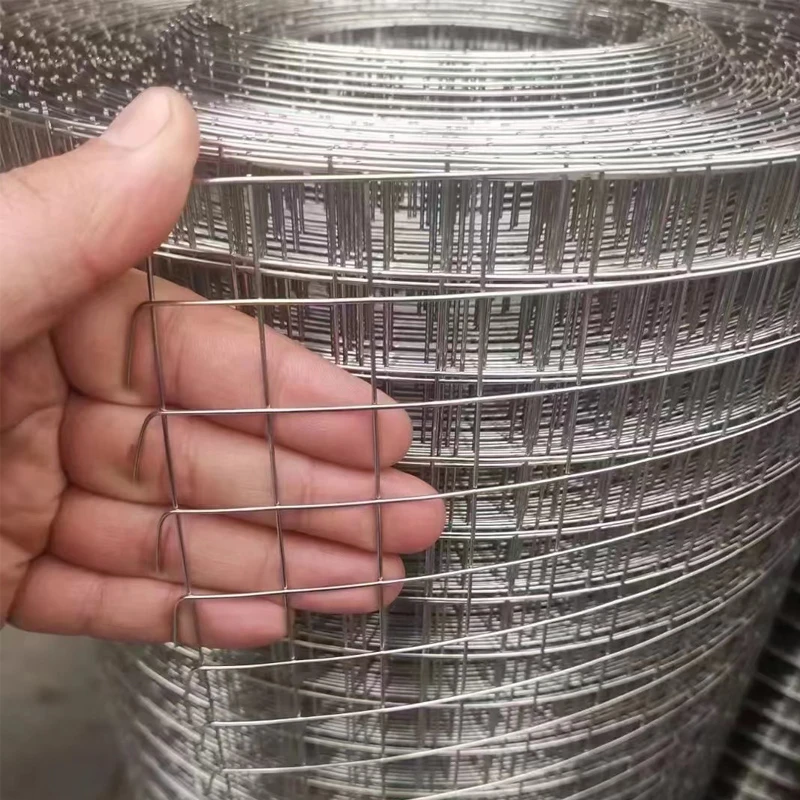
Simply put, an anti-tank track wire mesh barrier is a specially designed fence or obstruction made of heavy-gauge, welded wire mesh that can disrupt or immobilize the tracks of tanks or other heavy armored vehicles.
It blends high tensile strength with strategic layout—deployed in interconnected panels or sheets that cover vulnerable routes, terrain, or perimeters. This mesh is tough enough to resist crushing or deformation under tank treads yet flexible enough for rapid installation. Oddly enough, it’s not a new concept; similar principles were seen in WWII's Czech hedgehogs and anti-tank ditches but now enhanced with modern steel technology and engineering standards.
Core Components and Features of Anti-Tank Track Wire Mesh Barriers
Durability
These barriers must withstand extreme mechanical stress and environmental wear. Constructed from galvanized or stainless steel wire with anti-corrosive coatings, they remain functional under harsh weather and explosive pressures. The mesh typically features a minimum tensile strength of 500 N/mm² to endure tank weight efficiently.
Scalability and Modularity
One remarkable aspect is how modular these systems can be. You can assemble multiple panels in varying lengths and configurations, allowing for quick adjustment to terrain or threat levels. This scalability serves military bases, humanitarian camps, or industrial zones alike—each with unique perimeter needs.
Cost Efficiency
While robust, the barriers are lightweight compared to concrete blocks or anti-tank trenches, reducing transport and labor costs. Many engineers appreciate how easily maintenance can be performed in place, minimizing downtime and operational expenses.
Rapid Deployment
In real terms, speed matters. Many manufacturers design these meshes for fast assembly—sometimes within hours—using simple anchoring mechanisms. This quick setup is vital during emergency relief or military maneuvers, where every second counts.
Environmental Compatibility
Often overlooked, the design respects the terrain and ecosystem impact. The open mesh shape allows rainwater drainage and minimal soil disruption compared to bulky barriers, which helps reduce erosion and environmental footprint.
Product Specification Table: Typical Anti-Tank Track Wire Mesh Barrier
| Specification | Detail |
|---|---|
| Material | Galvanized & PVC-coated Steel Wire |
| Wire Diameter | 4.0 – 6.0 mm |
| Mesh Size | 50 x 50 mm (typical) |
| Panel Size | 2m (H) x 3m (W) |
| Tensile Strength | ≥ 500 N/mm² |
| Weight per m² | ~12 kg |
Global Applications & Use Cases
The beauty of anti-tank track wire mesh barrier lies in its versatility. Here are some standout examples:
- Military Defense: Used widely across NATO and UN peacekeeping missions, barriers help create secure perimeters around bases in volatile regions, like eastern Europe and parts of Africa.
- Post-Conflict Zone Rehabilitation: In countries like Syria and Iraq, these barriers both deter renewed armored assaults and facilitate humanitarian aid distribution safely.
- Industrial Security: Minefields, power plants, and pipeline corridors in remote locations rely on these barriers to protect critical infrastructure from sabotage or accidental tank passage.
- Disaster Response: After natural disasters, rapid deployment of such barriers helps restrict hazardous zones and guide vehicle movement on unstable terrain.
In short, wherever armored vehicles move threateningly, or terrain needs protection from heavy traffic, these barriers make a tangible difference.
Vendor Comparison of Popular Anti-Tank Track Wire Mesh Barrier Suppliers
| Supplier | Material Quality | Customization | Lead Time | Typical Price/m² |
|---|---|---|---|---|
| Jinjiu Wire Mesh | High-grade galvanized & PVC coating | Full custom sizes & grades | 2-4 weeks | $45 - $60 |
| Defender Steel Co. | Standard galvanized steel | Limited customization | 3-5 weeks | $40 - $55 |
| Tactex Security Mesh | Galvanized + epoxy coating | Moderate customization | 4-6 weeks | $50 - $65 |
Advantages and Long-Term Value of These Barriers
Beyond their physical robustness, anti-tank track wire mesh barriers offer multiple layers of value:
- Cost-effective protection: Lightweight and modular, lowering installation and maintenance expenses.
- Sustainability: Recyclable steel materials with corrosion-resistant coatings promote environmental responsibility.
- Social impact: By securing regions, they promote safer environments for civilians and aid workers.
- Reliability: Proven performance under combat and harsh weather conditions worldwide.
Emotionally, they bring peace of mind. For engineers I’ve chatted with, seeing a harsh landscape secured by these barriers feels like a silent promise: safety, order, and readiness.
Emerging Trends & Innovations
Frankly, the field continues evolving with advances in materials science and digital tech:
- Smart mesh integration: Sensors embedded in barriers to detect tampering or breaches in real-time.
- Eco-friendly coatings: New bio-based corrosion protectants reducing chemical runoff.
- 3D-printed anchoring systems: Custom-fit parts improving deployment speed and terrain adaptability.
- Automation in deployment: Robotics assisting in laying out barrier panels faster and more accurately.
Key Challenges and Innovative Solutions
Of course, no system is perfect. One challenge I often hear about is balancing strength and portability. Heavier meshes offer better resistance but are harder to move and install. Conversely, lighter meshes risk damage under repeated tank assaults.
Some companies mitigate this by using hybrid composites or multi-layer mesh combinations. Another issue is corrosion in extreme climates; ongoing R&D focuses on enhanced coatings and regular maintenance protocols.
Lastly, accessibility in remote areas can delay deployment. This is where modular design and local fabrication partnerships come into play, speeding up supply chains and training.
FAQ: Your Practical Questions on Anti-Tank Track Wire Mesh Barrier
Q1: How fast can an anti-tank track wire mesh barrier be deployed in emergency situations?
A1: Rapid deployment is a hallmark of modern anti-tank mesh barriers, typically achievable within hours to a couple of days depending on scale and terrain complexity. Quick anchoring designs and prefabricated panels mean relief teams or soldiers can erect barriers swiftly, crucial for securing fast-evolving conflict or disaster zones.
Q2: Can these barriers be customized for different threat levels or environmental conditions?
A2: Absolutely. Material thickness, coating type, mesh pattern, and panel size can all be tailored. For example, desert or maritime climates may require enhanced corrosion resistance, while high-threat areas might demand reinforced wire diameter and tighter mesh grids.
Q3: Are these barriers reusable or disposable after a conflict or emergency?
A3: In most cases, barriers are reusable and designed for longevity. The steel mesh panels can be dismantled, relocated, or repurposed, offering cost savings and reducing environmental impact over multiple deployments.
Q4: How do anti-tank barriers integrate with other perimeter security systems?
A4: They complement electronic sensors, cameras, and patrols perfectly. Physical blockage limits vehicle movement while sensors detect intrusion attempts. Some advanced mesh barriers now have built-in monitoring technology for seamless security integration.
Conclusion: The Silent Guardian You Didn’t Know You Needed
All said, the anti-tank track wire mesh barrier is a quietly indispensable piece of modern security and peacekeeping architecture. Its blend of strength, versatility, cost-effectiveness, and evolving innovation means it’s more than just a fence—it’s an active safeguard supporting millions of lives worldwide.
If you’re interested in learning more or sourcing high-quality, customizable anti-tank wire mesh barriers for your project or operation, I warmly recommend visiting Jinjiu Wire Mesh, a trusted leader in the field.
Curious minds and safety professionals alike should keep these barriers in their toolkit—they are not just products, but partners in peace and progress.
Mini takeaway: Combining tradition with cutting-edge engineering, anti-tank track wire mesh barriers continue evolving to meet complex global challenges – proving that even the simplest ideas, like a wire mesh, hold powerful potential.
References

Related Products


Related News


2026-03-16 14:21:07
Discover durable farming solutions and flexible animal containment with hinge-knot field fence. Combining impact-resistant design and customizable options, Hebei Jinjiu ensures quality for agricultural applications. Explore now: https://www.jinjiuwiremesh.com/field-fencefarm-fence.html
2026-03-16 14:21:07
Discover durable farming solutions and flexible animal containment with hinge-knot field fence. Combining impact-resistant design and customizable options, Hebei Jinjiu ensures quality for agricultural applications. Explore now: https://www.jinjiuwiremesh.com/field-fencefarm-fence.html
2027-04-14 00:00:00
Discover durable farming solutions and flexible animal containment with hinge-knot field fence. Combining impact-resistant design and customizable options, Hebei Jinjiu ensures quality for agricultural applications. Explore now: https://www.jinjiuwiremesh.com/field-fencefarm-fence.html
2026-02-25 15:31:06
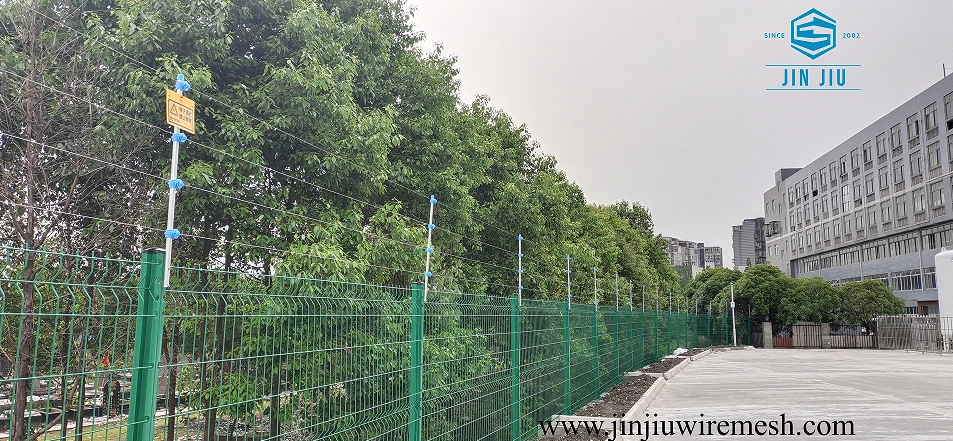
The Strategic Role of the Industrial Electric Fence in Modern Commerce
The protection of corporate and manufacturing assets has transitioned from a matter of simple boundary marking to a complex necessity of risk management.
2026-02-25 15:29:03
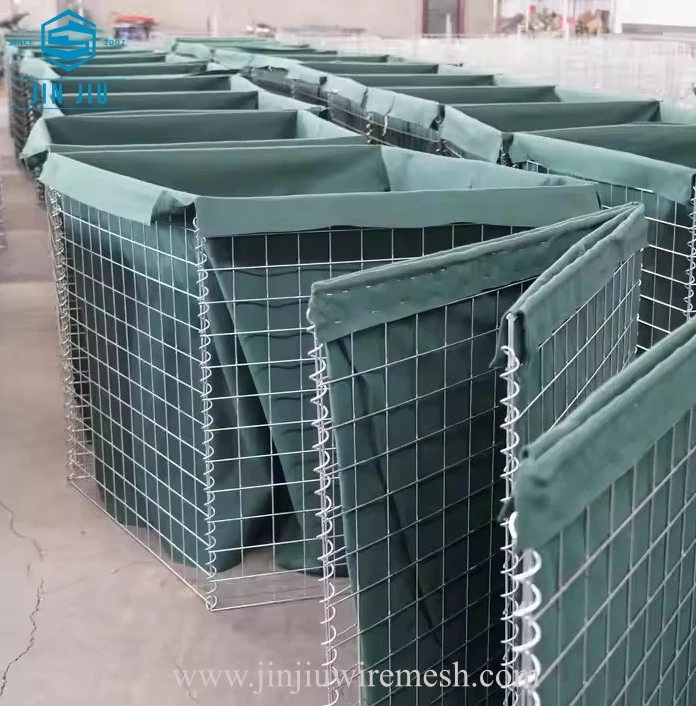
The Evolution of Physical Protection: Bullet Resistant Defensive Barriers in Modern Security
In an increasingly unpredictable global landscape, the requirement for high-level ballistic protection has moved beyond the battlefield and into the core of civilian and industrial security infrastructure.
2026-02-25 15:26:58
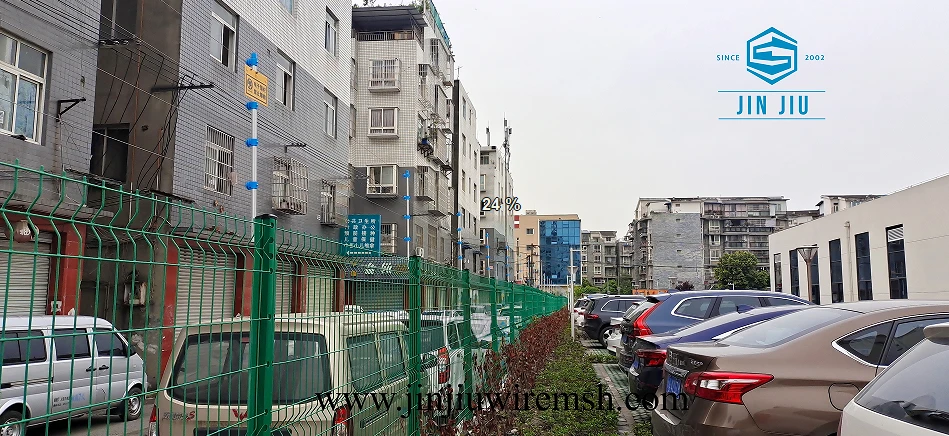
The Digital Backbone of Modern Security: Connected Pulse Monitoring Electric Fence Architecture
The traditional concept of a perimeter has undergone a fundamental transformation.
2026-02-25 15:24:13
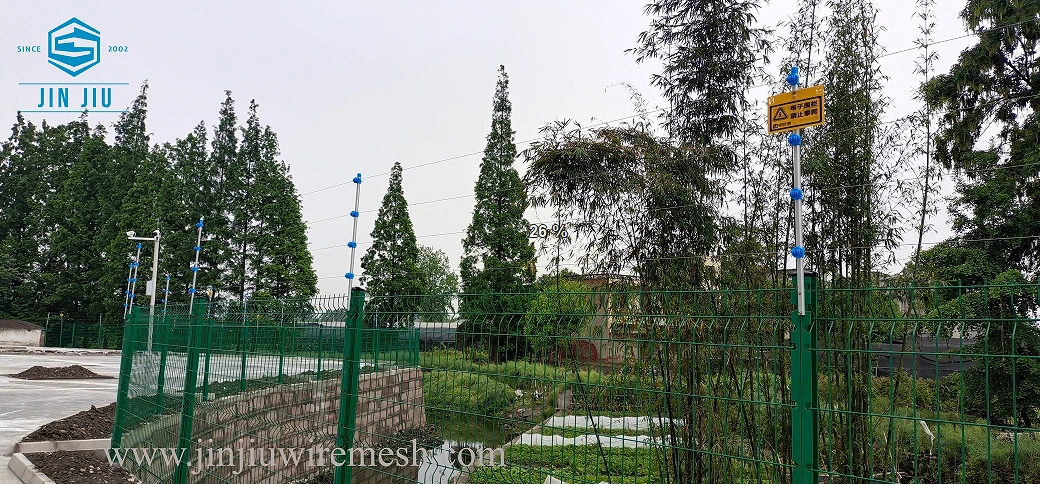
Securing the Unreachable with a Powerful Pulse Electric Fence
In the realm of global security, the distinction between a standard boundary and a high-security perimeter is often defined by the technology pulsing through the wires.
2027-04-14 00:00:00
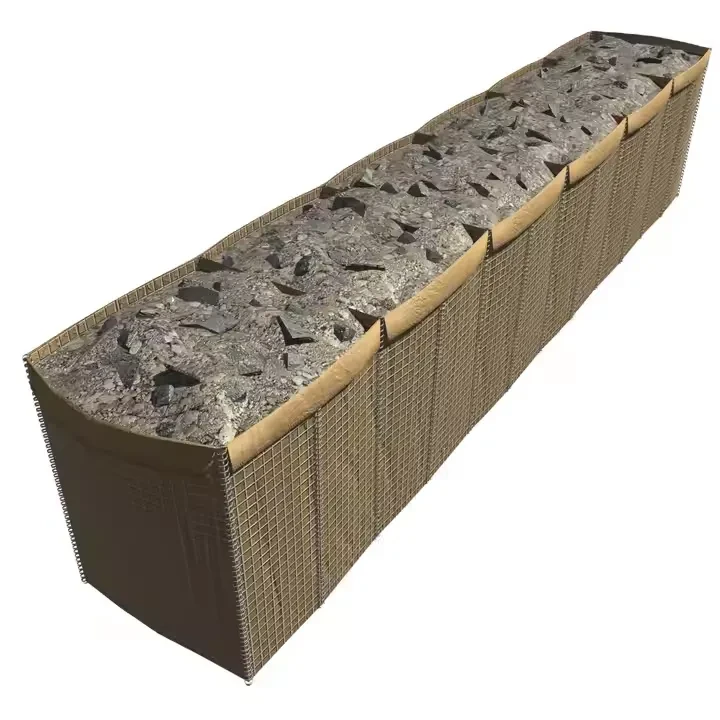
Engineering Resilience with Explosion Proof Defensive Barriers
In an era where industrial safety and national security are increasingly intertwined, the necessity for specialized protection in volatile environments has never been higher.


 English
  Albanian
  Arabic
  Bengali
  Czech
Czech  Danish
  Dutch
Dutch  Finnish
  French
  German
  Japanese
  Malay
Malay  Persian
  Polish
  Portuguese
  Romanian
  Russian
  Serbian
  Spanish
  Swahili