





Hebei Jinjiu Metal Products Co.,Ltd


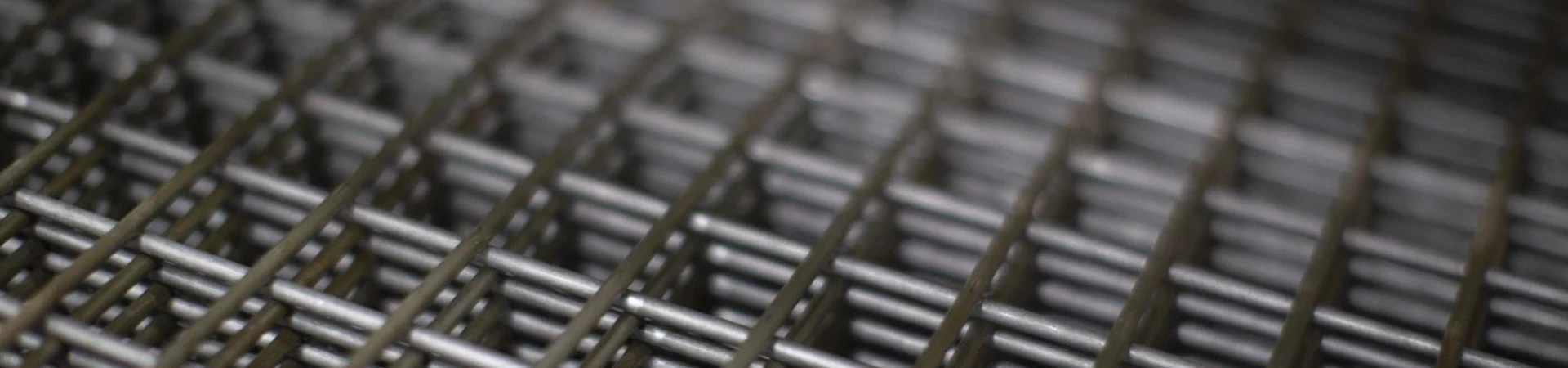

Anti Tank Mesh Barriers – Durable Defense Solutions for Modern Security Needs
Dec . 02, 2025 16:20
Understanding Anti Tank Mesh Barriers: A Crucial Defense Asset
Anti tank mesh barriers play a surprisingly pivotal role in global defense and infrastructure protection. In simple terms, these barriers are robust physical obstacles designed mainly to deter, disable, or slow down armored vehicles, especially tanks. Globally, with geopolitical tensions persisting and urban development encroaching on conflict zones, understanding the function and benefits of anti tank mesh barriers matters more than ever. They are not just heavy-duty fences; they’re a blend of engineering, materials science, and strategic deployment that can protect infrastructures, and civilians, and maintain control over contested areas.
To get a grip on why these barriers matter, think about how rapidly armored vehicles can change battlefield dynamics — but also how vulnerable fixed installations can be without effective defenses. Governments, international peacekeeping forces, and even industries in unstable regions leverage these barriers to enhance security and stability.
Global Context: Why Anti Tank Mesh Barriers Are Relevant Worldwide
According to recent data from the United Nations and defense analysis organizations, conflicts involving armored vehicles continue to affect millions worldwide, particularly in regions with fragile infrastructures. The use of anti tank mesh barriers has become an integral part of military and civilian security operations, limiting the mobility of hostile forces and protecting critical assets.
For example, facilities like power plants, government buildings, and refugee camps increasingly rely on anti tank mesh barriers as a first line of defense. One challenge these barriers address directly is the rapid advancement of armored technology, which can outpace traditional fortifications. Plus, their modularity allows for quick deployment, which is critical in volatile zones.
Defining Anti Tank Mesh Barriers
At its core, an anti tank mesh barrier is a tightly woven or rigid steel mesh constructed to stop or slow down heavy vehicles. This isn’t just ‘wire fencing.’ It’s thick, often angled, reinforced with heavy gauge steel or composite materials designed to absorb and disperse massive physical force.
The connection to modern industry and humanitarian needs is important, too. These barriers often protect non-military zones from spillover violence, making them critical for humanitarian organizations operating in conflict zones as well as in post-conflict reconstruction.
Key Components of Anti Tank Mesh Barriers
Durability
They’re engineered to endure extreme physical stress, weather, and corrosion. Military-grade galvanization or powder coating is standard to prevent rust and extend lifespan.
Scalability
One of the neat things is how easily these barriers can be expanded or adapted on site. Modular panels connect securely but can be detached for transport—a must-have for dynamic conflict zones.
Cost Efficiency
Though the initial investment isn’t trivial, the long-term savings in security risks prevention and durability make them an economically sound choice. Plus, some vendors now offer leasing or rental options, which is handy for temporary deployments.
Ease of Installation
Many designs include built-in features for quick assembly without heavy machinery, which can be a real difference in fast-moving crisis responses.
Environmental Adaptability
From desert heat to arctic cold, quality anti tank mesh barriers withstand diverse climates without compromising performance.
Product Specification Table Example
| Specification | Typical Values |
|---|---|
| Material | Carbon Steel (Grade A572) / Composite Reinforced Steel |
| Mesh Size | 50mm x 50mm to 150mm x 150mm |
| Thickness | 5mm to 8mm steel wire diameter |
| Height | 2m to 4m panels |
| Coating | Hot-dip galvanized & optional powder coating |
| Weight per panel | ~70–120 kg |
Global Applications and Use Cases
Anti tank mesh barriers see a surprising range of applications worldwide. For instance:
- In Middle Eastern conflict zones, they’re used to safeguard civilian neighborhoods and vital infrastructure.
- Peacekeeping missions from the UN deploy them around temporary bases and refugee camps to prevent armored threats from escalating local violence.
- Industrial sites in unstable regions—like mining operations in Africa—employ them to deter hostile vehicles and protect workers.
- Post-disaster relief often incorporates these barriers to secure supply routes and aid facilities from theft or armed looters, oddly enough.
Vendor Comparison Table
| Vendor | Material Grades | Modularity | Typical Lead Time | Warranty |
|---|---|---|---|---|
| Jinjiu Wiremesh | Grade A572, hot-dip galvanized | Highly Modular | 2–4 Weeks | 5 Years |
| SteelDef Solutions | Custom Alloy Steel | Moderate Modularity | 4–6 Weeks | 3 Years |
| FortifyMesh Inc. | Grade A36, powder coated | Low Modularity | 3 Weeks | 2 Years |
Advantages and Long-Term Value of Anti Tank Mesh Barriers
What really stands out about anti tank barriers is their blend of physical reliability and psychological impact. Sometimes deterrence is half the battle. They can make hostile actors hesitate or seek alternatives, buying critical time.
Tangibly, these barriers help reduce damage to infrastructure, which saves vast sums in repairs and downtime. Environmentally, durable materials mean less frequent replacements, so they’re surprisingly green in what’s often a high-waste sector. From a social perspective, barriers preserve human safety and dignity in contested spaces; it’s more than just steel—it's peace of mind for communities.
Future Trends and Innovations
Looking ahead, the anti tank mesh barrier landscape is evolving with materials like ultra-high-strength composites and smart sensors that can alert to breaches or impact. There’s also an encouraging trend toward more eco-conscious manufacturing processes and enhanced recyclability at end-of-life.
Automation in installation and integration of armored sensor networks means future barriers will not just stand there—they’ll ‘think’ and ‘report.’ Some experimental projects even explore energy-harvesting features embedded in the mesh panels, though those are early-stage.
Challenges and Practical Solutions
Obviously, no solution is perfect. Common hurdles include transporting heavy panels in hard-to-access regions and preventing corrosion in extreme climates. Effective solutions range from designing lighter alloys to partnering with local teams for assembly to cut logistical hurdles.
Another challenge lies in balancing cost against durability—short-term budgets sometimes lead to compromises. Vendors that offer flexible financing and rental options can help overcome this, making protective barriers accessible even under tight funding.
FAQ: Your Questions About Anti Tank Mesh Barriers
- Q: How quickly can anti tank mesh barriers be deployed in an emergency?
A: Many modern anti tank mesh barriers are designed for rapid assembly, often deployable within hours by trained personnel without heavy equipment, which is vital during crises. - Q: Are these barriers reusable after a conflict?
A: Yes. High-grade anti tank mesh barriers can be disassembled and redeployed multiple times with minimal degradation, provided they are inspected and maintained properly after use. - Q: Can they be adapted for civilian use?
A: Absolutely. Aside from military use, these barriers protect critical civilian infrastructure like power plants, water treatment facilities, or even sensitive agricultural zones. - Q: Do they offer protection against all types of armored vehicles?
A: While highly effective against many tanks and heavy vehicles, no barrier is invincible. They’re part of layered defense systems ideally paired with surveillance and active response measures. - Q: Where can I source reliable anti tank mesh barriers?
A: Established vendors like Jinjiu Wiremesh supply high-grade barriers compatible with various operational needs.
Conclusion: Securing Tomorrow with Anti Tank Mesh Barriers
In a world where armored threats remain a serious concern, anti tank mesh barriers represent an essential part of security infrastructure—balancing durability, ease of deployment, and long-term value. Their role extends beyond military defense, touching humanitarian and industrial spheres, ultimately contributing to safer communities and resilient infrastructures.
For stakeholders seeking reliable, tested solutions, exploring offerings like those at Jinjiu Wiremesh is a smart start. Implementing anti tank mesh barriers is more than a purchase; it’s an investment in peace of mind and operational readiness for years ahead.
Mini takeaway: In real terms, anti tank mesh barriers are not just steel fences — they’re a flexible, durable, and strategic line of defense in an unpredictable world.
References:

Related Products


Related News


2026-03-16 14:21:07
Discover durable farming solutions and flexible animal containment with hinge-knot field fence. Combining impact-resistant design and customizable options, Hebei Jinjiu ensures quality for agricultural applications. Explore now: https://www.jinjiuwiremesh.com/field-fencefarm-fence.html
2026-03-16 14:21:07
Discover durable farming solutions and flexible animal containment with hinge-knot field fence. Combining impact-resistant design and customizable options, Hebei Jinjiu ensures quality for agricultural applications. Explore now: https://www.jinjiuwiremesh.com/field-fencefarm-fence.html
2027-04-14 00:00:00
Discover durable farming solutions and flexible animal containment with hinge-knot field fence. Combining impact-resistant design and customizable options, Hebei Jinjiu ensures quality for agricultural applications. Explore now: https://www.jinjiuwiremesh.com/field-fencefarm-fence.html
2026-02-25 15:31:06
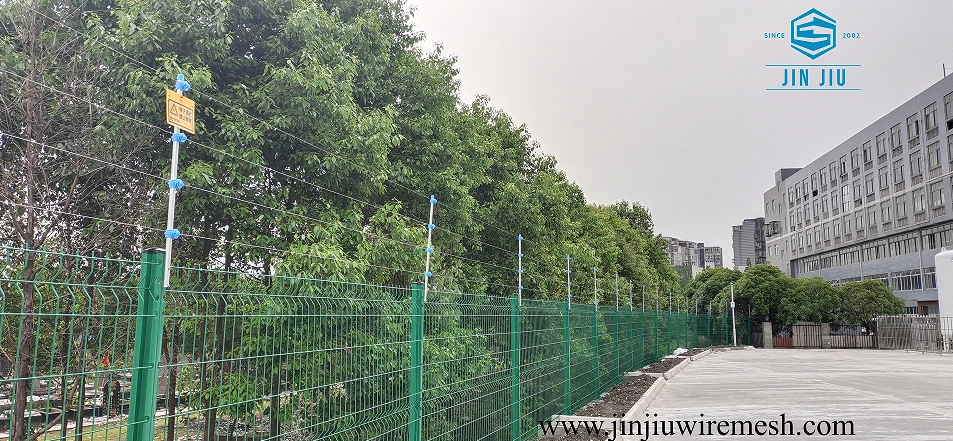
The Strategic Role of the Industrial Electric Fence in Modern Commerce
The protection of corporate and manufacturing assets has transitioned from a matter of simple boundary marking to a complex necessity of risk management.
2026-02-25 15:29:03
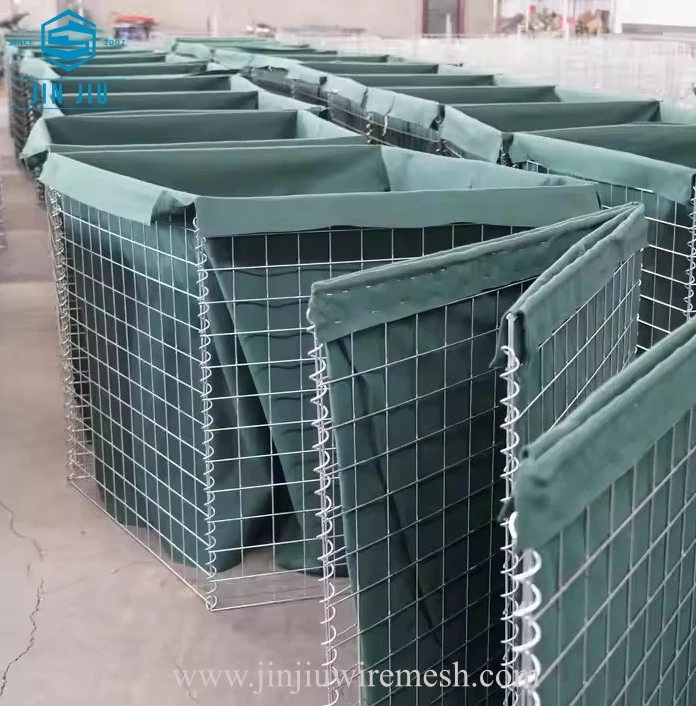
The Evolution of Physical Protection: Bullet Resistant Defensive Barriers in Modern Security
In an increasingly unpredictable global landscape, the requirement for high-level ballistic protection has moved beyond the battlefield and into the core of civilian and industrial security infrastructure.
2026-02-25 15:26:58
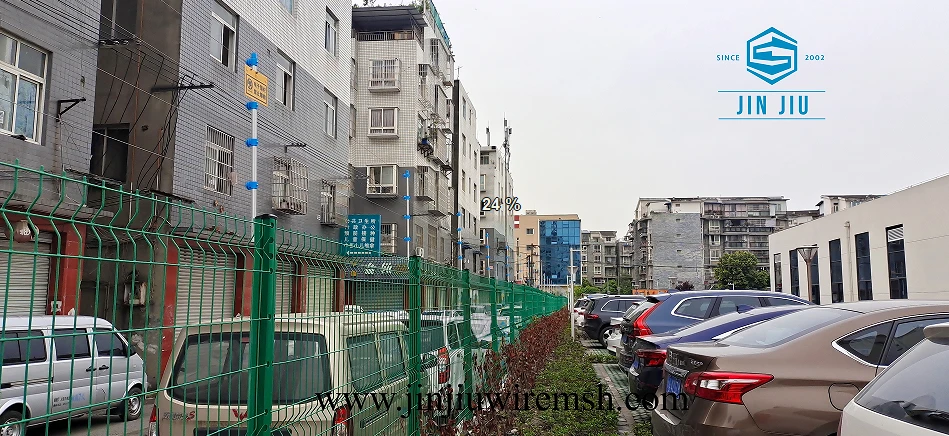
The Digital Backbone of Modern Security: Connected Pulse Monitoring Electric Fence Architecture
The traditional concept of a perimeter has undergone a fundamental transformation.
2026-02-25 15:24:13
Securing the Unreachable with a Powerful Pulse Electric Fence
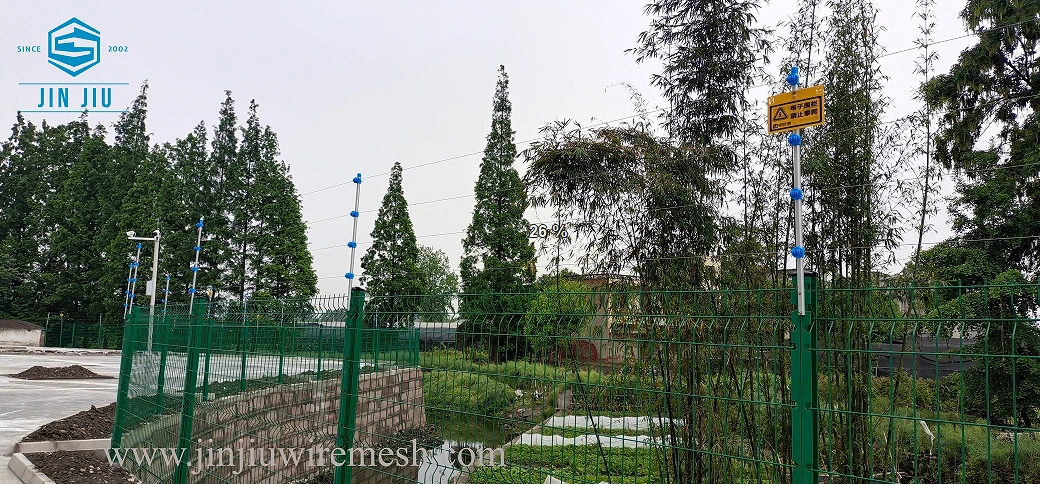
In the realm of global security, the distinction between a standard boundary and a high-security perimeter is often defined by the technology pulsing through the wires.
2027-04-14 00:00:00
Engineering Resilience with Explosion Proof Defensive Barriers
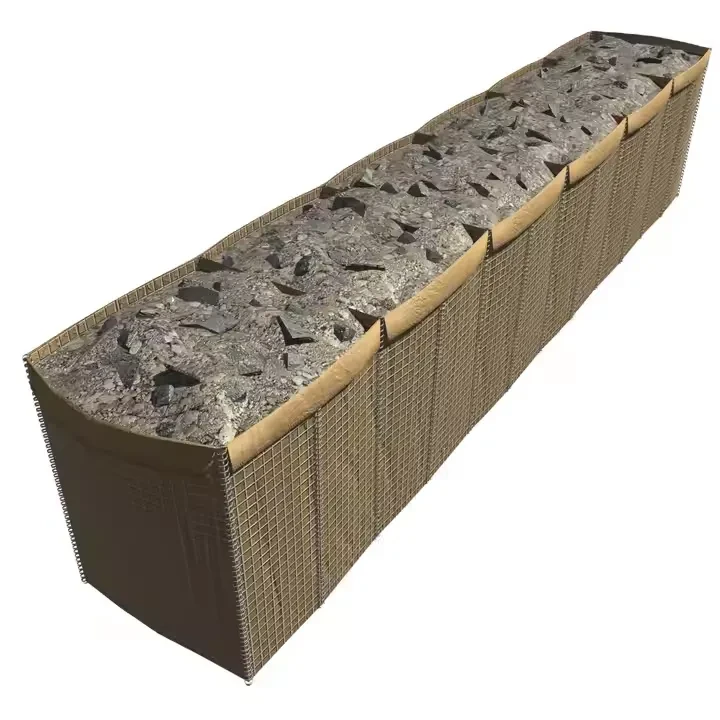
In an era where industrial safety and national security are increasingly intertwined, the necessity for specialized protection in volatile environments has never been higher.


 English
  Albanian
  Arabic
  Bengali
  Czech
Czech  Danish
  Dutch
Dutch  Finnish
  French
  German
  Japanese
  Malay
Malay  Persian
  Polish
  Portuguese
  Romanian
  Russian
  Serbian
  Spanish
  Swahili