





Hebei Jinjiu Metal Products Co.,Ltd


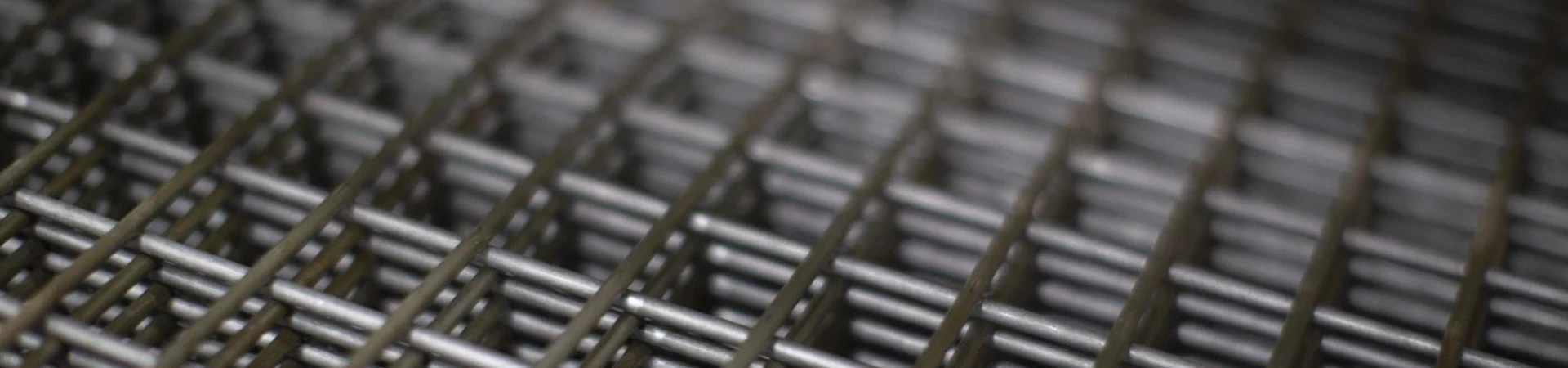

Durable Tank Tracks Wound Net | Expert Industrial Equipment Insights
Jan . 07, 2026 01:30
Understanding Tank Tracks Wound Net: A Veteran’s Take
Having spent more than a decade in the industrial equipment sector, I’ve seen my fair share of innovations and materials come and go. Yet, tank tracks wound net remains one of those quietly indispensable components on the frontline for heavy-duty applications. Sometimes it feels like this product doesn’t get the spotlight it deserves—after all, it may seem niche, but when you’re working with mobile heavy platforms, its role is huge.
To put it simply, tank tracks wound nets are a mesh-like wire construction used primarily to reinforce tank tracks, giving them resilience against extreme wear and tear. Oddly enough, while you might expect them to be bulky or rigid, these nets exhibit a surprising blend of strength and flexibility. Many engineers I know swear by them for extending equipment lifespan, particularly in harsh environments like mining or military terrains.
What Makes Tank Tracks Wound Net Stand Out?
From the designs I’ve evaluated, the quality of materials is critical. The most durable nets are usually made from high-tensile steel wire, sometimes galvanized or even stainless steel, depending on the intended application. The galvanization process drastically improves corrosion resistance—when you’re facing mud, rocks, and fluctuating temperature extremes, corrosion protection is a must-have.
Moreover, the winding pattern influences durability and how well the net conforms to the track’s shape. A tight, uniform winding tends to absorb shocks better, reducing the risk of wire breakage. Frankly, it’s a little bit like how braided ropes perform better under tension—the structure distributes force more evenly.
| Specification | Details |
|---|---|
| Material | High tensile galvanized steel wire |
| Wire Diameter | 2.5mm to 4.0mm |
| Mesh Size | 25mm to 50mm |
| Corrosion Resistance | Galvanized & optional stainless steel |
| Length & Width | Customized per client specs |
Comparing Key Vendors of Tank Tracks Wound Net
Having sourced from a few manufacturers over the years, it’s clear that not all versions are created equal. Some providers focus on precision winding with strict quality controls, while others compete largely on price. I find it’s a balance: go too cheap, and you risk early failures; go premium and you pay more but get better reliability.
| Vendor | Material Quality | Customization | Price Range | Lead Time |
|---|---|---|---|---|
| Jinjiu Wire Mesh | High tensile galvanized steel, consistent | Extensive options, tailored sizes | Mid to premium | 4-6 weeks |
| Generic Steel Co. | Standard galvanized wire | Limited | Low | 2-3 weeks |
| SteelMesh Inc. | Premium stainless steel options | Wide range | High | 6-8 weeks |
Why It Matters in Real Terms
One project sticks out to me—an overseas mining contractor had repeated issues with their tank track failures, leading to costly downtime. After switching to a customized wound net from Jinjiu Wire Mesh, their track wear rate dropped noticeably after six months. That kind of durability really adds up. You don’t always see eye-popping innovations in this sector, but these incremental improvements make a difference in operational uptime.
On the customization front, it’s worth mentioning that not one size fits all. Tailoring dimensions and corrosion coatings to specific use cases really helps optimize performance. Plus, the ability to order wound nets in bulk or smaller quantities gives flexibility whether you’re managing a large fleet or smaller scale operations.
In my experience, next to quality material, supplier support and consistency are paramount. I’ve found Jinjiu Wire Mesh’s technical team is pretty hands-on, often helping clients solve unusual track challenges with practical advice. Those little touches speak volumes about vendor trustworthiness.
So, if you’re in the market for tank tracks reinforcement, consider focusing on materials, winding quality, and reliable vendors. It’s a seemingly simple part, but in the grand scheme, it’s a key contributor to machine longevity and operational success.
Remember, every track has a story — make sure yours is built with the right net.
- Industry insights gleaned from decades of field equipment servicing
- Technical brochures and product specifications from trusted manufacturers
- Case studies from mining and military applications traditions

Related Products

Related News


2026-03-16 14:21:07
Discover durable farming solutions and flexible animal containment with hinge-knot field fence. Combining impact-resistant design and customizable options, Hebei Jinjiu ensures quality for agricultural applications. Explore now: https://www.jinjiuwiremesh.com/field-fencefarm-fence.html
2026-03-16 14:21:07
Discover durable farming solutions and flexible animal containment with hinge-knot field fence. Combining impact-resistant design and customizable options, Hebei Jinjiu ensures quality for agricultural applications. Explore now: https://www.jinjiuwiremesh.com/field-fencefarm-fence.html
2027-04-14 00:00:00
Discover durable farming solutions and flexible animal containment with hinge-knot field fence. Combining impact-resistant design and customizable options, Hebei Jinjiu ensures quality for agricultural applications. Explore now: https://www.jinjiuwiremesh.com/field-fencefarm-fence.html
2026-02-25 15:31:06
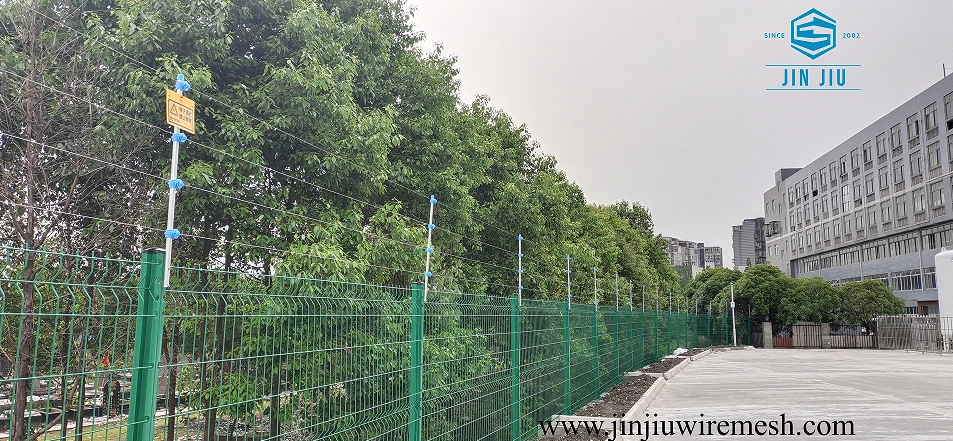
The Strategic Role of the Industrial Electric Fence in Modern Commerce
The protection of corporate and manufacturing assets has transitioned from a matter of simple boundary marking to a complex necessity of risk management.
2026-02-25 15:29:03
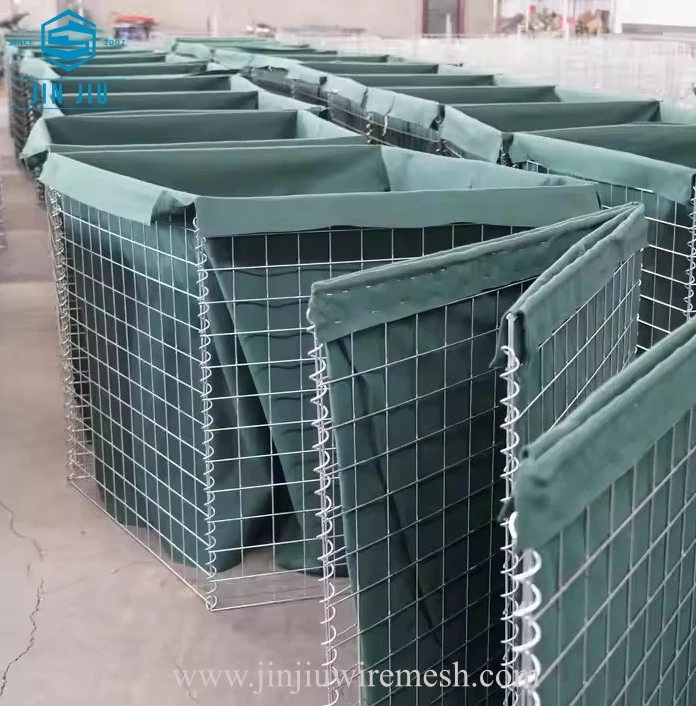
The Evolution of Physical Protection: Bullet Resistant Defensive Barriers in Modern Security
In an increasingly unpredictable global landscape, the requirement for high-level ballistic protection has moved beyond the battlefield and into the core of civilian and industrial security infrastructure.
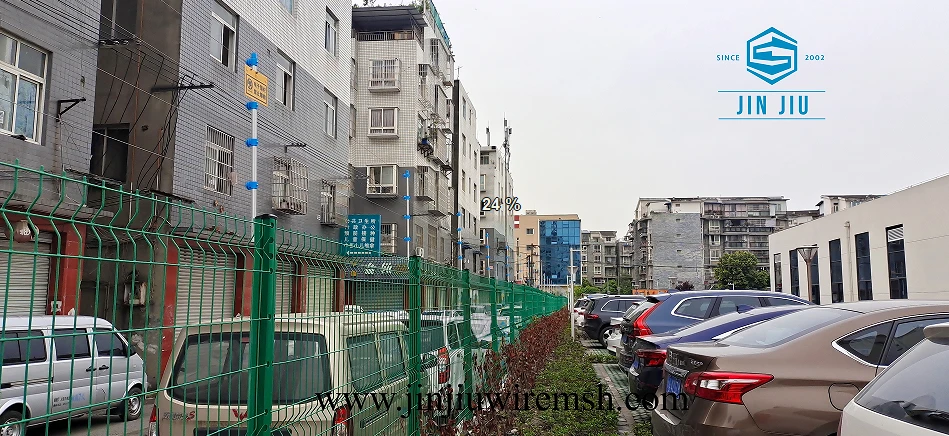
2026-02-25 15:26:58
The Digital Backbone of Modern Security: Connected Pulse Monitoring Electric Fence Architecture
The traditional concept of a perimeter has undergone a fundamental transformation.
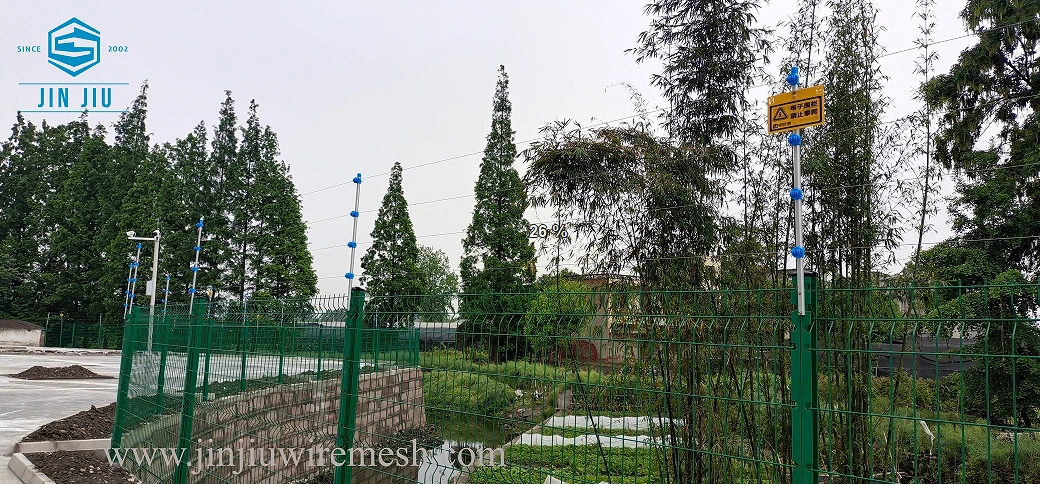
2026-02-25 15:24:13
Securing the Unreachable with a Powerful Pulse Electric Fence
In the realm of global security, the distinction between a standard boundary and a high-security perimeter is often defined by the technology pulsing through the wires.
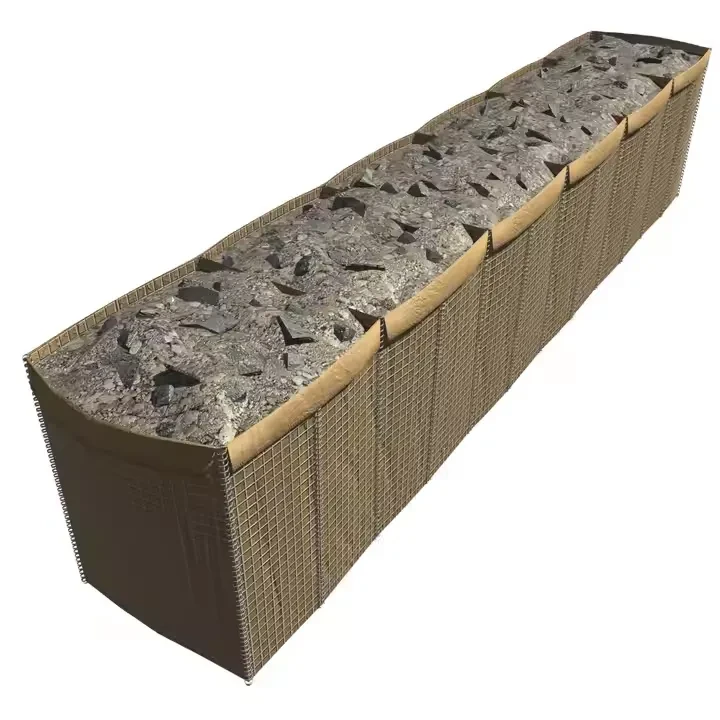
2027-04-14 00:00:00
Engineering Resilience with Explosion Proof Defensive Barriers
In an era where industrial safety and national security are increasingly intertwined, the necessity for specialized protection in volatile environments has never been higher.


 English
  Albanian
  Arabic
  Bengali
  Czech
Czech  Danish
  Dutch
Dutch  Finnish
  French
  German
  Japanese
  Malay
Malay  Persian
  Polish
  Portuguese
  Romanian
  Russian
  Serbian
  Spanish
  Swahili