





Hebei Jinjiu Metal Products Co.,Ltd


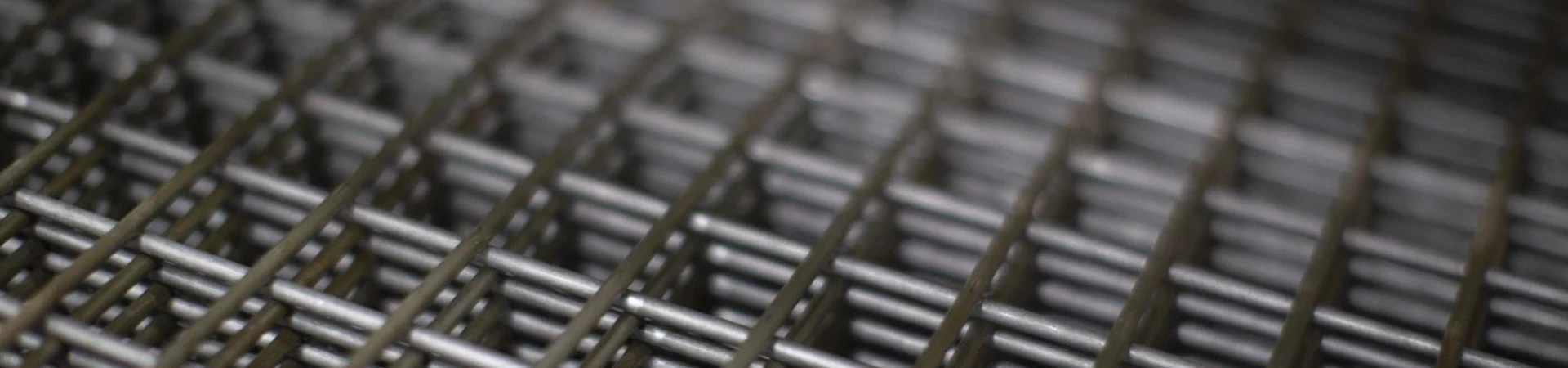

Durable Warfare Tank Barrier Wire Mesh for Military Perimeters
Jan . 06, 2026 09:45
Warfare Tank Barrier Wire Mesh: The Quiet Guardian of Boundaries
Having spent over a decade in the industrial equipment sector, I've seen my fair share of security solutions, but warfare tank barrier wire mesh particularly stands out. Frankly, it’s one of those unglamorous heroes—you don’t notice it until it has to do its job. Oddly enough, it feels like the backbone of modern perimeter defense, especially in high-risk military environments.
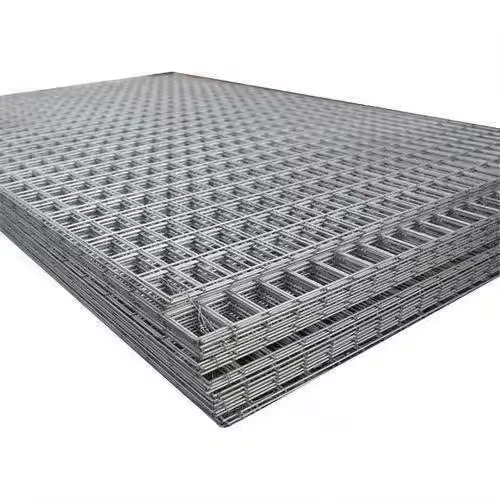
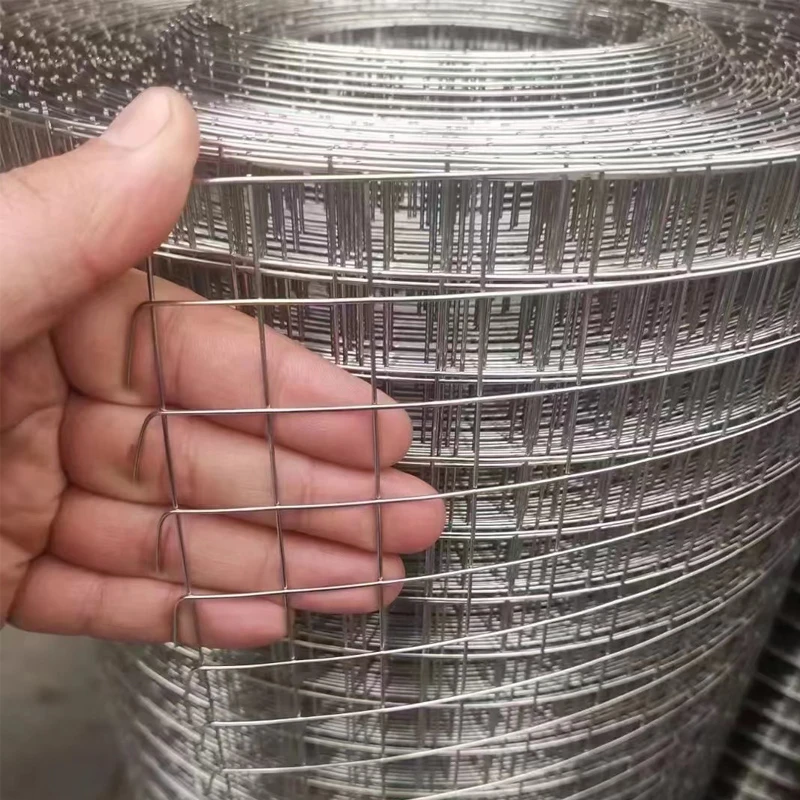
This kind of wire mesh isn’t your everyday fencing. It’s engineered to withstand tanks, heavy machinery, even attempts to bulldoze through. So, it’s rugged—usually made from high-tensile galvanized or sometimes stainless steel wire—and designed with a mesh pattern that balances strength with practicality. The mesh openings tend to be tight enough to prevent unauthorized passage but spacious enough to allow visual surveillance, which is crucial in combat zones or military installations.
What caught my attention early on was how the design had evolved. Gone are the days when a simple chain link would suffice. Modern warfare tank barrier mesh often incorporates layers: you may see double-twist wire mesh, reinforced framing, and sometimes barbed or razor wire topping it off for added security.
Testing and quality assurance are intense. In reality, these products undergo rigorous impact and stress tests—sometimes simulated live-fire or heavy equipment ramming trials. It’s crucial since lives may literally depend on this barrier holding firm. The manufacturers I trust usually share detailed specs, certifications, and compliance with military standards. You want that assurance, or else it’s just guesswork.
Customization options also play a big role. Some clients appreciate the bespoke aspect—adjusting mesh thickness, wire diameter, height, and framing to suit geography and threat level. For example, a mountainous border might require different specs versus a flat desert zone. I remember one instance where a client in the Middle East wanted the mesh to be corrosion-resistant due to salty winds while also providing quick replacement panels to facilitate repairs after debris damage. They got a custom-coated stainless option that worked for years without a hitch.
| Product Feature | Specification |
|---|---|
| Material | Galvanized High-Tensile Steel (Optional: Stainless Steel) |
| Wire Diameter | 4.0 mm – 6.0 mm |
| Mesh Size | 50 mm x 50 mm (Customizable) |
| Height | 2.0 m – 3.0 m |
| Coating | Hot-Dip Galvanized, PVC Coating, Powder Coating |
| Impact Resistance | Withstands 12-ton Vehicle Force |
Now, when it comes to choosing a vendor, the market can be a bit overwhelming, especially for first-timers. Here’s a handy comparison of three well-known manufacturers that I’ve worked with or evaluated over time:
| Vendor | Material Quality | Custom Options | Lead Time | Price Range |
|---|---|---|---|---|
| Jinjiu Wire Mesh | High-tensile Galvanized Steel | Extensive customization available | 4-6 weeks | Mid to High |
| SteelGuard Defense | Premium Stainless Steel | Limited sizes & coatings | 6-8 weeks | High |
| Fortify Mesh Co. | Galvanized Steel with PVC Coat | Moderate (standard products mostly) | 3-5 weeks | Mid |
I recall a project from a few years ago involving a NATO base upgrade where these barriers were a crucial line of defense. The engineers insisted on a design that could deter not just infantry, but also heavier vehicles trying to breach the perimeter. We went with a reinforced mesh by Jinjiu—because their customization and reliability just made sense. The installation crew even mentioned it was straightforward to assemble, which you wouldn't expect for something so robust. That’s a big deal in the field.
In use, warfare tank barrier wire mesh is more than just a physical blockade—it’s a psychological deterrent, too. Soldiers and engineers I’ve talked to often say there's a tangible peace of mind knowing the perimeter is physically and technologically solid. Case in point: it's hard to overstate how much these barriers contribute to operational security, especially when layered with other systems.
If you’re in the market for such critical infrastructure, remember this isn’t a DIY fence project. You want certified quality, proven materials, and a vendor who understands the specific demands of military environments. It’s kind of an investment in both safety and strategic advantage.
Ultimately, warfare tank barrier wire mesh reminds me — in this high-tech era — that sometimes, the simplest physical defenses remain indispensable. You don’t see them until you need them, but when you do, there’s no substitute.
Stay safe, stay prepared. That’s industry wisdom I’d wager on.
References:
- Military Standards on Perimeter Security, NATO Documentation.
- Industrial Wire Mesh Materials & Testing, Journal of Defense Engineering.
- Jinjiu Wire Mesh Product Catalog and Technical Sheets.

Related Products

Related News


2026-03-16 14:21:07
Discover durable farming solutions and flexible animal containment with hinge-knot field fence. Combining impact-resistant design and customizable options, Hebei Jinjiu ensures quality for agricultural applications. Explore now: https://www.jinjiuwiremesh.com/field-fencefarm-fence.html
2026-03-16 14:21:07
Discover durable farming solutions and flexible animal containment with hinge-knot field fence. Combining impact-resistant design and customizable options, Hebei Jinjiu ensures quality for agricultural applications. Explore now: https://www.jinjiuwiremesh.com/field-fencefarm-fence.html
2027-04-14 00:00:00
Discover durable farming solutions and flexible animal containment with hinge-knot field fence. Combining impact-resistant design and customizable options, Hebei Jinjiu ensures quality for agricultural applications. Explore now: https://www.jinjiuwiremesh.com/field-fencefarm-fence.html
2026-02-25 15:31:06
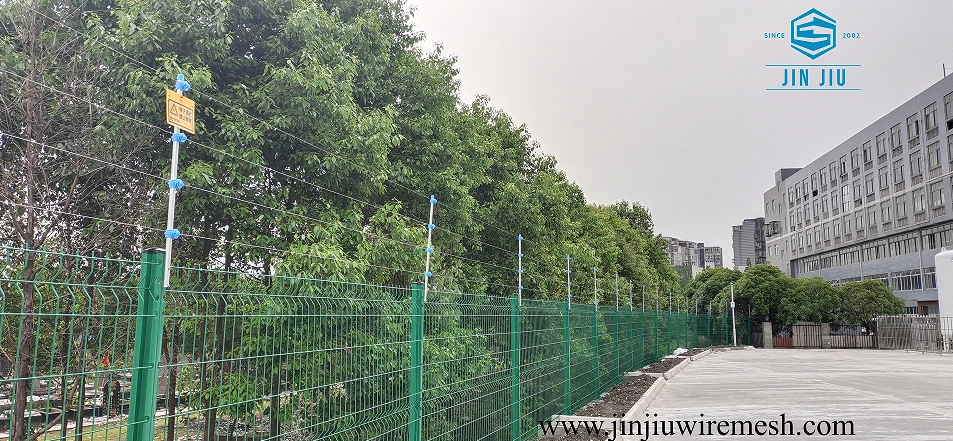
The Strategic Role of the Industrial Electric Fence in Modern Commerce
The protection of corporate and manufacturing assets has transitioned from a matter of simple boundary marking to a complex necessity of risk management.
2026-02-25 15:29:03
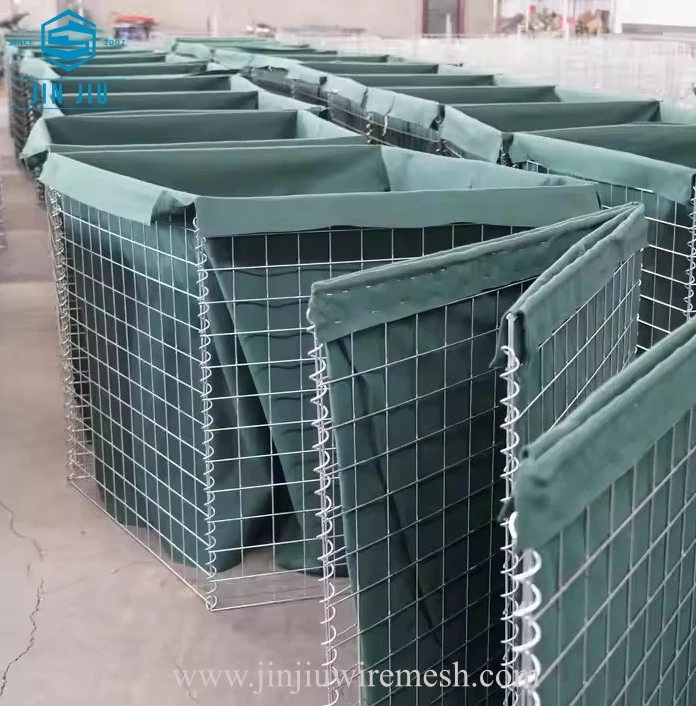
The Evolution of Physical Protection: Bullet Resistant Defensive Barriers in Modern Security
In an increasingly unpredictable global landscape, the requirement for high-level ballistic protection has moved beyond the battlefield and into the core of civilian and industrial security infrastructure.
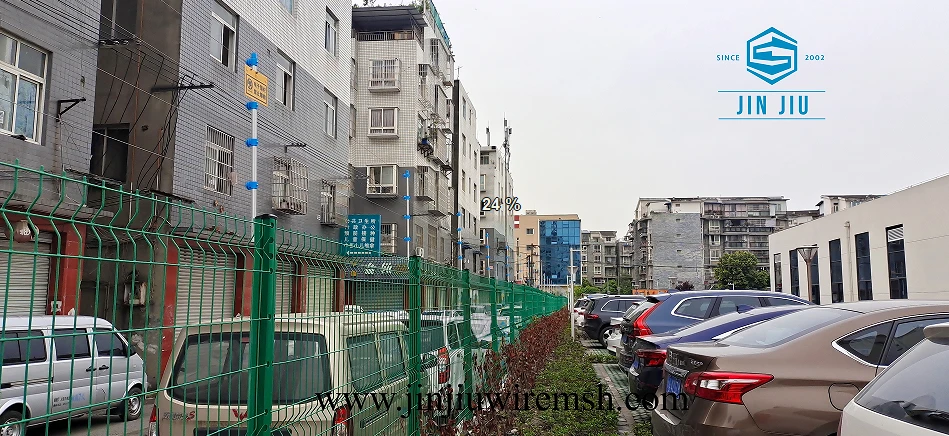
2026-02-25 15:26:58
The Digital Backbone of Modern Security: Connected Pulse Monitoring Electric Fence Architecture
The traditional concept of a perimeter has undergone a fundamental transformation.
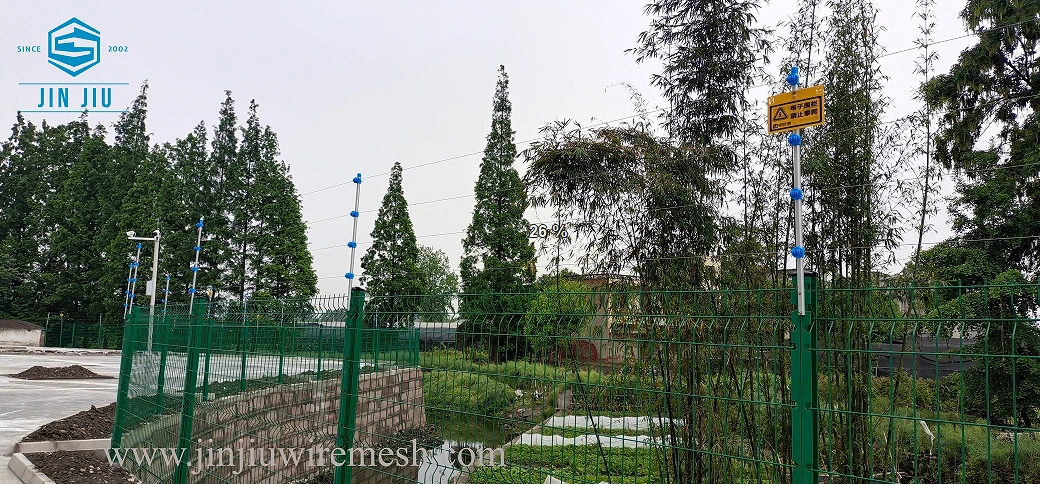
2026-02-25 15:24:13
Securing the Unreachable with a Powerful Pulse Electric Fence
In the realm of global security, the distinction between a standard boundary and a high-security perimeter is often defined by the technology pulsing through the wires.
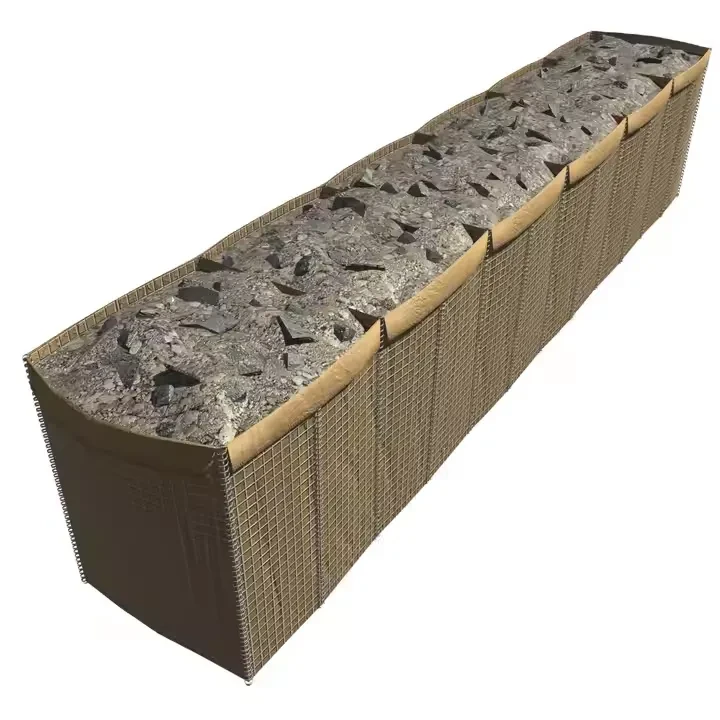
2027-04-14 00:00:00
Engineering Resilience with Explosion Proof Defensive Barriers
In an era where industrial safety and national security are increasingly intertwined, the necessity for specialized protection in volatile environments has never been higher.


 English
  Albanian
  Arabic
  Bengali
  Czech
Czech  Danish
  Dutch
Dutch  Finnish
  French
  German
  Japanese
  Malay
Malay  Persian
  Polish
  Portuguese
  Romanian
  Russian
  Serbian
  Spanish
  Swahili