





Hebei Jinjiu Metal Products Co.,Ltd


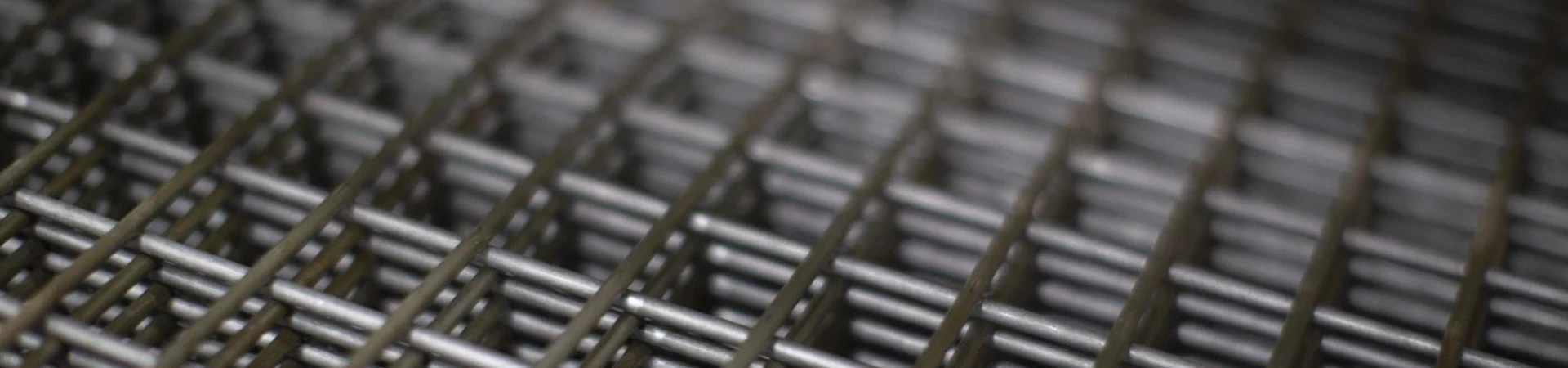

Durable & Customizable Anti Tank Track Mesh | Jinjiu Wire Mesh
Dec . 08, 2025 10:00
Understanding anti tank track mesh in Industrial Defense Applications
Having spent a fair share of my career wrestling with industrial-grade materials and battlefield-grade barriers, anti tank track mesh always struck me as a rather fascinating piece of engineering. You don’t stumble upon it in everyday industry chatter, but field operators and defense contractors know its value — especially when it comes to protecting critical assets from the heavy, slow but devastating assault of tank treads.
Frankly, if you’re new to this terrain, the concept is straightforward: it’s a special type of wire mesh designed to immobilize or slow down tanks by snagging and damaging their tracks. It feels like a simple solution, but the devil is in the details — and the quality of the product can be a game-changer.
From what I have gathered over the years, the core of this mesh revolves around toughness and precision. It’s not your garden-variety fencing or security mesh, that’s for sure. Typically fabricated from galvanized steel wire or sometimes stainless steel, the mesh carries a high tensile strength to withstand the immense pressure exerted by tank tracks (we’re talking multiple tons per square inch).
One thing I noticed early on: the mesh spacing and wire diameter are carefully calibrated. Too loose, and tracks slip right over; too dense, and the system becomes unnecessarily heavy and costly. Many engineers, from what I recall in various project meetings, stress the importance of striking the right balance. The anti tank track mesh that is too rigid can even break under extreme pressure, losing effectiveness.
Customization is also very common. For instance, some clients require coating the mesh with anti-corrosion layers to endure harsh climates — salty coastal zones or freezing tundras, where rusting could render it useless within months. Others prefer modular sizes for easy deployment and replacement in the field. Oddly enough, the adaptability of these meshes to specific terrains can often determine the success of a defensive perimeter.
Product Specifications Snapshot
| Specification | Details |
|---|---|
| Material | Galvanized Steel / Stainless Steel |
| Wire Diameter | 4 mm – 8 mm (customizable) |
| Mesh Opening Size | 50 mm x 50 mm to 100 mm x 100 mm |
| Coating | Hot-dipped galvanized / PVC coated (optional) |
| Roll Length | 10 m standard (custom lengths available) |
| Tensile Strength | ≥ 1200 MPa |
It’s worth noting the rigorous testing protocols many vendors enforce. In fact, I remember one project where the mesh was subject to repeated pressure testing that simulated tank track friction and sheer force. If the mesh deformed or snapped, it simply failed the job. These products need to last in extreme conditions — no ifs, ands, or buts.
Comparing Leading Anti Tank Track Mesh Vendors
| Vendor | Material Options | Customization | Price Range | Lead Time |
|---|---|---|---|---|
| Jinjiu Wire Mesh | Galvanized / Stainless Steel | Roll size, coating, wire thickness | $$ - Competitive | 2–3 weeks |
| ArmorMesh Corp | High Carbon Steel | Limited coating options | $$$ | 4–5 weeks |
| DefendWire Systems | Stainless Steel Only | Highly customizable but costly | $$$$ | 3–4 weeks |
Honestly, when I first saw the anti tank track mesh from Jinjiu Wire Mesh, their combination of quality, customization options, and lead time stood out. It’s not just about raw specs — their ability to meet client-specific demands quickly often tips the scale. I recall a customer who was scrambling to install perimeter defenses before a deadline, and Jinjiu managed to deliver without compromising the mesh durability. That’s not something you find in every supplier.
Ultimately, the right mesh can save lives and equipment in real terms. It’s an unsung hero in defensive setups, quietly doing its job when it matters. If you’re looking into anti tank track mesh, don’t just consider price — look at material integrity, vendor responsiveness, and the actual field performance feedback.
In closing, other industries might overlook mesh, but in mine, it’s a silent guardian with a powerful punch.
- “Field Testing Standards for Military Grade Mesh Materials,” Defense Materials Journal, 2021.
- Interview with a Defense Engineer, March 2023.
- “Advances in Galvanized Wire Technology,” Industrial Wire Review, 2022.

Related Products

Related News


2026-03-16 14:21:07
Discover durable farming solutions and flexible animal containment with hinge-knot field fence. Combining impact-resistant design and customizable options, Hebei Jinjiu ensures quality for agricultural applications. Explore now: https://www.jinjiuwiremesh.com/field-fencefarm-fence.html
2026-03-16 14:21:07
Discover durable farming solutions and flexible animal containment with hinge-knot field fence. Combining impact-resistant design and customizable options, Hebei Jinjiu ensures quality for agricultural applications. Explore now: https://www.jinjiuwiremesh.com/field-fencefarm-fence.html
2027-04-14 00:00:00
Discover durable farming solutions and flexible animal containment with hinge-knot field fence. Combining impact-resistant design and customizable options, Hebei Jinjiu ensures quality for agricultural applications. Explore now: https://www.jinjiuwiremesh.com/field-fencefarm-fence.html
2026-02-25 15:31:06
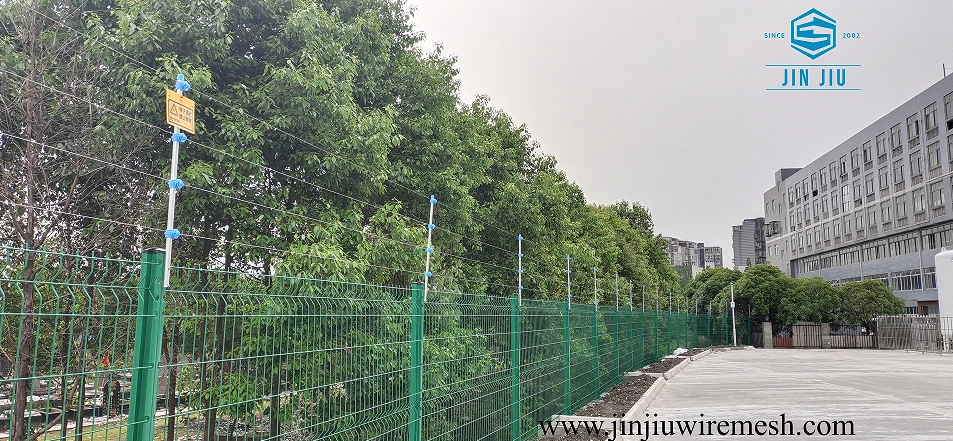
The Strategic Role of the Industrial Electric Fence in Modern Commerce
The protection of corporate and manufacturing assets has transitioned from a matter of simple boundary marking to a complex necessity of risk management.
2026-02-25 15:29:03
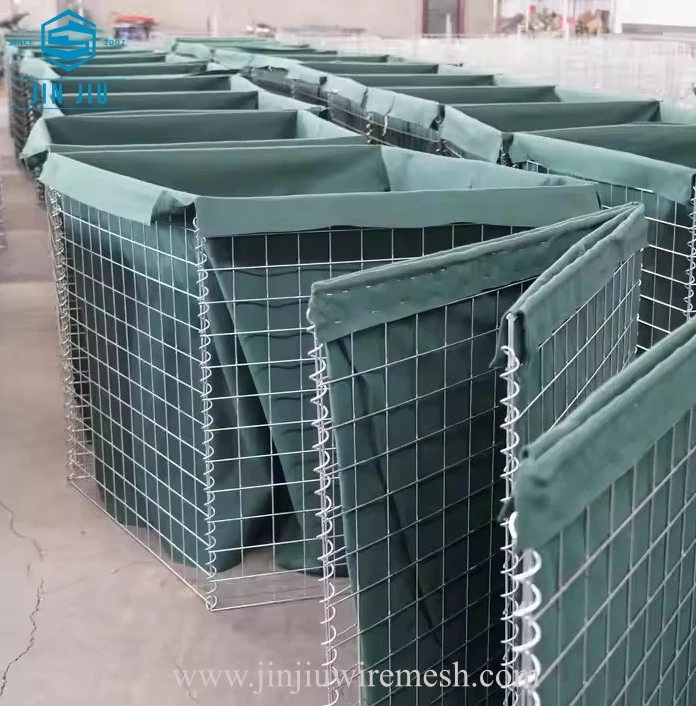
The Evolution of Physical Protection: Bullet Resistant Defensive Barriers in Modern Security
In an increasingly unpredictable global landscape, the requirement for high-level ballistic protection has moved beyond the battlefield and into the core of civilian and industrial security infrastructure.
2026-02-25 15:26:58
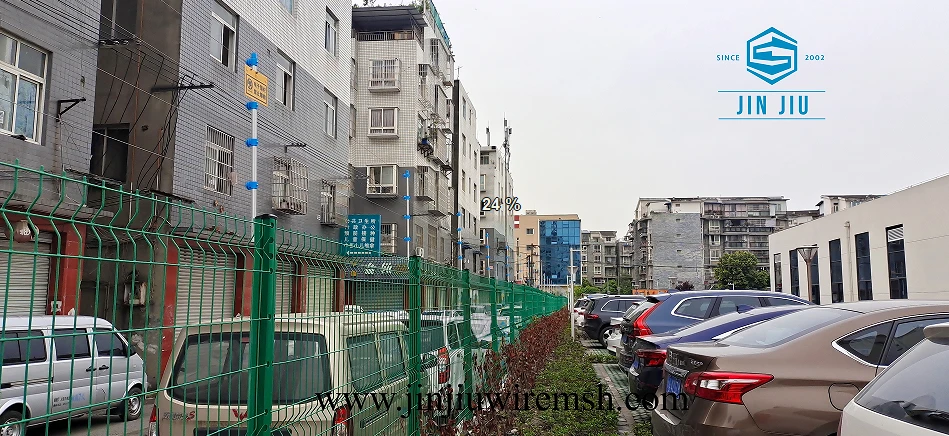
The Digital Backbone of Modern Security: Connected Pulse Monitoring Electric Fence Architecture
The traditional concept of a perimeter has undergone a fundamental transformation.
2026-02-25 15:24:13
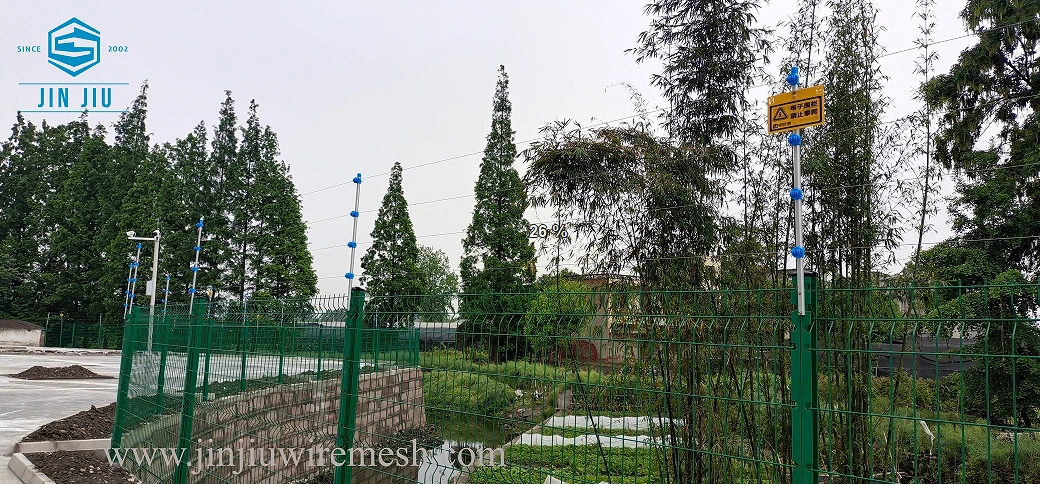
Securing the Unreachable with a Powerful Pulse Electric Fence
In the realm of global security, the distinction between a standard boundary and a high-security perimeter is often defined by the technology pulsing through the wires.
2027-04-14 00:00:00
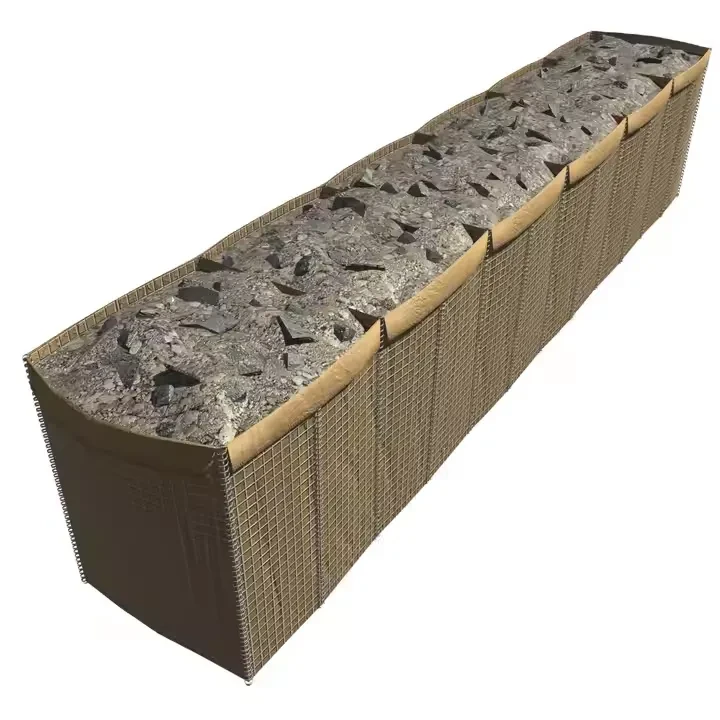
Engineering Resilience with Explosion Proof Defensive Barriers
In an era where industrial safety and national security are increasingly intertwined, the necessity for specialized protection in volatile environments has never been higher.


 English
  Albanian
  Arabic
  Bengali
  Czech
Czech  Danish
  Dutch
Dutch  Finnish
  French
  German
  Japanese
  Malay
Malay  Persian
  Polish
  Portuguese
  Romanian
  Russian
  Serbian
  Spanish
  Swahili