





Hebei Jinjiu Metal Products Co.,Ltd


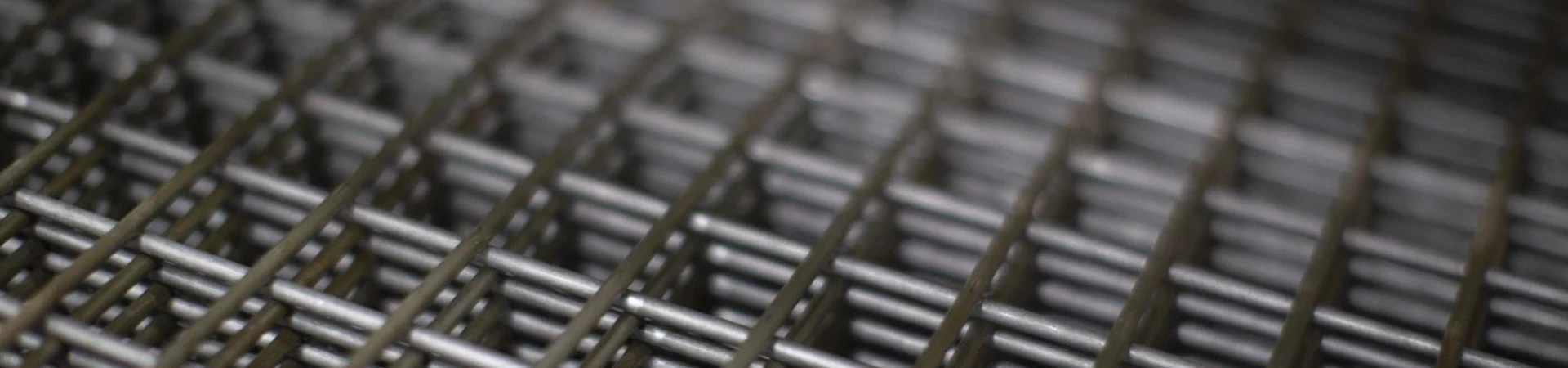

Tank Track Wrapping Obstacle Wire Mesh | Durable Military-Grade Mesh
Dec . 12, 2025 10:10
Tank Track Wrapping Obstacle Wire Mesh: A Veteran's Perspective
If you’ve ever spent time around armored vehicles or in the industrial security sector, you’ll know that the materials used for battlefield or perimeter obstacles aren’t just about brute force — there’s a subtle art to choosing the right tank track wrapping obstacle wire mesh. Frankly, it’s a niche that combines rugged engineering with surprisingly delicate considerations.
Having worked alongside engineers who specify these materials for defense installations and demining operations, I’ve seen how the choice of wire mesh impacts vehicle mobility and obstacle integrity. The mesh isn’t just “wire on a roll” — it needs to withstand tension, resist corrosion, and be flexible enough to wrap tightly around tank tracks, hence the name.
Oddly enough, the balance between tensile strength and mesh flexibility is critical. Too stiff, and it tears under pressure or becomes a logistical nightmare to deploy; too loose, and it doesn’t impede the tracks effectively. That’s why many professionals gravitate towards high tensile galvanized steel wire—its resilience to rust and stress makes a tangible difference in the field.
In real terms, this wire mesh is often paired with obstacle wire rolls or concertina wire to create layered barrier systems. But what makes tank track wrapping wire mesh stand apart is its open mesh pattern combined with wire diameters optimized for durability yet manageable weight.
Here’s a quick rundown of typical product specs I’ve worked with or examined closely:
| Specification | Details |
|---|---|
| Material | High tensile galvanized steel wire |
| Wire diameter | 3.0 mm to 4.5 mm |
| Mesh cell size | 50 mm x 100 mm (approx.) |
| Roll width | 1 m to 2 m |
| Coating | Hot-dip galvanized (to resist corrosion) |
| Weight per roll | 25 to 40 kg (depending on width and wire diameter) |
One customer story I recall — a security contractor was working to strengthen a temporary checkpoint perimeter, and after switching to this type of mesh, they noticed both faster installation times and a noticeably stronger obstacle against tracked vehicles trying to breach. It's the kind of feedback that makes you appreciate the technical details behind these products.
When it comes to vendors, not all mesh is created equal. From my experience and chats with procurement teams, the differences often come down to manufacturing standards and customization options — such as varying mesh widths, wire thicknesses, and specialized coatings for different climates.
| Feature | Vendor A | Vendor B | Vendor C |
|---|---|---|---|
| Wire Quality | High tensile galvanized | Standard galvanized | Stainless steel (premium) |
| Customization Options | Yes - wire diameters, widths | Limited | Yes, but at higher prices |
| Pricing | Mid-range | Low | High |
| Lead Time | 2-3 weeks | 1-2 weeks | 4-6 weeks |
| Warranty | 1 year corrosion resistance | None | 2 years plus maintenance options |
If you’re in the business, you’ll know the choice isn’t just about specs. There’s something about the practical deployment and the product’s life cycle that matters most — you want something reliable, predictable, and simple enough so the teams can handle it in real conditions without fuss.
So, I suppose my takeaway from years on this is: don’t underestimate the humble wire mesh. Especially the tank track wrapping obstacle wire mesh variety—it’s where engineering finesse meets battlefield practicality. It’s less glamorous than missiles or vehicles but equally critical when you think about perimeter defense.
Hope that gives you a bit of a window into the rugged yet refined world of industrial obstacle mesh. It’s a niche, yes, but seriously fascinating when you get into the details.
References:
- Industry white papers on galvanized steel wire mesh applications
- User testimonials from security contractors and defense procurement teams
- Material specifications from leading mesh manufacturers

Related Products

Related News


2026-03-16 14:21:07
Discover durable farming solutions and flexible animal containment with hinge-knot field fence. Combining impact-resistant design and customizable options, Hebei Jinjiu ensures quality for agricultural applications. Explore now: https://www.jinjiuwiremesh.com/field-fencefarm-fence.html
2026-03-16 14:21:07
Discover durable farming solutions and flexible animal containment with hinge-knot field fence. Combining impact-resistant design and customizable options, Hebei Jinjiu ensures quality for agricultural applications. Explore now: https://www.jinjiuwiremesh.com/field-fencefarm-fence.html
2027-04-14 00:00:00
Discover durable farming solutions and flexible animal containment with hinge-knot field fence. Combining impact-resistant design and customizable options, Hebei Jinjiu ensures quality for agricultural applications. Explore now: https://www.jinjiuwiremesh.com/field-fencefarm-fence.html
2026-02-25 15:31:06
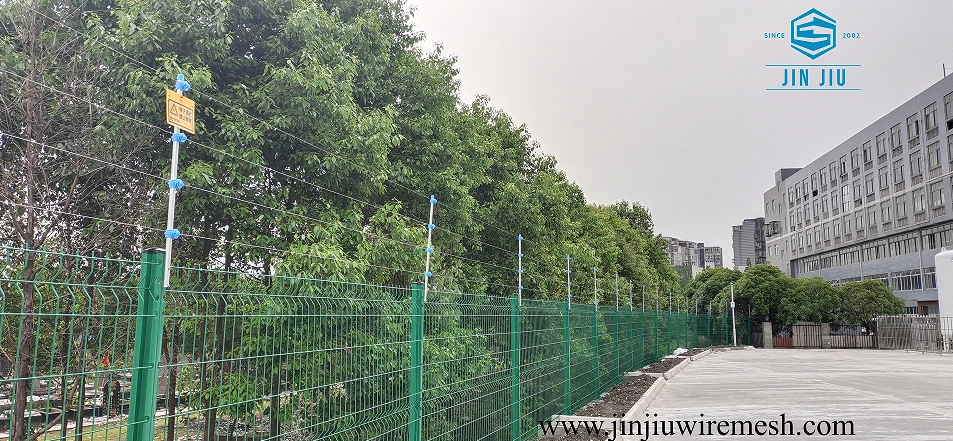
The Strategic Role of the Industrial Electric Fence in Modern Commerce
The protection of corporate and manufacturing assets has transitioned from a matter of simple boundary marking to a complex necessity of risk management.
2026-02-25 15:29:03
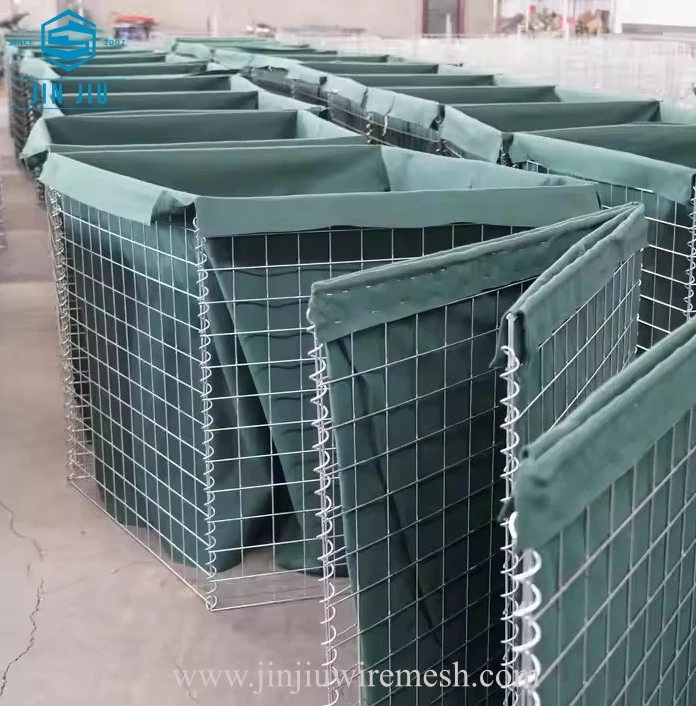
The Evolution of Physical Protection: Bullet Resistant Defensive Barriers in Modern Security
In an increasingly unpredictable global landscape, the requirement for high-level ballistic protection has moved beyond the battlefield and into the core of civilian and industrial security infrastructure.
2026-02-25 15:26:58
The Digital Backbone of Modern Security: Connected Pulse Monitoring Electric Fence Architecture
The traditional concept of a perimeter has undergone a fundamental transformation.
2026-02-25 15:24:13
Securing the Unreachable with a Powerful Pulse Electric Fence
In the realm of global security, the distinction between a standard boundary and a high-security perimeter is often defined by the technology pulsing through the wires.
2027-04-14 00:00:00
Engineering Resilience with Explosion Proof Defensive Barriers
In an era where industrial safety and national security are increasingly intertwined, the necessity for specialized protection in volatile environments has never been higher.


 English
  Albanian
  Arabic
  Bengali
  Czech
Czech  Danish
  Dutch
Dutch  Finnish
  French
  German
  Japanese
  Malay
Malay  Persian
  Polish
  Portuguese
  Romanian
  Russian
  Serbian
  Spanish
  Swahili