





Hebei Jinjiu Metal Products Co.,Ltd



Anti Tank Mesh Barriers | Durable, Scalable & Cost-Effective Defense Solutions
Dec . 03, 2025 12:36
Understanding Anti Tank Mesh Barriers: Critical Defense and Infrastructure Tools
Anti tank mesh barriers — you’ve probably heard the term in military or infrastructure contexts, but what exactly are they and why should anyone outside of defense circles care? Frankly, these structures play a surprisingly vital role in fortifying safety and peace in conflict-prone areas worldwide. On a global scale, these barriers help slow or deter advancing armored vehicles, preventing escalation and protecting civilian zones. Beyond that, their modular and durable design offers versatile use, including crowd control and land stabilization in some cases — a neat bit of cross-industry utility.
Grasping how these mesh barriers work isn’t just for military experts. Governments, humanitarian organizations, and industries in vulnerable zones all stand to gain from understanding their key benefits: flexibility, durability, and cost-effectiveness. The right barrier can literally mean the difference between catastrophic damage and security.
Global Context: Why Anti Tank Mesh Barriers Matter Now
In today’s geopolitical climate, conflicts involving armored vehicles remain sadly common. According to data collated by the United Nations (UN) and various defense research bodies, over 50 active ground conflicts worldwide involve tank or armored vehicle deployment — and the need for effective perimeter control grows accordingly. Challenges arise because traditional concrete or steel barriers are heavy and hard to relocate quickly. Enter anti tank mesh barriers: lighter, modular, and often quicker to deploy, they fill a niche in both static defense and agile responses.
Oddly enough, these barriers are also gaining traction beyond the military. Anti tank mesh barriers are being adapted for critical infrastructure protection, vital industrial sites, and even wildlife conservation zones where rugged terrain demands resilient, yet permeable, physical control measures.
What Exactly Are Anti Tank Mesh Barriers?
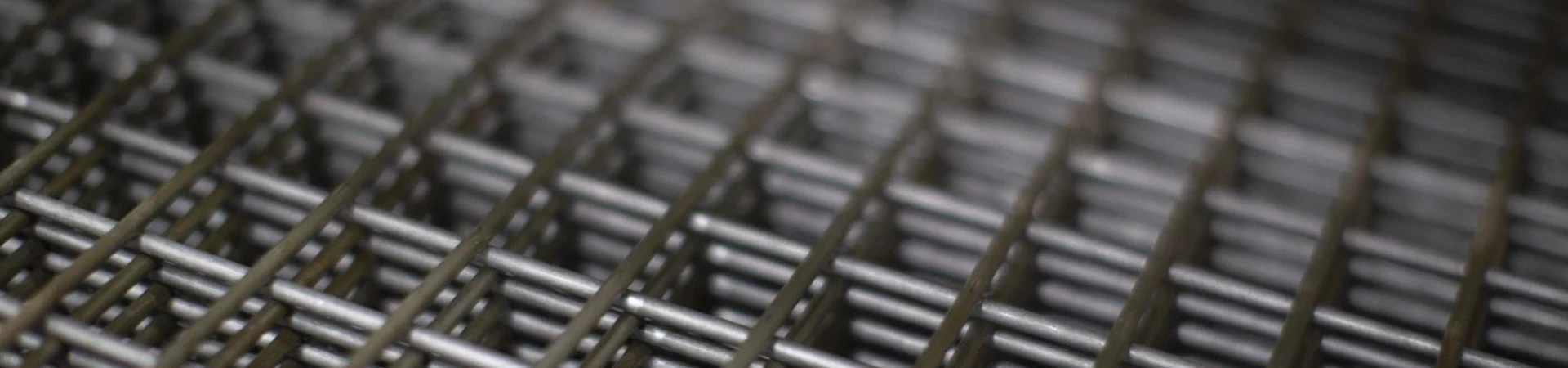
Simply put, anti tank mesh barriers are heavy-duty mesh panels designed to resist penetration by armored vehicles like tanks and APCs (Armored Personnel Carriers). Unlike solid walls, they rely on interlocked steel wires or metal rods arranged in crisscrossed grids. This mesh dissipates impact force and blocks or traps the vehicle’s wheels or tracks.
This design stems from a blend of military engineering and industrial material science, marrying strength with scalability. The barriers can be stacked or connected to form longer defensive lines without excessively increasing weight or footprint — essential in deploying think-tank tactics or border security.
Because they are often galvanized or coated with anti-corrosion materials, they hold up well outdoors, even under harsh weather or chemical exposure. This robustness made them a favorite for decades, with modern innovations further enhancing their durability and ease of installation.
Core Components & Key Aspects of Anti Tank Mesh Barriers
1. Durability
At their core, these barriers must withstand severe mechanical stress and environmental wear. Made from high-tensile steel and typically hot-dip galvanized, the mesh resists rust and deformation. This longevity matters because replacing or repairing under conflict conditions is both costly and dangerous.
2. Scalability and Modularity
The modular design means these mesh panels can be assembled quickly in various configurations. Stacked vertically or connected side-by-side, they adjust seamlessly to landscape contours. For engineers and military logisticians, this saves time and labor without sacrificing protection.
3. Cost Efficiency
Compared to concrete anti-tank walls or reinforced steel blocks, mesh barriers are surprisingly affordable—especially considering their portability. Lifespan and reduced deployment time also cut long-term expenses, a fact nonprofits and governments find especially compelling.
4. Ease of Deployment
Because the barriers are relatively lightweight and packable, they can be airlifted or moved via flatbeds readily. This flexibility allows rapid response to emerging conflicts or humanitarian crises needing area denial or evacuation corridors.
5. Environmental Adaptability
Given their open mesh design, they minimally disrupt local flora and fauna compared to solid walls. Some manufacturers include anti-climb features or camouflage finishes, which enhance operational usefulness in diverse environments.
Typical Product Specifications for Anti Tank Mesh Barriers
| Specification | Details |
|---|---|
| Material | High-tensile galvanized steel wire |
| Mesh Size | Approx. 10cm x 10cm grid |
| Height per Panel | 1.2 to 2 meters |
| Weight | ~25 to 40 kg per panel |
| Surface Treatment | Electro-galvanized or hot-dip galvanized |
| Installation Time | Less than 30 minutes per panel (average) |
Global Applications & Use Cases
Across conflict zones in Eastern Europe, the Middle East, and parts of Africa, anti tank mesh barriers provide frontline defense. They help slow tank advances, buy time for troops, and safeguard civilian evacuations. The Ukraine conflict, for instance, has highlighted the widespread use of these barricades.
Beyond battlefields, these barriers appear in protecting critical infrastructure like energy plants and transport hubs worldwide. Their use has been documented in securing oil pipelines in remote regions, where rapid deployment is a tactical must.
Interestingly, some conservation groups have experimented with anti tank mesh barriers to create wildlife corridors that prevent vehicular intrusion without fully obstructing animal movement or airflow. This showcases a humanitarian crossover rarely discussed.
Vendor Comparison: Leading Anti Tank Mesh Barrier Providers
| Vendor | Typical Panel Weight | Galvanizing Method | Deploy Time per Panel | Price Range (USD) |
|---|---|---|---|---|
| SteelGuard | 40 kg | Hot-dip galvanized | 25 min | $150-$200 |
| FortiMesh | 32 kg | Electro-galvanized | 28 min | $130-$170 |
| Jinjiu Wire Mesh | 25-38 kg | Hot-dip galvanized, customizable | 20-30 min | $140-$190 |
Advantages and Long-Term Value of Anti Tank Mesh Barriers
When you weigh the pros, it feels like these barriers punch above their weight class. Cost-wise, because they’re reusable and easy to maintain, governments and organizations save millions compared to permanent concrete installations.
Sustainability also factors heavily here: the galvanized steel mesh lasts decades, and their modular nature allows for relocation rather than demolition. This reduces material waste — a small but meaningful environmental win.
On a social level, these barriers protect lives and property without creating the psychological and visual barrier effects of solid walls. There's an intangible dignity retained when people can still see beyond a boundary; in conflict zones, this can ease community tensions.
Looking Ahead: Trends and Innovations
The future of anti tank mesh barriers is increasingly tied to smart technologies. Some innovators are embedding sensors and IoT devices into barriers, enabling real-time detection of tampering or vehicle impacts. This digital transformation, frankly, adds a whole new layer of defense.
Materials science is another frontier. Research into composite alloys and corrosion-resistant coatings promises to further extend operational lifetimes while reducing weight. Eco-conscious users will also appreciate advances in green manufacturing protocols.
Challenges and Solutions
No product is perfect. Sometimes mesh barriers can be vulnerable to explosives or heavy bulldozers, demanding supplementary defense layers. Installation in rugged or frozen terrain is tricky, too — anchoring needs special engineering.
Experts recommend combining mesh barriers with trench systems or anti-ram bollards for comprehensive defense. Innovations like robotic assembly or drone reconnaissance support faster, safer deployment — meaning solutions are evolving rapidly to close existing gaps.
FAQ: Common Questions About Anti Tank Mesh Barriers
-
Q: How quickly can anti tank mesh barriers be deployed in emergency scenarios?
A: Deployment speed varies, but most panels can be installed within 20-30 minutes by a trained crew, enabling rapid perimeter setup in conflict or disaster zones. -
Q: Are these barriers reusable after a conflict ends?
A: Yes. Their modular steel construction allows for disassembly, transport, and redeployment with minimal loss of integrity, helping reduce costs over time. -
Q: Do these mesh barriers work only for military applications?
A: Not exclusively. While designed for anti-vehicle defense, they also protect infrastructural sites, control crowds, and aid in certain environmental protections. -
Q: Can the barriers be customized for different terrain types?
A: Absolutely. Vendors offer modular designs and anchoring options suitable for muddy, rocky, or uneven terrains, integral for diverse deployment zones. -
Q: How do these barriers compare to traditional concrete blocks in terms of cost and efficiency?
A: Typically, mesh barriers are more cost-effective in both initial investment and deployment time. They offer comparable protection while being lightweight and easier to handle.
Conclusion
To sum up, anti tank mesh barriers stand as unsung heroes in the defense and infrastructure sectors—combining affordability, flexibility, and resilience. Their rising prominence is no accident but a response to real global demands for smarter, faster, and more adaptable protective solutions.
Whether safeguarding conflict zones or securing vital industrial assets, investing time to understand and utilize anti tank mesh barriers pays dividends in safety and longevity. If you’re in the market for reliable and innovative perimeter defense, do visit our site for tailored solutions.
Takeaway: In a world where security needs evolve fast, anti tank mesh barriers blend tradition and innovation in protection.
References

Related Products

Related News


2026-03-16 14:21:07
Discover durable farming solutions and flexible animal containment with hinge-knot field fence. Combining impact-resistant design and customizable options, Hebei Jinjiu ensures quality for agricultural applications. Explore now: https://www.jinjiuwiremesh.com/field-fencefarm-fence.html
2026-03-16 14:21:07
Discover durable farming solutions and flexible animal containment with hinge-knot field fence. Combining impact-resistant design and customizable options, Hebei Jinjiu ensures quality for agricultural applications. Explore now: https://www.jinjiuwiremesh.com/field-fencefarm-fence.html
2027-04-14 00:00:00
Discover durable farming solutions and flexible animal containment with hinge-knot field fence. Combining impact-resistant design and customizable options, Hebei Jinjiu ensures quality for agricultural applications. Explore now: https://www.jinjiuwiremesh.com/field-fencefarm-fence.html
2026-02-25 15:31:06
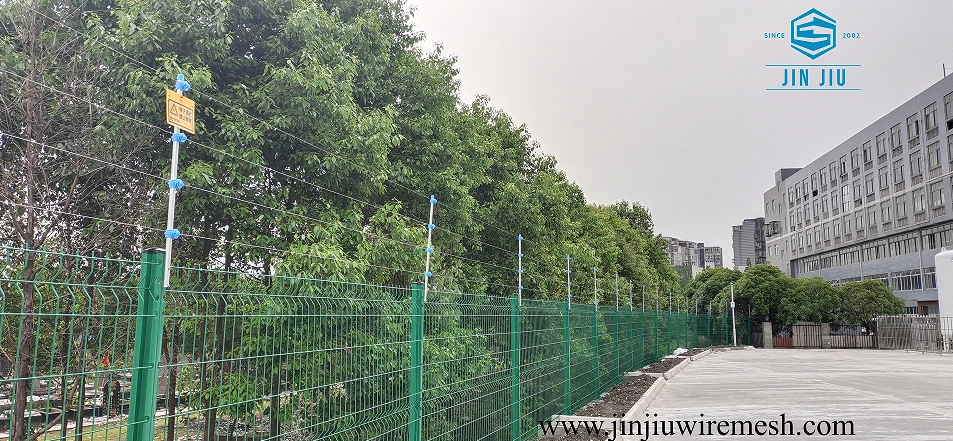
The Strategic Role of the Industrial Electric Fence in Modern Commerce
The protection of corporate and manufacturing assets has transitioned from a matter of simple boundary marking to a complex necessity of risk management.
2026-02-25 15:29:03
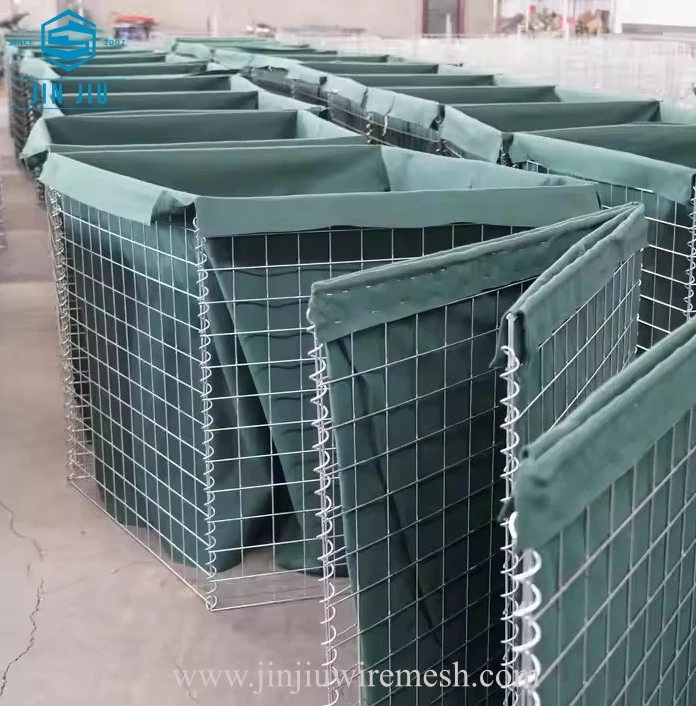
The Evolution of Physical Protection: Bullet Resistant Defensive Barriers in Modern Security
In an increasingly unpredictable global landscape, the requirement for high-level ballistic protection has moved beyond the battlefield and into the core of civilian and industrial security infrastructure.
2026-02-25 15:26:58
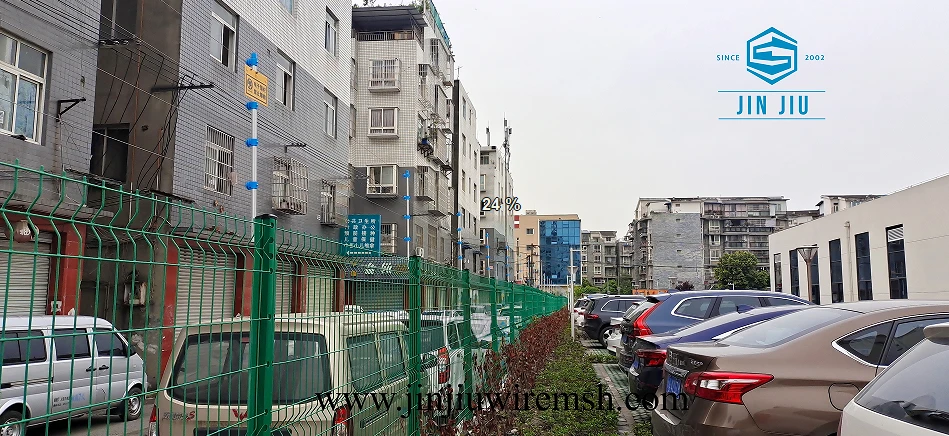
The Digital Backbone of Modern Security: Connected Pulse Monitoring Electric Fence Architecture
The traditional concept of a perimeter has undergone a fundamental transformation.
2026-02-25 15:24:13
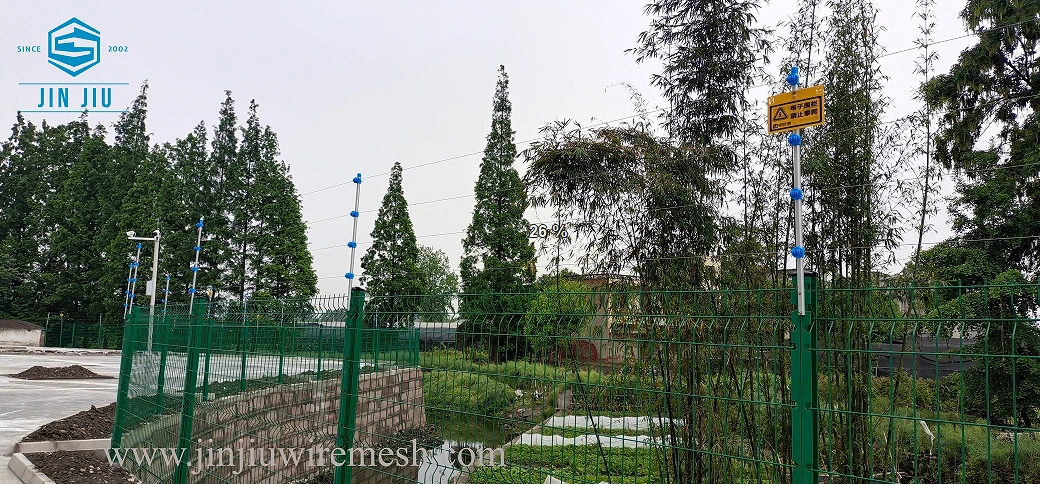
Securing the Unreachable with a Powerful Pulse Electric Fence
In the realm of global security, the distinction between a standard boundary and a high-security perimeter is often defined by the technology pulsing through the wires.
2027-04-14 00:00:00
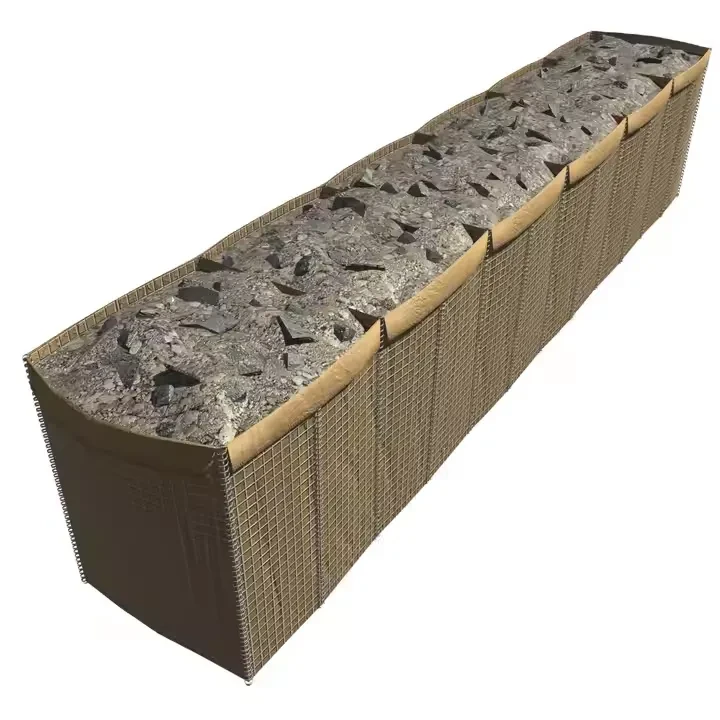
Engineering Resilience with Explosion Proof Defensive Barriers
In an era where industrial safety and national security are increasingly intertwined, the necessity for specialized protection in volatile environments has never been higher.


 English
  Albanian
  Arabic
  Bengali
  Czech
Czech  Danish
  Dutch
Dutch  Finnish
  French
  German
  Japanese
  Malay
Malay  Persian
  Polish
  Portuguese
  Romanian
  Russian
  Serbian
  Spanish
  Swahili