





Hebei Jinjiu Metal Products Co.,Ltd



Comprehensive Guide to Anti Tank Barrier Metal Mesh | Jinjiu Wire Mesh
Dec . 11, 2025 07:20
Anti Tank Barrier Metal Mesh is a key solution in the industry, specifically within security and defense infrastructure. This article explores how Jinjiu Wire Mesh supports professionals with durable, high-performance products, and explains why this product is an ideal choice for businesses in these sectors.
Table of Contents
- Anti Tank Barrier Metal Mesh Overview
- Benefits & Use Cases of Anti Tank Barrier Metal Mesh
- Cost, Maintenance & User Experience
- Sustainability & Market Trends
- Frequently Asked Questions
- Conclusion on Anti Tank Barrier Metal Mesh from China
Anti Tank Barrier Metal Mesh Overview
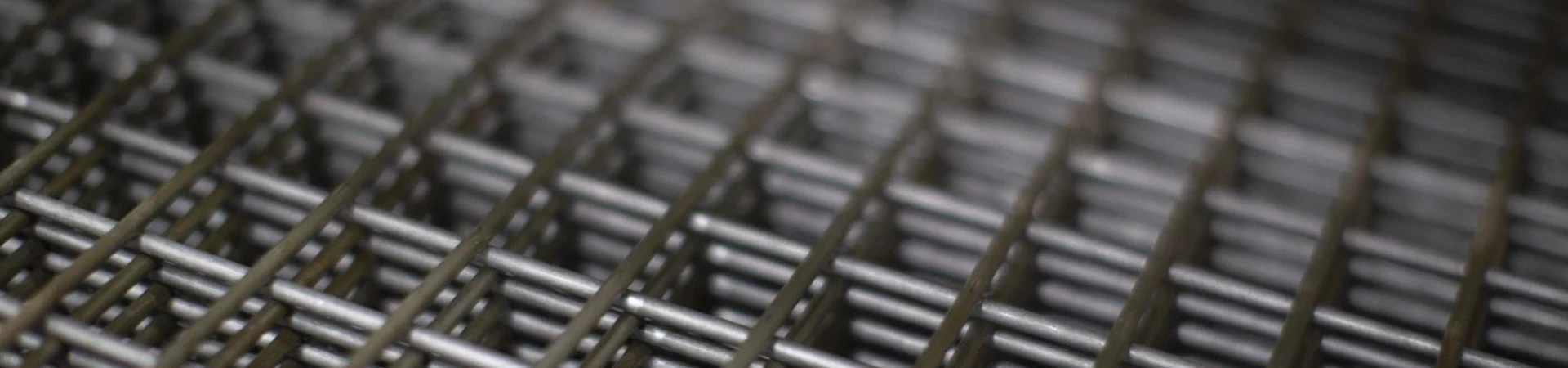
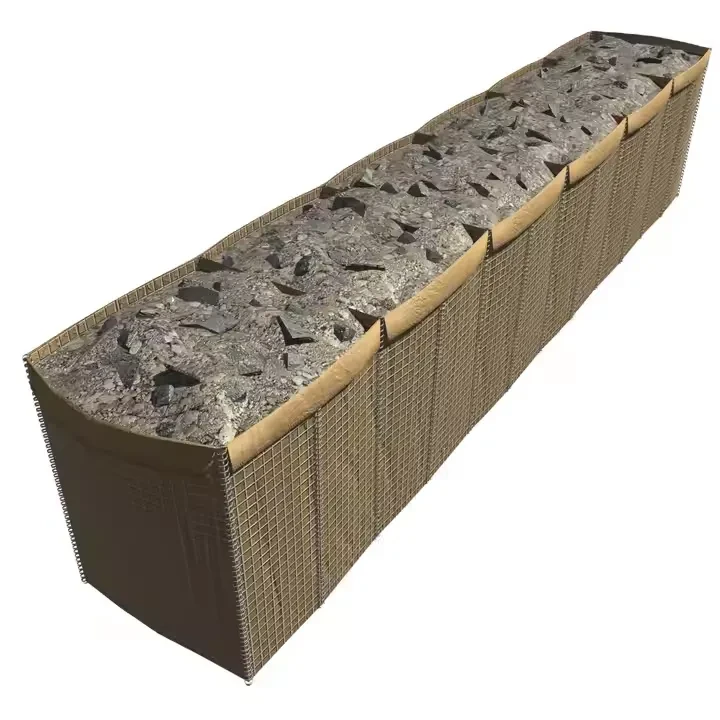
At its core, Anti Tank Barrier Metal Mesh is a robust metal grid designed specifically to resist the heavy pressure and force exerted by armored vehicles, tanks included. It may seem obvious, but manufacturing such a product requires a precise balance of strength, flexibility, and corrosion resistance. You couldn’t just slap any wire mesh in front of a tank expecting it to last.
The mesh typically consists of high tensile steel wires woven or welded into a pattern that dissipates impact forces effectively. For a bit of technical background, common specs include wire thickness ranging from 8mm to 12mm, apertures sized to prevent vehicle wheel passage, and protective coatings like galvanization to ensure longevity in harsh environments.
| Parameter | Value |
|---|---|
| Wire Diameter | 8mm - 12mm |
| Mesh Aperture | 50mm x 50mm (typical) |
| Material | High tensile galvanized steel |
| Coating | Hot-dip galvanization or PVC coating |
| Standard Panel Size | 2.5m x 3m (customizable) |
Benefits & Use Cases of Anti Tank Barrier Metal Mesh
Oddly enough, what really sets this mesh apart is its ability to combine brute force resistance with relatively easy installation and low visual obstruction. For industrial and security sectors, that’s gold — being able to secure a perimeter against heavy vehicles while maintaining sight lines is a huge plus.
In terms of use cases, think about military bases, government buildings, or critical infrastructure sites. They often rely on these robust metal barriers to slow or stop unauthorized vehicle access. The mesh’s design can be integrated into larger anti-ram installations, combining it with reinforced poles or earth berms for enhanced protection.
From my conversations with engineers in the field, they appreciate the mesh’s weather resistance and low maintenance demands — a feature that often isn’t shouted from the rooftops but cuts costs over time. Plus, the ability to tailor mesh size and coating means businesses can align their security needs with budget and local environmental conditions.
Vendor Comparison: Leading Anti Tank Barrier Metal Mesh Suppliers
| Feature | Jinjiu Wire Mesh | Competitor A | Competitor B |
|---|---|---|---|
| Wire Thickness | 8-12mm | 6-10mm | 8-11mm |
| Coating Types | Galvanized, PVC | Galvanized only | PVC coated |
| Customization Options | Panel size & aperture | Limited size options | Standard sizes |
| Lead Time | 3-4 weeks | 4-6 weeks | 5 weeks |
| Pricing | Competitive | Higher | Similar |
Cost, Maintenance & User Experience
When it comes to costing, frankly, durability often trumps upfront price. Anti Tank Barrier Metal Mesh from trusted suppliers like Jinjiu tends to offer a solid return on investment because it dramatically reduces repair or replacement frequency. It’s not just “set and forget” — the galvanized coatings add meaningful years away from rust, even in coastal or rainy areas.
From the chatter in the industry, end-users report fewer downtime issues compared to conventional concrete or wooden barriers that crack or degrade under repeated stress. One government facility client noted their perimeter fences, using Jinjiu mesh for over 5 years, still look nearly pristine with a little touch-up, which isn’t typical.
Installation also gets a thumbs-up. The relatively lightweight panels compared to alternatives speed up assembly without compromising security. It’s kind of surprising how these factors collectively drive costs down when calculated over a 7-10 year lifecycle.
Sustainability & Market Trends
Sustainability is often at the back burner in heavy defense or industrial markets, but it’s been pushing forward slowly. I noticed that manufacturers like Jinjiu are increasingly incorporating recyclable materials and eco-friendly coating processes. This isn’t just good PR; in many countries, governments are enacting stricter regulations on material waste and environmental impact.
Moreover, growth in global infrastructure spending — particularly in emerging markets focused on security upgrades — is expanding the demand curve for anti-tank barriers. This means not only more volume but also innovation. I’d expect to see more modular, lightweight, and hybrid materials integrating into metal meshes soon.
Frequently Asked Questions about Anti Tank Barrier Metal Mesh
- What is Anti Tank Barrier Metal Mesh and how does it work?
- It’s a heavy-duty metal mesh designed to withstand the impact and pressure from armored vehicles. By distributing the force through durable steel wires arranged in a tight pattern, it effectively blocks or slows tank movement.
- What are the main benefits of using Anti Tank Barrier Metal Mesh in industrial applications?
- Major advantages include high durability, corrosion resistance, ease of installation, and cost-effectiveness over time. It also allows visibility and air flow, which other solid barriers might restrict.
- How does Anti Tank Barrier Metal Mesh compare to traditional alternatives?
- Unlike concrete or solid metal plates, this mesh is lighter, easier to transport and install, yet strong enough to resist heavy vehicle pressure. It also offers better longevity thanks to protective coatings.
- What industries can benefit most from Anti Tank Barrier Metal Mesh implementation?
- Military facilities, government compounds, power plants, and high-security industrial zones are the prime sectors. Each uses it to enhance perimeter defense and vehicle access control.
Conclusion on Anti Tank Barrier Metal Mesh from China
To wrap it up, Anti Tank Barrier Metal Mesh offers a smart, durable solution for sectors needing dependable perimeter security against heavy vehicle threats. It blends strength, adaptability, and environmental consciousness in a way few alternatives can match. If you’re looking for long-term value and proven reliability, Jinjiu’s offerings deserve a close look.
- Recap the value of Anti Tank Barrier Metal Mesh.
- Visit our website: https://www.jinjiuwiremesh.com
Reflecting on all this, it feels like the anti tank barrier mesh market is just hitting its stride — practical, yet ripe for improvements. Watching how suppliers balance innovation with necessity will be an interesting space to track in coming years.

Related Products

Related News


2026-03-16 14:21:07
Discover durable farming solutions and flexible animal containment with hinge-knot field fence. Combining impact-resistant design and customizable options, Hebei Jinjiu ensures quality for agricultural applications. Explore now: https://www.jinjiuwiremesh.com/field-fencefarm-fence.html
2026-03-16 14:21:07
Discover durable farming solutions and flexible animal containment with hinge-knot field fence. Combining impact-resistant design and customizable options, Hebei Jinjiu ensures quality for agricultural applications. Explore now: https://www.jinjiuwiremesh.com/field-fencefarm-fence.html
2027-04-14 00:00:00
Discover durable farming solutions and flexible animal containment with hinge-knot field fence. Combining impact-resistant design and customizable options, Hebei Jinjiu ensures quality for agricultural applications. Explore now: https://www.jinjiuwiremesh.com/field-fencefarm-fence.html
2026-02-25 15:31:06
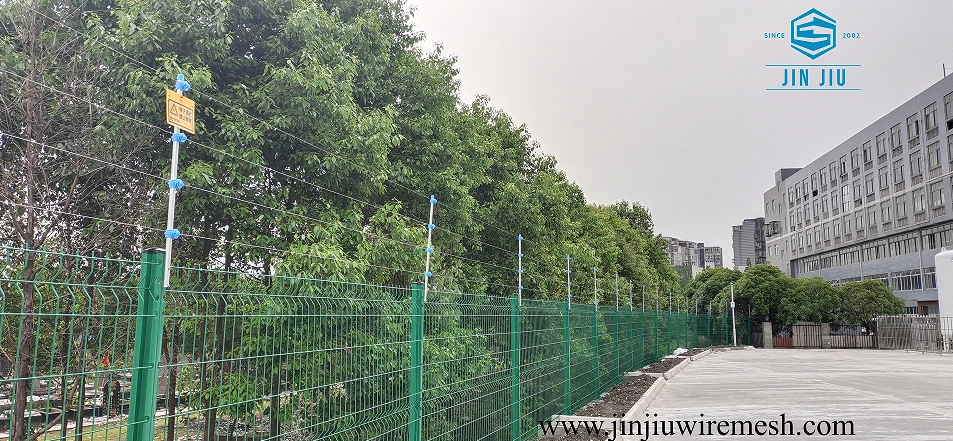
The Strategic Role of the Industrial Electric Fence in Modern Commerce
The protection of corporate and manufacturing assets has transitioned from a matter of simple boundary marking to a complex necessity of risk management.
2026-02-25 15:29:03
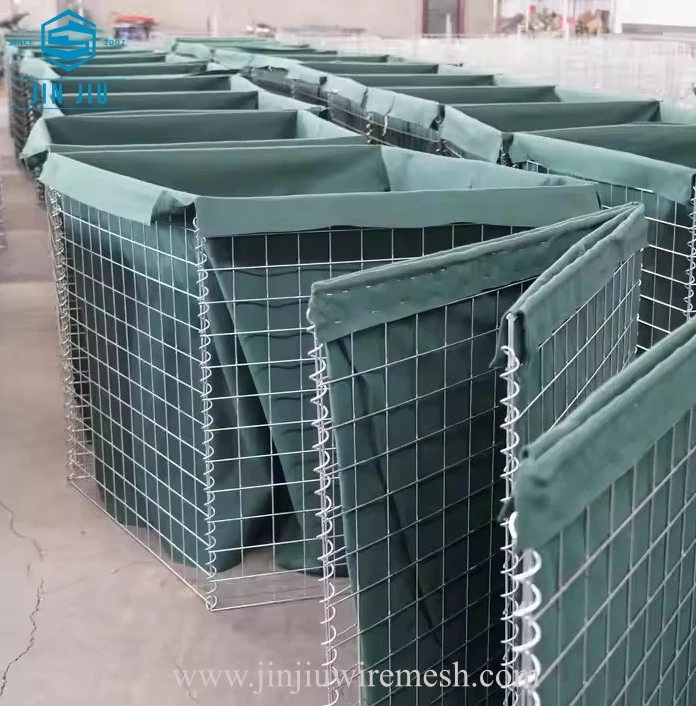
The Evolution of Physical Protection: Bullet Resistant Defensive Barriers in Modern Security
In an increasingly unpredictable global landscape, the requirement for high-level ballistic protection has moved beyond the battlefield and into the core of civilian and industrial security infrastructure.
2026-02-25 15:26:58
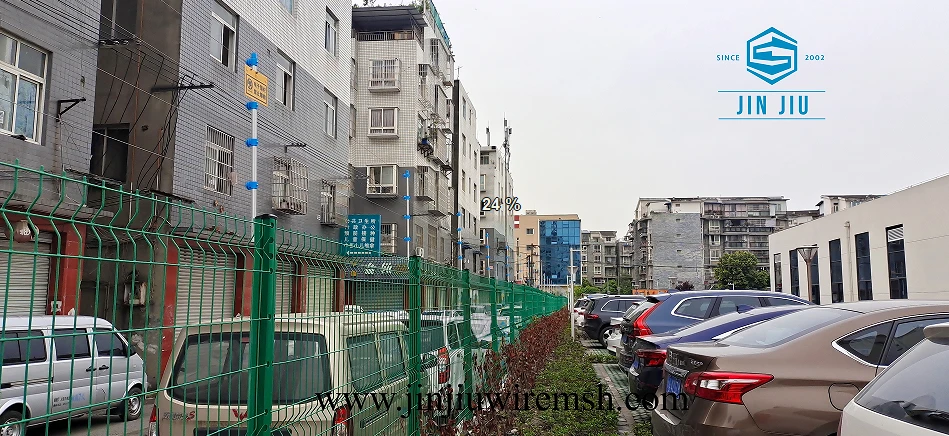
The Digital Backbone of Modern Security: Connected Pulse Monitoring Electric Fence Architecture
The traditional concept of a perimeter has undergone a fundamental transformation.
2026-02-25 15:24:13
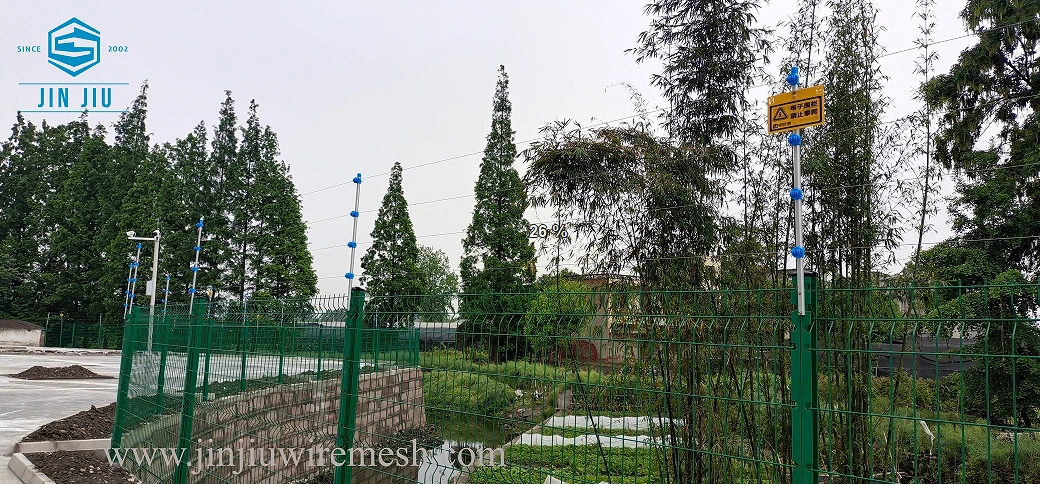
Securing the Unreachable with a Powerful Pulse Electric Fence
In the realm of global security, the distinction between a standard boundary and a high-security perimeter is often defined by the technology pulsing through the wires.
2027-04-14 00:00:00
Engineering Resilience with Explosion Proof Defensive Barriers
In an era where industrial safety and national security are increasingly intertwined, the necessity for specialized protection in volatile environments has never been higher.


 English
  Albanian
  Arabic
  Bengali
  Czech
Czech  Danish
  Dutch
Dutch  Finnish
  French
  German
  Japanese
  Malay
Malay  Persian
  Polish
  Portuguese
  Romanian
  Russian
  Serbian
  Spanish
  Swahili